
-
-
Phone
+86-13623462298



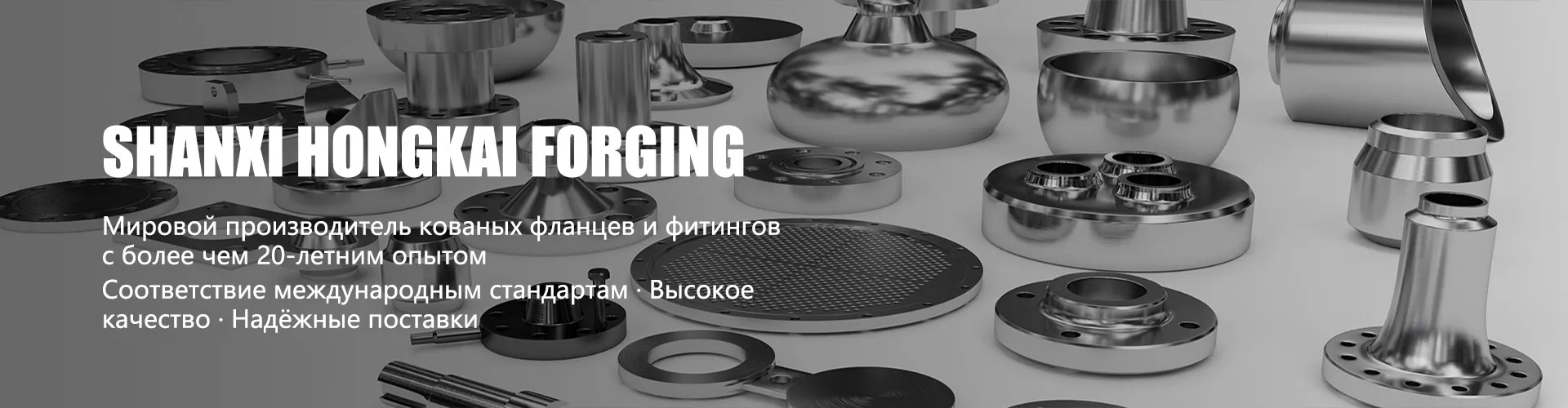
flanges 320
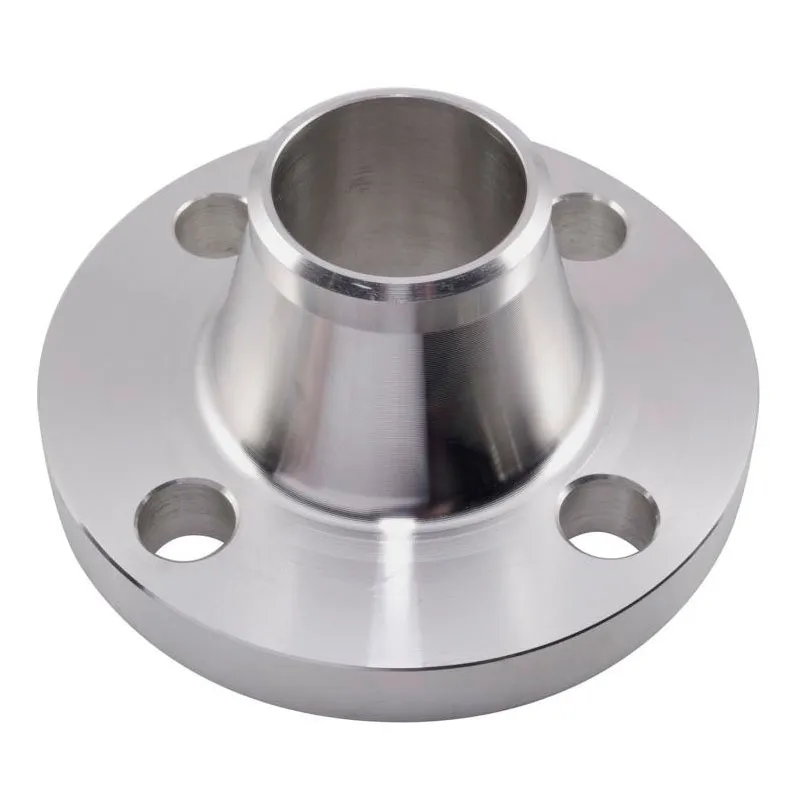
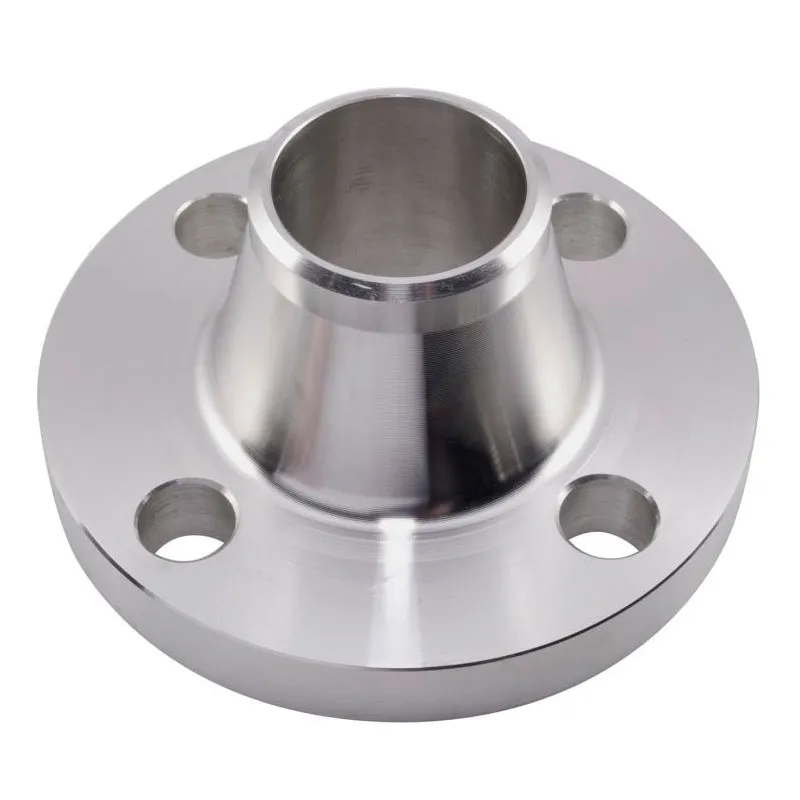
When they say “320 flanges”, many people immediately think about DN 320. And this is the first mistake. In practice, especially when working with high-pressure pipelines, this figure more often refers to the conditional pressure - Ru 32 MPa (or 320 kgf/cm2). This is a completely different level of requirements for material, manufacturing technology and control. You come across DN 320 according to GOST (analogous to ASME B16.5) more often, but even here there are nuances that are not written in catalogs. For example, the difference in weight and geometry of a butt weld flange (WN) for PN 16 and PN 25 with the same DN 320 is colossal. Out of old habit, you order ?flange 320? without specifying the pressure - and you don’t get what you need for a 25 MPa line. I got burned by this myself a couple of times until I developed a rule: always require a drawing indicating the standard and all the parameters.
From steel to forging: where reliability is born
For flanges with high parameters, the same Ru 32, ordinary sheet steel is not suitable in principle. Need forging. And here it is not just the “forged flange” that is important, but the quality of the workpiece itself - upsetting, forging, heat treatment modes. I remember a project where DN 320 flanges made of 09G2S steel were supplied from different manufacturers. One has an ideal metal structure after normalization, the other shows signs of overheating. The second batch was rejected after ultrasonic testing and inhomogeneities were discovered. Therefore, now when choosing a supplier, I look not only at certificates, but also at the origin of the forging. Chinese manufacturers, for example those from the Shanxi region, where the forging industry has historically developed, often have good presses and production culture. LikeShanxi Hongkai Forging Co.,Ltd(websitehttps://www.hkflange.ru). They position themselves as a manufacturer of forged flanges and forgings, working in accordance with GOST, ASME, EN. For DN 320 and high pressures, this approach is a basic requirement. Not stamping, not cutting from rolled metal, but forging.
But forging is different from forging. The standard flange DN 320 Ru 16 is one thing. What if you need a non-standard product, say, with additional reinforcement with ribs or non-standard sizes of connecting holes for specific fittings? Here you can’t do without close contact with the plant’s technologists. It is necessary to discuss the drawing of the forging so that the metal fibers are correctly oriented and internal stresses are minimized. Universal solutions don't work here.
Another point is testing. For flanges on Ru 32, hydraulic tests of the blank (forging) and the finished product are required. Often the supplier provides protocols only for the finished flange. But for critical objects, we always request test reports specifically for forgings - for mechanical properties (tensile strength, yield, impact strength) throughout the entire volume. This gives confidence that there are no hidden defects in the flange body.
Assembly standards and reality
When working with 320 flanges, you are constantly faced with conflicting standards. Let’s say the pipe is according to ASME, the fittings are according to DIN, and the customer requires installation according to Russian standards. The flange DN 320 ASME B16.5 Class 300 and the flange DIN EN 1092-1 PN 40 are similar, but not always interchangeable things in size and thickness. The difference in bolt hole circle diameter (PCD) can be a couple of millimeters, and this is enough to prevent it from coming together. You have to either recalculate the entire fastening scheme or look for transitional solutions.
Old objects that have flanges of the Soviet GOST 12820-80 or even 12821-80 can be a particular headache. Finding an exact replacement for DN 320 today can be difficult; many factories have switched to current GOST 33259 or imported analogues. And this is where manufacturers who work with a wide range of standards are useful, like the sameShanxi Hongkai Forging Co.,Ltd. Their product range includes GOST, ASME, DIN, and EN. This means that you can order a product according to a specific, even outdated, drawing. But again, this will be manufacturing, and not selection from a ready-made warehouse. The timing and price will be different.
In practice, assembly also has subtleties. When joining flanges of large diameter (320 mm - this is already serious), even perfectly manufactured products can become distorted due to weight. You can't just put bolts on and start tightening. You need the correct sequence, the use of calibrated torque wrenches, and often monitoring the gap around the perimeter. Otherwise, the seal (paronite, spiral-wound ring) will not provide tightness, especially under cyclic temperature loads.
Loose flanges on large diameters: pros and cons
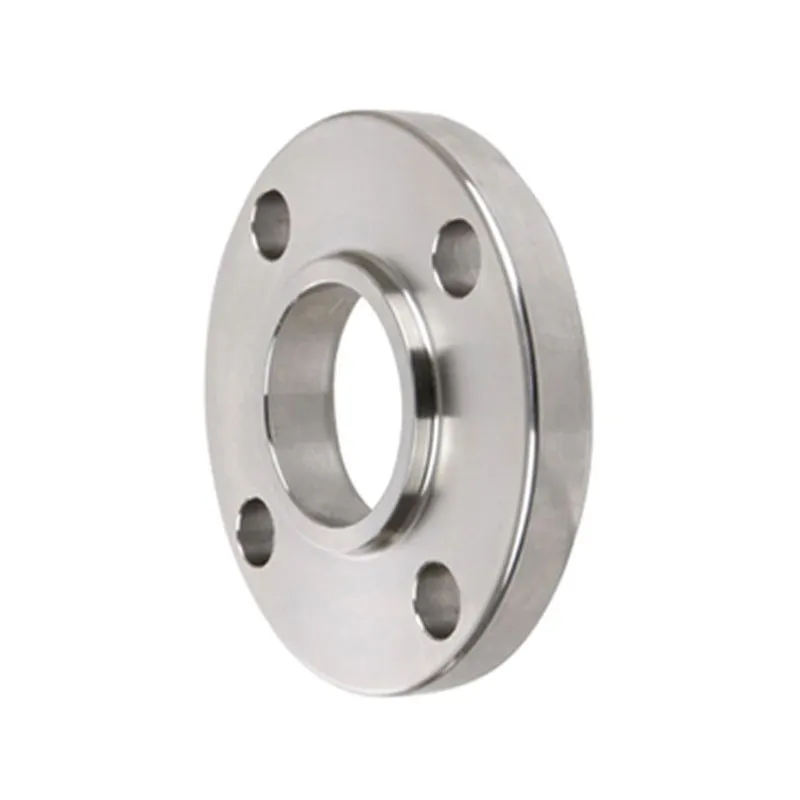
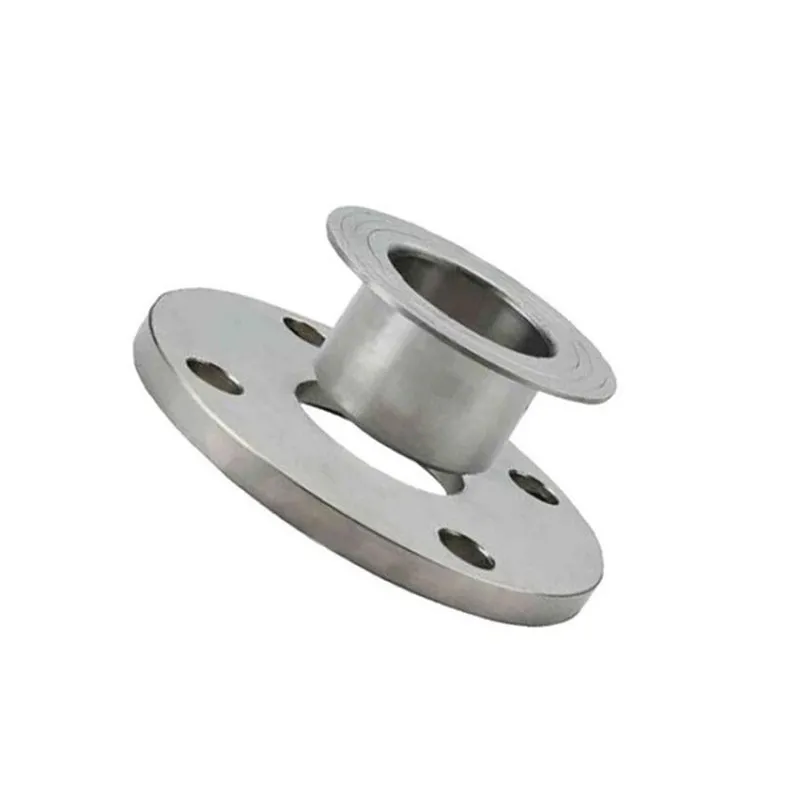
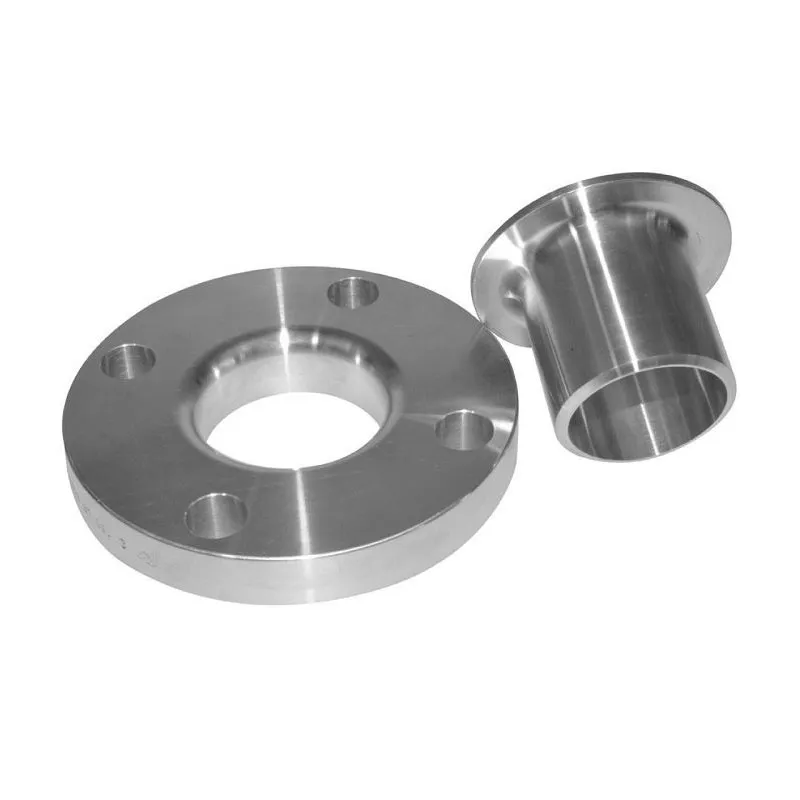
For DN 320, the option of a loose flange on a welded ring is sometimes considered. In theory, this is convenient for installation - the ring is welded to the pipe, and the flange itself rotates freely, which makes it easier to align the holes. But at pressures above PN 16, I would not recommend this design for permanent pipelines. Is there a risk of subsidence? flange under load, especially during thermal expansion, since there is no rigid connection with the pipe. These flanges are good for connections that require frequent disassembly (for example, for cleaning or inspection of heat exchangers).
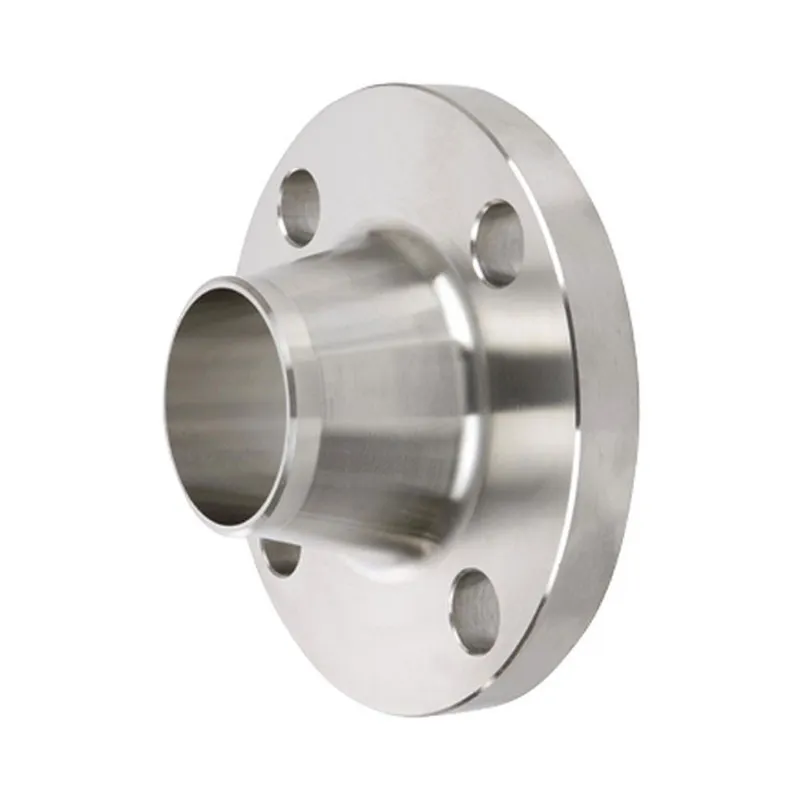
Once, loose flanges DN 320 Ru 16 were used on the steam supply line. After six months of operation, traces of condensate leakage through the bolted connection appeared on several connections. During disassembly, it turned out that the inner surface of the flange, in contact with the ring, was subject to fretting corrosion due to microdisplacements. I had to switch to butt weld flanges. Conclusion: for static, highly loaded lines - only WN (welded butt).
Quality control: what to look for besides the certificate
A certificate of conformity is good. But it often reflects test data from witness samples, not your specific flange. For those in chargeflanges 320We always stipulate additional types of control. First, labeling. It must be clear, include not only Du and Ru, but also the steel grade, manufacturer's mark, and heat/forging number. Washable paint is not acceptable.
Secondly, geometry. We check not only with a caliper, but also on a calibration plate for curvature (flatness) of the sealing surface. The tolerance is only a few hundredths of a millimeter. It happens that the flange is ideal in thickness and diameter, but has a “propeller”, which guarantees leakage.
Thirdly, the condition of the surface. There should be no scale, deep marks or cracks on forged flanges. We especially carefully inspect the chamfer for welding. The roughness of the sealing surface also matters. Too rough - it will tear the gasket, too smooth (polished) - it may not provide the necessary friction to hold the gasket during installation. There needs to be a balance here, which usually sets the standard for cushioning material.
Non-standard situations and production according to drawings
Standard flanges are easy. Difficulties begin when you need a transition from DN 320 to another diameter, a flange with an additional fitting for drainage, or an instrument flange with a non-standard arrangement of holes. Catalogs won't help here. We need a manufacturer who will take on individual production. From experience, the key in such an order is to provide the most detailed drawing indicating all dimensions, tolerances, instructions for surface treatment and, of course, operating conditions (medium, pressure, temperature).
Working withShanxi Hongkai Forging Co.,Ltdusing a non-standard adapter flange (from 320 to 250 mm on Ru 25), we were faced with the importance of the process coordination stage. Their engineers requested not only a drawing, but also a diagram of installation in the pipeline in order to understand the load vector. As a result, they proposed changing the configuration of the reinforcement of the ribs, which made the design more rational. This is an indicator of a serious approach. The finished products arrived with a full set of documents, including protocols for ultrasonic testing of forging and final machining.
The price for such piece products, of course, is several times higher than standard ones. But for the repair of unique equipment or modernization of old production, this is often the only option. The main thing is to budget time not only for production, but also for approvals and control at each stage.
Bottom line: dialogue and details are key.
So, “320 flanges?” - it's a whole world. From the choice between Du and Ru, between steel 20 and 09G2S, between standard ASME and individual drawings. Experience has shown that success does not depend on finding the cheapest option in the catalog, but on a clear technical specification and the choice of a manufacturer who is able to understand this request and provide it technologically. Dialogue is important: he explained why, under what conditions - he received intelligent questions from the technologist and, as a result, a reliable product. Sites likehkflange.ruare useful as an entry point to understand the capabilities of the plant (range up to DN4000, range of standards), but then you always need direct contact, discussion of details and, if possible, a production audit or at least feedback from real facilities. Because what’s at stake is not just a metal ring, but the tightness and safety of the entire pipeline.
Correspondingproducts
Related Products
Best Sellingproducts
Best Selling Products-
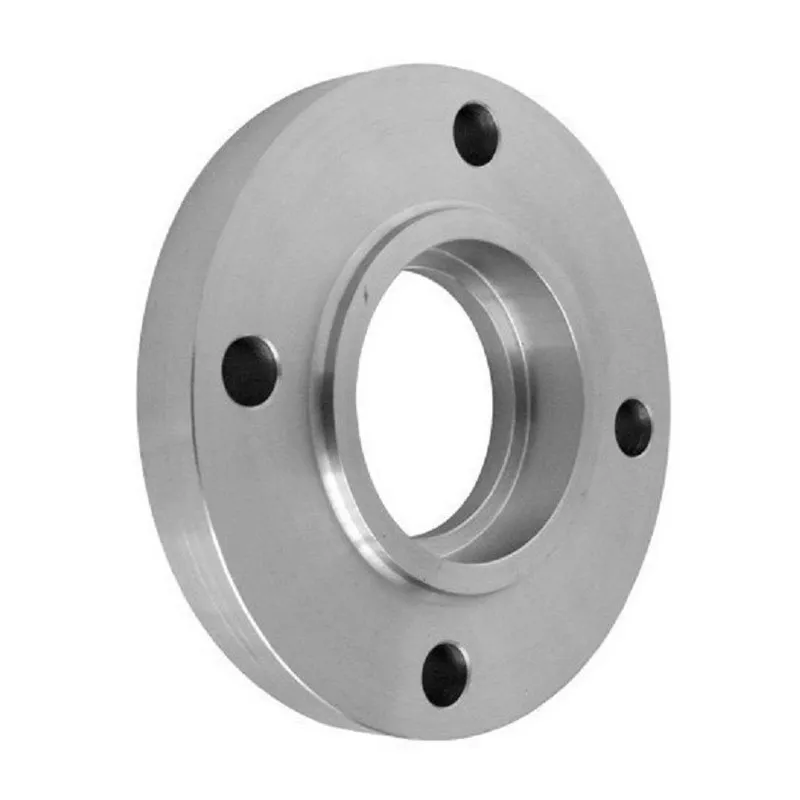 JIS 5K Socket Weld Flanges
 -
 DIN Butt weld flanges PN10
 -
 ANSI B16.5 Lap-on flanges Class 300
 -
 Butt weld flanges Class 150
 -
 UNI 2281 Butt weld flanges PN10
 -
 JIS 10K Loose Ring Flanges
 -
 EN 1092-1 Butt weld flanges Type 11, PN25
 -
 ANSI B16.5 Loose Ring Flanges Class 2500
 -
 DIN 2501 Overlay flanges PN16
 -
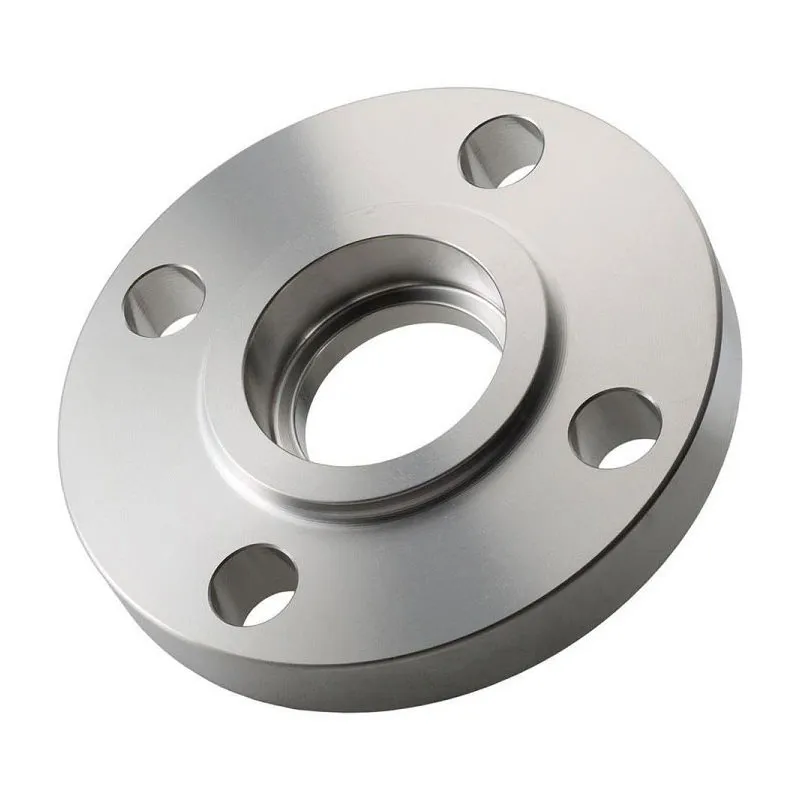 Flanges for socket welding
 -
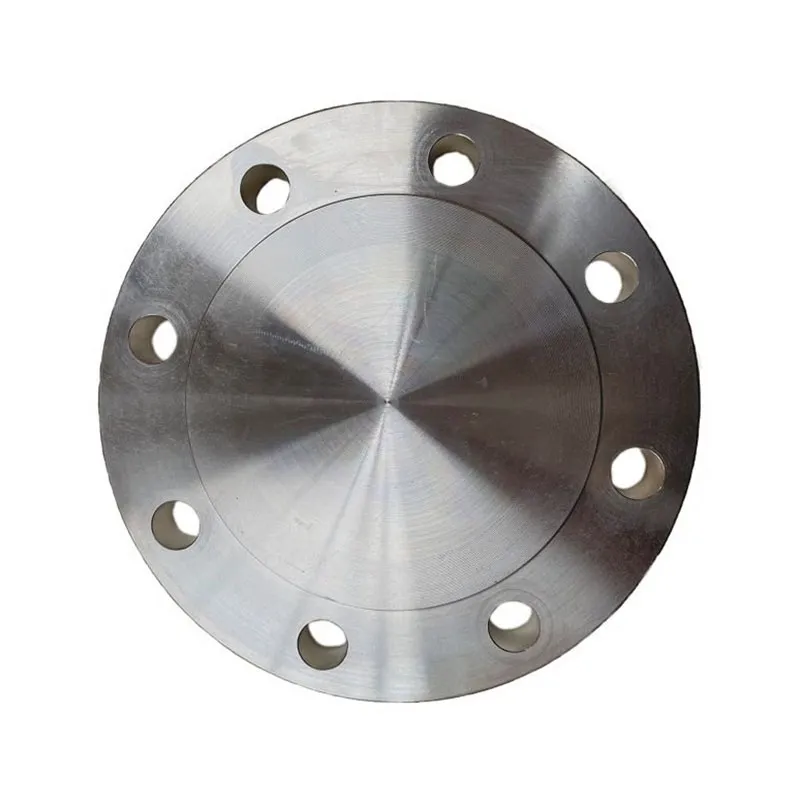 UNI 6092 Blind flanges PN10
 -
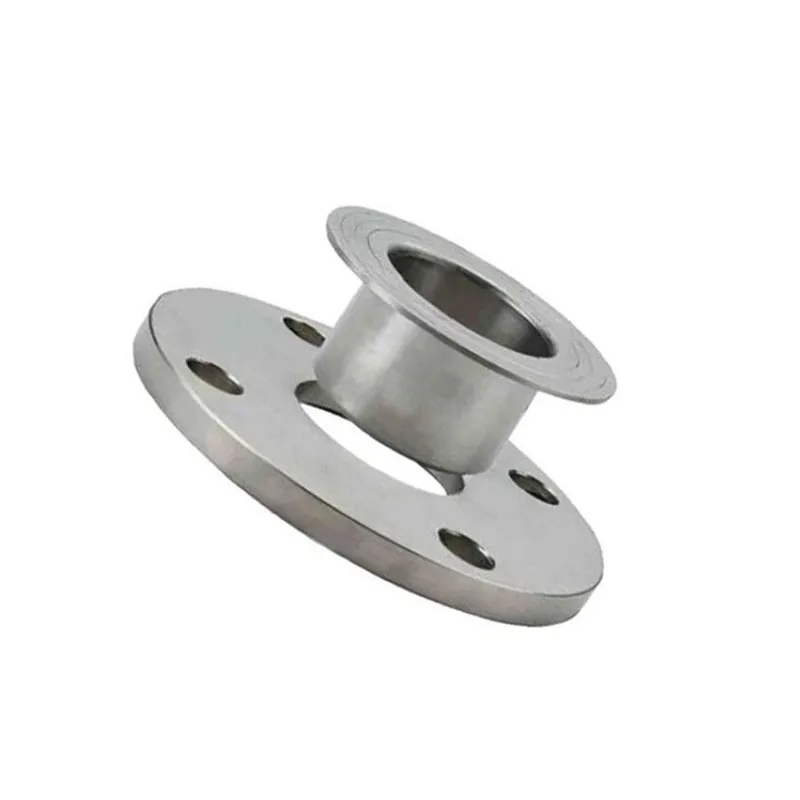 Free ring flanges Class 400