
-
-
Phone
+86-13623462298



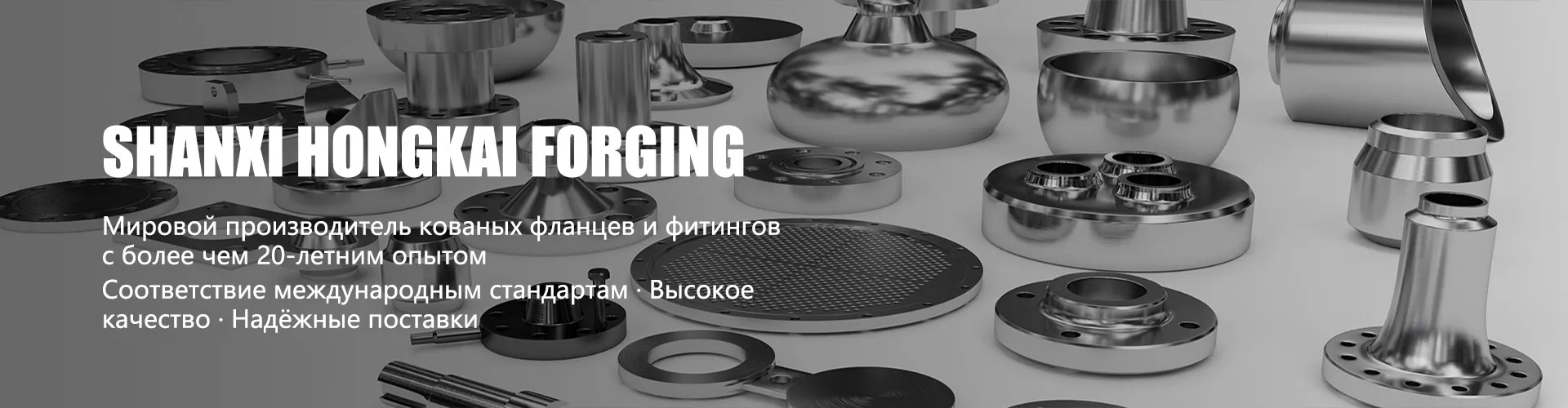
flange 100 4
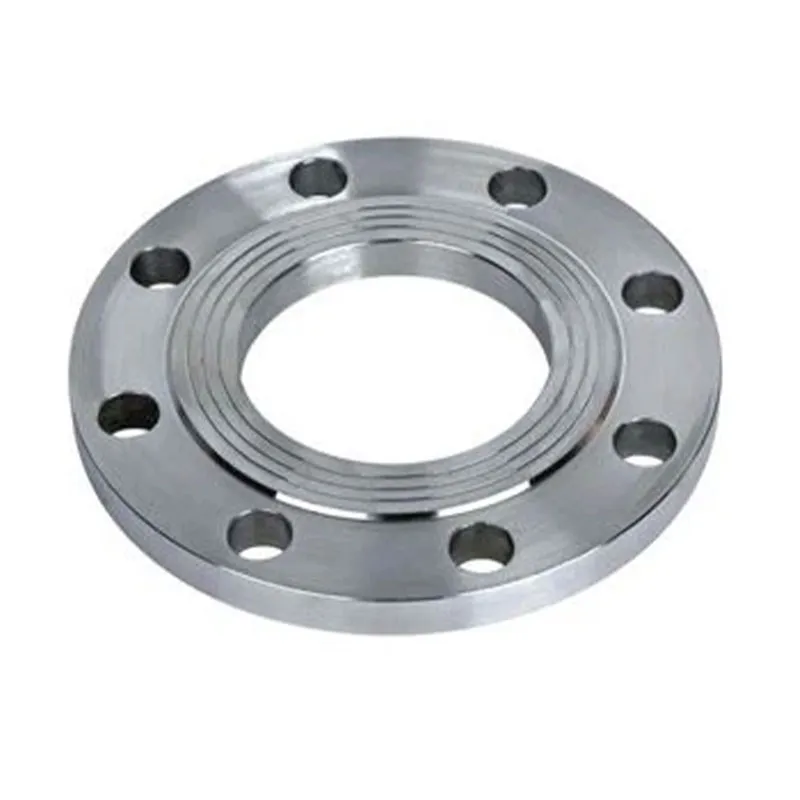
When you see “flange 100 4” in a specification or request, everything seems simple: nominal diameter 100 mm, pressure 4 MPa (40 kgf/cm2). But this is where the first pitfall lies. Many, especially those who are just starting to work with pipeline fittings, think that this is a universal “calling card”. products. In reality, these numbers are just a starting point. What standard? What type of surface? For what environment? Without answers to these questions, you can easily end up with the wrong part for your project. I myself got burned by this a couple of times at the beginning of my career, when I thought that since the DN and PN matched, then the flange would fit. It turned out not.
Let's understand the basics: DN 100 and PN 40 are not everything
So,flange 100 4. Let's take GOST (this is an analogue of EN 1092-1) or, say, ASME B16.5. In both cases, DN100 is approximately 114.3 mm in outer diameter of the pipe to which it will be joined. But PN40 (or Class 300 in the American system) is the nominal pressure, but at 20°C for water. If you have steam at a temperature of 300 degrees, the design pressure will be different, and a flange of a higher class may be required. This is a common mistake in projects - they take the table for water, and then wonder why the joint “sweats”.
Material is a different story. Steel 20, 09G2S, 12Х18Н10Т - the choice depends on the aggressiveness of the environment. For ordinary water or low-pressure steam, carbon steel will also work. But if there are at least traces of hydrogen sulfide or chlorides in the environment, you already need to look towards alloy steels. Once we ordered a batch of flanges from Art. 20 for a conditionally “non-aggressive” Wednesday, and then it turned out that it contained ammonia. I had to urgently re-order, luckily we found a manufacturer who quickly made it from the right brand. Now I often work withShanxi Hongkai Forging Co.,Ltd— they have a large warehouse stock of blanks for different grades of steel, which speeds up the production of non-standard items.
The design of the sealing surface is also important. Most often, PN40 requires a ridge-and-groove (RF - Raised Face), but there are projects where a tongue-and-groove (Tongue & Groove) or even a lens spacer is needed. If you do not clarify this point at the ordering stage, you can end up with a perfect flange that simply does not mate with the mating part on the equipment. Always check the customer’s drawings, even if the request contains a seemingly standard combination.
Ordering and production practices: what to look for
When a request is received forflange 100 4, the first thing I do is request a complete package of data: standard (GOST, ASME, DIN), material according to specification, surface type, need for heat treatment or control and measurement documents. Without this, even starting a conversation with production is pointless. Previously, it happened that I sent a request to the workshop with a minimum of information, and then received questions from the technologists, and everything was delayed.
For example, for one of our facilities in the north we needed flanges in accordance with GOST 33259 for low temperatures. Steel 09G2S, with ultrasonic inspection of the weld (if it is a butt-welded flange) and impact tests. We contacted several suppliers. Someone immediately said that they don’t do such tests, someone said a period of three months. On the websitehkflange.rufromShanxi Hongkai Forging Co.,LtdI saw that they work with GOST and make forgings, and not just cut from sheets. Contacted and discussed. It was important that they make the forgings themselves - this gives better mechanical strength and uniformity of the metal structure, especially for critical applications. As a result, they offered a reasonable time frame and provided all the necessary certificates, including mechanical test reports. The flanges themselves arrived smooth, without holes, the holes for the studs matched perfectly - this, by the way, is a common problem with some manufacturers when they have to be drilled out.
Another point is coverage. This is usually a primer for protection during transportation. But if the flanges are used, say, for food production, passivation may be required. Or, conversely, for outdoor installation in an aggressive atmosphere - hot-dip galvanizing. This needs to be discussed separately; it is not included in the “base”.
Loose flanges and installation nuances
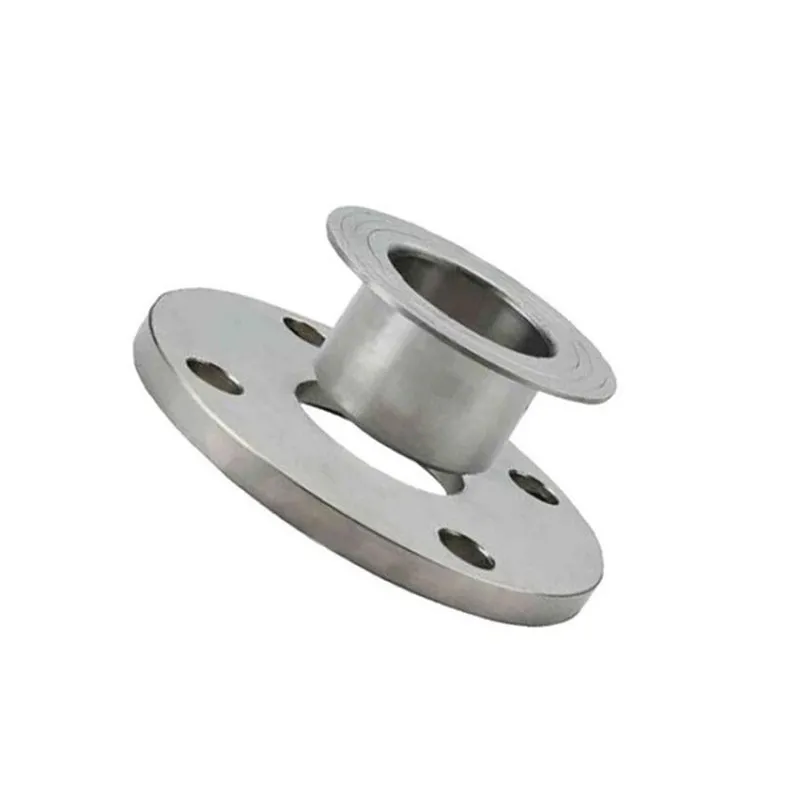
Frequent request -flange 100 4free (on a welded ring) according to GOST 12822-80. It would seem that it couldn’t be simpler: weld the ring to the pipe, put on the free flange, and assemble it. But there is a subtlety here too. Pipe wall thickness. If the pipe is thin-walled and the pressure is high, the ring may be of a non-standard thickness to compensate for the difference. Or, for example, you need to ensure the alignment of several devices - a free flange allows you to do this by turning it slightly on the pipe before final tightening.
Once there was a funny incident. The installers complained that the flanges “do not tighten?”. I come to look - and they installed loose flanges on the rings, but forgot to weld these same rings to the pipes! The flange was loose, naturally, the joint was not sealed. I had to conduct an educational program on the spot. Therefore, now on delivery notes and packing lists for loose flanges I always write in large numbers: “COMPLETE WITH A WELDING RING. SHOULD WE WELD THE RING TO THE PIPE BEFORE INSTALLATION? A trifle, but it saves nerves and time.
The quality of processing of shoulders and chamfers on a free flange is also an indicator. Burrs or irregularities will tear the gasket. At the sameShanxi Hongkai Forging Co.,LtdThe product description clearly states the range up to DN4000 and production according to drawings. This means that if I need a free ring not of standard thickness, but reinforced for a specific project, they will make a forging to these parameters. This is valuable when you are working with the reconstruction of old objects, where non-standard connecting dimensions are often encountered.
Non-standard situations and conclusions
Sometimes you need itflange 100 4, but with additional requirements. For example, with a drainage hole in the skirt (for the collar flange), or with a non-standard arrangement of holes for the studs - to connect to an old European-made pump. Here you can’t do without a direct dialogue with the manufacturer. You need to send a sketch and discuss manufacturing technology. Forging here is preferable to cutting from thick sheet metal, especially if the holes are close to the edge - when forging, the metal fibers follow the contour, which increases strength.
The main conclusion that I have made for myself over the years of work is that even such a seemingly ordinary part as a DN100 PN40 flange requires attention to detail. You can’t just ?Google? and buy the first one you come across. You need to understand the operating conditions, know the standards and be able to read the customer’s drawings. And, what is critically important, find trusted suppliers who not only sell metal products, but actually produce them, likeShanxi Hongkai Forging Co.,Ltd - manufacturer of forged flanges and forgings, having a full cycle from forging to finishing machining. This is a guarantee that in case of quality issues or the need to urgently change order parameters, there will be someone to speak the same technical language with and who will be able to quickly solve the problem.
In general, ?flange 100 4? - this is not a code for automatic ordering. This is a technical task that needs to be deciphered. And it depends on how accurately you do this whether the joint will hold for years or become a headache at the very first crimping. It is always better to spend an extra hour on clarifications at the application stage than weeks on rework and downtime on site.
Correspondingproducts
Related Products
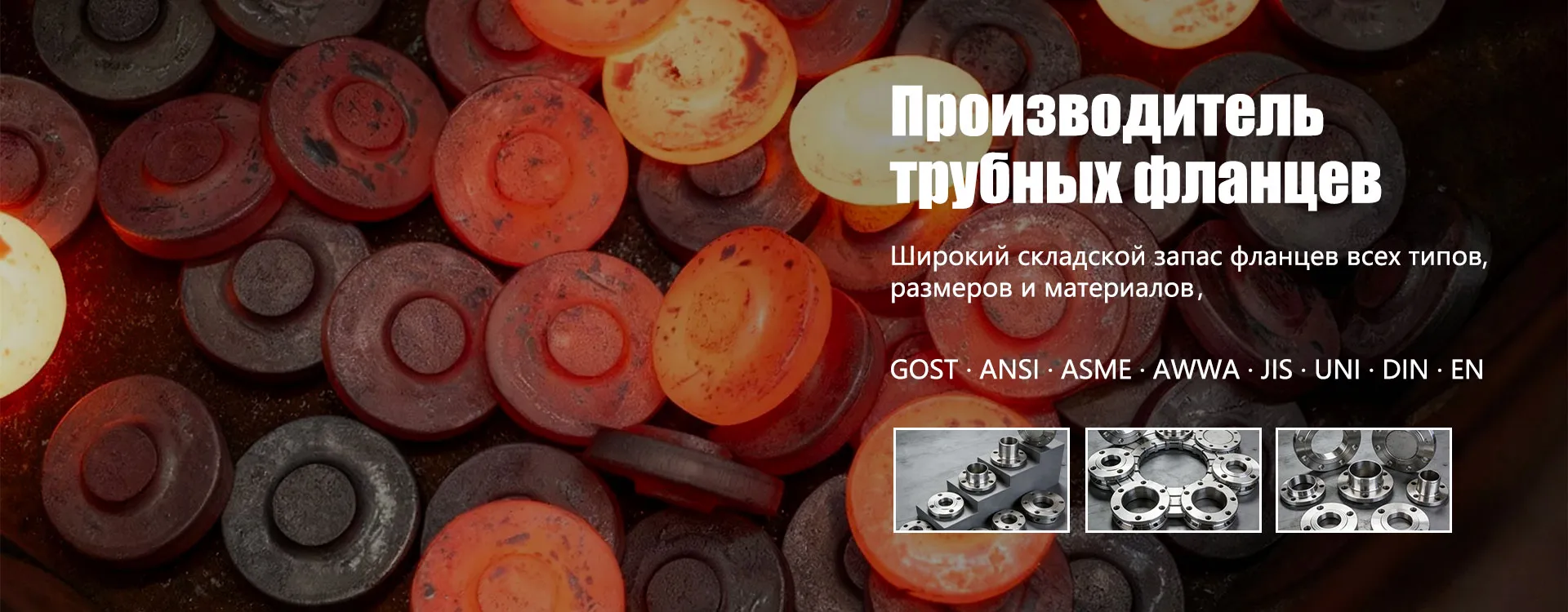
Best Sellingproducts
Best Selling Products-
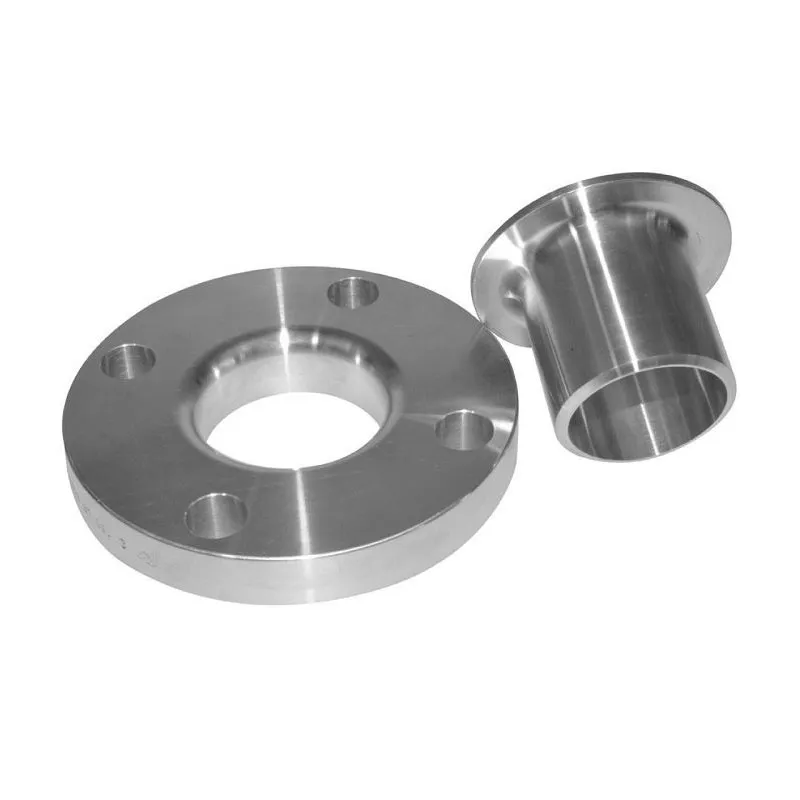 ANSI B16.5 Loose Ring Flanges Class 2500
 -
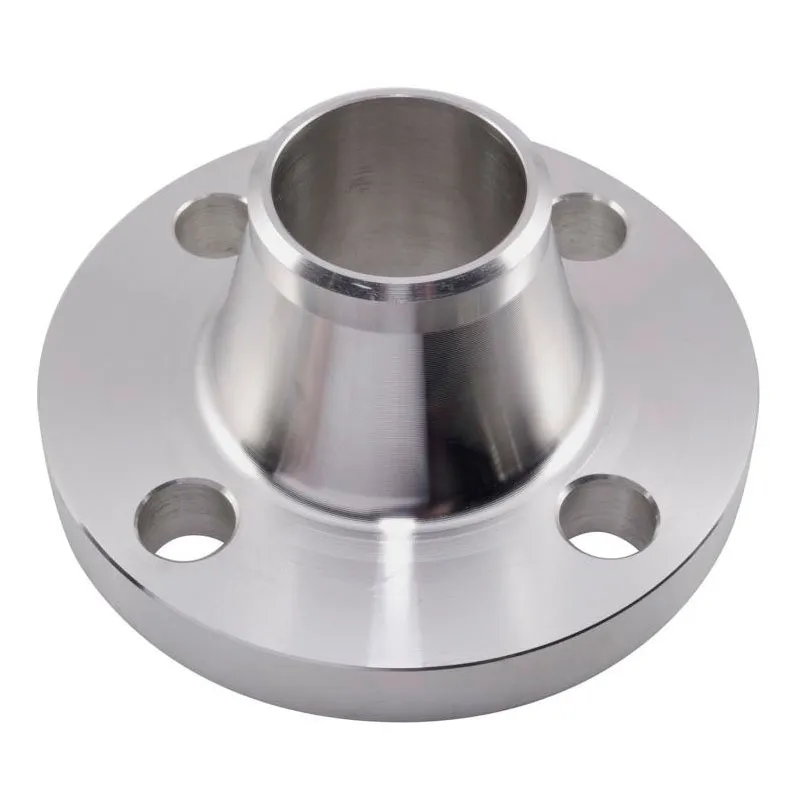 DIN Butt weld flanges PN10
 -
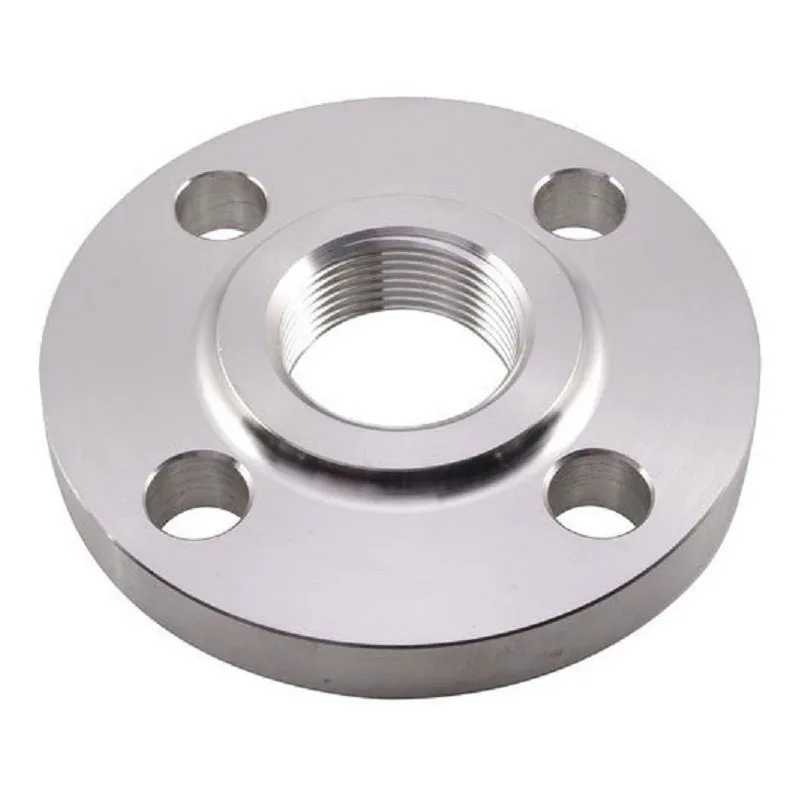 ANSI B16.5 Threaded Flanges Class 600
 -
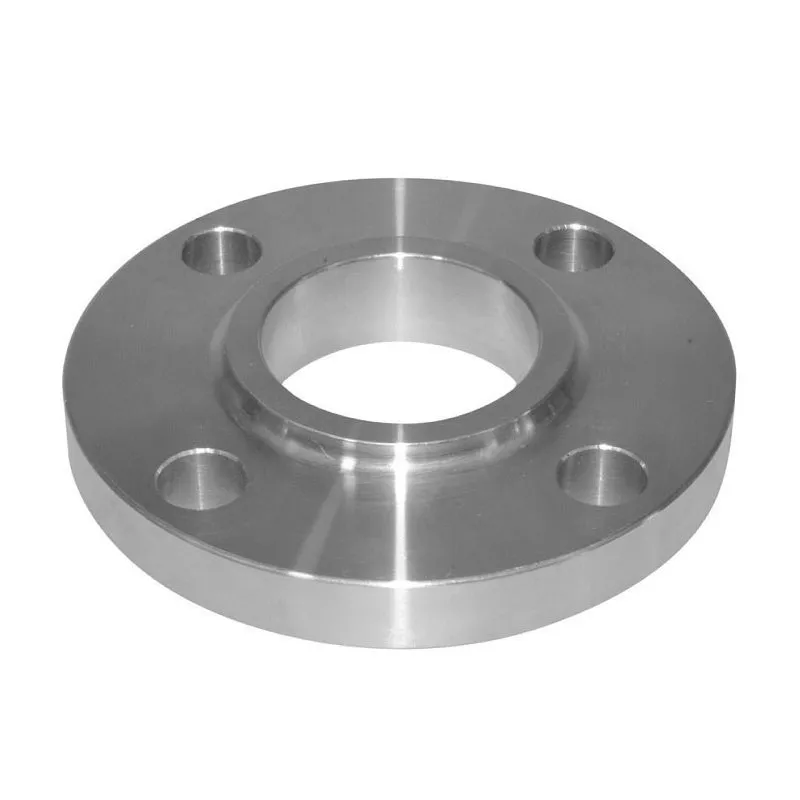 ANSI B16.5 Lap-on flanges Class 1500
 -
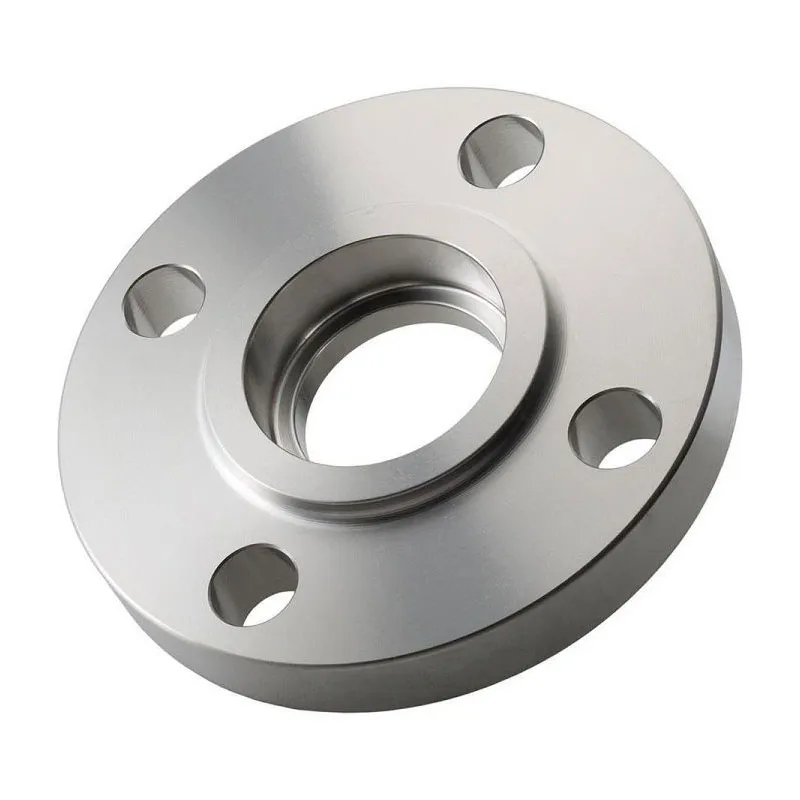 ANSI B16.5 Socket Weld Flanges Class 1500
 -
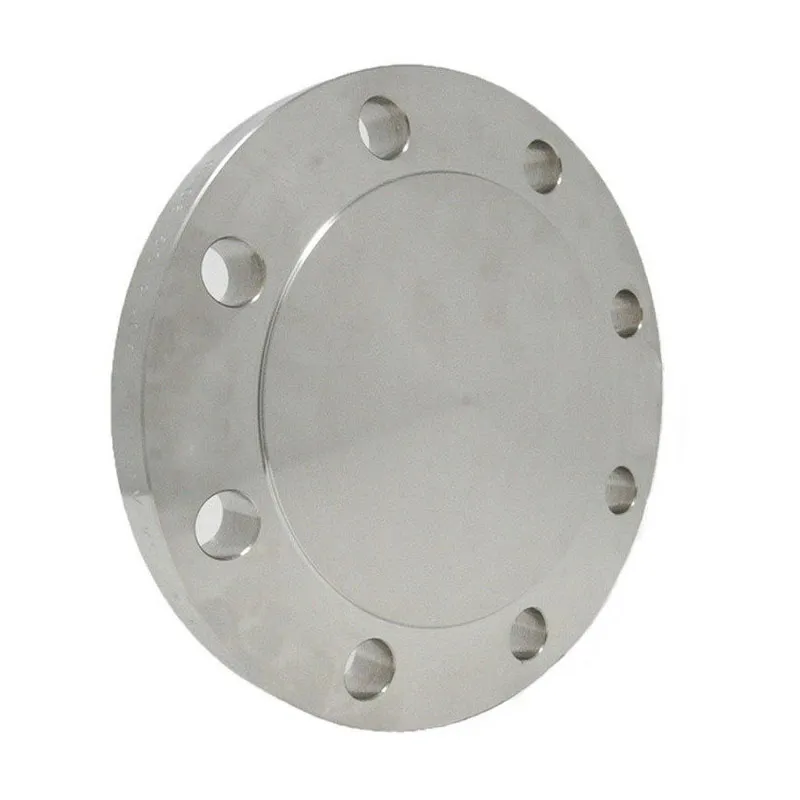 AWWA Blind Flanges Class D (Tables 1, 2, 3)
 -
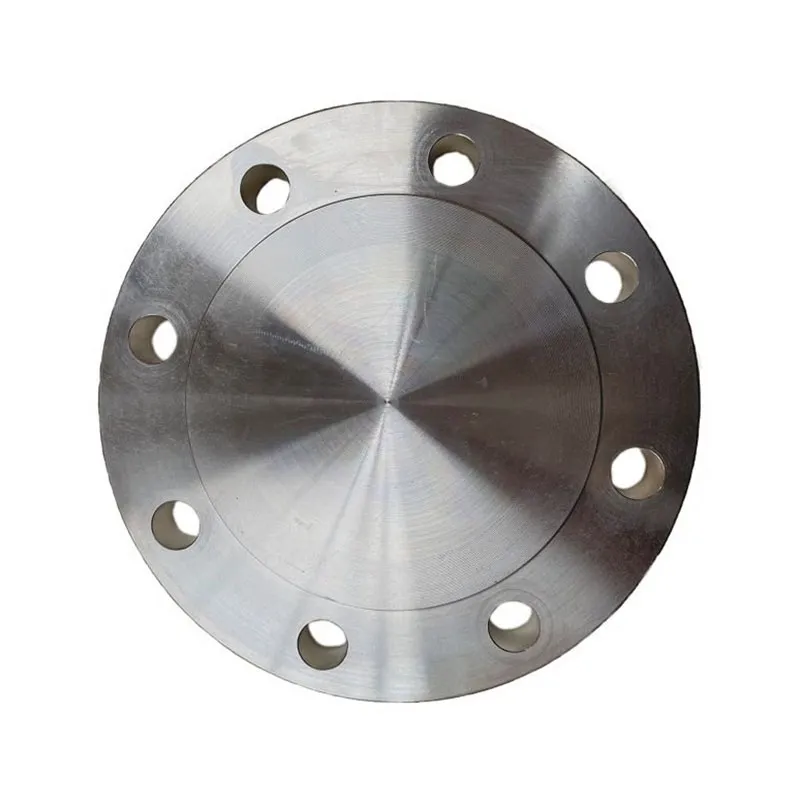 ASME B16.47 Ser.A Blind Flanges Class 400
 -
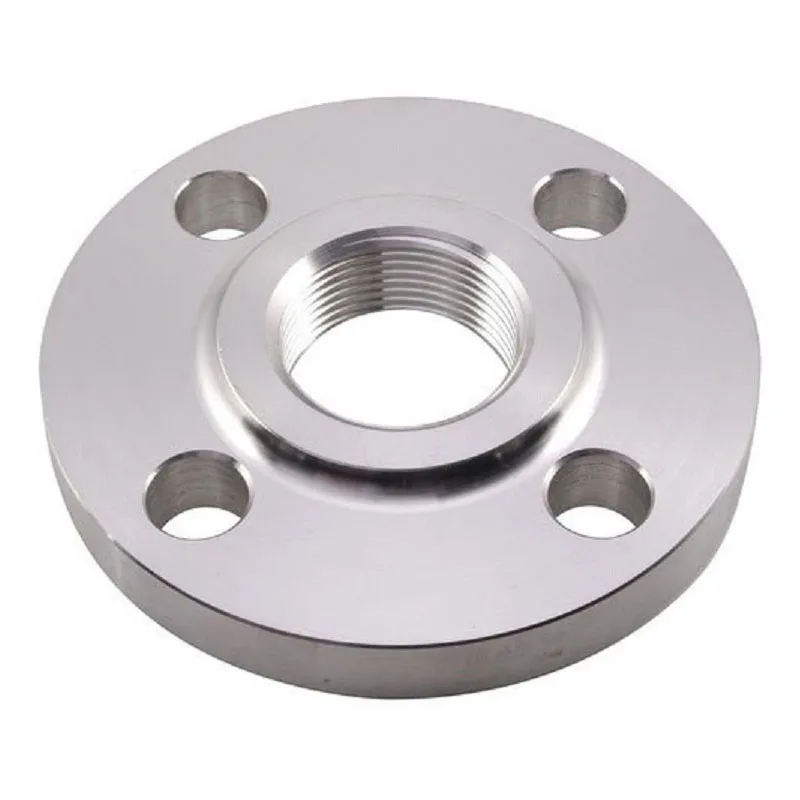 DIN 2566 Threaded flanges PN16
 -
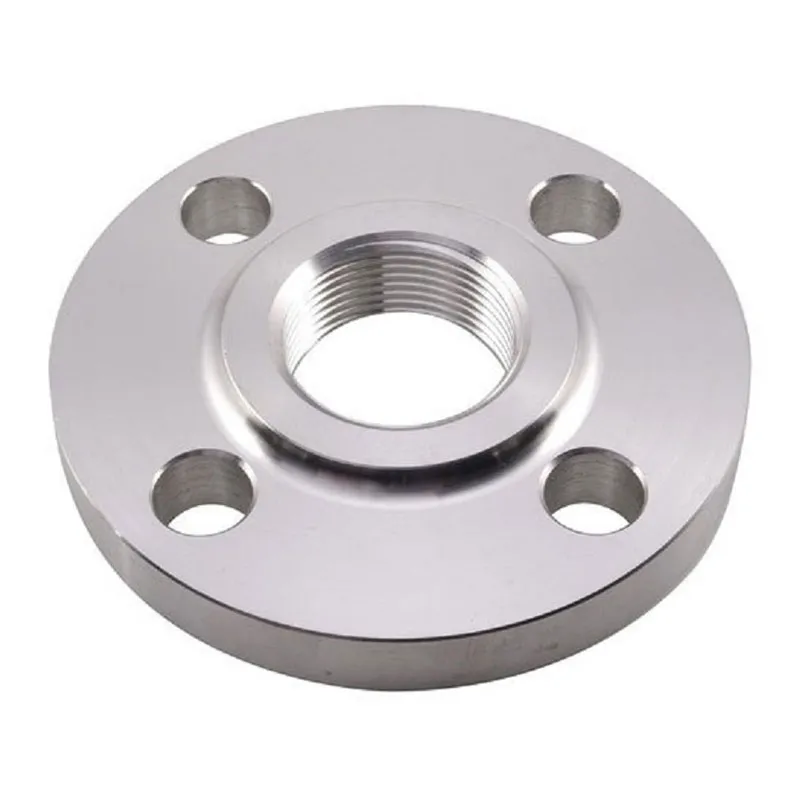 JIS 10K Overlay flanges
 -
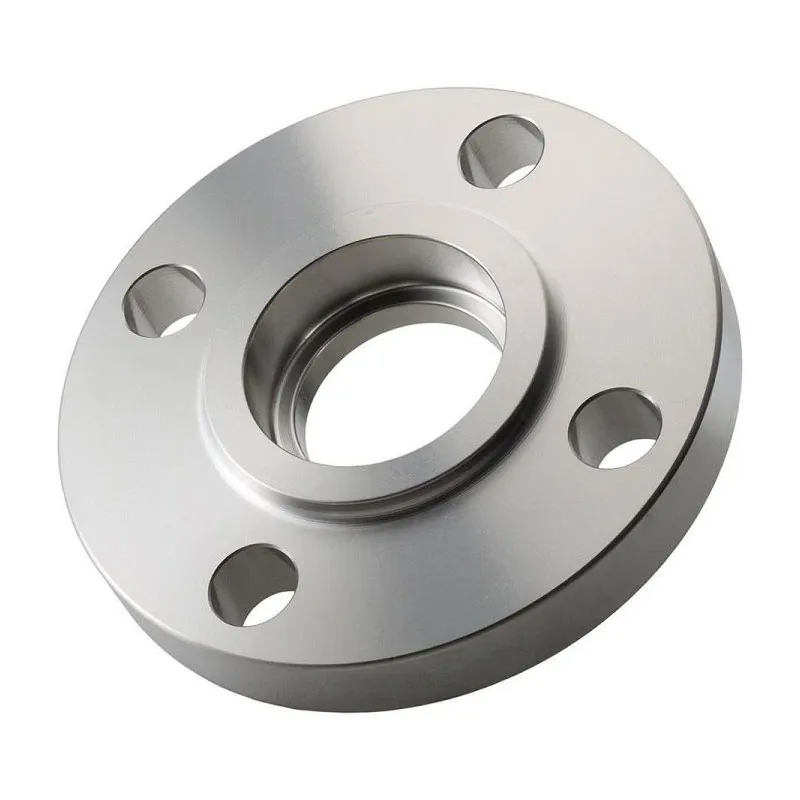 ANSI B16.5 Socket Weld Flanges Class 150
 -
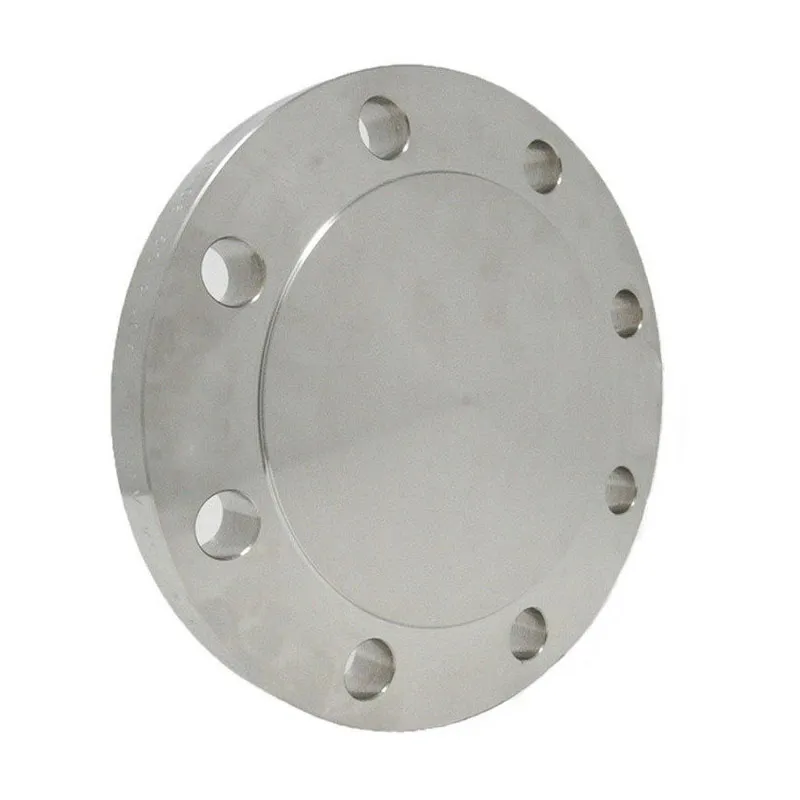 Blind flanges Class 150
 -
 Butt weld flanges Class 150