
-
-
Phone
+86-13623462298



flange 12815
When you hear “flange 12815?”, the first thing that comes to mind is most likely a specific standard size according to some standard. But here’s the catch: there is no such designation as a single universal number. Most often this is a reference to a drawing, customer specification or internal plant code. Many, especially at the start, think that this is something like an article in the ASME or DIN catalog, and start looking for ?12815? as a finished product. But in reality, it can be anything: from a butt-welded flange under a certain pressure to a loose flange with a shank according to a specific drawing. I got burned by this myself about ten years ago, when I tried to use an invoice to find an analogue for a replacement on the pipeline. It turned out that the manufacturer had a batch code associated with the 09G2S material and special requirements for heat treatment.
From designation to essence: what may be hidden behind the numbers
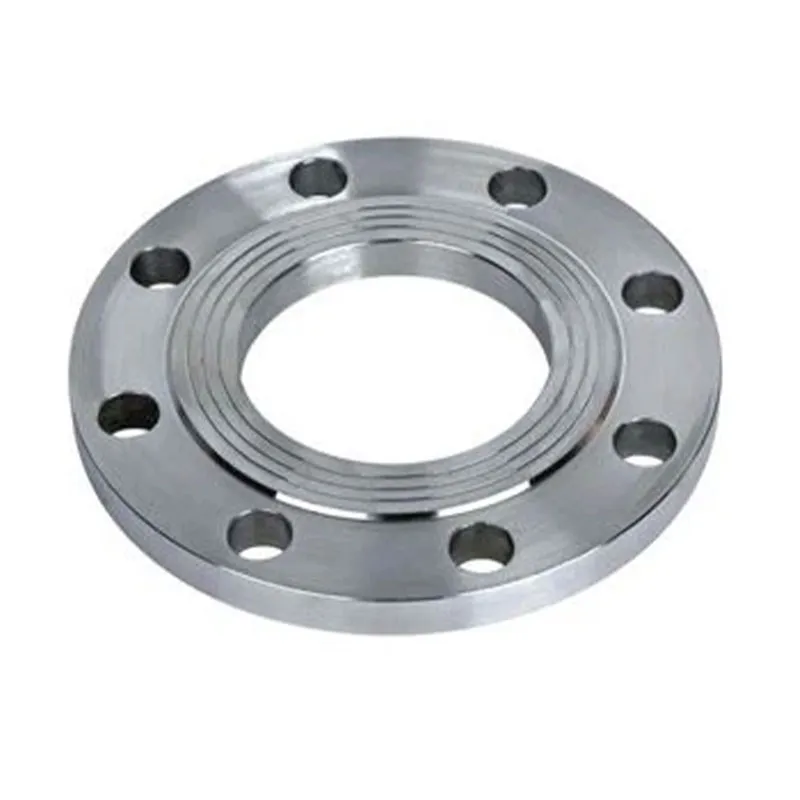
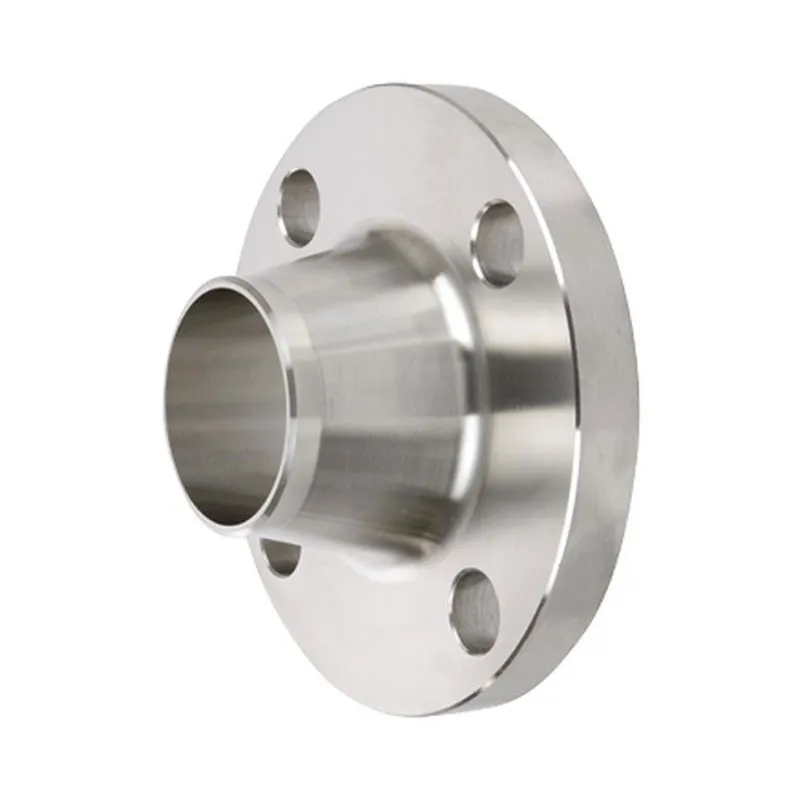
So, formalities aside, under the request “flange 12815?” usually refers to a product manufactured to specific specifications. In my practice, these were often flanges for the energy or petrochemical industries, where the requirements for mechanical properties and control are stringent. For example, it could bebutt weld flange(collar) for a nominal diameter, say, DN250 or DN300, but with a non-standard wall thickness or configuration of the sealing surface for a tongue-and-groove metal gasket. The numbers 12815 in this case are simply the drawing number in the archive of the customer company.
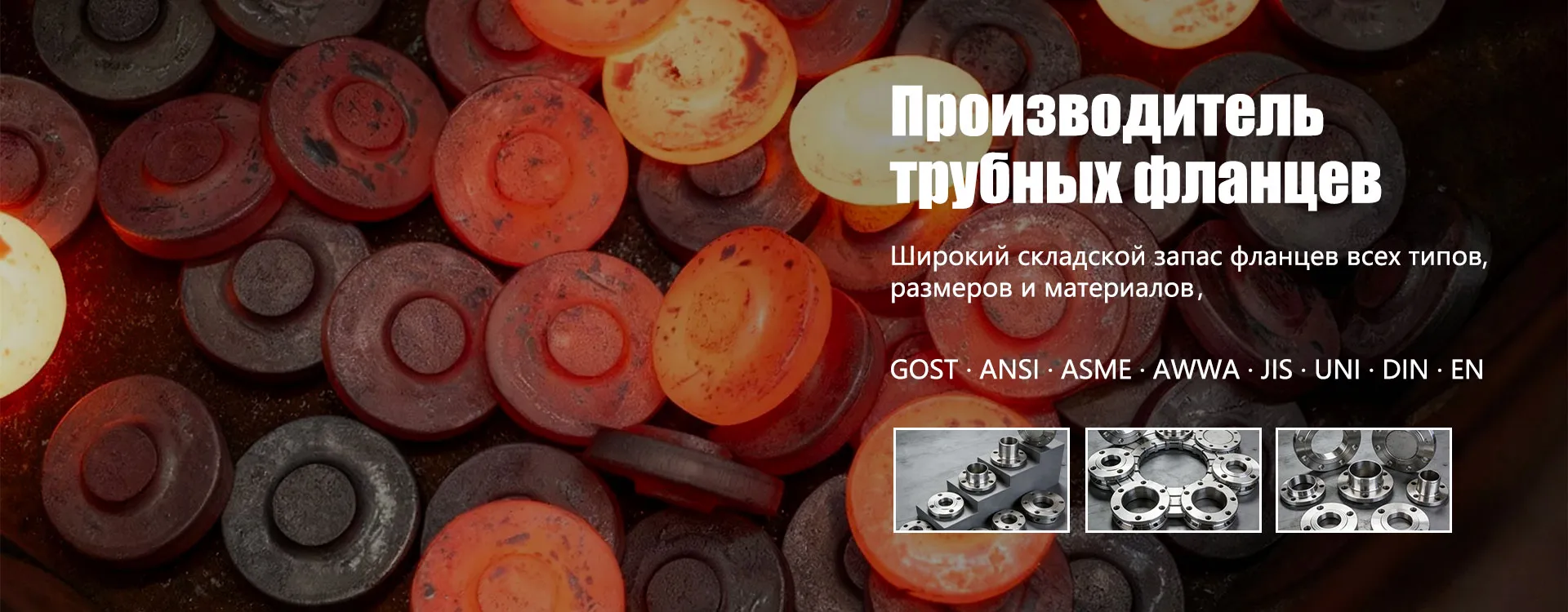
It is important here not to be confused with serial products. Large manufacturers who work both to standards and to individual orders know how to work with such “coding”. Let's take, for example,Shanxi Hongkai Forging Co.,Ltd(website -hkflange.ru). This is a serious manufacturer of forgings and flanges from China, one of the key ones in the forging industry. They just claim that they manufacture products according to GOST, ASME, EN, but also according to customer drawings. For them, a request forflange 12815- this is not a search in a standard catalog, but a signal to request a complete package of technical documentation. On their website you can see that they have a wide range of sizes - from DN15 right up to DN4000, which means they have equipment for non-standard ones.
Therefore, the first rule: when you see such a digital code, immediately request not only a sketch, but also full technical requirements - material (for example, steel 20, 09G2S, 12Х18Н10Т), type of testing (ultrasonic testing, x-ray), type of heat treatment (normalization, tempering). Without this, any proposal of ?similar? flange is a lottery that can be expensive during installation or, worse, during operation. I remember an incident during the installation of instrumentation: they brought a flange “similar” to it. drawing, but the height of the hub turned out to be a couple of millimeters less - the sensor was crooked, and we had to urgently redo the supporting structure.
Ordering practices and common mistakes
Let's say you have the technical documentation in your hands. The next stage is a dialogue with the manufacturer. And here many people, especially suppliers who are far from installation, make a classic mistake: they focus only on geometry and material, losing sight of manufacturing technology. For critical applicationsforged flange- this is not an option, but a must-have. Forging provides a better macrostructure of the metal, higher and more predictable mechanical properties compared to casting or rolled processing.
That's why for such ?coded? For products, I always look towards specialized forging factories. The sameShanxi Hongkai Forging Co.,Ltdpositions itself precisely as a manufacturer of forged flanges and forgings. This is an important point. In their case ?12815? could just be an order for forging according to an individual drawing with subsequent machining. The company description indicates a wide range of standards - from GOST and ASME to DIN and JIS. This suggests that they most likely have a quality control system in place that meets different standards, which is critical for non-standard products.
But there is a trap here too. Even a conscientious manufacturer may have discrepancies. Once we ordered a batch of flanges for a nominal pressure of 16 MPa. The drawing was marked “surface cleanliness Ra 3.2?” on chamfers for welding. The manufacturer (I won’t name it) did everything in geometry, but processed these chamfers simply with abrasive, without controlling the roughness. Visually - ok. And the welder then cursed - with automatic submerged arc welding there were problems with the formation of the seam. We had to modify it ourselves. Conclusion: the specifications need to specify not only “what?”, but also “how?”, or better yet, refer to a specific clause of the manufacturing standard (for example, GOST for steel flanges).
Materials and Application: From Theory to the Field
We sorted out the numbers and the production too. Now to the question: where to put it??.Flangewith such an individual number it rarely goes to an ordinary water supply system. Most often, its place is in aggressive environments, high pressures/temperatures or cyclic loads. Accordingly, the material must be selected for the task.
If the drawing does not clearly indicate the steel grade, but only says “12815”, this is a red flag. We need to get to the bottom of it. For hydrocarbon environments with hydrogen sulfide, for example, there may be hardness requirements (typically no more than 22 HRC) to avoid sulfide corrosion cracking. For high-temperature steam pipelines - requirements for heat resistance (steel types 15Х5М, 10Х9МФБ). Manufacturer seems to beHongkai Forging, working with international standards, is usually ready to provide certificates for the material and the results of mechanical tests, which greatly simplifies the approval of the product to the site.
There was an indicative case at one of the thermal power plants. We ordered flanges to be replaced at the superheated steam repair shop. Parameters - 540°C, 14 MPa. The specification simply contained the number of the boiler manufacturer's old drawing. The new supplier, without going into details, made 20 from steel (as for nominal pressure). The flanges passed geometry acceptance, but during startup, after a couple of hundred hours, cracks appeared in the area where the hub transitions to the plate. The investigation showed that 12Х1МФ steel was needed. All because of the savings on requesting complete source data. Now for such things we always require not only a drawing, but also a passport for the original product or a decoding of the material code.
Inspection and acceptance: what to look for first
And now the flange, claiming the title “12815?”, arrived at the warehouse. Unpacking and trying on is a given. But besides the caliper and ultrasonic thickness gauge, there are less obvious points. The first is labeling. It must be clear, indelible and contain not only the nominal bore and pressure, but also the grade of material, heat (or heat treatment) number, and manufacturer's mark. The absence of clear markings is a reason for rejection without further discussion.
The second is the condition of the surfaces. Especially sealing and welding areas. Scuffs, shells, scale are unacceptable. But there is a subtlety here: sometimes for better compaction the surface is made with concentric grooves (spiral-knurled pattern), and sometimes a smooth one is required. This should be in the drawing. If the drawing is rolled out, check that it is not “filled up”. or the tops of the grooves will reduce the contact pressure.
And thirdly, the most important thing is documents. Certificate of conformity, ultrasonic testing protocols (if required), hardness test reports, heat treatment certificate. For level supplierShanxi Hongkai Forging Co.,Ltd, which operates on the international market, providing such a package is common practice. Its absence or formality (a “quality certificate” without specific numbers) is a serious reason to doubt the origin and quality of the product, even if it is geometrically ideal.
Summary: work with non-standard systems systematically
So what is this notoriousflange 12815? This is not a title, but a task. The task is for a comprehensive solution: from deciphering customer requirements to choosing an adequate manufacturer and strict incoming control. This story is not about the catalog, but about the technical specifications.
Experience shows that success here depends on details and clarity of communication. You can’t just email a file with a drawing and wait for a miracle. We need a dialogue: discuss the environment, parameters, test standards. Manufacturers who specialize in custom forgings, like the company mentioned, are usually open to such dialogue - for them it is part of the business.
And one last thing. You should never hesitate to ask for additional evidence of quality, especially for critical components. It’s better to spend an extra week on approval and verification than to then spend months dealing with the consequences of a refusal. The flange is a seemingly simple detail. But in pipeline systems, especially of high parameters, it is on such “sheets” The safety and reliability of the entire circuit is often maintained. And the number ?12815? - this is just a reminder that behind each number there is a specific engineering idea that needs to be correctly understood and translated into metal.
Correspondingproducts
Related Products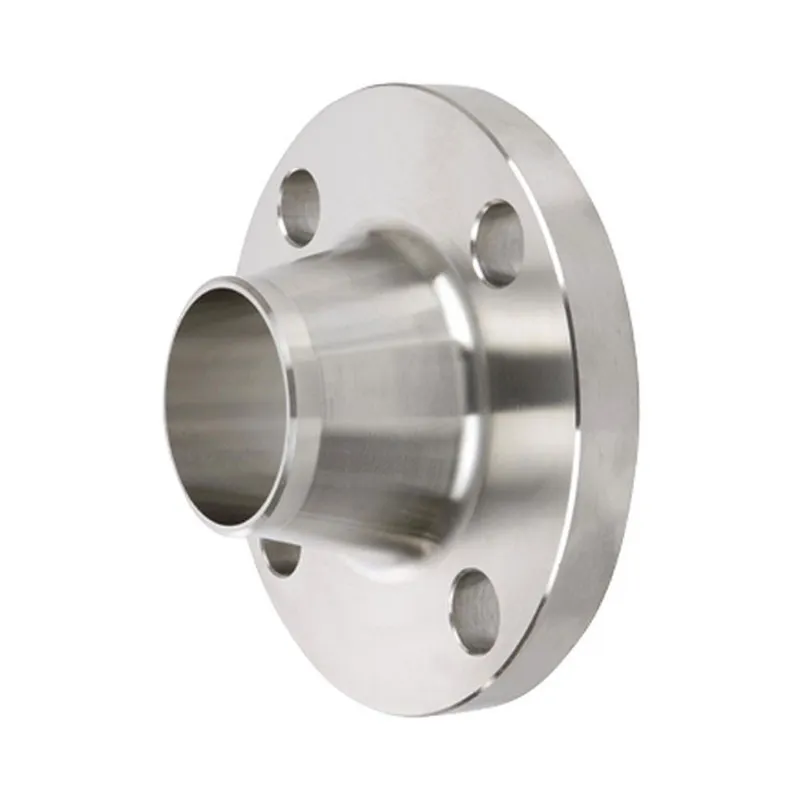
Best Sellingproducts
Best Selling Products-
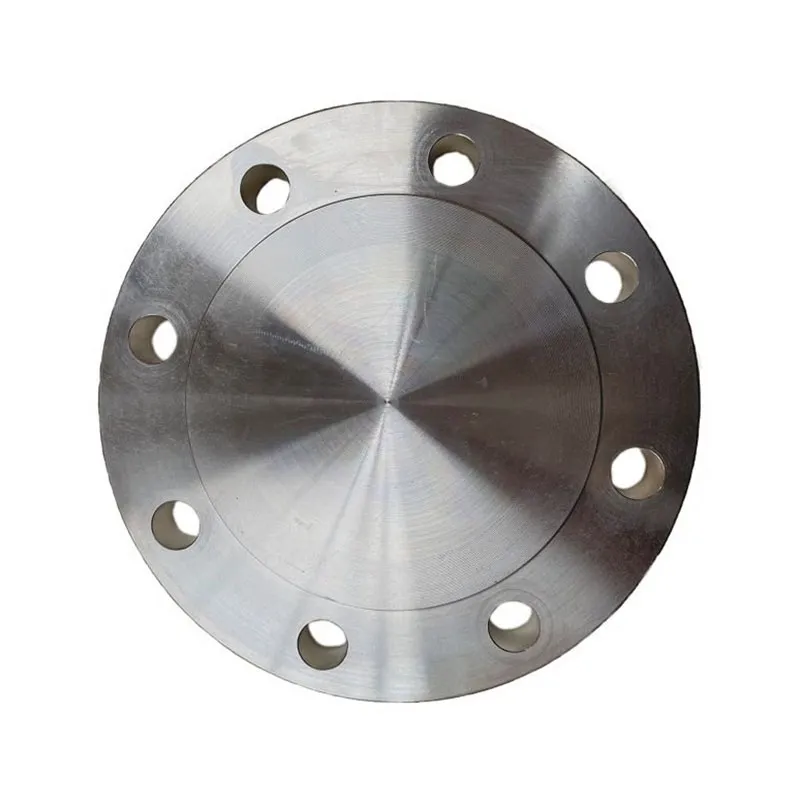 ASME B16.47 Ser.A Blind Flanges Class 400
 -
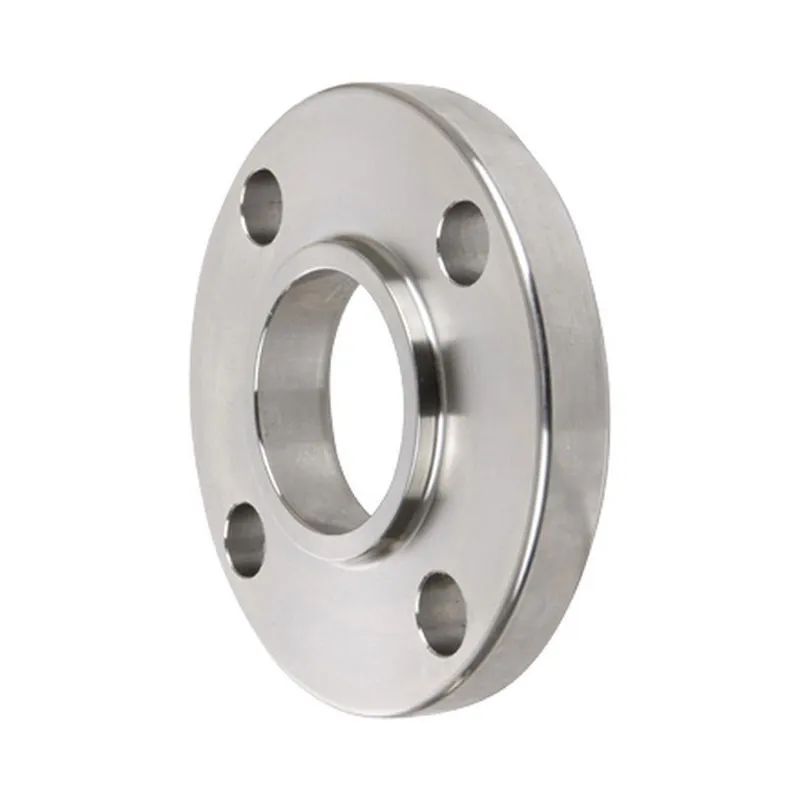 DIN 2501 Overlay flanges PN16
 -
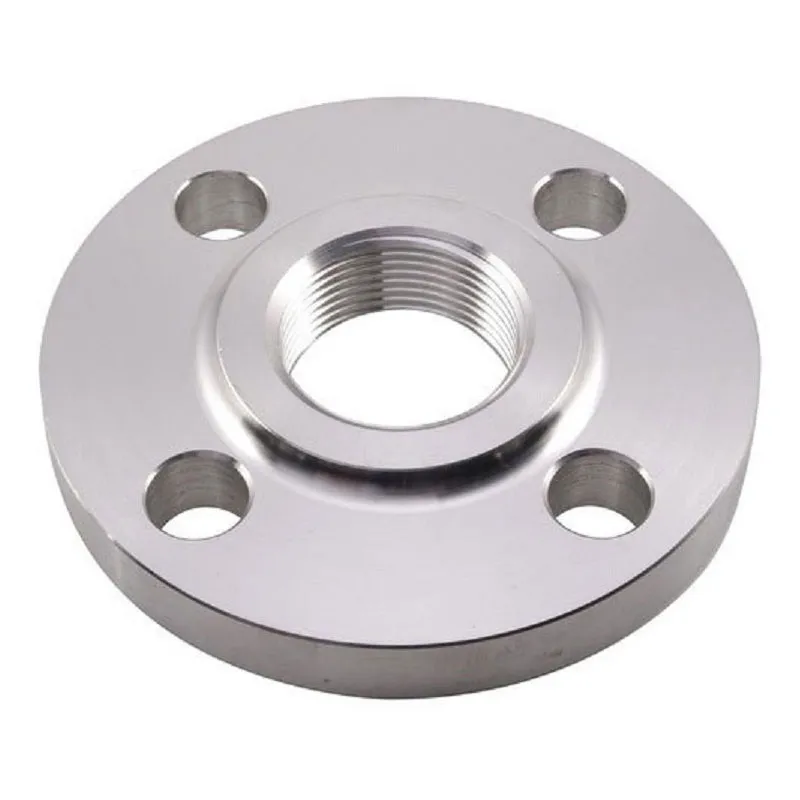 DIN 2565 Threaded flanges PN6
 -
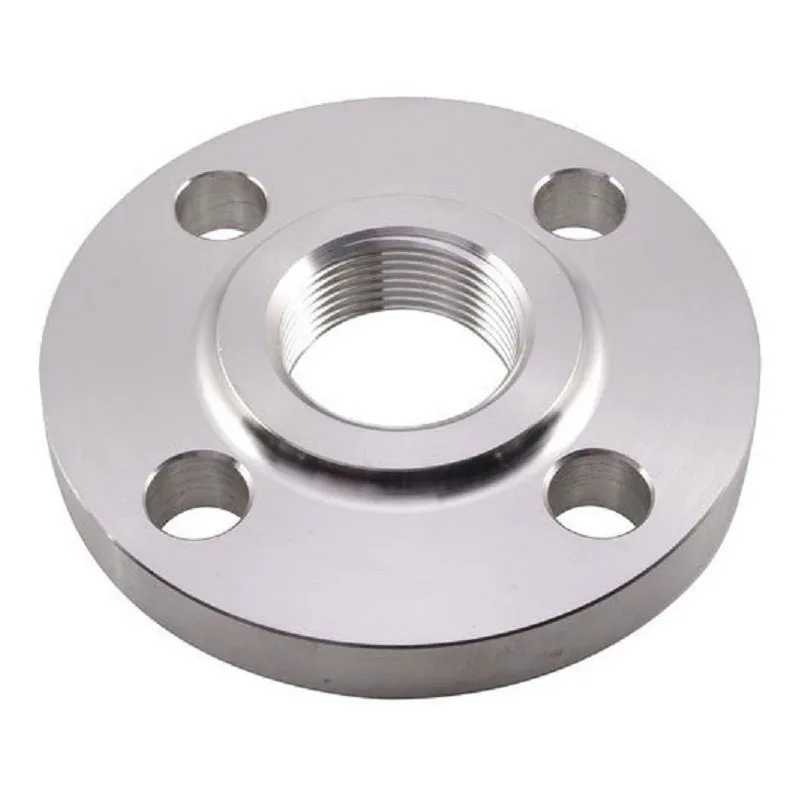 ANSI B16.5 Threaded Flanges Class 600
 -
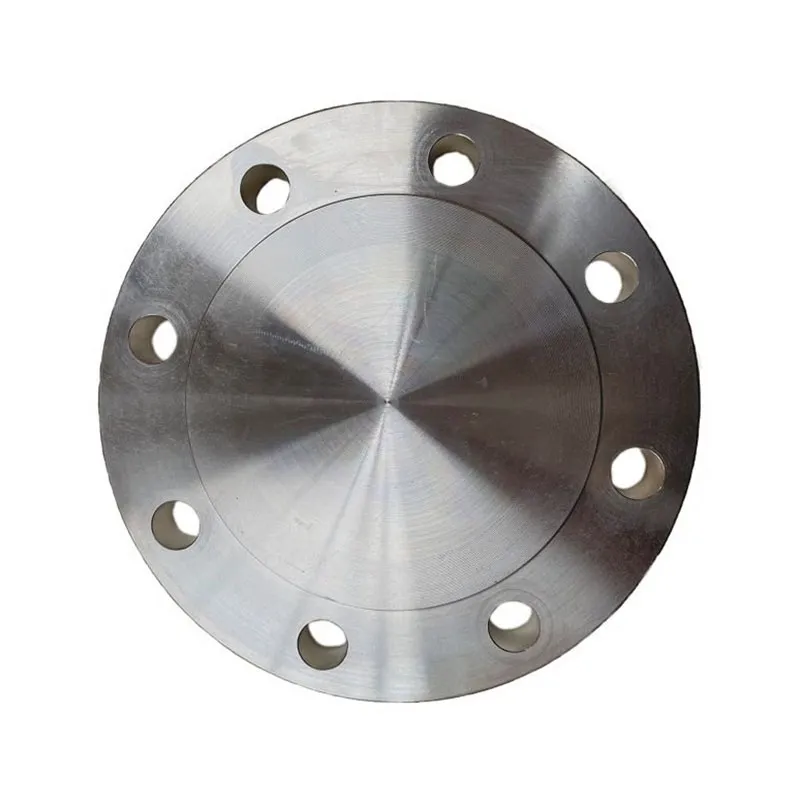 UNI 6092 Blind flanges PN10
 -
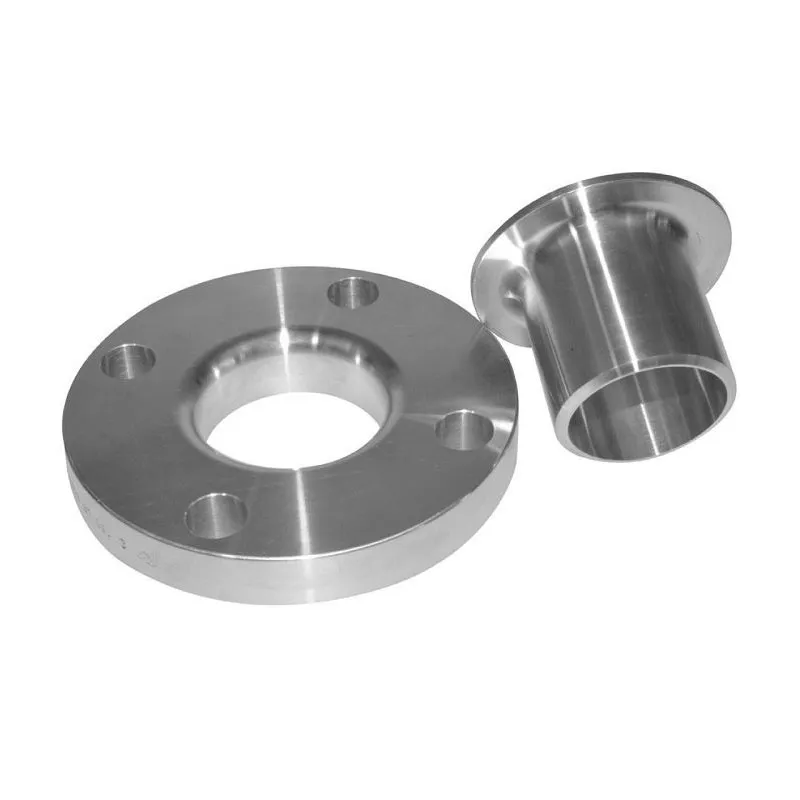 ANSI B16.5 Loose Ring Flanges Class 2500
 -
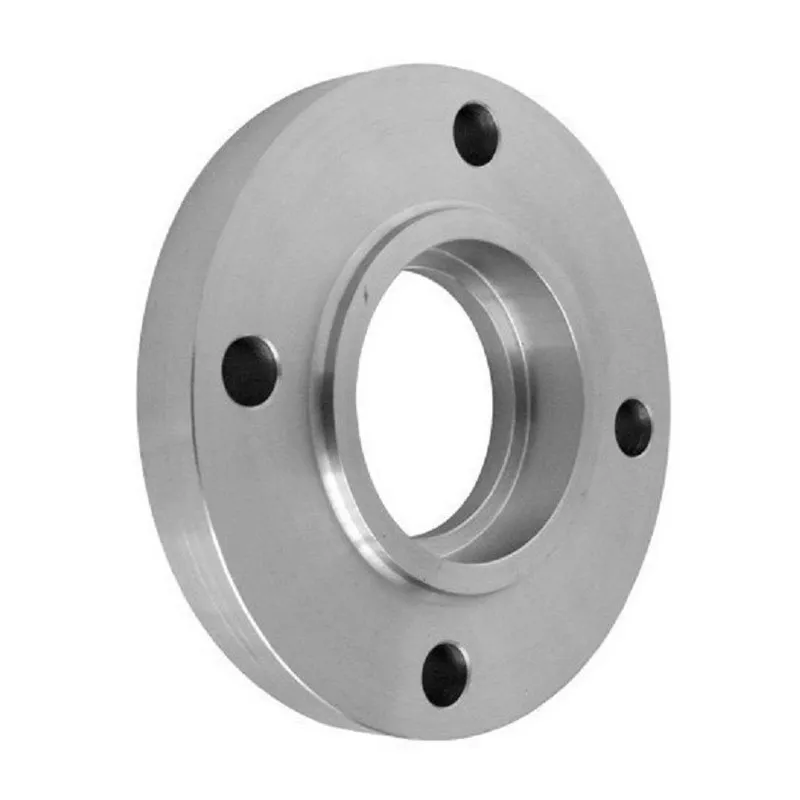 JIS 5K Socket Weld Flanges
 -
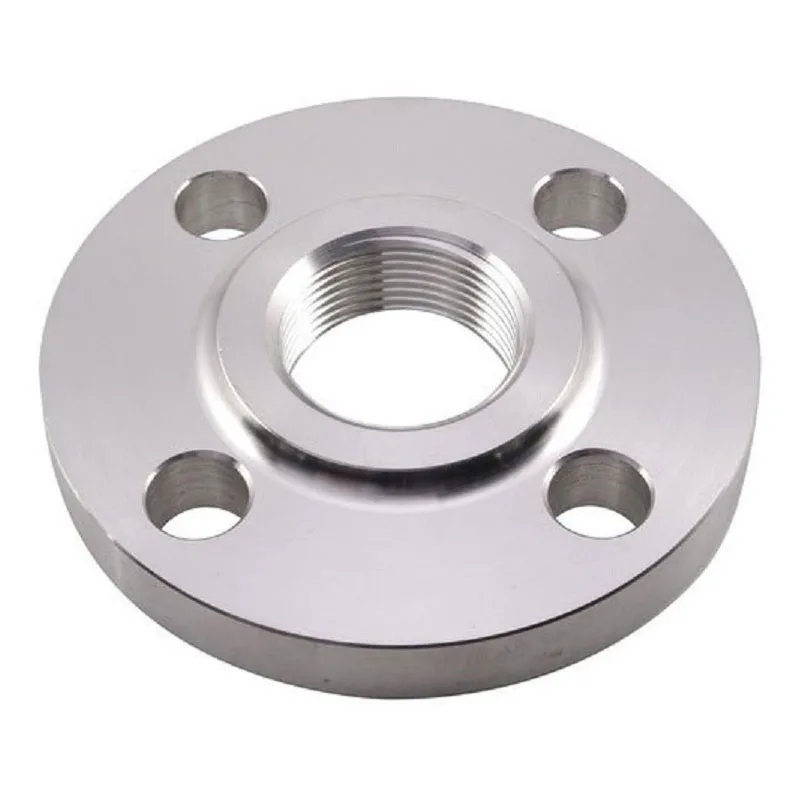 JIS 10K Threaded Flanges
 -
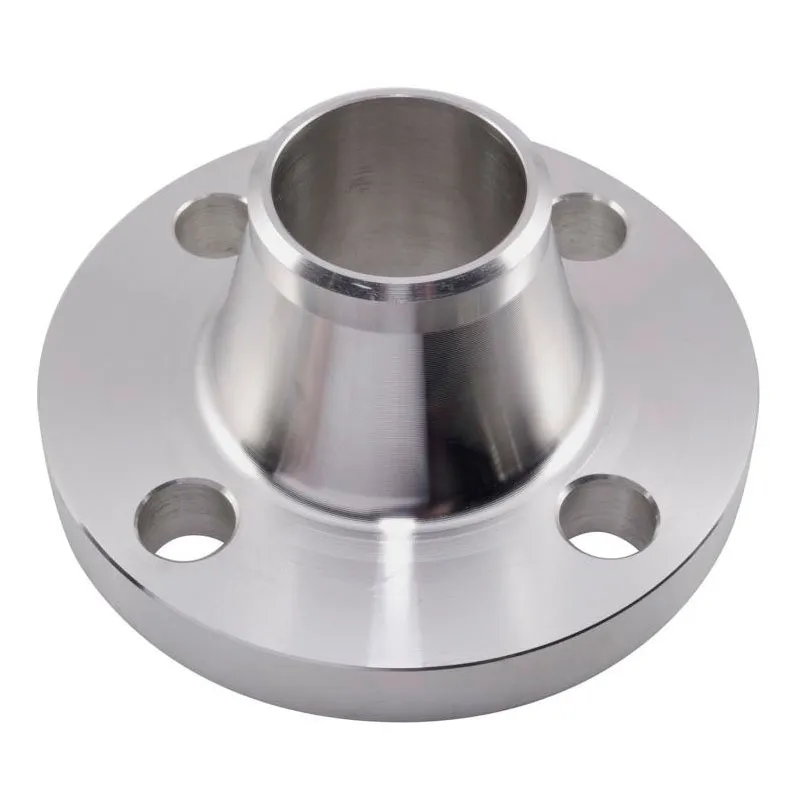 DIN Butt weld flanges PN10
 -
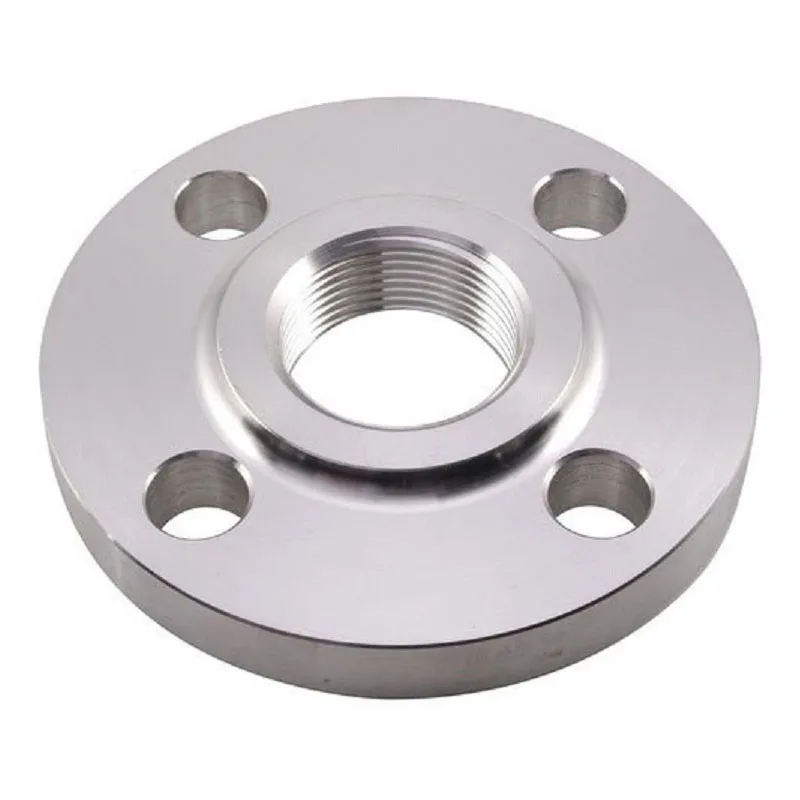 DIN 2566 Threaded flanges PN16
 -
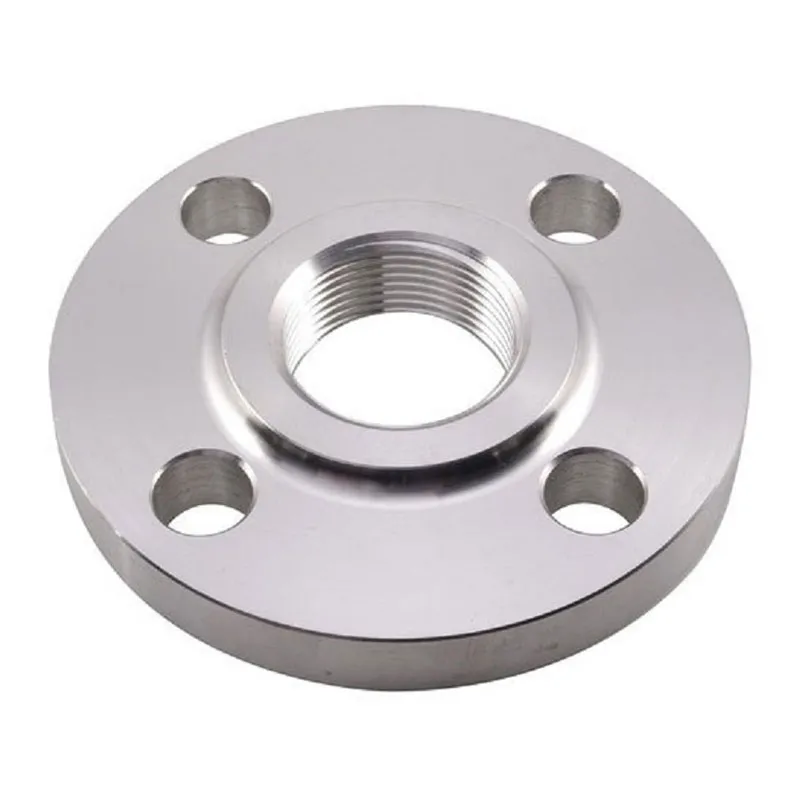 JIS 10K Overlay flanges
 -
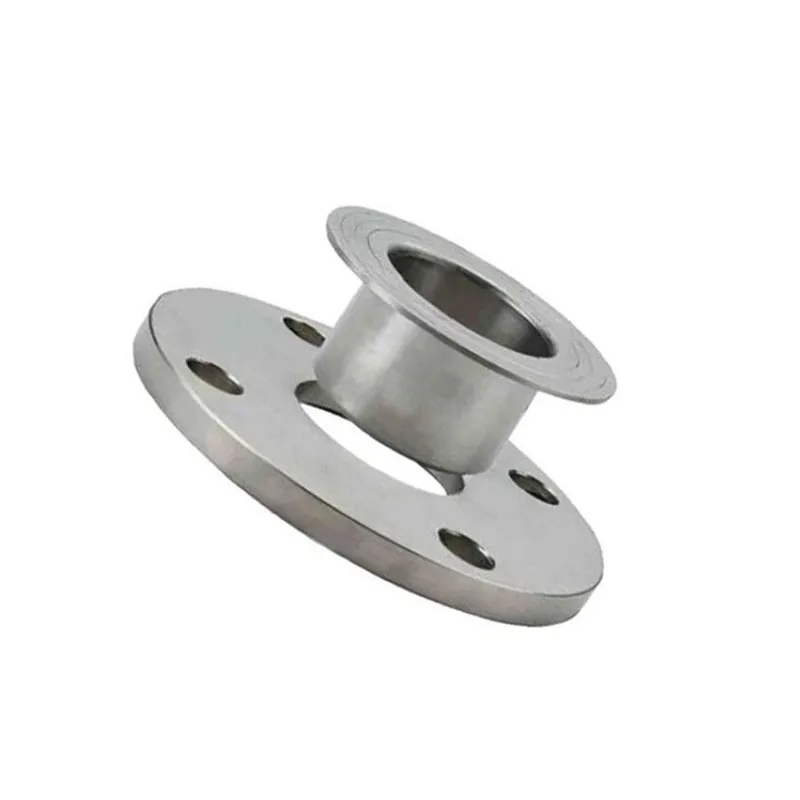 Free ring flanges Class 400