
-
-
Phone
+86-13623462298



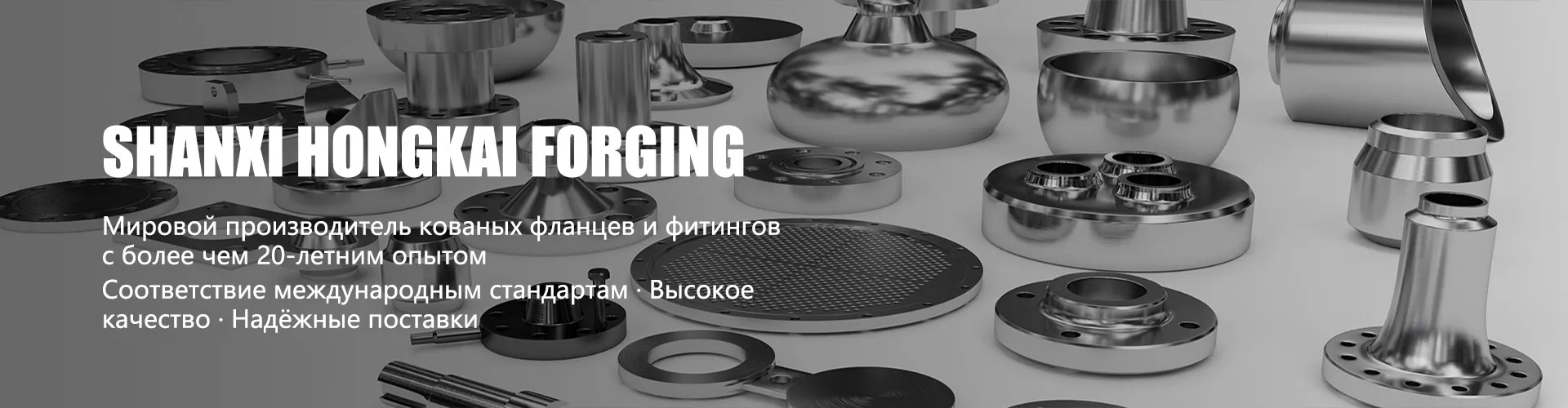
flanges 50 MPa
When people talk about 50 MPa flanges, many people immediately think of something ultra-reliable, “armor.” But in practice, nominal pressure itself is not a panacea. What is more important is how it maintains this pressure in a specific environment, at specific temperatures, and most importantly - what and how it is made of. A common mistake is to chase numbers, forgetting about the material and workmanship. Conventionally, you can get two parts, both according to the 50 MPa passport, but one will go to the main gas pipeline, and the second will burst during testing due to a hidden hole in the body of the forging. It is these nuances that are not written in catalogs that I would like to speculate about.
Not just a number: what 50 MPa costs
A pressure of 50 MPa is a serious load. We are usually talking about critical areas: inlet lines of compressor stations, areas under high pressure in petrochemicals, ultra-high pressure pipelines. There is no time to save on material. Most often, forgings are made from alloy steels such as 09G2S, 15Kh5M, 12Kh18N10T or even more exotic alloys. It is important not just to buy a '50 MPa flange', but to understand what kind of environment it is for: aggressive, for high temperatures (over 500°C), for cyclic loads? The choice of steel grade and, critically, subsequent heat treatment will depend on this.
I remember one project to replace flange pairs on a control unit. The customer sent a technical specification with a strict indication of a pressure of 50 MPa and the ASME B16.5 standard. It’s good that the engineers dug in and asked for data on the composition of the transported medium. It turned out there was a small percentage of hydrogen sulfide. Standard steel from the technical specifications was not suitable due to the risk of sulfide corrosion cracking. We had to convince the customer to change the material to a more resistant one, although in terms of pressure and standard “everything was fine.” This is the case when blindly following the figure from the technical specifications could lead to an accident.
This is why I am skeptical about offers where they immediately tell you the price, just to hear “50 MPa”. Without discussing the environment, temperature, load cycling and required certificates (such as NACE MR0175 for hydrogen sulfide environments), the conversation is meaningless. A real manufacturer will first ask a bunch of questions, and only then start counting.
Forging vs Stamping: What's the Difference for High Pressures
For parameters such as 50 MPa, the manufacturing method is a matter of safety, not economy. There is practically no alternative to forging (free-form or press stamping). Rolling or casting will not provide the uniformity of metal structure and fiber direction that is necessary to withstand enormous loads. Forging compacts the metal, crushes large grains, and increases mechanical properties.
For example, in the manufactureflanges 50 MPalarge diameters (say, DN500 and above), uniformity of mechanical properties throughout the body of the product is critical. In a stamped forging, if the technology is maintained, this homogeneity is higher. I once saw the results of ultrasonic testing (UT) of flanges from different suppliers. Some have a clean, homogeneous body. Others have small, dispersed signals, which indicates an imperfect structure. Both have been hydrotested, but for a critical unit you will, of course, choose the first option.
This is a good time to rememberShanxi Hongkai Forging Co.,Ltd(websitehttps://www.hkflange.ru). They are positioned as a manufacturer of forged flanges, which is the right way for high pressures. Their profile is just that of forgings and flanges according to international standards. It is important that they work with a range of up to DN4000 - producing high-quality forging for such dimensions for 50 MPa is already a serious technological task, requiring powerful pressing equipment and competent heat treatment.
Standards and reality: GOST, ASME and 'according to drawing'
Working with a pressure of 50 MPa, you inevitably plunge into the jungle of standards. ASME B16.5, EN 1092-1, GOST (previously, GOST 12820-80 was often used for this pressure, but it is for pressures up to 20 MPa)... Each standard specifies its own geometric dimensions, tolerances, and grades of materials. But the fun begins when the standard row doesn't fit.
Often there is a need for a transition between different standards, or a non-standard thickness, or a special arrangement of holes for specific fittings. That's when you need a manufacturer who can work 'according to the customer's drawings'. These are not just words. This means that they have a design department that will check the drawing for manufacturability, perhaps offer alternative solutions for the material to reduce the cost without losing strength, and calculate heat treatment modes. In the descriptionShanxi Hongkai Forging Co.,LtdIt just states that they make non-standard products according to drawings, which is a must have for complex projects.
Standards are good, but blind faith in them is dangerous. For example, a standard ASME B16.5 Class 2500 flange is rated at about 42 MPa at a certain temperature. To reach a stable 50 MPa, especially at elevated temperatures, a product with an increased neck thickness or other design is often required, which is already beyond the standard. And this is where dialogue with the manufacturer’s technologists becomes key.
Control is not protocols, but a process
You can make a perfect forging and ruin it during machining. Forflanges 50 MPaQuality control is not a one-time event before shipment, but a continuous process. It all starts with incoming inspection of the workpiece (chemical analysis with a spectrometer). Then ultrasonic inspection of the forgings to identify internal defects. After rough machining, hardness testing is often carried out on the body.
But the most important stage, in my opinion, is the finishing of the sealing surfaces and the alignment of the holes. End runout or inaccurate location of the holes for the studs will lead to uneven tightening, distortions and, as a result, leakage under high pressure. This is not a situation where you can 'pull it tighter'. Over-tightening the studs is a recipe for metal creep and weakening of the connection over time.
Therefore, when choosing a supplier, always be interested not only in the availability of certificates, but also in how the production cycle and control are organized at each stage. Do they have CNC machines for precision machining? How is geometry controlled? Do they do final testing on a coordinate measuring machine (CMM) for critical dimensions? The answers to these questions say more than beautiful brochures.
The price of the question: why there is no cheap one at 50 MPa
Saving on high-pressure components is like playing Russian roulette. Costflange 50 MPaconsists of expensive alloy steel, an energy-intensive forging process, complex machining with tight tolerances and multi-stage inspection. If the price seems suspiciously low, it means that corners were cut somewhere: perhaps they used metal with deviations in chemistry, simplified the heat treatment regime, or reduced the scope of control.
Experience (including bitter ones) suggests that a breakdown or accident at a facility with such pressure leads to colossal losses - not only from stopping production, but also from potential environmental and reputational risks. The cost of the flange itself in the overall project estimate is a drop in the ocean. Reliability is what should be the main criterion.
Ultimately, working with parameters such as 50 MPa is always a balancing act between technical requirements, reliability and reasonable cost. This is a dialogue with a manufacturer who understands the essence of the process, and does not just sell hardware. This is a choice in favor of proven technologies, be it forging on powerful presses, like the sameShanxi Hongkai Forging Co.,Ltdfrom Shanxi Province, which is one of the forging centers of China, or strict control at the output. Because in this matter it is better to be on the safe side, and documents about the quality and origin of the metal are not pieces of paper, but insurance against big problems.
Correspondingproducts
Related Products
Best Sellingproducts
Best Selling Products-
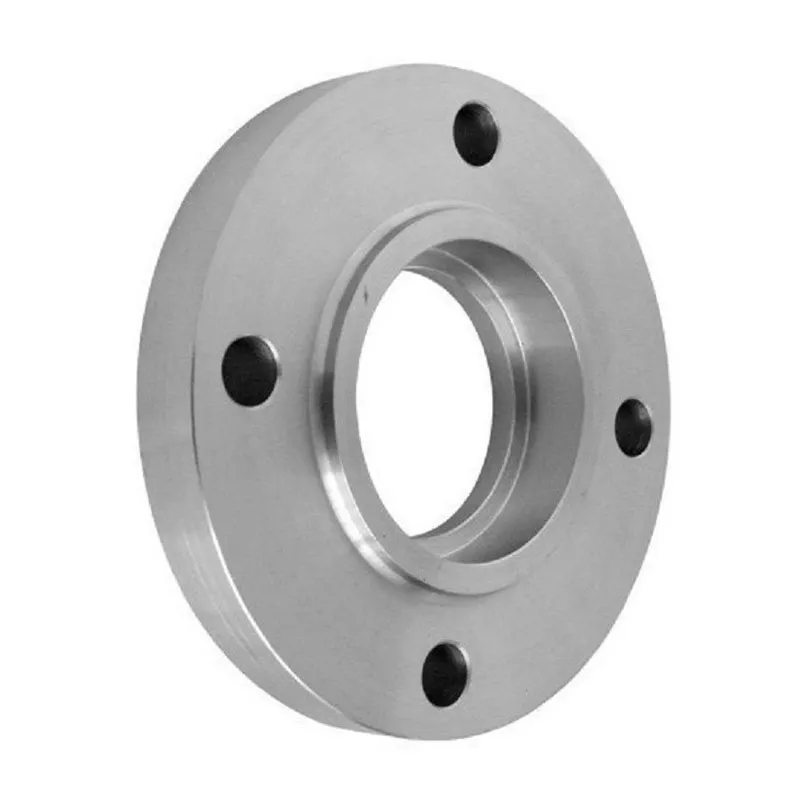 Socket Weld Flanges Class 300
 -
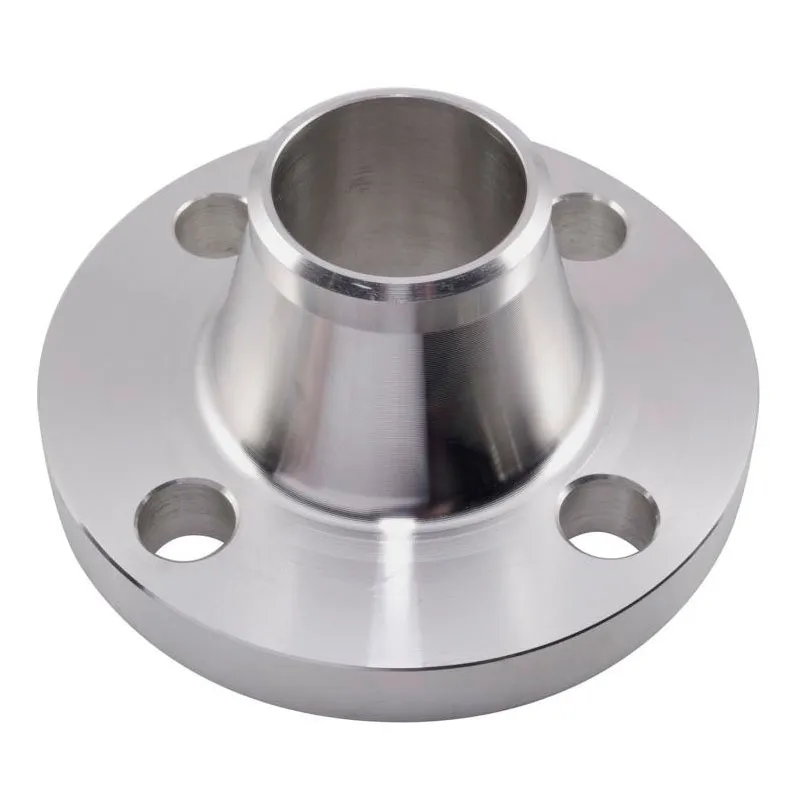 DIN Butt weld flanges PN10
 -
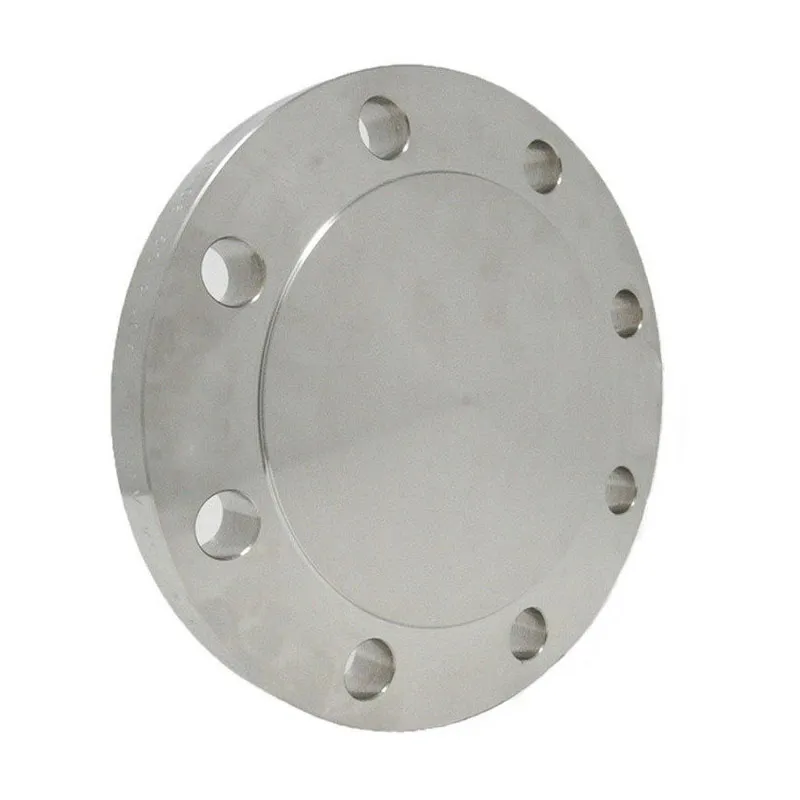 AWWA Blind Flanges Class D (Tables 1, 2, 3)
 -
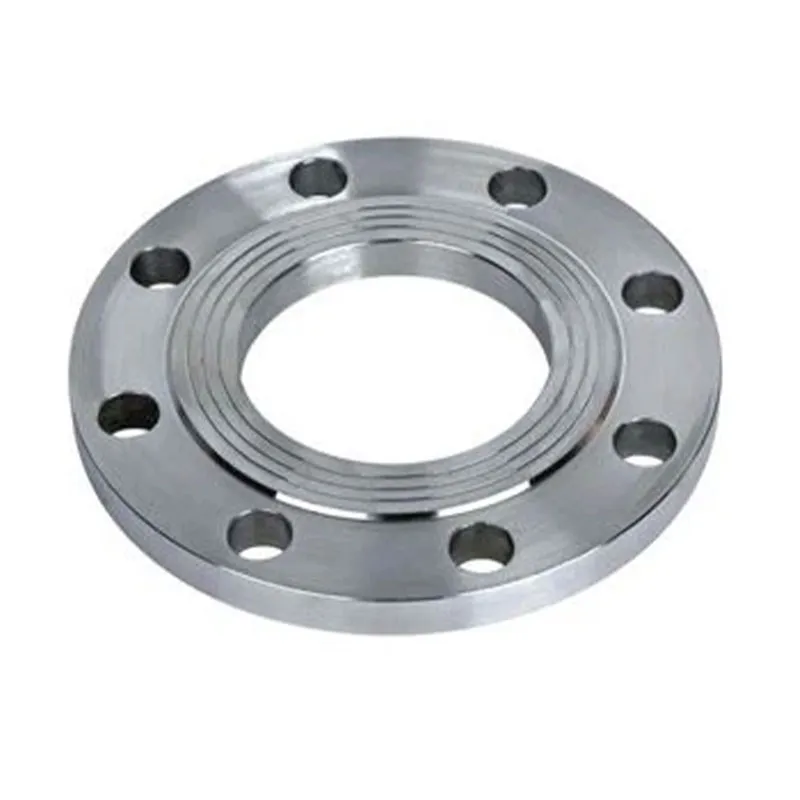 Butt weld flanges Class 150
 -
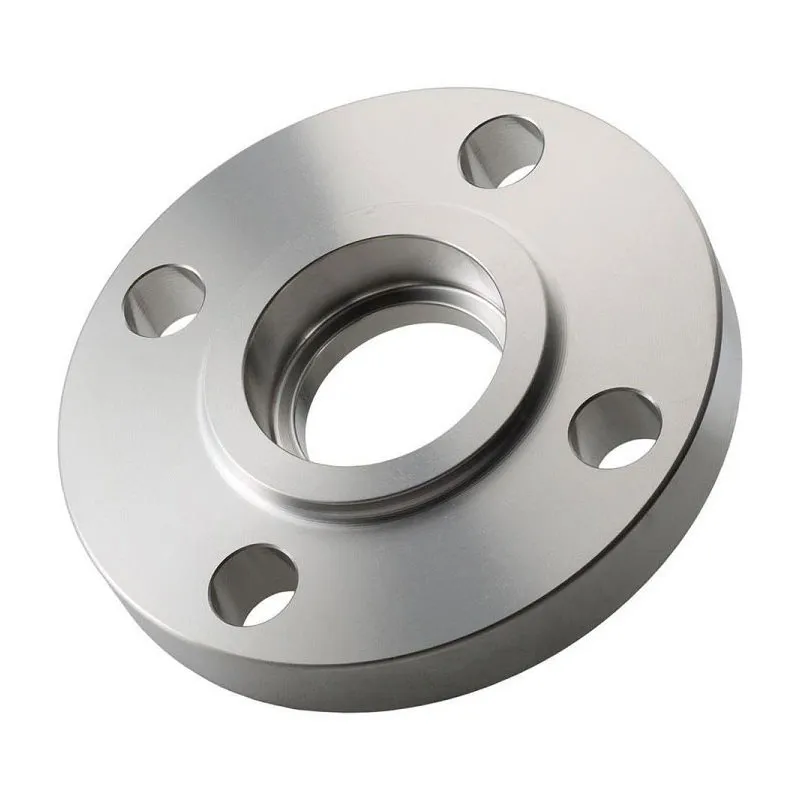 Flanges for socket welding
 -
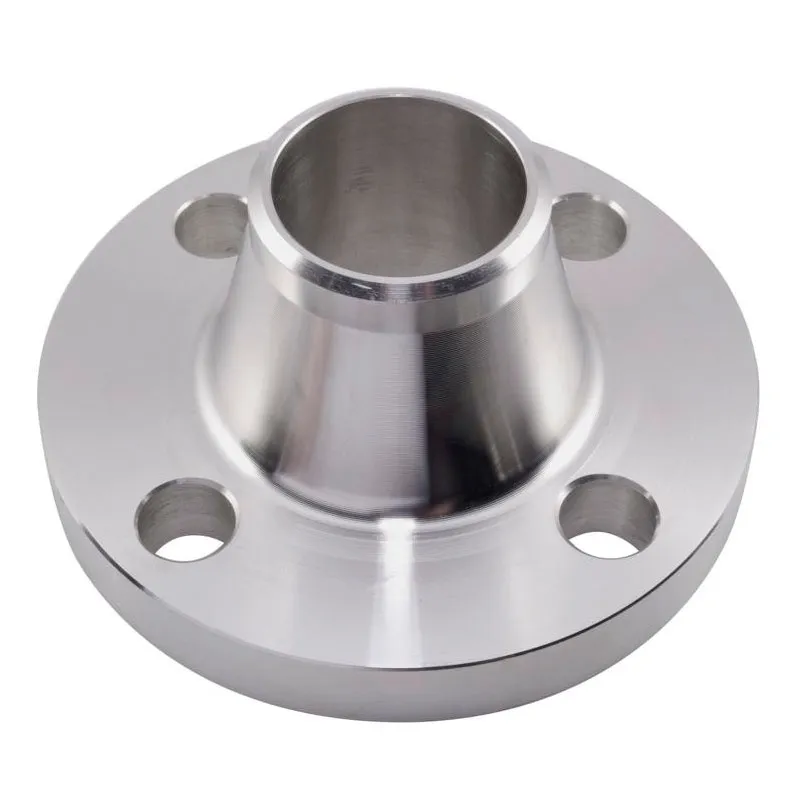 Butt weld flanges Class 900
 -
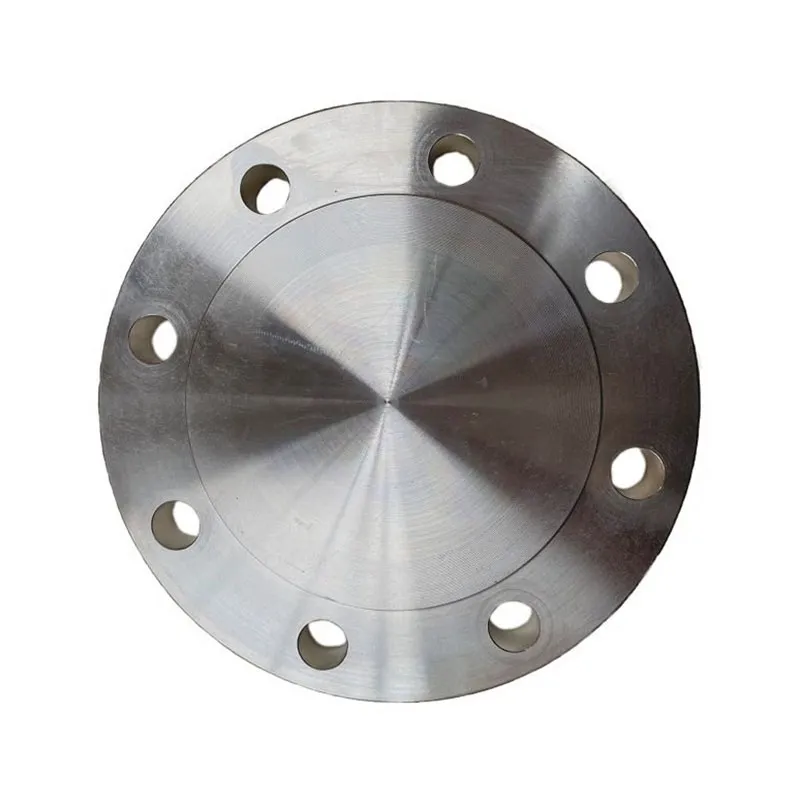 ASME B16.47 Ser.A Blind Flanges Class 400
 -
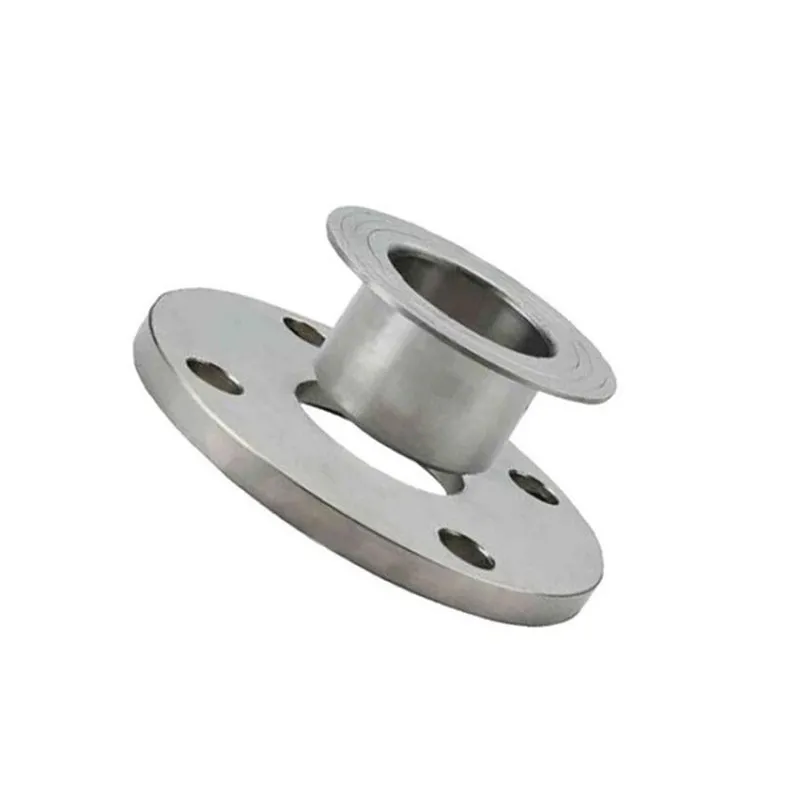 JIS 10K Loose Ring Flanges
 -
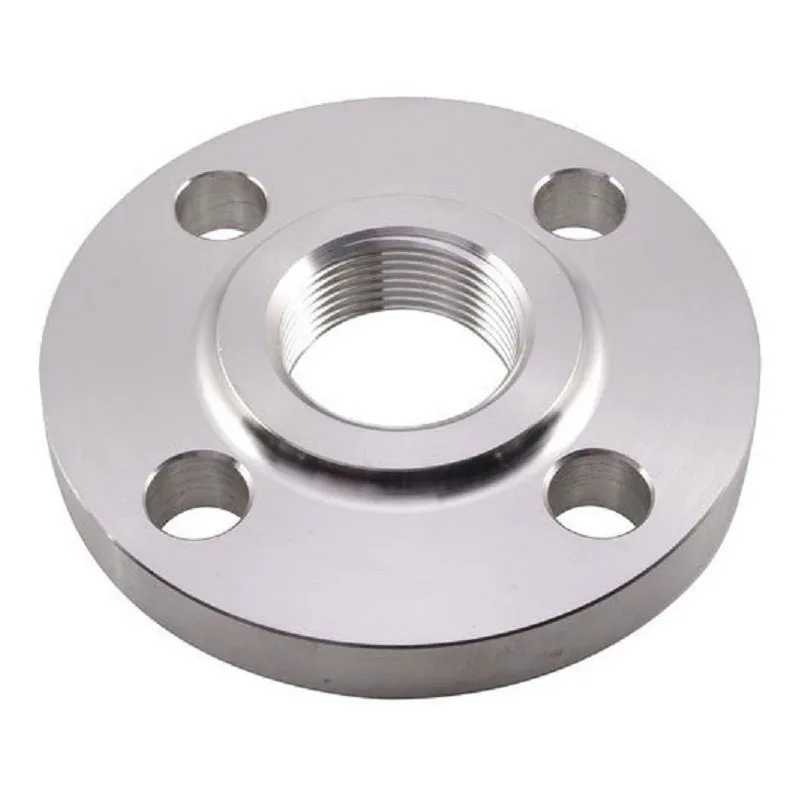 ANSI B16.5 Threaded Flanges Class 600
 -
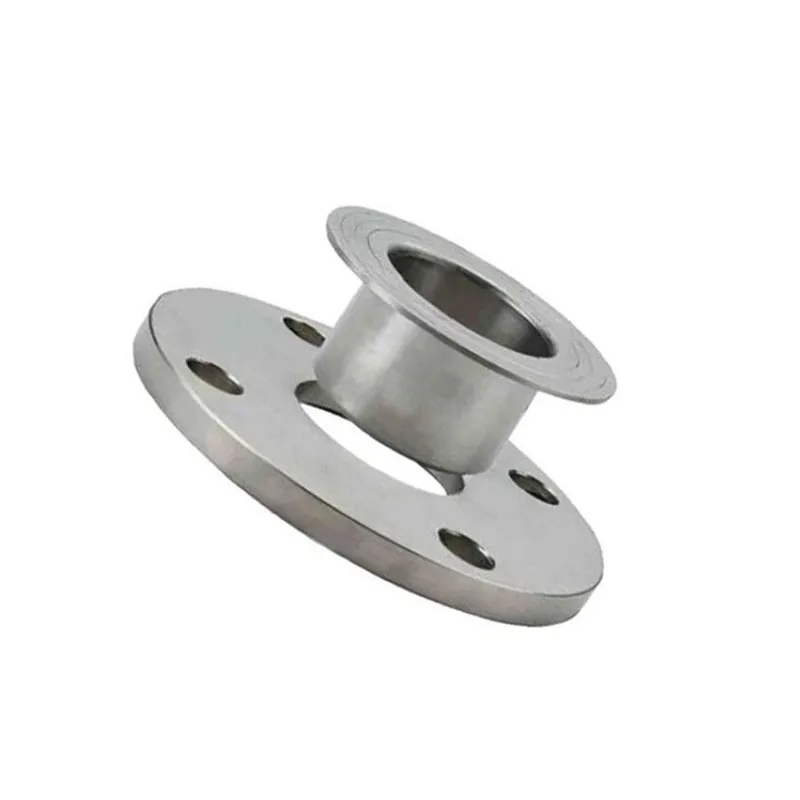 Free ring flanges Class 400
 -
 Ser.A Butt Weld Flanges Class 400
 -
 UNI 2281 Butt weld flanges PN10