
-
-
Phone
+86-13623462298



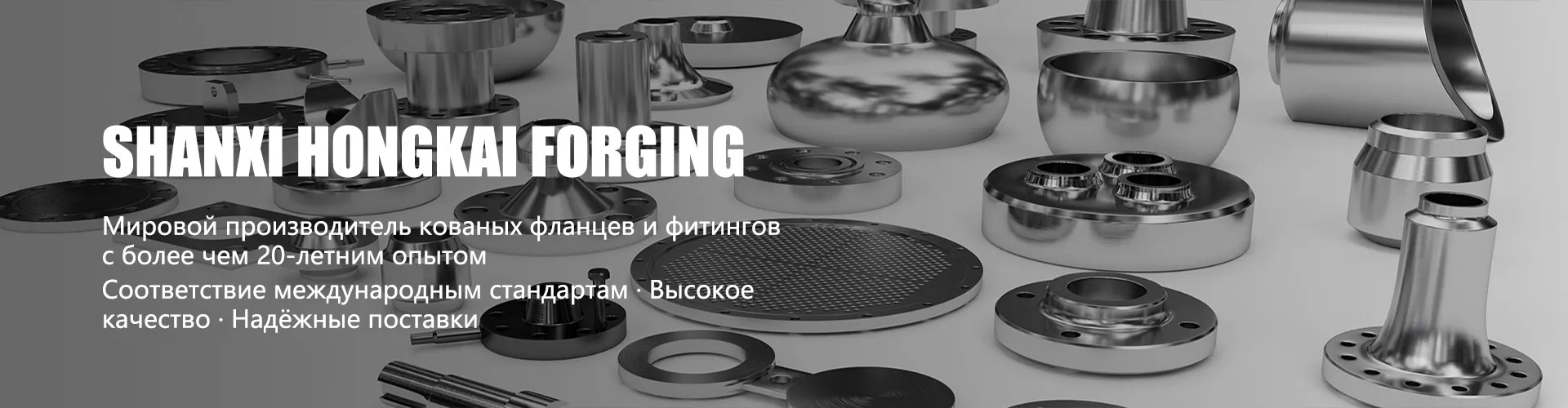
flanges 76 mm
When you see the request “76 mm flanges?”, the first thought is - what’s there to think about, the usual size, take it and install it. But it is in these seemingly standard positions that there are pitfalls, which you only know about after a dozen shipped shipments and a couple of unpleasant calls from the site. Many people believe that since the nominal diameter is DN80 (and this is our 76 mm outer diameter of the pipe, roughly speaking), then the flange is a simple thing. But no. This includes the material, the pressure, the type of seal, and most importantly, the standard by which it was made. I immediately remember a case when they brought a batch according to ASME B16.5 Class 150, and at the site a system according to GOST 33259. The holes for the bolts seemed to match, but the thickness and protrusion for the gasket did not. I had to urgently look for a replacement. So this one is ?simple? size is a great example of why technical details cannot be ignored.
Why 76 mm? Context of application
This size is a frequent guest in utility networks, medium pressure ventilation, and on production lines in the chemical and food industries. Not a highway, but not a small connection either. Often goes on branches, connecting equipment. This is why the correct choice of flange type is critical. For example, for frequent installation and dismantling of pumps, it is better to look towards the loose flanges on the welded ring (loose flange on the welded ring) so as not to cut the pipe every time. And for a stationary section of the pipeline, a butt weld (butt weld flange) is more reliable and cheaper.
While working with suppliers, I noticed one pattern: many European catalogs focus on sizes DN65 or DN80, but with different transitions. But in the CIS countries and in projects for Russian equipment, the request for exactly 76 mm (corresponding to DN80 according to GOST/GOST R) is a constant reality. And for this real demand there should be real warehouse positions, and not promises to do “in two weeks”.
It’s also worth mentioning about pressure here. 76 mm flanges for 10 atmospheres and 40 are two big differences, especially in weight and thickness. Confusion here can lead to either overpayment or an emergency situation. I myself saw how in a warehouse they tried to push a flat welded flange PN6 onto a line with a working pressure of PN25, citing “well, the diameter is the same?”. Luckily, they stopped it in time.
Standards and ?invisible? differences
This is where the real headache begins. A 76 mm flange according to GOST 33259 (old GOST 12820) is one thing. The same nominal diameter according to ASME B16.5 means slightly different geometric parameters. And if the project is according to EN 1092-1, then it has its own pressure designation system (PN). The client can simply send a request for “DN80 flange”, and he needs to clarify: according to what standard? Because DN80 is our 76 mm pipe outer diameter.
You need to be especially careful with the mounting holes. Their number and diameter may vary. It happened that the flanges seemed to fit, but the bolts from the ASME kit did not fit into the holes in the flange according to GOST. Or vice versa. This is elementary, but it’s these little things that cost the installation deadlines. Therefore, in our practice, for example on the websiteShanxi Hongkai Forging Co.,Ltd (https://www.hkflange.ru), we always ask you to send not only the size, but also the standard, pressure class, and, if possible, a drawing. A manufacturer that makes products to many standards (GOST, ASME, EN, DIN), such asShanxi Hongkai Forging Co.,Ltd, usually has clear correspondence tables and can quickly determine what exactly is needed.
And yes, material. Steel 20, 09G2S, 12Х18Н10Т, A105, 304, 316 - for the same size 76 mm these are completely different products in price and properties. And if St20 is suitable for water, then for aggressive environments you need stainless steel. There are no options here.
From practice: difficulties with non-standard and forging
Sometimes requests for something non-standard come in under the 76 mm size. For example, a flange with an unusual arrangement of holes for a specific device, or with increased thickness to compensate for vibrations. This is where it is tested how flexible the manufacturer is. The rolled version is often not suitable; a forged product is needed to guarantee the uniformity of the metal structure.
Working with forged flanges, for example, from the sameShanxi Hongkai Forging Co.,Ltd(and they are positioned as a manufacturer of forged flanges and forgings in one of the centers of the forging industry in China), you see the difference. Forging provides better mechanical properties, especially for critical components. For the same diameter of 76 mm, but for high pressure (say, PN100 or higher) or at low temperatures, this is often not a whim, but a necessity according to technical regulations.
We had experience: we ordered a batch of 76 mm flanges made of 09G2S steel for a northern project. According to the documents, everything is fine, but during an ultrasound check, inhomogeneity was discovered on one of the flanges. It turned out that the product was not forged, but from a lower-quality production method. Since then, for critical applications, we have always specified the manufacturing technology - forging or not. Websitehkflange.ruin this regard, it inspires trust, since it openly declares the forging profile, which means that the products must have the appropriate quality.
Logistics and warehouse: why is this important even for small businesses? size
It would seem that it would be such a big deal to bring 76 mm flanges. But if you need urgent delivery to the site, and they are not available in the region, the project stops. Therefore, a reliable supplier must have either warehouse balances of popular items (the sameflanges 76 mmsteel 20 according to GOST), or established rapid production.
Large manufacturers operating for export, like the company from the description, often have a custom production cycle. This is fine. But for the client, the key issue is the deadline. If the manufacturer is in China, but has established logistics in the CIS and can give exact shipment dates, this is already a big plus. I saw their nomenclature - the range is from DN15 right up to DN4000, which means that our DN80 is an ordinary task for them.
Another point is the equipment. Often flanges need gaskets, bolts, and nuts. It’s good when the supplier can offer everything in a set, to a specific standard. This saves time on searching and purchasing hardware.
Instead of a conclusion: thinking out loud
So, back to the beginning.Flanges 76 mm- this is not just a line in the specification. This is an indicator of how much you, as a specialist or supplier, understand the context. You understand the difference between standards, feel the importance of the material and manufacturing technology, and foresee problems with installation.
Choosing a manufacturer is a choice between “will it do?” and “done right?”. When you see a website where the specialization in forged products and compliance with international standards is clearly stated, likeShanxi Hongkai Forging Co.,Ltd, this reduces risks. Because behind such formulations there is usually specific equipment, technological maps and experience in handling claims - and this is worth a lot in our business.
In general, next time you order 76mm flanges, take five minutes to check the details. These five minutes can save weeks of rework. Tested in practice.
Correspondingproducts
Related Products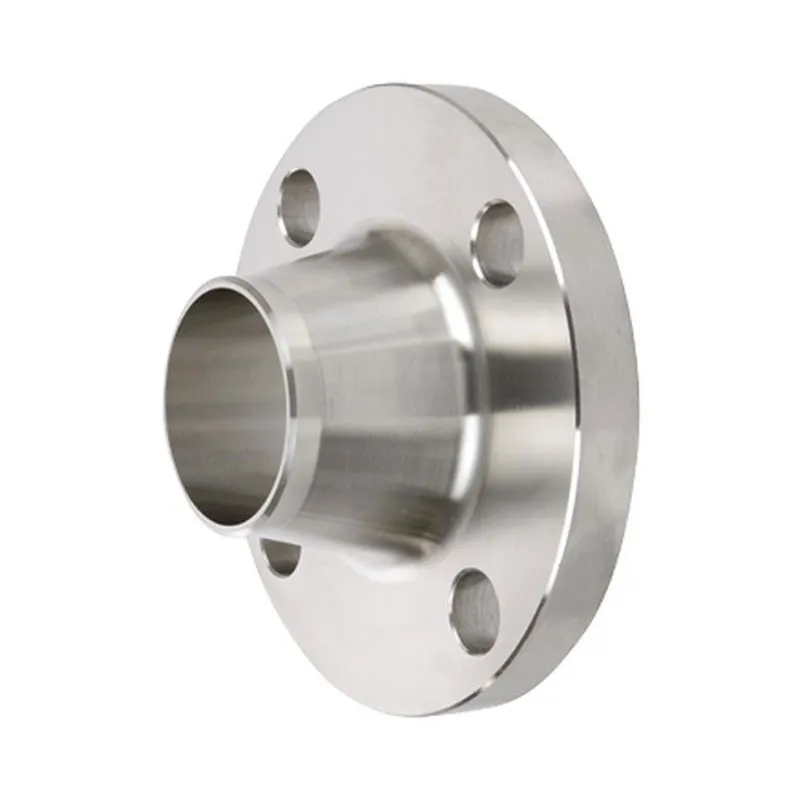
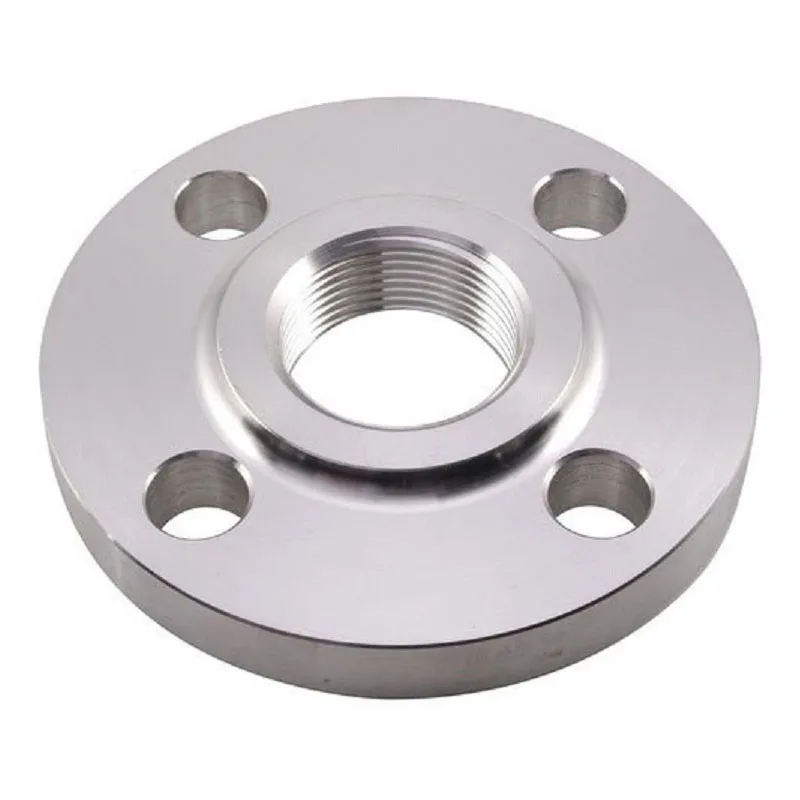
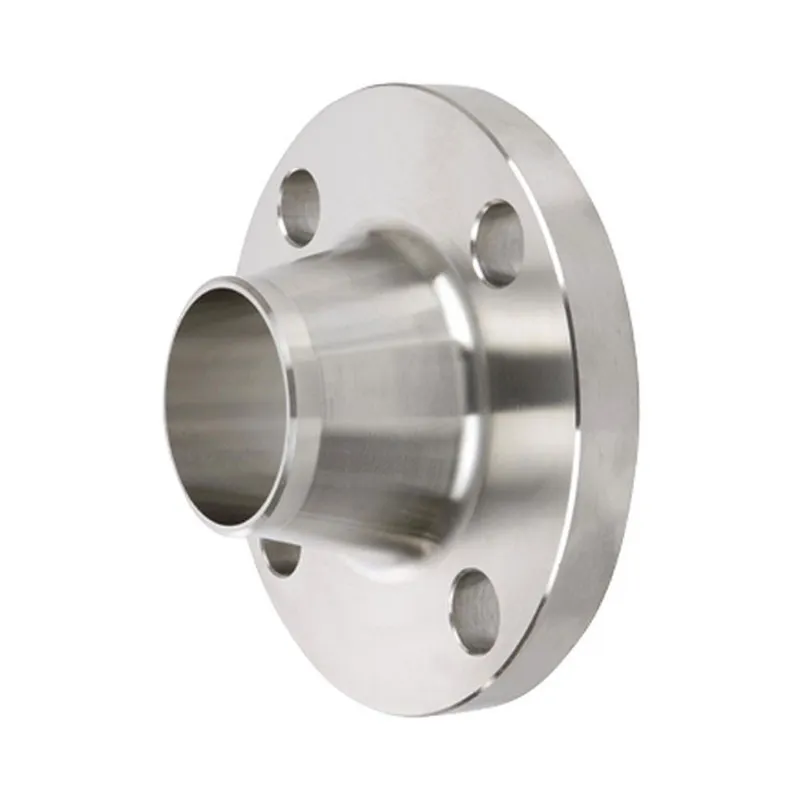
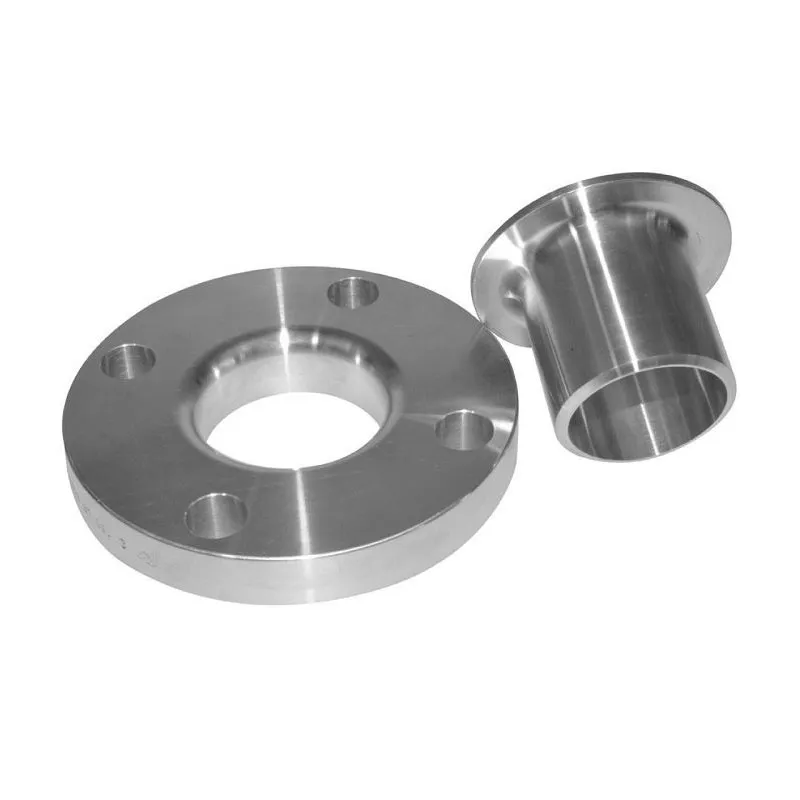
Best Sellingproducts
Best Selling Products-
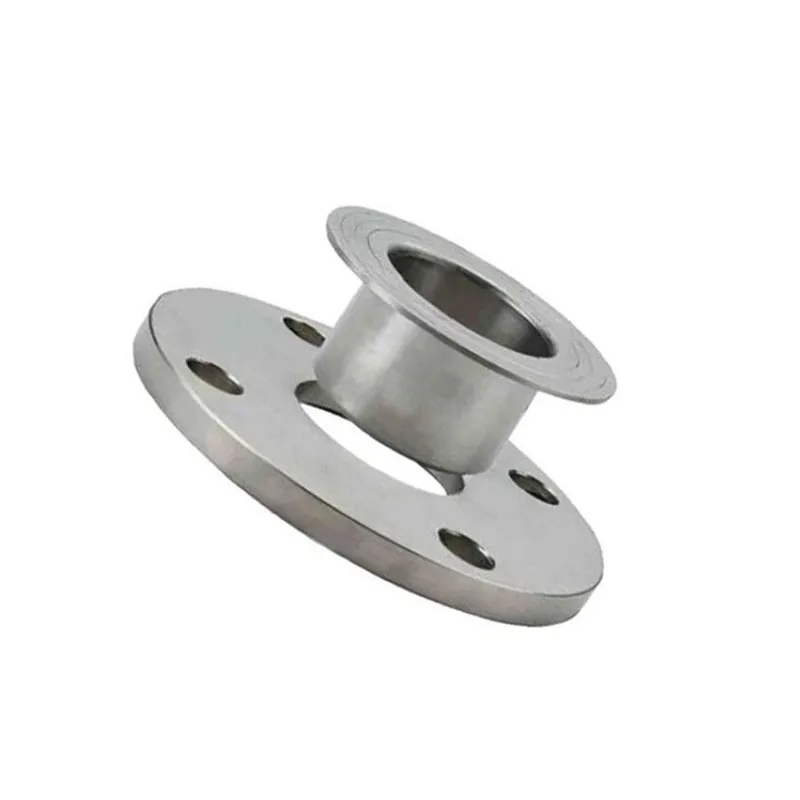 Free ring flanges Class 400
 -
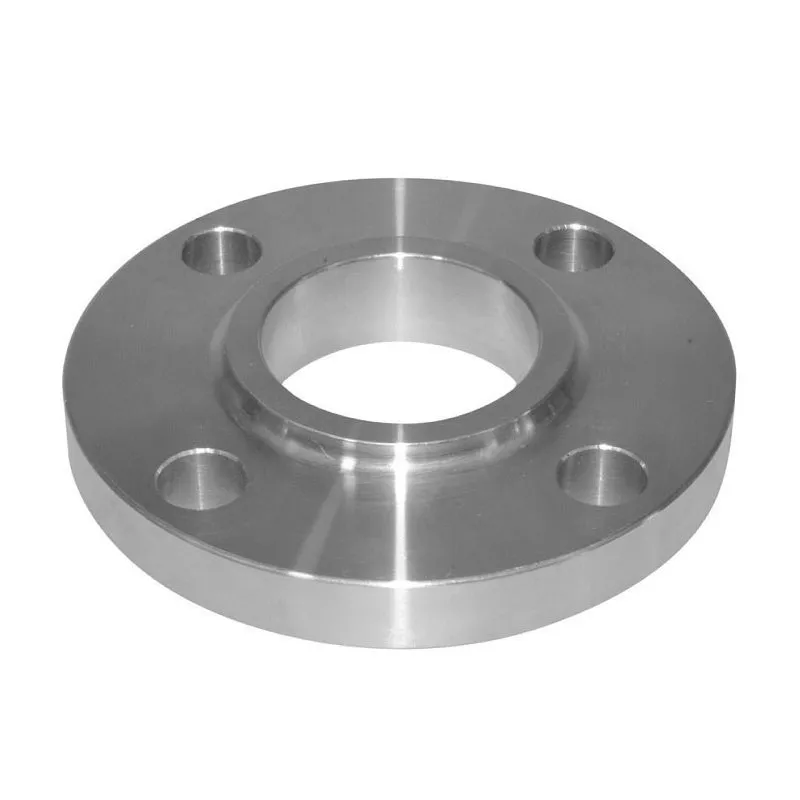 ANSI B16.5 Lap-on flanges Class 1500
 -
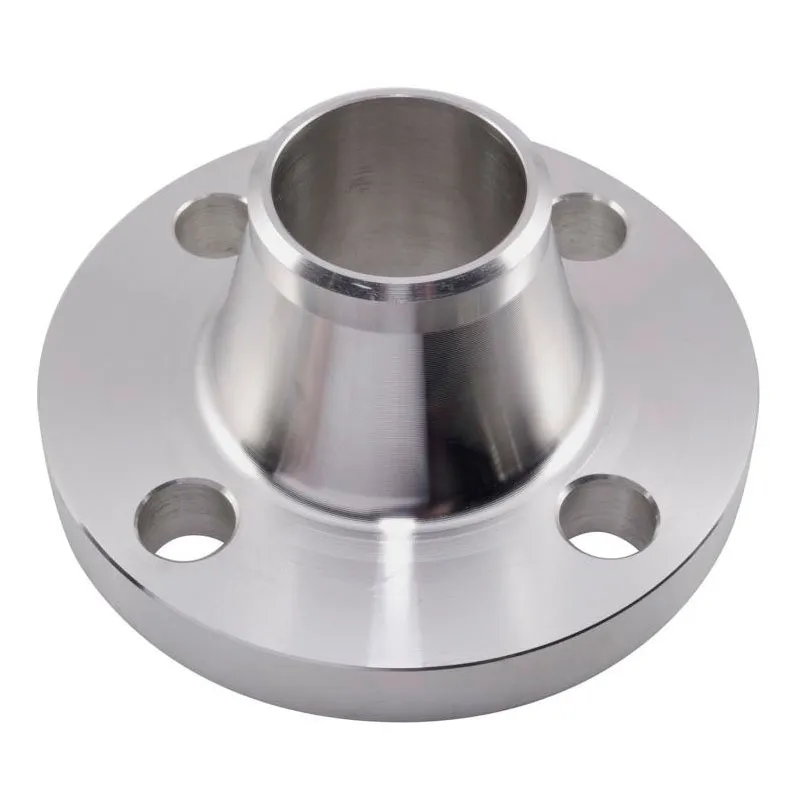
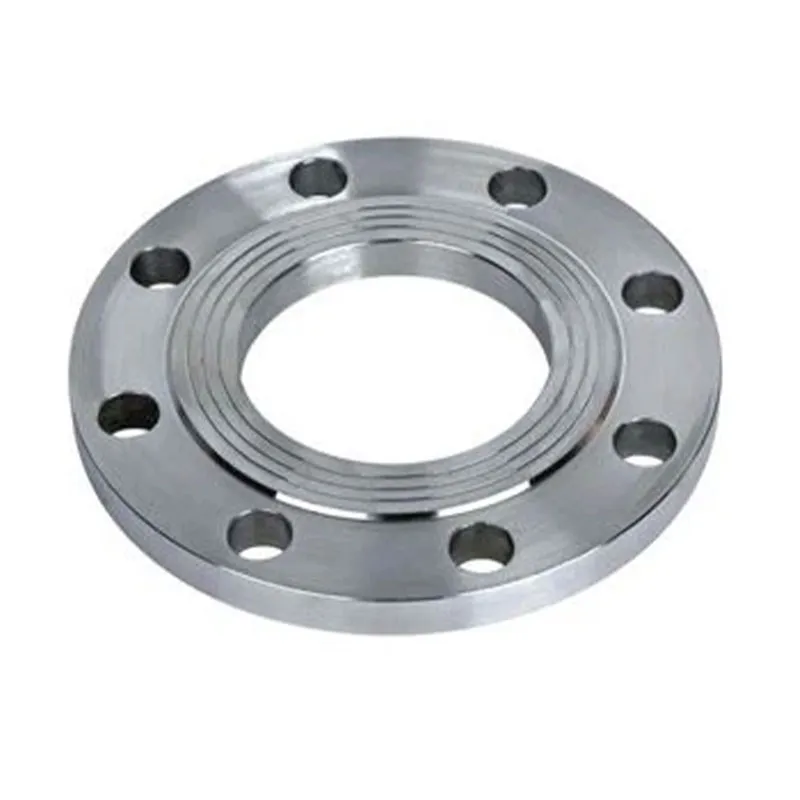 Butt weld flanges Class 150
 -
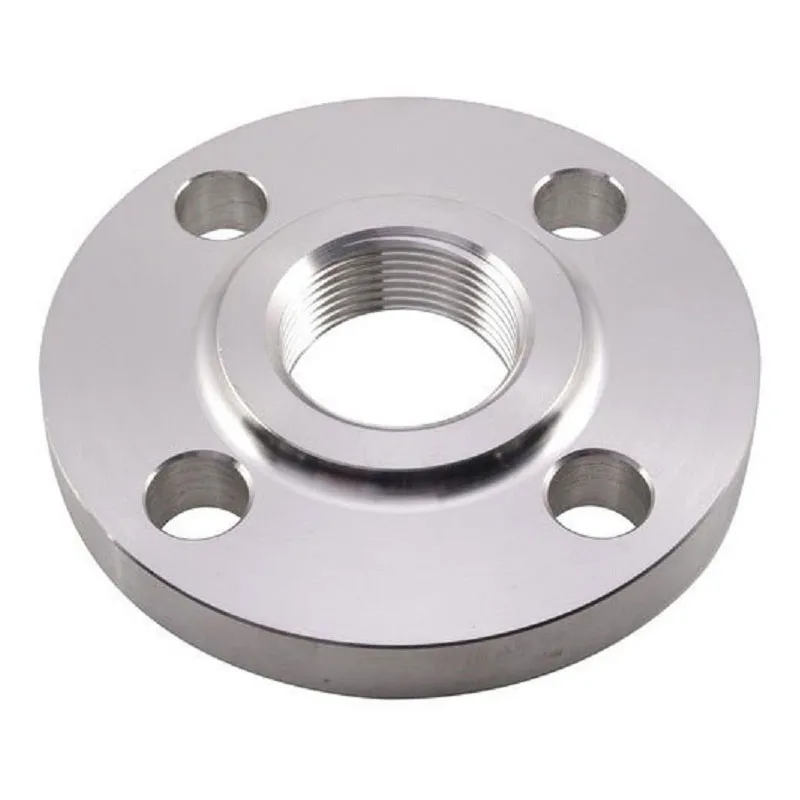 EN 1092-1 Threaded flanges Type 15, PN16
 -
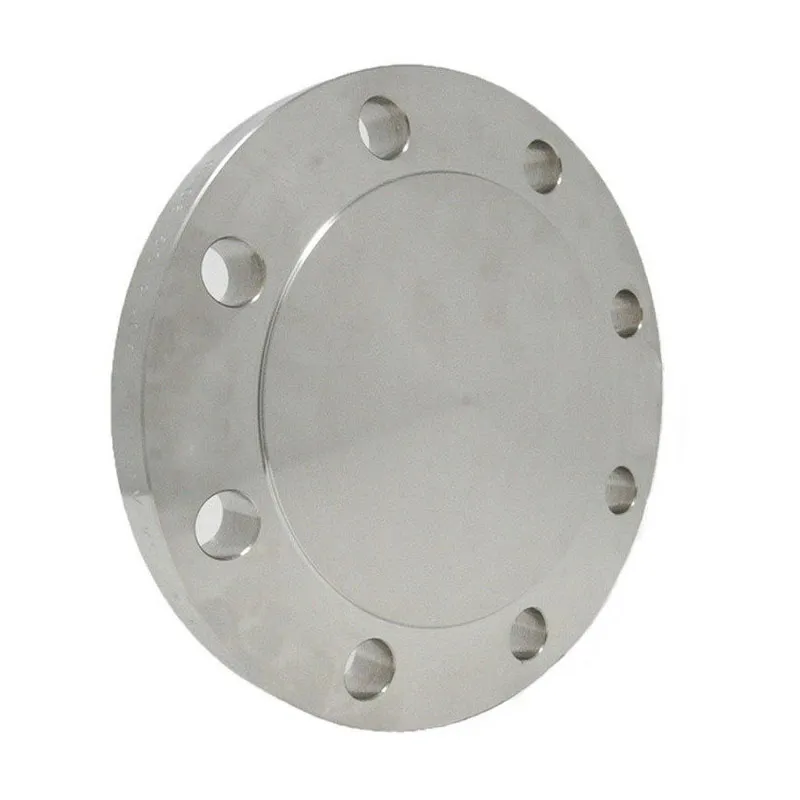
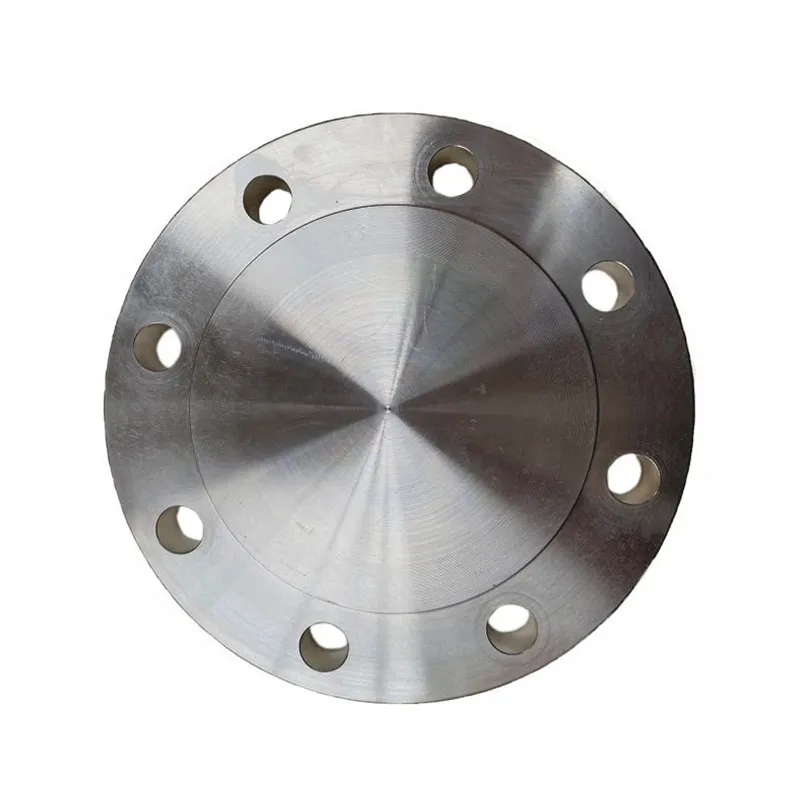 DIN 2527 Blind flanges PN10
 -
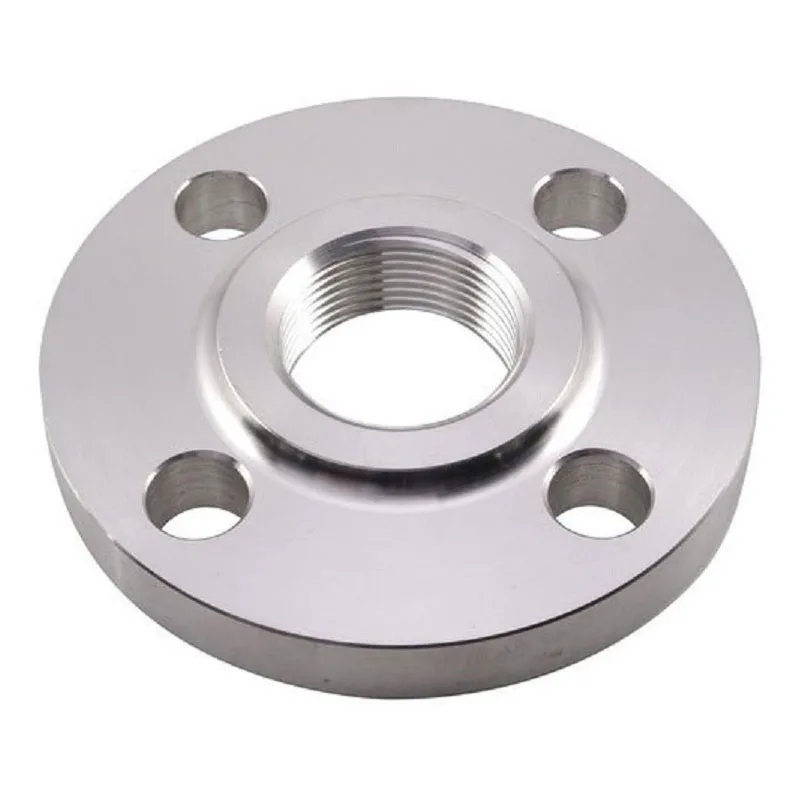 JIS 10K Threaded Flanges
 -
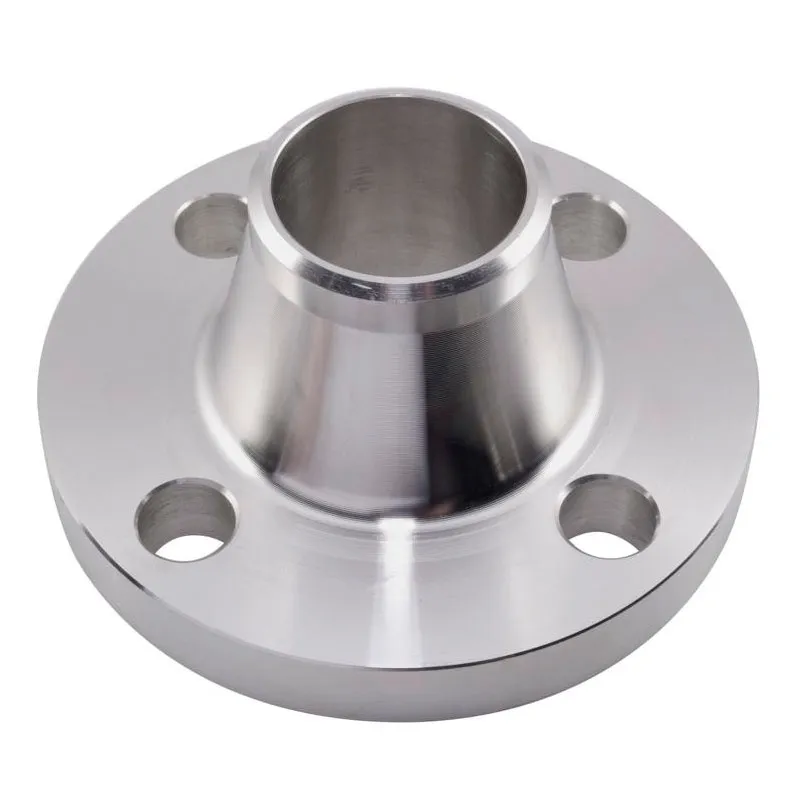 Butt weld flanges Class 900
 -
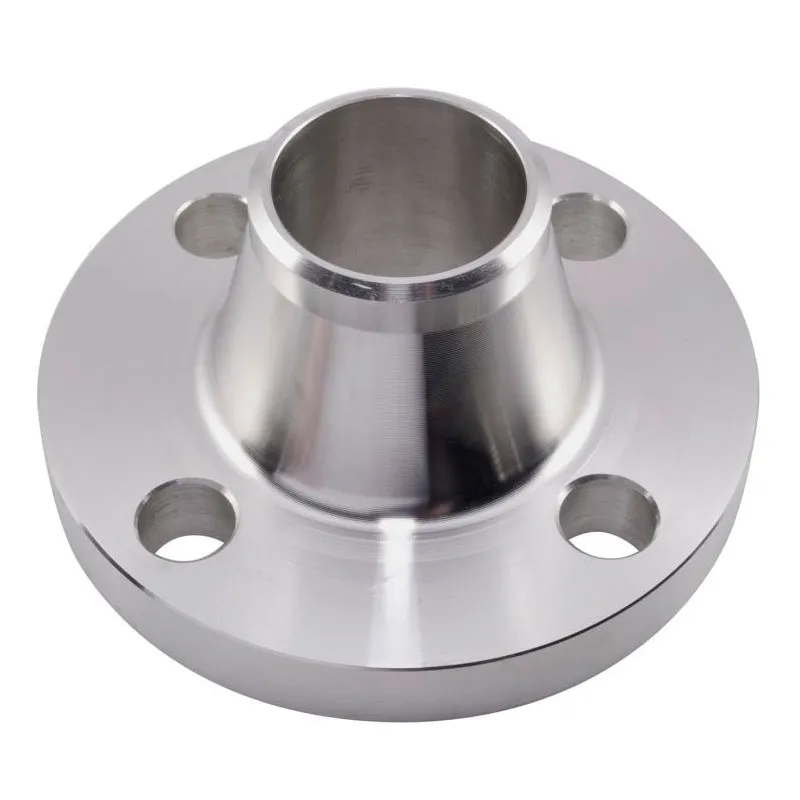 UNI 2281 Butt weld flanges PN10
 -
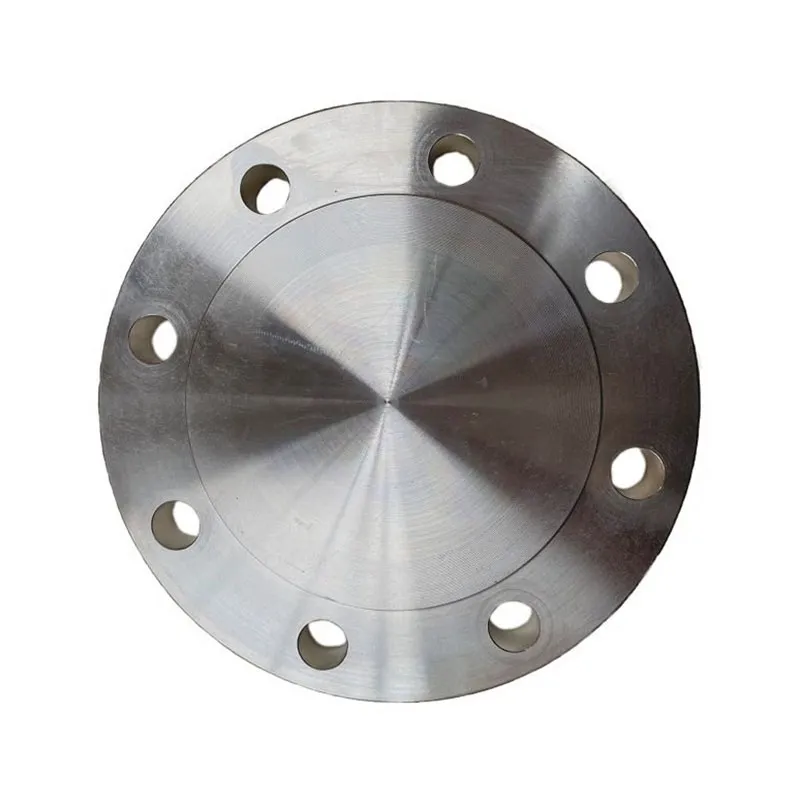 ASME B16.47 Ser.A Blind Flanges Class 400
 -
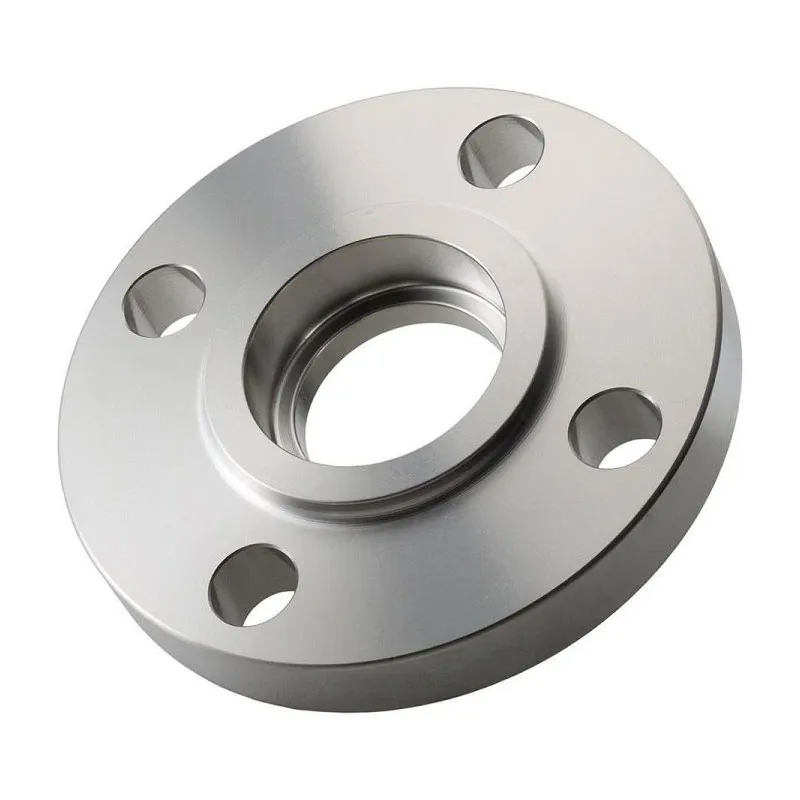 ANSI B16.5 Socket Weld Flanges Class 150
 -
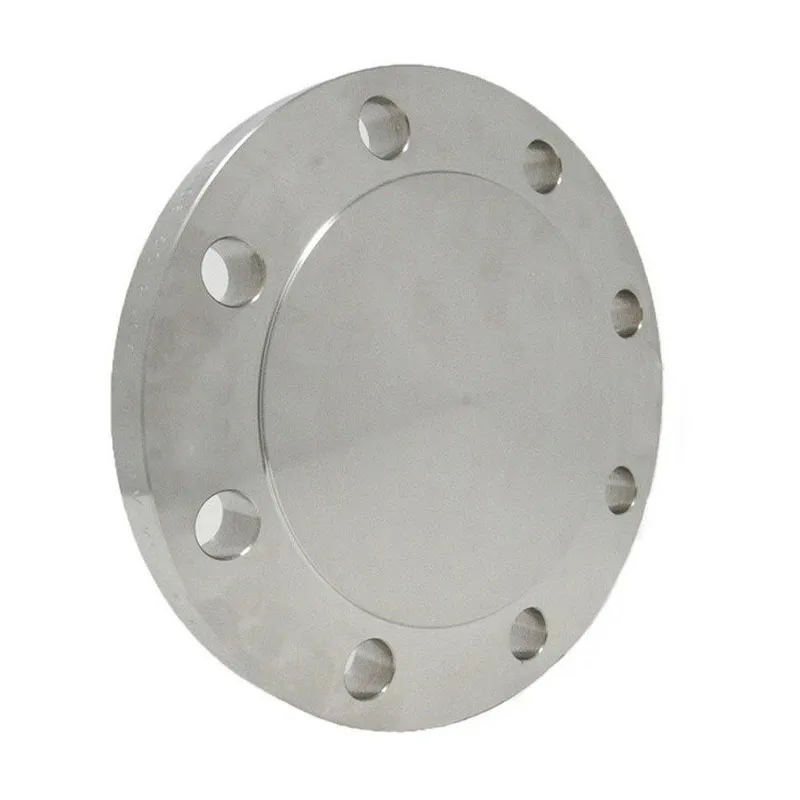 EN 1092-1 Blind flanges Type 05, PN10
 -
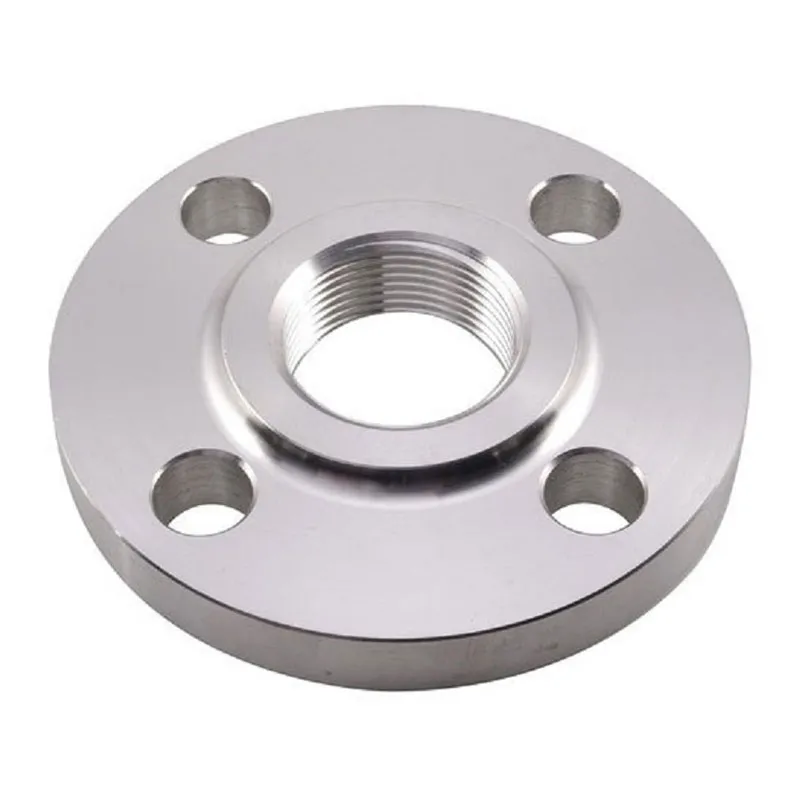 JIS 10K Overlay flanges