
-
-
Phone
+86-13623462298



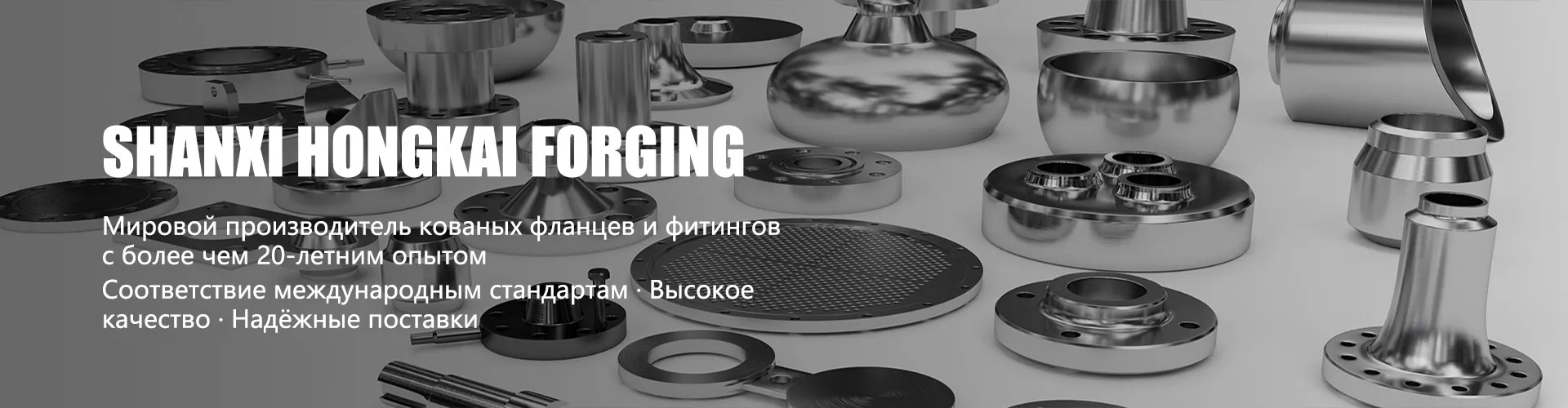
steel flange for pipe connection
Tell me, when you hear “steel flange for connecting pipes”, what is the first thing that comes to mind? The ring has holes, tighten the bolts - and that's the end of it. Many people think so, especially those who work with projects on paper. But in fact, there is a whole science here. Material, pressure, temperature, environment... One miscalculation - and instead of a connection you end up with a leak, or even an accident. I went through this myself, when about ten years ago they installed a batch of flanges, seemingly according to GOST, but during tests at 40 atmospheres and 300 degrees it led. I had to urgently change it, look for a manufacturer who understands metal and processing, and doesn’t just stamp it. Since then I approach the choice differently.
What is hidden behind the word "steel"?
Here we take steel. It would seem that what is so difficult here? But no. For flanges, it’s not just “ferrous metal”. St3sp, 20, 09G2S, 12Х18Н10Т... Each brand has its own conditions. For ordinary low-pressure steam it’s one thing, for an aggressive chemical environment in a petrochemical industry it’s completely different. I once saw how a facility installed flanges made of ordinary carbon steel on a line with hydrogen sulfide. Six months later there are cracks all over the perimeter. Stress corrosion cracking. The designers saved money, and as a result - millions in losses for shutdown and replacement.
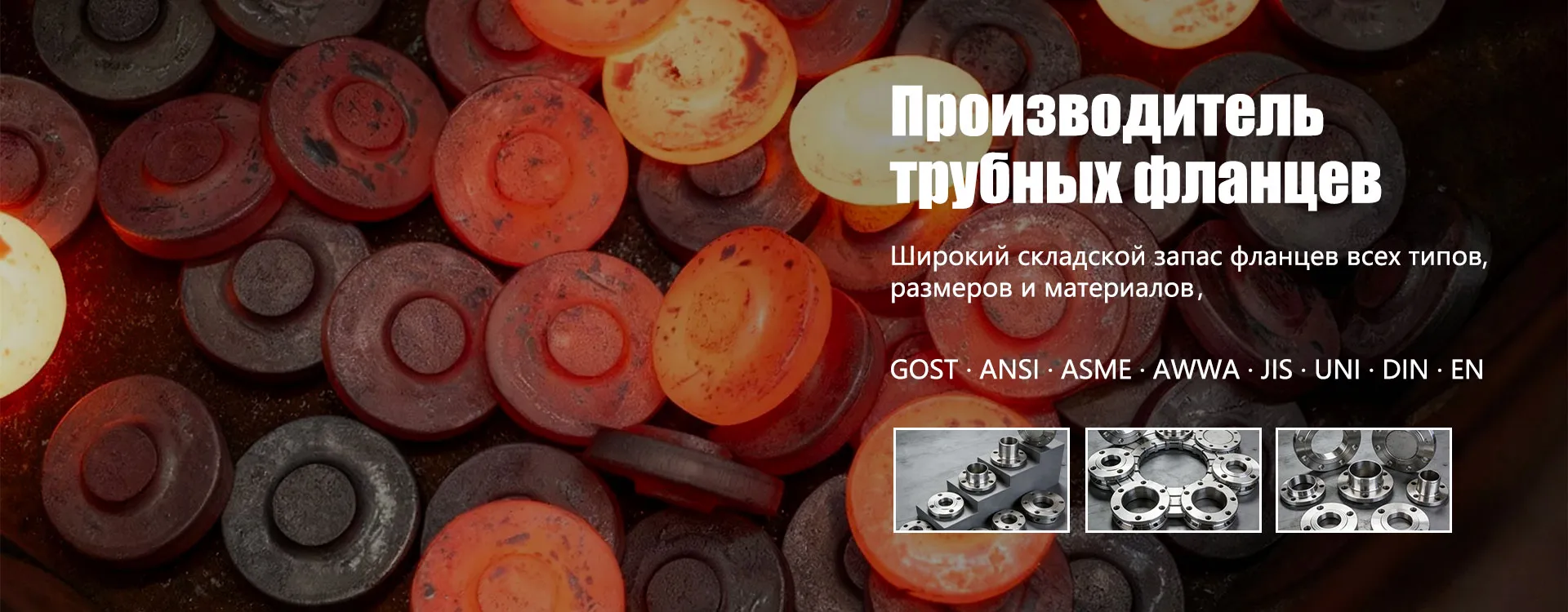
That is why now I always look at certificates and, more importantly, at the reputation of the plant. Here, for example,Shanxi Hongkai Forging Co.,Ltd. We recently worked with them. Their website -hkflange.ru— it’s immediately clear that they are dealing with forging, and not with casting or cutting from sheet metal. This is fundamental. Forging gives a better metal structure, the fibers go as needed, and the strength is higher. Especially for critical nodes. They actually claim to produce forged flanges and forgings, and they are one of the key centers of the forging industry in China. In practice you can feel this - the metal is dense, without cavities, and the mechanical properties are stable.
And one more thing about steel - heat treatment. After forging, the flange must be properly annealed to relieve internal stress. Otherwise, during installation and operation it may “twist”. I checked it personally: you take a raw flange from an unknown workshop, put it on the stove - the gap is visible to the naked eye. And after normal heat treatment, it lies flat, like a tabletop.
Types of flanges: where to use what and the main mistakes
Butt-welded, flat, loose, threaded... Each type is not for beauty, but for its own purpose. The most common and, in my opinion, the most reliable for high pressures isbutt weld flange(welding neck). A long conical neck - it redistributes the stress from the pipe to the flange itself, and it is more convenient for the welder to weld a butt weld, rather than a corner weld, like a flat one. But it’s also more expensive to make; more metal is required.
A flat flange is cheaper, but it needs to be welded with two fillet welds on both sides. If the pressure is low, the temperature up to 300 will do. But here’s a common mistake: they place it on vibrating lines. Fillet welds do not work well against fatigue and may crack due to vibration. I saw this at compressor stations.
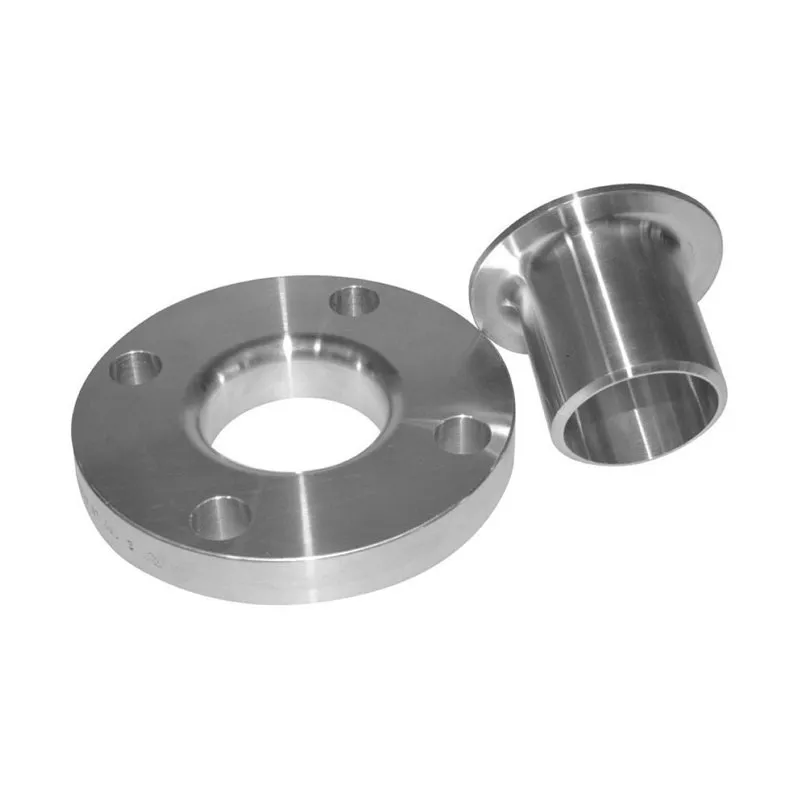
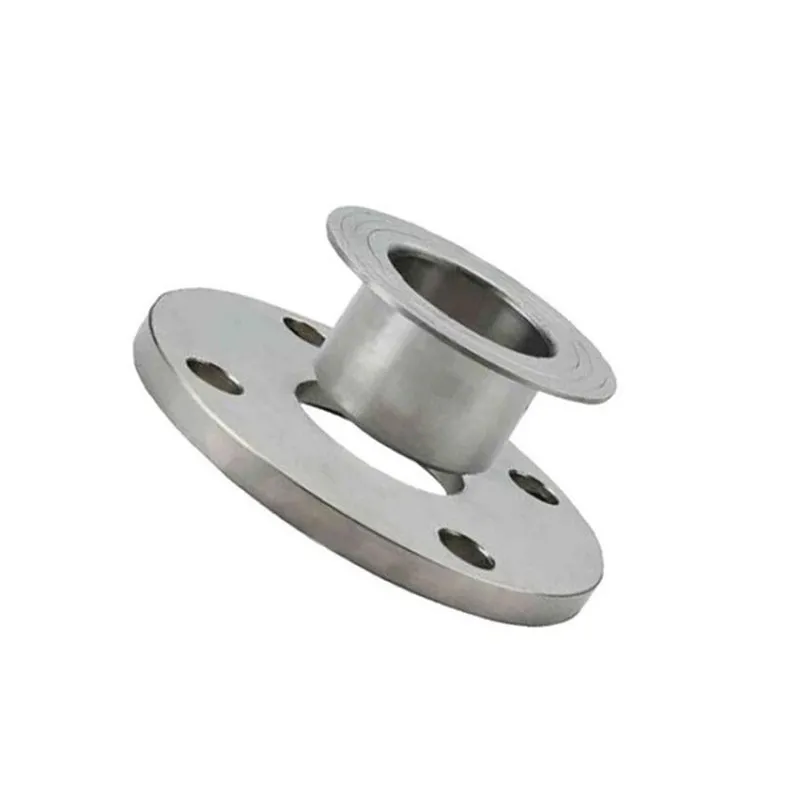
But a loose flange on a welded ring is a completely different story. They like to use it for installation in hard-to-reach places or when it is necessary to frequently disassemble the connection for inspection. The ring is welded to the pipe, and the flange itself remains free. But here the accuracy of the alignment of the holes for the bolts on the ring and on the flange is critical. If the manufacturer saved on processing and the holes “walk?” - it will be impossible to assemble it evenly, without distortion. UShanxi Hongkai Forging Co.,LtdThere are just such in the nomenclature, and from experience, their geometry is clear, because they are made according to the standards: GOST, ASME, and EN. This is important when interchangeability is needed.
Standards: not just letters in documents
GOST, ASME B16.5, EN 1092-1... For a beginner, this is a dark forest. And for a specialist - the language spoken by drawings and specifications. The difference between them is in dimensions, tolerances, markings, and design pressures. For example, according to GOST (this is for steel flanges for fittings and pipelines) and ASME B16.5 there are different pressure-temperature tables, thicknesses and diameters are slightly different.
The biggest headache is when the project includes one standard, but they deliver a product that is supposedly made “similar”, but differently. The holes won't line up or the gasket won't fit. Therefore, when the manufacturer is like the sameShanxi Hongkai Forging, directly indicates that it works according to international and national standards, including GOST, ASME, EN, DIN, UNI, BS, JIS, GB - this immediately reduces risks. This means that they have equipment and technological maps for each type. They will not make an ASME flange on a machine set up to DIN.
And don’t forget about Chinese GB. Many people are afraid of it, but for domestic Chinese projects it is the main standard. And if the plant complies with it, this indicates production discipline. The company honestly indicates this in the description, which adds trust.
Dimensions and non-standard: when DN4000 is a challenge
The declared range DN15–DN4000 is serious. DN4000 is a nominal diameter of 4000 mm, that is, the flange itself will be four meters! Such things are made for the energy industry, metallurgy, and large-scale chemistry. This is no longer just a forging, but a whole engineering problem: how to heat such a workpiece, how to process it on a CNC machine, how to check the geometry. Any inaccuracy here is a disaster.
It’s the same story with non-standard products based on customer drawings. It often happens that a standard flange is not suitable due to cramped conditions or special loads. It is necessary to change the thickness, add protrusions, and make a non-standard arrangement of holes. This is a test for the plant's flexibility. From my own experience, I will say that not everyone will take it, and if they do, the timing and price can be astronomical. The key factor is having your own design department, which can read the drawing and provide technical specifications to the workshop. From the descriptionShanxi Hongkai Forging Co.,Ltdit is clear that non-standard products are a common practice for them, which means the process is streamlined.
Once we ordered a flange with an additional drainage fitting on the side surface. Several small factories refused, they say, “not according to the standard, it’s difficult?” And those who specialize in forgings and have powerful forging and pressing equipment did it almost like stamping - they forged a solid blank with a protrusion, and then drilled it out. It turned out to be monolithic and reliable.
Editing practice: where theory meets reality
Everything written above is nothing if you don’t know the intricacies of installation. Let's say the flange is perfect, the steel is the same, the gasket is graphite. And the welder overheated the joint when welding the neck. In the thermally affected zone, the structure of the metal changed and brittleness appeared. Or the bolts were tightened not in a “crosswise” pattern, but sequentially in a circle - the flange was skewed, the load was distributed unevenly.
Another point is the quality of the seal surface. There are protrusions and depressions, a tongue and groove, and a smooth surface. If the flange intended for the tongue-and-groove connection has a rough processing surface, with marks, the gasket will not cover these unevennesses and will leak. Therefore, I always look at the finishing of the sealing surfaces. Forged flanges, by the way, usually have this in order, because after forging and heat treatment they are carefully processed on lathes.
And the last thing is compatibility. If flanges from different manufacturers are installed on the pipeline, even according to the same standard, it is better to check them “dry”, aligning them with each other. It happens that, within the tolerances, one manufacturer made holes at the upper limit, and another at the lower limit. The studs may not fit. Therefore, it is more reliable to work with one trusted supplier for the entire project, especially if he, like the mentioned company, can cover the entire range of sizes and types.
Instead of a conclusion: thinking out loud
So, back to the beginning.Steel flange for pipe connection— it’s not just a consumable or piece of hardware. This is a calculation node on which the integrity of the entire system depends. His choice is always a compromise between cost, standard, working conditions and availability. Experience suggests that saving on materials and processing here is more expensive. It is better to once find a manufacturer who understands what he is doing, has a powerful forging base, works according to standards and is capable of non-standard solutions. Like those we were talking about. Because in our work, the cost of an error is not a defective part, it is stopped production, an environmental situation, or, God forbid, something worse. And a flange, made with understanding of the matter, is one of the bricks in the foundation of reliability.
Correspondingproducts
Related Products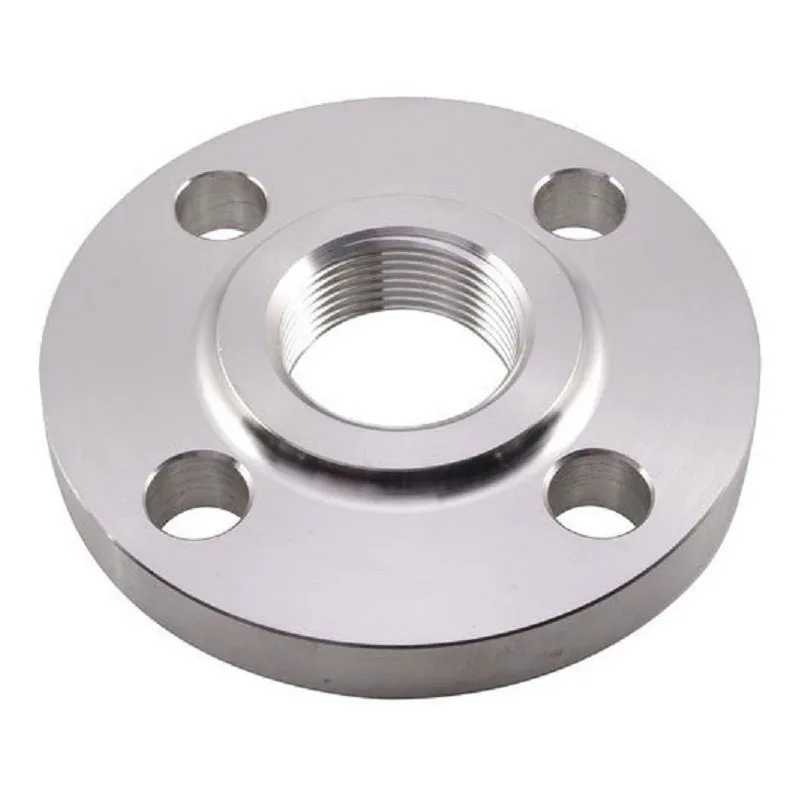
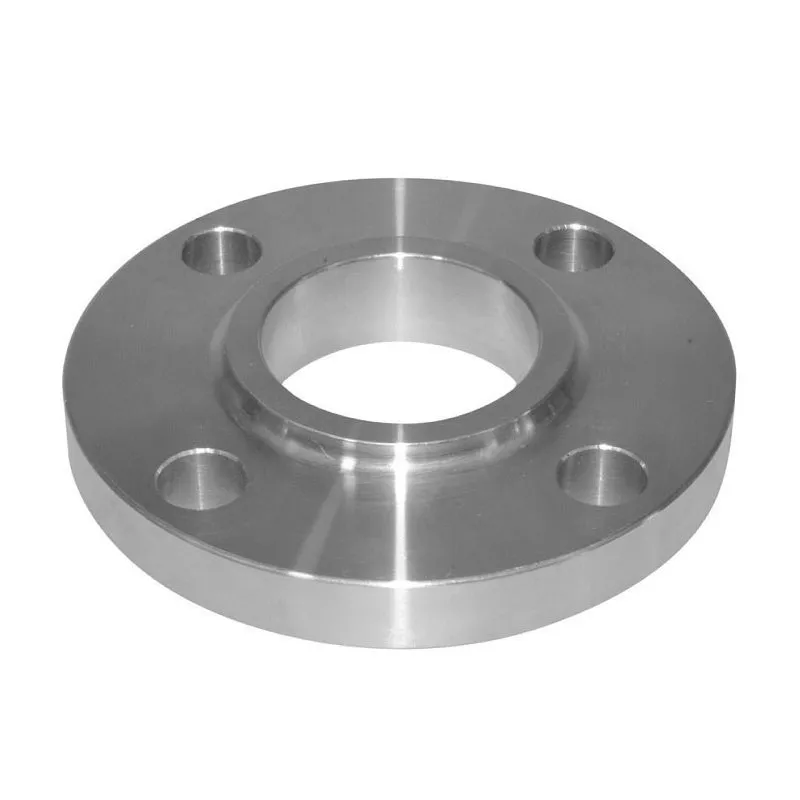
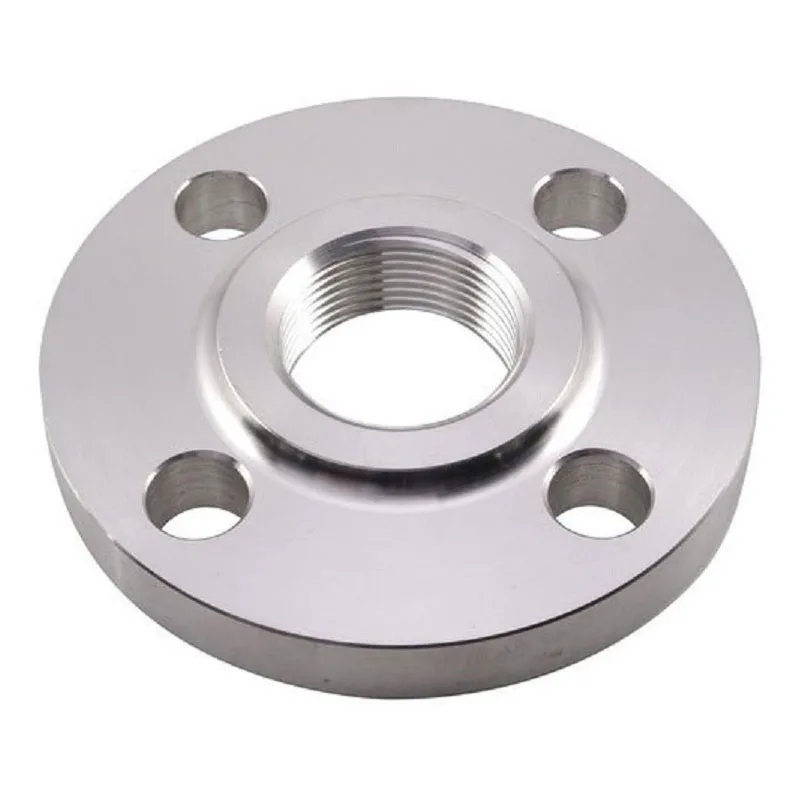
Best Sellingproducts
Best Selling Products-
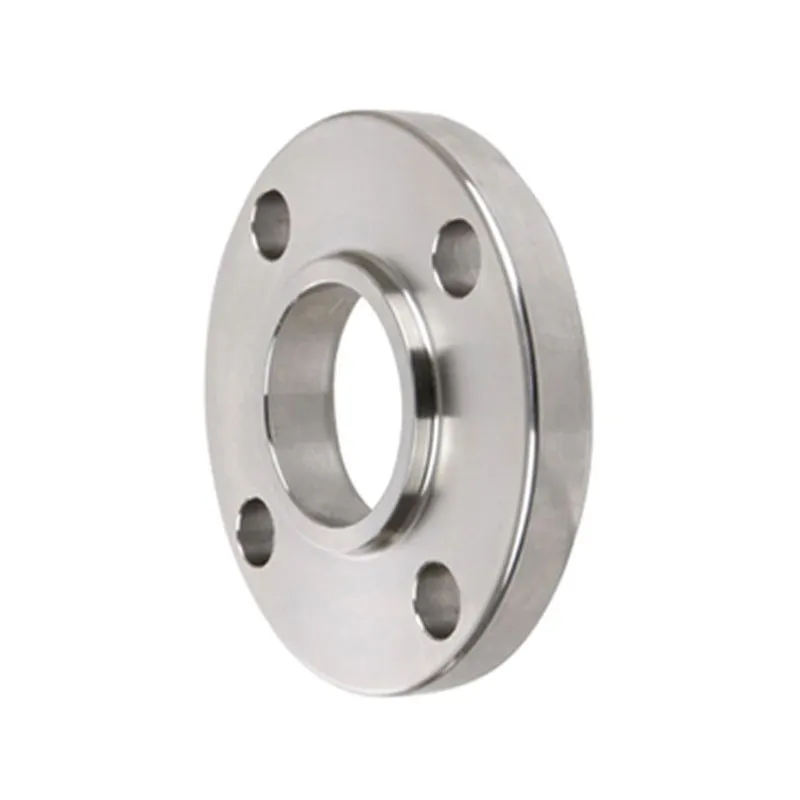 ANSI B16.5 Lap-on flanges Class 300
 -
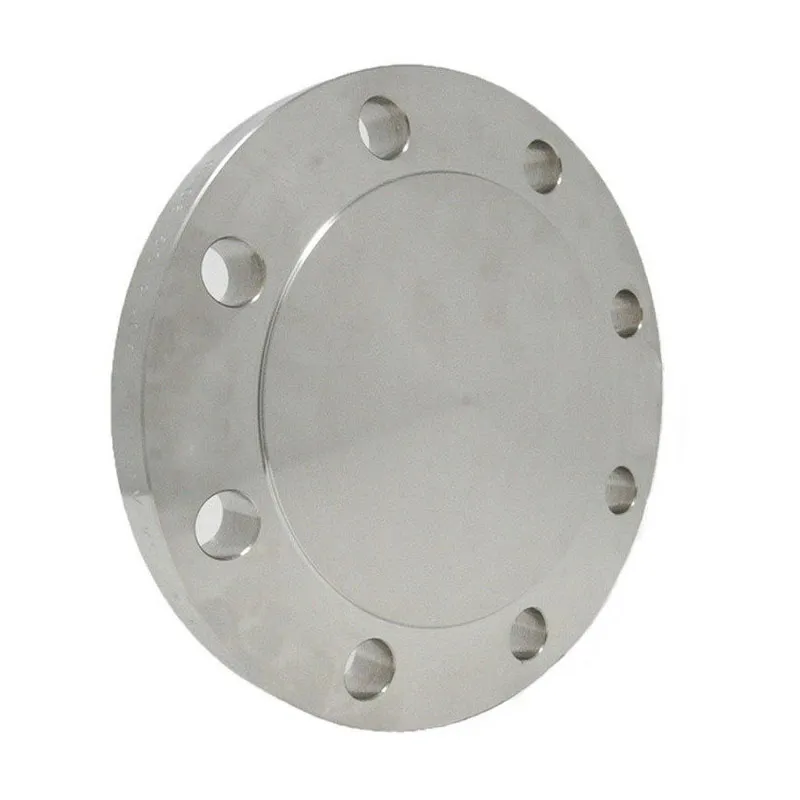 AWWA Blind Flanges Class D (Tables 1, 2, 3)
 -
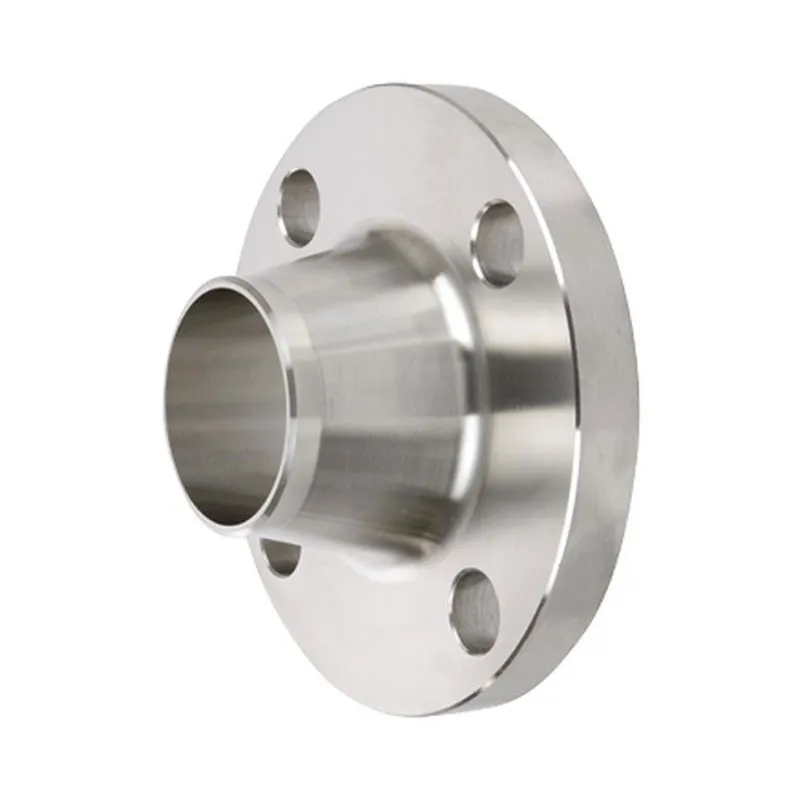 Ser.A Butt Weld Flanges Class 400
 -
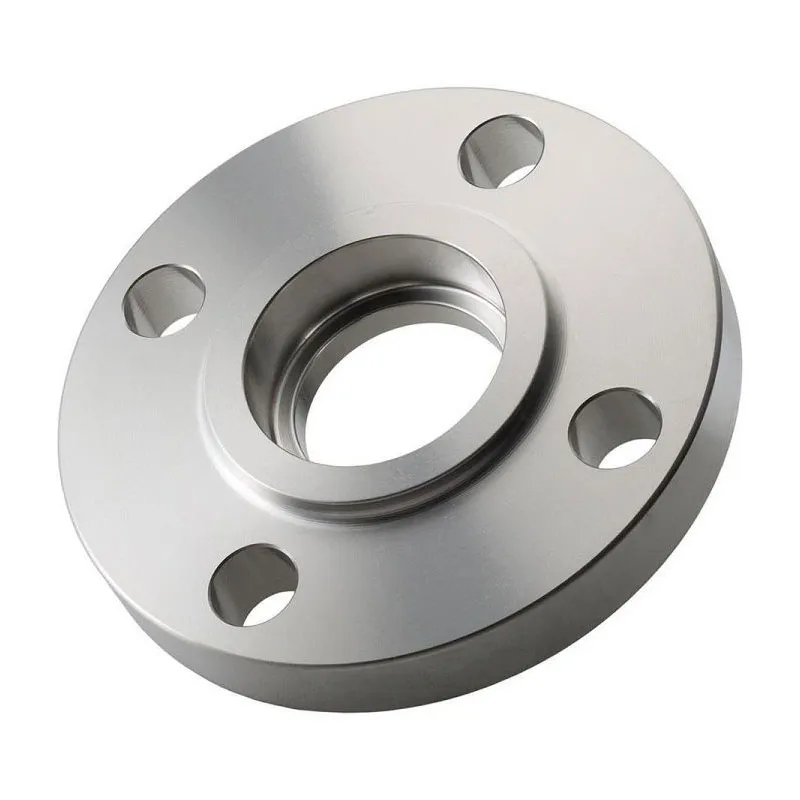
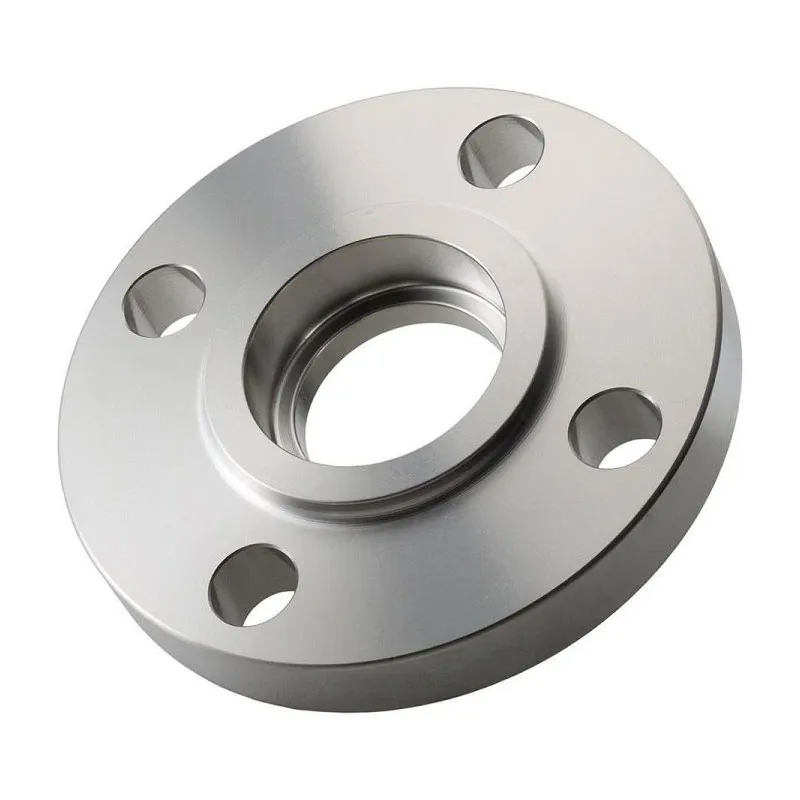 ANSI B16.5 Socket Weld Flanges Class 150
 -
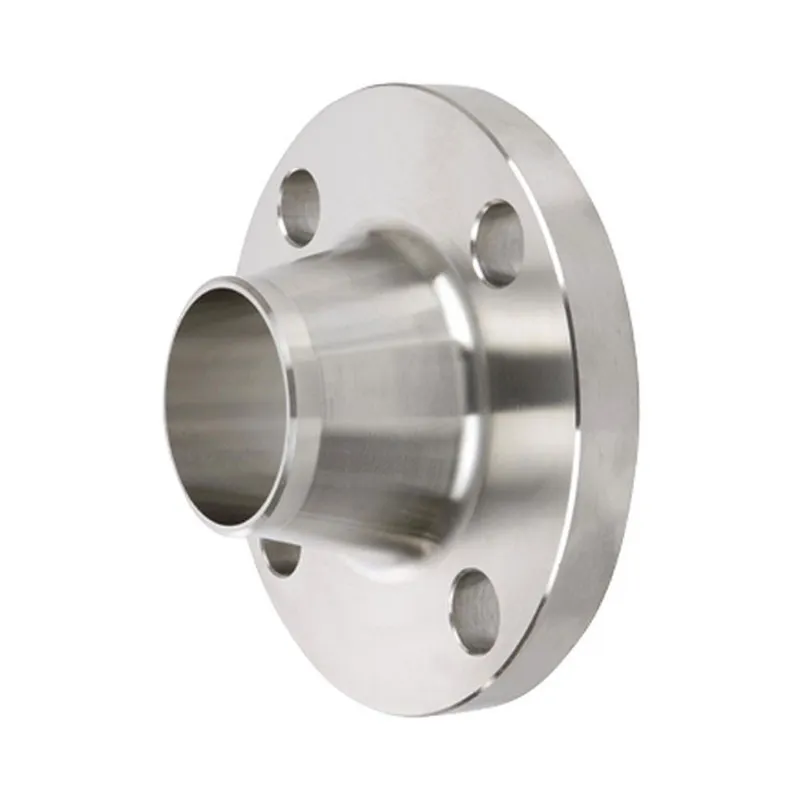 EN 1092-1 Butt weld flanges Type 11, PN25
 -
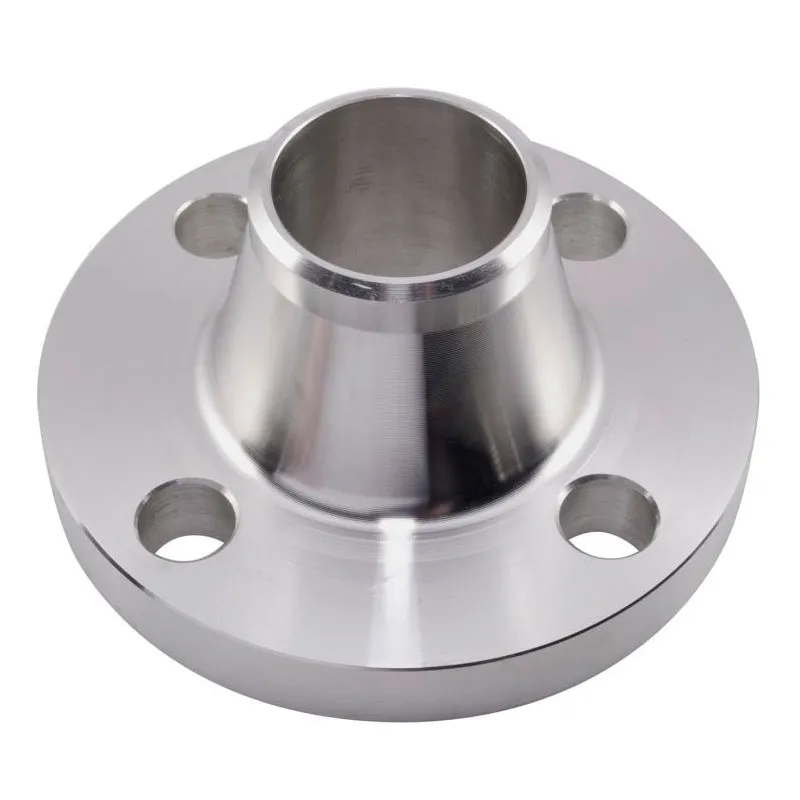 UNI 2281 Butt weld flanges PN10
 -
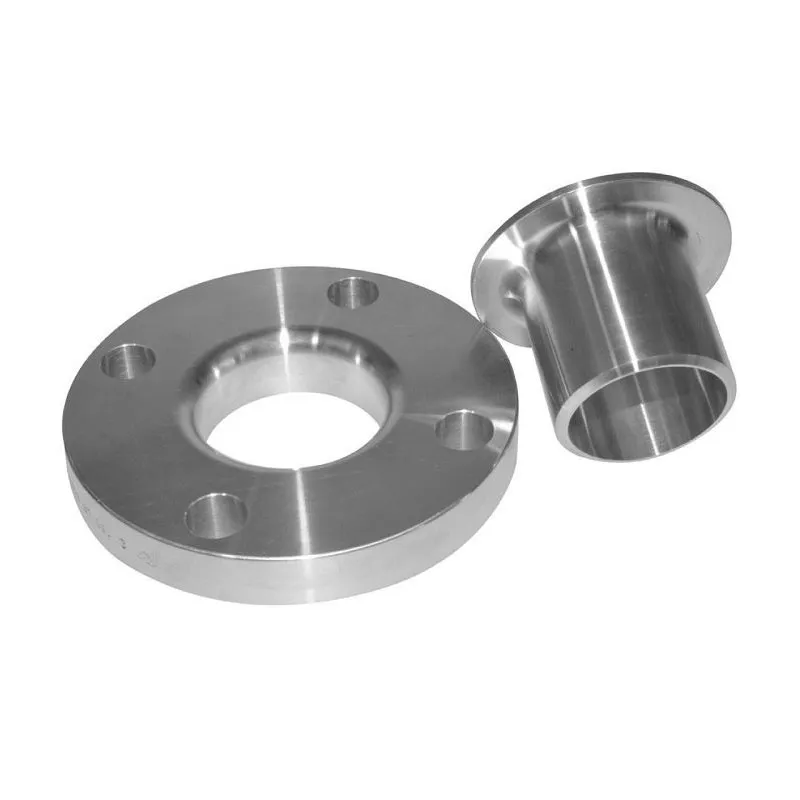 ANSI B16.5 Loose Ring Flanges Class 2500
 -
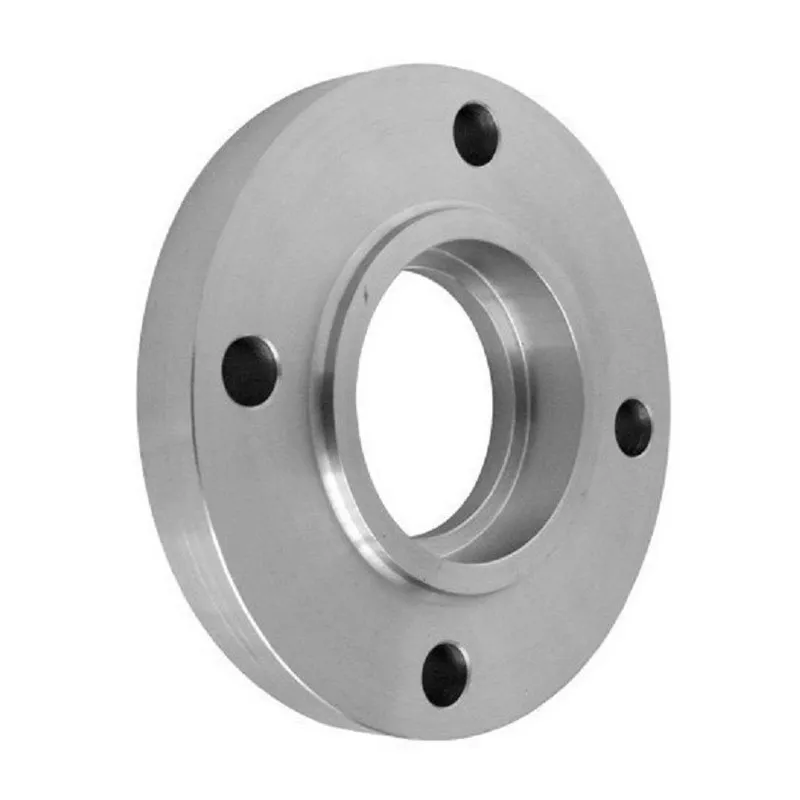 JIS 5K Socket Weld Flanges
 -
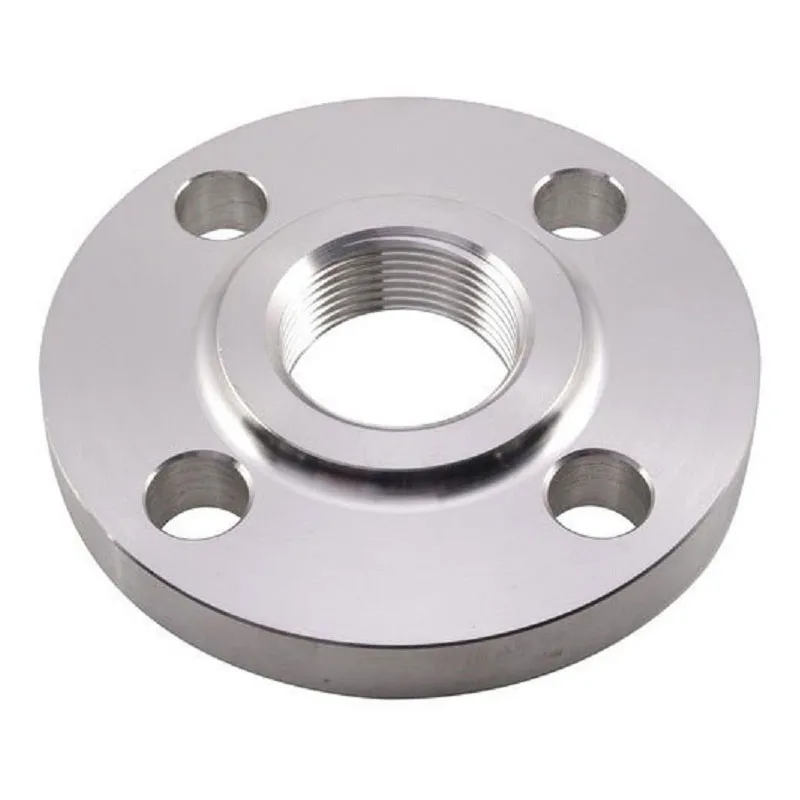 EN 1092-1 Threaded flanges Type 15, PN16
 -
 JIS 10K Loose Ring Flanges
 -
 DIN 2527 Blind flanges PN10
 -
 Flanges for socket welding