
-
-
Phone
+86-13623462298



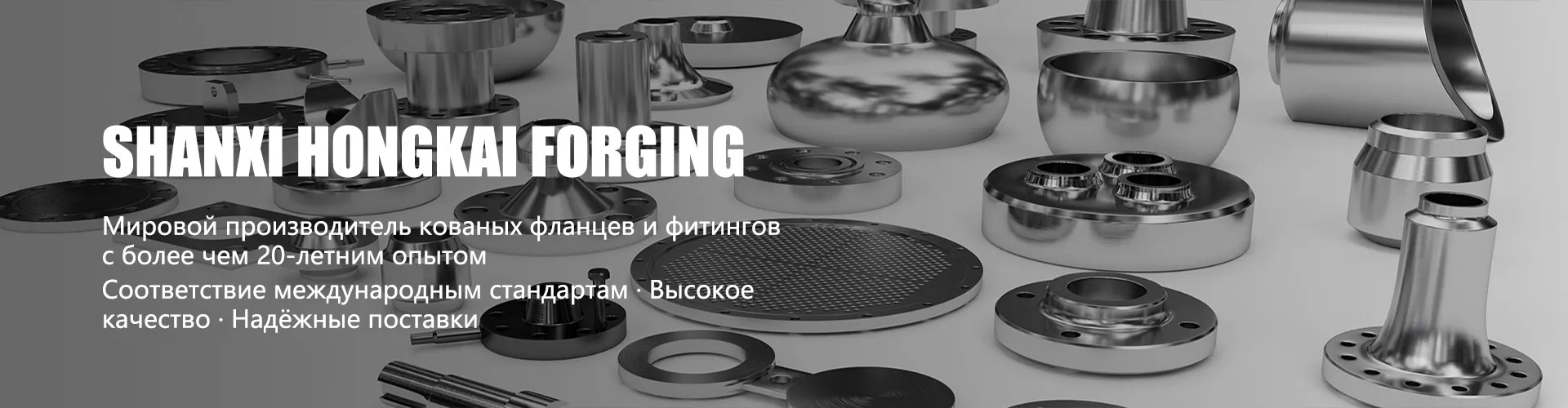
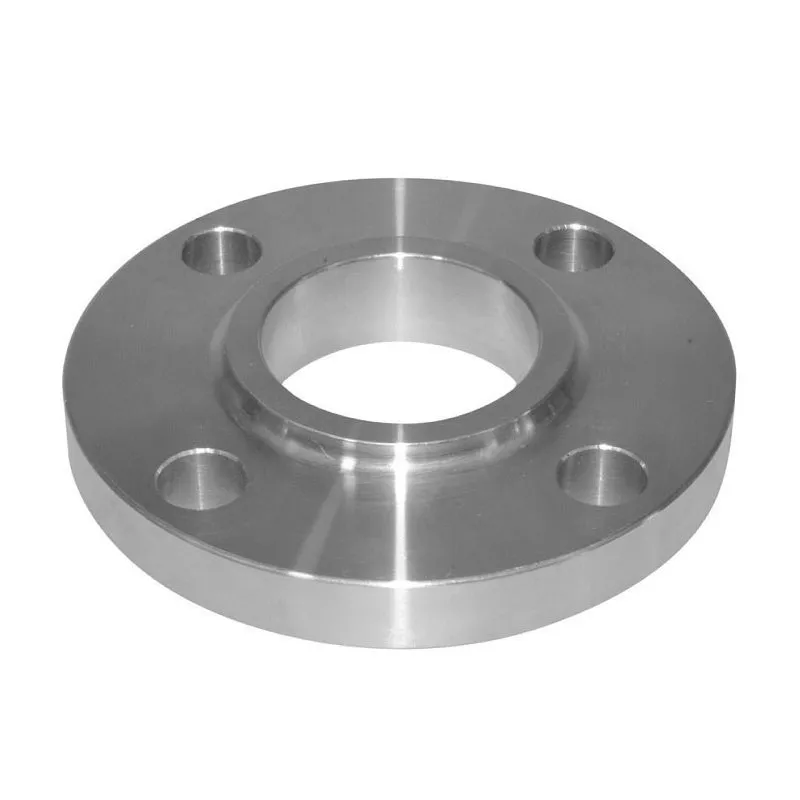
ASTM flanges
When you hear “ASTM flanges”, the first thing that comes to mind is the American standard, which means it must be of high quality. But in practice, everything depends on the details: what kind of design, material, who the manufacturer is and, most importantly, how this relates to the actual conditions at the site. Many customers think that since ASTM is specified, they can relax, but this is exactly the trap that we have all fallen into at one time or another.
ASTM A105 vs A182 F316: not only about steel
Let's take, for example, the most popular positions - ASTM A105 for carbon steel and A182 for stainless steel grades. It would seem that everything is spelled out. But here's the caveat: A105 is a forging material. And then the fun part begins - mechanical processing. If the manufacturer skimps on the forging stage and does not withstand temperature conditions, internal stresses may appear. Then, during machining, the flange seems to pass dimensional control, but during operation, under load and temperature, it can fail.
We had a case at one of the chemical plants near Perm. We ordered a batch of ASTM A182 F316L flanges for a weak nitric acid pipeline. The material in the certificates was normal, the chemistry seemed to match. But after six months there is pitting corrosion around the perimeter of the holes for the studs. Cause? Insufficient surface cleanliness after treatment, micro-irregularities that have become centers of corrosion. The ASTM standard regulates the material, but not the finishing technology for a specific environment. This is where technologist experience is needed, not just code compliance.
Therefore, when we now work with suppliers, e.g.Shanxi Hongkai Forging Co.,Ltd(their website ishkflange.ru), we always clarify not only the ASTM certificate, but also the technical process. This company, as a manufacturer of forged flanges, often provides additional test reports specifically on mechanical properties after forging, which is more serious.
Labeling and traceability: where information gets lost
Another sore point is labeling. According to ASTM, it must be clear, indelible, contain the forging number, steel grade, size, pressure rating (for example, Class 150, 300). In an ideal world this is true. In reality, when a shipment arrives, half of the flanges are marked with paint, which is erased during the first loading and unloading. And how then to correlate the flange with the certificate? Guess?
I've had experiences where the installation of a critical high-pressure pipeline had to delay work and selectively send flanges for metallurgical analysis because the markings had disappeared. Waste of time and money. Now this is one of the first points in the technical specifications for the supplier: marking - branding or laser engraving. The same ?Hunkai Forging? in the description of the nomenclature it is clear that they work with the range DN15–DN4000. On large sizes, branding is a must have, and they understand it.
Without clear traceability from ingot to finished flange, any mention of ASTM becomes meaningless. This is not just a piece of paper, it is a chain of responsibility. If the supplier cannot provide it, even the most correct material becomes a pig in a poke.
Metric Conversion: Hidden Complexities
Our projects often follow mixed standards. Let's say the equipment is American, according to ASME B16.5, and the piping is pipes according to GOST or DIN. This is where the ASTM flanges have to mate with something else. The main headache is the holes for the studs. ASME operates in inches, thread pitch UNC/UNF. GOST - millimeters.
There was a story at a thermal power plant where they had to install adapter flanges. Ordered according to ASTM A105, but with holes for metric studs. Everything was done and installed. And during hydrotesting - leakage along the gasket. It turned out that when calculating the tightening force, they did not take into account the difference in pressure area due to the slightly different location of the holes. I had to recalculate the tightening torque on the spot, fortunately, the gasket was spiral-wound, and it withstood it. But the sediment remained.
Therefore, for non-standard solutions that are mentioned in the descriptionShanxi Hongkai Forging Co.,Ltd(production according to customer drawings), it is important to provide not just a sketch, but a pressure calculation taking into account all transitions. Their experience of working with GOST, ASME, EN, DIN at the same time suggests that they regularly encounter such collisions.
Temperature corrections and pressure class selection
A very common mistake is to select an ASTM flange pressure class based only on the system pressure rating, without taking temperature into account. Let's say the pipeline operates at 40 bar at 20°C. It would seem that Class 300 (rated at ~50 bar at room temperature) is suitable. But if the medium is superheated steam at 400°C, the permissible pressure for the same Class 300 drops sharply. According to ASME B16.5 tables, it may turn out that Class 600 is needed.
We almost got caught doing this once when we purchased flanges for the coolant supply line. What saved me was the habit of an old cost estimate engineer, who at the last moment asked the supplier, in our case it was a company from the websitehkflange.ru, pressure/temperature calculation tables for a specific steel grade A182 F11. It turned out that our safety margin at operating temperature was on the verge. I had to urgently change the specification to a higher class.
This is the point where knowledge of the ASTM standard must be supported by practical tables and, preferably, consultation with a manufacturer who knows the behavior of his forging under different conditions.
Quality control: what should be in the document folder
So you orderedASTM flanges. What should come with them besides the products themselves? Minimum: Mill Test Certificate with chemical analysis and mechanical test results for a given melt/forging batch. An ultrasonic testing (UT) report is required, especially for critical applications. For stainless steels, intergranular corrosion test results (for example, ASTM A262).
They often save on UT and do selective testing. But for large diameter flanges (including in the DN4000 range, which declaresShanxi Hongkai Forging) complete control is not a whim, but a necessity. There may be internal discontinuities in the forging that will lead to failure. Once they accepted a batch without the UT protocol and decided that it would be suitable for water. The flange burst not under pressure, but during installation due to tightening force - there was a sink inside.
Therefore, now our internal regulations: there is no complete package of documents that meets ASTM requirements - we don’t even unload the flanges from the machine. This is tough, but it protects against much bigger problems and downtime.
Instead of a conclusion: ASTM is a tool, not a guarantee
So what's all this for?ASTM flanges- this is an excellent basis, a coordinate system. But blind trust in these four letters is dangerous. They must be backed by a proven manufacturer who understands the spirit, and not just the letter, of the standard. Who is ready to discuss the details of the technical process, provide complete documentation and take responsibility.
Working with suppliers such as the Chinese forging company mentioned shows that the market is changing. Manufacturers from the main industrial centers, which is Shanxi for the forging and pressing industry, no longer just make “according to the standard”, but delve into its application. They offer products according to GOST, ASME, EN, DIN - and this means that they think in terms of international projects, where accuracy and predictability are important.
Ultimately, the success of a project depends on attention to detail, from labeling on the shop floor to temperature adjustments in calculations. ASTM sets the framework, but it is still a person who fills this framework with his experience and responsibility. Or a company that values these people.
Correspondingproducts
Related Products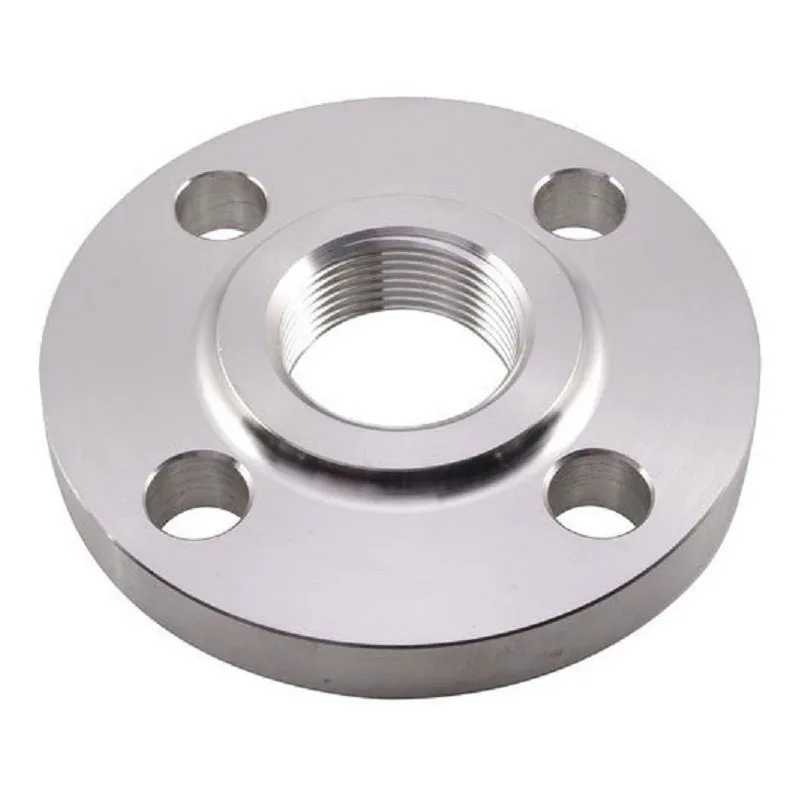
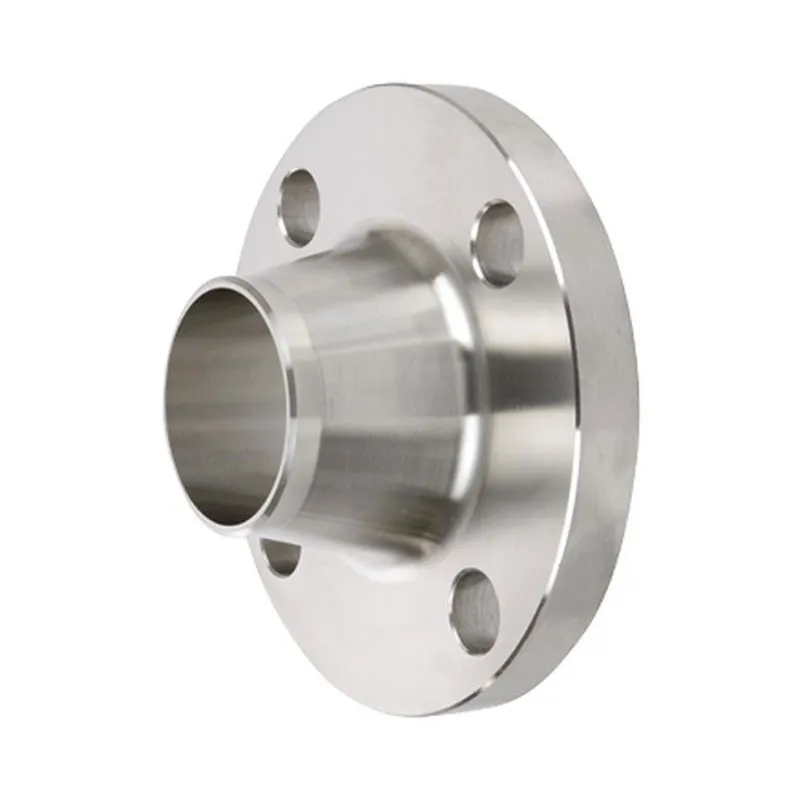
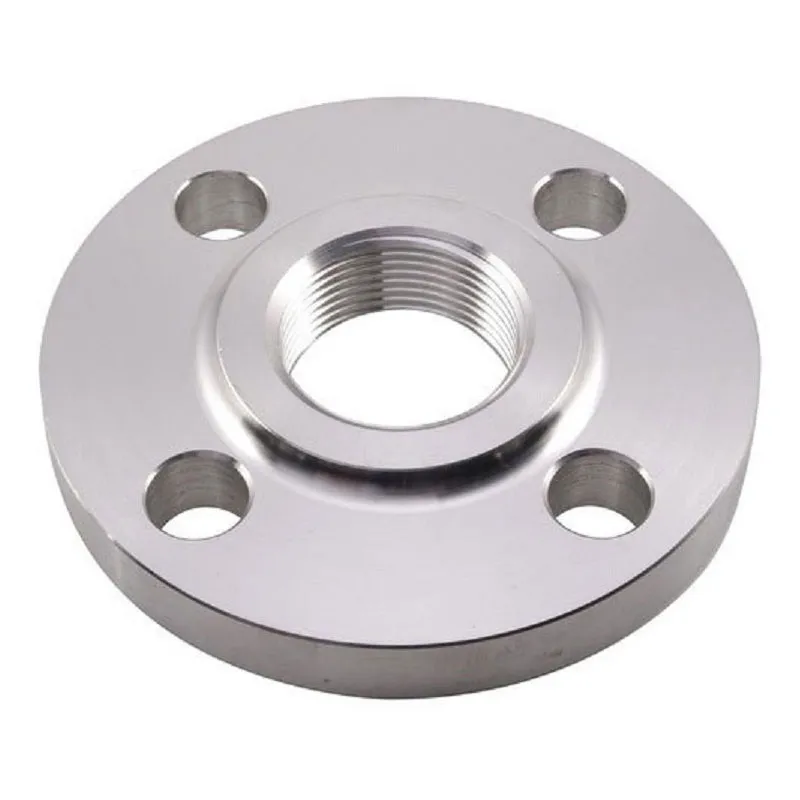
Best Sellingproducts
Best Selling Products-
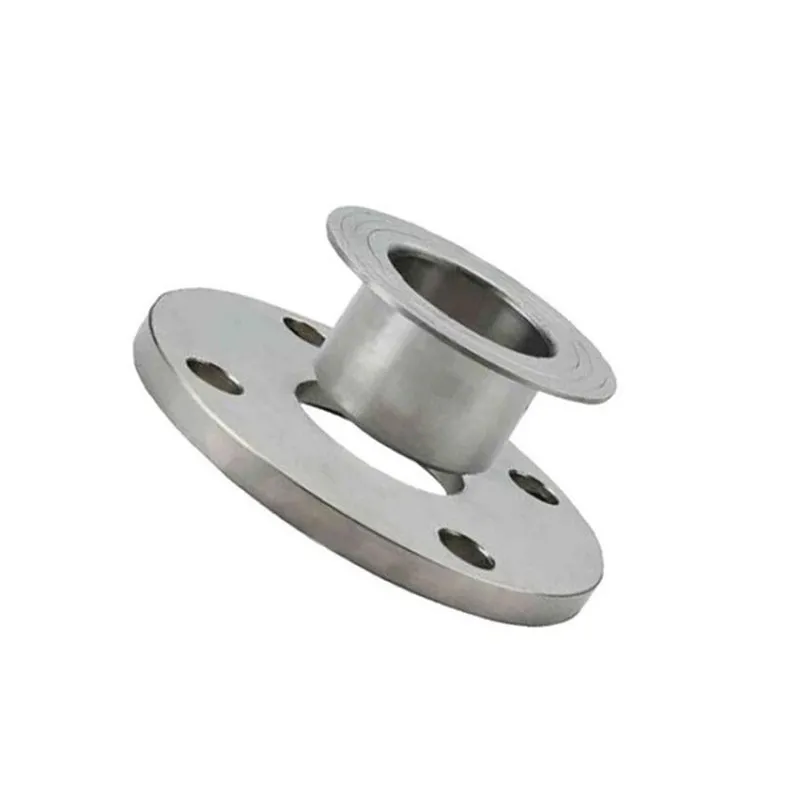 JIS 10K Loose Ring Flanges
 -
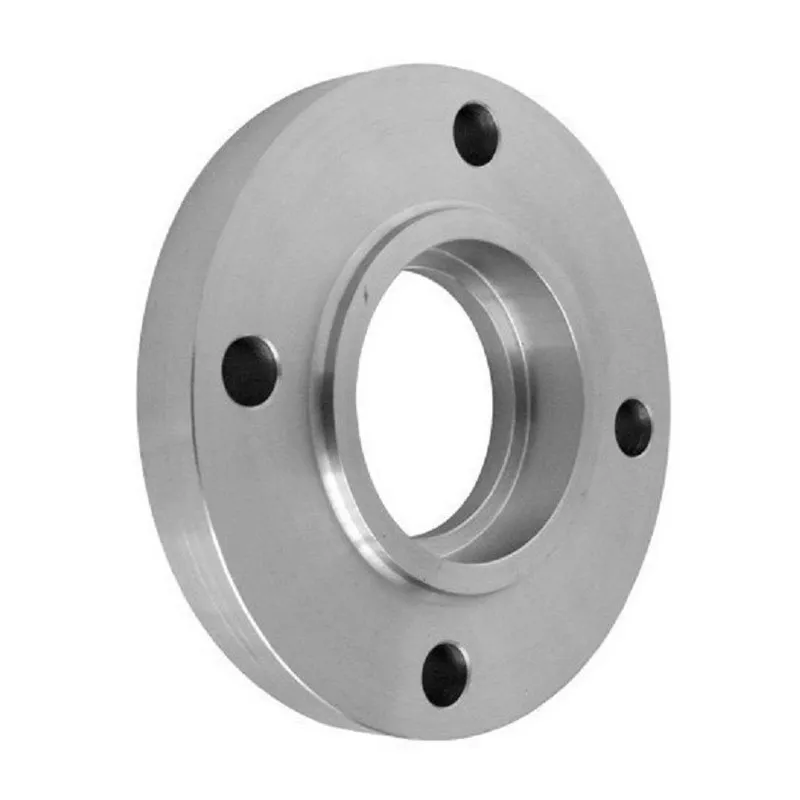 JIS 5K Socket Weld Flanges
 -
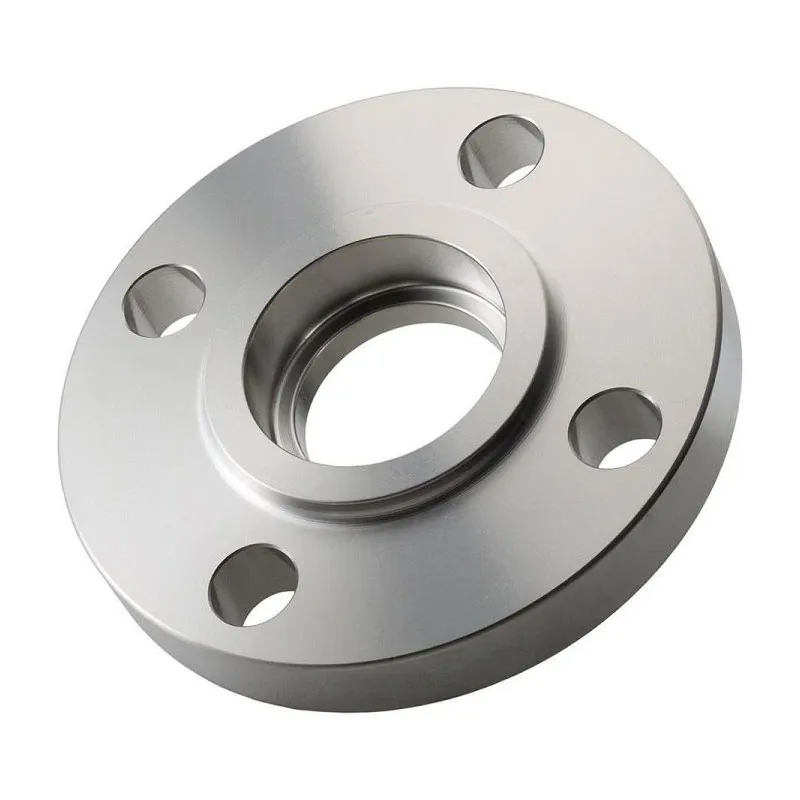 ANSI B16.5 Socket Weld Flanges Class 150
 -
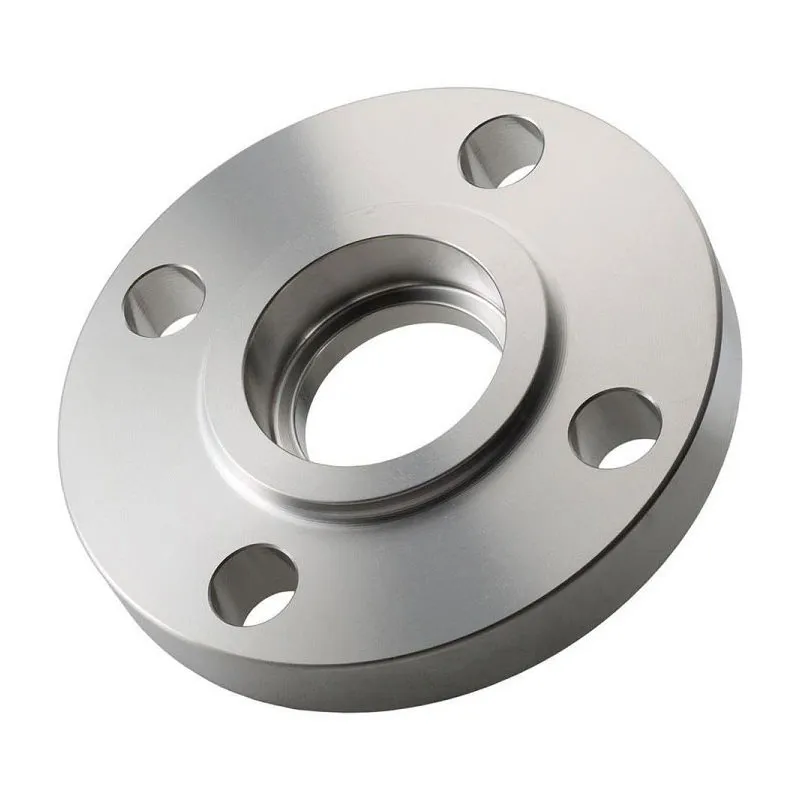 Flanges for socket welding
 -
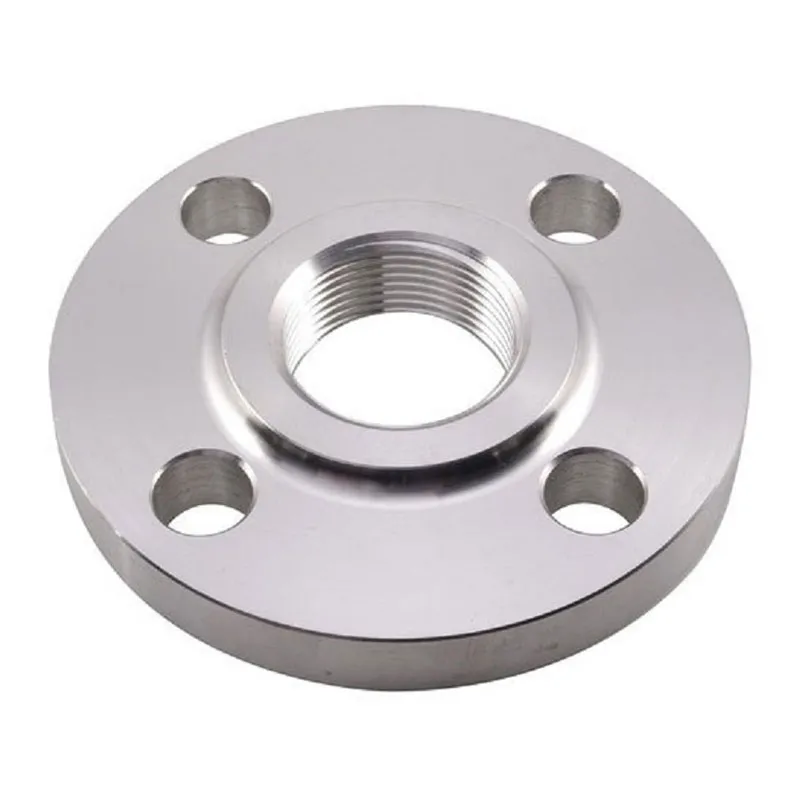 JIS 10K Overlay flanges
 -
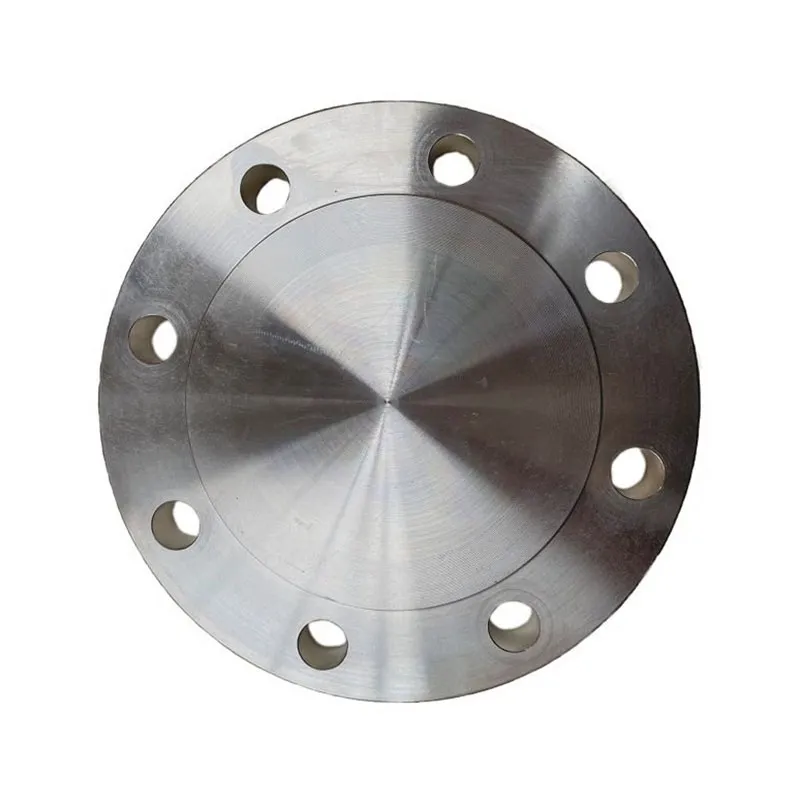 UNI 6092 Blind flanges PN10
 -
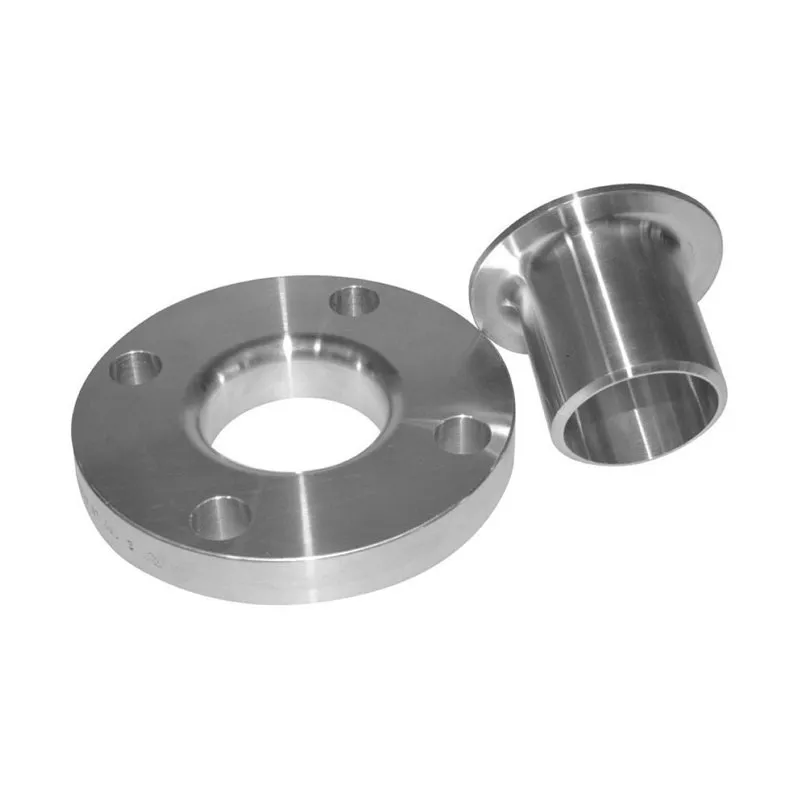 Free ring flanges Class 150
 -
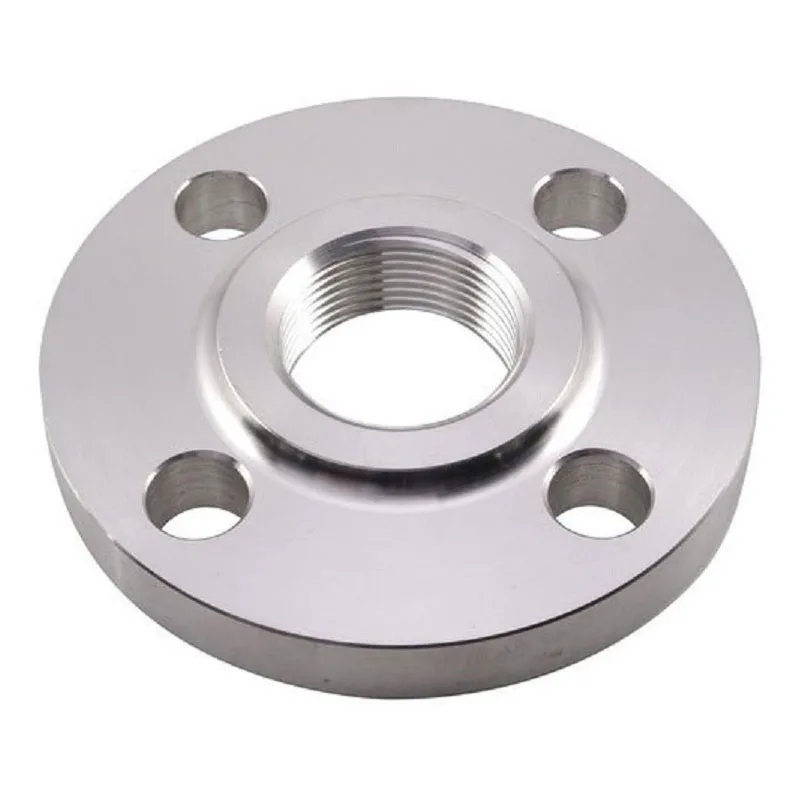 JIS 10K Threaded Flanges
 -
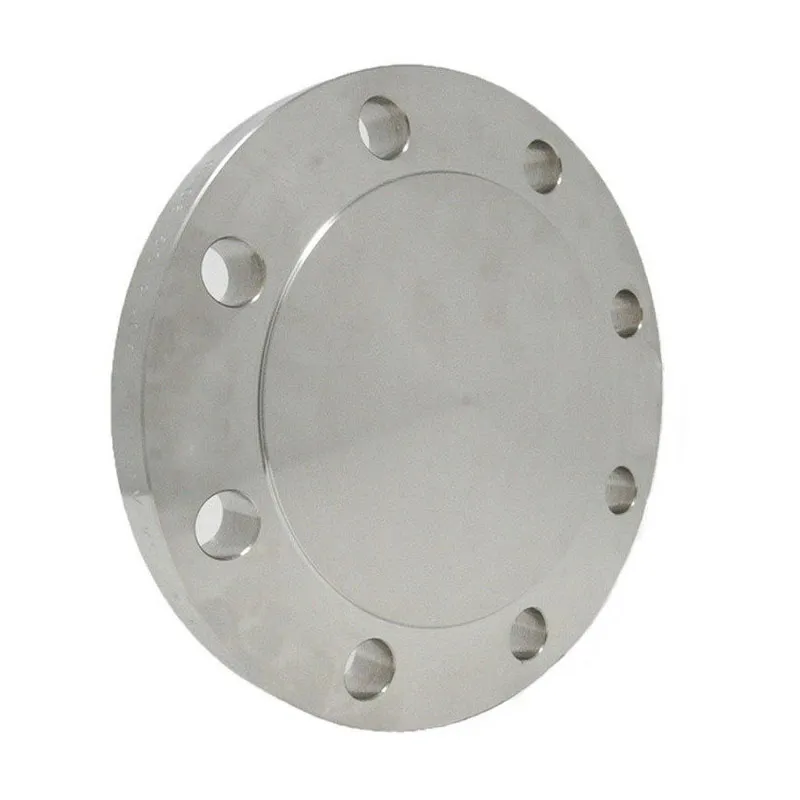 Blind flanges Class 150
 -
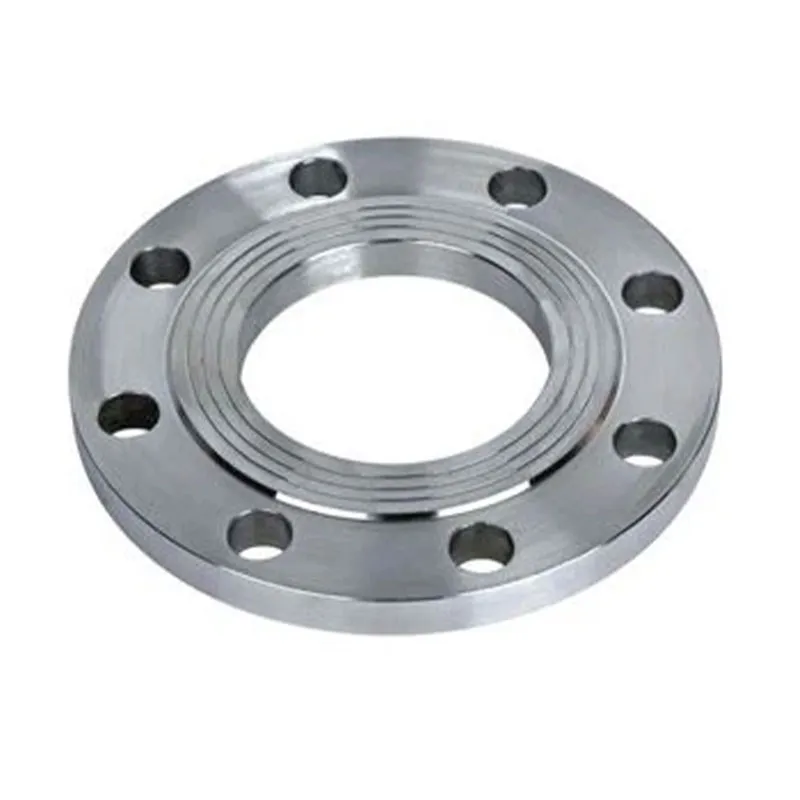 Butt weld flanges Class 150
 -
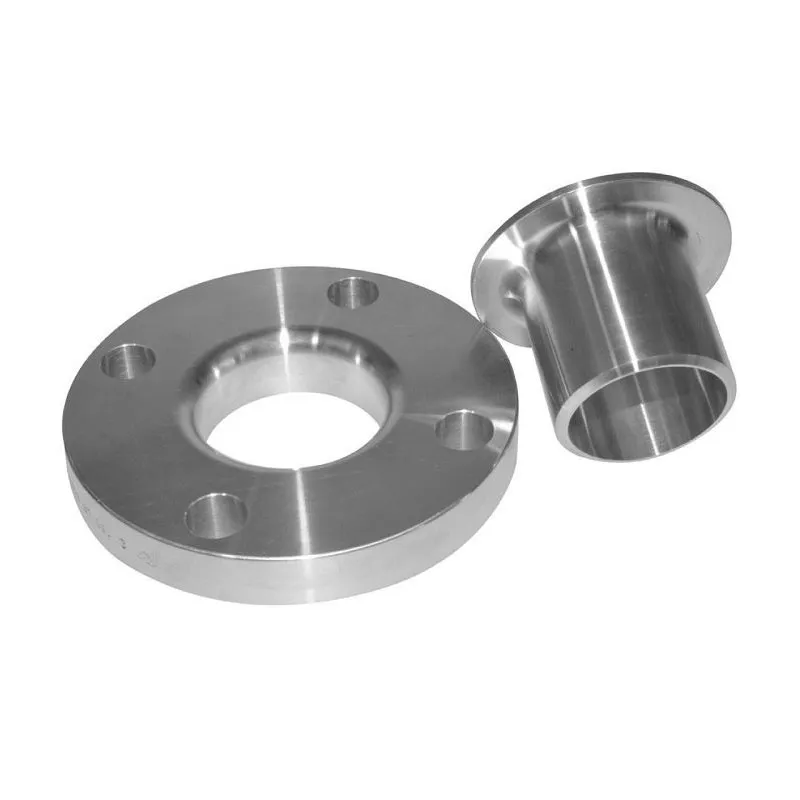 ANSI B16.5 Loose Ring Flanges Class 2500
 -
 ANSI B16.5 Lap-on flanges Class 1500