-
-
Phone
+86-13623462298



Flanges from Dingxiang and flanges from other countries: comparative analysis of quality and production
2026-02-04
Flanges From Dingxiang Vs Flanges From Other Countries
In international industrial projects, flanges are key elements of piping systems. When choosing a supplier, engineering companies and buyers often compare flanges from China (Dingxiang region) with flanges from European, Japanese, Russian and other manufacturers. This article provides an objective analysis of the differences between Dingxiang flanges and flanges from other countries in terms of technology, standards, quality and cost-effectiveness.
1. Production base and industrial cluster
Flanges from Dingxiang (China)
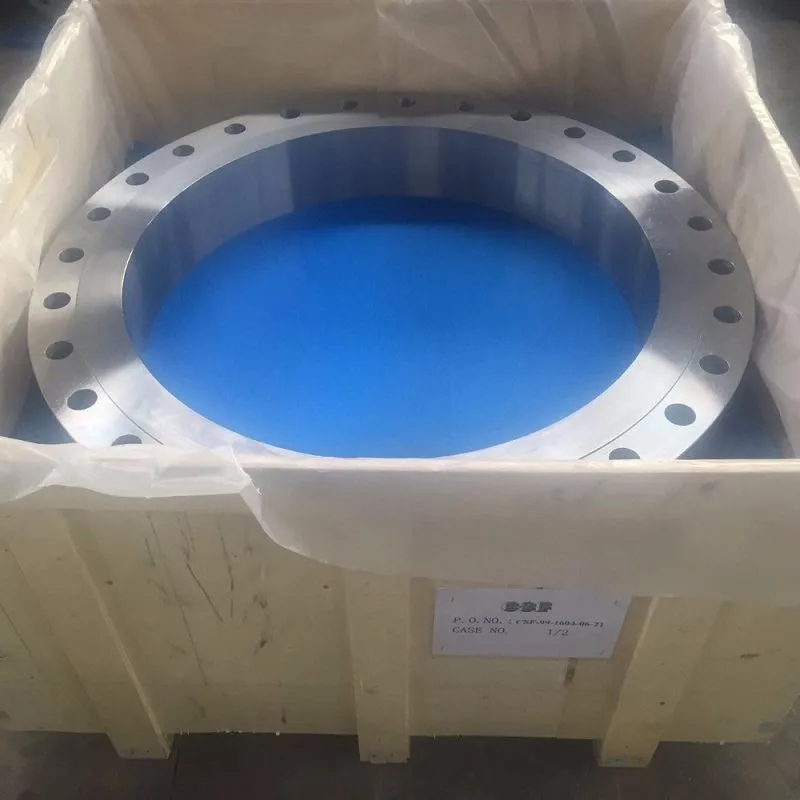
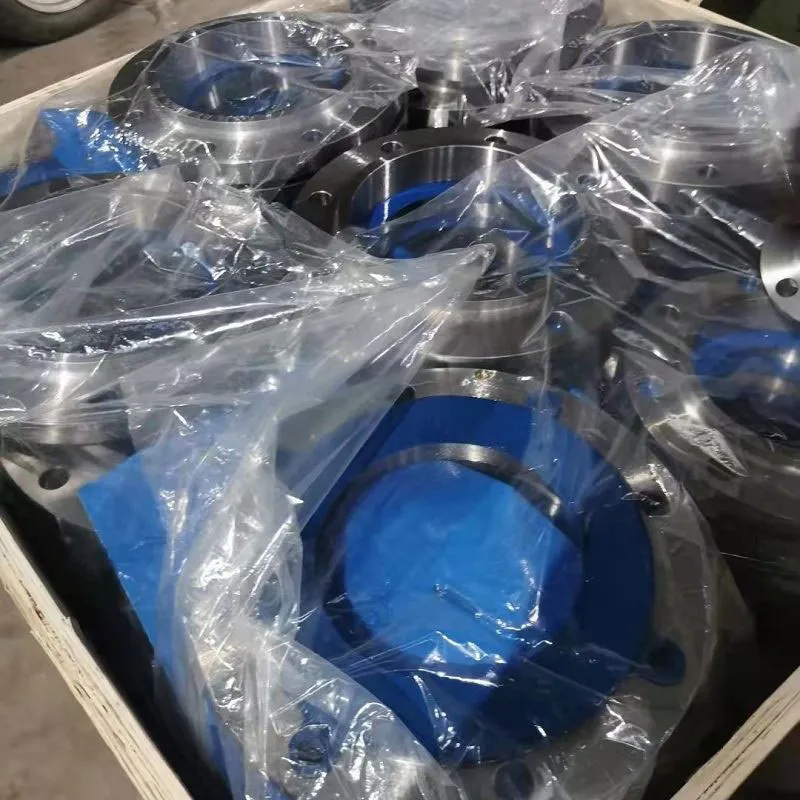
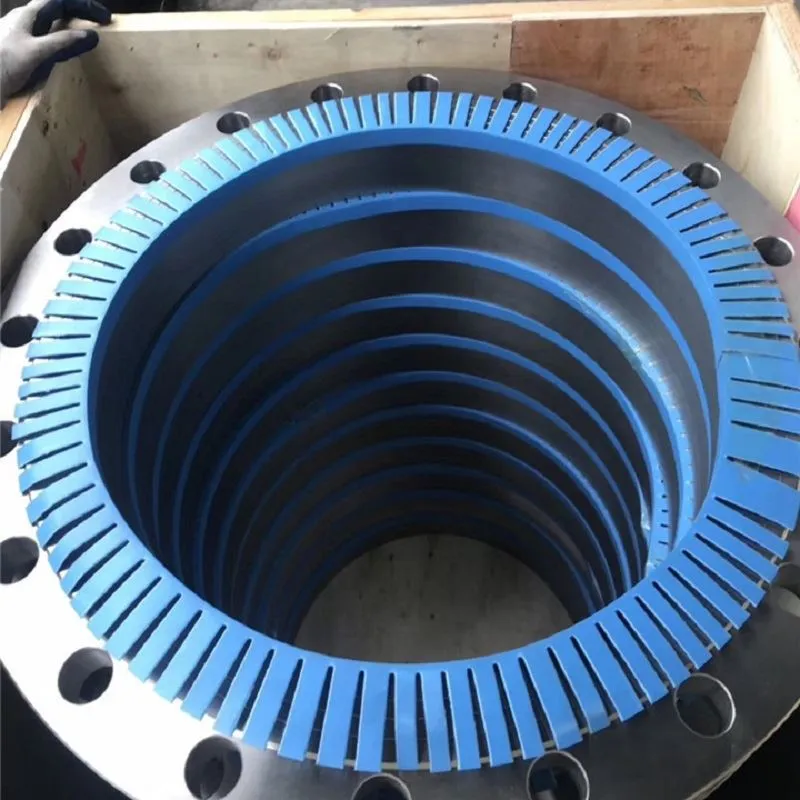
Dingxiang, located in Shanxi Province, is considered the largest forging and flange manufacturing center in China. A unique feature of the region is its highly concentrated industrial cluster, including semi-finished suppliers, forging, heat treating, machining and quality control.
Advantages of this model:
- high production capacity;
- stable supplies for large projects;
- flexibility in the manufacture of non-standard flanges;
- competitive cost.
Flanges from other countries
In Europe and Japan, flange production tends to be concentrated in separate plants with a high degree of automation, but with higher labor costs and long delivery times. Russian and other regional manufacturers are mainly focused on the domestic market and a limited number of standards.
2. Production technology and quality stability
Dingxiang
The main technology is forging (free and die) followed by heat treatment (normalization, hardening, tempering). This technology provides a dense metal structure and good mechanical properties, which is especially important for flanges operating under high pressure.
It should be noted that quality levels may vary between manufacturers, so choosing a factory with export experience and a quality control system is critical.
Other countries
European and Japanese flanges are traditionally characterized by high dimensional accuracy and strict process control. They are often used in projects with high repeatability and documentation requirements. Russian flanges comply well with GOST standards, but are less flexible in adapting to other international standards.
3. Standards and international compatibility
Dingxiang
One of the key advantages of Dingxiang flanges is the ability to produce according to several international standards simultaneously:
- ANSI / ASME
- DIN/EN
- GOST
- JIS
In addition, custom flange manufacturing is widely practiced, making the products suitable for international EPC projects.
Other countries
Manufacturers from Europe, Japan and Russia, as a rule, specialize in “their” national standards. This provides high expertise within a single standard, but reduces flexibility when implementing multinational projects.
4. Price and overall economic efficiency
Dingxiang
Due to the scale of production and developed cooperation, flanges from Dingxiang have a high price/quality ratio. This is especially important for large pipeline and power projects where supply volume is key.
Other countries
European and Japanese flanges tend to have a higher price tag due to labor costs and brand positioning. They are more often used in projects with strictly defined requirements for the brand or origin of the product.
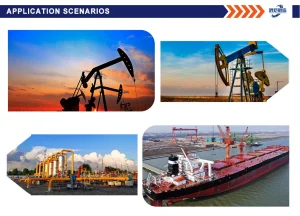
5. Typical applications
| Project | Flanges from Dingxiang | Flanges from other countries |
|---|---|---|
| Large infrastructure projects | ✔ | △ |
| Multi-standard EPC projects | ✔ | △ |
| Small batches with high repeatability | △ | ✔ |
| Wind power and large forgings | ✔ | △ |
| Projects with strict local regulations | △ | ✔ |
6. Practical conclusion for buyers
Dingxiang flanges and flanges from other countries are not direct competitors in all segments. The choice of the optimal solution should be based on the requirements of a specific project:
- when flexibility, volume and budget control are needed, Dingxiang flanges are a rational choice;
- for projects with special brand requirements or narrow standardization, European or Japanese flanges are more appropriate;
- For GOST projects, experienced Dingxiang export manufacturers can successfully compete with traditional suppliers.
7. Conclusion
Dingxiang has evolved from a mass production center to a region with sustainable quality and international orientation. In today's global supply chain environment, Dingxiang flanges have become an important and competitive choice for many industrial projects around the world.