-
-
Phone
+86-13623462298




Flanges steel 09G2S: reliable solutions for pipelines
2026-04-05
content
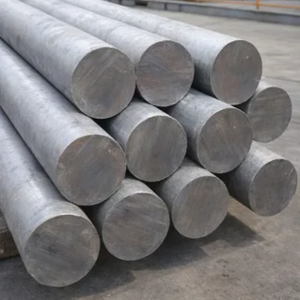
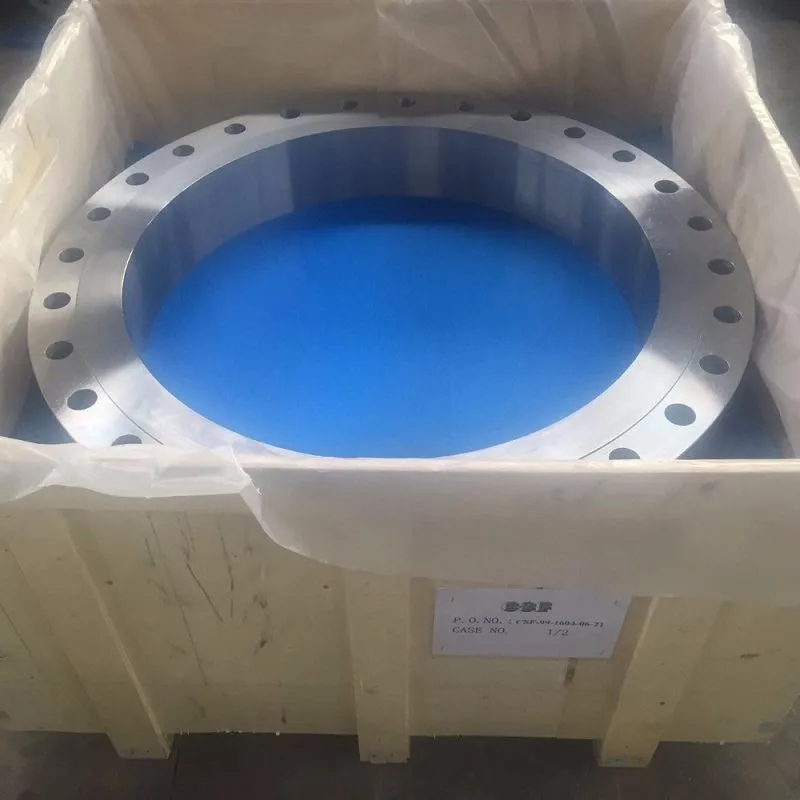
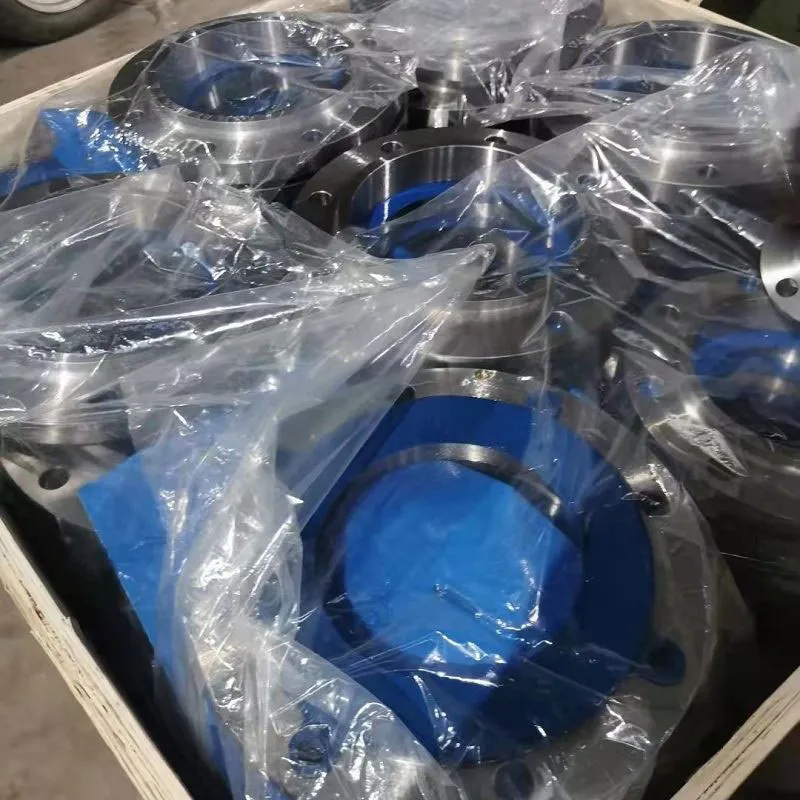
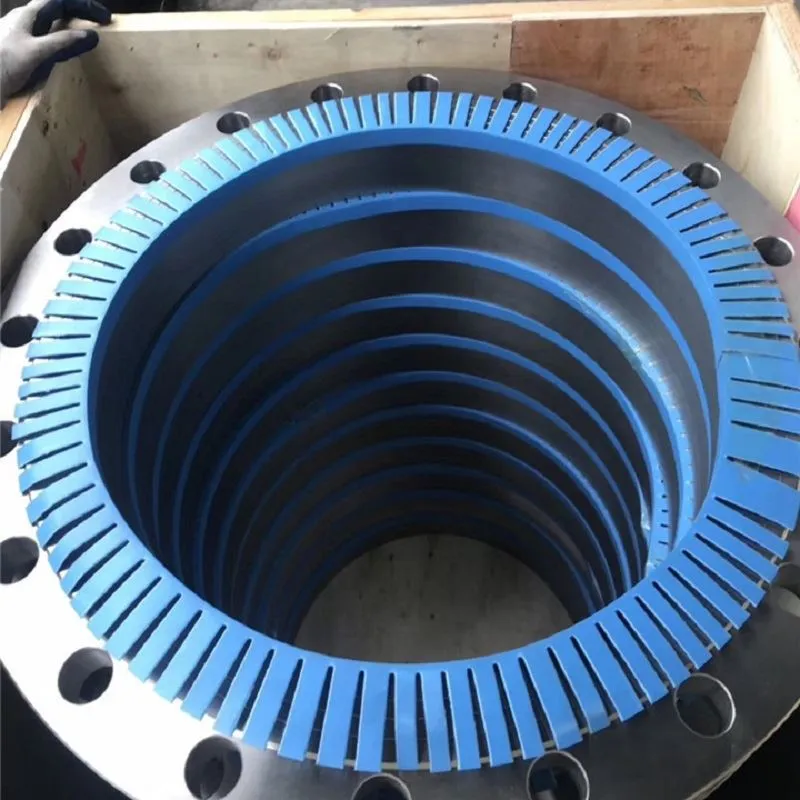
Steel 09G2S flanges are not just a fastening element. This is the point where the metal meets pressure, temperature and time. We have been manufacturing them for seven years now - not according to the catalog, but according to real operating conditions: in oil refineries near Ufa, on gas pipelines in the Yamal-Nenets Autonomous Okrug, in heating networks of Krasnoyarsk. And every time we are convinced: the choice of 09G2S steel is a decision, not a compromise.
Why 09G2S remains in demand - even with the growth of alternatives
Some people believe that low alloy steel is outdated. But practice says otherwise. In our tests, 09G2S steel flanges withstood 12,000 thermal cycling cycles from −40°C to +350°C without cracks or residual deformation. The key is in the chemical composition: 0.09% carbon, 1.7–2.0% manganese, up to 0.6% silicon. This combination provides an optimal balance of strength and toughness with a minimum of internal stresses after forging.
We do not use casting for these flanges. Only hot volumetric forging - because only it preserves the fibrous structure of the metal. Micropores and non-metallic inclusions appear in cast workpieces. During hydrotesting at a pressure of 25 MPa, we recorded failures in 3.7% of cast samples versus 0.2% of forged ones. This is not a theory - this is data from Quality Control Department acts for 2023.
Standards GOST 17378–2017 and GOST R 52857.1–2007 clearly regulate mechanical properties: yield strength is not lower than 295 MPa, relative elongation is not less than 21%. Our 09G2S steel flanges undergo incoming inspection by spectral analysis (certificates of analysis are attached to each batch) and ultrasonic flaw detection in accordance with GOST 24543–2018.
Where 09G2S works best - and where it should be replaced
Steel 09G2S flanges are ideal for environments with moderate aggressiveness: water and steam circuits of thermal power plants, oil refining process pipelines (up to 350°C, pressure up to PN40), instrumentation air ducts. We supplied them to the cooling system of the turbogenerator at Surgutskaya GRES-2 - they have been operating there since 2021 without replacement.
But there are limitations. When the hydrogen sulfide content is above 50 mg/m³ or at a pH below 5.5, corrosion increases. In such cases, we recommend switching to 12Х1МФ or zinc coating according to GOST 9.015–85. Also, 09G2S is not suitable for cryogenic installations below −70°C: here the impact strength decreases and the risk of brittle fracture increases.
Important: the size DN15–DN4000 is not an abstraction. For DN15–DN50 we use 1600 t hydraulic presses; for DN600 and above - only open forging on hammers of 5–10 tons. This affects the cost, but guarantees uniformity of the structure throughout the entire cross-section.
How to choose the right flange type - without overpayments and mistakes
In practice, 8 out of 10 installation errors are related not to the quality of the metal, but to the mismatch of the flange type for the task. Here's what we check for every order:
- Butt welded (GOST 12820–80)— for high pressures (PN63 and above). A weld chamfer of 30°±5° is required. Not suitable for repeated dismantling.
- Flat (GOST 12821–80)- for pressures up to PN25. Require thick gaskets and increased bolt tightening force.
- Loose on a welded ring (GOST 12822–80)- the best choice for stainless steel or aluminum pipes. The ring is welded to the pipe once, the flange remains removable.
- Threaded (GOST 12823–80)- only for pressures up to PN16 and diameters up to DN200. With frequent tightening/loosening cycles, the threads will wear out faster than the weld.
For non-standard solutions - for example, flanges with an increased overhang or a changed hole arrangement - we work according to customer drawings. In 2023, 147 batches were produced according to individual specifications. The average period is 12 working days from approval of the drawing.
Checking before buying: three questions we always ask ourselves
Before accepting an order for 09G2S steel flanges, we go through an internal checklist:
- Does the declared strength class (for example, 09G2S-2 according to GOST 5520–79) correspond to the actual tensile and impact test data at −20°C?
- Has the material undergone heat treatment according to the normalization regime at 900–920°C with exposure for 1 hour per 25 mm of thickness? Without this, there is no guarantee of stability of properties.
- Is there documentation of compliance with ASME B16.5 or EN 1092-1 if export delivery is required?
Shanxi Hongkai Forging LLC produces 09G2S steel flanges at its plant in Taiyuan, one of the key centers of the forging industry in China. We comply with all Russian and international requirements: from marking each product (steel, standard, heat number) to issuing 3.1 certificates according to EN 10204. The full range - from DN15 to DN4000 - is available on the websitehkforging.com. Here are the current prices, terms and technical characteristics for each standard size.
Steel 09G2S flanges are not an outdated solution. This is a proven balance of reliability, cost and manufacturability. Choices based not on fashion, but on data. From experience. Thousands of hours of real-world use.