
-
-
Phone
+86-13623462298



built-in flange
When they talk aboutbuilt-in flange, many immediately imagine something like a welded neck or even a mounting clamp. This is, of course, not true. In practice, this often means a flange that is integrated into the design of the apparatus or tank at the manufacturing stage, and is not mounted on a finished pipe. The term itself is rarely found in standards; it is more of a slang for designers and installers. A common mistake is to confuse it with a flange for a welded ring, although the principles of installation and loading are completely different.
Design features and where it is really needed
If we take it specifically, thenbuilt-in flange- this is, in fact, a part that becomes part of the wall of the vessel. It is welded along the contour from the inside or outside before assembling the entire apparatus. The main load here is not on the rupture of the joint, but on the resistance to bending and vibration of the wall itself. For example, for connection with heat exchange bundles or hatches in vertical columns.
I have seen projects where such flanges were installed on high-pressure apparatuses operating with cyclic temperature expansions. There it was important that the metal of the flange and the body be as close as possible in characteristics, otherwise cracks would develop along the seam. Once I encountered the fact that the customer brought a drawing with a regular flat flange, but due to the operating conditions, a built-in version was needed - they were redoing an almost finished case.
By materials - most often it is carbon or stainless steel, less often alloys. The thickness of the mating surface is usually greater than that of a standard flange of the same pressure. The geometry can be asymmetrical, especially if it is necessary to compensate for erosion or heat flows in a specific area of the apparatus.
Problems with ordering and production
The biggest headache is the lack of a uniform standard. Each design institute or technologist draws its own version. Therefore, when a request comes forbuilt-in flange, the first thing we do is require not just a sketch, but design loads, environmental conditions and fastening method. Without this, you can make a beautiful but useless part.
In production, it is difficult to ensure the alignment of holes for fasteners and the flatness of the mounting surface. If the flange is welded into a curved shell, then preliminary adjustment to the location is required, and this is manual work. Automation doesn't help much here. I remember an incident at one chemical plant: the flanges were made perfectly according to the drawing, but during installation it turned out that due to residual stresses after welding, the plane moved by 2 mm - they had to be removed and milled already on the mounted apparatus.
Quality control here is carried out not only in terms of geometry, but also in terms of hardness in the heat-affected zone. Often they require ultrasonic control of the entire contour of the seam, and not selectively. This makes the product more expensive, but without this no one will sign the commissioning certificate for critical facilities.
Experience with a specific forging supplier
When we needed blanks for a batch of such flanges made of AISI 316L stainless steel for a customer in Tatarstan, we turned toShanxi Hongkai Forging Co.,Ltd. Their websitehttps://www.hkflange.ruseemed quite substantive - it is clear that the companyShanxi Hongkai Forging Co.,Ltdis a manufacturer of forged flanges and forgings, working with international standards. It was important for us that they make forgings according to drawings, and not just standard products.
We sent technical sheets for forging and heat treatment and agreed on all deviations. The forgings themselves arrived without scale, with a clean surface - this is important, because then we machined them without unnecessary metal removal. In terms of chemical composition and mechanical properties, the test reports coincided with the declared ones. They made it on time, although there was a slight delay with logistics.
What I remember is that their engineers asked a lot of clarifying questions about the purpose of the flange. Not just “let’s do it as in the drawing,” but they were interested in whether it would work under vibration, what kind of environment. This is a sign that people understand why they are making a part, and are not just chasing volume.
Installation nuances that are not written in the instructions
When installingrecessed flangeCompensation for thermal expansion is often forgotten. If the unit is operating at 300°C and the flange is welded 'tight' there may be problems. In such cases, we sometimes leave a technological gap of a couple of tenths of a millimeter, which is selected during the first warm-up. But this already requires agreement with the designers.
Another point is the order of tightening the fastening studs. If the flange is embedded in a thin-walled shell, uneven tightening may distort it. You have to use a torque wrench in a strict sequence, just like on pressure vessel flanges. And this is not always indicated in the installation instructions.
The tightness of a joint often depends not on the flange itself, but on the gasket. For built-in options, gaskets of non-standard thickness or with metal inserts are sometimes needed. Once I had to order spiral-wound gaskets with special filling, because the standard ones made of graphite quickly collapsed under cyclic loads.
When to choose and when to look for an alternative
Built-in flangeJustified where tight integration with the device body is needed and there is no way to maintain the connection from the outside. For example, in bioreactors or columns with internal plates. But for ordinary pipelines, even high pressure ones, standard butt welds or loose flanges are more often used - they are easier to install and replace.
If the environment is non-aggressive, the pressure is moderate, and there is access for installation, then the built-in option may be unnecessarily complex and expensive. Its manufacture and installation require more time and qualified welders.
In general, this is a solution for specific tasks, and not for mass use. The main thing is to clearly understand why it is needed at each specific point. And always demand from the manufacturer not just a certificate for the material, but a strength calculation specifically for your conditions. How is this done, by the way, in the same production?Shanxi Hongkai Forging Co.,Ltd— they provide calculations for their forgings if requested. This adds confidence that the part will not fail.
Correspondingproducts
Related Products
Best Sellingproducts
Best Selling Products-
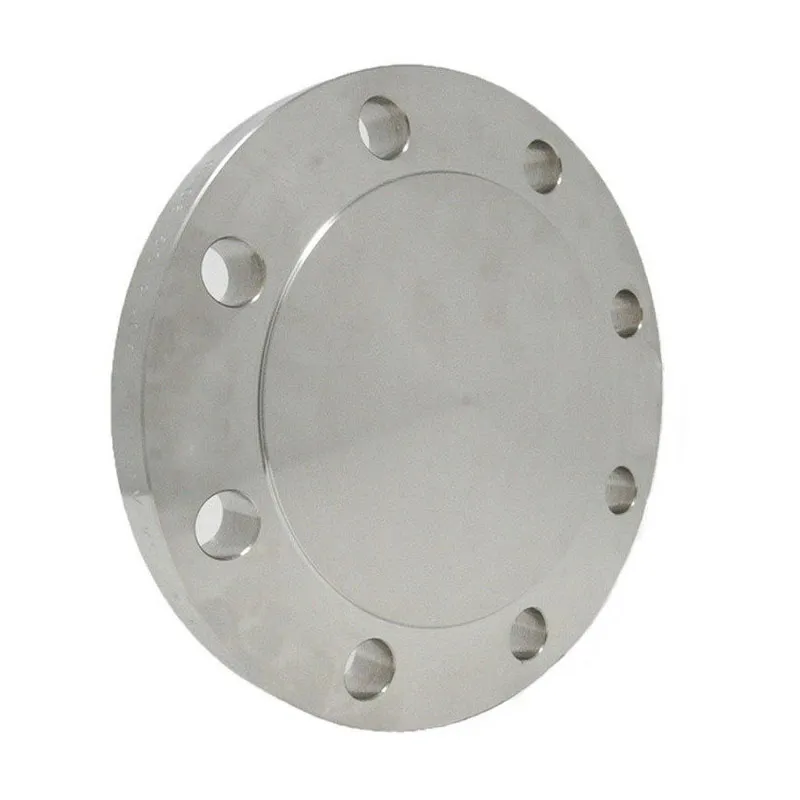 Blind flanges Class 150
 -
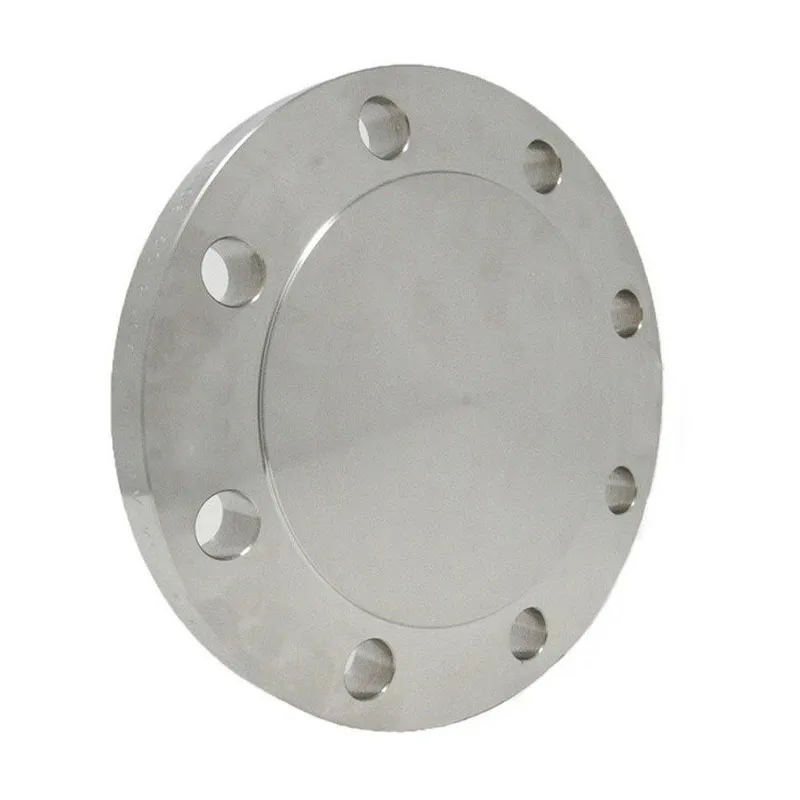 EN 1092-1 Blind flanges Type 05, PN10
 -
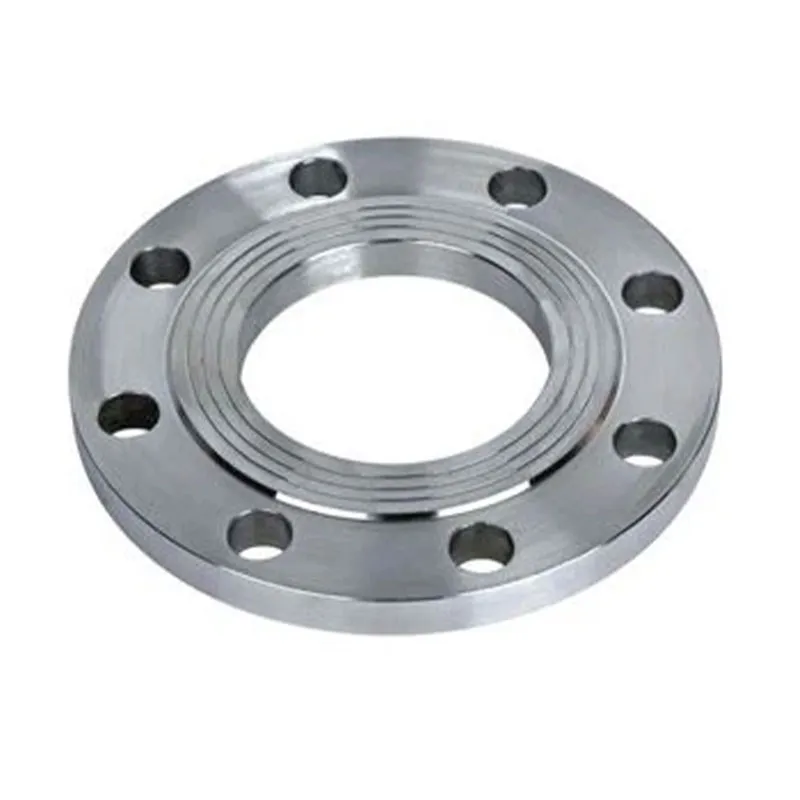 Butt weld flanges Class 150
 -
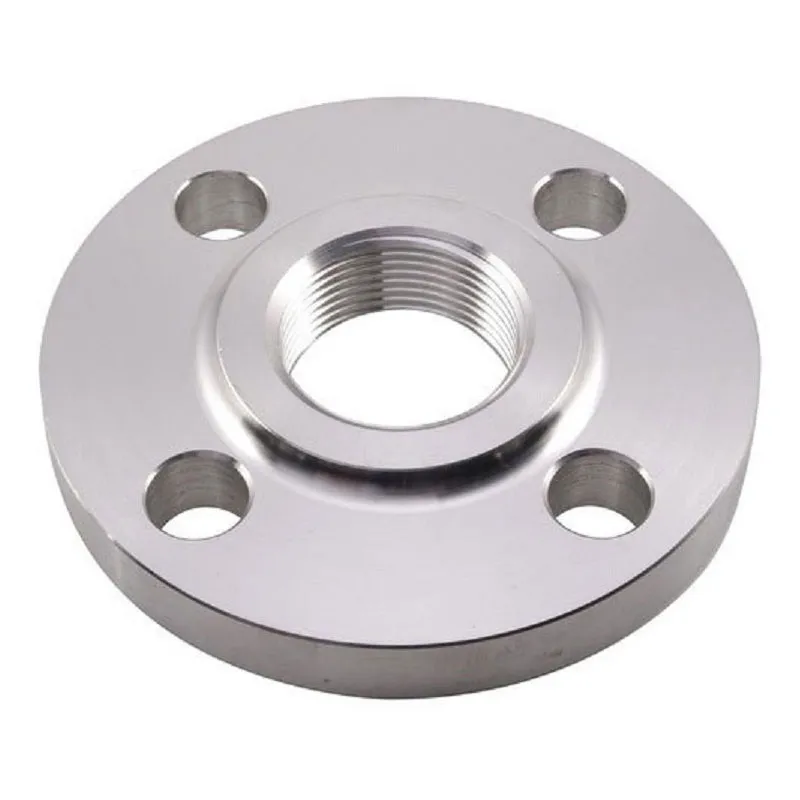 DIN 2565 Threaded flanges PN6
 -
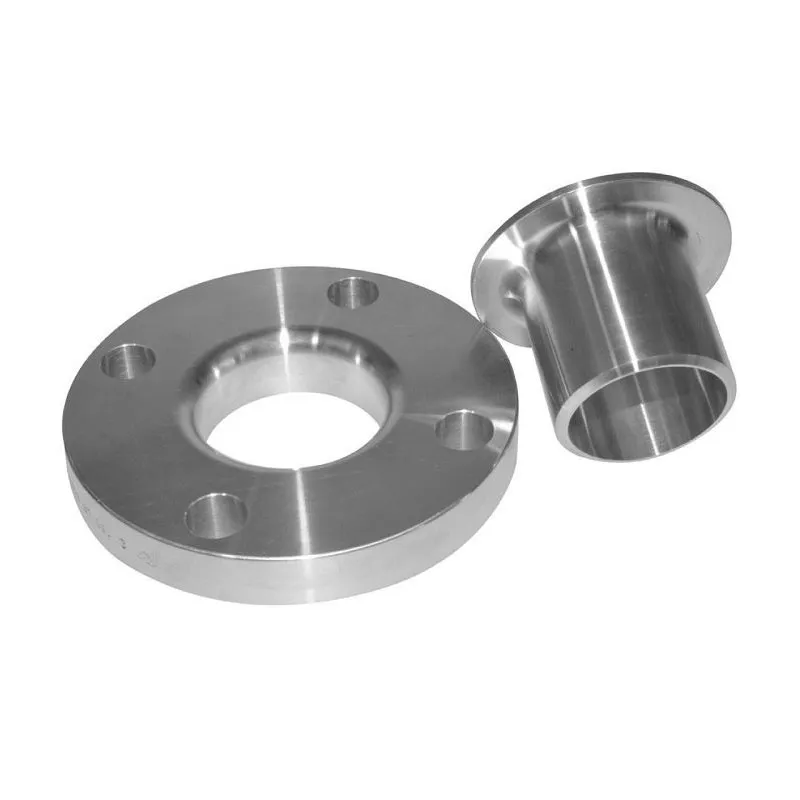 ANSI B16.5 Loose Ring Flanges Class 2500
 -
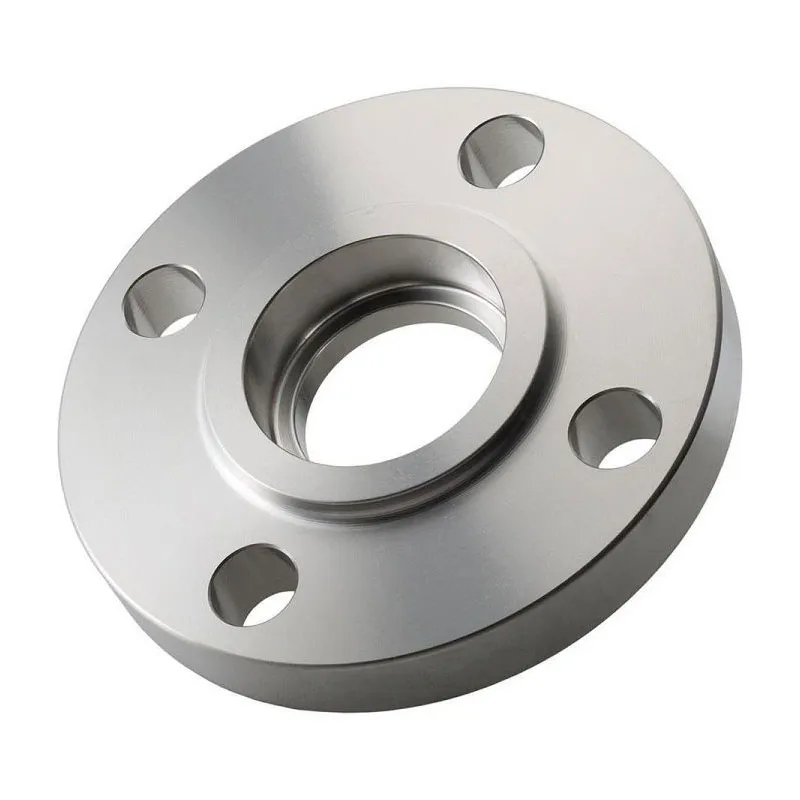 ANSI B16.5 Socket Weld Flanges Class 1500
 -
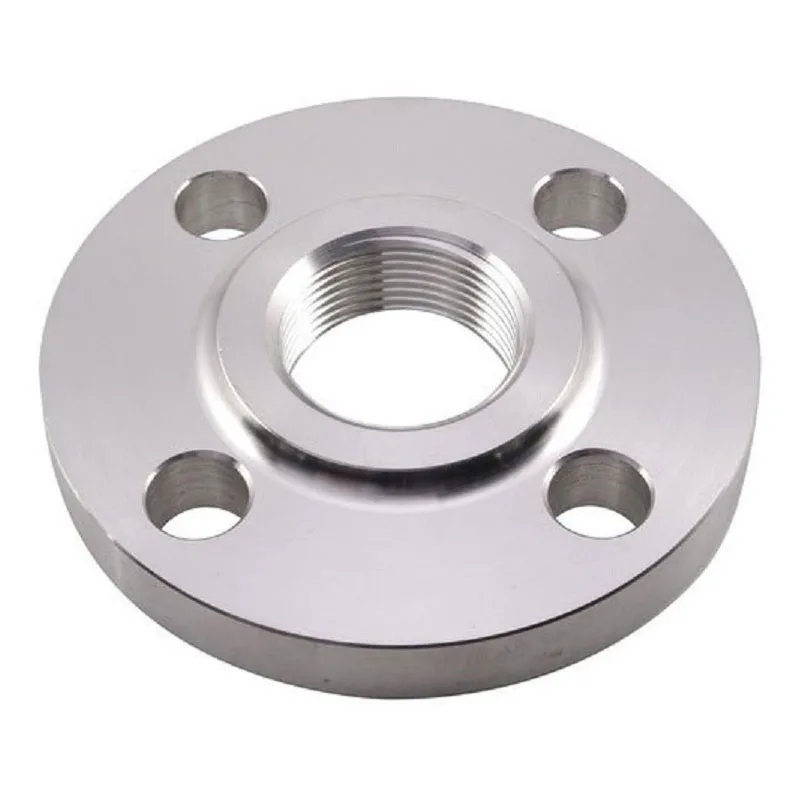 JIS 10K Threaded Flanges
 -
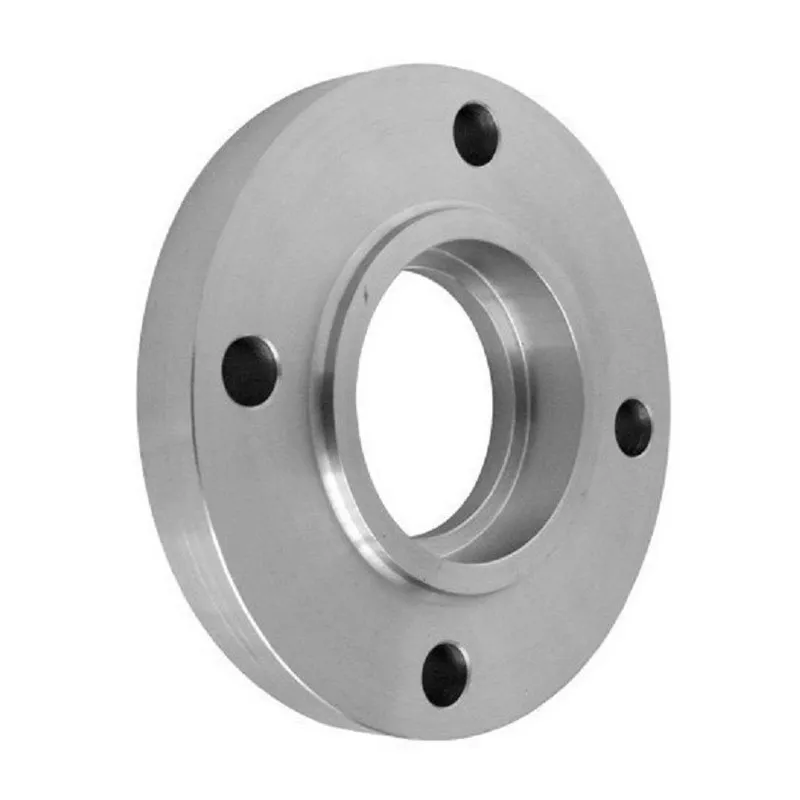 JIS 5K Socket Weld Flanges
 -
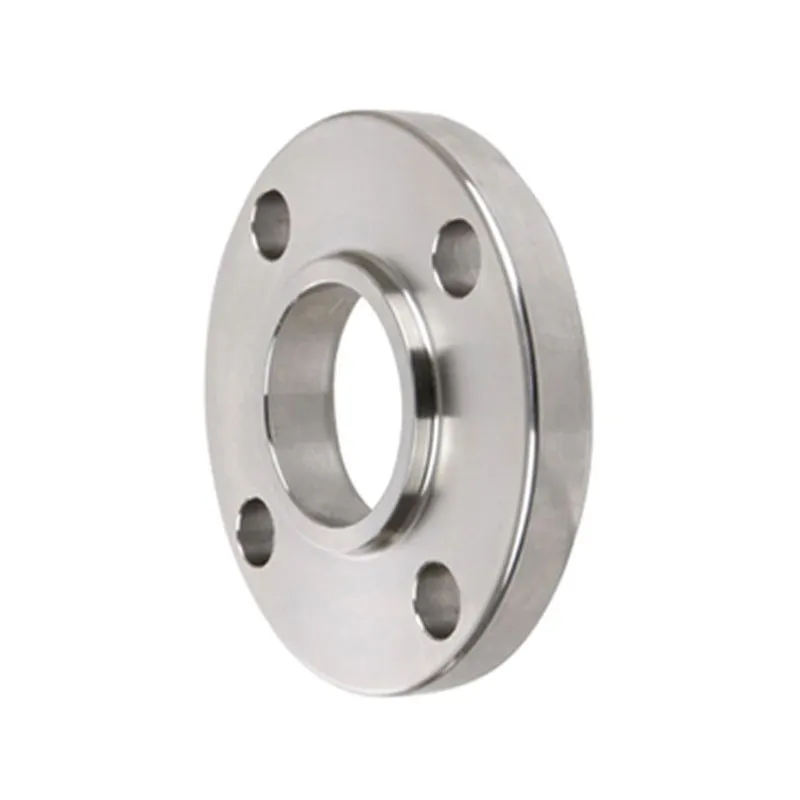 ANSI B16.5 Lap-on flanges Class 300
 -
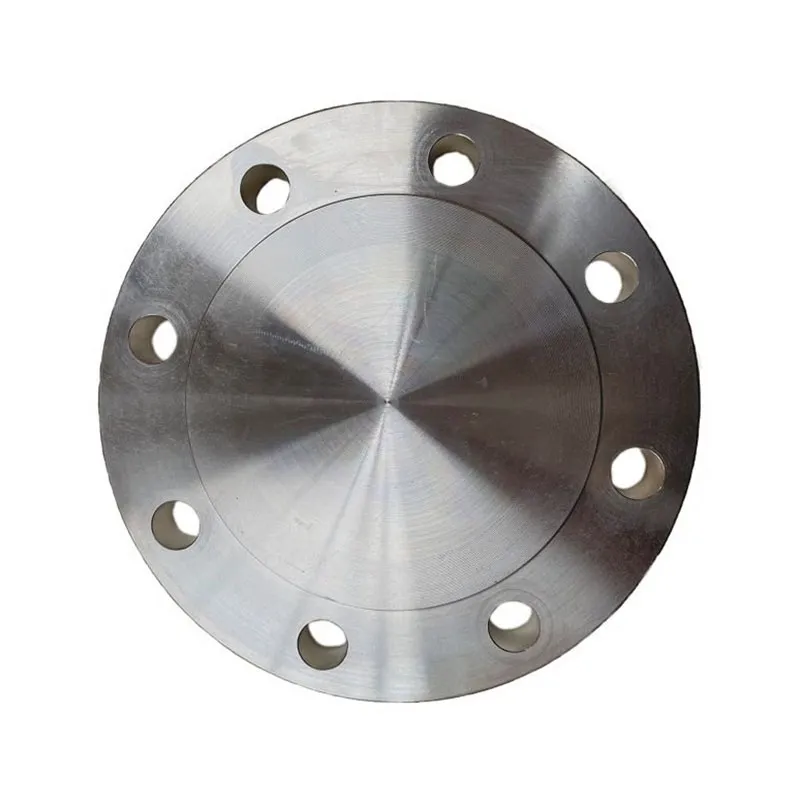 UNI 6092 Blind flanges PN10
 -
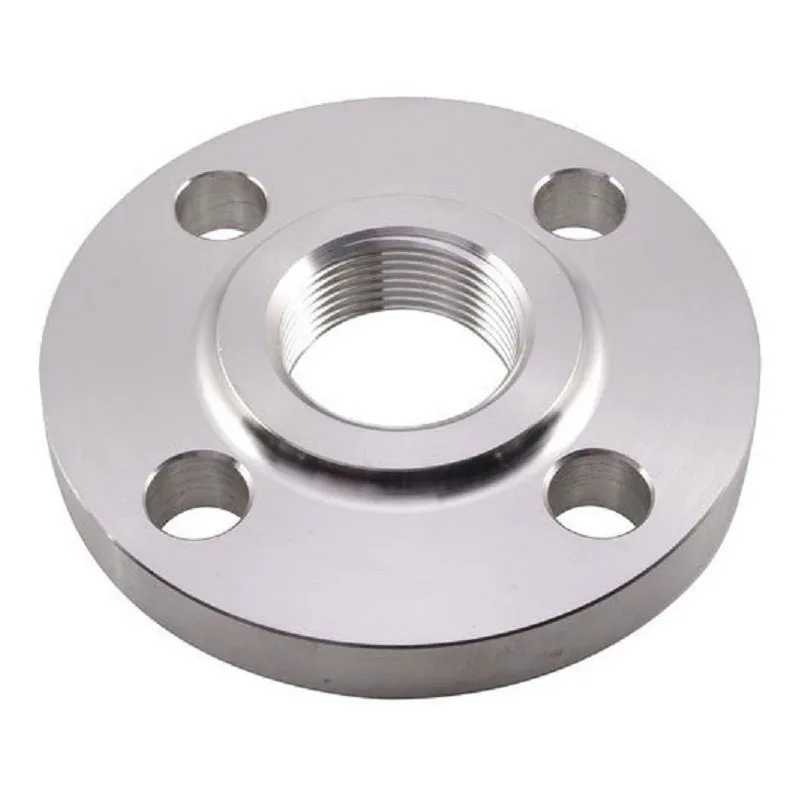 ANSI B16.5 Threaded Flanges Class 600
 -
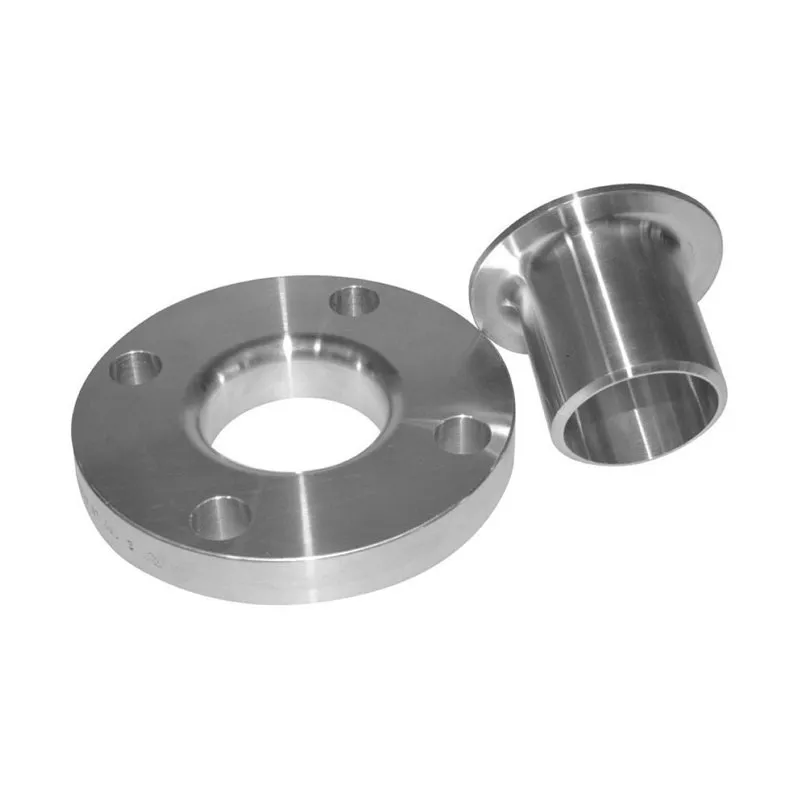 Free ring flanges Class 150