
-
-
Phone
+86-13623462298



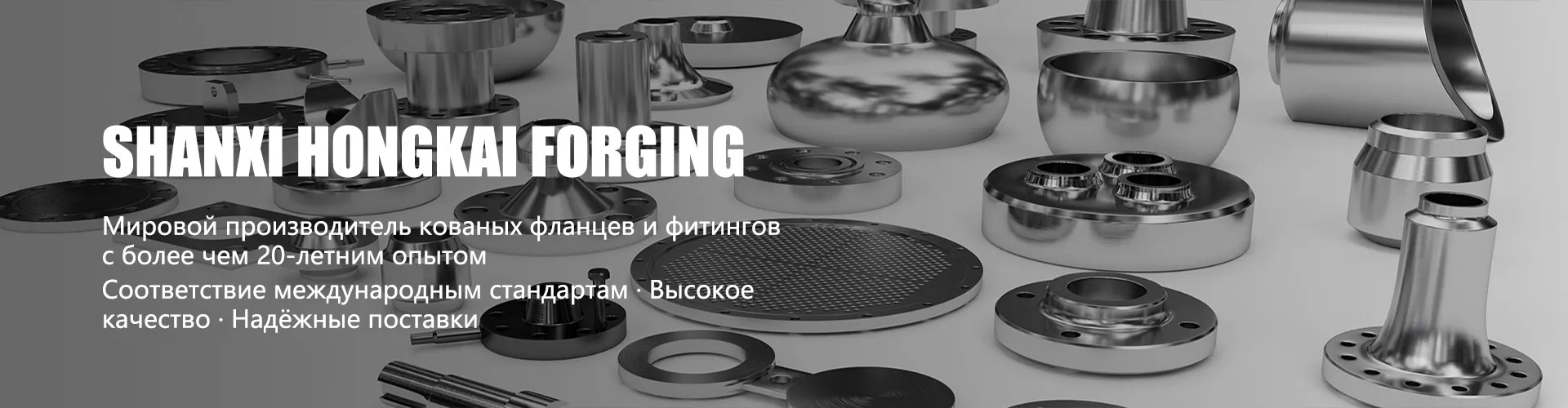
flange dn 40
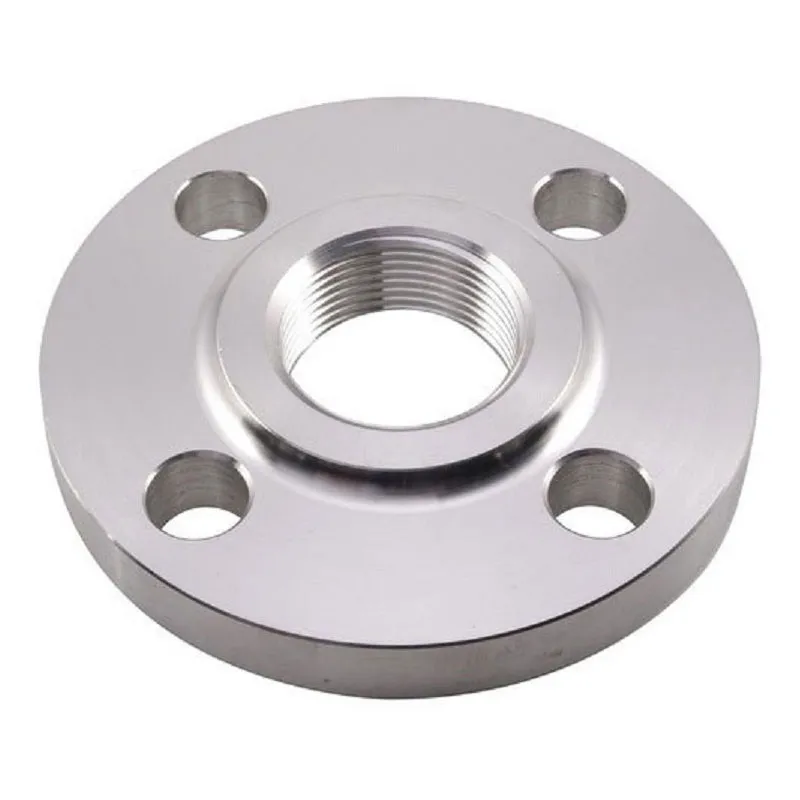
When they say “flange dn 40?”, many people immediately imagine just a ring with holes. But this is where the first pitfall lies. The number 40 is a nominal diameter, approximately corresponding to the internal diameter in millimeters, but the external diameter, bolt pattern diameter (PCD), thickness is a completely different story, which depends on the standard. GOST 12820, ASME B16.5, EN 1092-1 - each has its own tables. And this is where the fun begins, and sometimes a headache for the installer, when there is supposedly a suitable part in the warehouse, but in fact the holes do not match by a couple of millimeters. I got burned by this more than once.
Why DN 40 is not as simple as it seems
Let's take, for example, the most common flange in our area according to GOST 12820-80 on Ru16. For DN 40 it will have an outer diameter of 150 mm and a bolt circle diameter of 110 mm. It would seem that he remembered everything. But try connecting an imported pump with DIN mount to such a flange. There PCD can be 120 mm. And now you are standing with the key in your hands and you understand that the connection cannot be assembled. You have to either look for an adapter, which is not always good for tightness, or order a flange according to a different standard. That is why the specifications must indicate not just “flange dn 40”, but the full code: type, nominal pressure, standard, material. Saves a lot of time and nerves on site.
The material is a separate story. Steel 20, 09G2S, 12Х18Н10Т - the choice depends on the environment. For water or steam at 150 degrees, steel 20 will also do. But if we are talking about some kind of process flow with a small content of aggressive substances, it would even seem forflange dn 40You already need to look towards stainless steel. Once they put it on the condensate line, it would seem that the water was almost distilled. But six months later a red streak appeared at the junction. It turned out that there was a microcrack in the material, plus stray currents. I had to change the batch to a more resistant steel. It's a small thing, but unpleasant.
It is in such nuances that the difference between just a metal product and high-quality forging is visible. I heard about the manufacturerShanxi Hongkai Forging Co.,Ltd(their website ishkflange.ru). They are precisely positioned as a plant that makes forged flanges, and not just cut from a sheet. For critical components, especially under dynamic loads (vibration, temperature changes), this is critically important. Forging gives a better metal structure and less chance of internal defects. For the samedn 40at high blood pressure - this is not a whim, but a necessity.
Installation experience and typical jambs
In installations with DN 40 flanges, problems most often arise due to gaskets and correct tightening. It would seem that he took a paronite gasket and tightened it with all his heart. torque wrench and you're done. But no. If the flange surface has even a small groove or dent (this happens due to careless transportation), paronite will not cover this defect. It will leak. You have to either grind the chamfers or use softer spacers made of fluoroplastic or graphite. But there is a catch here: the soft gasket can be squeezed out if over-tightened, especially if the bolts are taken with a margin of safety and are tempted to tighten them another half turn.
Another point is alignment. When you mount two flanges on already fixed devices or pipes, it happens that the holes do not coincide literally by half a hole. Old installers advise not to pull with bolts, but to use a crowbar. But there is a risk of stripping the thread or damaging the sealing surface. It is more correct to check the alignment before the final fixation of the supports. The easiest way is to use mounting bolts; they are partially threaded and help to “tighten” flanges to each other without distortion. Forflange dn 40Usually two of these bolts, located oppositely, are enough.
I had a case at one of the boiler houses. We installed a new section with flange connections on DN 40. Everything was checked, assembled, pressurized - it holds. A week later I got a call: drops appeared at one junction. I arrived, took off the casing, and then the bolt burst. The reason was that uncoated carbon steel bolts were used in a room with high humidity and temperature changes. The threaded part rotted due to condensation, the load was redistributed, and one of the bolts failed. Conclusion: you always need to look at the operating conditions and select fasteners of the appropriate class and material, even for a seemingly small diameter.
Selecting a supplier: standards and non-standard situations
When you need not just “just any” flanges, but those corresponding to a specific project, you begin to appreciate suppliers who work with a full package of standards. Here, for example, on the same sitehkflange.ruit's clear thatShanxi Hongkai Forging Co.,Ltddeclares production according to GOST, ASME, EN, DIN. This greatly simplifies life if the project is, say, hybrid: part of the equipment is ours, part is German. You can order everything in one place, which reduces the risk of geometry mismatches from different manufacturers. For serialflange dn 40This may not be so critical, but when we are talking about a batch of a hundred pieces for a specific order, it is already important.
But the fun begins when you need a non-standard part. Let's say you need a DN 40 flange, but with an unusual hole pattern or with an additional sensor connection. Many small workshops will refuse or ask for exorbitant amounts of money for equipment. Large forging manufacturers who work with individual drawings often have technological flexibility. In the company descriptionShanxi Hongkai Forging Co.,Ltdthe production of non-standard products according to customer drawings is precisely indicated. It's valuable. Experience suggests that in such cases it is better to provide the most detailed sketch indicating not only the dimensions, but also the expected loads - this helps technologists offer the best option for forging or heat treatment.
The size range they indicate up to DN 4000 speaks volumes about their production capabilities. For DN 40, this is, of course, a simple position, but if the plant copes with large-sized forgings, it means that the quality control of the metal for small parts is most likely at the level. The principle works here: if they can do large and complex things, then there should be no problems with small and standard ones. Although, of course, this is not an axiom, and each time you need to request certificates for a specific batch, especially if the environment is aggressive.
Tightness: from theory to practice on site
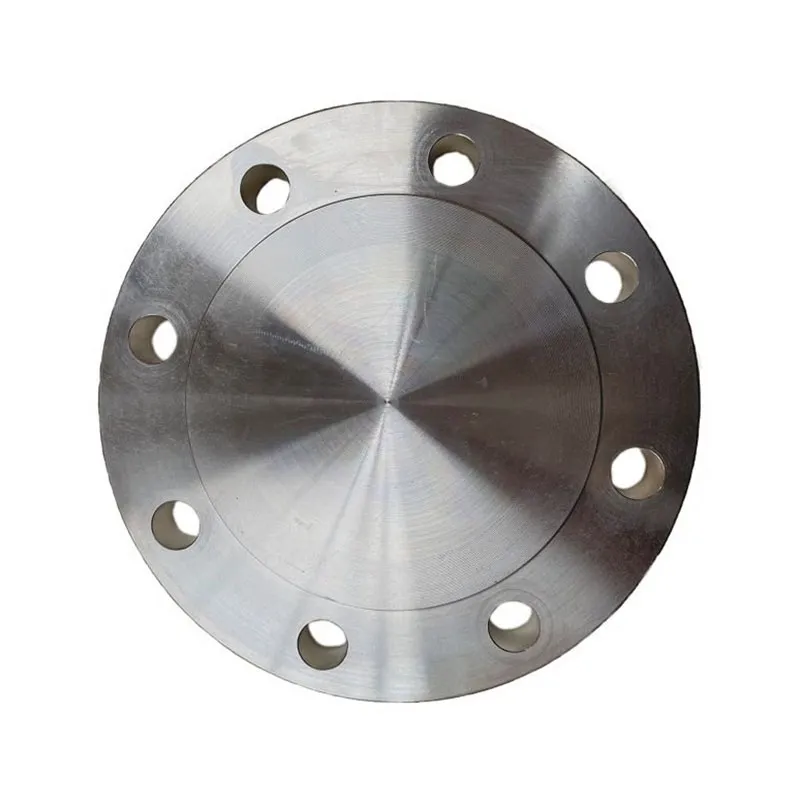
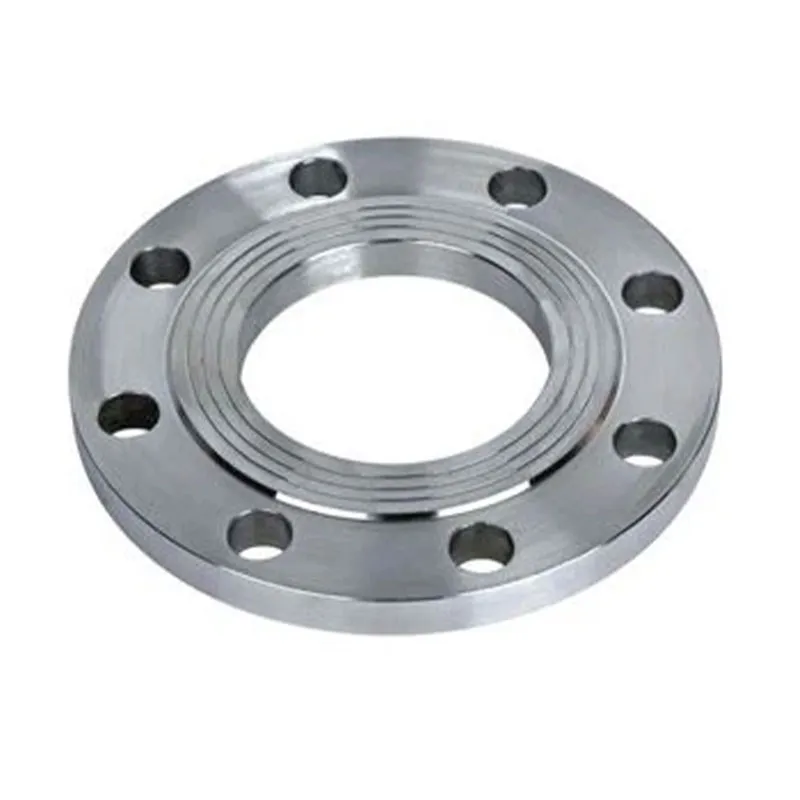
The whole theory about flange connections comes down to one thing - to ensure tightness. Forflange dn 40with a nominal pressure of up to 16 atmospheres, this is usually not a problem if installed correctly. But there are nuances. For example, the type of sealing surface. The most common type is smooth (smooth) or with a protrusion (raised face, RF). For medium pressures and temperatures, RF is usually used. It is important that both flanges in a pair are of the same type. Do not mix - there will be a leak. I once saw how flanges were brought from the factory, and some were RF, and some were smooth, and in one package. Apparently the packaging was defective. It's good that you noticed it before installation.
Thermal expansion is another factor that is often underestimated for small diameters. A pipeline with water at 20°C and the same pipeline with steam at 200°C are different lengths. If flange connections on DN 40 are rigidly fixed and there are no expansion joints, enormous stresses arise in the metal. This can lead not only to leaks, but also to deformation of the flanges themselves. Therefore, on long straight sections it is always necessary to provide either U-shaped expansion joints, or, if the design allows, not to use all the holes for bolts for fixation, leaving the possibility for slight displacement.
Practical advice that I learned from my own mistakes: after the first start-up of the system, especially thermal or with cyclic loads, it is necessary to re-tighten the flange connections after 24-48 hours of operation. The metal is “breaking in”, the gasket may sag slightly. Forflange dn 40on critical lines we always do this control tightening in a circle, observing the tightening order (crosswise). This allows you to avoid 90% of subsequent leaks in a new facility.
Instead of a conclusion: thinking out loud about little things
This is how it turns out that a seemingly simple detail -flange dn 40— acquires a whole heap of practical knowledge. This is not just a line in the specification, but a node on which the reliability of the entire section depends. The choice between forged and stamped, attention to the standard and material, subtleties of installation and control at the first stages of operation - all these are not empty words, but things that have been suffered through real objects.
Now, looking at the market, you see how many offers there are. And when you come across sites likehkflange.ruwhere is the companyShanxi Hongkai Forging Co.,Ltdclearly indicates standards, ranges, and the ability to work according to drawings, this inspires a certain confidence. Because behind this, most likely, there is an understanding not only of metal, but also of the tasks that face those who will twist the nuts on these flanges in a darkened workshop or on an open overpass. And this, ultimately, is the main thing.
So to sum up my train of thought: never be “small?” size is negligible. A problem in DN 40 can be just as costly as a problem in DN 400. It's all in the details, literally. And experience here is the best advisor, who often tells you: “Check the standard, check the material, don’t rush to tighten it.” It's worth listening.
Correspondingproducts
Related Products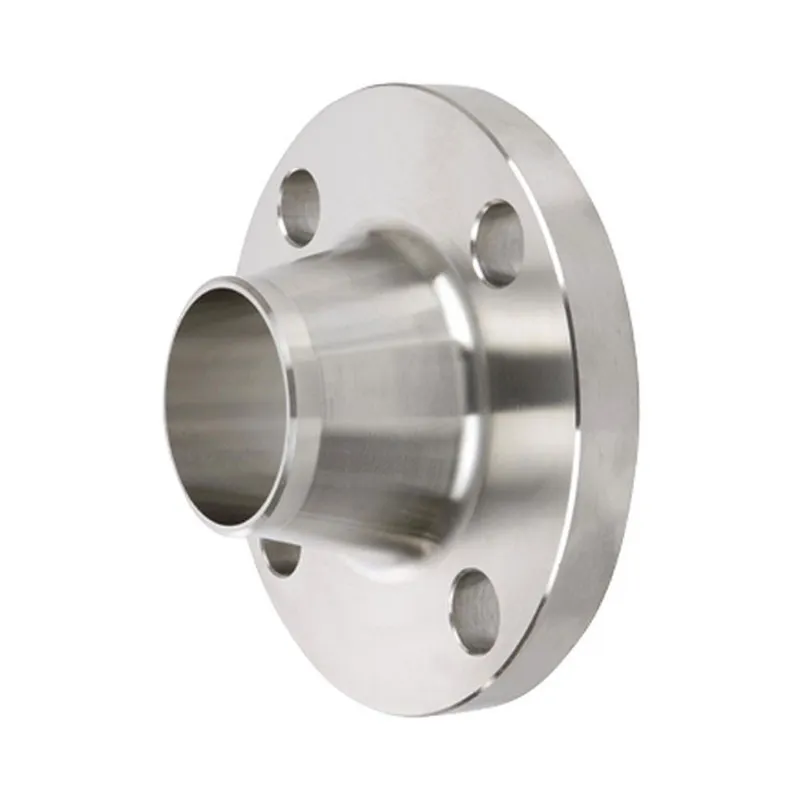
Best Sellingproducts
Best Selling Products-
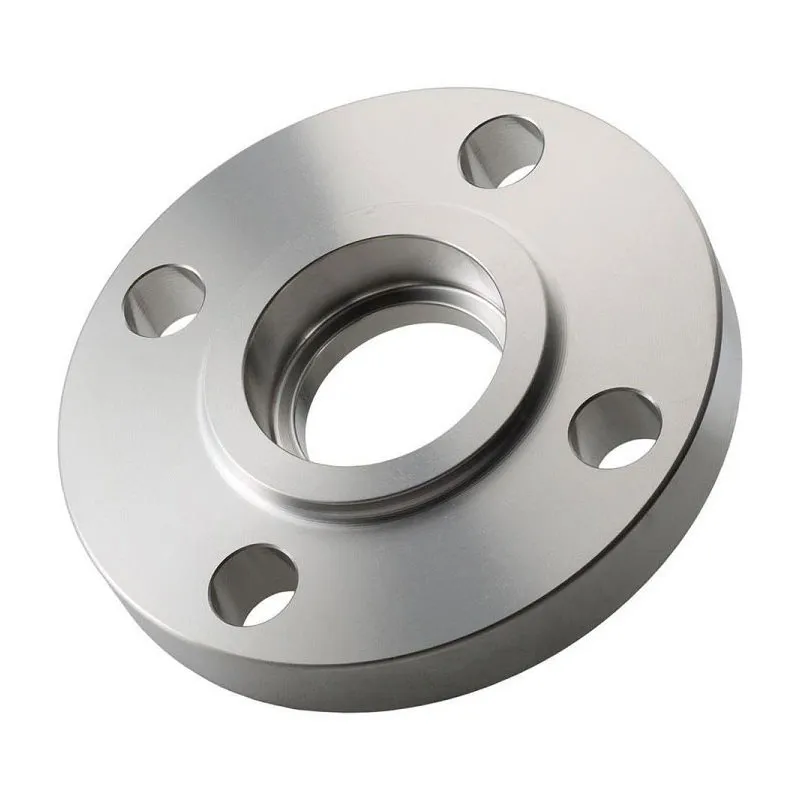 Flanges for socket welding
 -
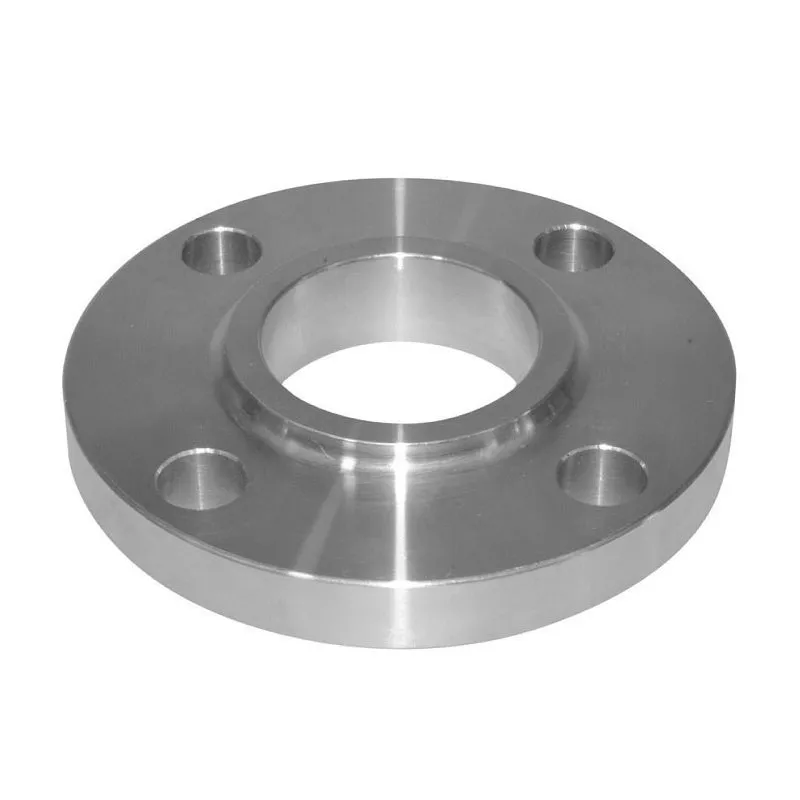 ANSI B16.5 Lap-on flanges Class 1500
 -
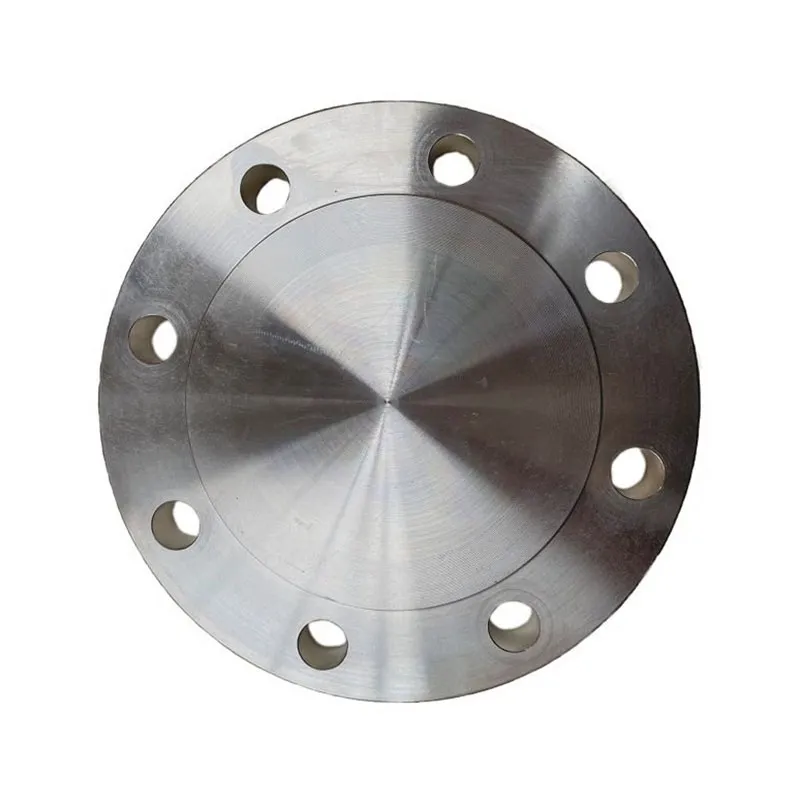 UNI 6092 Blind flanges PN10
 -
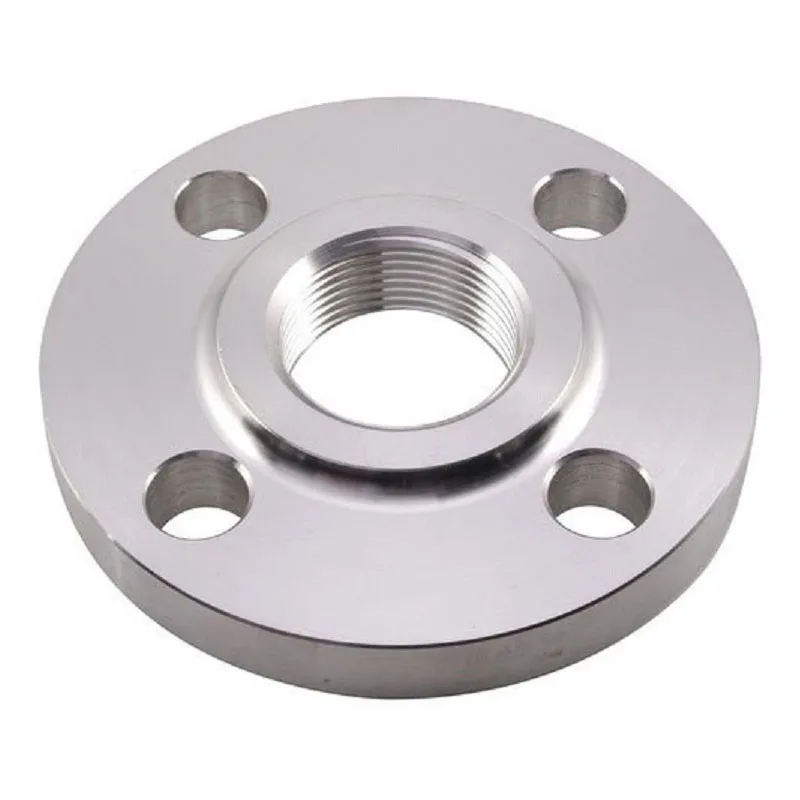 DIN 2566 Threaded flanges PN16
 -
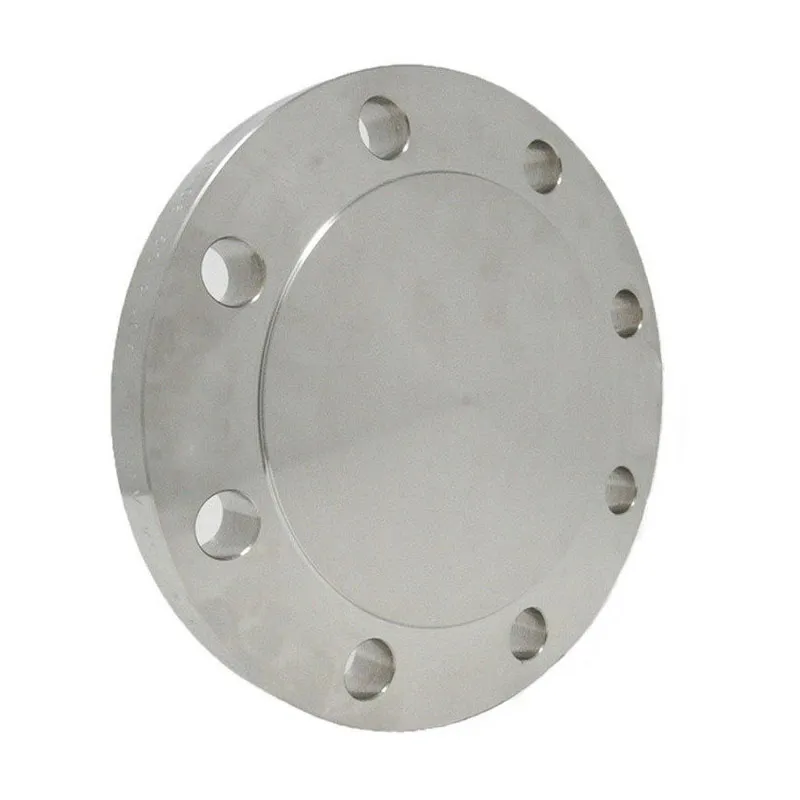 Blind flanges Class 150
 -
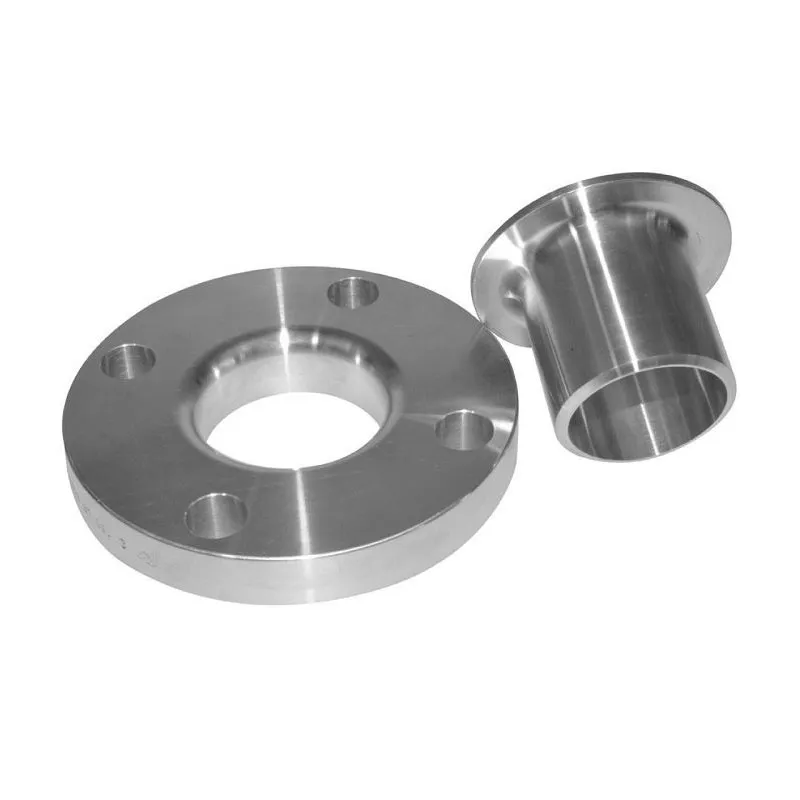 ANSI B16.5 Loose Ring Flanges Class 2500
 -
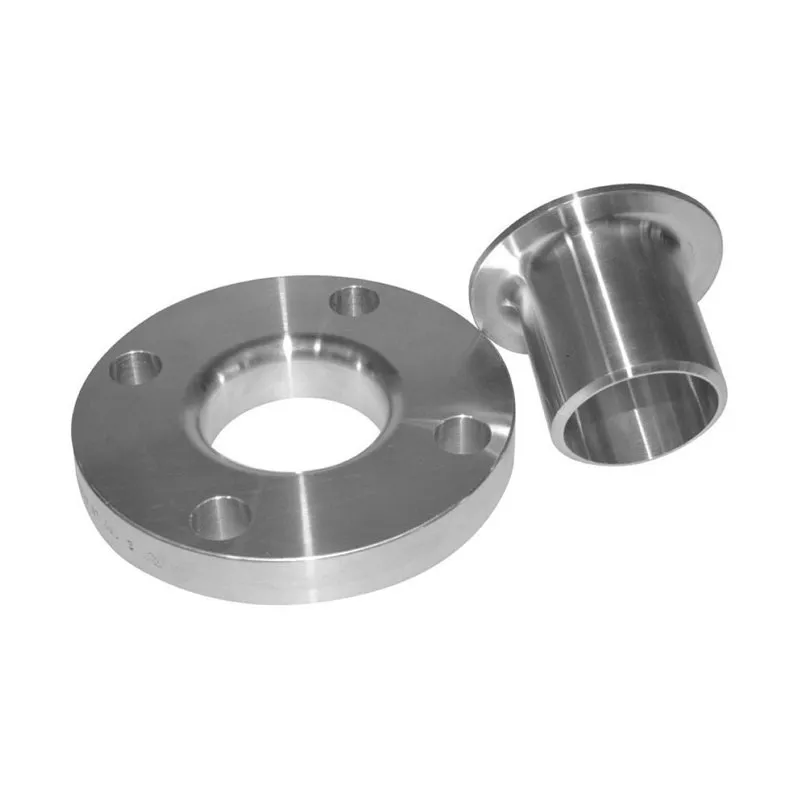 Free ring flanges Class 150
 -
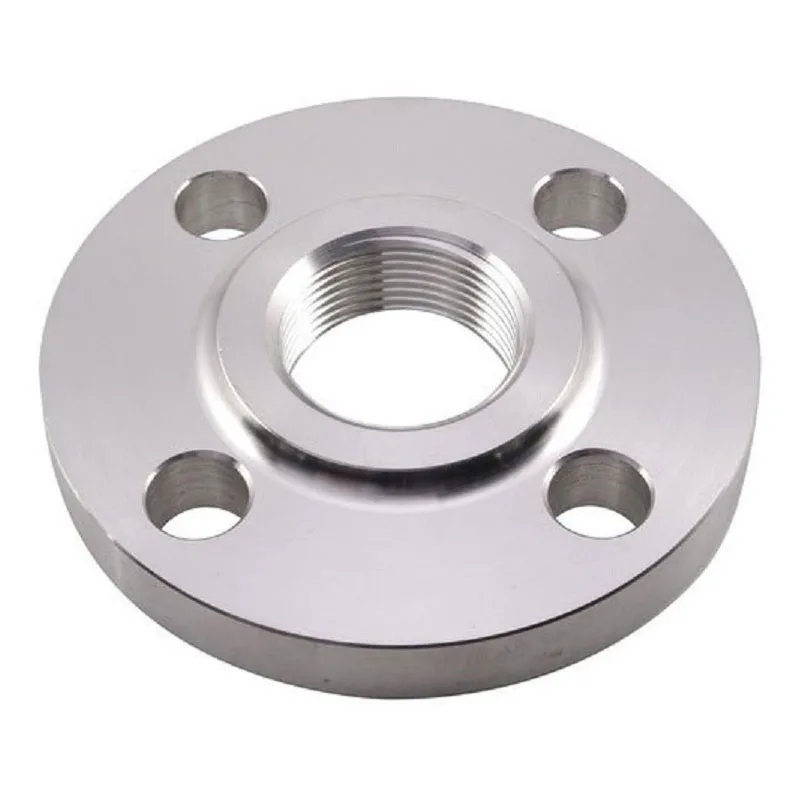 JIS 10K Threaded Flanges
 -
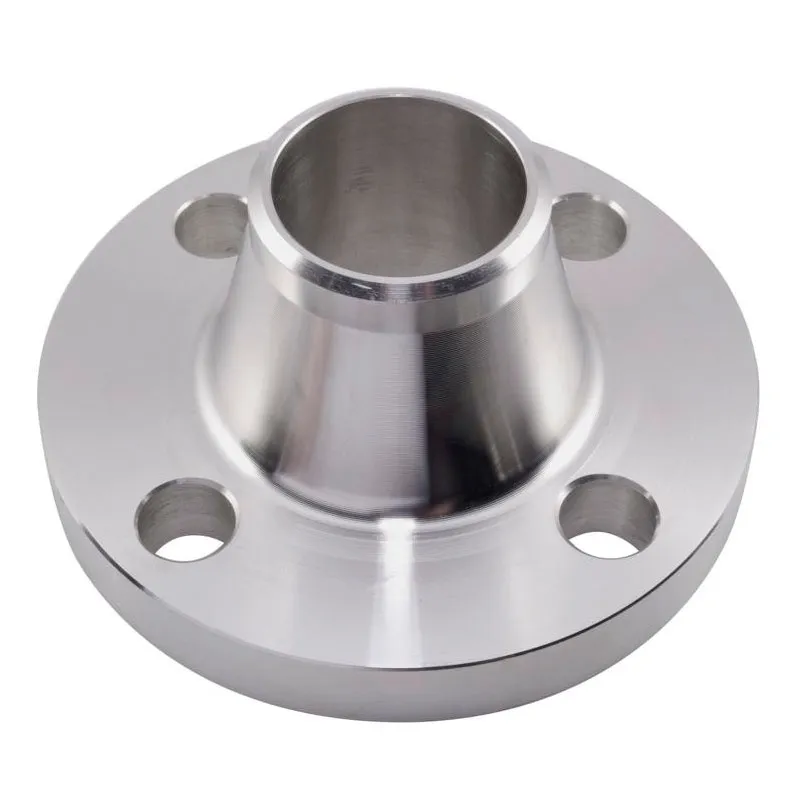 Butt weld flanges Class 900
 -
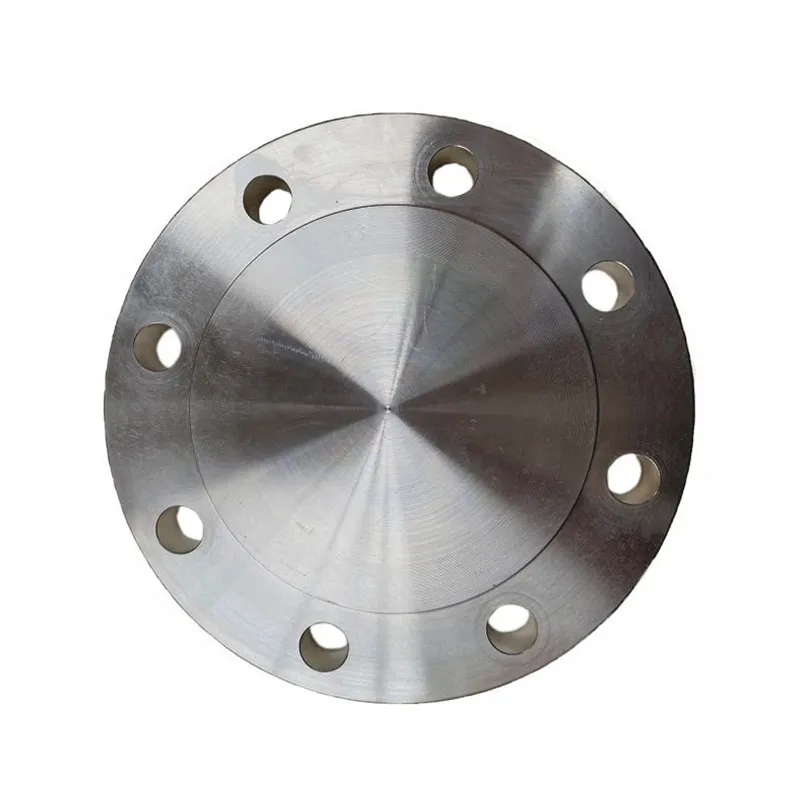 DIN 2527 Blind flanges PN10
 -
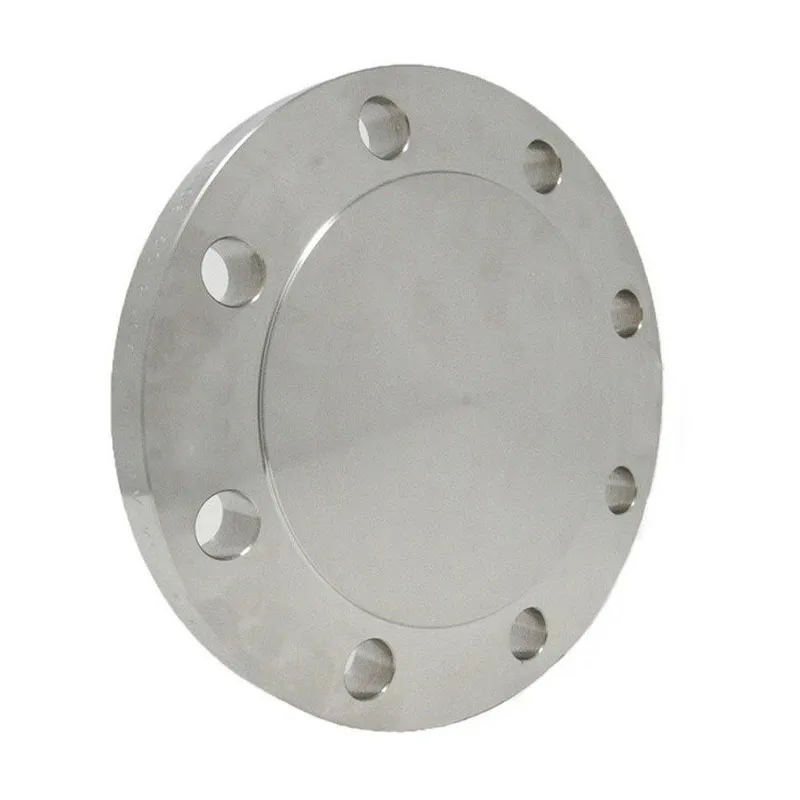 EN 1092-1 Blind flanges Type 05, PN10
 -
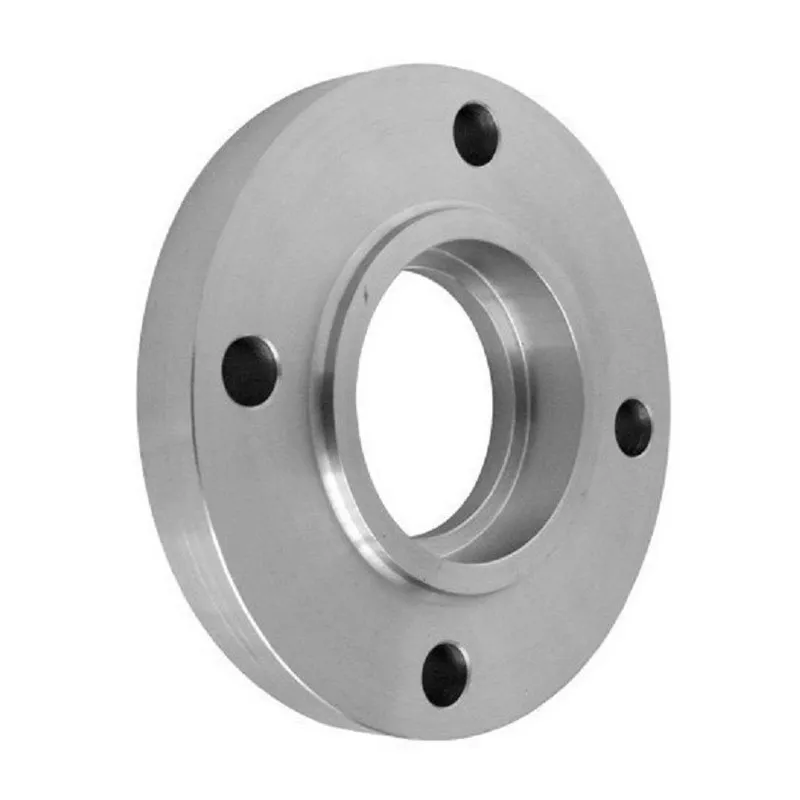 JIS 5K Socket Weld Flanges