
-
-
Phone
+86-13623462298



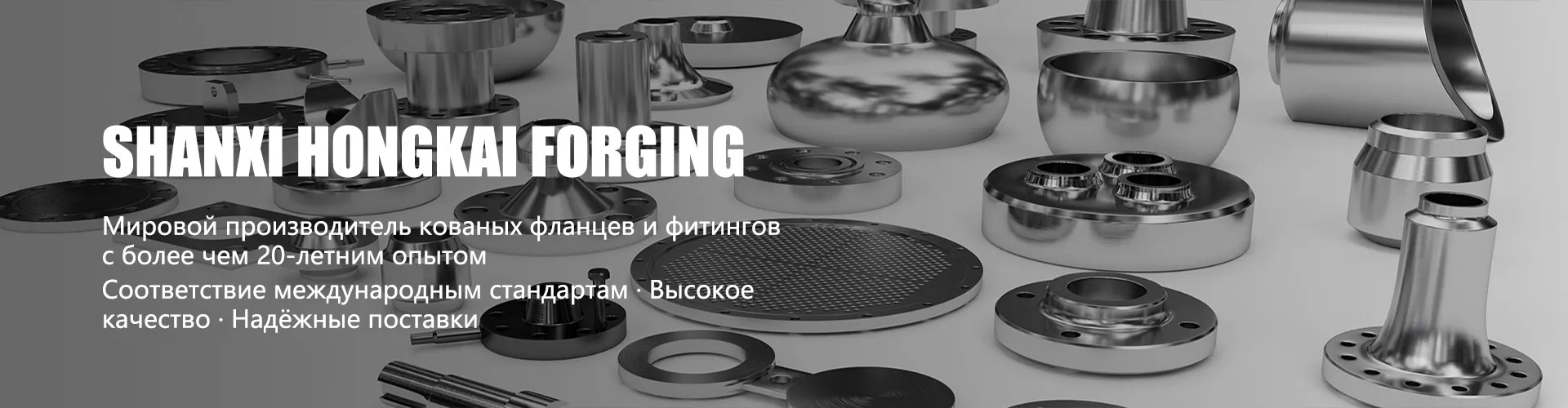
steel valve flanges
Here are the keywords - steel valve flanges. It would seem that what is so difficult here? I ordered it from the catalogue, screwed it on and started it up. But it is precisely this connection - the fittings and the flange - that half of the novice designers and purchasers break down. Everyone is looking for something cheaper, and then at start-up they check the tightness with rags. The main mistake is to think that a flange is just a ring with holes, and a valve is a piece of iron with a flywheel. In fact, this is a node, and its behavior in the line depends on a dozen factors that will not be written in the catalog.
A flange is not just an “adapter?”
I often see in specifications: “Steel flange 1.4541, GOST 33259?”. That's all. What type of sealing surface is it? ?A? or ?In?? For chemistry, for example, a tenon-groove (type F-G according to EN 1092-1) is often needed, but in our country the flat design is used everywhere because it is cheaper and “goes everywhere”. Then, at the junction with the valve, which also has its own surface, leaks begin, especially during thermal cycling. You have to go through it, change the gaskets to spiral-wound ones, and this is downtime and money.
For example, for critical lines with high pressure, we stopped taking just anything. We work with trusted forging manufacturers, such asShanxi Hongkai Forging Co.,Ltd. Why? Because they are based on forging, and not cutting from sheet metal or centrifugal casting. The grain of the metal is formed correctly during forging; there are no internal cavities. This is critical for flanges understeel valvefor steam or hot oil, where are the heating-cooling cycles? permanent. The cast blank may develop microcracks over time, especially in the area of the stud holes.
Their websitehttps://www.hkflange.ru- not just a showcase. It is clear that the company is located in one of the forging centers of China, and this is felt in the approach. They make according to GOST, ASME, EN, DIN - the full set. But the main thing is that they have a range up to DN4000 and a willingness to make non-standard according to drawings. This is important when you need a transition, say, from a GOST flange to a valve with an ASME B16.5 connection - they can make an adapter flange that will be forged and not welded from two halves.
Valve: what is hidden behind the word “steel”?
?Steel? - This is the material of the body. What kind of steel? WCB, LCB, WC6? What about the wedge and saddles? They can be with or without stellite surfacing. For an abrasive medium, a suspension for example, without surfacing, the valve will shrink in six months, no matter how great it looks in the warehouse. And here the flange comes out again. If you place a powerful, heavy valve, especially one with a large diameter, on a thin-walled pipeline with flanges made of an unknown forging, there may be a distortion when tightening. The studs pulled out, but the flange moved, the sealing plane was broken. And this is not always visible to the naked eye.
We had a case at an alkali pumping facility. Gate valves DN300, pressure 16 atm. The flanges were purchased “economy class”, supposedly according to GOST. During installation, one flange burst along the body when tightened with a torque wrench. It was not the thread of the stud, but the body that cracked. The destruction showed a coarse-grained structure - clear signs of a cast billet, which was passed off as forged. After this, they began to require certificates indicating the method of manufacturing the workpiece: forging. Now looking at the siteShanxi Hongkai Forging Co.,Ltd, I see that they are directly positioned as a manufacturer of forged flanges and forgings - this is already half the battle for trust.
Another nuance is the coating. Flanges often come with a factory paint finish. But if you install it in winter or in humid weather, the space under the gasket must be stripped down to the metal. And who does this? Installers save time. As a result, the gasket lies on a layer of paint, the paint is pressed under pressure, and the connection “shrinks?” and flows. You have to wait too long on the hotline, which is dangerous. Therefore, now in the technical specifications we directly write: “The end sealing surface of the flanges must be uncoated, protected against corrosion with a conservation lubricant.”
Assembling the unit: tightening torque and “dead” zone
The biggest illusion is that you can tighten the studs “to your heart’s content”, the tighter, the more airtight. An overtightened flange means a stressed state, metal creep, and after a couple of months the connection weakens. You need to calculate the tightening torque based on pressure, temperature, gasket material (paronite, graphite, PTFE). And here the evenness of the surface is important. If the flange has microprotrusions or dents from transportation, no moment will save it.
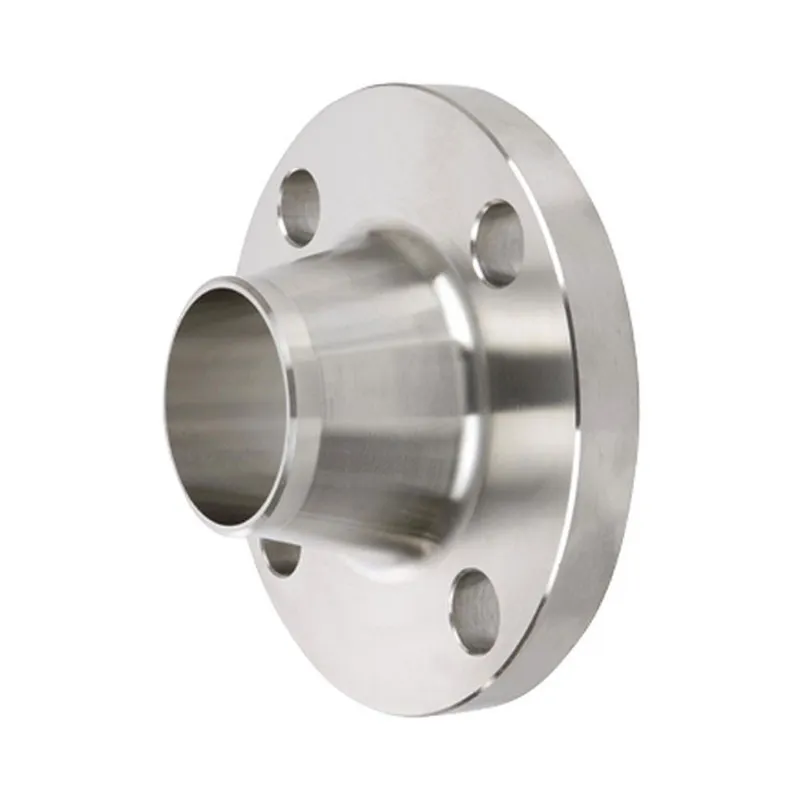
We somehow received a batch of flanges from a new supplier. Externally - perfect. But when checking with a testing plate for bluing, it turned out that 30% of the products had a slight “plate-like” appearance, a bend of a couple of tenths of a millimeter. For low pressure systems this might have worked, but we had 40 bar. We had to mill them all in place, which disrupted the schedule. Since then, there has been a mandatory point in acceptance - checking the plane. By the way, the sameShanxi Hongkai Forging Co.,LtdThe range includes all the main types: butt-welded, flat, loose, which indicates an understanding of different installation situations. Loose flanges, for example, are a great help when installing in hard-to-reach places.
More about the assembly. People often forget about the alignment of the holes for the studs on the valve and the flange. It happens that the holes are drilled with a slight offset within the tolerance. If this matches on both sides, you won’t be able to install the valve and the pins won’t fit. You have to drill holes, which weakens the flange. Therefore, for critical components, it is better to order flanges complete with fittings from one supplier, who takes responsibility for compatibility. Or, at a minimum, provide the flange supplier withHongkai Forging, drawings of connecting ends of valves for verification.
Temperature deformation and gasket material
This is perhaps the most insidious moment. Steel valves and steel flanges have similar thermal expansion coefficients. There seems to be no problem. But if the line is long and its fastenings are rigid, enormous loads arise when heated. The flange connection is the weakest link. It should not only be durable, but also have some flexibility. Therefore, the correct sequence of tightening the studs (crosswise) is sacred. And also, you can’t install too hard gaskets where compensation is needed.
Had a bad experience on a 250°C steam line. They installed a valve with flanges and gaskets made of paronite reinforced with a metal insert. During the first warm-up, the connection leaked. It turned out that such a gasket was too rigid and could not compensate for microshifts. We replaced them with multilayer graphite ones - everything fell into place. Now we always analyze the environment: temperature, aggressiveness, cyclicality. And for this we select both flanges (sometimes stainless steel is better than carbon steel) and a gasket.
This is where the ability to order non-standard products according to drawings, which is offered byShanxi Hongkai Forging Co.,Ltd. Let’s say you need a flange with a non-standard thickness or with additional reinforcement with stiffeners to compensate for the loads from vibration of the pump - they can do it. This is not the level of a “finished product warehouse”, this is the level of engineering, which is necessary for serious projects.
Bottom line: the key is the approach to the node
So, back to the keywords.Gate valve steel flangesare not two separate items from an online catalog. This is a system. Its reliability begins with choosing a manufacturer who understands what they are doing, and not just churning out hardware. It starts with flange manufacturing technology (forging versus casting), with geometry control, with strict compliance with the standard not only on paper, but also in metal.
Experience, often bitter, suggests that saving on flanges is a false economy. The cost of the flange itself is tiny compared to the cost of downtime due to its leakage or, God forbid, destruction. Therefore, we are now looking at suppliers who specialize specifically in forgings, have a wide range of standards and are ready for dialogue on technical specifications. Like the same company from Shanxi, which, apparently, works precisely in this paradigm: forging, standards, non-standard solutions.
After all, a good flange connection is something you forget about once installed. It just works for years. And to achieve this, you need to think one step ahead: what environment, what loads, what installation conditions. And pick upflangesandvalveas a single node, and not as random neighbors along the pipeline.
Correspondingproducts
Related Products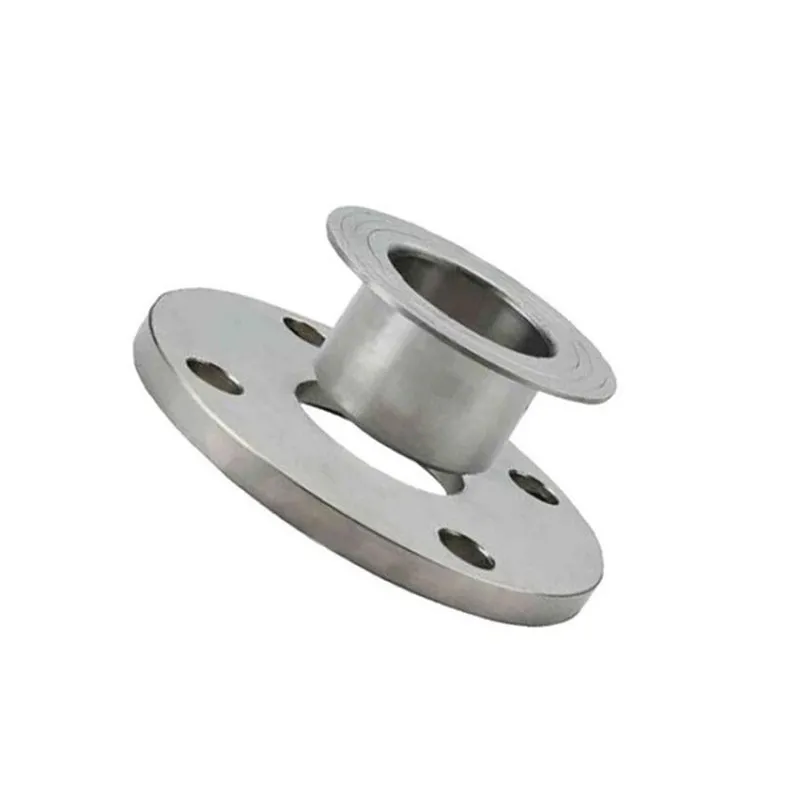
Best Sellingproducts
Best Selling Products-
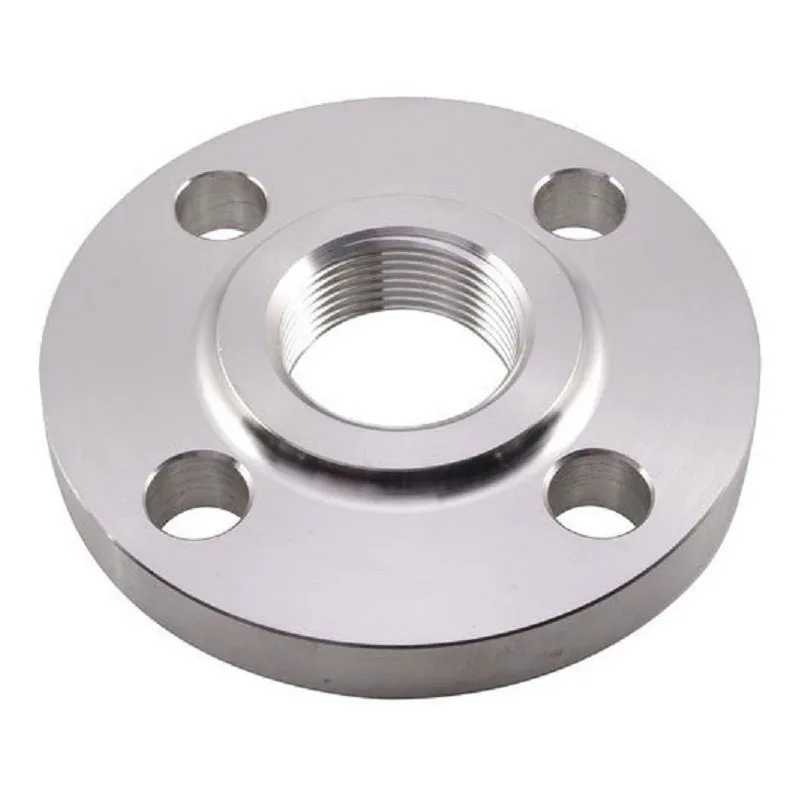 ANSI B16.5 Threaded Flanges Class 600
 -
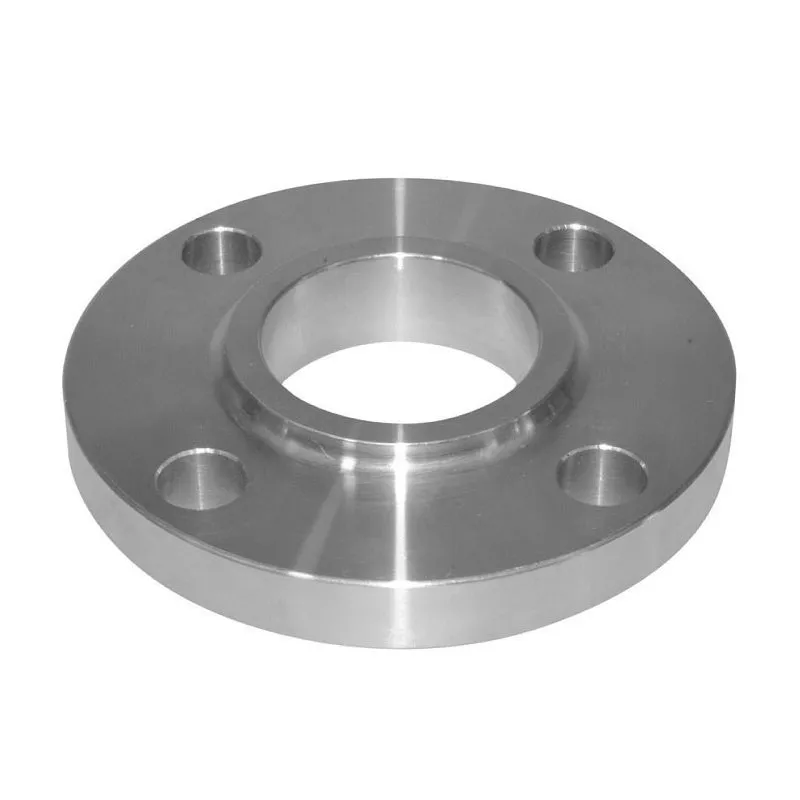 ANSI B16.5 Lap-on flanges Class 1500
 -
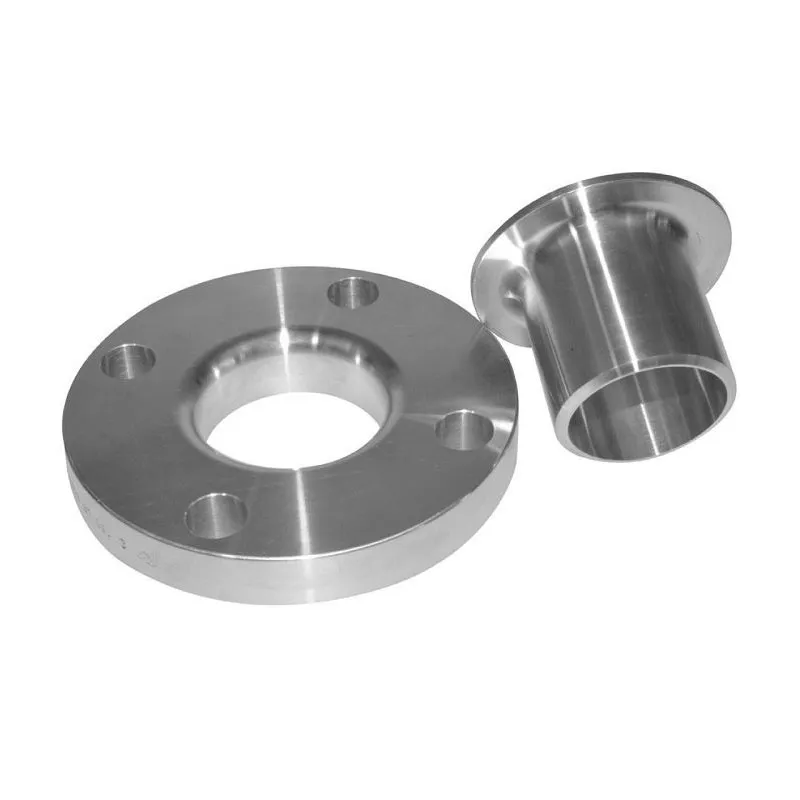 ANSI B16.5 Loose Ring Flanges Class 2500
 -
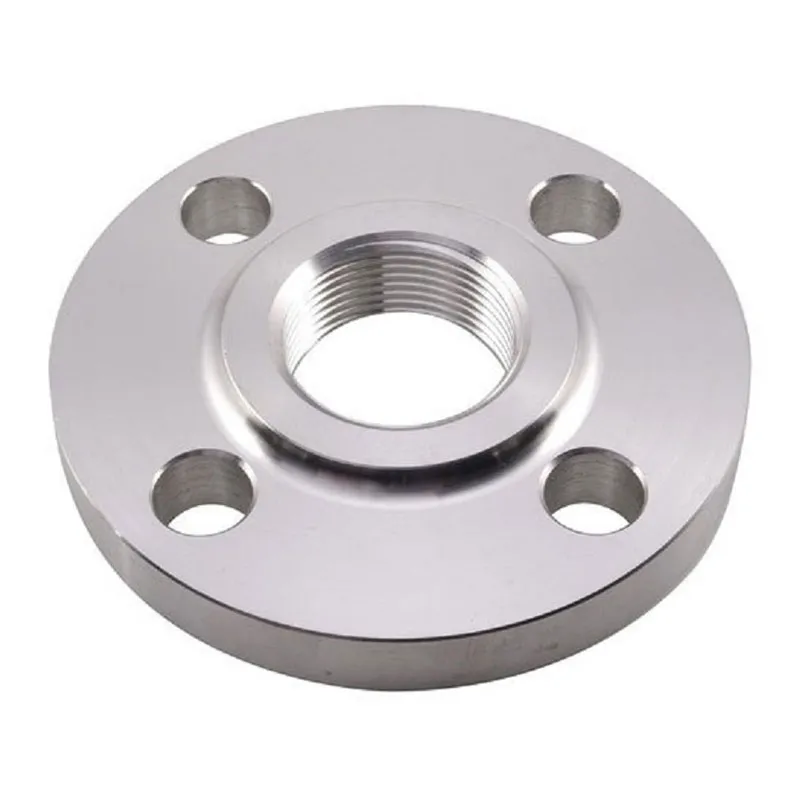 JIS 10K Overlay flanges
 -
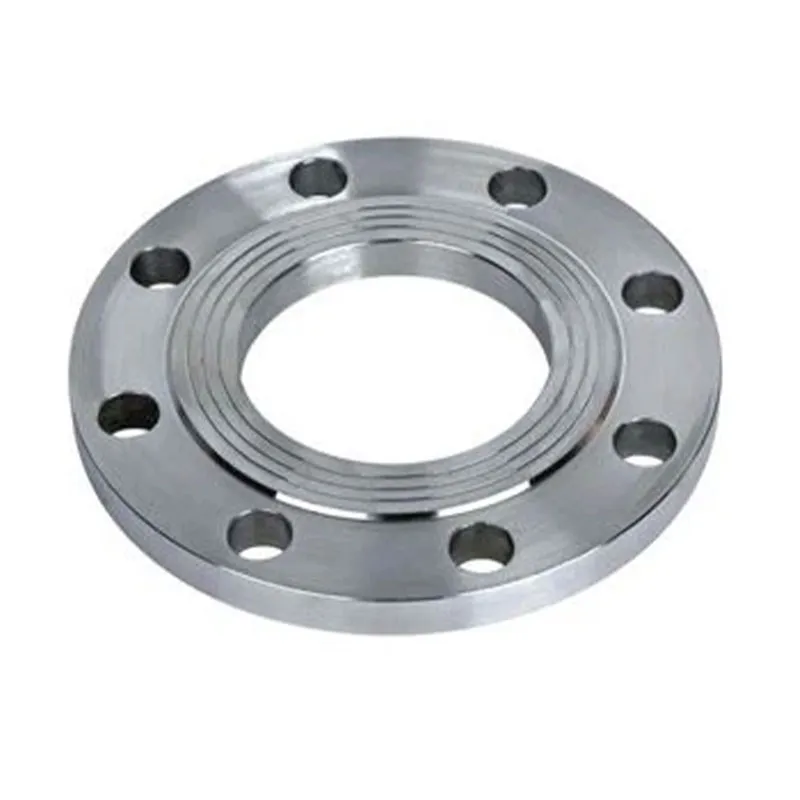 Butt weld flanges Class 150
 -
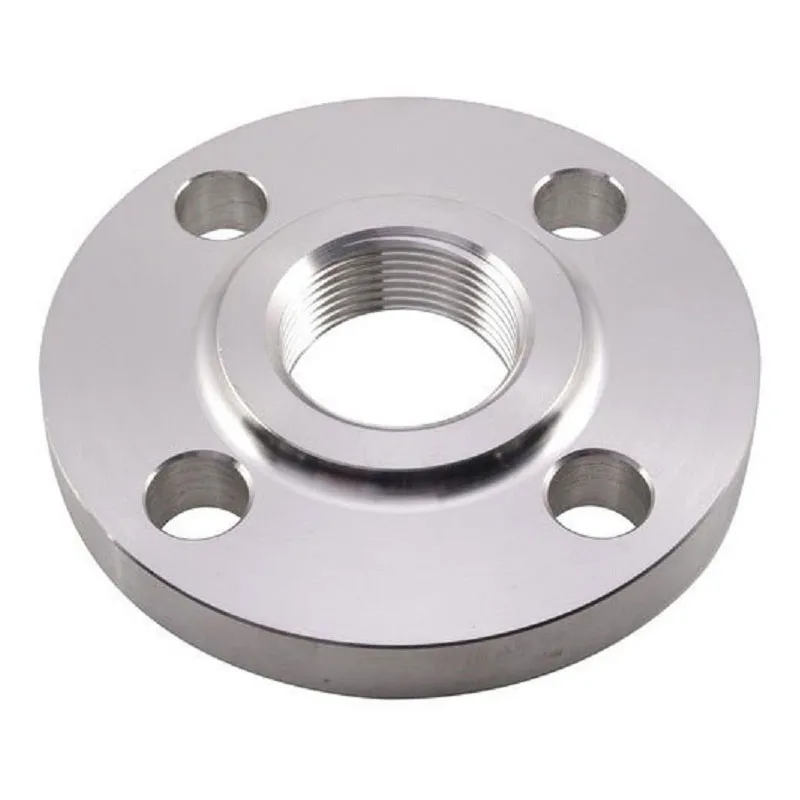 EN 1092-1 Threaded flanges Type 15, PN16
 -
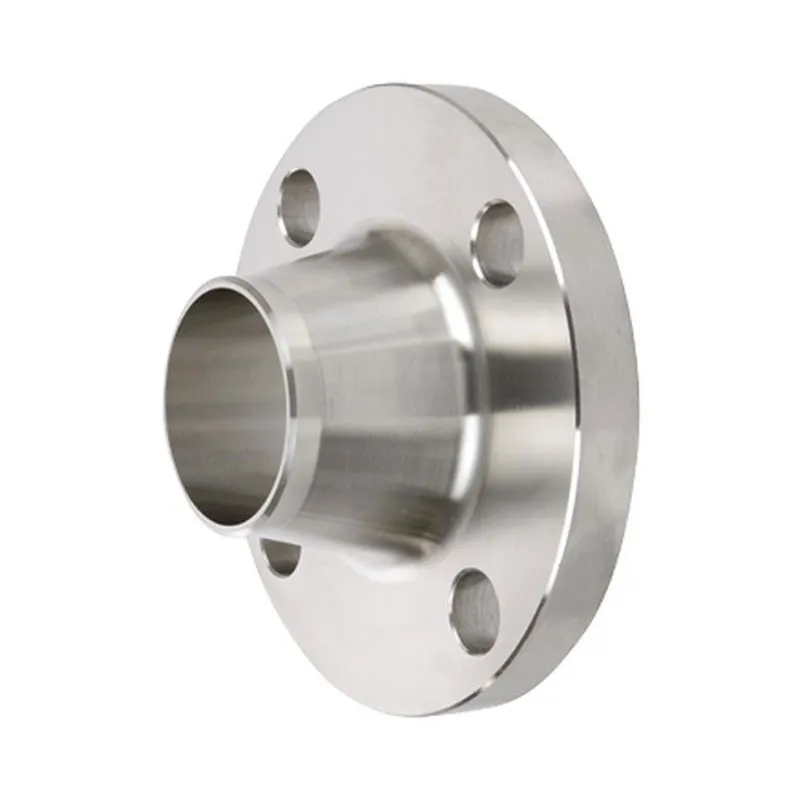 Ser.A Butt Weld Flanges Class 400
 -
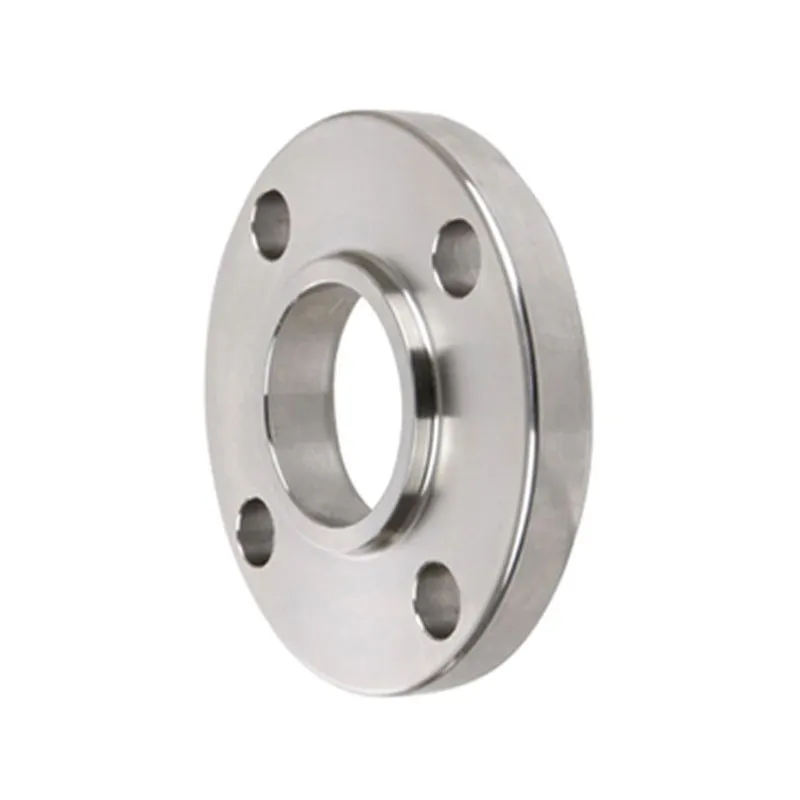 ANSI B16.5 Lap-on flanges Class 300
 -
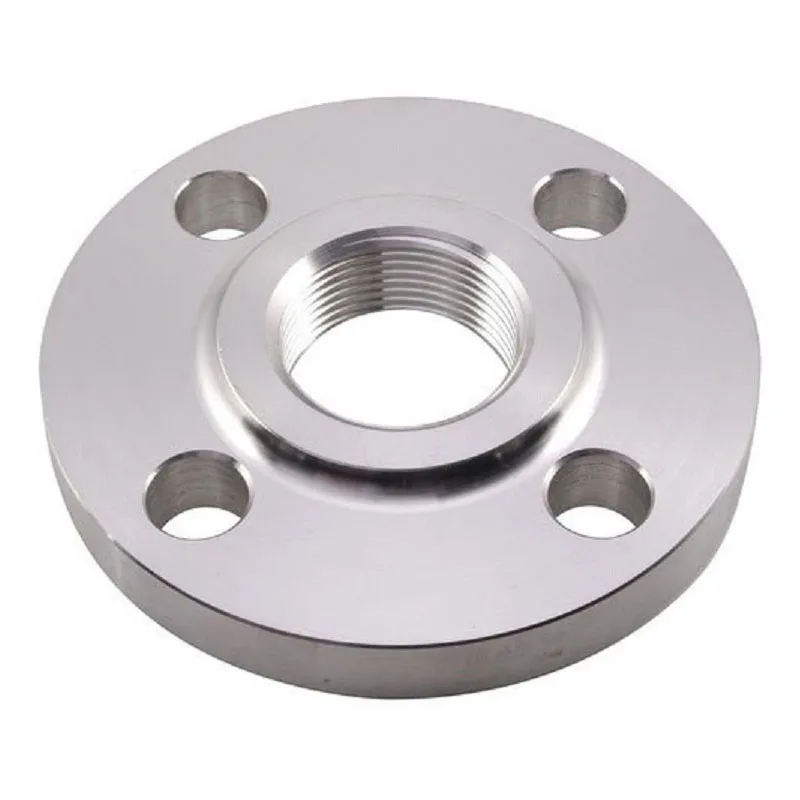 DIN 2566 Threaded flanges PN16
 -
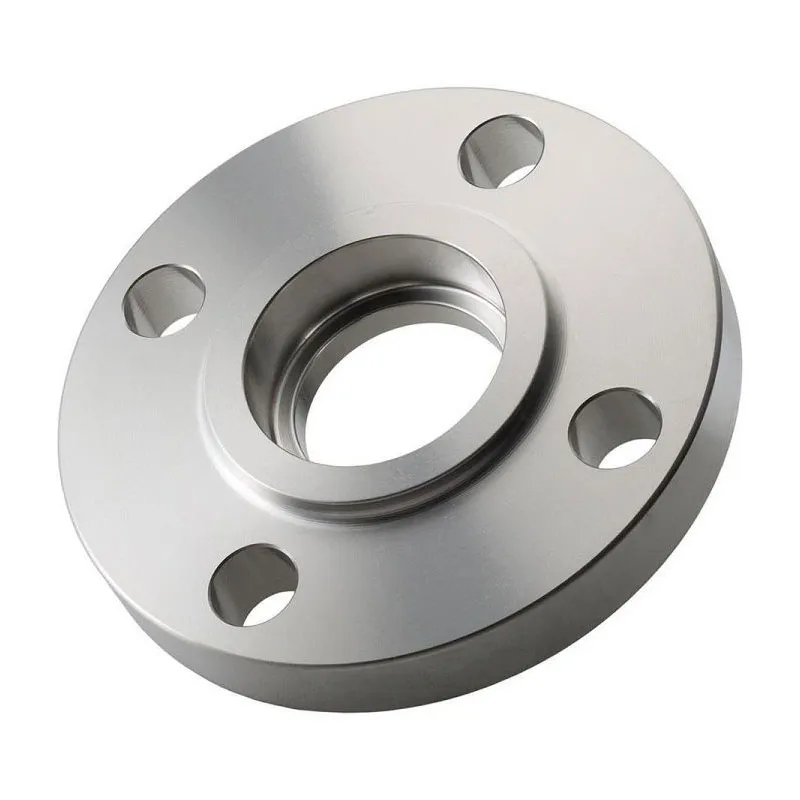 ANSI B16.5 Socket Weld Flanges Class 1500
 -
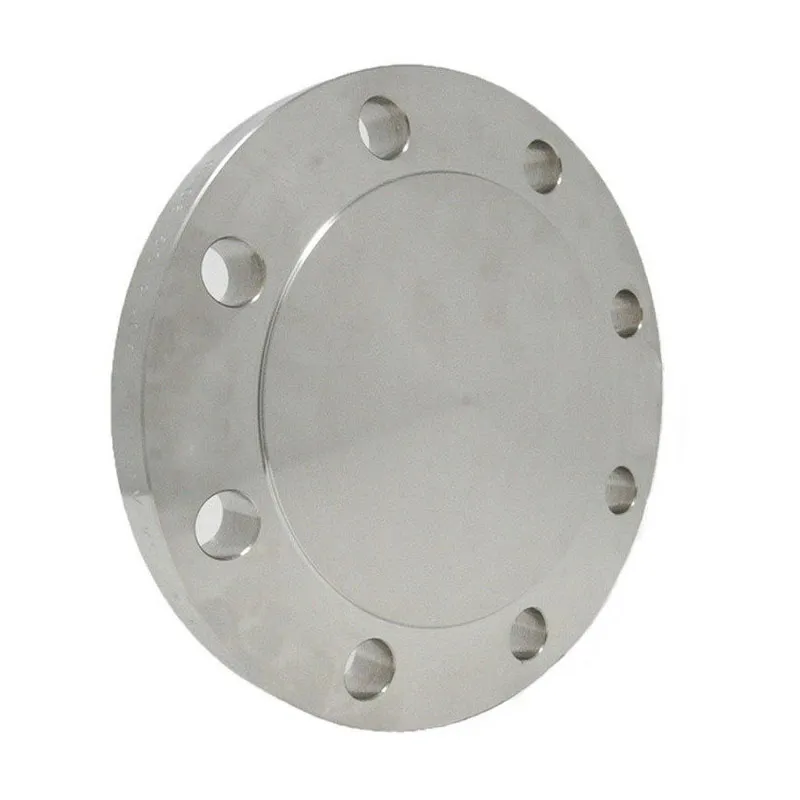 AWWA Blind Flanges Class D (Tables 1, 2, 3)
 -
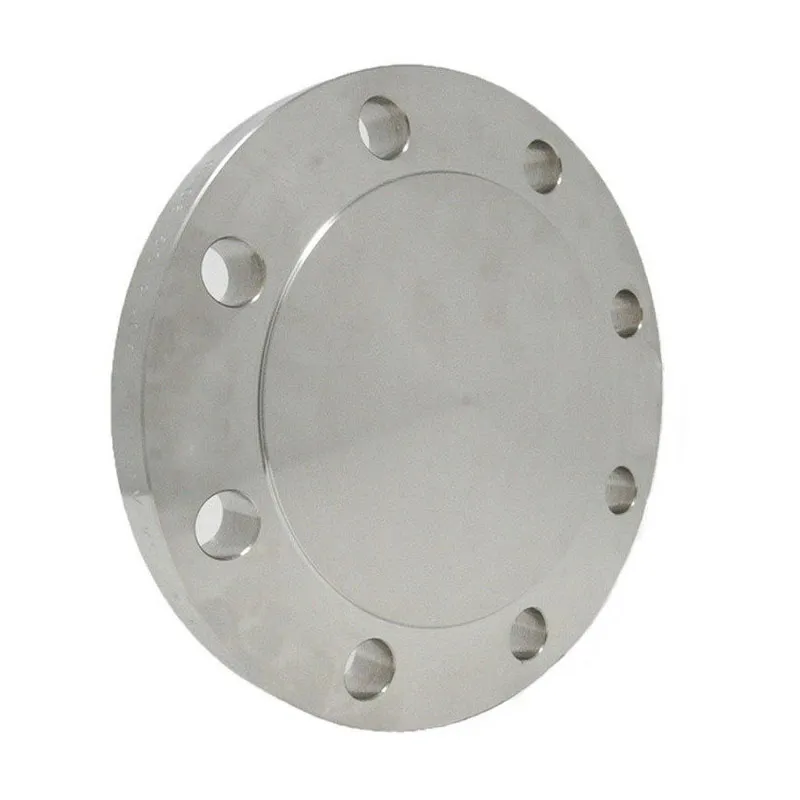 Blind flanges Class 150