
-
-
Phone
+86-13623462298



steel flange 150 mm
When they say “steel flange 150 mm?”, many immediately imagine just a circle with holes, DN150. But in practice, especially when ordering or installing, this simplicity is deceptive. How many times have I encountered the fact that a request comes in specifically for “150 mm?”, but in fact, a specific standard, pressure, type of execution is needed. Or even worse - problems begin with alignment or selection of gaskets, because the surface design was not initially specified. This is not just a detail, it is a responsibility.
What's behind the 150mm diameter?
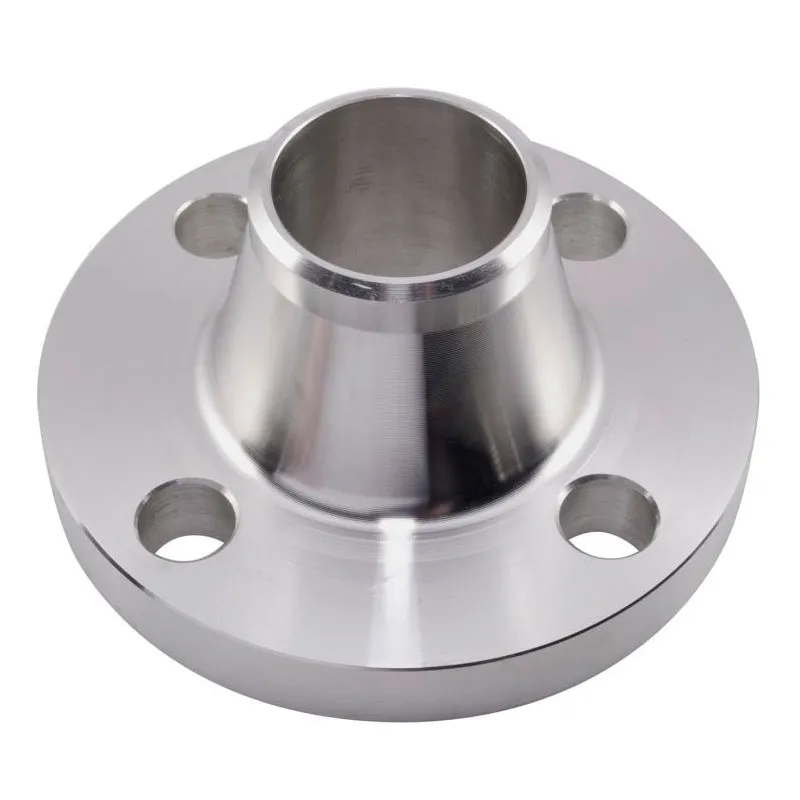
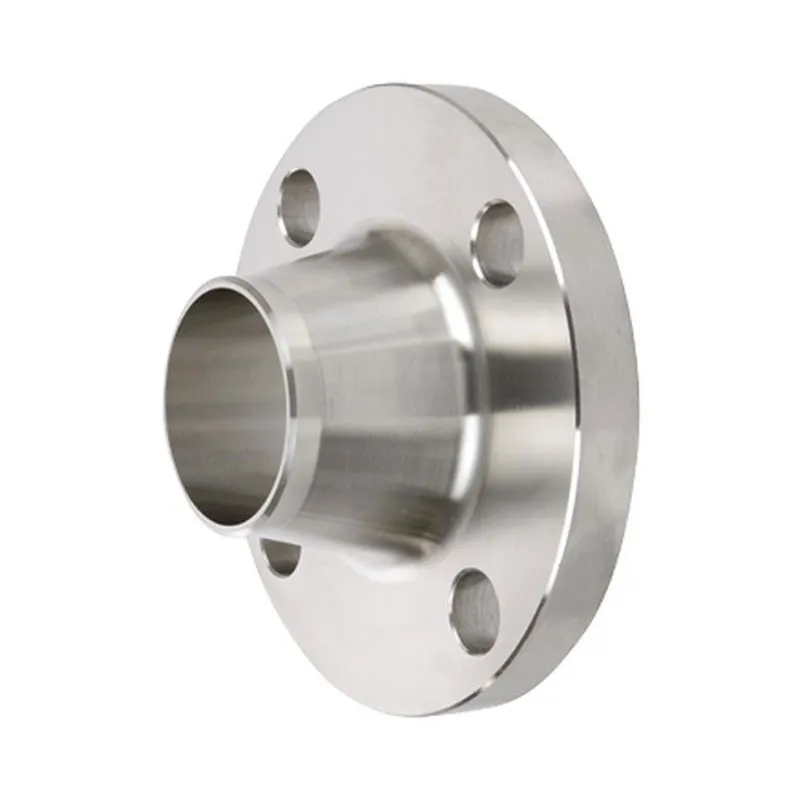
Let's take, for example, the most popular option - a steel butt weld flange on PN16. It would seem that everything is clear. But here’s the point: for GOST (also an analogue of EN 1092-1) and for ASME B16.5, these will be different geometries, especially in terms of thickness and skirt design. The difference is millimeters, but when docking with equipment, say, made in Europe, it can come out sideways. I personally saw how a site had to urgently modify flanges with an angle grinder due to a discrepancy with the radius of the weld neck. This is because in the application they simply wrote “flange 150” without specifying the standard.
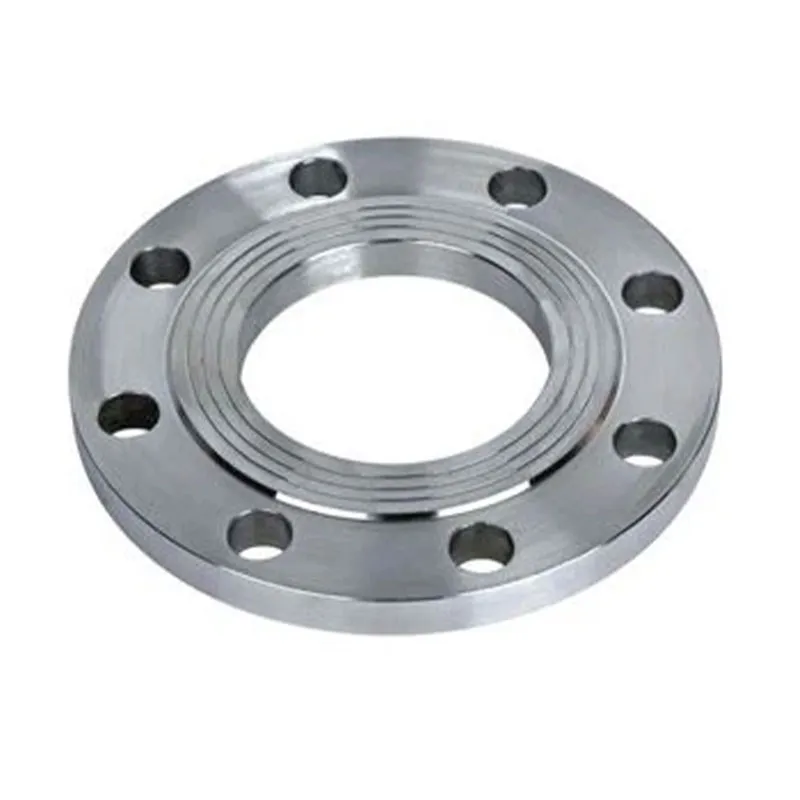
Or another nuance -steel flangeflat to the same DN150. Here's the story with editing. It is often used for simple pipelines, but if the pressure fluctuates and the bolts are not tightened properly, it may begin to “breathe”. in connection. Especially in horizontal areas. More than once it was necessary to strengthen such units with additional studs or switch to end-to-end flanges, although initially the design included flat ones - to save money. The savings ended up being more expensive due to downtime for rework.
And if we talk about the material? Steel 20, 09G2S, 12Х18Н10Т - for the same150 mmThe choice of flange determines the entire future life of the unit in an aggressive environment or at low temperatures. There was a case at a chemical plant: they installed St20 flanges in a slightly aggressive environment, but with temperature changes. Six months later, red streaks appeared on the necks. I had to change it to stainless steel. Now I always specify not only the diameter, but also the environment, temperature, even the nature of operation - a static line or with vibration.
Problems of selection and logistics: from personal experience
Previously, we often worked with local warehouses, where the range of flanges was limited to “running” ones. positions. For example, it was necessarysteel flangefree on a welded ring on DN150 according to GOST 12822-80 - and that’s it, wait for weeks until they find it or bring it. Now the situation is better, but the issue of quality remains. Once we purchased a batch of 150 mm flanges from one supplier - everything seemed to be in accordance with GOST, but upon acceptance we discovered a difference in the thickness around the perimeter of several pieces. Not critical, but unpleasant. I had to sort.
Now I often look towards specialized manufacturers who make to order and can provide a full package of documents, including certificates for mechanical tests. For example, I paid attention to the companyShanxi Hongkai Forging Co.,Ltd (https://www.hkflange.ru). They position themselves as a manufacturer of forged flanges and forgings from China, which is one of the main centers of the forging industry. Their nomenclature includes flanges in accordance with GOST, ASME, EN and other standards, including non-standard products according to drawings. For the 150 mm position, this may be interesting, especially if you need a large batch or a specific design - for example, with a reinforced shank or for non-standard pressure.
What is important when working with such manufacturers? Clarity of technical specifications. You can’t just say “we have 150 mm flanges?” It is necessary to indicate: standard (for example, GOST 33259), type (for example, butt weld 11), pressure (PN16 or PN25), material (St20 or 09G2S), type of sealing surface (for example, version B according to GOST - protrusion-recess). And, of course, quantity. They have a range of sizes right up to DN4000, so for DN150, I think, there will be no problems with manufacturing, this is a popular position. But the timing and logistics need to be calculated in advance - delivery from abroad always adds time.
Installation subtleties that are not always written about in the instructions
Let's say we already have a 150 mm steel flange, of high quality, according to the standard. It would seem that it’s just a matter of collecting. But there are pitfalls here too. The first is surface preparation. Before assembly, be sure to clean the sealing surfaces from scale, paint, and dirt. I saw how installers neglected this and assembled it “as is?” — as a result, it started leaking during testing. I had to disassemble, clean, change the gasket.
The second is tightening the bolts. For a 150 mm flange, especially a butt weld, it is important to tighten crosswise, not in one pass, but in several stages with a certain torque. If you tighten it, you can damage the flange or gasket, if you don’t tighten it, it will leak. It's better to use a torque wrench. At one of the sites we did not have such a key at hand, we tightened it “by eye?” an experienced welder. It seems to have worked out, but I wouldn’t recommend doing this on critical lines.
And third is the choice of gasket. For the same DN150 at a pressure of PN16, you can install paronite, fluoroplastic, and spiral-wound copper-plated metal gaskets. It all depends on the environment. Once they put paronite on a steam line - it quickly “sintered”. We changed it to a spiral-wound one - the problem went away. So the flange is only half the battle; the whole kit must be selected in conjunction.
When standard 150 mm is not suitable: non-standard solutions
There are situations when a 150 mm steel flange is needed, but for some reason it does not fit into the standard series. For example, a non-standard thickness is required due to increased design loads or a special arrangement of holes for fasteners for joining with old equipment. Here you can’t do without individual production.
In this context, I again remember a manufacturer likeShanxi Hongkai Forging Co.,Ltd. Their website states that they manufacture custom products according to customer drawings. This is exactly the case. You can send them your drawing, agree on the material and technology (forging, which is important for strength), and get the part you need. The key is to provide the most detailed and correct source data possible. We once ordered an adapter flange from DN150 to DN100 with offset centers - we did it without problems, but only after three clarifications according to the drawing.
The disadvantage of this approach is time and cost. Manufacturing according to an individual drawing is always more expensive and takes longer than choosing from a warehouse. But when there is no alternative, this is the only way out. The main thing is to find a responsible manufacturer who will not just cut it from a sheet, but will forge the workpiece, carry out the necessary heat treatment and quality control. Otherwise, there is a risk of getting a part with internal stresses, which may crack at the first load.
Instead of a conclusion: a thought afterward
So, going back tosteel flange 150 mm... This is not a point in the order, but rather the beginning of a dialogue between the designer, supplier and installer. There are no trifles here. You can, of course, take the first thing that comes to hand or whatever is cheaper, but in industrial pipeline fittings there is such a “savings” tends to come back later, and much louder.
Now the market offers many options, including from large manufacturing companies, such as the mentionedShanxi Hongkai Forging Co.,Ltd, which operates according to international standards. This gives a certain confidence in quality, especially if large volumes or specific parameters are needed. But you can’t blindly trust either - any product must be accepted, the geometry checked, and checked against the specifications.
For me personally, the key to working with flanges is predictability. So that the part that arrives at the site fits perfectly into place, passes the tests and works for the entire period without any problems. And for this purpose, a 150 mm steel flange? should be not just a line on the invoice, but a fully identified and calculated element of the system. Everything else is just details, but it is precisely these details that make up reliability.
Correspondingproducts
Related Products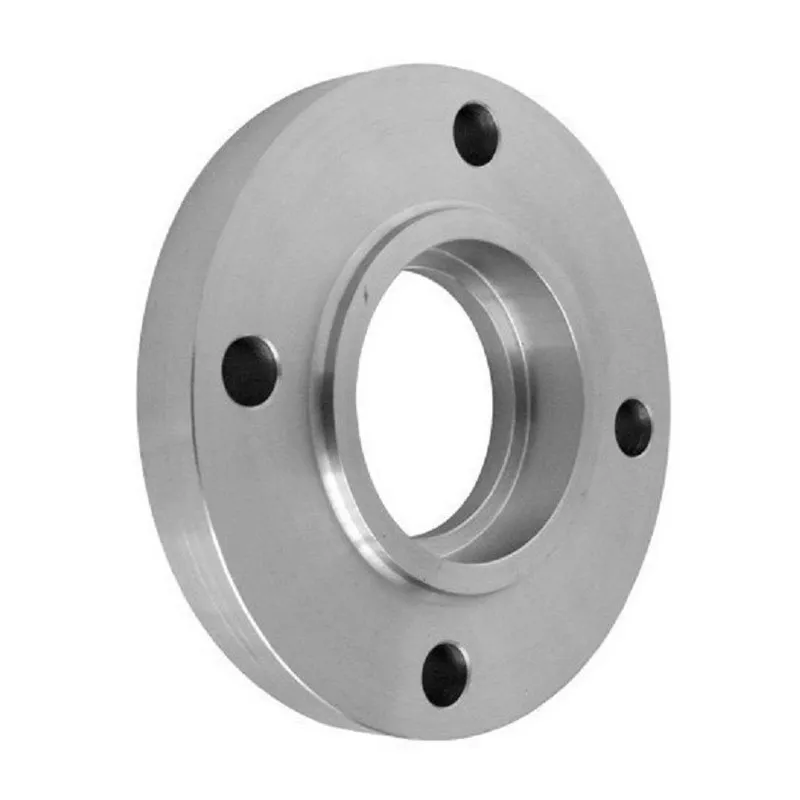
Best Sellingproducts
Best Selling Products-
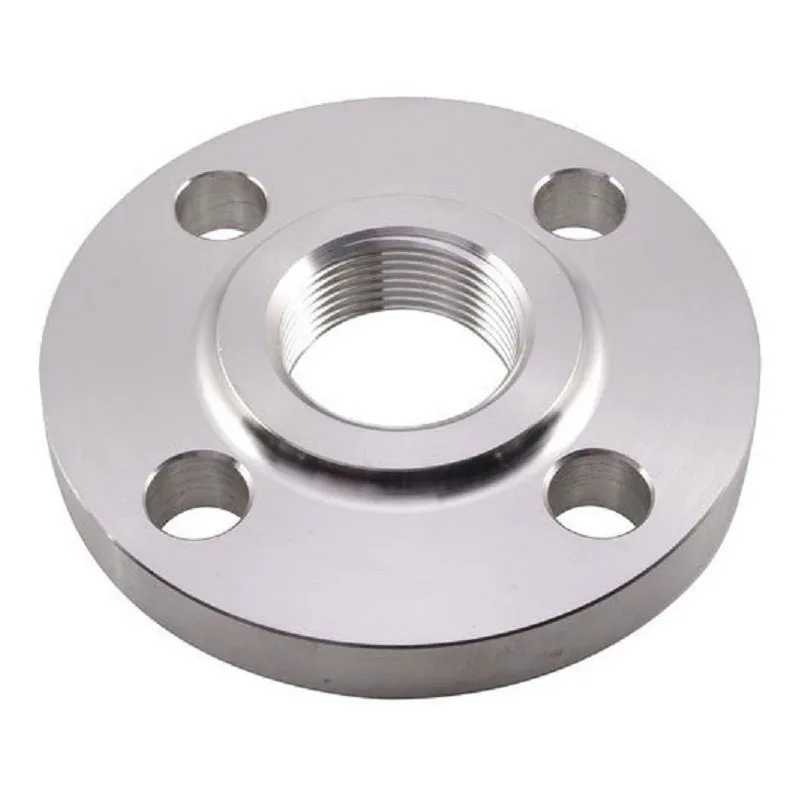 ANSI B16.5 Threaded Flanges Class 600
 -
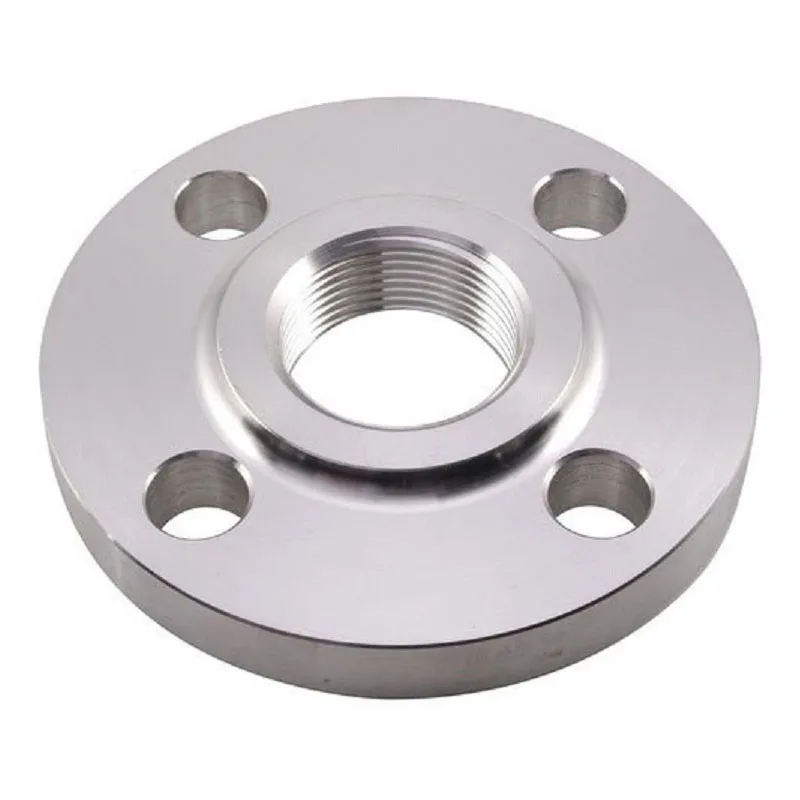 DIN 2566 Threaded flanges PN16
 -
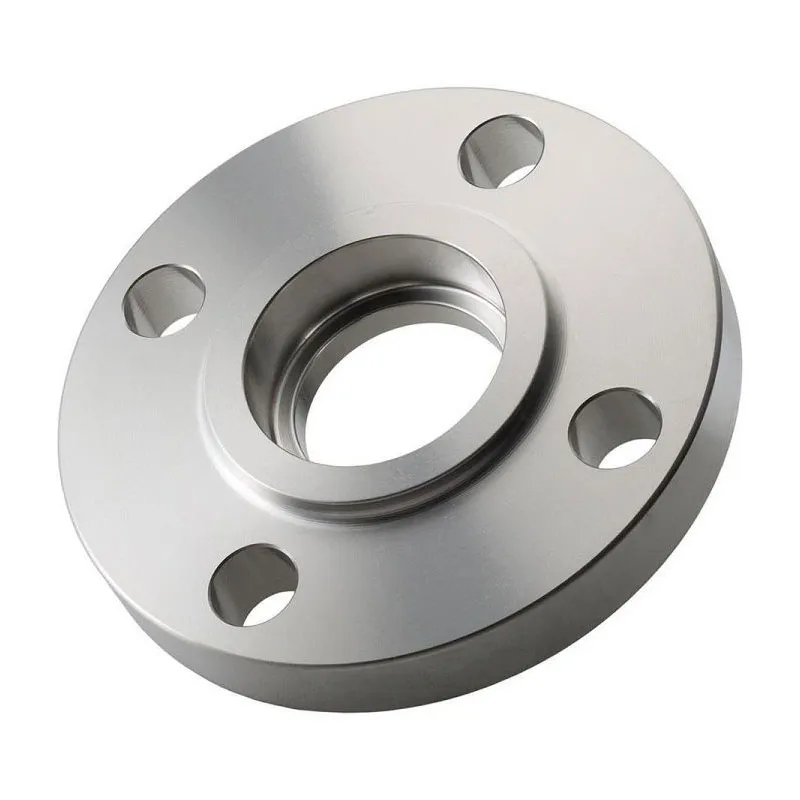 ANSI B16.5 Socket Weld Flanges Class 1500
 -
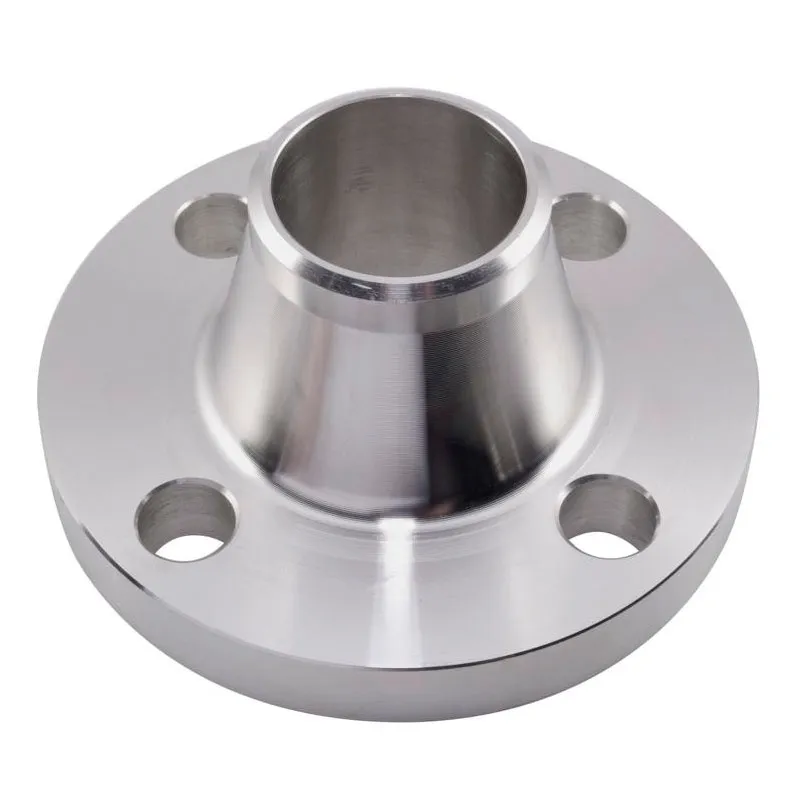 Butt weld flanges Class 900
 -
 Butt weld flanges Class 150
 -
 UNI 2281 Butt weld flanges PN10
 -
 Ser.A Butt Weld Flanges Class 400
 -
 Socket Weld Flanges Class 300
 -
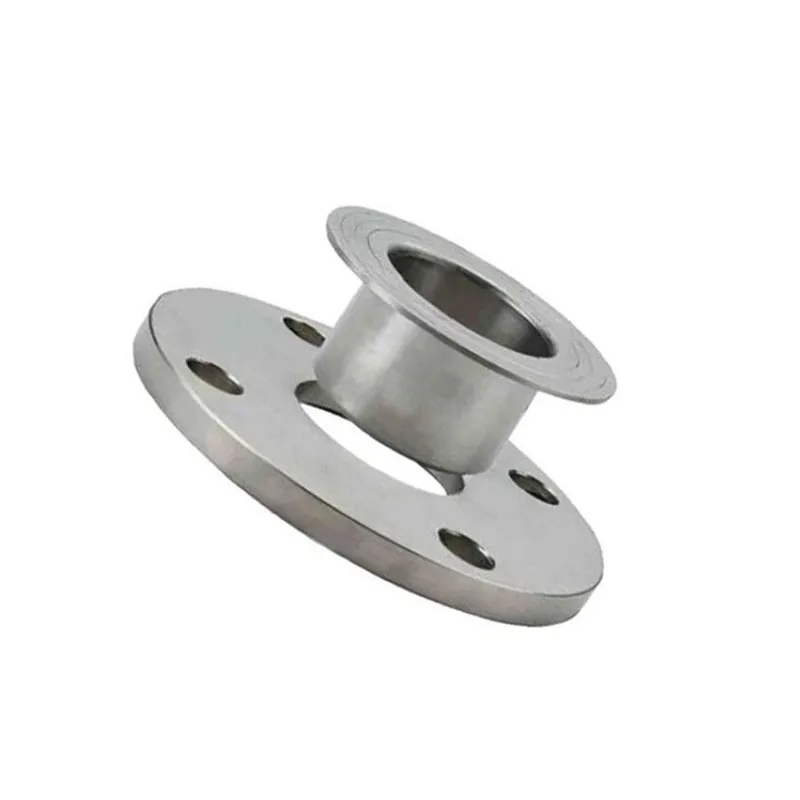 Free ring flanges Class 400
 -
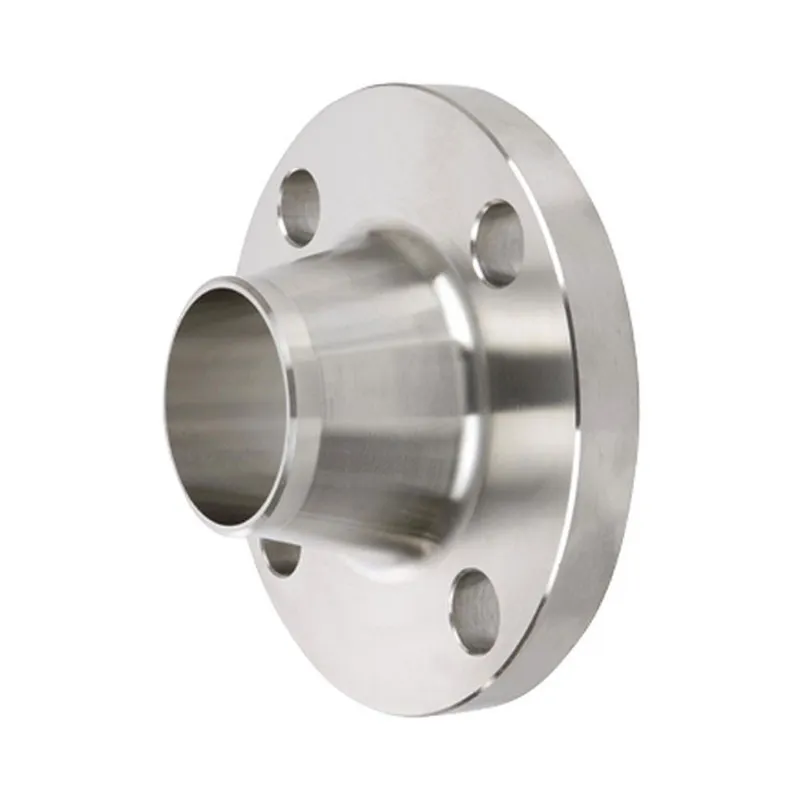 EN 1092-1 Butt weld flanges Type 11, PN25
 -
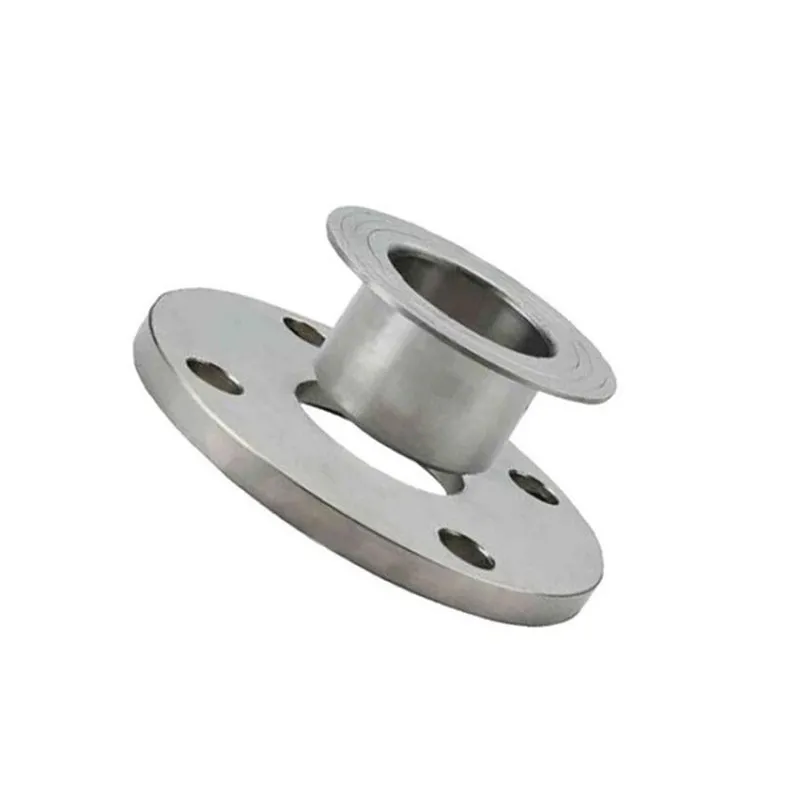 JIS 10K Loose Ring Flanges
 -
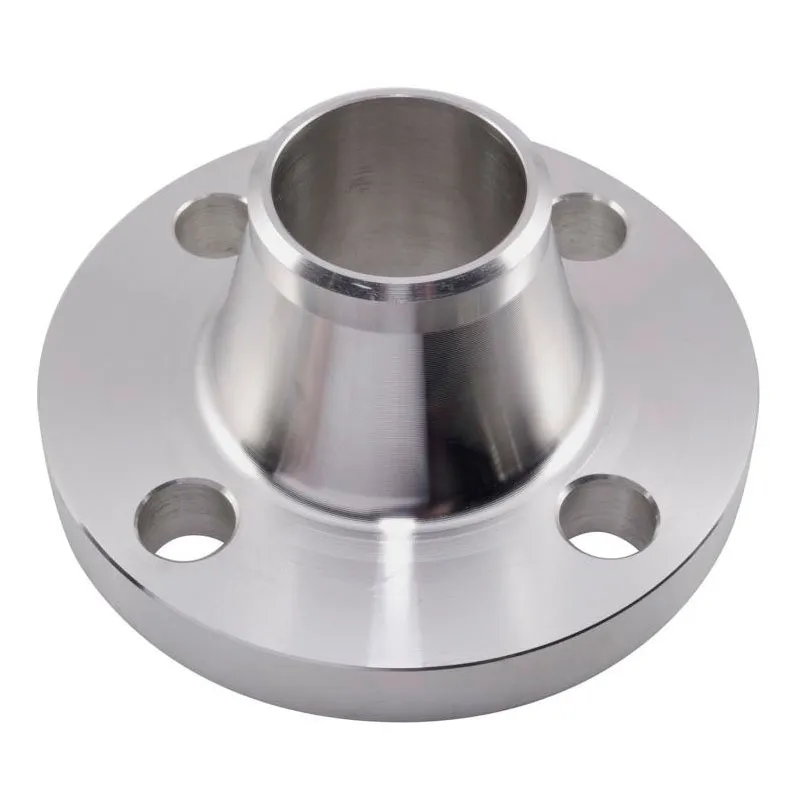 DIN Butt weld flanges PN10