
-
-
Phone
+86-13623462298




washer with flange
I’ll say right away that many, having heard “washer with flange?”, imagine something like a combined unit, ready for installation. In fact, most often we are talking about an ordinary flat or spring washer, which is used in connection with the flange, but not as part of it. Confusion arises all the time, especially when customers from the CIS are looking for something “ready-made” according to GOSTs. In fact, in the standards for flanges, say, GOST 12820 or 12821, washers as an element of a flange connection are a separate item - they are selected for bolts, studs, taking into account the pressure and environment. But there is a nuance: in some specifications, especially for high-pressure apparatus or heat exchangers, specialflange washers- these are, as a rule, thick, reinforced washers with an increased supporting surface, which are placed under the nut so as not to crush the flange collar when tightening. It’s situations like these that I want to talk about—not about theory, but about what you encounter during assembly.
Why isn't it just a piece of hardware?
When we started supplying forgings for flanges to one of the petrochemical plants about ten years ago, there was an incident: when installing a heat exchanger, it “floated”. tightening on DN300 flanges rated at 16 MPa. We went through everything - checked the bolts according to their strength class, and checked the tightening torque. It turned out that the contractor, saving money, supplied standard thin washers instead of the thick ones provided for in the project. The washers under the nut were deformed, the load was redistributed unevenly - hence the leak at the test pressure. I had to urgently look for a replacement. Then we turned to partners who specialize in fasteners, and they showed us catalogs specifically forflange washers- that is, with an increased outer diameter and thickness, often with a turnkey chamfer. This is not just a piece of metal, but a calculated element that holds the force and distributes it over the surface of the flange, especially if the flange is made of stainless steel and the bolts are made of high-strength steel - so that there are no dents or stress corrosion.
By the way, about materials. If the flange is, say, 09G2S or 12Х18Н10Т, then it is logical to install the washer from a compatible material, at least in terms of hardness. It happened that customers demanded a complete set: flange + bolts + washers + nuts? from the same material, but this is not always economically justified. For the washer, steel 35 or 40X is often used, but with a coating - cadmium plating, galvanizing, depending on the environment. In a salty atmosphere, on offshore platforms, for example, without galvanizing or even a polymer coating - no way. I once saw how, during the installation of a gas pipeline, uncoated washers turned into dust in six months in the coastal zone - the nuts were stuck tightly, the repair turned into hell.
It is worth mentioning suppliers here. We ourselves, as Shanxi Hongkai Forging LLC, make forged flanges according to GOST, ASME, EN - from DN15 to DN4000, this is our main work. But washers are not usually our specialty, we focus on forgings and flange machining. However, at the client’s request, we can organize a complete supply, cooperating with trusted fastener manufacturers. On our website https://www.hkflange.ru in the products section all types of flanges are indicated - butt-welded, flat, loose, blind, but we do not write separately about washers, although we always clarify this point in commercial proposals for specifications. Because an experienced engineer reading a specification immediately looks at the package. And if he sees there “a washer according to GOST 6402-70?” - understands that we are talking about a spring one, but what if the washer is reinforced according to the drawing...? - that's another conversation.
Case study: when size matters
We had a project for a power unit - flange connections on high-pressure steam pipelines. There the temperature is under 600°C, the pressure is over 20 MPa. The designers installed flanges according to ASME B16.5 Class 2500, and special heat-resistant washers with an internal flange, so to speak. That is, the washer had not just a hole for the pin, but a small shoulder-stop that fit into a bore in the flange. This was necessary for accurate alignment and to prevent movement due to vibration. At that time, we and the production team were racking our brains for a long time - whether to make such washers as part of the flange forging or separately. As a result, they were made separately, but from the same workpiece - from a forging of 15X5M steel. The mechanics processed with h9 tolerances and ground the surfaces. An important point: at such temperatures, the expansion coefficient of the flange and washer must be close, otherwise in working condition the tightening will weaken or, conversely, the studs will be overloaded.
Acceptance of these washers was carried out with ultrasonic control - they looked for internal defects. Because if small inclusions are acceptable in ordinary fasteners, here any inhomogeneity under prolonged load and temperature could lead to a crack. By the way, about control. Often, warehouses or installers do not even have basic inspection tools - a caliper, and even then not always. I saw how washers for DN100 flanges were confused with washers for DN80 - the outer diameter is almost the same, but the inner diameter is different by a couple of millimeters. As a result, when screwing on the nut, the washer did not lie flat, but became skewed, and the thread of the stud was damaged. It would seem like a small thing, but because of such a small thing, the joint is not sealed, and you have to take everything apart, change pins, washers, and waste time.
Another aspect is non-standard solutions. To us at Shanxi Hongkai Forging LLC We often refer to drawings for flanges according to individual requirements: non-standard diameters, materials, designs. And in 30% of cases, these drawings also contain specifications for fasteners, including washers. For example, for a flange with an extended neck for an apparatus, a set of two washers of different thicknesses may be required to compensate for the skew angle. Or for a flange connection in an abrasive environment - washers with carbide coating on the working surface. We don’t produce such things, but we know who to contact and can advise the customer. Because our goal is for the final connection to work, and not just to ship the forging according to the drawing.
Mistakes you can avoid
The most common puncture is ignoring the hardness requirements. Take a flange made according to GOST 33259 from steel 20, and install washers made of hardened steel 45 without any coating. It seems like the puck is harder, it should be better. But when tightening, the hard edge of the washer cuts into the softer surface of the flange, creating stress concentrators. Over time, especially under cyclic loads (and they almost always exist in pipelines), cracks may appear in the flange from these micro-cuts. The right thing to do is either select a pair based on hardness (a washer one step softer or with a plastic coating), or use spacers-washers made of non-ferrous metals, such as copper or aluminum, to level the surface. But this is for special cases, mainly in the energy sector.
Another mistake is saving on geometry. The standard washer according to the same GOST 6402 has a chamfer on one side. And it is often placed at random - either with a chamfer to the nut or to the flange. And it is necessary that the bevel faces the nut to reduce friction when tightening and ensure full contact of the surface with the flange. It would seem nonsense, but when a hydraulic wrench is tightened to hundreds of Nm, this “nonsense?” affects the uniformity of force application. We have repeatedly measured the difference in the load on the studs at the stands when testing flange connections - with incorrectly installed washers, the spread could reach 15%. And this is a direct risk of uneven leakage.
And of course, logistics and storage. Washers, especially those that are galvanized or otherwise coated, often come from the factory packaged in boxes containing corrosion inhibitors. But at the site they are poured into a common box, dragged around the site, the coating is scratched, and scuffs appear. Then these washers are placed on the critical flanges - and after six months, corrosion begins in places with damaged coating. We had a precedent when a customer made a claim for rust on fasteners, although the flanges were in perfect condition. We looked into it - it turned out that the washers were stored in the contractor's damp warehouse, and no one checked them before installation. Now we always indicate in the delivery recommendations: fasteners - check visually for damage to the coating before use. This is trivial, but many people miss it.
Interaction with manufacturers and standards
Working in the field of forged flange production, we, Shanxi Hongkai Forging Co., Ltd., naturally focus on international standards: ASME, EN, DIN, GOST, JIS. But when it comes to the configuration, including washers, you have to dive into the nuances of each standard. For example, ASME B16.5 directly states the recommended types of bolts and nuts, but talks about washers in general - “washers if required?” But in European standards, such as EN 1092-1, there are more often references to fastening standards, for example, EN 14399 for high-strength connections, where washers are a mandatory element of the set. In GOST 12815-80 for valve flanges and pipeline connections there is a reference to GOST standards for fasteners, but there is little specificity. Therefore, designers often act according to tradition or according to internal instructions of the enterprise.
It is important for us, as a manufacturer, to understand these subtleties in order to give correct advice. A client from the website https://www.hkflange.ru can request flanges according to DIN 2635 with a nominal pressure of PN40, and we immediately clarify - for what application, what environment, temperature. Because the recommendation for fastening depends on this. If the environment is aggressive, for example, containing hydrogen sulfide, then washers made of special steels with high resistance to hydrogen cracking are needed. Or if the flanges are for cryogenic temperatures, then the washers must maintain impact strength at -196°C - austenitic stainless steels are suitable here. We do not produce such washers ourselves, but we cooperate with specialists and can recommend proven options.
It's interesting to see how the approach towashers with flangein different industries. In oil and gas, where the main thing is reliability and safety, they pay close attention to them, every detail is prescribed in the technical specifications. In general industry, on low-pressure water supply systems, people often save money and install what is at hand. But the trend in recent years has been tightening requirements for the entire cycle, including small details. More and more customers are asking to provide certificates not only for flanges, but also for the entire set of fasteners, including washers. And rightly so: responsibility for the connection should be complete.
Results: things to remember
So, back to the beginning.Washer with flange- this is not some mythical product, but an important part of the flange connection, which requires the same attention as the flange itself or the bolts. Its choice depends on pressure, temperature, medium, flange material, and tightening method. There are no trifles here. An error in the selection of a washer can negate all the advantages of a high-quality flange made to all standards.
From our practice: it is always worth clarifying the type, material, coating, and hardness of the washers in the project or specification. If something is missing, don’t hesitate to ask the designer or supplier. During installation, visual inspection of each part, correct orientation (chamfer to the nut), compliance with the tightening torque. And of course, storage - fasteners must be stored in proper conditions until the moment of installation.
We, as a manufacturer of forged flanges, see our task not only in forging and processing the part according to the drawing, but also in ensuring that the client receives a functional assembly. Therefore, even on such seemingly minor issues as washers, we are ready to give advice based on the accumulated experience in the production of flanges in accordance with GOST, ASME, EN and other standards. Because ultimately, it’s these “little things” that matter. depends on whether the connection will hold or leak at the most inopportune moment.
Correspondingproducts
Related Products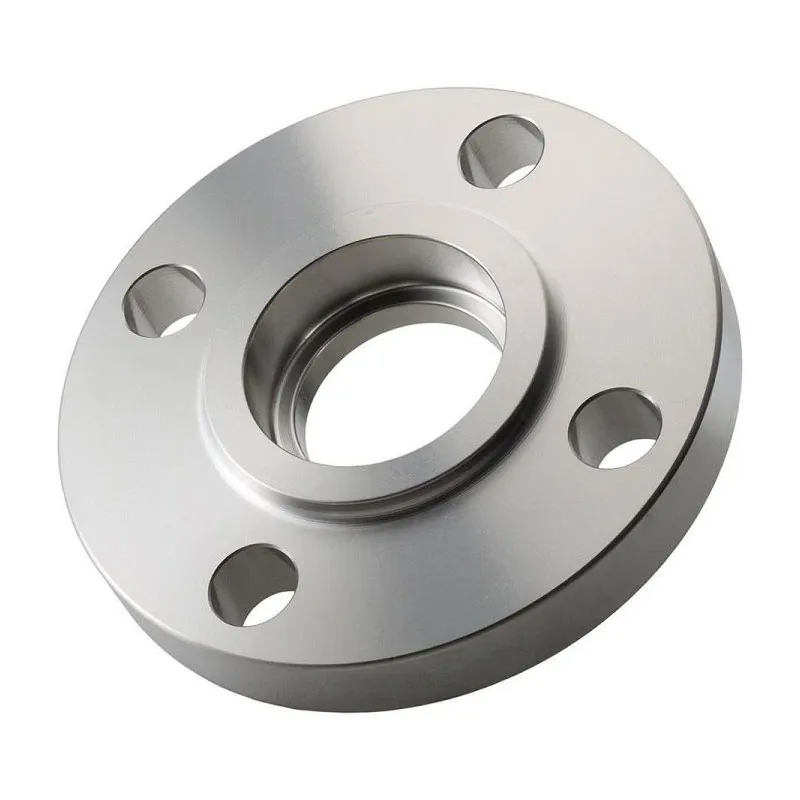
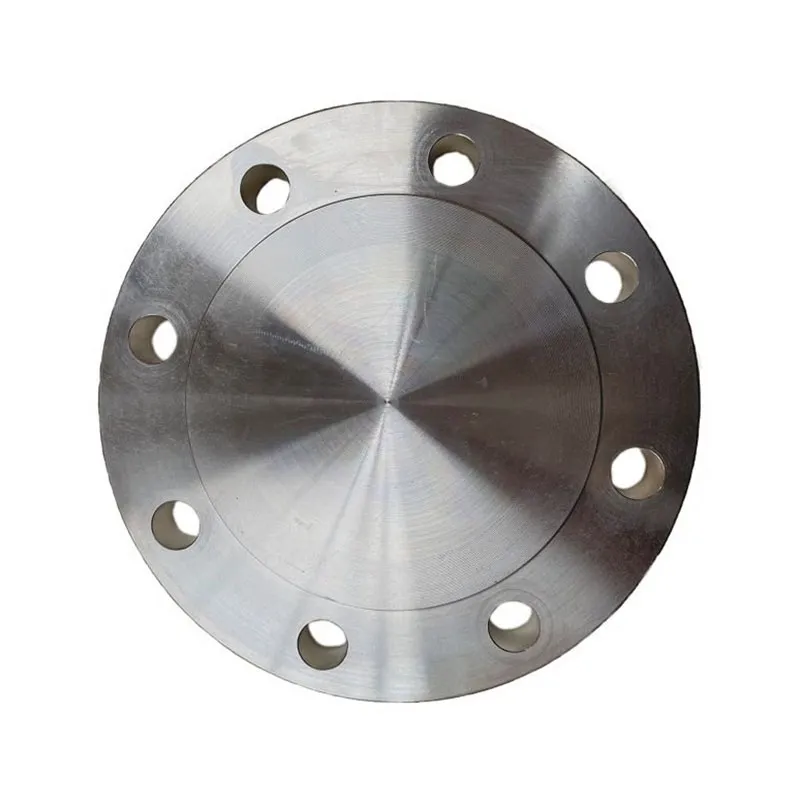
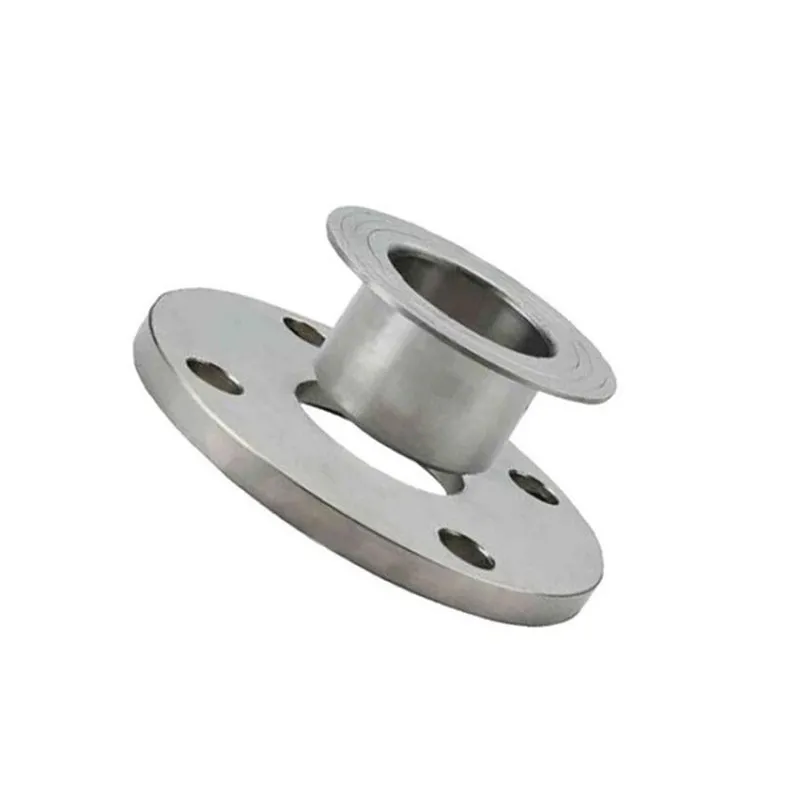
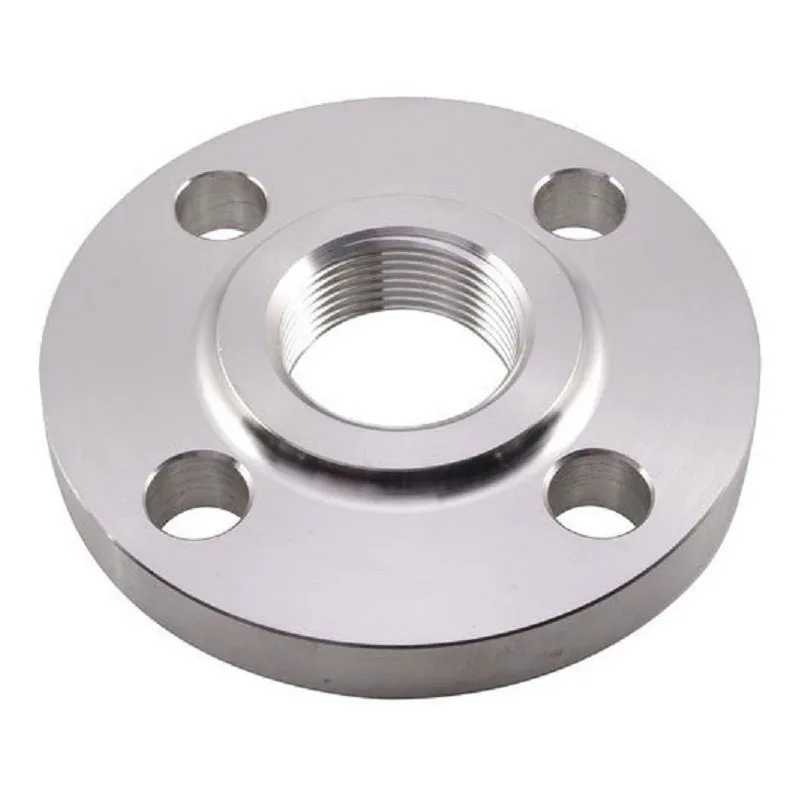
Best Sellingproducts
Best Selling Products-
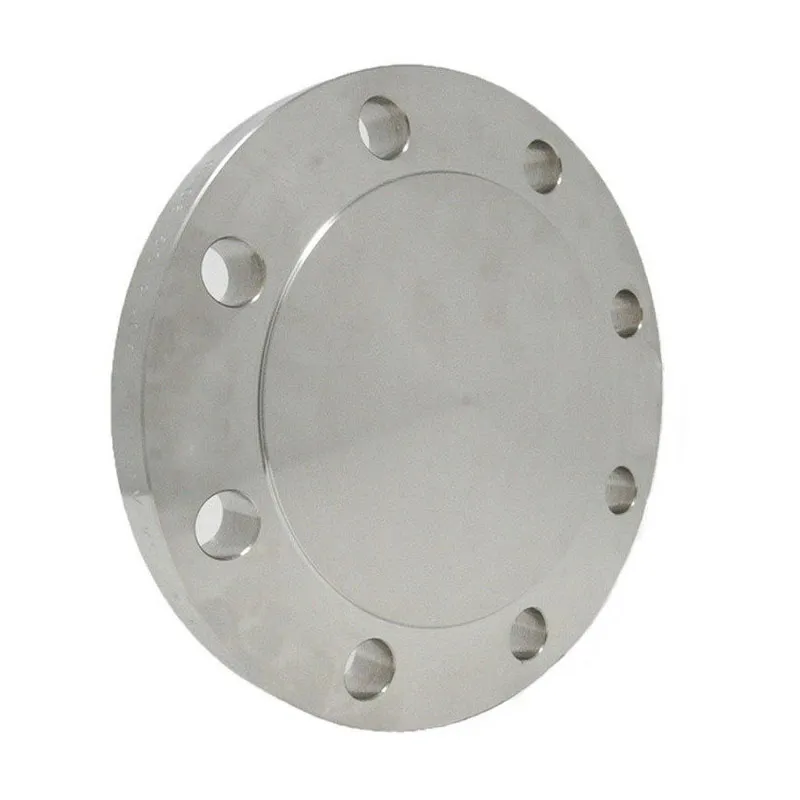 Blind flanges Class 150
 -
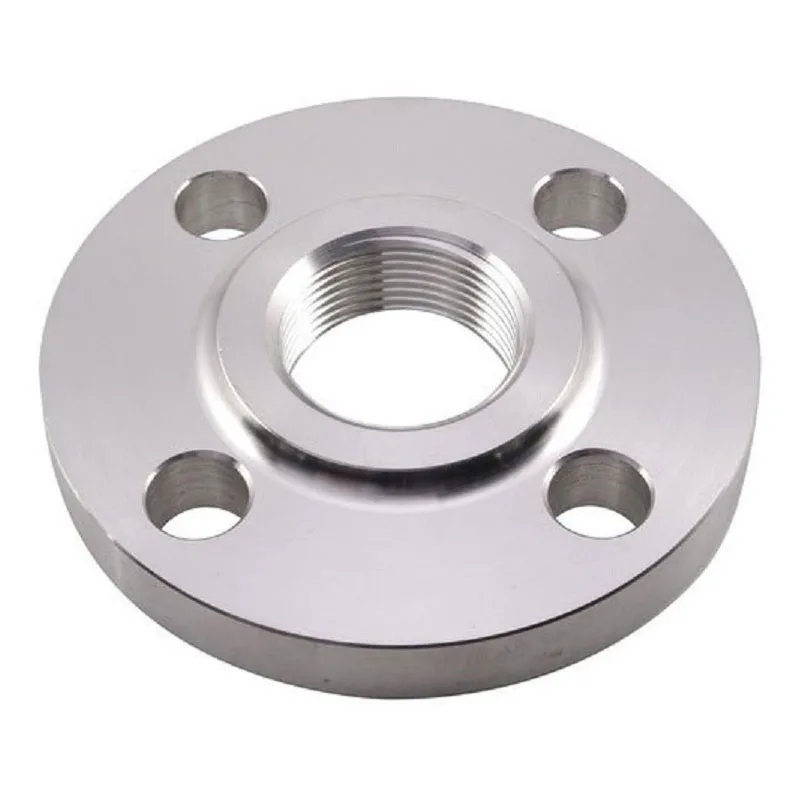 JIS 10K Threaded Flanges
 -
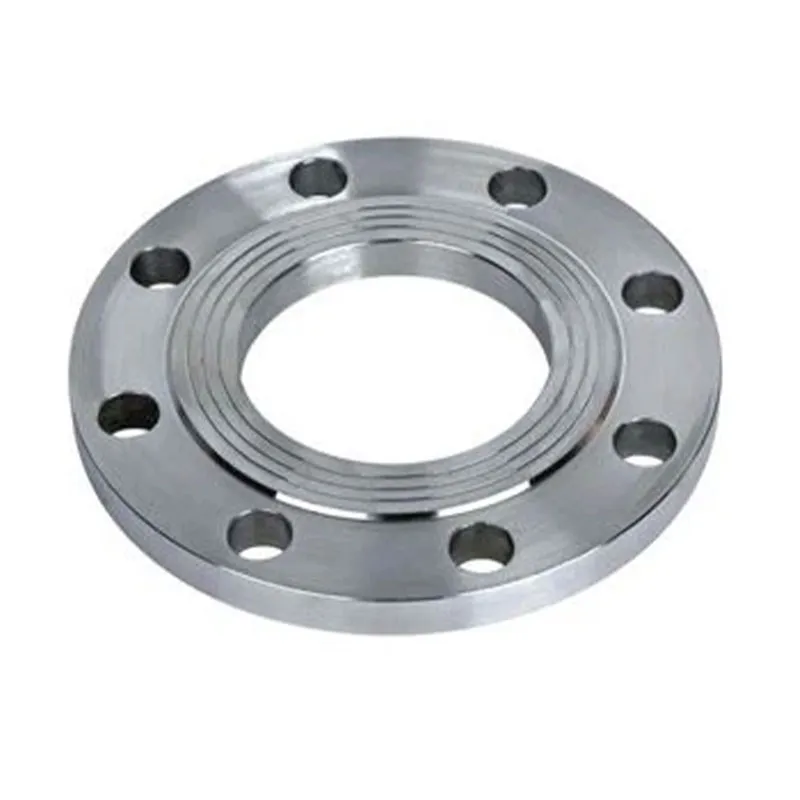 Butt weld flanges Class 150
 -
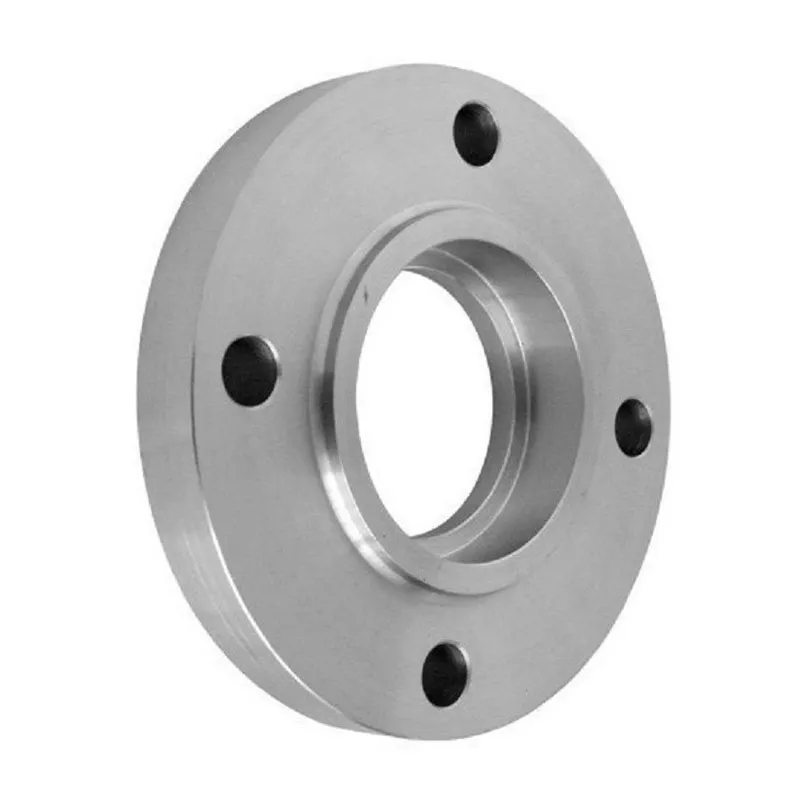 Socket Weld Flanges Class 300
 -
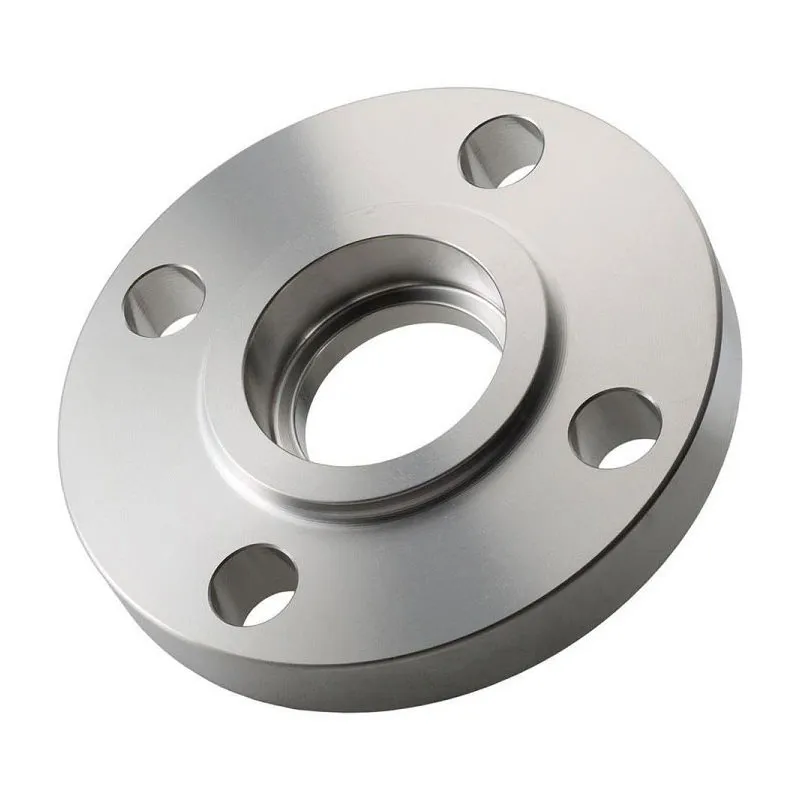 Flanges for socket welding
 -
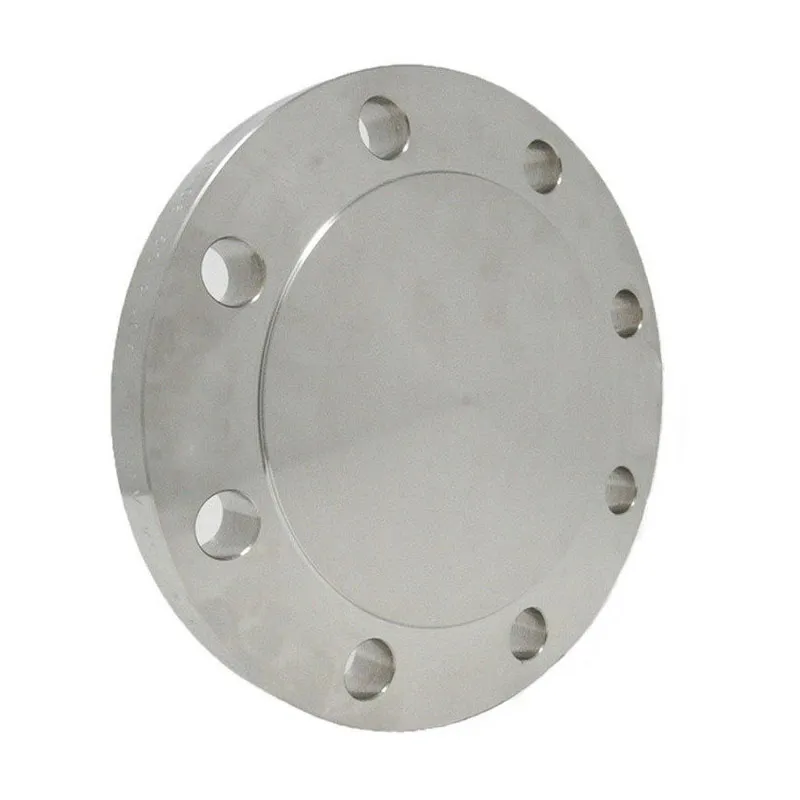 AWWA Blind Flanges Class D (Tables 1, 2, 3)
 -
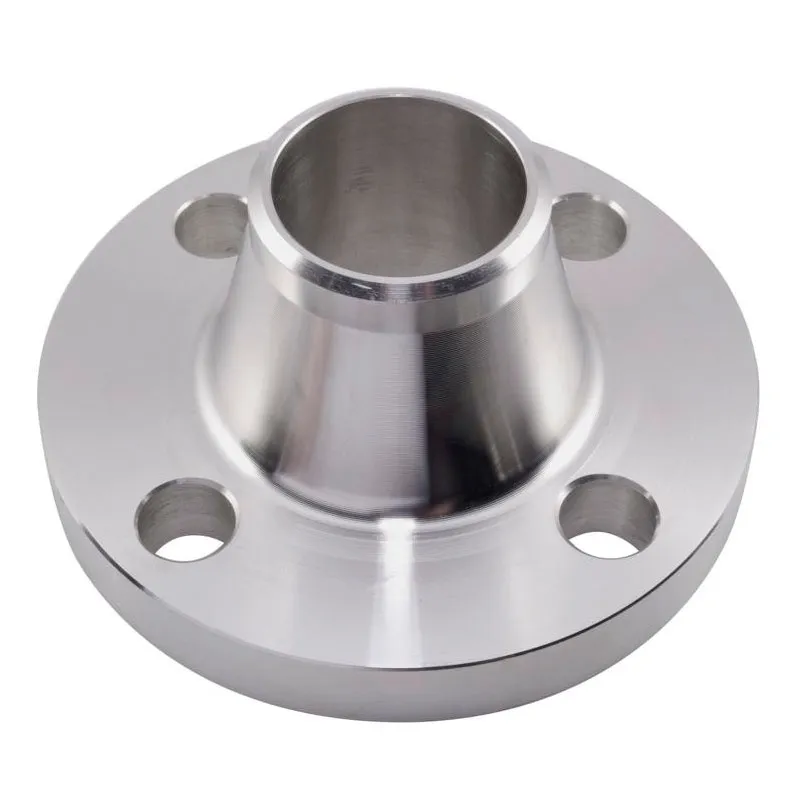 Butt weld flanges Class 900
 -
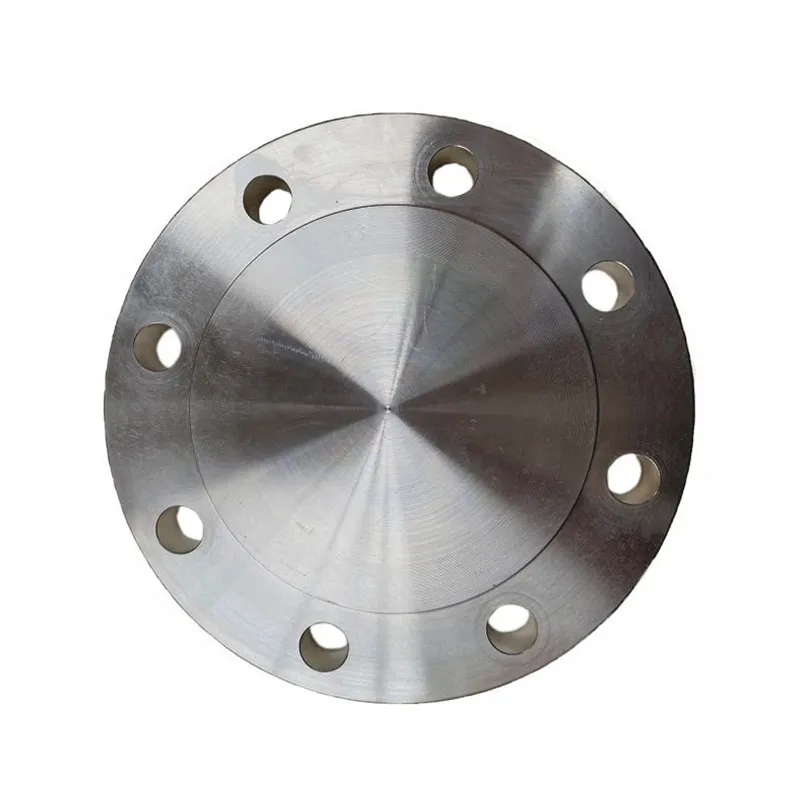 DIN 2527 Blind flanges PN10
 -
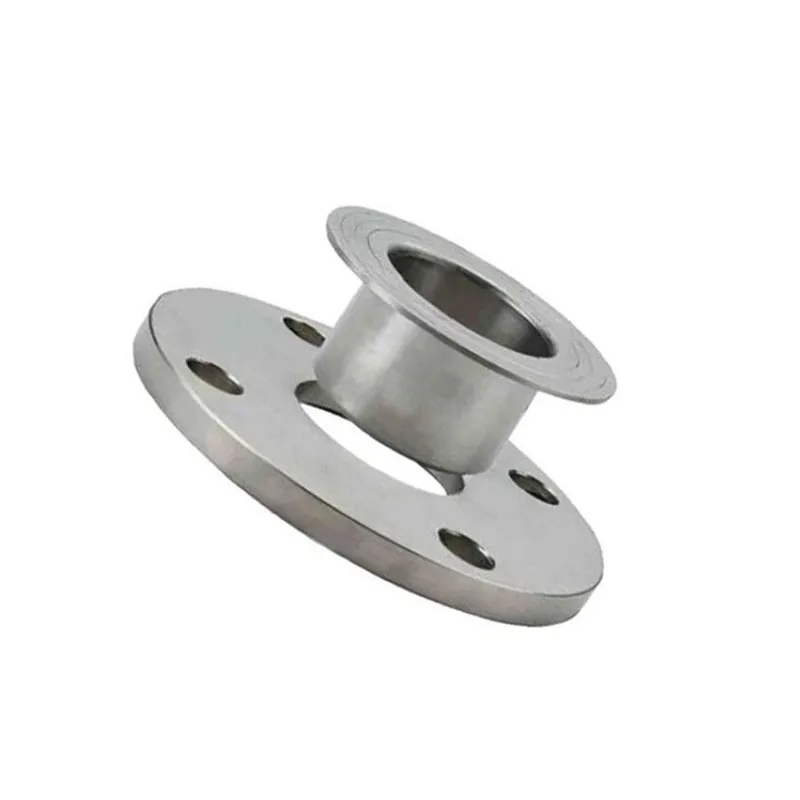 Free ring flanges Class 400
 -
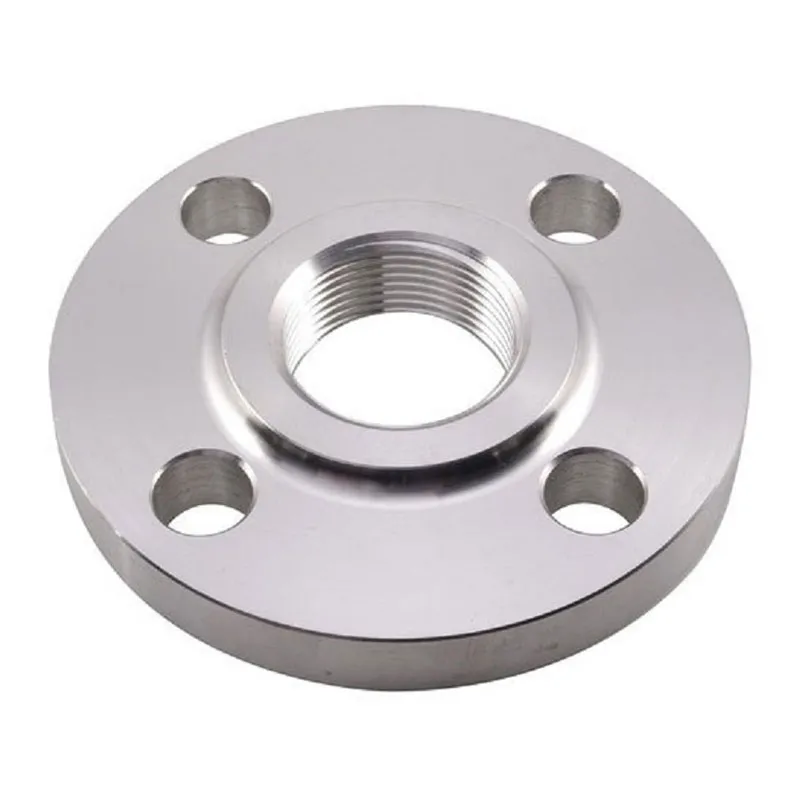 JIS 10K Overlay flanges
 -
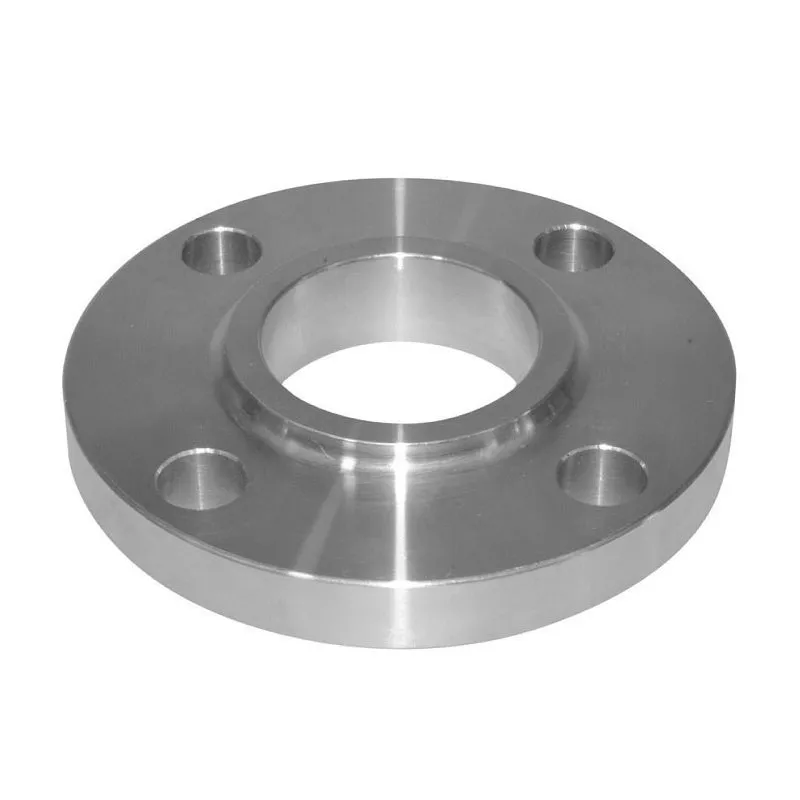 ANSI B16.5 Lap-on flanges Class 1500
 -
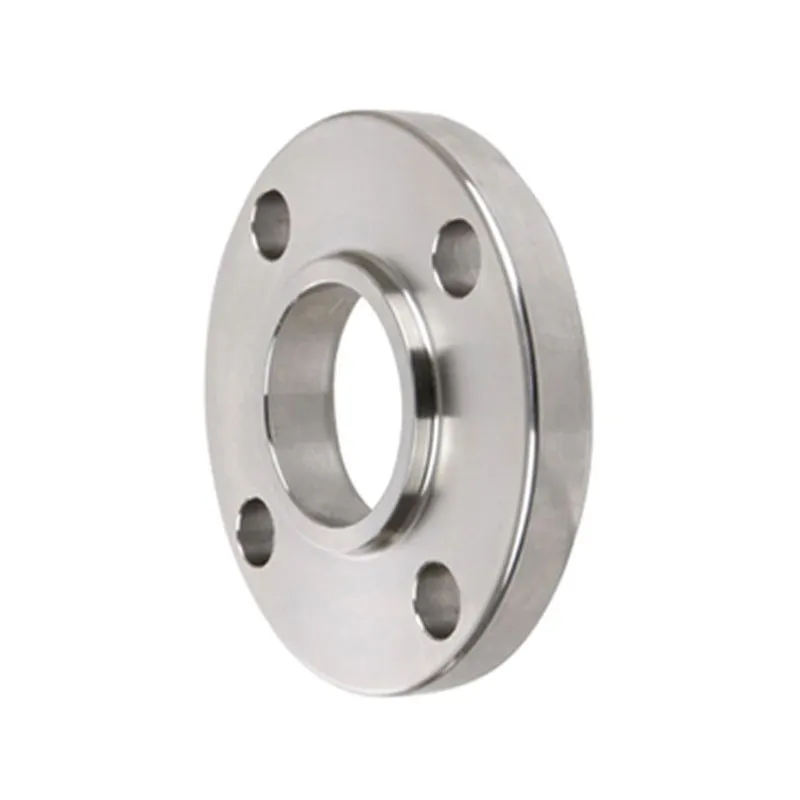 ANSI B16.5 Lap-on flanges Class 300