
-
-
Phone
+86-13623462298



flange rings
When people talk about flange connections, everyone immediately remembers the flanges themselves, bolts, and gaskets. And aboutflange rings- often somehow casually, supposedly a trifle. But it is precisely this “trifle” - under the welded ring (RTJ) - can be the source of the most unpleasant surprises on site. I have encountered many times when a customer, saving on rings or taking whatever was at hand, then spent months dealing with leaks at high pressure. And it would be okay if the environment is standard, but when it is aggressive or high-temperature, there is no time for saving.
Major Confusion: Types of Rings and Their Real Applications
The first thing you constantly have to struggle with is a lack of understanding of the difference between rings according to different standards. Let's say they take a ring according to ASME B16.20 for connection under a ring joint type gasket, and a flange according to GOST 33259. It seems that the profile is similar, and the nominal size is the same. But the angle of the sealing surfaces and radii are different. As a result, the installers try hard to tighten it; the connection seems to hold when cold, but when it warms up, it leaks. And it begins: they blame metal, welding, but the point is incompatible standards.
It is important here not to simply require “ASME rings,” but to clearly indicate the type (R, RX, BX) and material. For ordinary hydrocarbons, mild steel A105 is often sufficient, but for hydrogen sulfide-containing environments, a material with a Brinell hardness of no higher than 22 HRC is already needed, otherwise there is a risk of cracking. I saw a case at one compressor station, where rings made of 316 stainless steel were installed without hardness control - after six months of operation, cracks appeared. Replacing with rings made of Inconel 625 solved the problem, but the downtime and the work cost a pretty penny.
Therefore, in my practice, I now always check with suppliers not only the certificate of conformity, but also test reports for hardness and impact strength. Especially when it comes to northern projects or objects with cyclic loads. By the way, good manufacturers, likeShanxi Hongkai Forging Co.,Ltd(website -hkflange.ru), who specialize in forged flanges and forgings, usually immediately provide a full package of documents, including traceability before melting. This makes life a lot easier.
Practical difficulties of installation and pre-installation preparation
Even with a perfectly selected ring, you can make a mistake at the installation stage. The most common mistake is the lack of monitoring the condition of the grooves (groove) in the flange before installation. It happened that new flanges were brought to the site, and there were burrs or traces of corrosion in the grooves. If they are not removed with a fine file and degreased, the ring will not fit properly. This happened once - after hydrotesting, a drip leak was discovered on the high-pressure line. Disassembled - on the sealing surface of the ring there is a clear trace of a defect in the flange groove.
The second point is correct tightening. Here you cannot rely on the “sense of the moment?” from the installer. A torque wrench with a sequential tightening pattern (star) is required. Otherwise, a misalignment is created, the ring is deformed asymmetrically, and the tightness is broken. Particularly critical for large diameters, from DN600 and above. I remember a project with a DN1000 pipeline where, during the commissioning phase, due to uneven tightening, the sets of rings had to be changed three times until a strict protocol was implemented with torque control for each bolt.
And third is storage. It would seem like a small thing. But ifflange ringsstored in bulk in a box, without individual packaging, they develop nicks and dents. Then they try to “roll them in?” when tightened it is useless. The seal will not be tight. Now I demand that goods be delivered to the warehouse only in separate, oil-stained bags or labeled containers.
Choice of material: not only steel and stainless steel
In specifications they often write simply: “metal ring?”. But everything depends on the material. For standard conditions (water, steam, oil up to certain temperatures) forged carbon steel is used. But if the environment contains chlorides, alkalis or high temperatures (above 500°C), you need to look towards nickel-based alloys - Inconel, Hastelloy.
I had experience with a condensate line where, according to the design, there were rings made of 304 stainless steel. After a year of operation in an environment with even low chloride content, stress corrosion cracking began. Replaced with Inconel 600 rings and the problem went away. Expensive? Yes. But it’s cheaper than stopping production for unscheduled repairs.
An interesting option for non-standard conditions is soft iron rings according to BS EN 1092-1 standard. They perform well under variable loads, as they are more flexible. But they cannot be used at temperatures above certain temperatures - the material begins to “float”. You should always check the permissible pressure and temperature chart for a specific material.
In this regard, it is convenient to work with manufacturers who have a wide range of products and can manufacture products according to different standards. Here, for example,Shanxi Hongkai Forging Co.,Ltd(a manufacturer from China, one of the main ones in the forging and pressing industry) in its line just indicates the possibility of production in accordance with GOST, ASME, EN, DIN and other standards, including non-standard products according to drawings. This means that rings can be ordered to fit a specific, even unique groove, which is sometimes the only option for repairing old equipment.
Non-standard situations and adaptation to them
In life, everything rarely goes strictly according to plan. Often you have to improvise. The classic case is when you need to replace a flange on an existing pipeline, but the groove in the old flange is worn or damaged. Just putting on a new standard ring is not an option, it won’t fit.
Then the solution is to measure the actual geometry of the groove (with a caliper, or better yet, with a profilometer, if available) and order a non-standard ring with an increased height or a changed angle. They did this at a gas pumping station: they took the dimensions and sent the drawing to the manufacturer. Three weeks later we received a batch of rings that fit perfectly. The key here is the accuracy of the measurements and the choice of a reliable supplier who will withstand the geometry.
Another non-standard situation is the transition from one type of seal to another. Let’s say there was a connection with a flat gasket, but due to increased requirements for tightness, they decided to switch to a “ring-groove” type connection. This entails replacing the flanges or, at a minimum, machining their ends to cut new grooves. The work is delicate and requires a precise machine and experience. Not every installation site will be accepted.
Interaction with suppliers: what to look for
Qualityflange ringsstarts with production. Forging here is preferable to casting - the metal structure is denser, without shells. It is important that the forging undergoes heat treatment (normalization, tempering) to relieve internal stresses. Otherwise, during machining, the ring may “fail” and the geometry will be disrupted.
When requesting an offer, I always look not only at the price, but also at the technological chain. Does the plant have its own forge? Chemical composition control? Leak tests (not always carried out for rings, but for critical applications it is a must have). Previously mentioned companyShanxi Hongkai Forging Co.,Ltdpositions itself precisely as a manufacturer of forged flanges and forgings, which already indicates control over the process from the workpiece.
A very useful sign is a willingness to make a trial batch or provide samples for testing. One time we ordered two sample rings for testing in the laboratory for crushing and cyclic loading. Based on the results, the hardness for the main batch was slightly adjusted. The supplier cooperated, and in the end the product worked flawlessly.
And lastly, packaging and labeling. Each ring must be clearly marked (standard, material, size, heat number). This is not bureaucracy, but a necessity for traceability. If suddenly there is a problem in the future, you can quickly understand which batch it was from.
Final Thoughts: Savings vs. reliability
To sum it up, I want to say that withflange ringsYou can’t approach it from the position of “if only it’s cheaper?”. Their cost is a tiny fraction of the cost of the entire flange connection, and even more so of possible losses in the event of an accident or downtime. Saving 10-15% on rings can result in ten times more costs for repairs.
The main principle that I learned from practice: you need to select a ring not for a flange, but for specific operating conditions (medium, pressure, temperature, dynamic loads) and for a specific flange groove standard. And always have a spare set on site - in case during installation one ring falls into the mud or gets damaged. It’s a small thing, but the schedule saves me.
Working with trusted manufacturers who understand the essence of the product, and do not just sell metal mugs, is half the success. Attention to detail at the preparation stage, strict control of installation - the second half. Then the connection will last for decades, as it should be.
Correspondingproducts
Related Products
Best Sellingproducts
Best Selling Products-
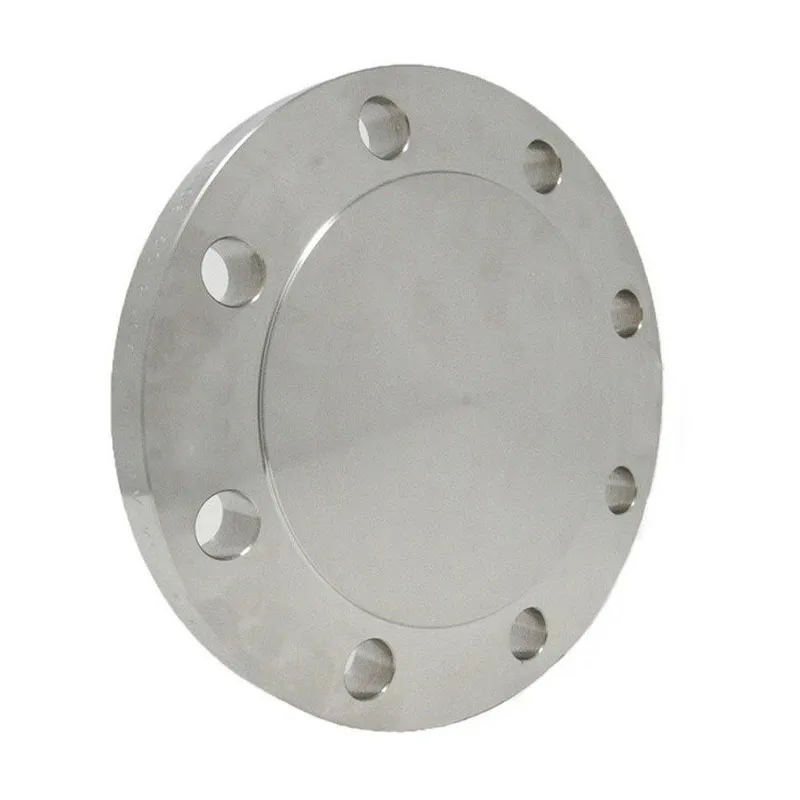
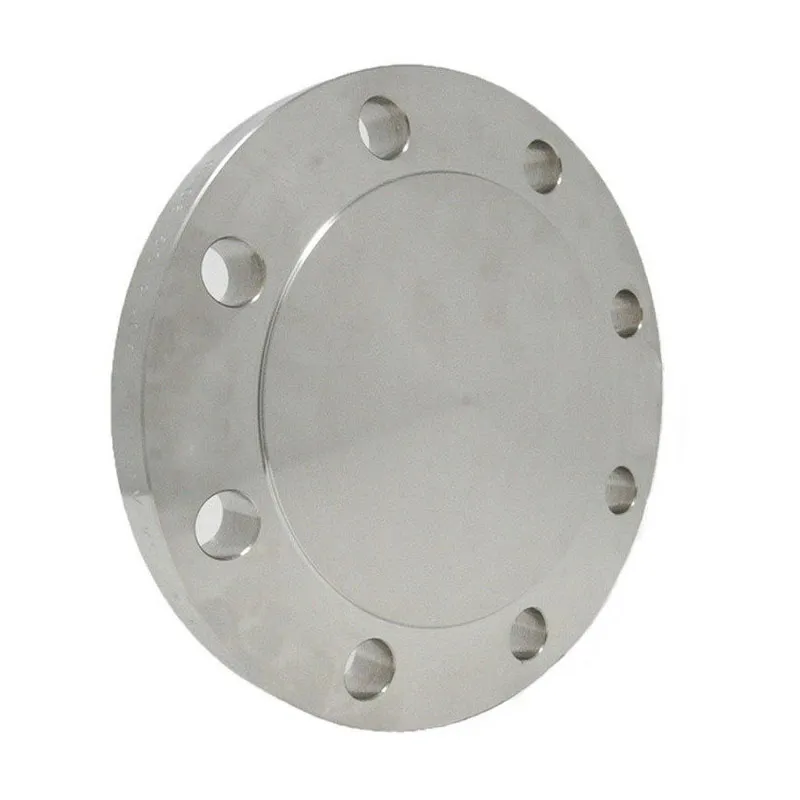 AWWA Blind Flanges Class D (Tables 1, 2, 3)
 -
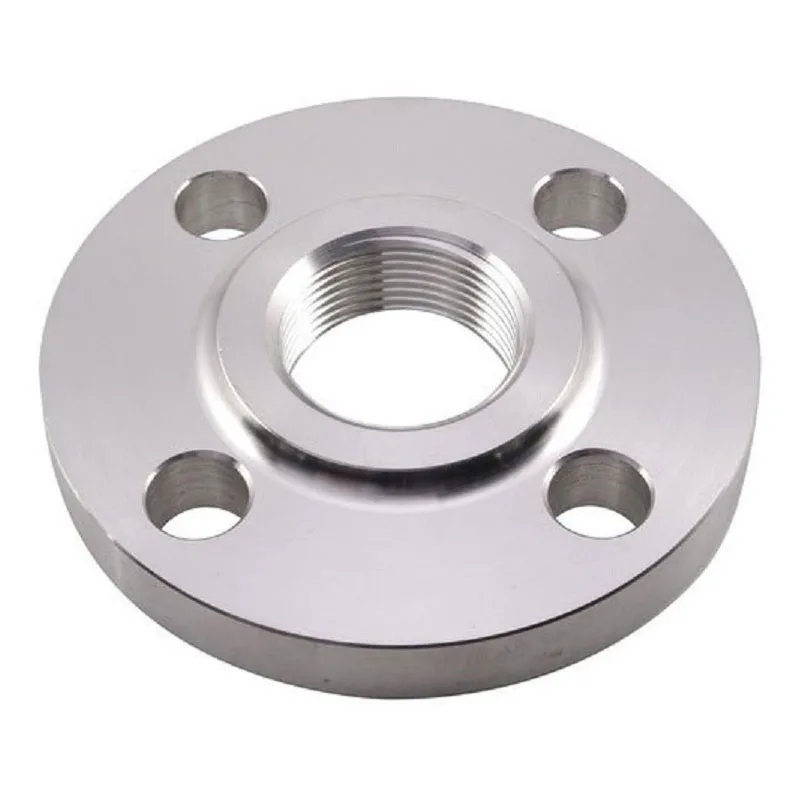 JIS 10K Threaded Flanges
 -
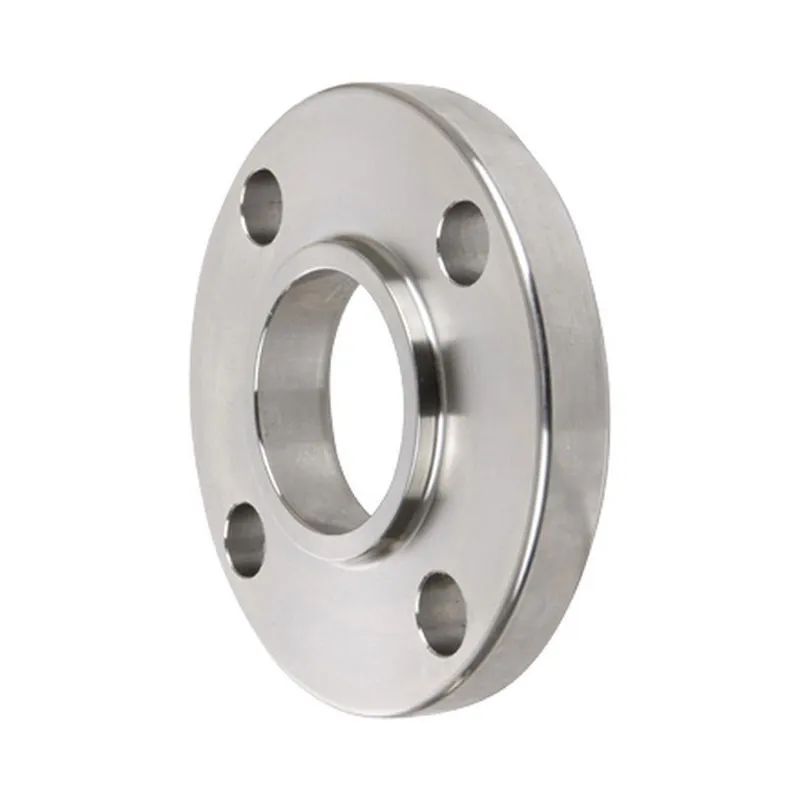 DIN 2501 Overlay flanges PN16
 -
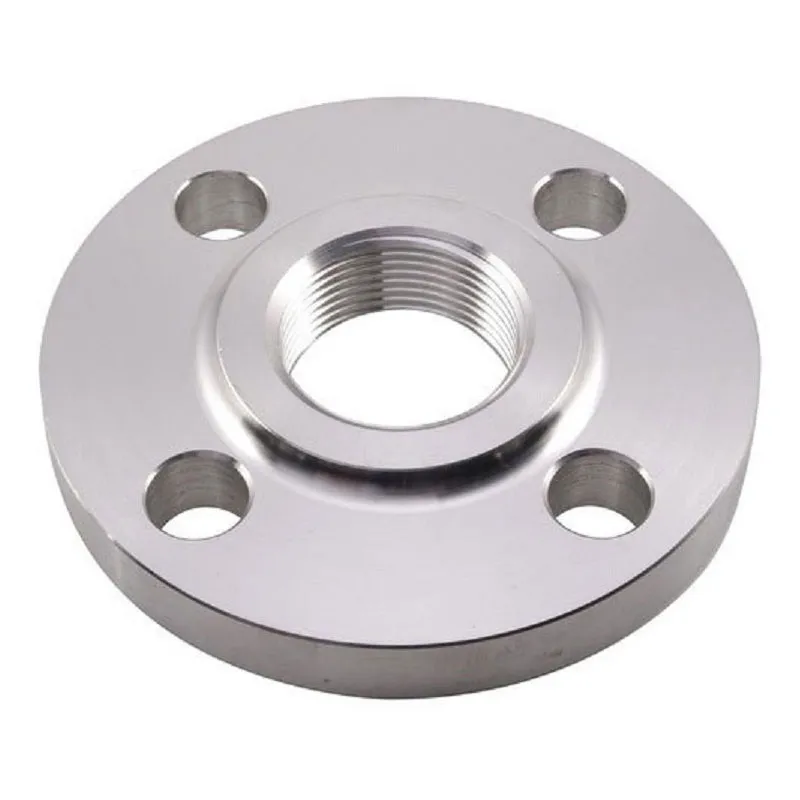 DIN 2565 Threaded flanges PN6
 -
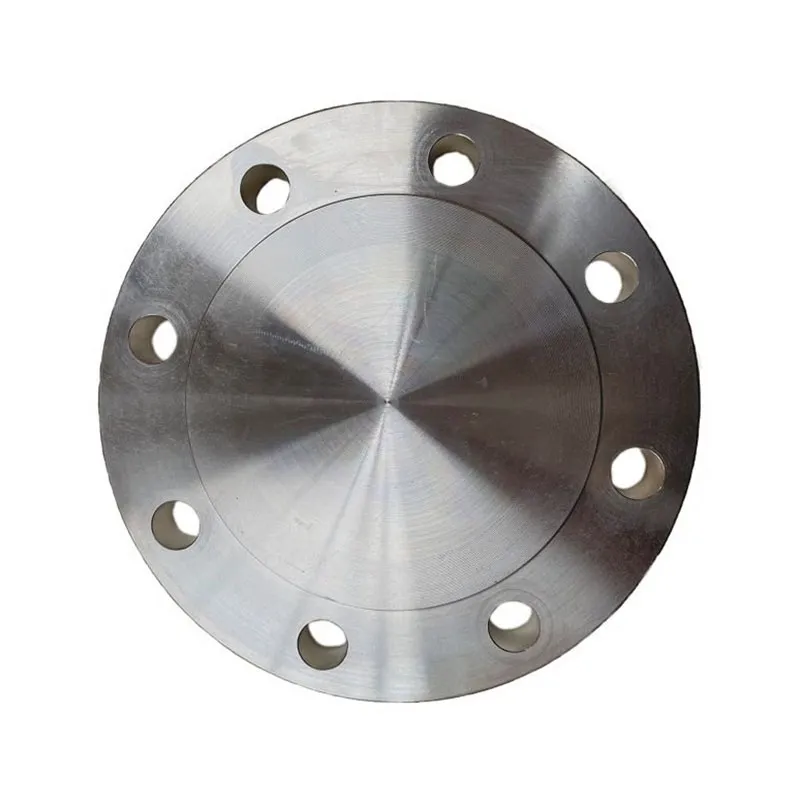 UNI 6092 Blind flanges PN10
 -
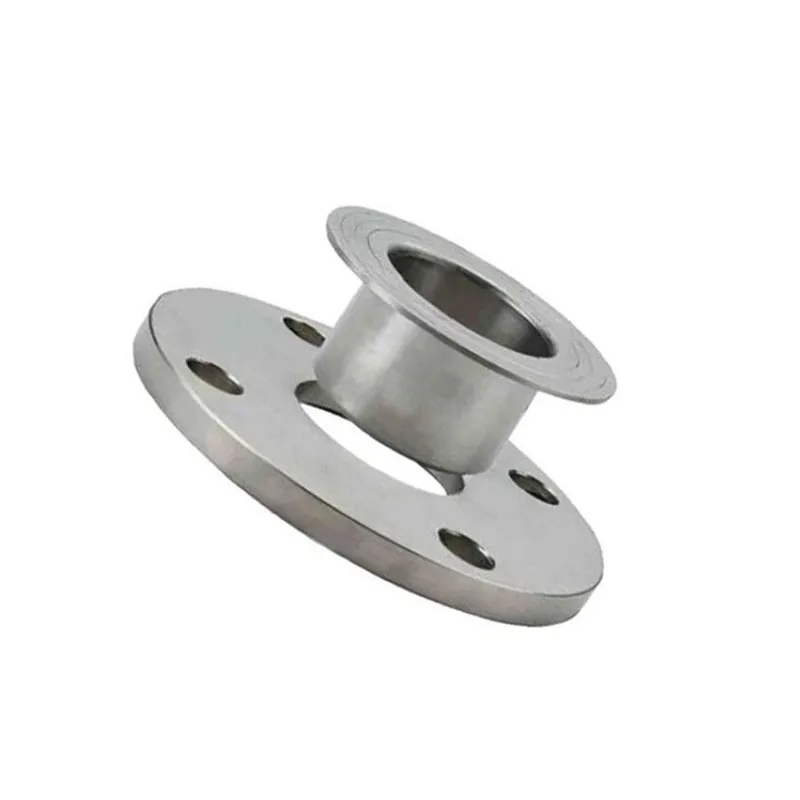 Free ring flanges Class 400
 -
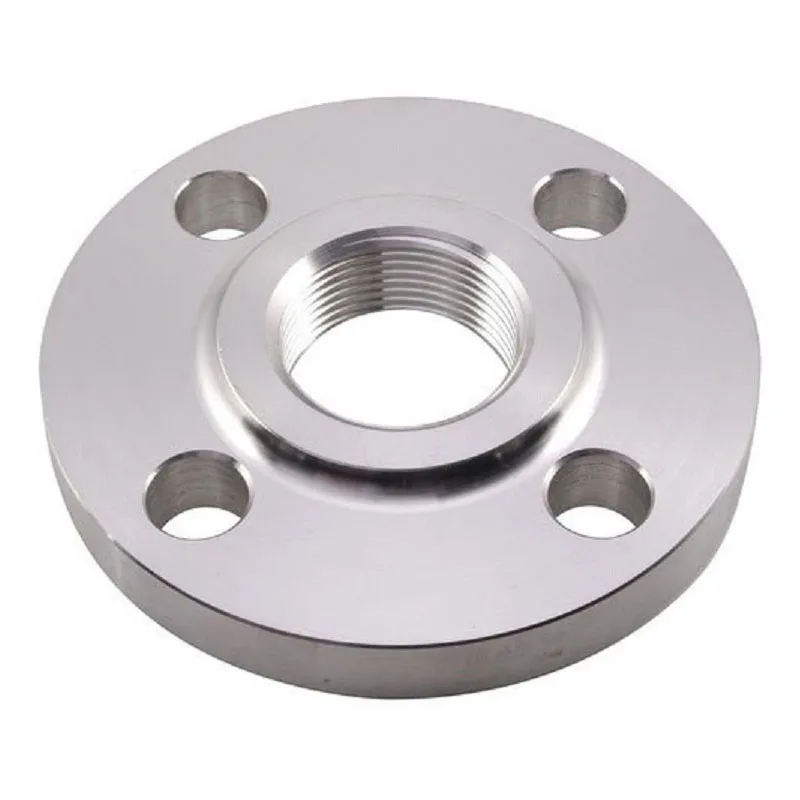 DIN 2566 Threaded flanges PN16
 -
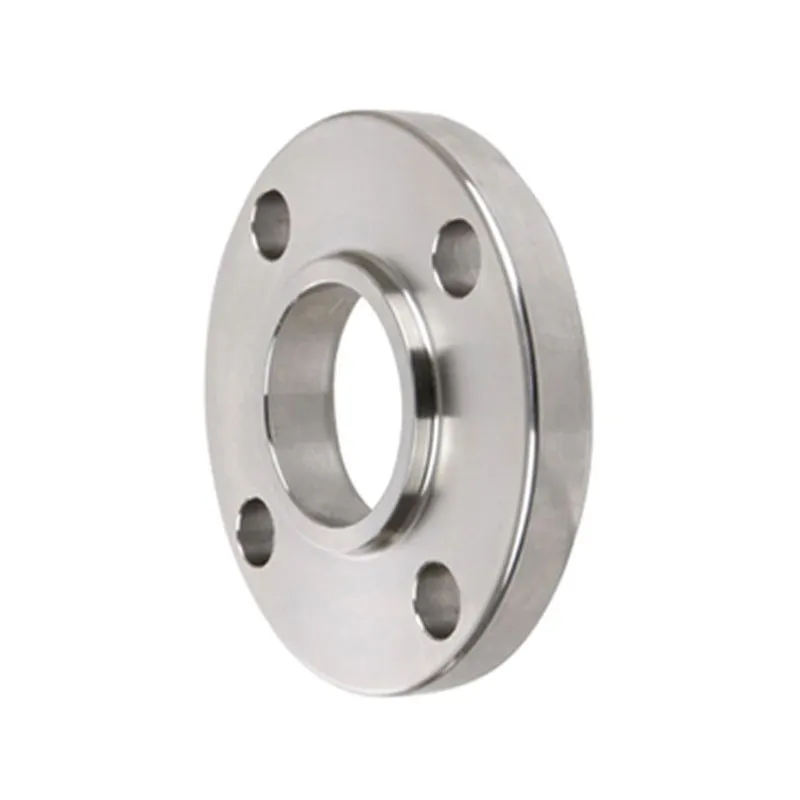 ANSI B16.5 Lap-on flanges Class 300
 -
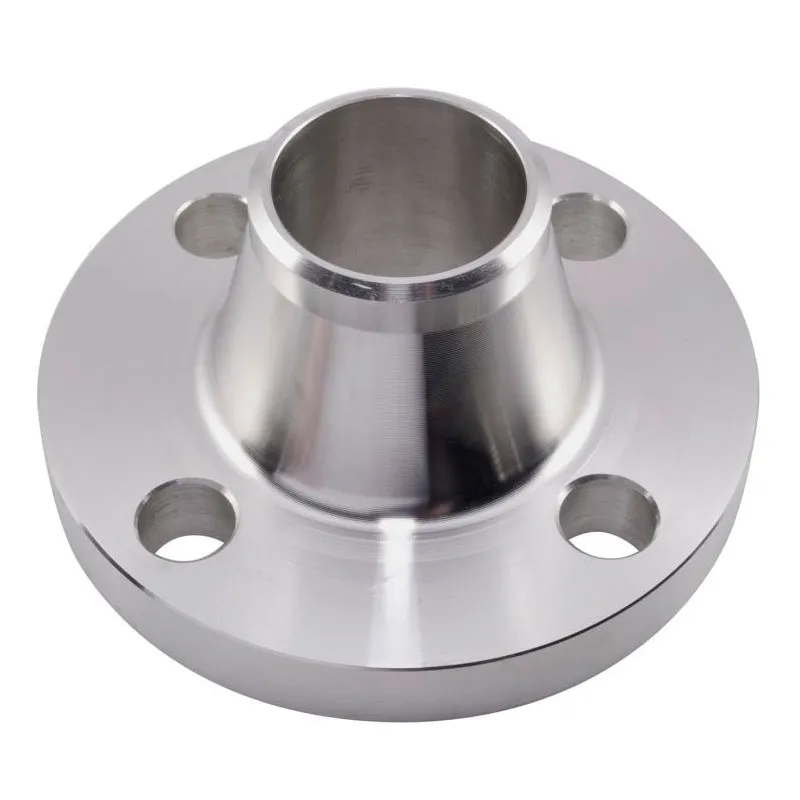 UNI 2281 Butt weld flanges PN10
 -
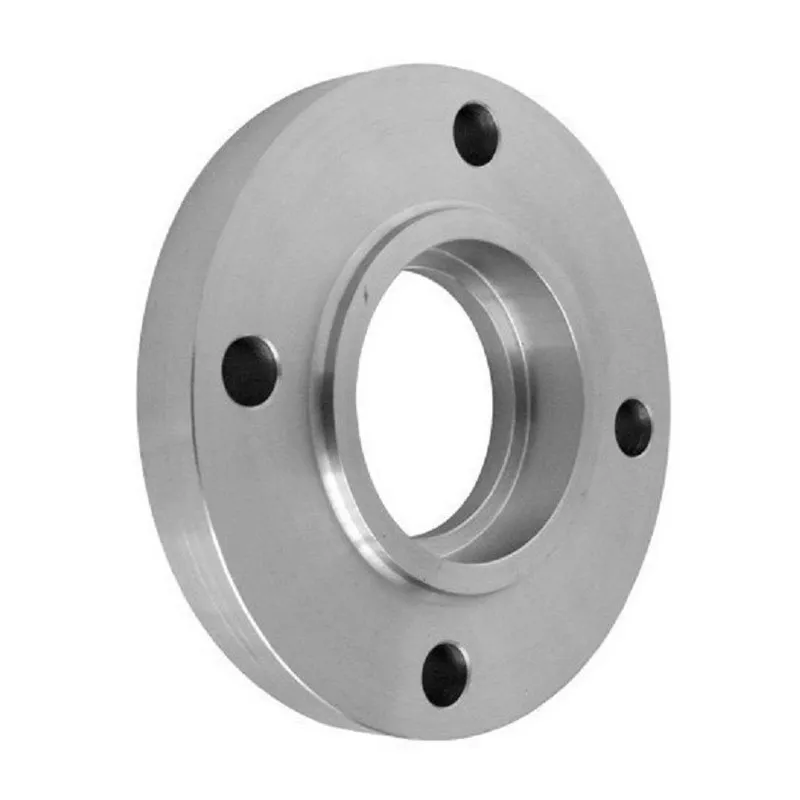 JIS 5K Socket Weld Flanges
 -
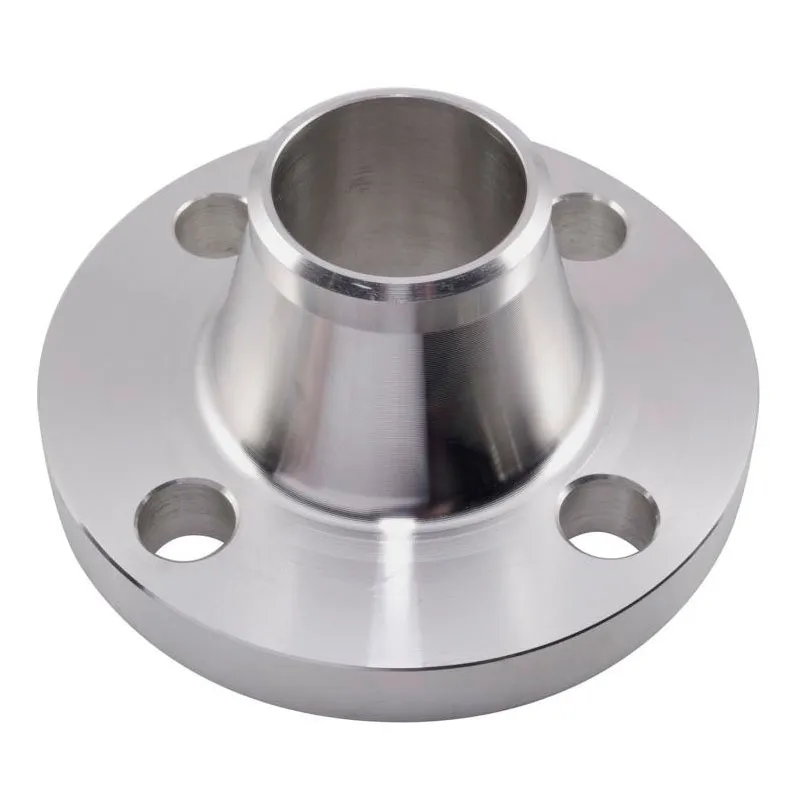 DIN Butt weld flanges PN10
 -
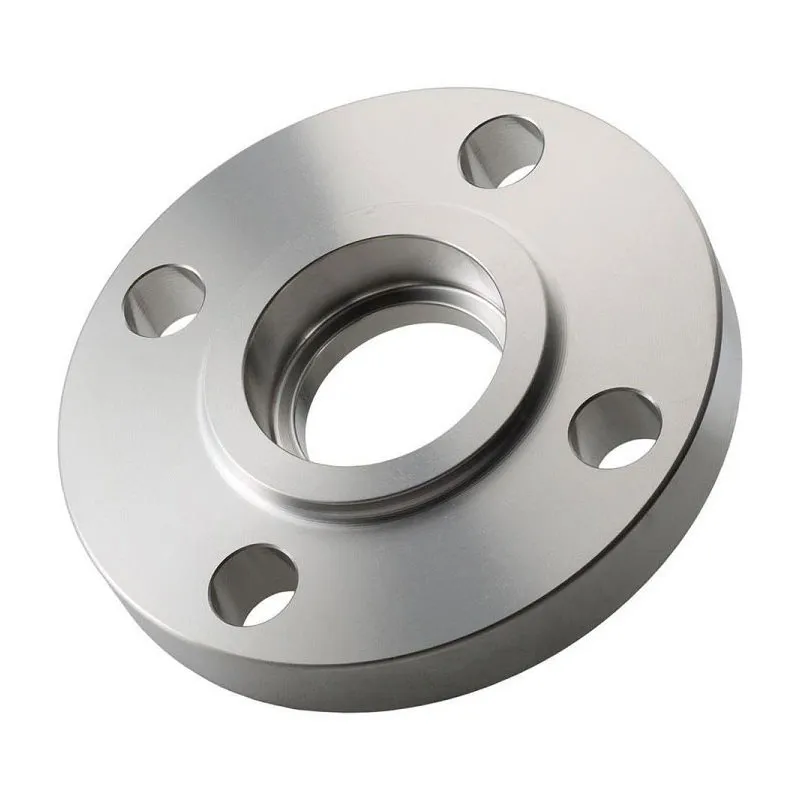 Flanges for socket welding