
-
-
Phone
+86-13623462298



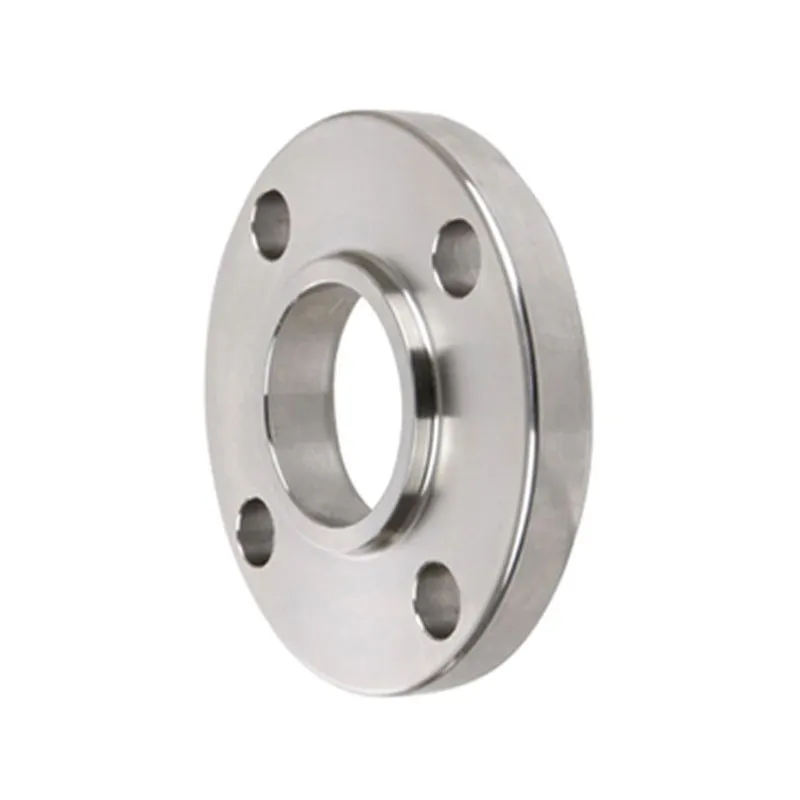
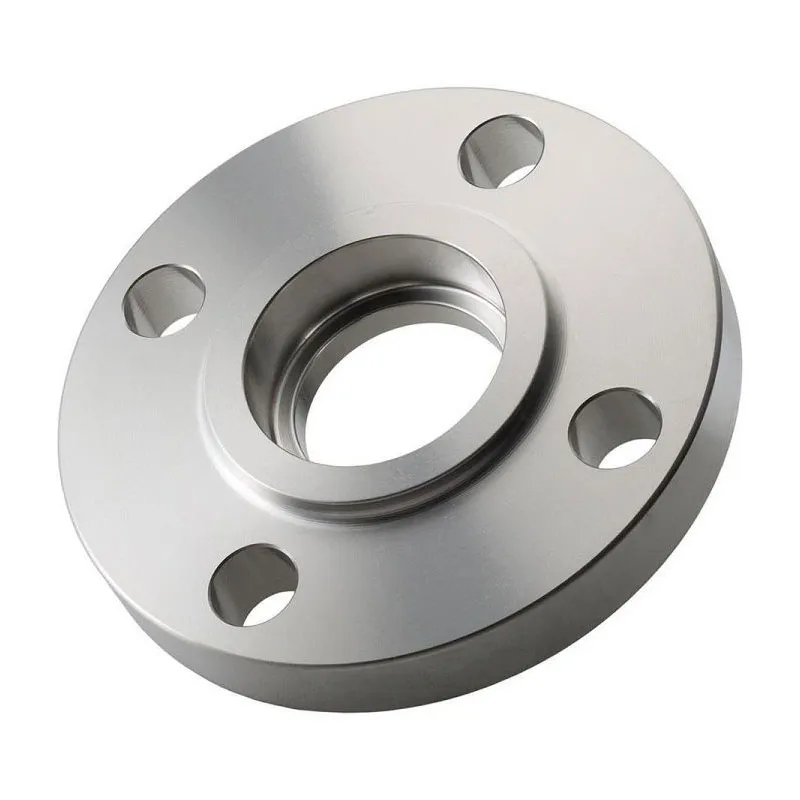
faucet flange
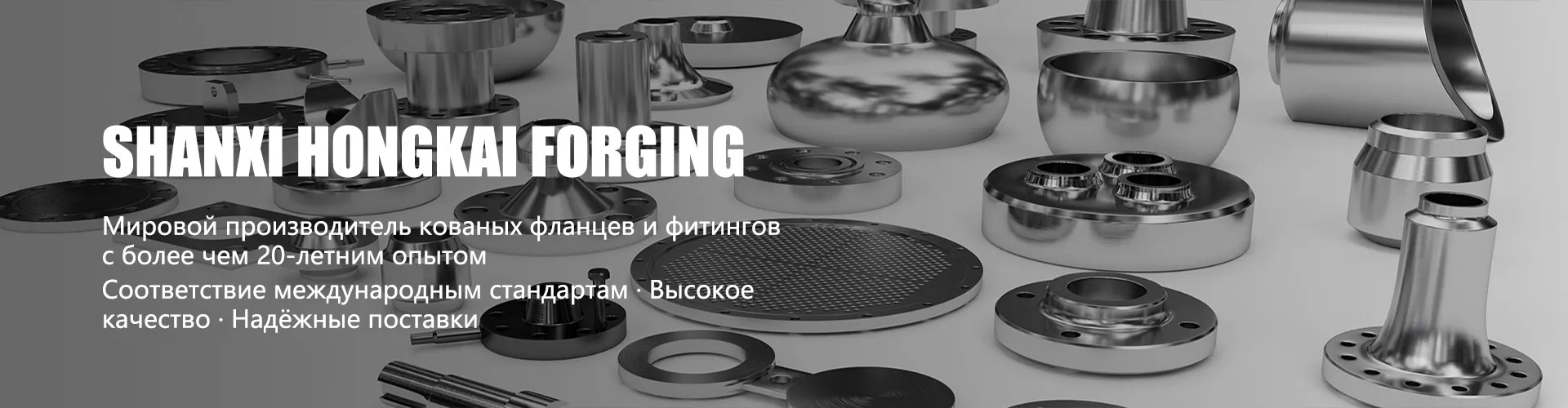
When they say “flanged valve,” many people immediately imagine just an assembly with bolts. But in practice it’s a whole story. Especially when it comes to selecting a flange for a specific faucet. A common mistake is to assume that any stainless steel or carbon steel flange will do as long as the holes line up. In fact, if the flange on the tap and the flange on the pipeline are made according to different standards (say, ASME B16.5 and GOST 33259), problems may arise with the geometry of the sealing surface, and tightness will be in question. It's not just a detail, it's the point where pressure, environment and responsibility converge.
Standards and realities: where the discrepancy lies
Specifications often write briefly: “ball valve, flange, DN100, PN16?”. It would seem that everything is clear. But PN16 is the conditional pressure according to European standards (EN). What if the pipeline is designed according to Russian standards, where RU (working pressure) or old designations are used? Or, more interestingly, according to the American ASME, where the pressure class is designated as Class 150, 300, and so on? Nominally they are close, but the connecting dimensions, especially the thickness of the flange and the protrusions for the gasket, may differ. I came across a situation where valves with flanges according to EN 1092-1 were brought to the site, and the pipes were welded to GOST flanges. During installation, it turned out that the holes for the studs seemed to coincide, but the distance from the axis to the thrust surface (thickness) was different. As a result, ordering new adapter flanges, simple, rework.
Therefore, now, when ordering, I always specify: “Flange to what specific standard?” This is where it helps to deal with manufacturers who work with a wide range of regulations. For example, on the siteShanxi Hongkai Forging Co.,Ltd (https://www.hkflange.ru) it is expressly stated that they manufacture forgings and flanges in accordance with GOST, ASME, EN, DIN and other standards. This is not just a line in the description - for an engineer it means that you can request a flange for a faucet that will be connected, for example, to a pipe according to DIN, but at a facility with a predominant fleet of equipment according to GOST. They also make non-standard products according to drawings, which often saves the day when upgrading old systems.
Another nuance is the material of the valve flange. Often the valve is made of casting (for example, ductile iron or 25L steel), and the flange is part of the body. But if the environment is aggressive, stainless steel is required. And then the question arises: a solid stainless steel body or a steel faucet with welded stainless steel flanges? The second option is often cheaper, but requires quality control of the weld. This is where the reliability of the flange as a forging rather than a casting comes to the fore. Forging producedShanxi Hongkai Forging Co.,Ltd, just gives the best metal structure for critical compounds.
Installation: theory from the catalog and ?asphalt? practice
In the catalogs the picture is perfect: clean flanges, straight gaskets, studs, tightened to the perfect torque. On the site there is dirt, displacement of the pipe axes, access with a wrench only from one side. The main problem withflanged valve— this is to ensure alignment during installation. If the pipes are ?gone? even by a few millimeters, it will be difficult to tighten the valve flanges. When you start pulling the studs, you create stress in the valve body. For ball valves this is critical; it can damage the seats or the ball itself.
Hence the rule of thumb: first ?bait? All studs on the tap, without tightening, align it in place, and only then begin assembling the connection with the pipe. And here the geometry of the flange itself is important. If its end is not perpendicular to the axis of the crane passage (this also happens with cheap suppliers), then distortion will be inevitable. Therefore, we always check these parameters, especially for larger diameters, say DN300 and above.
Another point is the type of flange sealing surface. For taps, a ridge-recess (RF - Raised Face) is often used, less often - a tongue-and-groove (Tongue & Groove) or a connection for an oval gasket. It is important that the valve and counter flange have identical surfaces. Once we installed a faucet with an RF flange on a pipe with a flange for a flat gasket (FF - Flat Face). It seems that it can be pulled together with a flat gasket. But the standards do not recommend this combination for pressures above a certain level, since there is no limiting projection for the gasket. I had to change the flange on the pipe.
Large diameters and non-standard solutions
When it comes to large diameter valves, such as DN1000, DN2000 or even larger, for water mains or main pipelines, the story of flanges becomes even more interesting. The valve itself can be a ball or butterfly valve, but its flanges are no longer stamped, but a serious forging. The weight of such a flanged crane assembly can be calculated in tons.
In such projects, standard sizes from catalogs may not be suitable. An individual calculation for pressure, weight, and thermal expansion is required. And here the possibility of manufacturing according to customer drawings is in demand. The company mentioned earlierShanxi Hongkai Forging Co.,Ltd, indicates a range up to DN4000 and work according to drawings. This is not a publicity stunt - for large objects it is a necessity. I participated in a project where it was requiredflanged valveDN1400 for heating networks. The flanges on the faucet had to have a non-standard arrangement of holes for the studs (to match the existing valve) and additional reinforcement. We made forgings according to our technical specifications, and this solved the problem without reworking the entire assembly.
For large diameters, the cleanliness of the sealing surface is also critical. The slightest groove or sink - and a gasket 3-4 meters in diameter will not ensure tightness. Therefore, high demands are placed on the quality of the workpiece so that internal defects do not appear during machining.
Flange material and medium: from water to aggressive media
The choice of valve flange material is often dictated by the valve body material. But there are exceptions. For example, for the chemical industry, the valve body may be carbon steel lined with PTFE or other polymer, and the flanges should be AISI 316/316L stainless steel to resist external corrosion and ensure joint strength. Or vice versa - the faucet is made of stainless steel, but the flanges for connecting to a carbon pipe are also made of carbon steel, but with a stainless coating on the sealing surface.
It is important to understand here that a flange is not just a ring with holes. This is a part of the structure that bends and shears due to tightening forces and environmental pressure. If carbon steel flanges are suitable for standard pressures (PN16, PN40), then for high parameters (PN100, Class 600) or low temperatures a test for the impact strength of the material is required. Forging, again, is preferable to casting here due to the uniformity of the structure.
On the websitehkflange.ruThe product description shows that the company focuses on forged flanges. This is the right emphasis for demanding applications. Forging provides direction to the metal fibers, increasing mechanical strength. For a valve flange, which constantly experiences cyclic loads from opening and closing and pressure pulsation, this is a significant factor.
Summary: what to look for when choosing
So, choosingflanged valve, it cannot be considered separately from the system into which it will fit. The first is to check the flange connection standards (not only DN and PN, but also the specific performance standard: GOST, EN, ASME). Second, pay attention to the flange material and its manufacturing technology (forging for critical components is more reliable). Third, think through the installation situation, the possibility of adjustment and alignment.
Working with trusted component manufacturers, such asShanxi Hongkai Forging Co.,Ltd, which can offer products according to different standards and for non-standard tasks, saves time and nerves at the installation and commissioning stage. Their specialization in forged flanges indicates their focus on a segment where reliability is important, and not just price.
Ultimately, the flange connection of a valve is not a piece of hardware, but an interface between the equipment and the pipeline. Its quality determines whether this interface will be a point of reliability or a constant headache. There are no trifles here.
Correspondingproducts
Related Products
Best Sellingproducts
Best Selling Products-
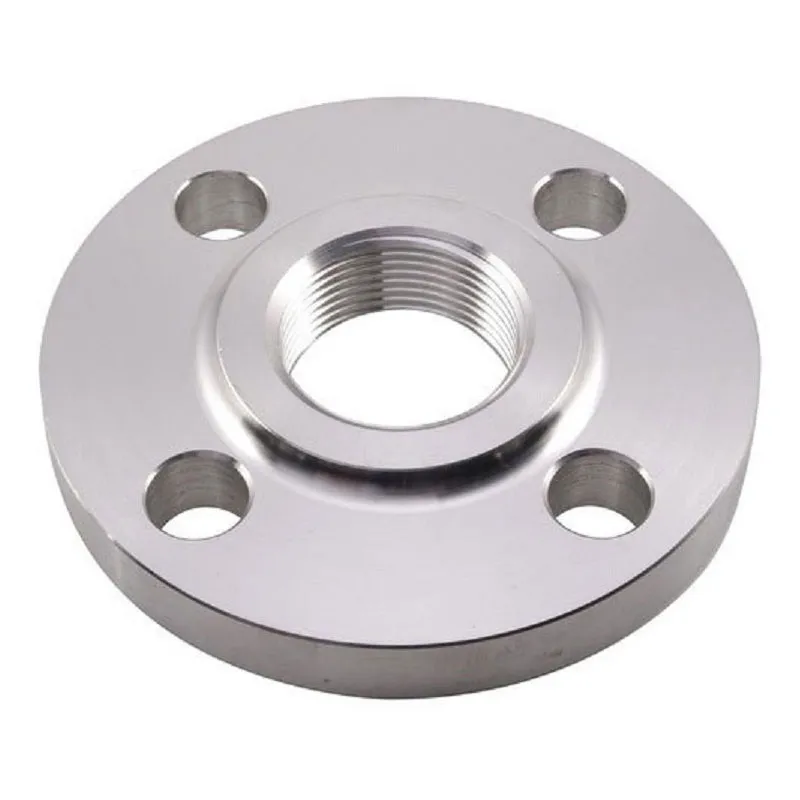 DIN 2565 Threaded flanges PN6
 -
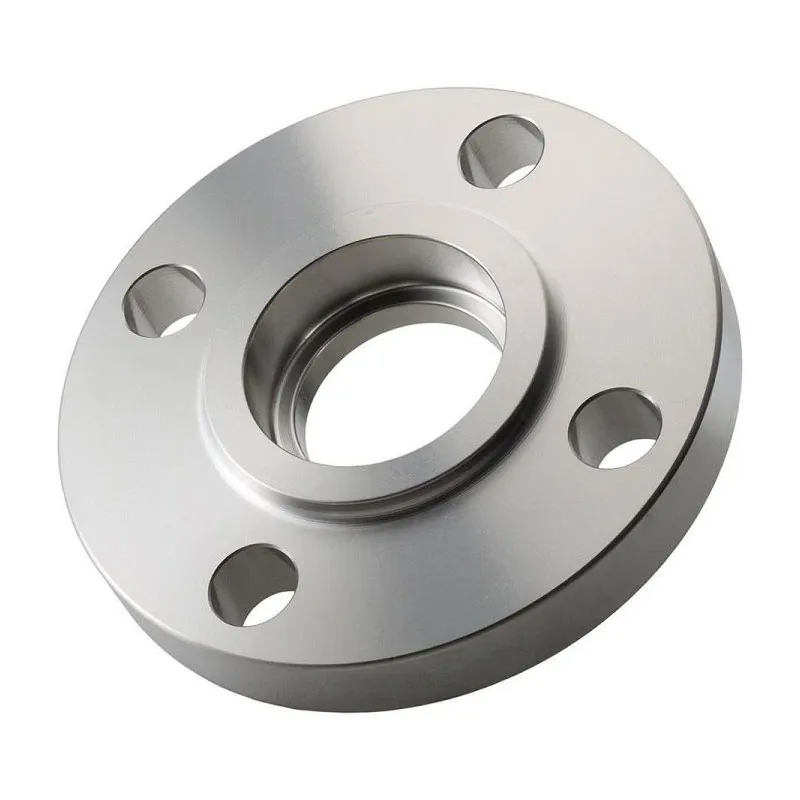 ANSI B16.5 Socket Weld Flanges Class 150
 -
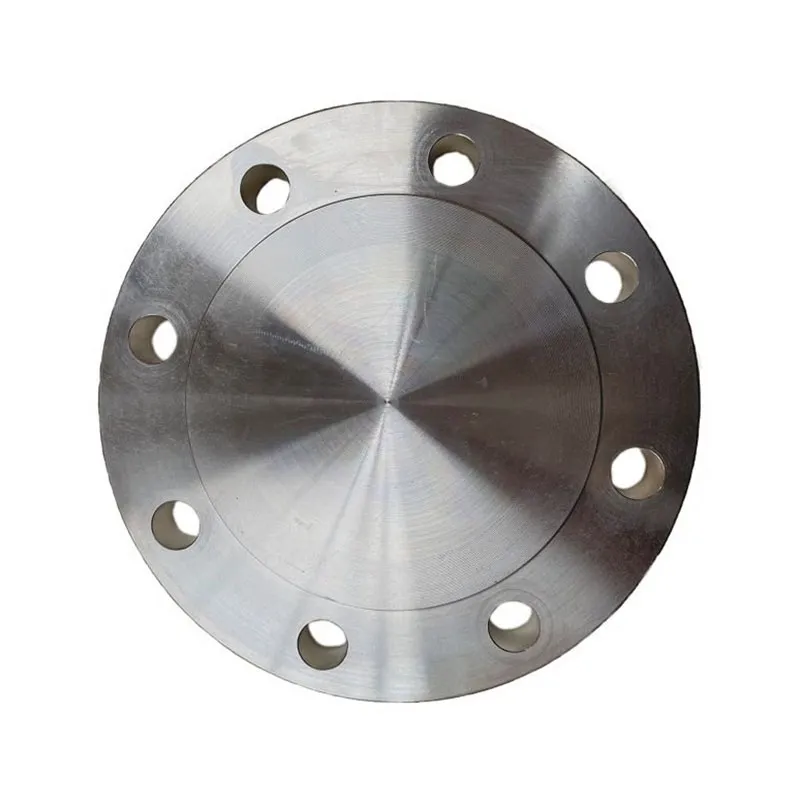 ASME B16.47 Ser.A Blind Flanges Class 400
 -
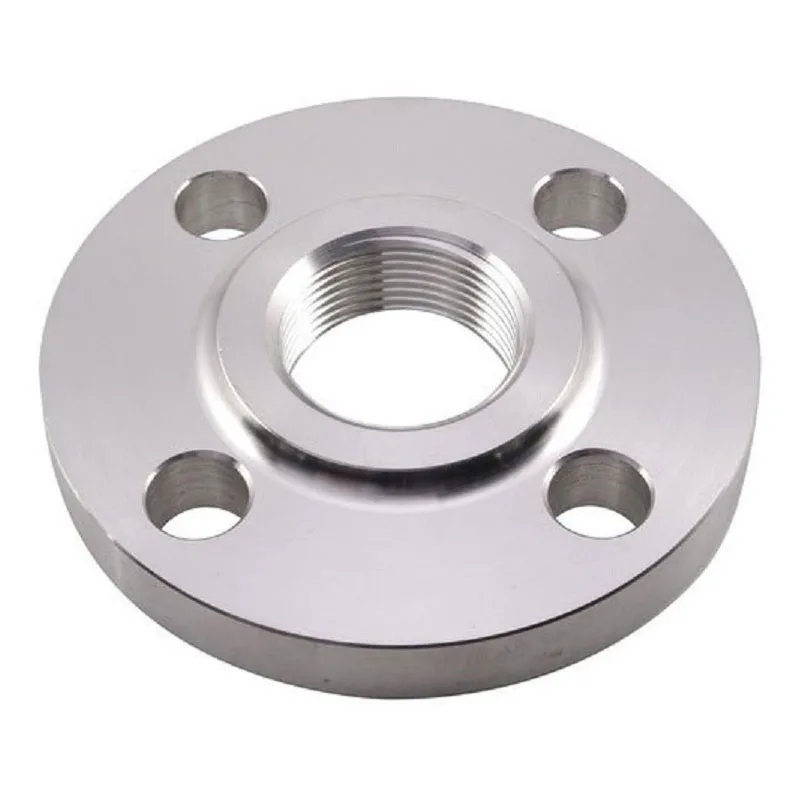 JIS 10K Threaded Flanges
 -
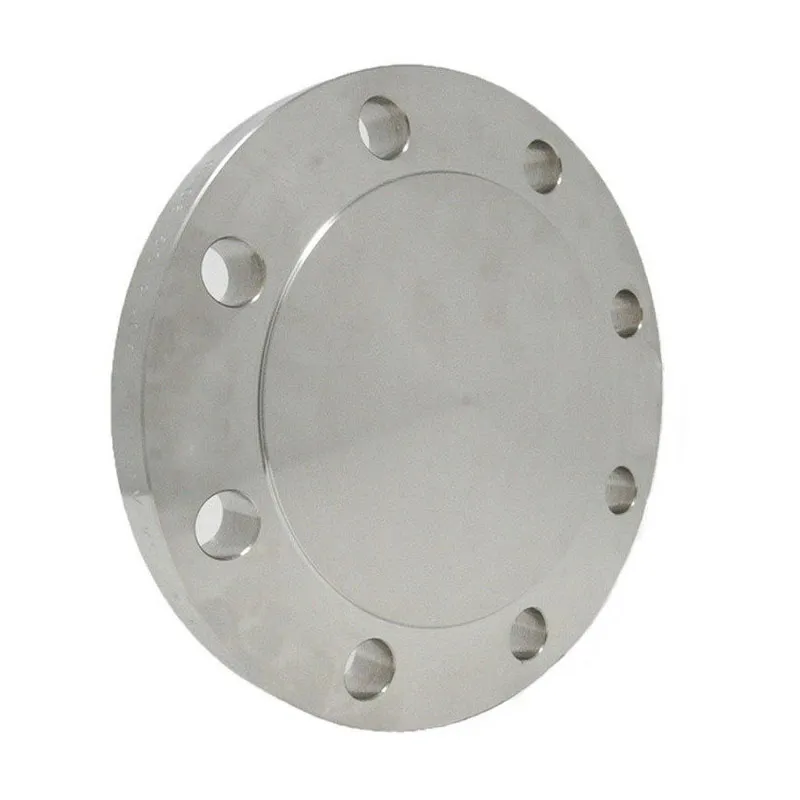 Blind flanges Class 150
 -
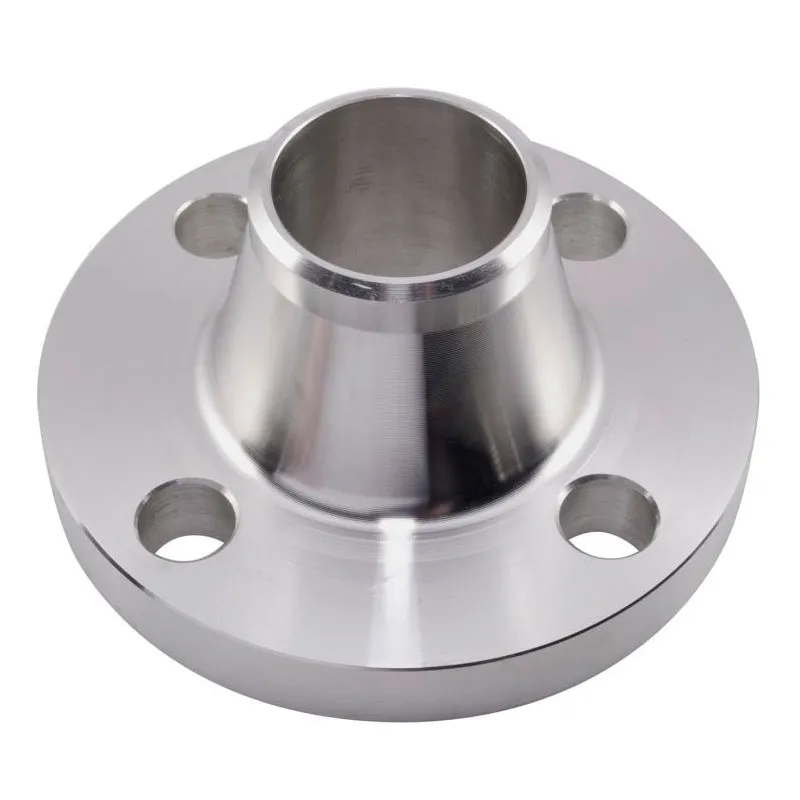 UNI 2281 Butt weld flanges PN10
 -
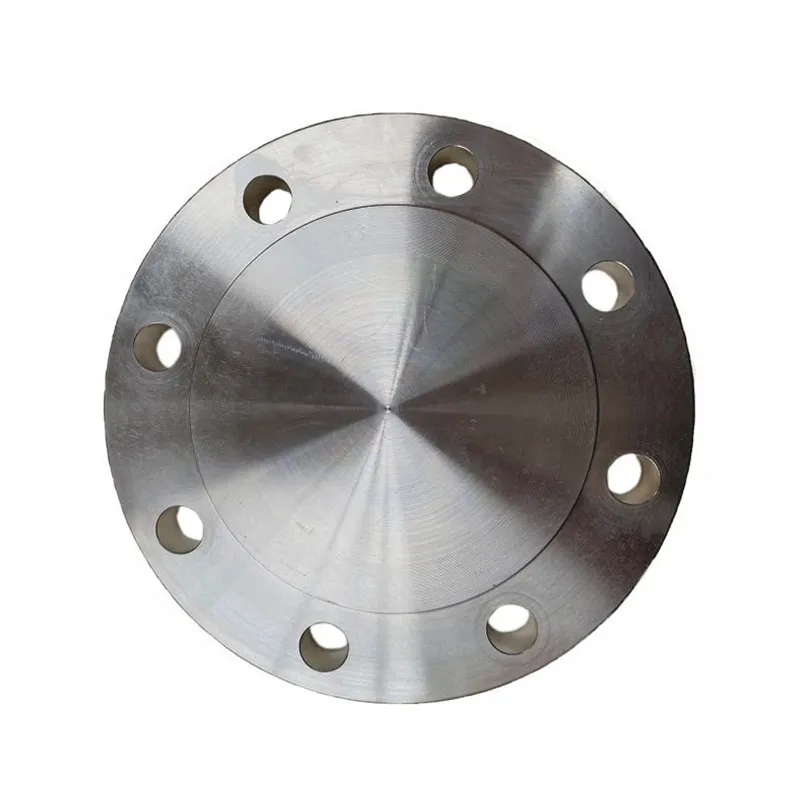 DIN 2527 Blind flanges PN10
 -
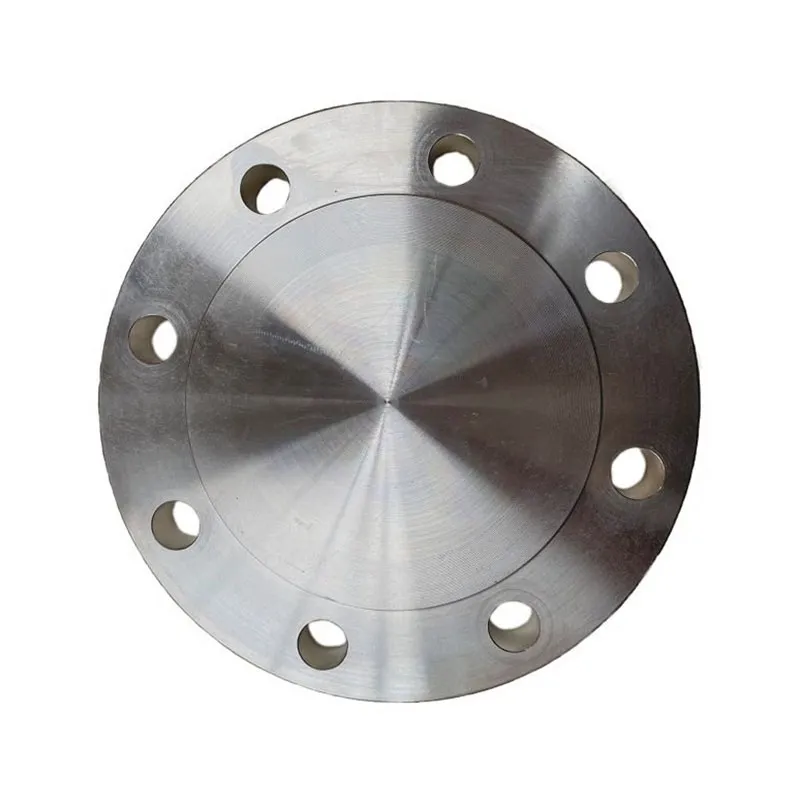 UNI 6092 Blind flanges PN10
 -
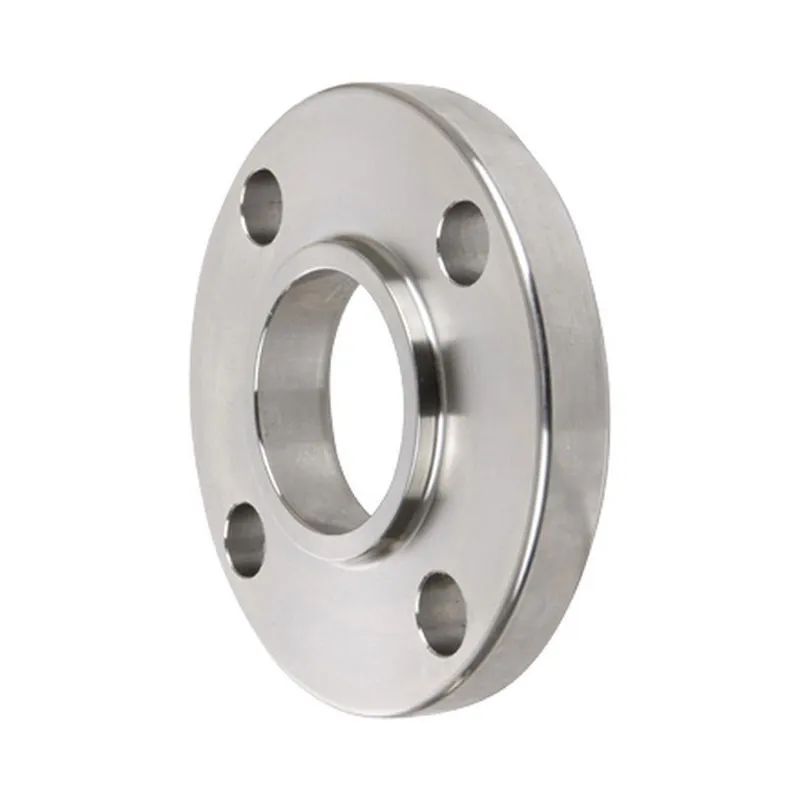 DIN 2501 Overlay flanges PN16
 -
 ANSI B16.5 Lap-on flanges Class 1500
 -
 Ser.A Butt Weld Flanges Class 400
 -
 Butt weld flanges Class 150