
-
-
Phone
+86-13623462298



serrated flanges
When people talk about serrated flanges, many people immediately imagine a regular flange with a notch along the edge. But this is superficial. In fact, the geometry of these teeth is a whole science that determines whether the connection will withstand vibration or “crawl” under load. Often customers ask to “make according to GOST 12820,” but they do not always take into account that the standard provides basic parameters, and in real conditions, especially with temperature changes or in aggressive environments, nuances are important: tooth sharpening angle, groove depth, surface hardness after heat treatment. It is these nuances that are not written in catalogs that I want to speculate about.
Where and why they are critical
The main area is, of course, energy and heavy industrial equipment. For example, connecting housings of turbines or high-pressure compressors. Where conventional smooth bolt flanges can weaken over time from constant alternating loads,serrated flangeswork on a different principle. Their teeth, interlocking, create a virtually monolithic structure, preventing micro-shears. But the key word is 'quality'. I have seen cases where the teeth were not hardened enough - and after a couple of hot-cold cycles, nicks appeared on them, and the connection began to “breathe.”
Another subtle point is assembly. It would seem that I pulled it together with pins and it was done. But if the installer does not follow the tightening sequence (and the tightening pattern must be calculated individually, based on the diameter and pressure), you can get an uneven load on the ring gear. As a result, on one side the teeth will bear the entire load, and on the other, they will run idle. This is a direct path to a leak. Therefore, such flanges should always be accompanied by not only a certificate, but also installation instructions. In our production, inShanxi Hongkai Forging Co.,Ltd, for particularly important orders this is a mandatory practice.
By the way, about pressure. They often ask: 'Can yourserrated flangeat 100 atmospheres?' The question itself is incorrect. Because the working pressure is a derivative of many factors: the material (say, 09G2S or 12Х18Н10Т), the temperature of the medium, the type of gasket that fits between the teeth. The same DN300 flange may work perfectly for steam at 200°C, but be unsuitable for a chemical plant at 50°C due to corrosion fatigue. Therefore, our technical department always requests complete operating conditions before recommending a specific design.
Pitfalls of production and control
Manufacturing is not just turning teeth on a lathe. It all starts with forging. The key to reliability is the homogeneous fine-grained structure of the metal. At Hongkai, we focus on forged workpieces because forging, unlike casting or cutting from rolled products, ensures that the metal fibers are directed along the contour of the product, which increases strength specifically in the tooth area. We tried to save on one order and take a blank from thick-walled rolled products. After milling the teeth, ultrasonic testing revealed inhomogeneities - the entire batch had to be rejected. Lesson learned.
Thermal training is a different story. Quenching should give high surface hardness so that the teeth do not wrinkle, but the core should remain tough so that brittle fracture does not occur. If you overheat it, microcracks will appear; if you don’t heat it enough, the teeth will wrinkle. Here you need precise mode and control after the oven. We use induction heating under the ring gear - this allows us to localize the hardening exactly where it is needed, without affecting the flange body.
And, of course, final control. In addition to standard dimensional checks according to GOST or ASME B16.5, for gear flanges it is mandatory to check the tooth pitch and its profile with a special template. And also - color flaw detection to eliminate those very microcracks on the working edges. I remember that for one customer from Siberia, who ordered flanges for a compressor station, we did an additional “cold fit” test - we cooled one flange, heated the other and connected it. Then we looked at how the teeth lay down. It was labor-intensive, but the client was confident in the tightness at -50°C.
About standards and non-standard situations
We work according to all major standards: GOST, ASME, and DIN. But it is interesting that even within, say, DIN 2512, there are variations. German designs often have very tight tolerances for ring gear runout relative to the center bore. And according to Russian specifications, sometimes more attention is paid to the cleanliness of the contact surface. This is important to understand when making products for different markets. Our plant, as a manufacturer of forged flanges and forgings, located in one of the forging centers of China, is constantly faced with the need to rebuild technological maps to a specific customer standard. There is no universal 'toothed flange'.
But non-standard tasks are the most interesting. There was a project that required a large diameter flange, DN2800, but with a double gear ring - for ultra-high pressure. The standards don't describe this. Together with the customer’s engineers, we had to model the load and calculate the deformations. They made it, tested it on the stand, and it passed. But the main conclusion was that for non-standardgear flangescalculations and tests are more important than blindly following any standard.
Another common request is combined materials. For example, the base is made of carbon steel, and the gear rim is overlaid with stainless steel or even a more resistant alloy. This is for aggressive environments. The technology is complex, you need to make sure that during surfacing you do not “let go” of the main workpiece, and that the layers are fused without pores. We do it, but we always warn the client about the higher price and extended production time.
Gaskets and assembly - the final chord
You can make a perfect flange, but kill everything with the wrong gasket. For gear connections, soft metal shims (aluminum, copper, mild steel) or spiral wound are typically used. But there is a dilemma. A soft gasket better fills the micro-irregularities of the teeth, but can “float” at high temperatures. Spiral wound is more stable, but requires a perfectly even fit. Our experience shows that for pressures up to 25 MPa and temperatures up to 400°C, a simple annealed copper gasket is often optimal. But this is not dogma.
Tightening procedure. It cannot be performed with an impact wrench. Only with a torque wrench, with torque control, or better yet, with stud tension control (ultrasonic method). And always in an “asterisk” pattern, from the center to the edges, in several passes, with a gradual increase in force. In the instructions that we prepare for such flanges, we always provide a table with tightening torques for each standard size. This eliminates 80% of installation problems.
And the last thing is a post-installation inspection. A good practice is to re-tighten the studs after 24-48 hours of operation at nominal pressure (or better yet, after the first thermal cycle). The teeth run in a little, the gasket settles slightly, and you need to compensate for this settlement. Many installers neglect this, and then are surprised by a leak six months later. This is not a disadvantage of the flange, it is a design feature that must be taken into account.
Instead of a conclusion: thinking out loud
So,serrated flange- it's not just a 'flange with teeth'. This is a calculated, high-tech part where every little detail is important: from the chemistry of the steel and the forging method to the last tightening operation on site. Chasing the lowest price here is more expensive for yourself. Because the cost of replacing a broken flange on an existing pipeline or apparatus will be tens of times greater than the savings on purchases. We are inShanxi Hongkai Forging Co.,LtdWe went through this, seeing how competitors' products were returned with 'licked' teeth. Therefore, our credo is to do it with a margin of safety and a complete package of documentation. It may be more expensive, but it’s calm. And in our region, peace of mind is more valuable than money.
Nowadays there are more and more requests for large diameters, up to 4000 mm, and for work in extreme conditions. This is a challenge. Standard equipment is not always suitable; a lot has to be adapted. But this is normal engineering work. Not to sell hardware, but to solve the client’s problems in creating a tight and durable connection. And in this context, the serrated flange has been and remains one of the most reliable, albeit demanding, solutions.
Correspondingproducts
Related Products
Best Sellingproducts
Best Selling Products-
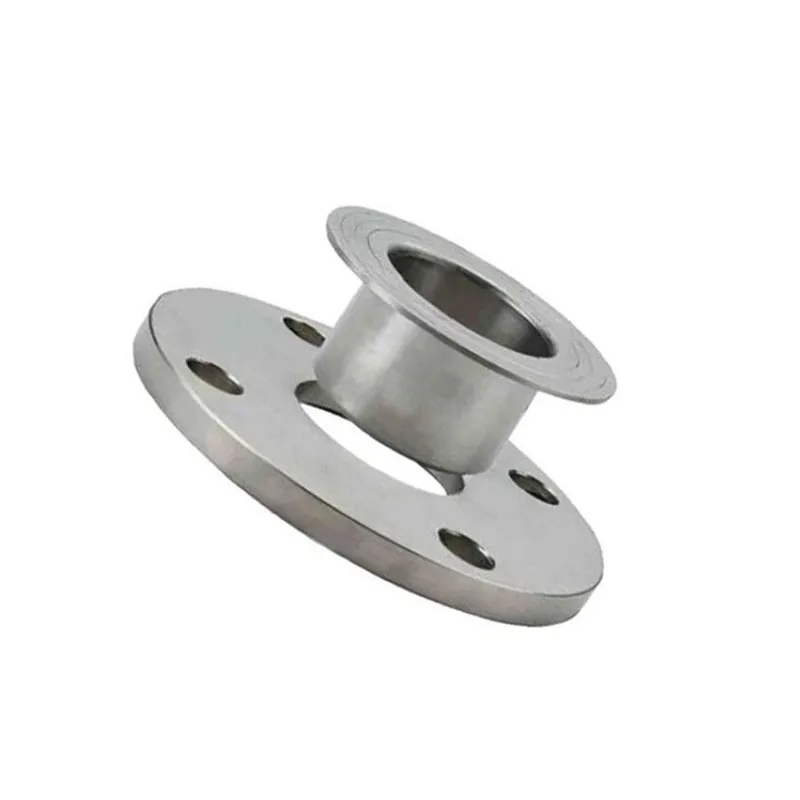 Free ring flanges Class 400
 -
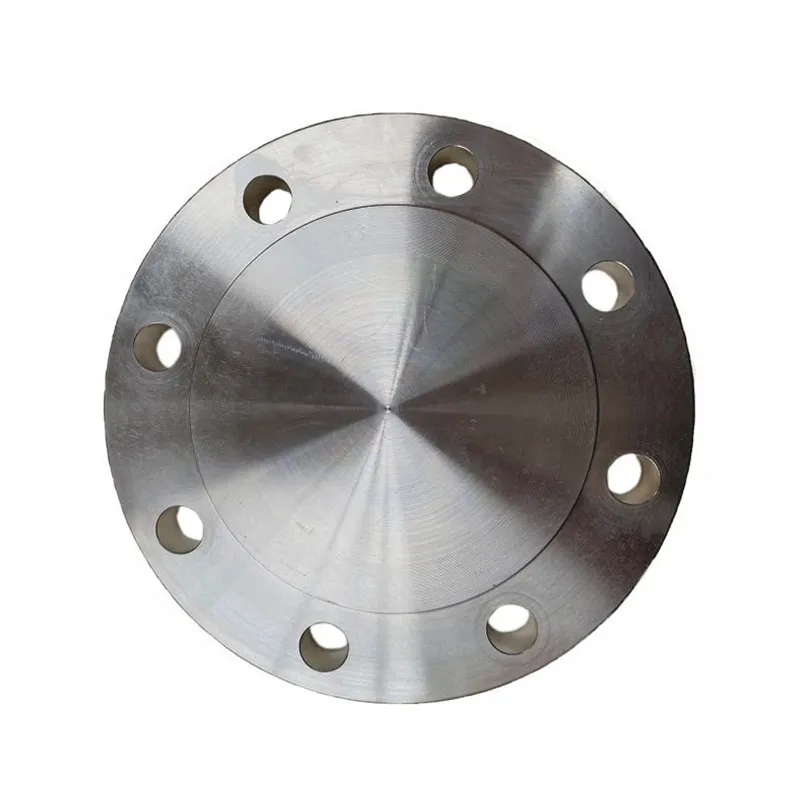 DIN 2527 Blind flanges PN10
 -
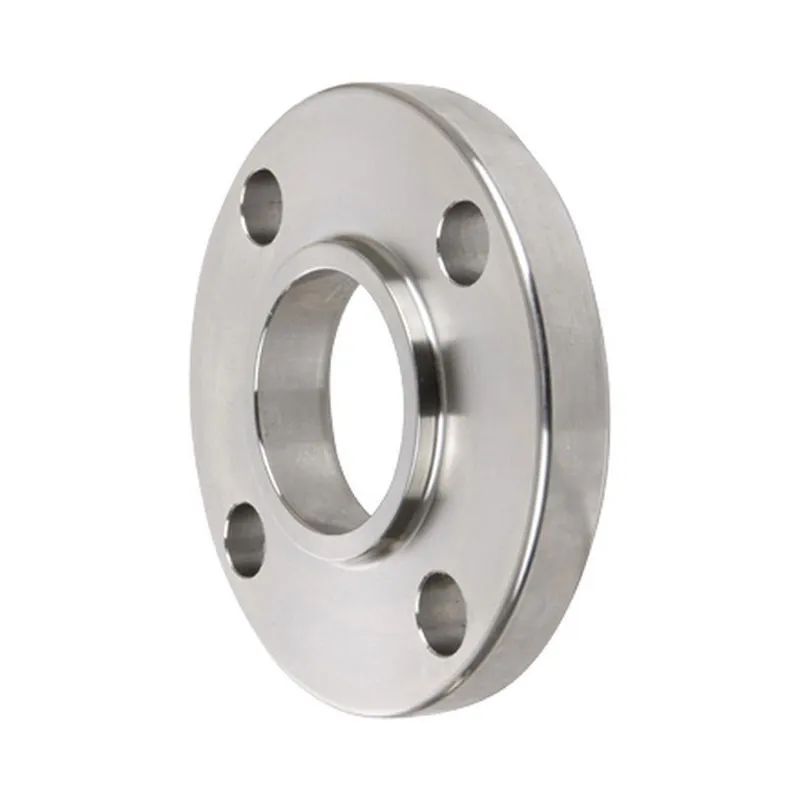 DIN 2501 Overlay flanges PN16
 -
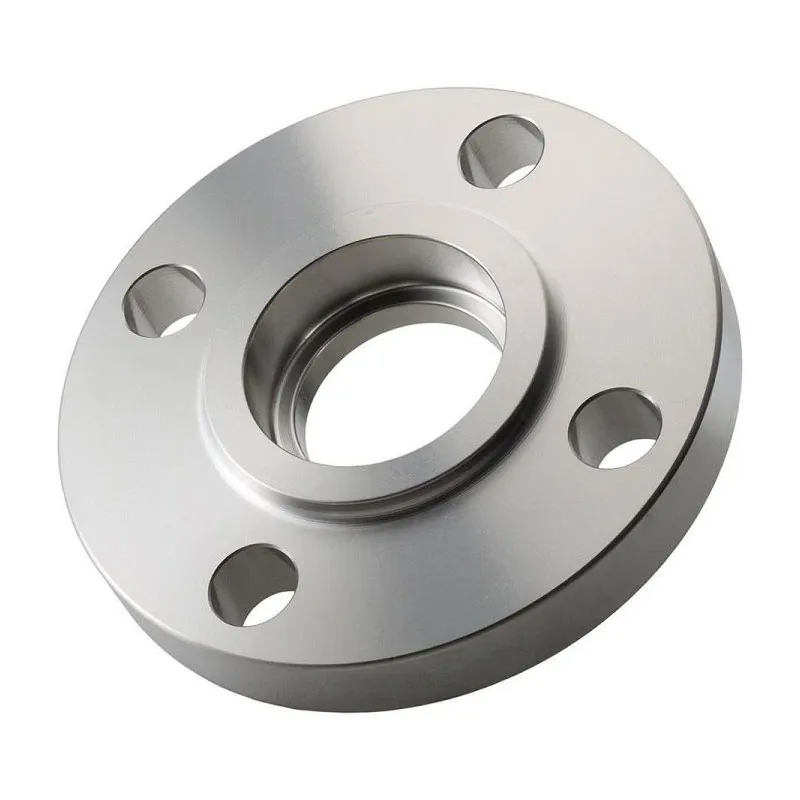 ANSI B16.5 Socket Weld Flanges Class 150
 -
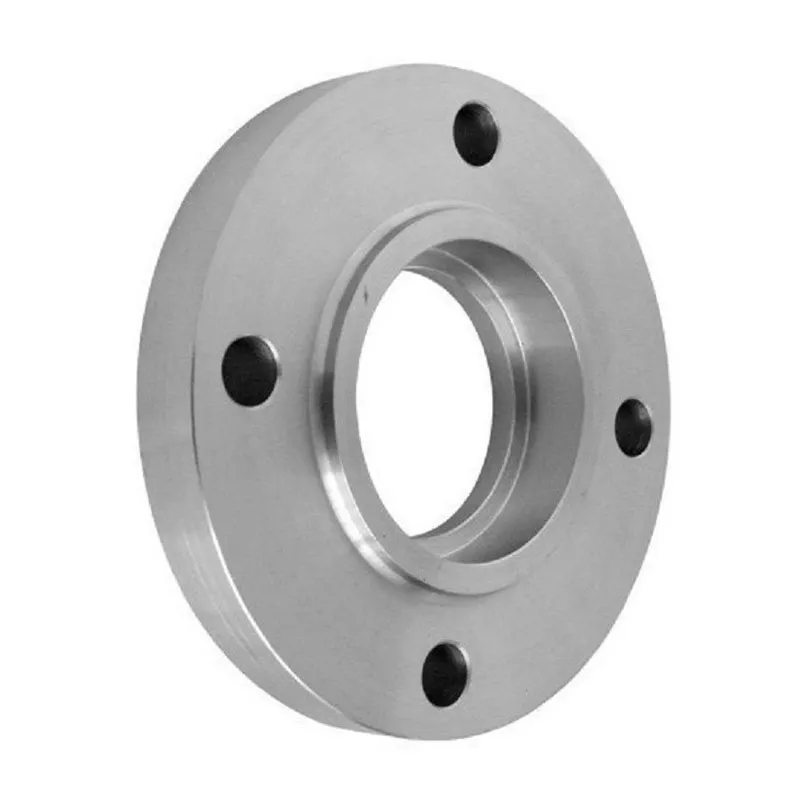 Socket Weld Flanges Class 300
 -
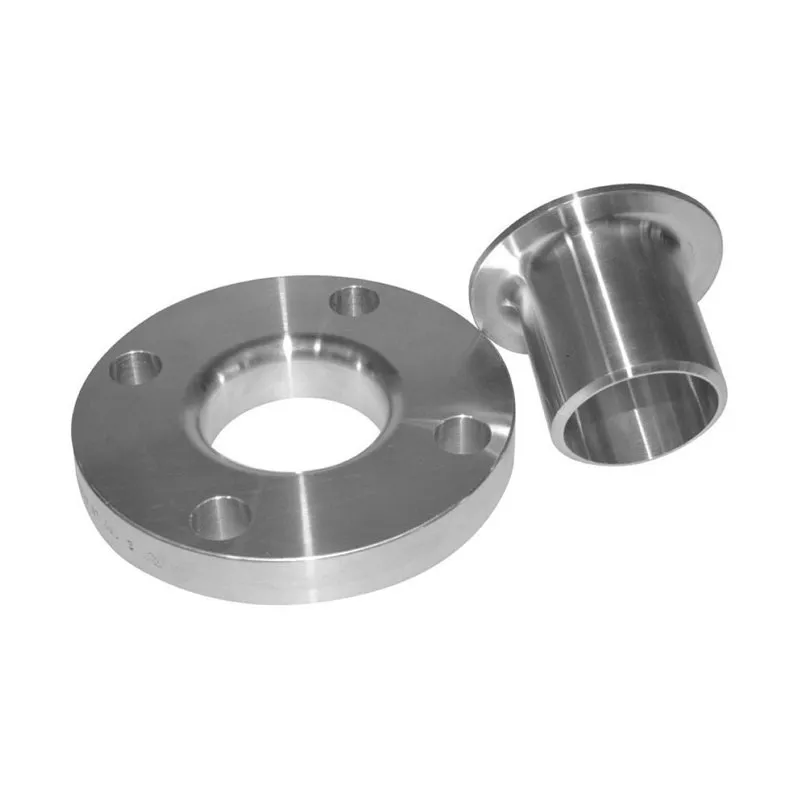 Free ring flanges Class 150
 -
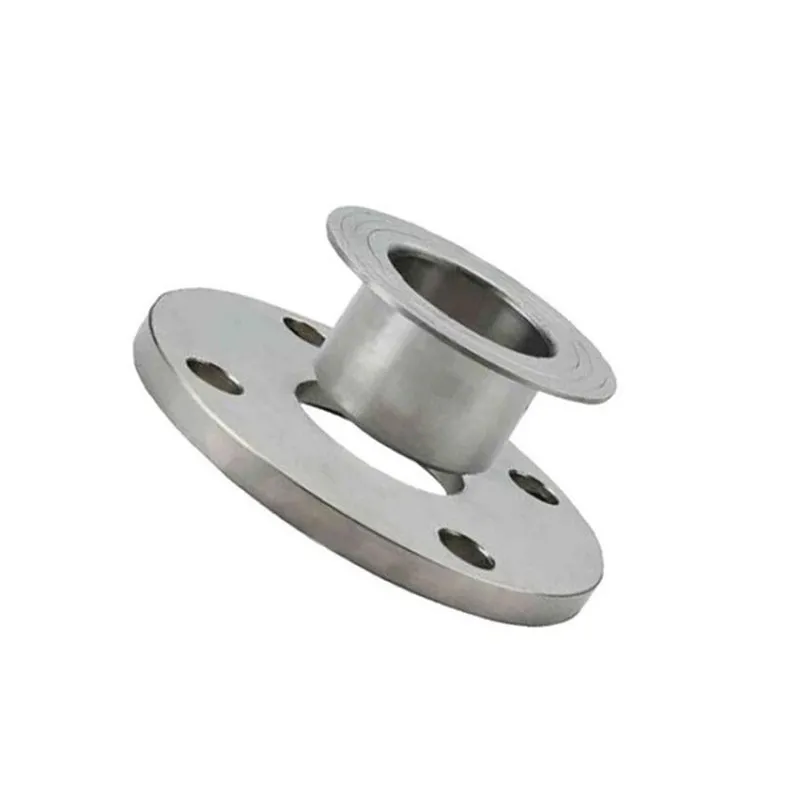 JIS 10K Loose Ring Flanges
 -
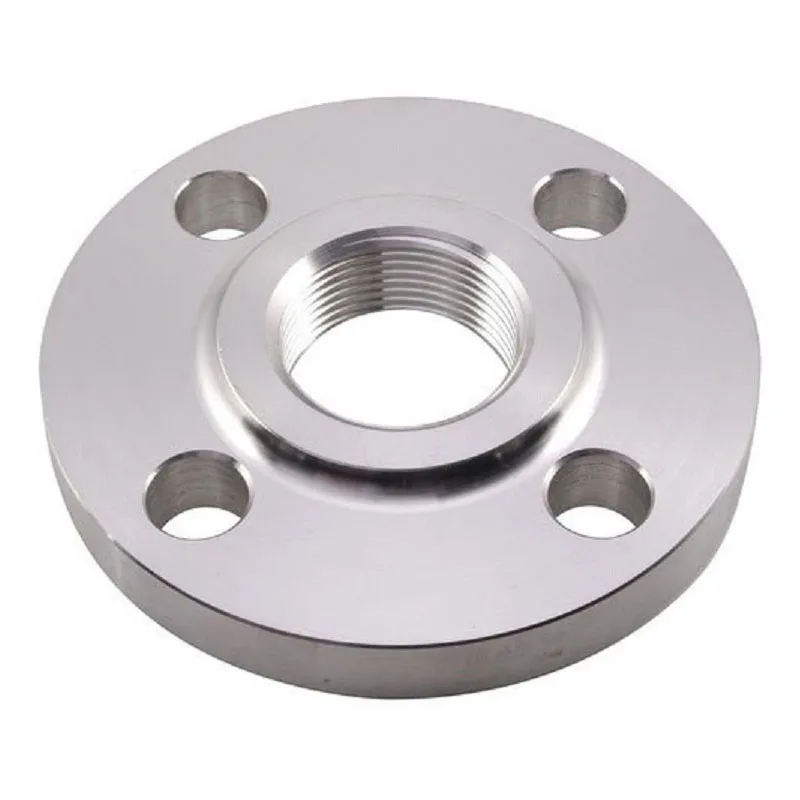 DIN 2566 Threaded flanges PN16
 -
 JIS 10K Threaded Flanges
 -
 ANSI B16.5 Socket Weld Flanges Class 1500
 -
 DIN 2565 Threaded flanges PN6
 -
 AWWA Blind Flanges Class D (Tables 1, 2, 3)