
-
-
Phone
+86-13623462298



flanges 20 100 gost
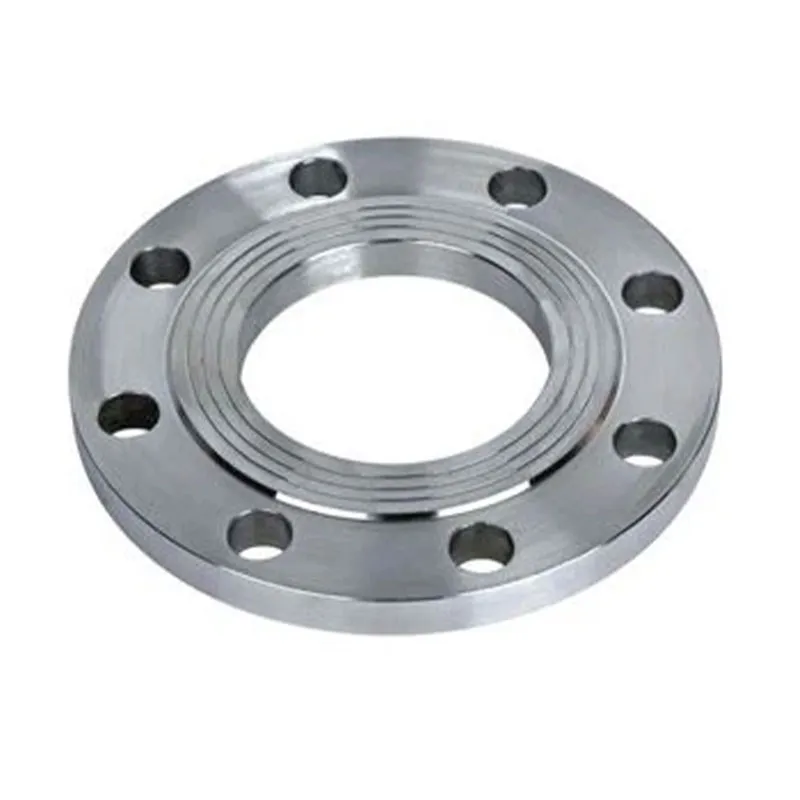
When you see the request “flanges 20 100 GOST”, the first thing that comes to mind is that a person is looking for specifics. Not just a flange, but for a specific nominal diameter, for a specific standard. And this is where the fun begins, because this seemingly simple formulation already contains several typical points where you can either guess the customer’s needs or miss. Many people, especially those who are just starting to work with pipeline fittings, think that ?GOST? is a single and unchanging set of rules. In practice, especially when it comes to flanges for pressure, say, Ru20 or Ru100, it is important to understand which GOST is meant - for the product itself or for the connecting dimensions. Often the client himself does not fully understand this, and your task as a specialist is to find out what he really needs: a flat steel flange for Ru20 in accordance with GOST 12820-80 or, for example, a steel butt weld flange for Ru100 in accordance with GOST 12821-80. The difference is in the design, weight, installation method and, of course, price.
What is hidden behind the numbers 20 and 100?
The numbers 20 and 100 in this context are almost certainly conditional pressure, Ru. Ru20 is 20 kgf/cm2, Ru100 is 100, respectively. But here’s a nuance: for GOST flanges it is divided according to this criterion. Series 1 and series 2. And if for Ru20 options from different series with similar but not identical dimensions are still possible, then for Ru100 the spread is already smaller, the requirements for material and strength are stricter. I personally encountered a situation where a batch of Ru100 flanges was delivered to the warehouse according to the customer’s drawings, but they did not match the counter flanges on the equipment. It turned out that the customer in his specification referred to an outdated edition of the standard, but we produced it according to the current one. A trifle, but the installation stopped for a week.
When working with such parameters, you always specify the medium: water, steam, oil, aggressive media. For Ru20, especially at low temperatures, steel 20 or 09G2S is often used. For Ru100, there may already be alloy steels, such as 13KhFA or even 12Kh18N10T, if the environment requires it. We had a project for one chemical plant, just for flanges with a nominal diameter of 100 mm and a pressure of 100 kgf/cm2. The medium there is a weak acid solution. So, according to initial calculations, steel 20 was used, but after consultations with the customer’s technologists, they switched to steel with a high chromium content. A forged blank here is the only correct way; casting does not provide the homogeneity of the structure that is needed for resistance to corrosion under pressure.
It is in such cases that you understand the value of a manufacturer who can not only stamp a part according to GOST, but also understand the working conditions. For example, we are inShanxi Hongkai Forging Co.,Ltd, we often work precisely according to this principle: the standard is the basis, but behind it there is always real operation. On our websitehkflange.ruIt is indicated that we manufacture products in accordance with GOST, ASME, EN and other standards. But the key phrase there is “non-standard products according to customer drawings?”. Because life makes adjustments to any standard. This is especially true for high-pressure flanges - where any deviation in geometry, quality of the sealing surface, or material hardness can lead to leakage.
GOST is not only dimensions
Many customers, especially from the CIS, are accustomed to trusting the GOST abbreviation. And this is correct, but with a caveat. GOST for flanges is a set of requirements: for materials, for test methods, for tolerances, for markings. When they say “flanges 20 100 GOST”, it is meant that the product complies with all points of this standard. And this can only be verified by having a full package of documents: material certificates, mechanical test reports, ultrasonic testing (especially for forged forgings), hardness control reports.
In our production cycle inShanxi Hongkai Forging Co.,Ltdcontrol occurs at all stages. Starting with the incoming inspection of the steel billet - checking the chemical composition and macrostructure. Forging is a completely different story. Temperature conditions, degree of compression - all this affects the final properties of the metal, the elimination of segregation inhomogeneities that may exist in the cast workpiece. For a PN100 flange this is critically important. After forging, heat treatment (normalization, tempering) is performed to relieve internal stresses and obtain the required mechanical properties.
And this is where the gap between expectation and reality often arises. Some suppliers offer "GOST flanges" at a low price. When you pick up such a part, the dimensions seem to be within the tolerance, the holes are in place. But it’s worth looking at the quality of the surface in the area for welding or at the chamfer for the seal - rough processing is visible, and scoring is possible. Or the marking does not indicate the heat. For a critical pipeline, such a flange is a time bomb. In our workshop, we always leave a small allowance for finishing mechanical processing after heat treatment in order to achieve ideal surface cleanliness and geometry. This makes the process more expensive, but the client gets exactly what he pays for - a reliable product.
Practical difficulties with installation and selection
Let's move on to practice. Let's say you need a flange of DN100 to PN20. It would seem that take a flat flange according to GOST 12820-80 - and that’s it. But that was not the case. I have come across cases when it is necessary to cut into an existing pipeline system, and the counter flange on the device has a design according to the same GOST, but a different type of sealing surface. For example, you have a protrusion-recess (tongue and groove), and on the old flange there is a connecting protrusion. Or different versions according to GOST 12815-80 (there are several of them, from 1 to 9). And then the standard flange will not work. You need to either look for an exact copy of the old one (and they are often no longer in production), or make a non-standard one, but with the same connecting dimensions.
This is where the ability to manufacture according to drawings comes in handy. We have been contacted more than once with similar problems. They send a sketch or even a photograph of an old, worn-out flange. Our engineers and technologists restore the drawing, approve the material (sometimes these are outdated steel grades, which we replace with modern analogues with no worse characteristics) and launch it into production. This is about the question of what does “manufacturer” mean? in the modern sense. Not just a warehouse operator, but an engineering partner.
Another point is the packaging. The flange rarely works alone. These are bolts, studs, nuts, gaskets. And all this must be compatible in terms of material and strength class. For Ru20 and Ru100 the components will be different. A common mistake installers make is to install conventional carbon steel bolts on a flange connection that operates at elevated temperatures. After six months - corrosion, loosening, leaking. Therefore, a competent supplier will always offer a complete set, designed for the same operating conditions. We are inHongkai ForgingWe often do this, especially for export deliveries - we ship ready-made flange kits, packaged and labeled for one order.
From words to deeds: a case study
I would like to give one non-obvious example that well illustrates the importance of a deep understanding of standards. We received a request from a company involved in the modernization of heating networks. We needed Du100 flanges on Ru16 (close to our Ru20) according to GOST. But the technical specifications specified a requirement for impact strength at low temperatures (minus 40°C). The standard GOST for flange material for such pressure does not explicitly put forward such requirements. It would be possible to make it from ordinary steel 3 and formally comply with the standard.
But we, knowing that this is a critical parameter for heating networks in northern conditions (possibility of water hammer, winter temperatures), suggested the customer use 09G2S steel, which provides good low-temperature properties. They substantiated this with calculations and cited excerpts from building codes for heat supply pipelines. The customer agreed, although this increased the cost of the shipment. But a year later we received gratitude from them - the connections worked flawlessly in an extremely difficult winter, while in other areas where there were flanges made of ordinary carbon steel, there were cases of cracks.
This case showed that even when working withinGOST, you need to think more broadly. The standard sets the minimum, but actual operating conditions often require more. And the manufacturer who can see this and offer an optimal, and not just a formally appropriate solution, creates a reputation for itself. Our company, located in one of the main forging centers in China, is focused on just such responsible production. The capacity allows us to forge blanks for flanges with a diameter from DN15 right up to DN4000, which covers almost all conceivable needs, from small to large energy.
Instead of a conclusion: thinking out loud
So, returning to the original request “flanges 20 100 GOST?”. For me, as a person who has gone from drawing to shipping the finished product hundreds of times, these are not just words to search for. This is a compressed technical task, behind which there is a specific pipeline, specific working conditions, specific people who will install and maintain it. And solving this problem correctly means not just shipping a part with the required diameters and holes. This means ensuring the material is proven by testing, the geometry ensures a tight fit, and the ability of that flange to work in tandem with another that may have been made ten years ago.
The industry does not stand still. New materials and control methods are appearing (for example, 3D digital shooting of finished forgings for comparison with a CAD model). But the basic principles - high-quality forging, strict control, understanding of the physics of how the joint works - remain unchanged. And when you see manufacturers' websites like ourshkflange.ru, where the nomenclature is clearly stated - butt weld flanges, flat, loose, threaded - you understand that behind this there is not just a list, but years of development of technological maps for each of these positions. Especially on such as flanges for a welded ring or blind ones, which have their own nuances in stress distribution.
Therefore, if you are looking for “flanges 20 100 GOST”, then you should look not just by price, but by a combination of factors: the manufacturer’s ability to dialogue, the presence of its own full cycle (forging + machining), transparency in the provision of certificates. This is the minimum that separates simply purchasing hardware from purchasing a reliable backbone element. And there, you see, both Ru100 and Ru20 will have their own, well-made solution.
Correspondingproducts
Related Products
Best Sellingproducts
Best Selling Products-
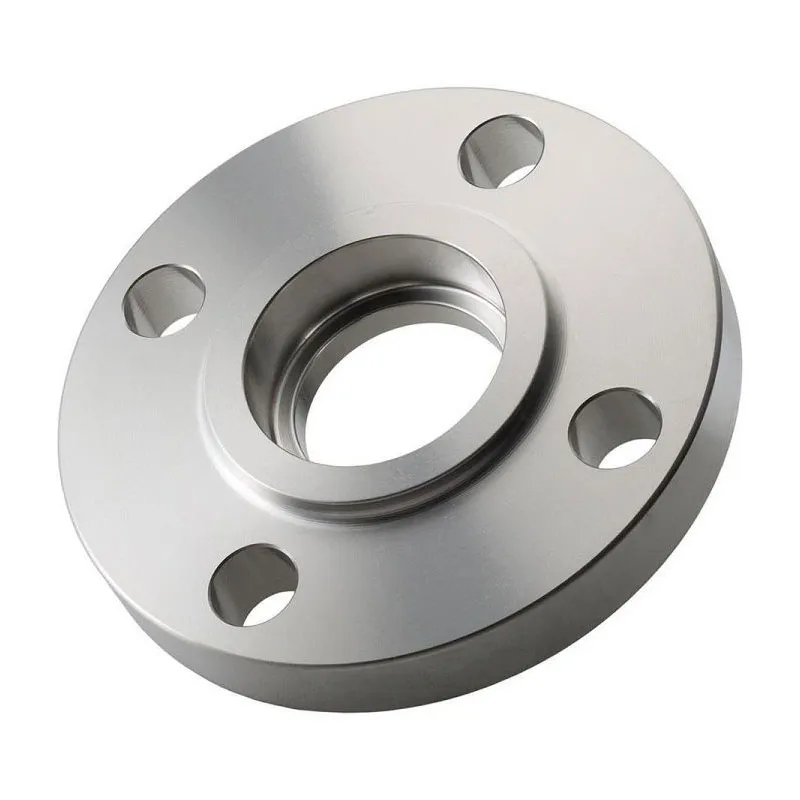 ANSI B16.5 Socket Weld Flanges Class 1500
 -
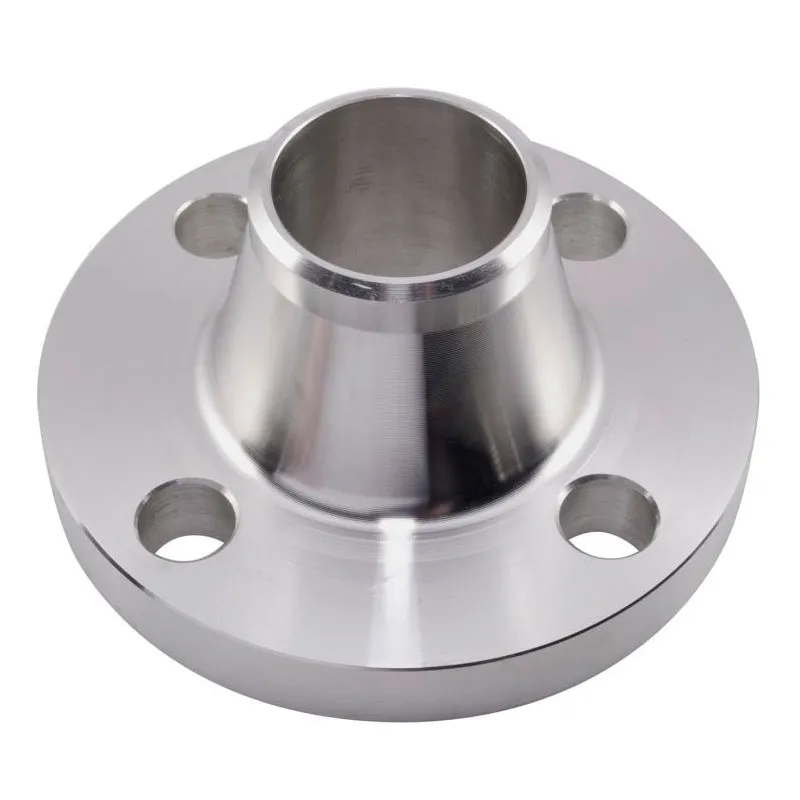 UNI 2281 Butt weld flanges PN10
 -
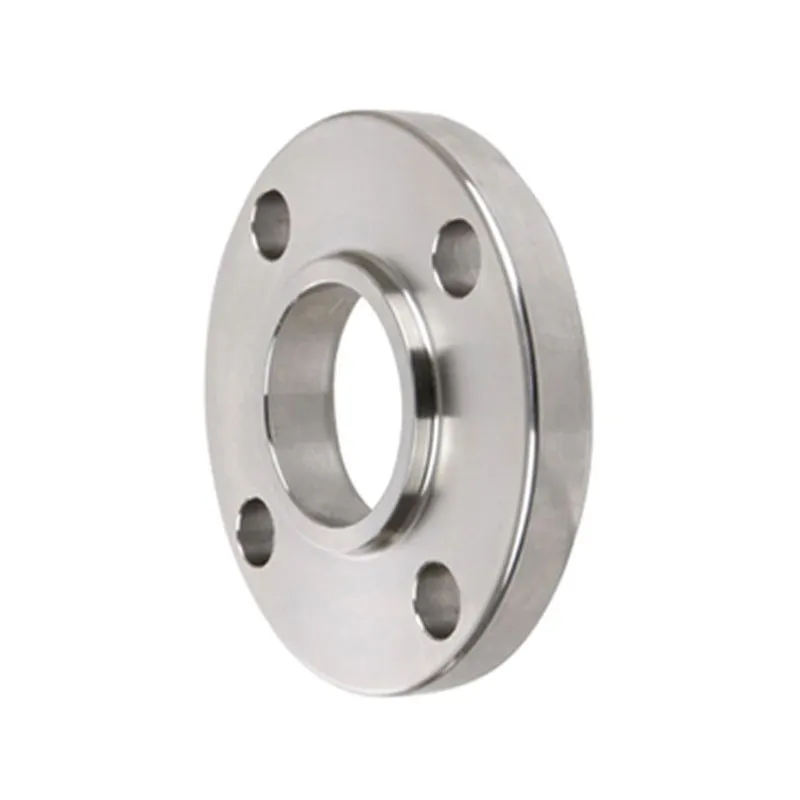 ANSI B16.5 Lap-on flanges Class 300
 -
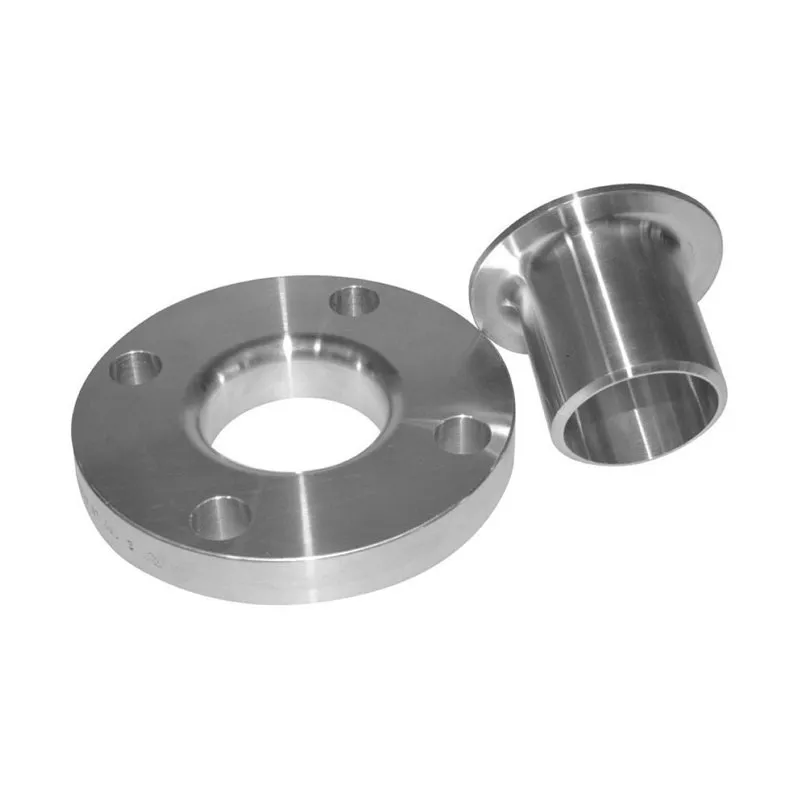 Free ring flanges Class 150
 -
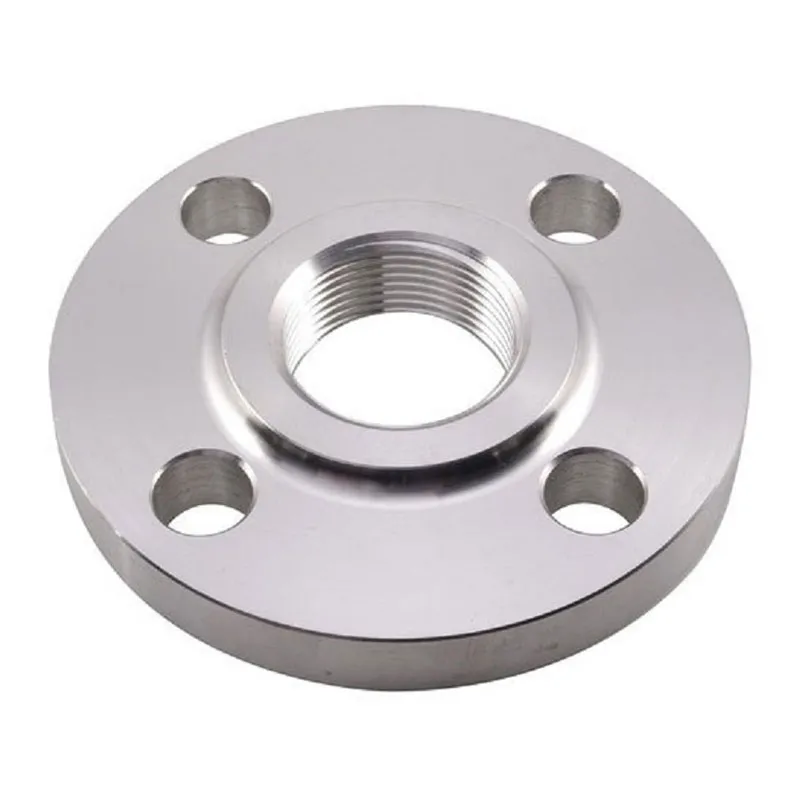 JIS 10K Overlay flanges
 -
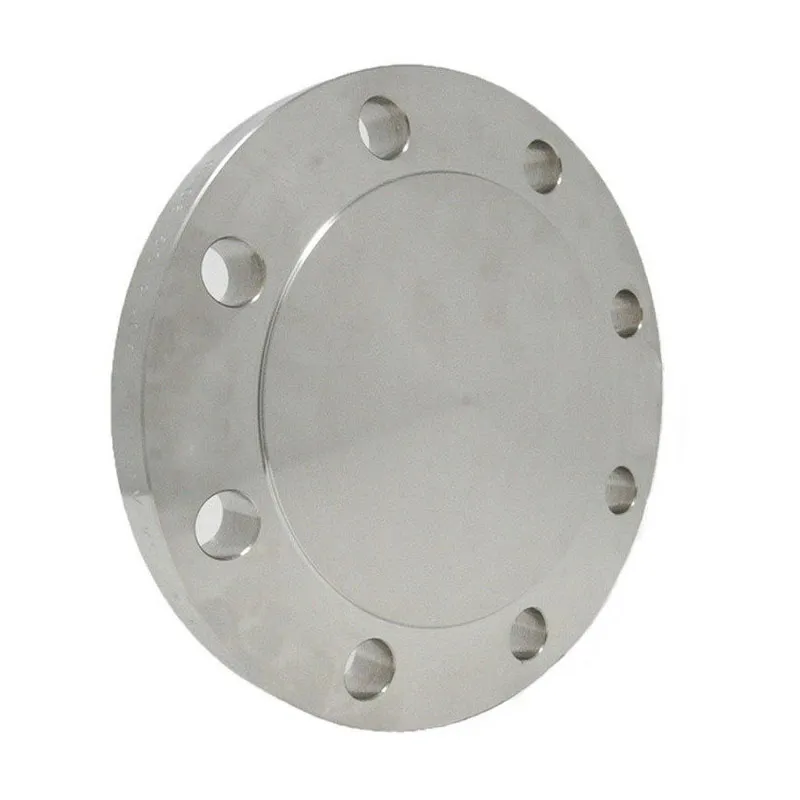 AWWA Blind Flanges Class D (Tables 1, 2, 3)
 -
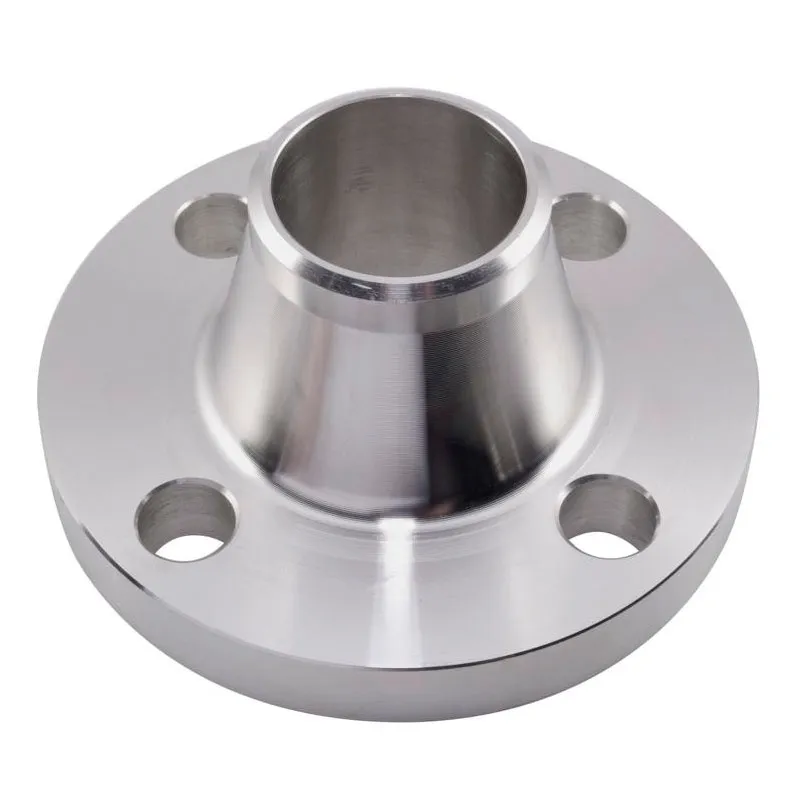 Butt weld flanges Class 900
 -
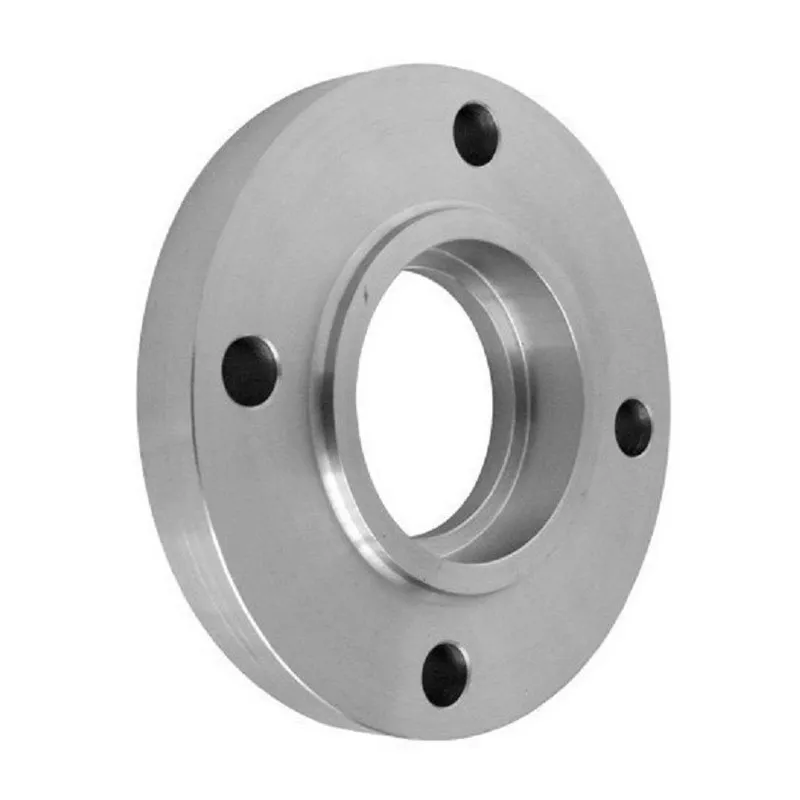 JIS 5K Socket Weld Flanges
 -
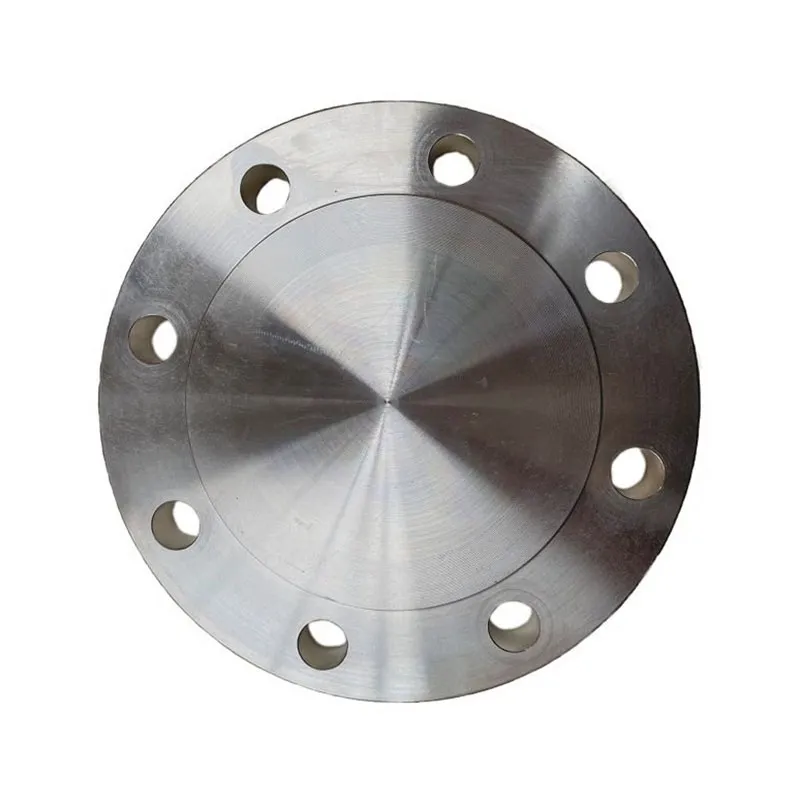 ASME B16.47 Ser.A Blind Flanges Class 400
 -
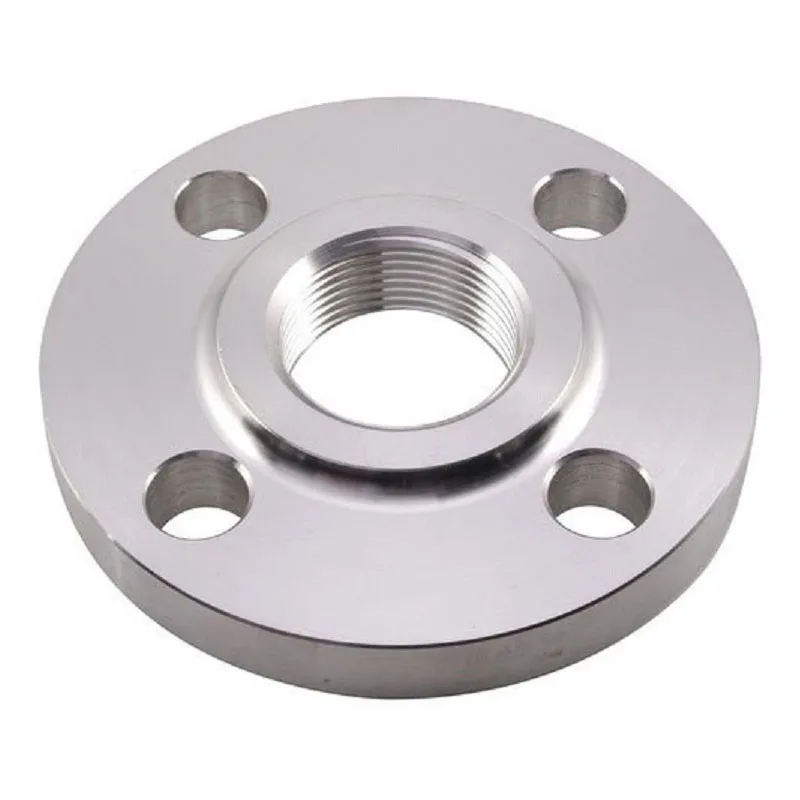 DIN 2566 Threaded flanges PN16
 -
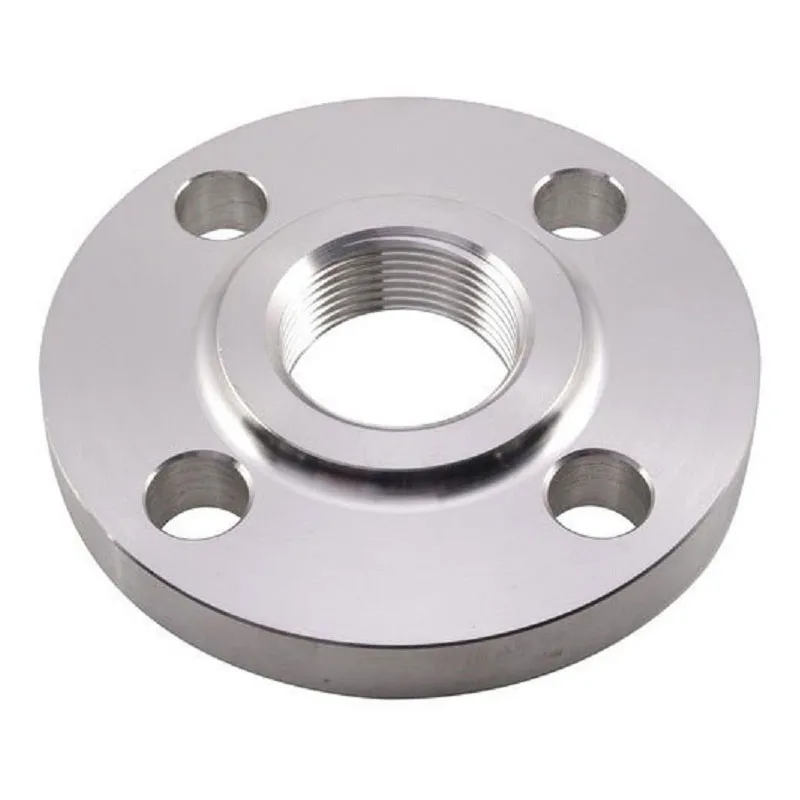 EN 1092-1 Threaded flanges Type 15, PN16
 -
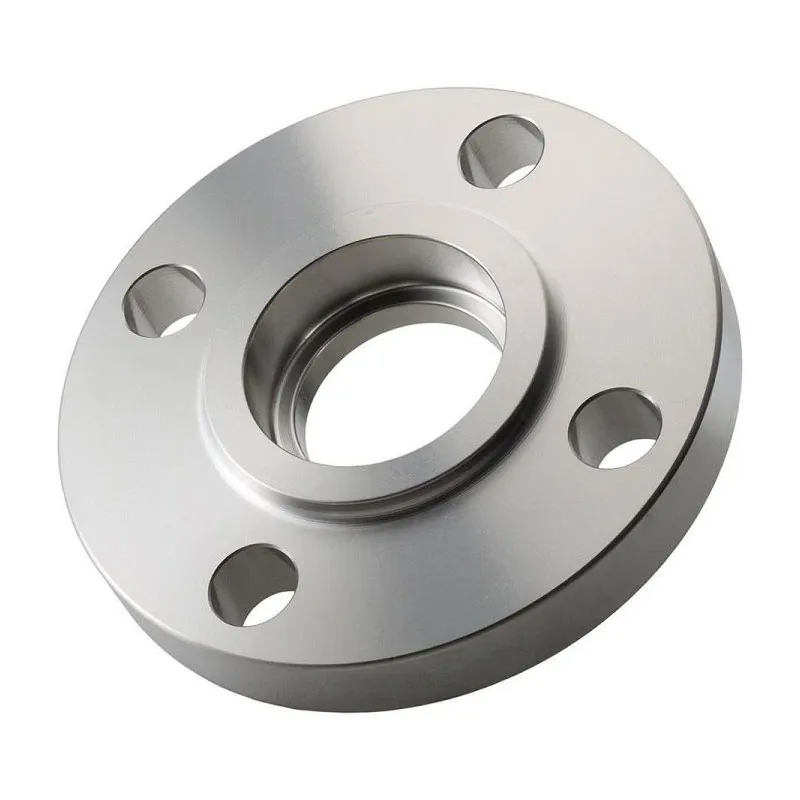 ANSI B16.5 Socket Weld Flanges Class 150