
-
-
Phone
+86-13623462298



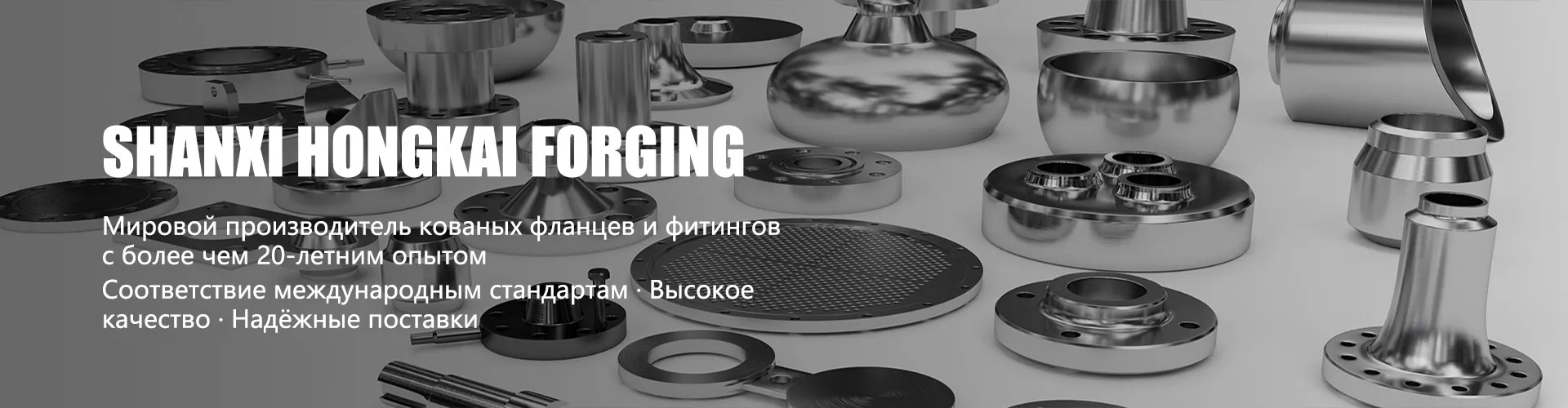
copper flanges
When they talk aboutcopper flanges, many immediately have a picture of something elite, for special conditions, almost eternal. But in practice, everything often turns out to be more prosaic. The material itself is yes, it has excellent corrosion resistance in a number of environments, especially in sea water or some acids, and has high thermal conductivity. However, the main question immediately arises: where, exactly, should they be placed? Because in standard pipelines for water or steam under pressure, this is most often an unjustified luxury. The price of copper versus steel is a separate conversation. And this is where the typical mistakes of customers begin: either they want to install it everywhere “because it’s reliable?”, without taking into account the budget, or, on the contrary, they try to replace copper flanges with brass or even copper-plated ones, and then they wonder why the connection leaked after six months in an aggressive environment.
Experience and pitfalls in application
Worked on a project for a ship's cooling system. The terms of reference are strict: sea water, variable temperatures, vibration. The designers initially laid downcopper flangesaccording to ASME B16.24 standard. It would seem logical. But when they began to calculate the estimate, the amount turned out to be astronomical. We started looking for alternatives, considering aluminum bronze and duplex stainless steel. As a result, after testing on the bench, we came to a compromise: the main lines are made of special stainless steel, and in the most critical units, where the risk of crevice corrosion is greatest, copper is still used. This is the case when you cannot blindly follow the primary idea; you need to break down the task and select material for a specific area.
Another point that is often forgotten is compatibility with other materials. If you put a copper flange on a steel pipeline without the correct insulating gasket kit, you will get a galvanic couple. Accelerated corrosion of steel is guaranteed, and in the most inconvenient place - under the fasteners. We had an incident at a small chemical plant where they connected a copper tap to a steel manifold. After a few months, there is a leak along the line of bolts. They took it apart - and the steel was simply “eaten away”. I had to redo it, install insulating bushings and washers. It would seem that this is basic knowledge, but in a hurry or due to inexperience, many fail at this.
As for the products themselves, the quality greatly depends on the manufacturer. Copper is a soft material; when processing, it is important to observe cutting conditions so as not to harden the edges and not overheat. I saw flanges where the surface under the gasket seemed to be “torn?” - a clear sign of poor machining. Such a connection will never be airtight, no matter what gasket you install. Therefore, choosing a supplier is 70% of success. You need to look not only at certificates, but also at real samples, and ideally at production.
About standards and real supplies
Standardization is a separate headache. GOST, ASME, DIN, EN - each has its own tolerances, grades of copper (Cu-DHP, C12200, etc.). Russian projects often require GOST, but in fact there are many products on the market made according to specifications that only conditionally comply. This is especially true for size and hardness. For example, according to GOST 12815-80 there are clear instructions for steel flanges, but for copper flanges it is increasingly vague. Often you have to supplement the technical specifications with your own technical conditions: “Copper grade M1 according to GOST 859, Brinell hardness not less than...?”. Without this you can get anything.
Here, by the way, it is worth mentioning the companyShanxi Hongkai Forging Co.,Ltd(website -https://www.hkflange.ru). They position themselves as a manufacturer of forged flanges and forgings, working to international standards including ASME and DIN. In the context of copper flanges, this is interesting because forging is precisely the process that can improve the structure of the metal. But it is important to understand: their main profile is steel and, possibly, non-ferrous alloy forgings. Right on their website, the nomenclature lists mainly steel types (butt weld, flat, etc.). Therefore, the question is whether they make exactlycopper flangesas finished products, requires clarification. Perhaps they supply copper forgings, which are then processed. This is a typical practice: one plant does forging, another does machining. For an engineer, this means that it is necessary to clearly separate the procurement stages: procurement and finishing.
One of our pharmaceutical projects required copper flanges to DIN 86036 for high-pressure pipes with a particularly clean surface. We found a supplier who gave a good price for the forgings, but the finishing had to be done at another enterprise with a clean workshop. Several manufacturers, including the mentioned Shanxi company, were contacted to understand their copper finishing capabilities. It turned out that not everyone is ready to guarantee the absence of contamination with oil or abrasives. As a result, the chain became longer, but quality control became stricter.
Practical nuances of installation and operation
Editing is a different story. Bolted connections on copper flanges require care. You can’t overtighten the wrench - you’ll break the thread or “crush” it. the flange itself. The tightening torque must be maintained strictly according to calculations; use a torque wrench. And this is not just a recommendation, but a necessity. I saw how installers, accustomed to steel, clamped the connection “with all their hearts”. The result is that the flange misaligns, the plane is broken, and during pressure testing it leaks. We had to replace the entire assembly, which means not only the cost of the flange, but also downtime.
Another practical point is thermal expansion. Copper has a higher coefficient of thermal expansion than steel. If you have a long line with alternating steel and copper sections with flanged connections, additional stress may occur when heated. You need to either install compensators or carefully calculate the fastening. There was a case at a thermal power plant where a chemical water heating line, assembled from different materials, after start-up, began to leak precisely at the steel-copper junction. The reason is that they did not take into account the difference in “elongation”. at operating temperature 90°C.
As for maintainability, copper is good here. The damaged surface under the gasket can be carefully sanded if necessary. But again - without fanaticism, so as not to reduce the wall thickness. In general, with proper installation and proper selection for the environment, connections on copper flanges last for decades. But the key word is “competent”.
When is it really worth choosing copper and when not?
So, summarizing the experience, we can identify several clear scenarios wherecopper flanges- not just an option, but often the optimal or even the only solution. The first is seawater and environments with high chloride concentrations, where even austenitic stainless steel can suffer from pitting corrosion. The second is specific chemical production, where the inertness of copper to specific acids or alkalis is important (here you need to check the corrosion tables, of course). Third, systems where thermal conductivity is critical, for example, some heat exchangers or refrigeration circuits.
But where you definitely shouldn’t use them thoughtlessly is in standard water supply networks, heating systems with conventional coolant or general-purpose steam lines. The cost will not be worth it and the benefits will not be realized. Sometimes the customer insists on copper “for prestige?” or “just in case?”. Here the engineer’s task is to rationally explain the redundancy and propose a rational alternative, for example, flanges made of high-quality carbon steel with the correct protective coating.
Also, do not consider copper for environments with ammonia or oxidizing acids - it will quickly degrade. This seems obvious, but in the practice of mixing flows or changing technology, such mistakes happen. It is always necessary to analyze the full chemical composition of the working environment, and not just its main name.
Instead of a conclusion: thoughts on supply and quality
Now the market offers many options. There are European manufacturers, there are Asian ones, it’s kind of the sameShanxi Hongkai Forging Co.,Ltd. Their website shows a serious range of sizes (up to DN4000) and work according to customer drawings. For custom large diameter copper flanges, this may be the solution. But, I repeat, for copper the key question will be: what grade of copper are they ready to forge from and how do they control the quality of the workpiece? Having ASME or EN certificates is a good sign, but for copper, additional tests for chemical composition and mechanical properties at different temperatures are also important.
Personally, I have developed a rule for myself: for critical objects, first order a trial batch, conduct your own tests (chemical composition, ultrasonic flaw detection, hardness testing and leak testing), and only then conclude a contract for a large volume. This is longer and more expensive at the first stage, but it saves you from disasters in the future. Once I saved money at this stage with a supplier from Southeast Asia - I received a batch of flanges with a high content of impurities, which led to cracking in the heating zone. The lesson was expensive.
As a result, the topiccopper flanges- this is not about just picking it up and putting it on. This is about a comprehensive analysis: environment, pressure, temperature, budget, material compatibility, qualifications of installers and, what is extremely important, the choice of a responsible and technologically advanced supplier who understands the specifics of working with non-ferrous metals, and does not just stamp parts. It is this approach that allows you to get not just a “copper connection,” but a truly reliable unit that will serve its life without problems.
Correspondingproducts
Related Products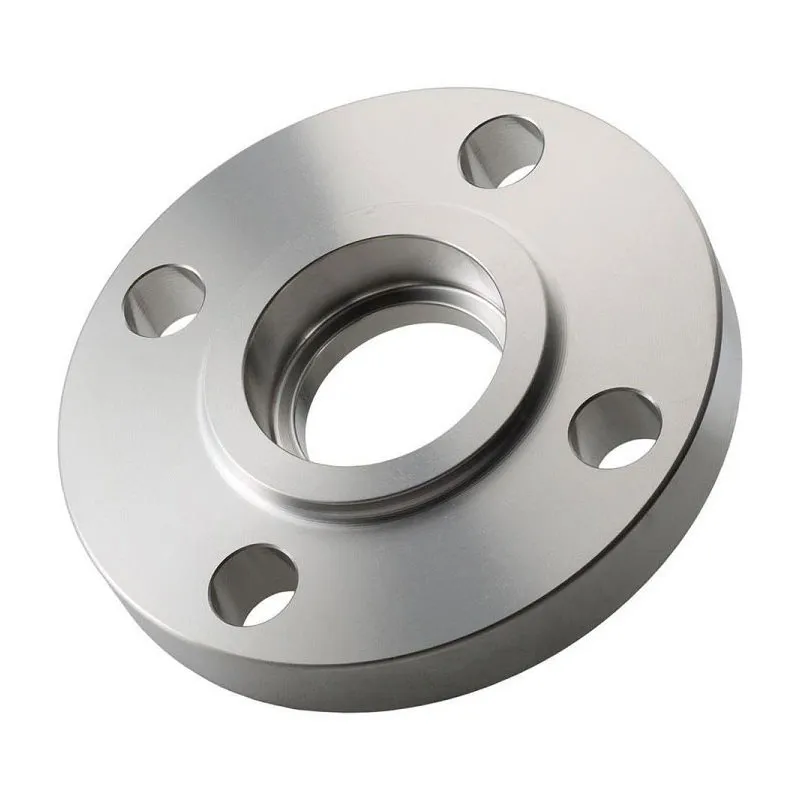
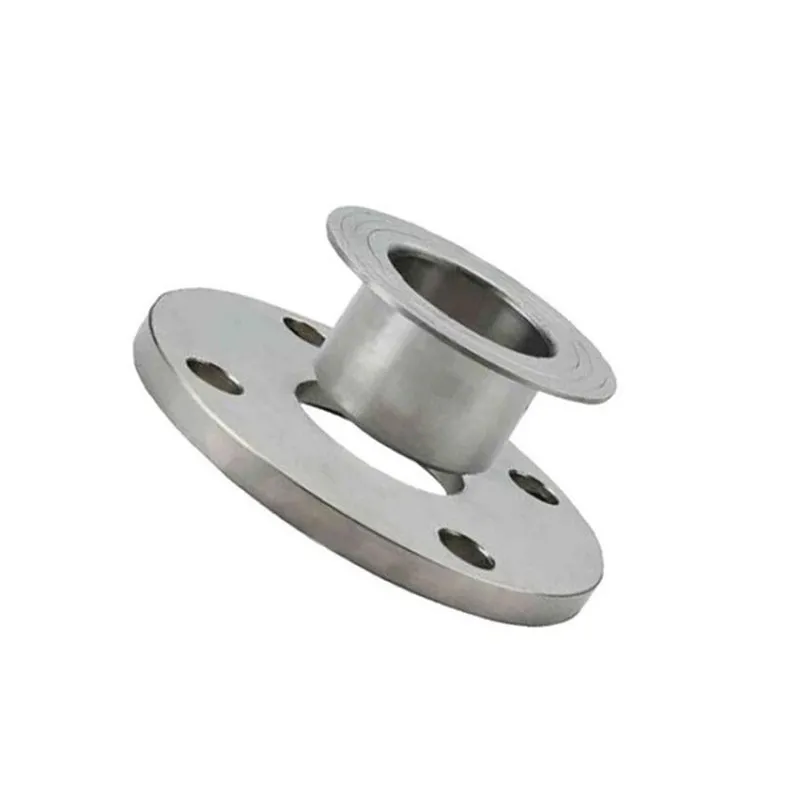
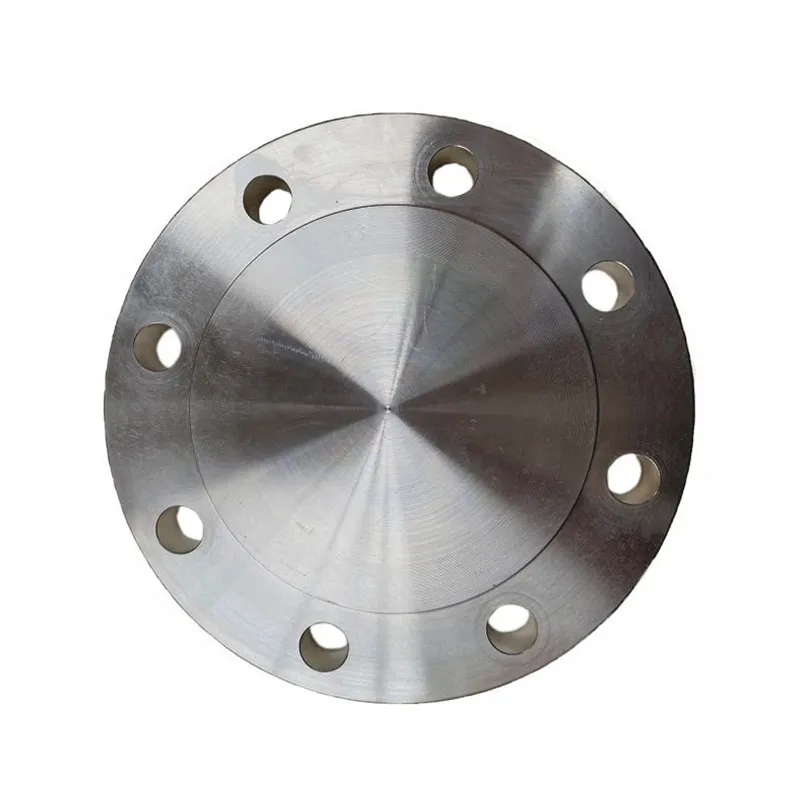
Best Sellingproducts
Best Selling Products-
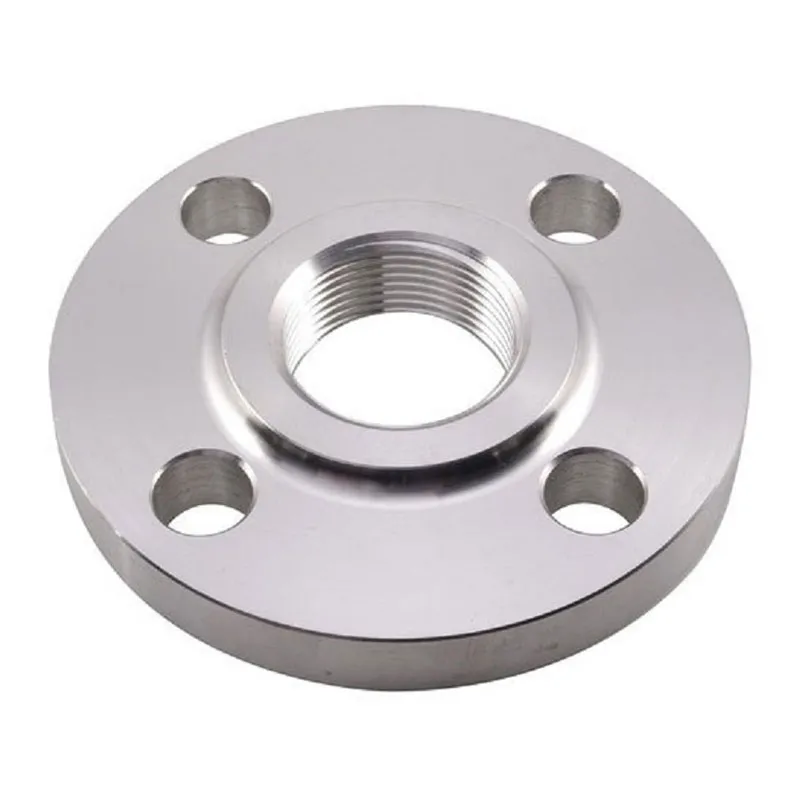 JIS 10K Overlay flanges
 -
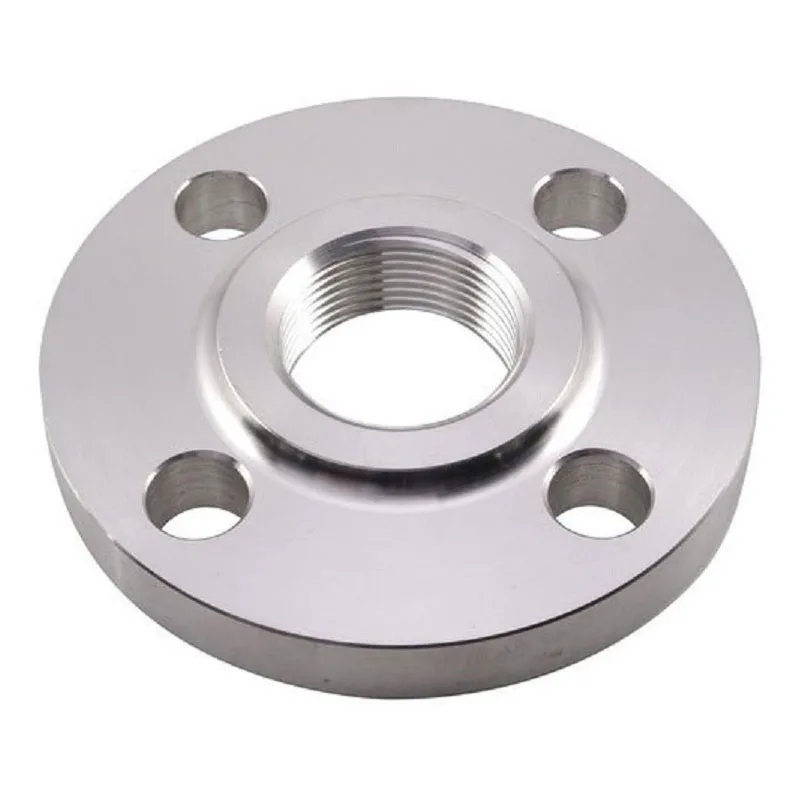 JIS 10K Threaded Flanges
 -
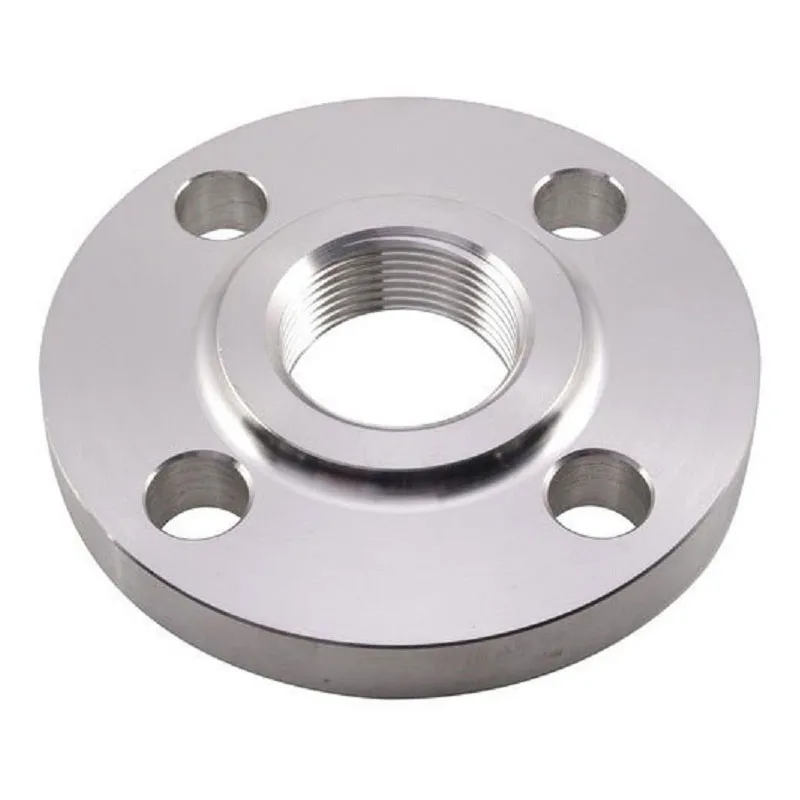 EN 1092-1 Threaded flanges Type 15, PN16
 -
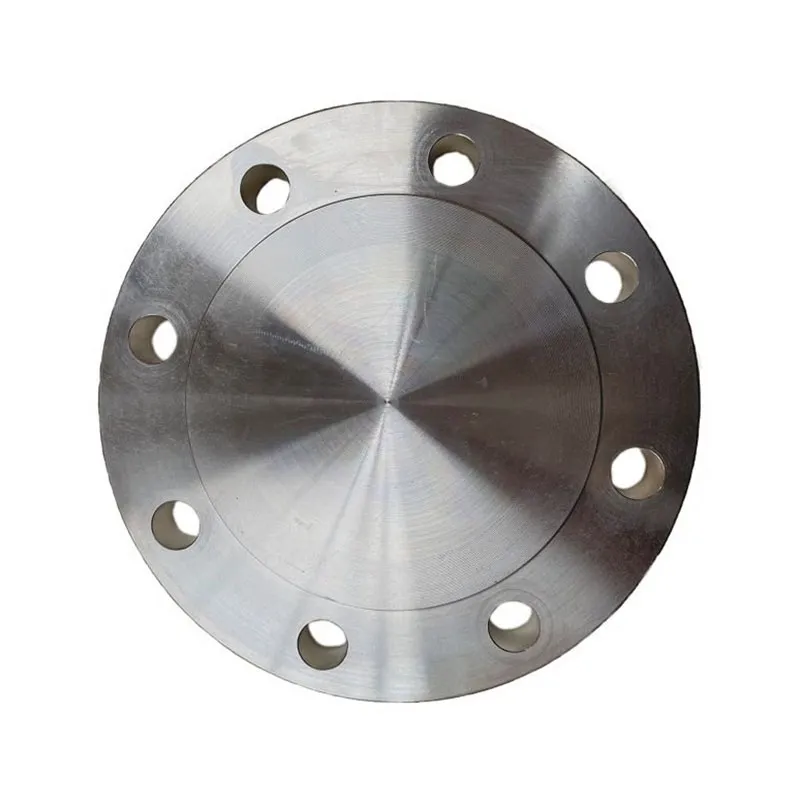 ASME B16.47 Ser.A Blind Flanges Class 400
 -
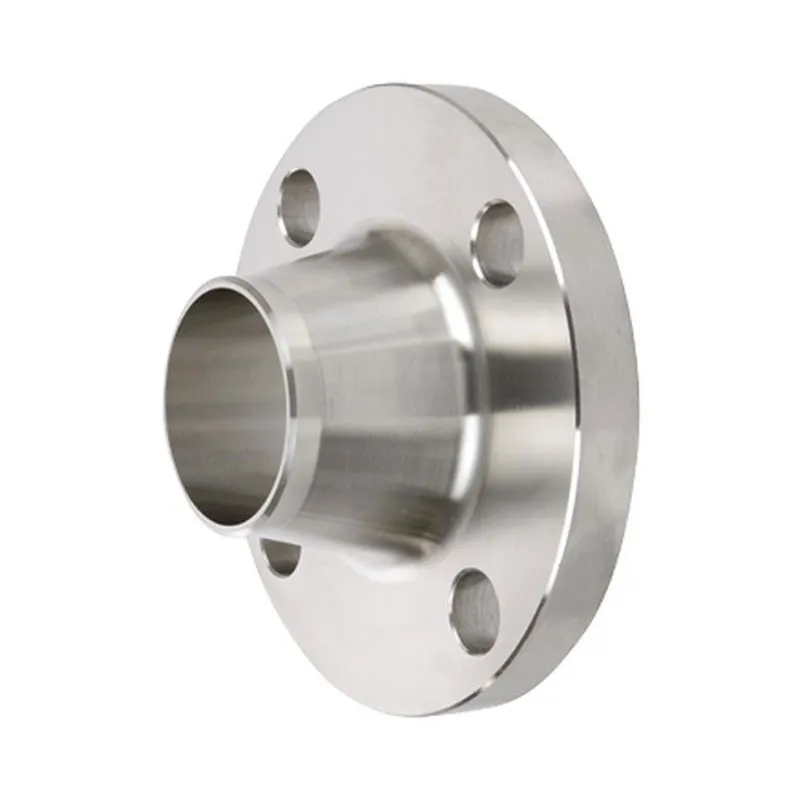 Ser.A Butt Weld Flanges Class 400
 -
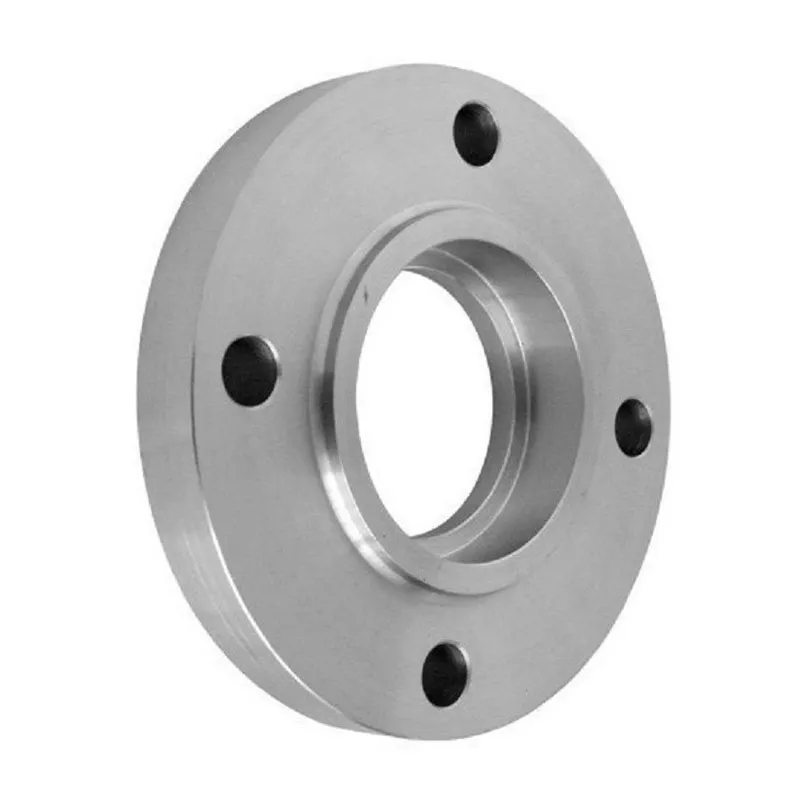 Socket Weld Flanges Class 300
 -
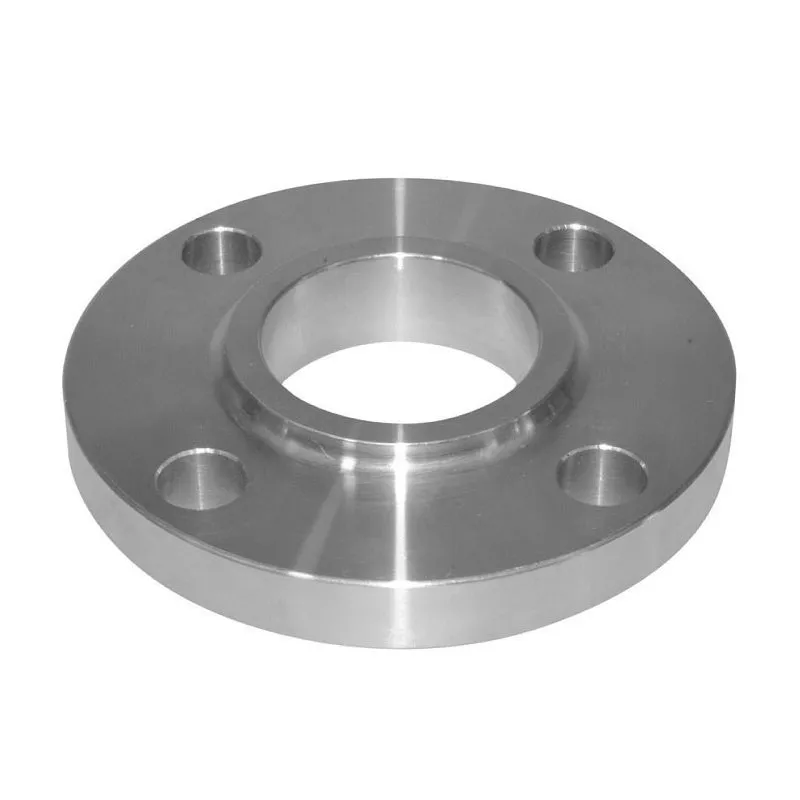 ANSI B16.5 Lap-on flanges Class 1500
 -
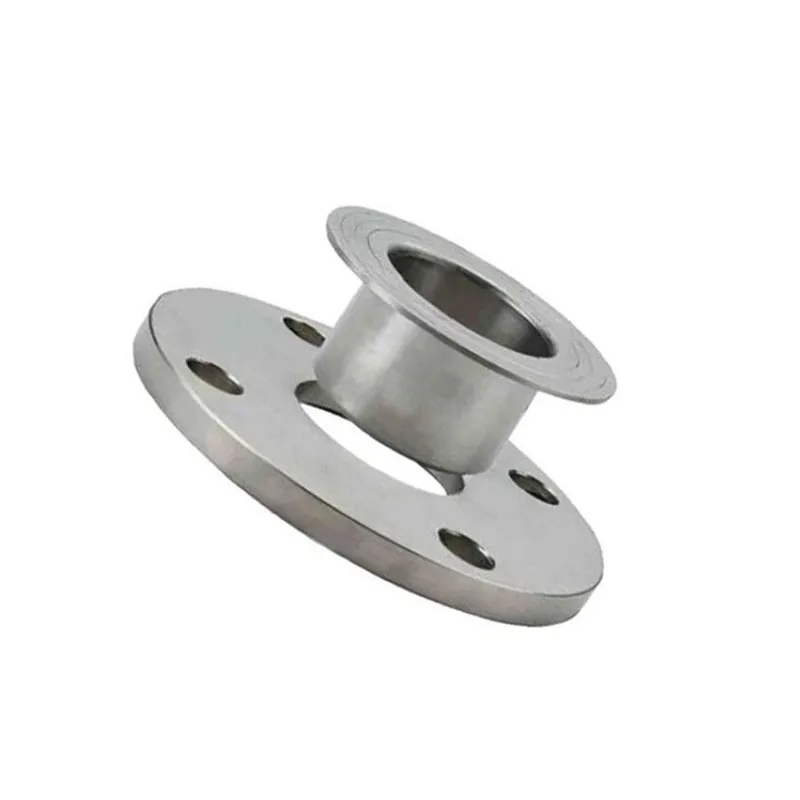 Free ring flanges Class 400
 -
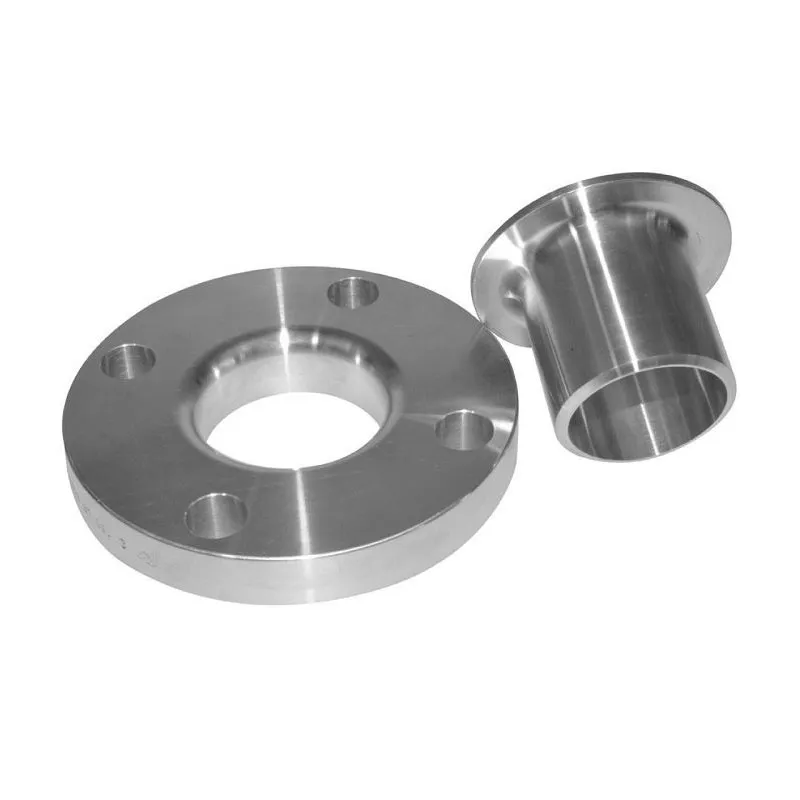 ANSI B16.5 Loose Ring Flanges Class 2500
 -
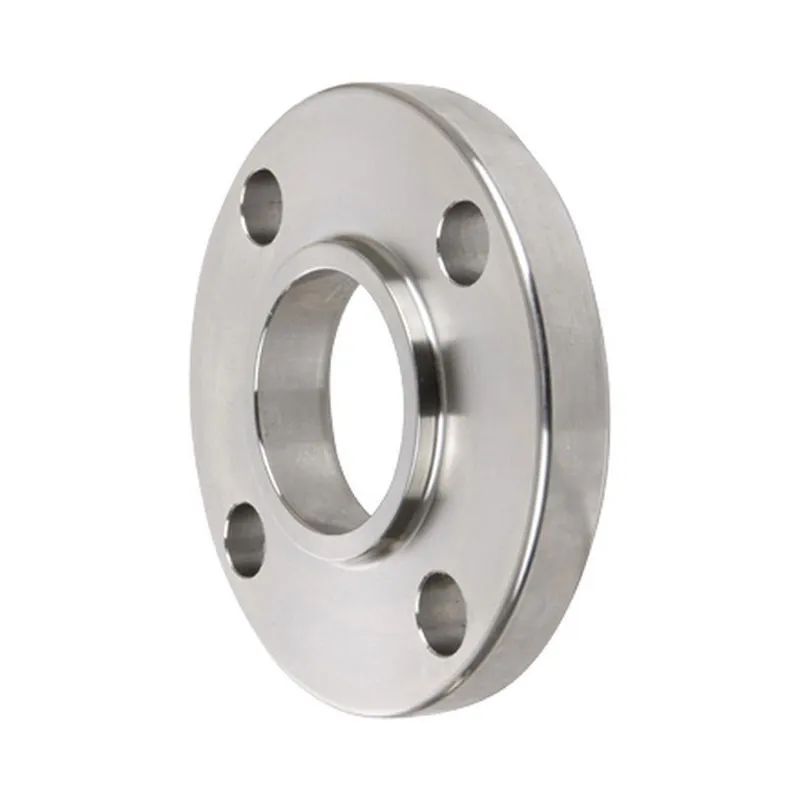 DIN 2501 Overlay flanges PN16
 -
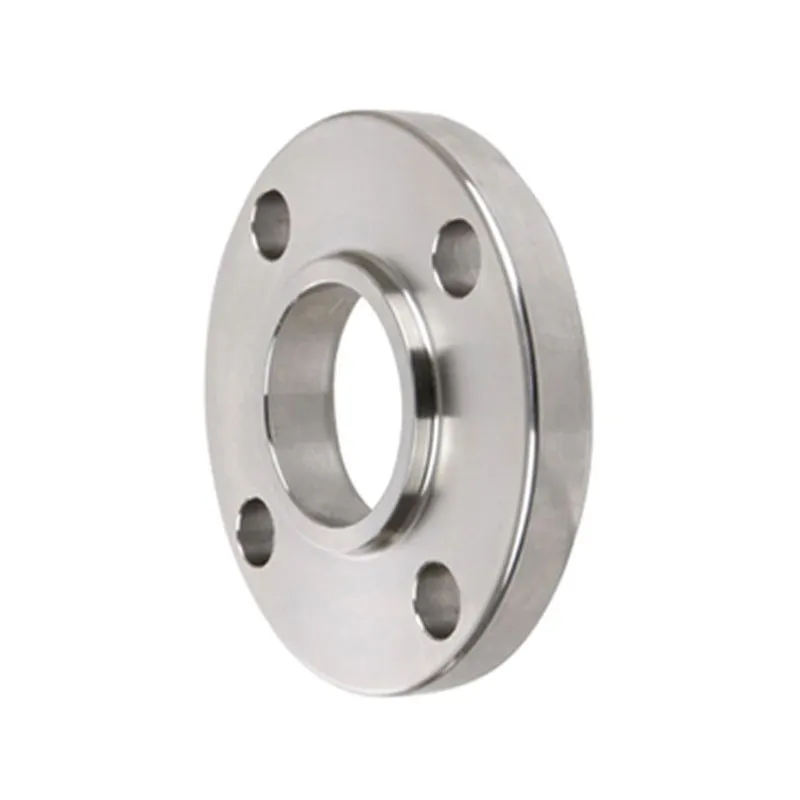 ANSI B16.5 Lap-on flanges Class 300
 -
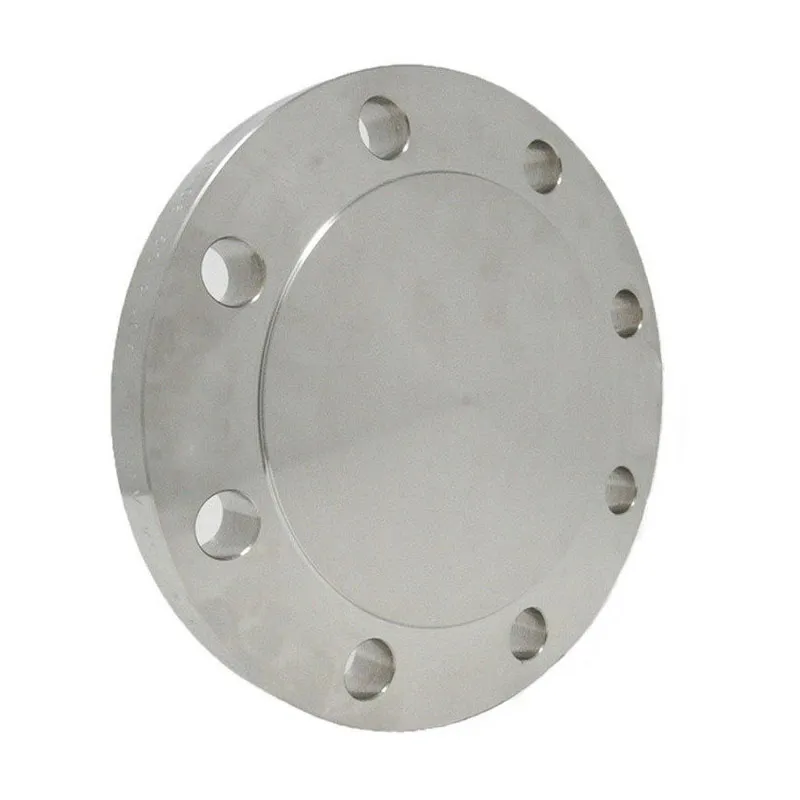 Blind flanges Class 150