
-
-
Phone
+86-13623462298



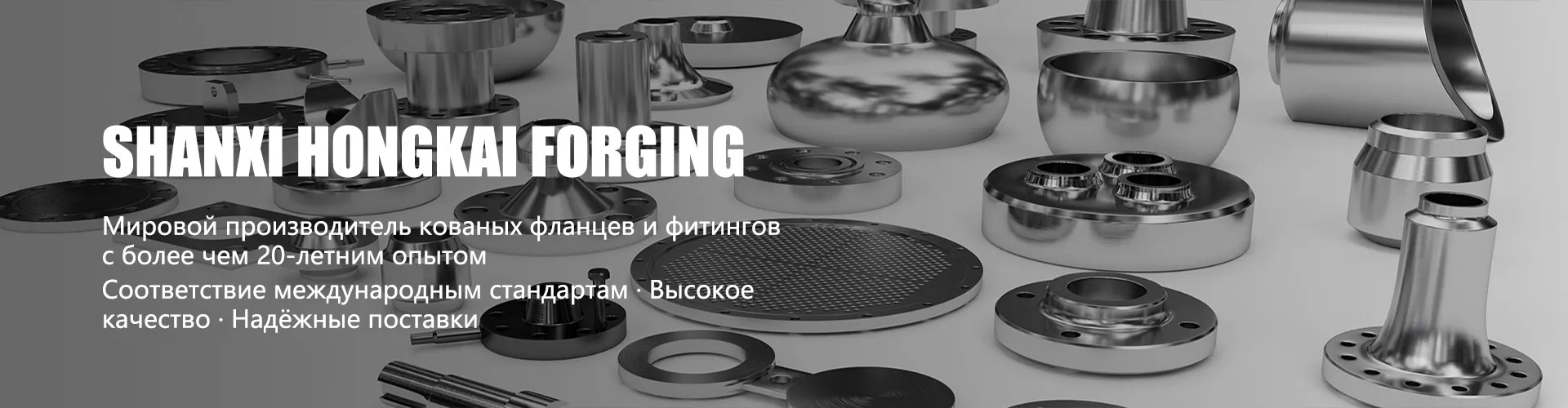
steel flange 25 MPa
When they say “25 MPa steel flange”, many people immediately imagine just a thick disk with holes. But a pressure of 250 atmospheres is already serious, here any little thing, from the grade of steel to the quality of the chamfer, can come out sideways. Often customers, especially those who are just starting a project, focus on the main diameter and standard (for example, GOST), and think about heat treatment, ultrasonic testing, or even how the sealing surface will behave after broaching. But in vain.
What is actually hidden behind the number ?25 MPa?
This is not just a passport characteristic. For such a load, especially in main pipelines or reactor plants, the flange itself is no longer just a connecting part, but a critical unit. Here you can no longer take the first steel 20 or 09G2S you come across. We need a calculation for creep and cyclic load. I remember how at one of the facilities near Tyumen I had to urgently change a batch of flanges for a nominal pressure of 25 MPa - the supplier, saving money, used steel without proper control of impact strength at low temperatures. The laboratory showed cracks after the first cycle of hydrotests. It's good that we caught it in time.
That is why now we most often look towards forging, rather than casting or cutting from sheet metal. Forging gives a better fibrous structure of the metal and less internal stress. For example, when we worked withShanxi Hongkai Forging Co.,Ltd (https://www.hkflange.ru), we noticed that they focus on forged flanges. This is logical, given their specialization as a manufacturer in one of the forging centers of China. For a pressure of 25 MPa, this is the right way - the homogeneity of the material is critical.
But forging is different from forging. Not only the process is important, but also the subsequent processing. After forging, normalization is required to relieve stress. Then there is mechanical processing, but there is a nuance here: when working with large diameters, say, DN600 and above, there is a risk of warping when removing chips. Therefore, the technical process needs to be built with intermediate releases. We once received a DN800 flange, where the sealing plane "led" literally by 0.5 mm - I had to manually adjust it on site, which is very expensive and unreliable.
Standards and reality on site
The specifications usually write: GOST, ASME B16.5 or EN 1092-1. And everyone thinks that since there is one standard, then the product will be identical. In practice, there is a huge difference in tolerances, especially in the alignment of the holes for the studs and in the roughness of the sealing surface. For 25 MPa, a mirror or at least a background treatment without marks is usually required. But some manufacturers, even with a certificate, save on the finishing operation. Visually it seems to be smooth, but during installation the gasket “snacks”.
CompanyShanxi Hongkai Forging Co.,Ltdin its nomenclature it specifies the full range of standards: from international ASME, EN, DIN to our GOST and Chinese GB. This is an important point. Because, let’s say, for a project in the CIS, GOST 33259 (formerly GOST 12821) is needed, with all its requirements for marking and testing. And if the manufacturer has experience and equipment for different standards, then he understands these subtleties. I saw their products under GOST - the markings and stamp were in place, the geometry was normal. This inspires confidence.
But the standard is not everything. It happens that the drawing is in accordance with GOST, but the technical specifications indicate the medium - hydrogen sulfide. Here we already need steel with special properties, anti-sulfide corrosion resistance. And this must be reflected in the material certificate. A common mistake is to purchase a standard 20 or 13HFA steel flange without checking the chemical composition for sulfur limits. Then - rapid destruction.
About sizes and non-standard situations
The declared range up to DN4000 is impressive, but in practice 25 MPa flanges of this size are a piecemeal, almost exclusive product. The main flow is in the range DN50 - DN600. For large diameters, the very creation of a pressure of 25 MPa is an engineering challenge, and the flange becomes part of a complex structure, often with reinforcing elements. Here you can’t do without individual calculations.
The mentioned manufacturer, by the way, also indicates production according to customer drawings. This is useful. In my practice, there was a case when, to repair an old installation, an adapter flange from DN300 to DN250 at 25 MPa was needed, but with a non-standard arrangement of holes for the studs (an old European machine). They made it according to our sketch, with additional stiffening ribs. It has been working for seven years now. It is important that the plant is ready for such a dialogue, and not just demand ideal drawings according to its templates.
Another point is thickness. For 25 MPa it is, of course, greater than for 10 or 16 MPa. But you cannot blindly follow the standards tables. The temperature of the environment must be taken into account. At high temperatures, the strength of steel decreases, and even greater thickness may be required than at room temperature. Or vice versa, at cryogenic temperatures - other steels. This is about the question of “steel flange?” — what kind of steel exactly?
Installation and the “last meter”
The highest quality forging can be damaged on site. The installation rules for high pressure are strict: sequential tightening of the studs with a torque wrench, according to a certain pattern (crosswise). Often installers, accustomed to 1.6 or 6.4 MPa flanges, take this carelessly. The result is an uneven load, misalignment, and, at best, leakage; at worst, destruction during hydrotesting.
Therefore, when supplying such products, it would be good to include not only certificates, but also brief installation instructions. Not everyone does this. I saw how representativesShanxi Hongkai Forging Co.,LtdAt one of the exhibitions they showed exactly the process of monitoring and assembling a unit. This is the right emphasis. The manufacturer must think beyond just before shipment from his warehouse.
And one more thing about gaskets. For 25 MPa, ordinary paronite is often not suitable. We need metal ones with an oval or octagonal cross-section, or spiral wound. And there must be a correct groove on the flange for them. It happens that a flange is made for one typology of gaskets, but at the site, due to old habits, they use another. Inconsistency - and the tightness is a big question.
Instead of a conclusion: what to look for today
So, to summarize the experience.Steel flange 25 MPa- this is not a story about purchasing from a catalogue. This is a story about technical specifications, dialogue with the manufacturer and control at all stages. First, require not only a certificate of conformity, but also factory test reports (hydrotests, often ultrasonic tests). Second, pay attention to the origin of the workpiece: forging is preferable. Third, discuss operating conditions (temperature, environment) right away in order to choose the right steel grade.
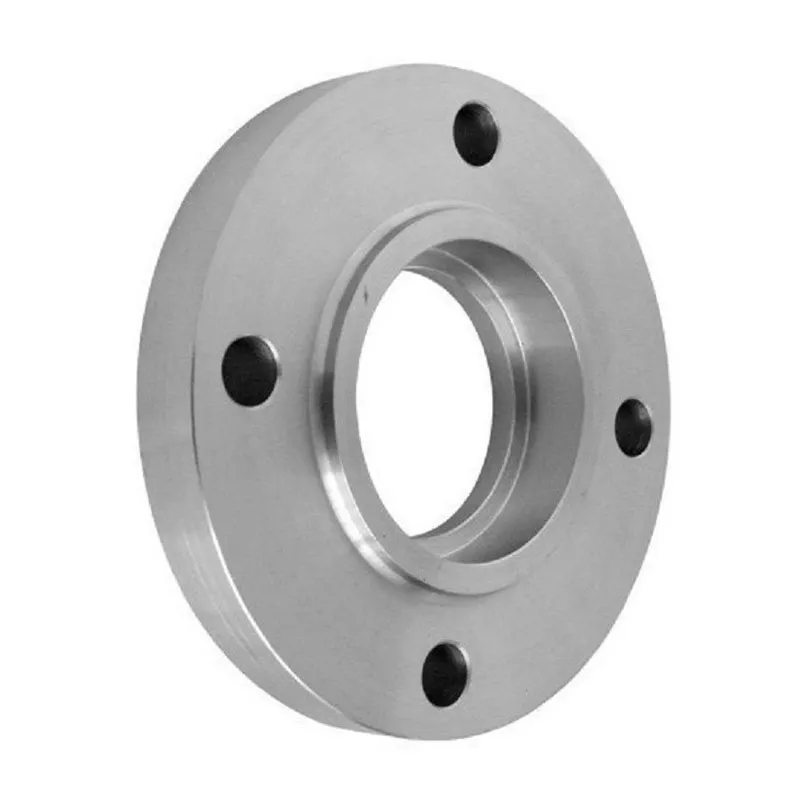
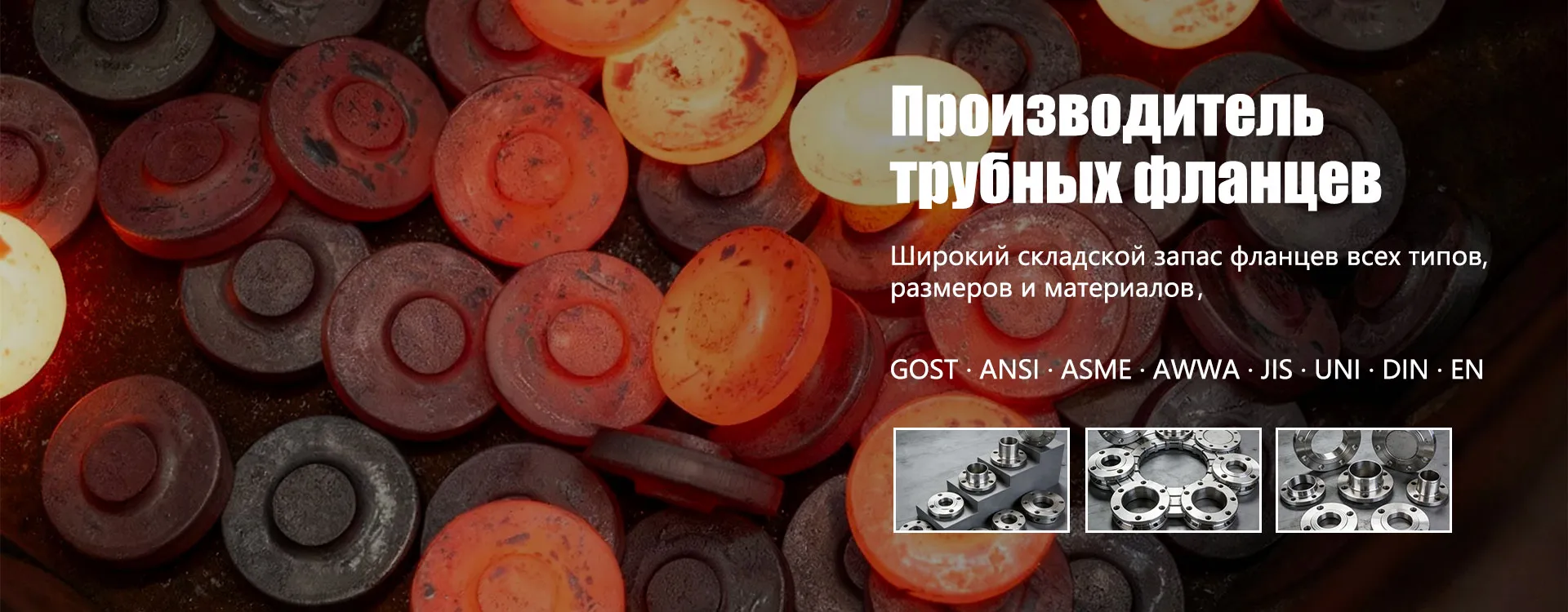
Companies likeShanxi Hongkai Forging Co.,Ltd, with their emphasis on forged products and a wide range of standards, are on the list of potential suppliers for such applications. Their websitehttps://www.hkflange.rushows the required specialization: butt-weld, flat, loose, blind flanges - everything that is required for the assembly of critical high-pressure pipeline systems. But, I repeat, the final choice should always be made by a technical specialist who will study all the nuances of a particular project. Because even a perfect forging is only half the success. The second half is proper application.
There are no trifles in this area. It seems that everything was invented long ago and standardized. But every new facility, especially a renovation or modernization project, brings surprises. That’s why I’m writing these notes—maybe it will help someone avoid unnecessary headaches and downtime. The main thing is not to be afraid to ask questions to the supplier and demand clarity on all points, from steel chemistry to packaging to protect sealing surfaces during transportation. All this is important.
Correspondingproducts
Related Products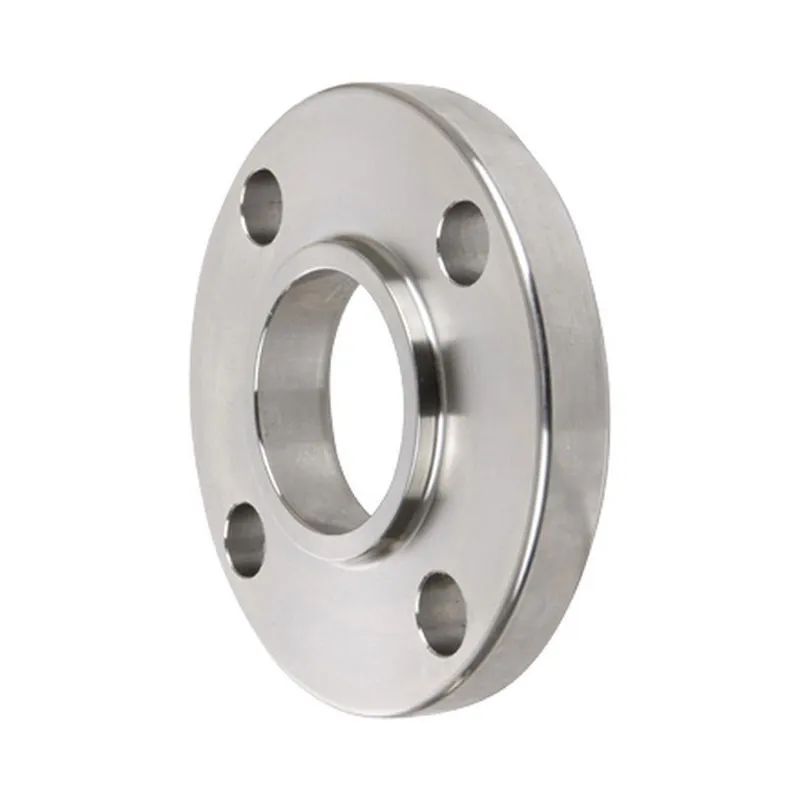
Best Sellingproducts
Best Selling Products-
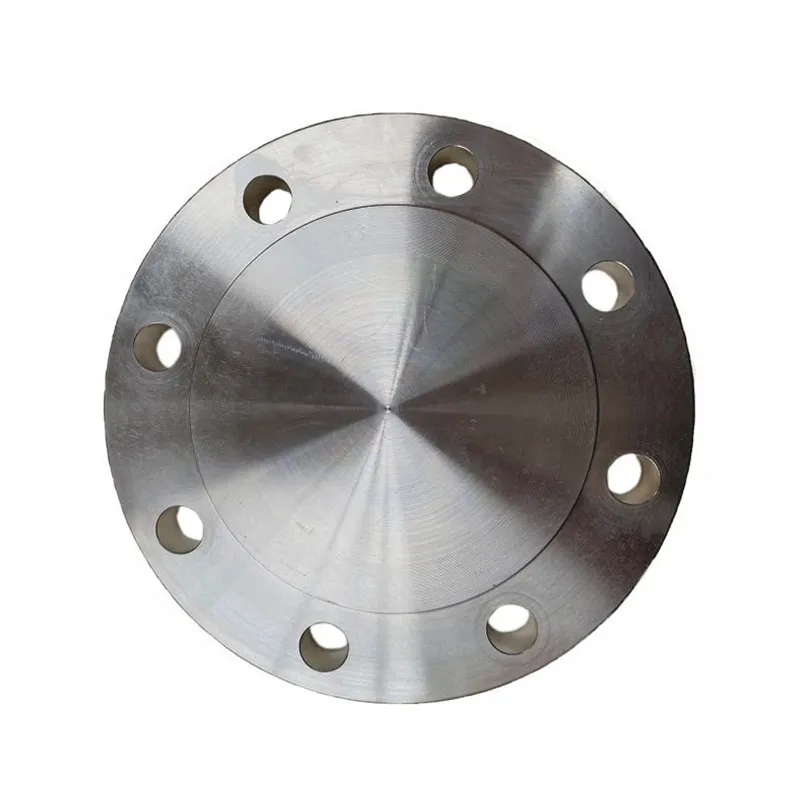 DIN 2527 Blind flanges PN10
 -
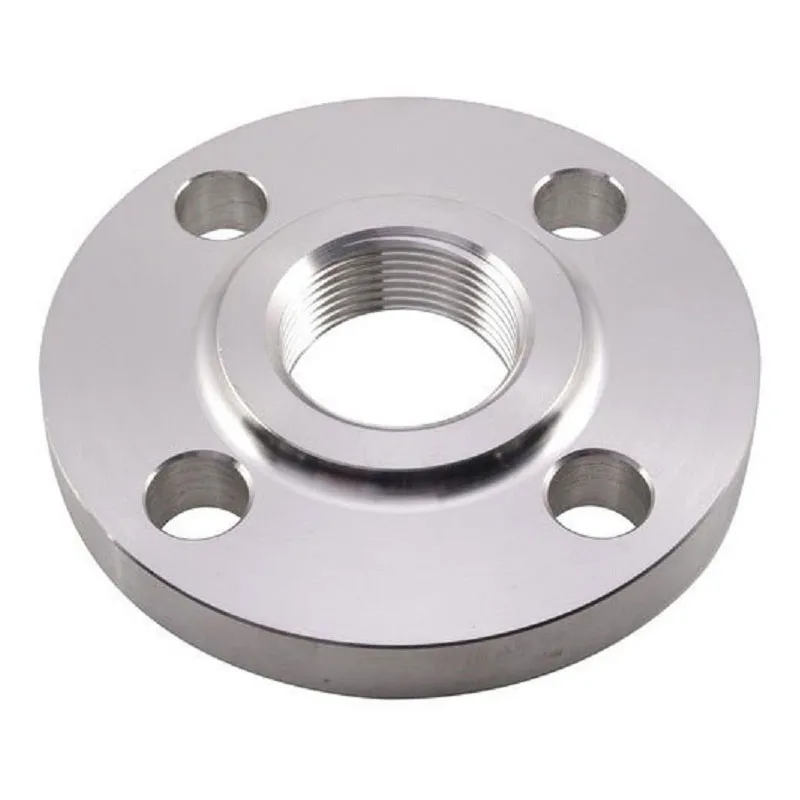 EN 1092-1 Threaded flanges Type 15, PN16
 -
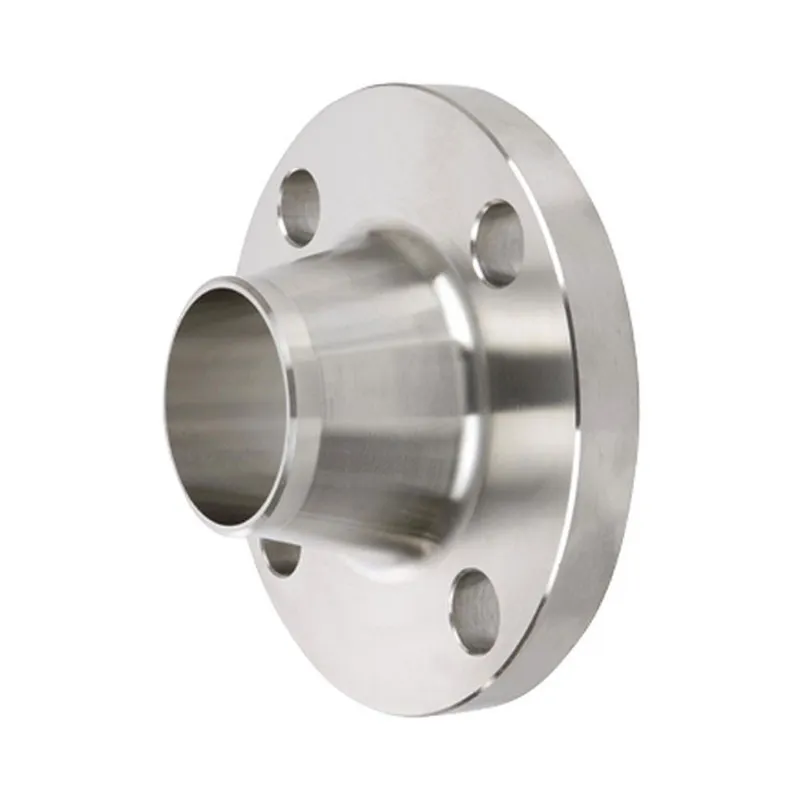 EN 1092-1 Butt weld flanges Type 11, PN25
 -
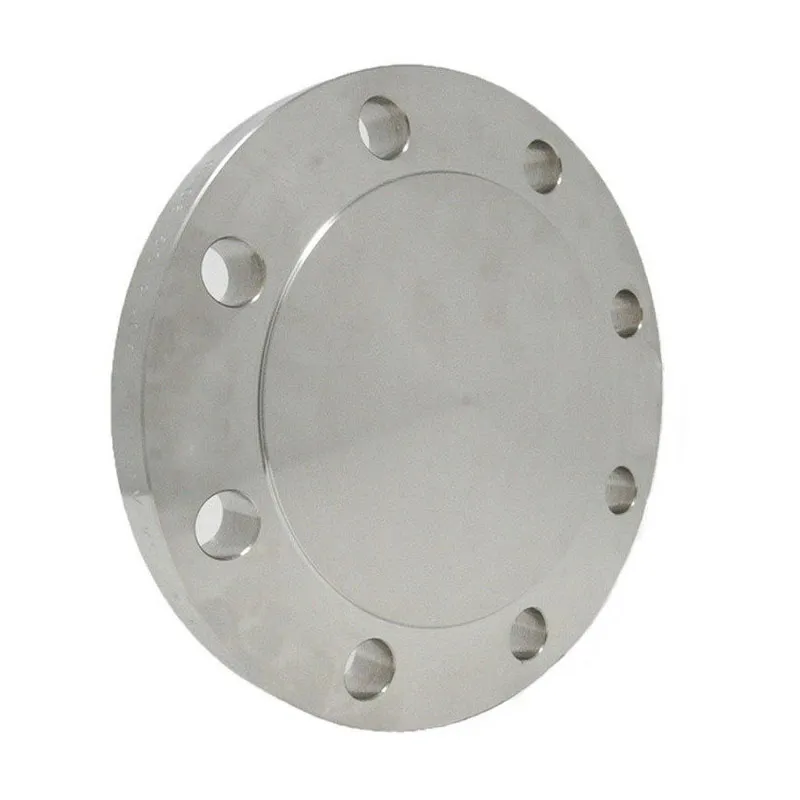 Blind flanges Class 150
 -
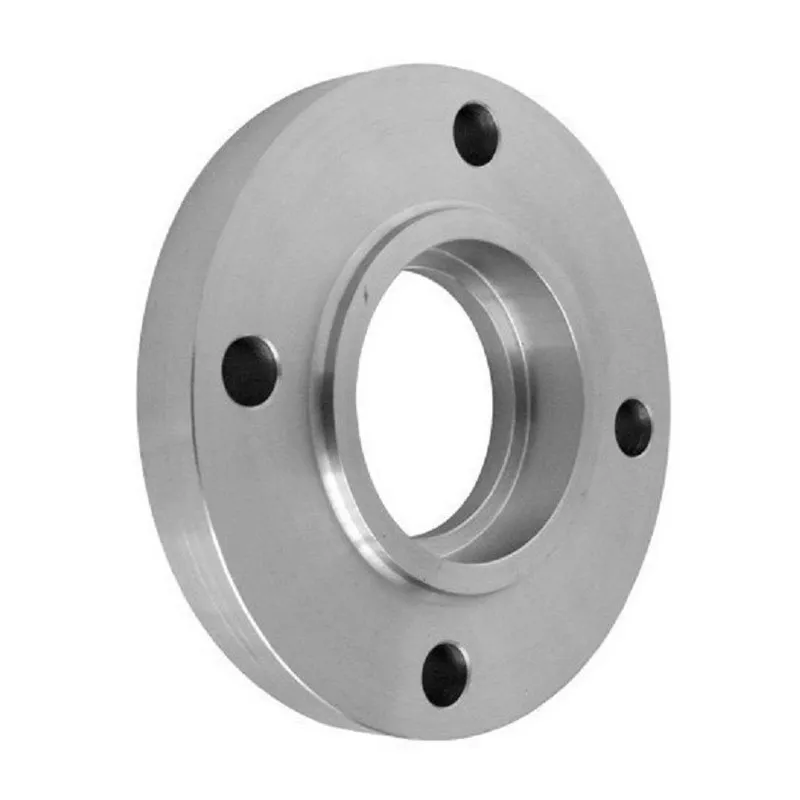 JIS 5K Socket Weld Flanges
 -
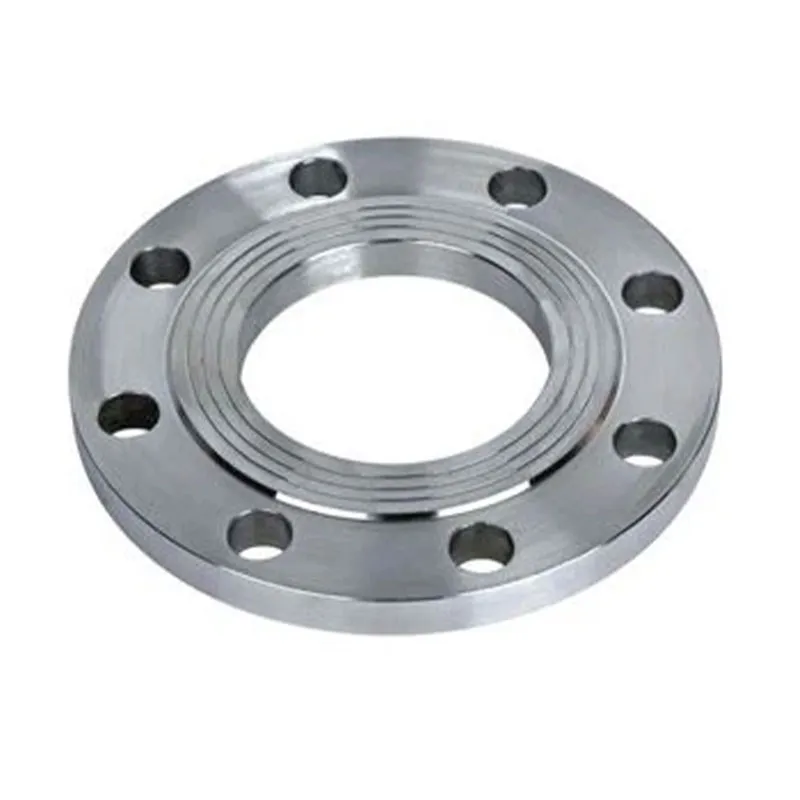 Butt weld flanges Class 150
 -
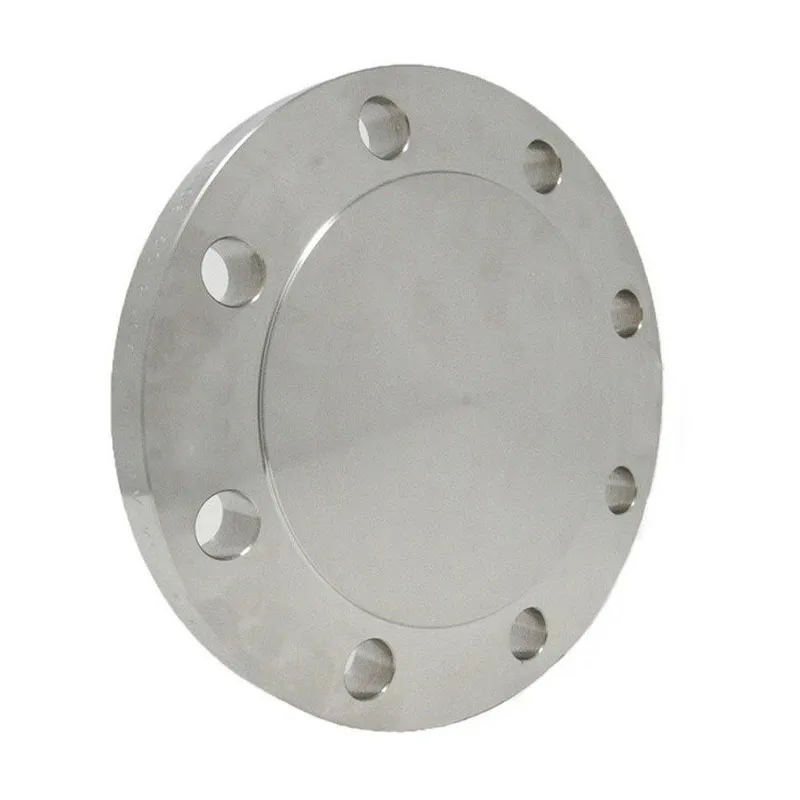 EN 1092-1 Blind flanges Type 05, PN10
 -
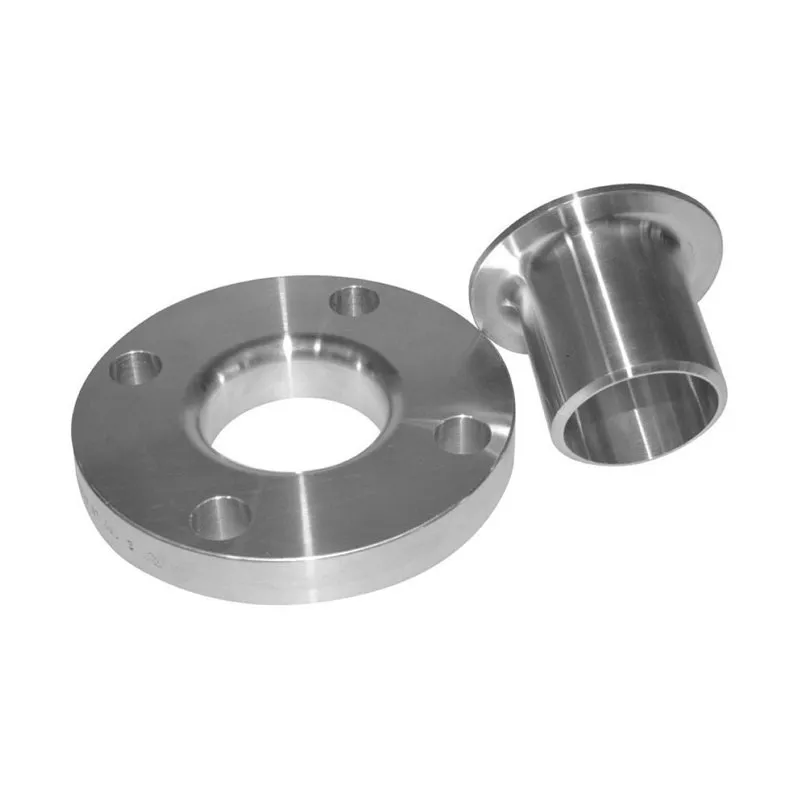 Free ring flanges Class 150
 -
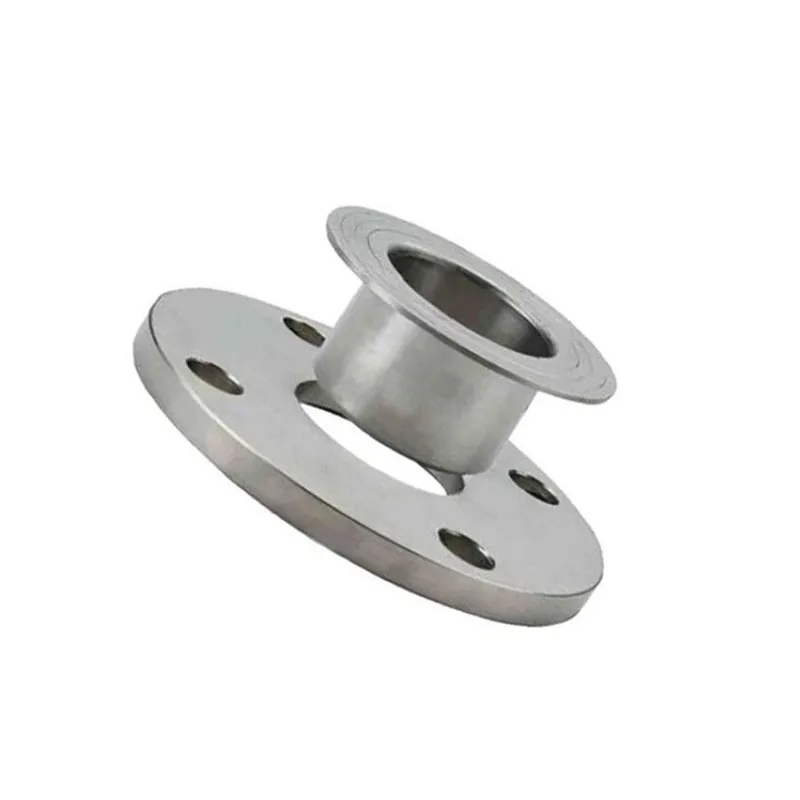 Free ring flanges Class 400
 -
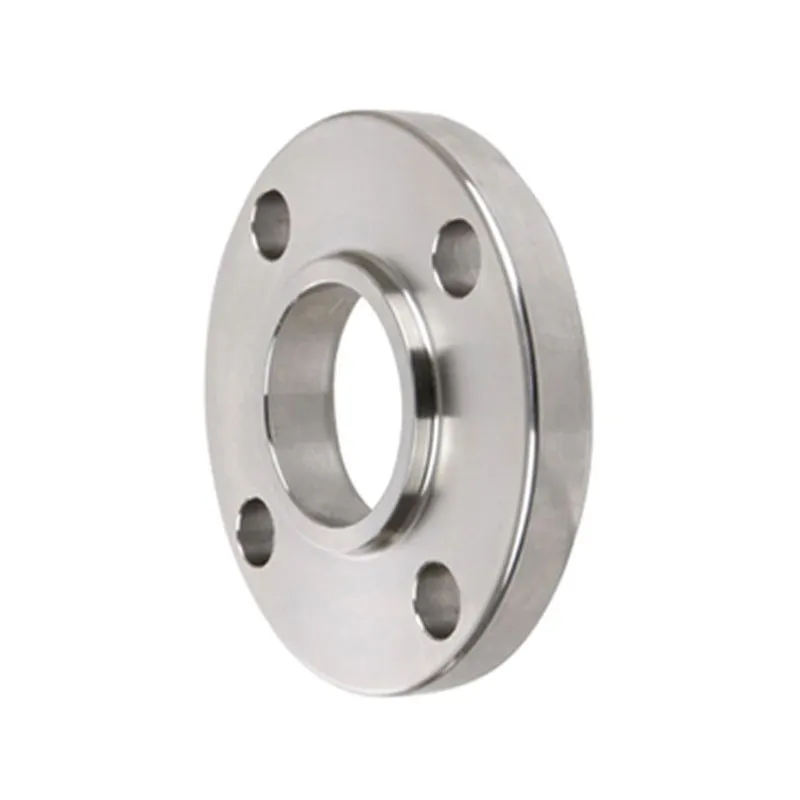 ANSI B16.5 Lap-on flanges Class 300
 -
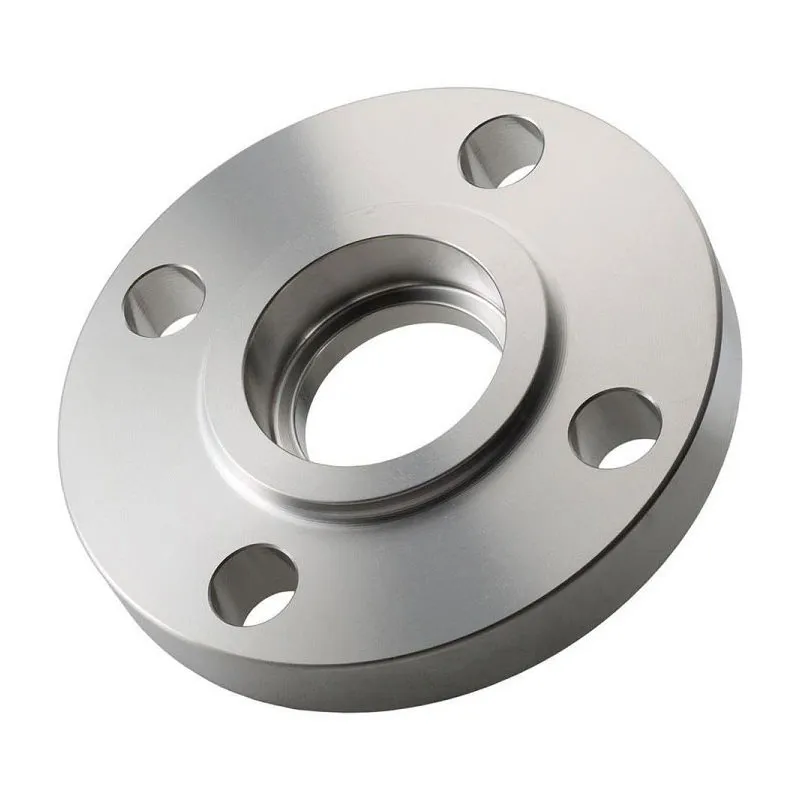 Flanges for socket welding
 -
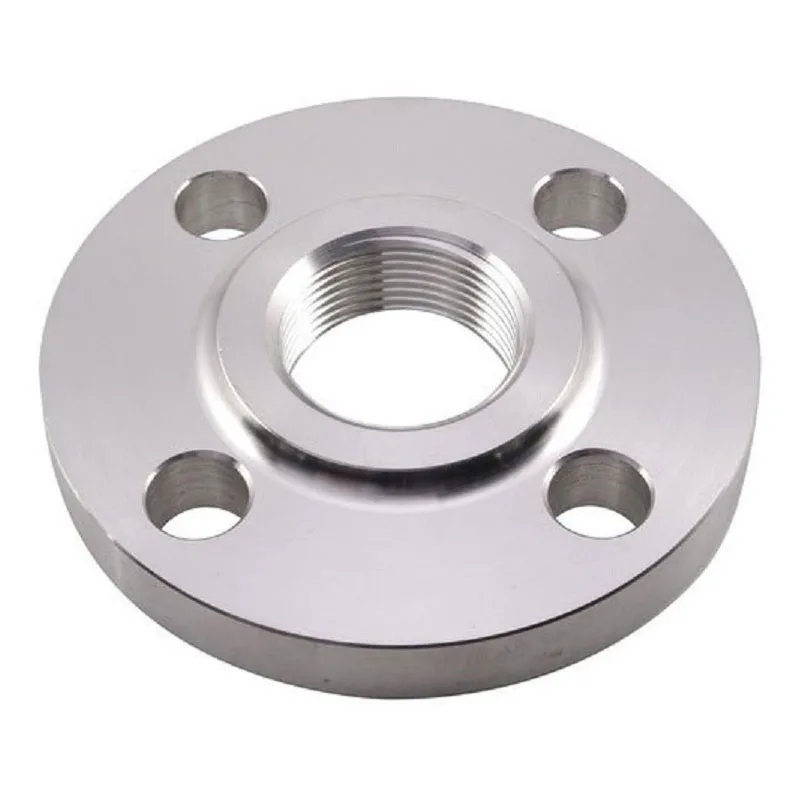 JIS 10K Threaded Flanges