
-
-
Phone
+86-13623462298




base flanges
When they talk aboutbase flanges, many people immediately think about size and pressure. This, of course, is important, but there is a nuance that constantly comes up in practice: the very concept of 'foundation'. Sometimes it is interpreted too narrowly - simply as a supporting surface. In fact, especially for heavy or highly loaded systems, this is a whole complex: the geometry of the contact zone, the ability to distribute the load on the structure, and even the material of the substrate on which this flange is placed. A common mistake is to choose a great flange according to GOST or ASME, but not think through how it will interact with the foundation or frame. This has happened at our sites, and then we had to add concrete or install additional pads, which is not always good.
Where is the catch in standardization?
We work with different standards - from GOST and ASME to EN and DIN. And here’s what’s interesting: in the flange standards themselves, say, GOST (butt-welded steel flanges) or ASME B16.5, aboutbase flangesas such, not much is said. It's all about connecting dimensions, pressures, temperatures. And the issue of installation on the base is often left to the designer or installer. This creates a risk area. For example, for large diameter flanges, the same DN2000 and higher, which are supplied, for example,Shanxi Hongkai Forging Co.,Ltd(their website ishkflange.ru), uneven support can lead to extreme stresses in the flange joint itself, especially in the neck area of the butt weld flange.
We had a case at a thermal power plant: they installed a loose flange with a welded ring (according to the old GOST 12822-80) on a support structure made of a channel. Everything seems to be level, they brought it to the level. But after six months of operation on the hot pipeline, leaks began to appear at the bolted joints. We disassemble it - and one of the supporting ribs of the structure “floated” a little due to temperature cycles, the flange was skewed. It turns out that the standard for the flange itself was met, but the base failed it. Now, when there are large temperature differences, we always lay compensating pads or a more rigid base.
Another point is the processing of the supporting surface. It would seem like a banal thing. But for flat flanges that are placed directly on a metal frame, the roughness of this frame is critical. If it is too large, the flange, especially a large one, may not fit completely flat. And if you polish it to a mirror finish, a problem with friction due to thermal expansion may arise. A golden mean is needed, and it is often determined empirically, and not from manuals.
Base material and its compatibility
The story here is not only about steel. The base can be a concrete foundation or a composite slab. For chemical plants that use flanges made of AISI 316L stainless steel, a base made of ordinary carbon steel without proper insulation is a direct road to corrosion. A galvanic couple is formed. We investigated an accident at a chemical plant: the flanges were excellent, from a trusted manufacturer, like the same oneShanxi Hongkai Forging Co.,Ltd(they, by the way, make forgings according to customer drawings, which is often a life saver for non-standard solutions), and the mounting beams on which they stood decayed in a couple of years. The reason is that splashes of reagents created an electrolyte and intense corrosion began. I had to change the entire support system to an insulated or stainless steel one.
For concrete foundations, another headache is anchoring. The fastening studs or bolts that hold the supporting structure of the flange must be embedded in concrete, taking into account not only static loads, but also vibrations and possible shock loads (water hammer in pipelines). I underestimated it - over time, the concrete around the anchor begins to crumble. This is especially true for pumping and compressor stations. Here it is important not to just pour concrete, but to use special anchor systems, often with epoxy glue.
Sometimes the base itself requires modification to fit a specific flange. For example, when installing flanges for a large-diameter welded ring (slip-on), the base should allow this ring to be easily placed on the end of the pipe after the supporting structure has been installed. If this is not taken into account, installation turns into a nightmare with gas cutters and grinders, which is unacceptable for critical facilities.
Calculations that are often ignored
In design documentation, the load on the base from a flange connection is often considered in a simplified way - weight plus axial force from pressure. But there are still bending moments. Especially for flanges installed on pipeline bends or vertical sections. These moments can create a significant overturning effect. I remember how at one of the oil refineries, a DN800 flange on a vertical riser literally “teared” part of the fastener from the base when the system was starting up - the starting hydrodynamic loads were not taken into account. It's good that there was no breakup.
Therefore, now we always, especially for diameters from DN500, ask designers to give not just weight, but a complete picture of the loads: axial, transverse, moments. And we select or construct a base for this. This often results in the use of specially shaped stiffeners or cantilever supports. Manufacturers who work with non-standard products are indispensable here. On the samehkflange.ruThe flange can be ordered with a reinforced neck or a modified back-up ring configuration, which directly affects the base requirements.
Another calculated nuance is thermal expansion. If the flange and its base are made of materials with different coefficients of thermal expansion (for example, the flange is carbon steel and the frame is aluminum alloy), additional stresses may occur when heated. This may weaken the bolted connection of the flange itself. Such things need to be calculated in advance, and not just hope for chance.
Installation subtleties and field observations
Here's what they definitely won't write in textbooks: the behavior of the base during installation. Let's say you install a heavy welding neck DN1500. It needs to be set along the axis, height, perpendicular. While you are carrying it with a crane and placing wedges, the base (often temporary supports) may sag or move. And when you finally grabbed everything by welding and released the tap, it turns out that the flange is skewed by a couple of millimeters. And this is already a marriage. Therefore, experienced teams first mount and fix the base, then place the flange on it using precision jacks, and only then begin welding.
Another field issue is maintenance access. The base should not interfere with the approach for tightening bolts, monitoring the condition of welds, or ultrasonic testing. It happens that powerful reinforcement ribs of the base block access to half of the bolt holes. You have to use bent keys or remove part of the structure, which is unacceptable. This is a layout issue and must be addressed during the development of the foundation drawings.
And of course, protection from the external environment. The base, especially at the lower points, collects moisture, dirt, and chemicals. If this is not taken into account (no drainage holes, no painting or coating compatible with the flange material), then corrosion will eat it first, and the problems will spread to the flange connection itself. In a maritime climate or workshops with an aggressive atmosphere, this is a matter of several years, not decades.
Relationship with the quality of the flange itself
It would seem that the base is one thing, and the flange is another. But in fact, the quality of the flange directly affects the requirements for the base. Let's take, for example, the plane of the supporting surface of the flange itself (the one that contacts the mating flange or gasket). If it has a flatness defect (concave or convex), this creates additional bending moments, which are transmitted through the bolts to the base. A good manufacturer who controls the geometry after forging and machining will minimize such problems. In the company descriptionShanxi Hongkai Forging Co.,Ltdthey are stated to work with a range up to DN4000. For such giants, flatness control is a mandatory and complex operation. If the flange is crooked, no foundation, even the strongest one, will save you from leaks.
The same goes for the accuracy of the bolt holes. If the holes are offset from the center, misalignment occurs during assembly, which creates a variable load on the base. It works not for uniform compression, but for bending. Over time, this can lead to fatigue cracks in the base-to-foundation welds.
Therefore, my conclusion, based on practice: when choosing flanges, especially for critical facilities, you need to look not only at certificates according to standards (GOST, ASME, EN), but also at the manufacturer’s reputation in terms of geometric accuracy. And based on the quality of the flange itself, design the base with a certain margin. Because there are no perfect products, there are always tolerances. And the foundation should compensate for these tolerances, not aggravate them. Working with trusted suppliers who, likeShanxi Hongkai Forging Co.,Ltd, specialize in forged flanges and forgings, often reduces risk because forging provides better metal structure and dimensional stability compared to casting or welded structures. But this does not replace the need to think of the base as a full-fledged part of the assembly, and not just a 'stand'.
Correspondingproducts
Related Products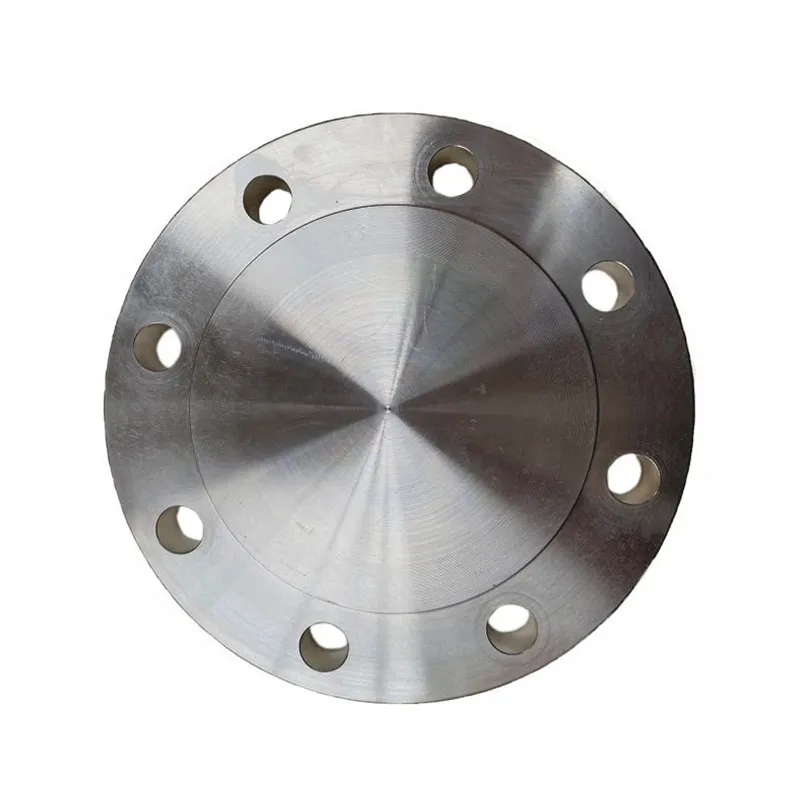
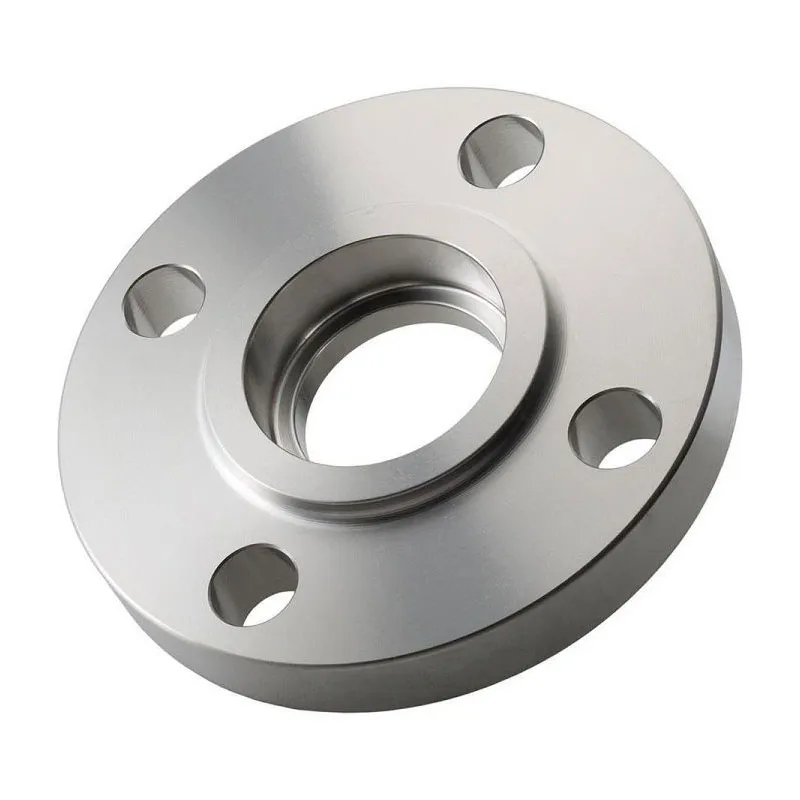
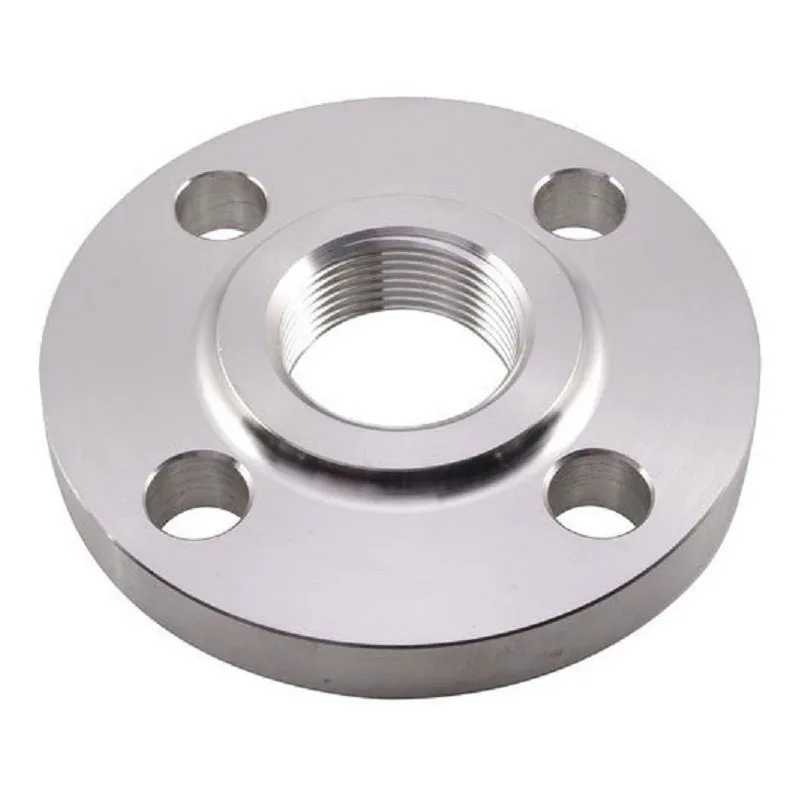
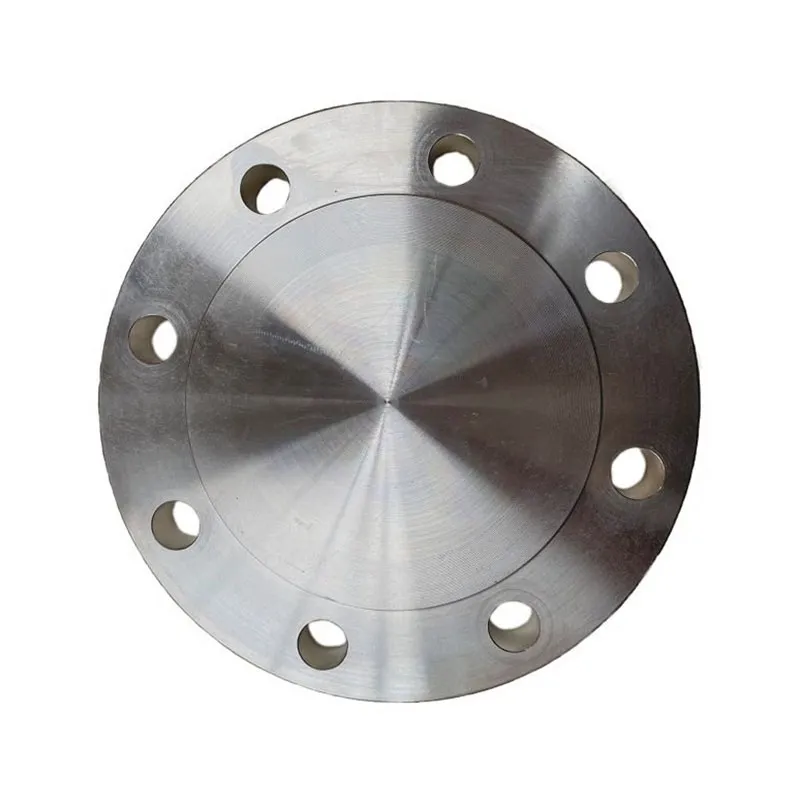

Best Sellingproducts
Best Selling Products-
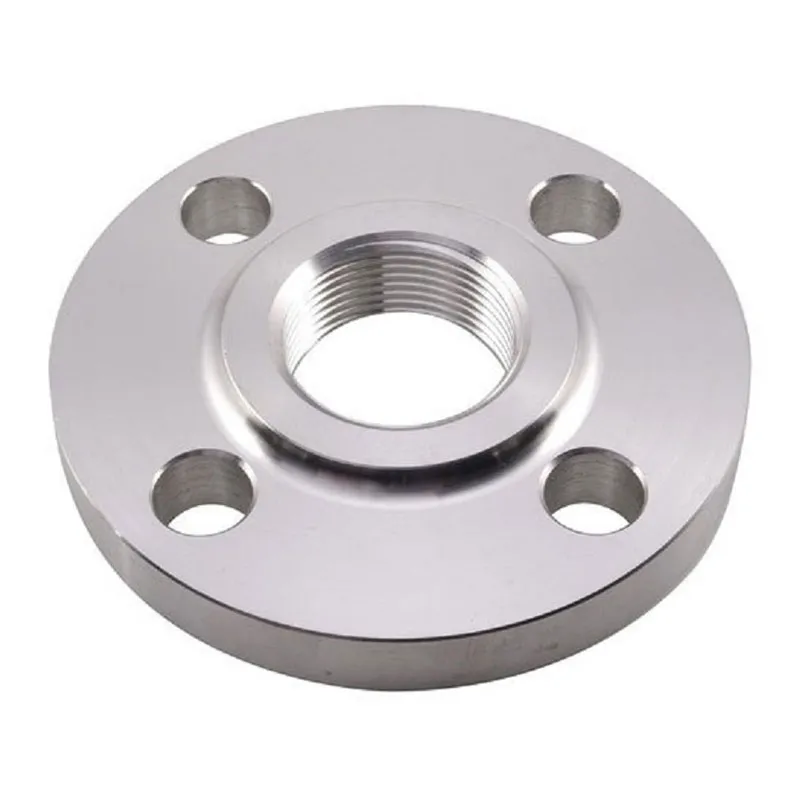 JIS 10K Overlay flanges
 -
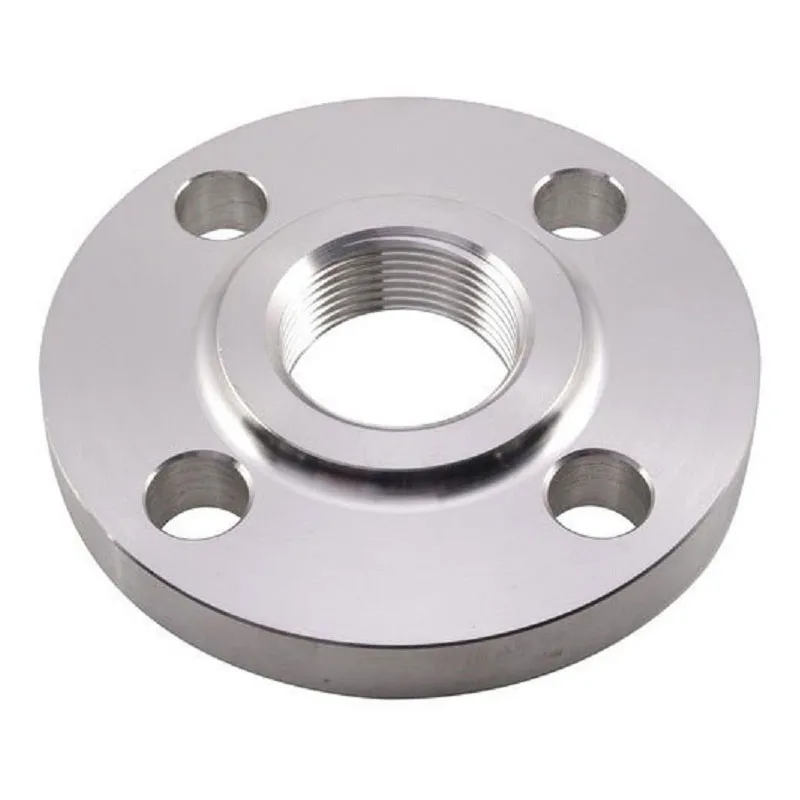 EN 1092-1 Threaded flanges Type 15, PN16
 -
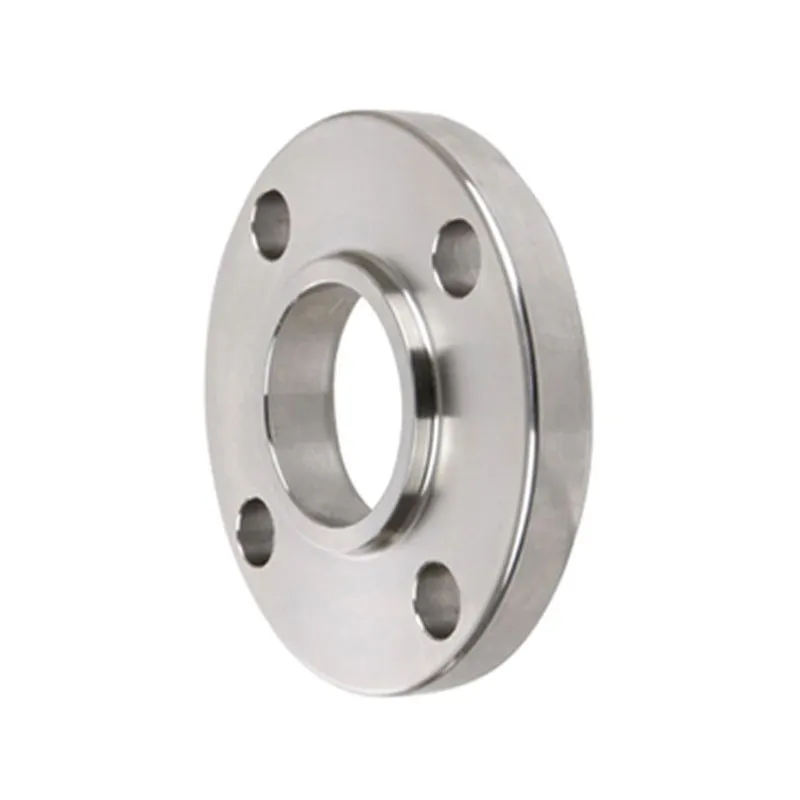 ANSI B16.5 Lap-on flanges Class 300
 -
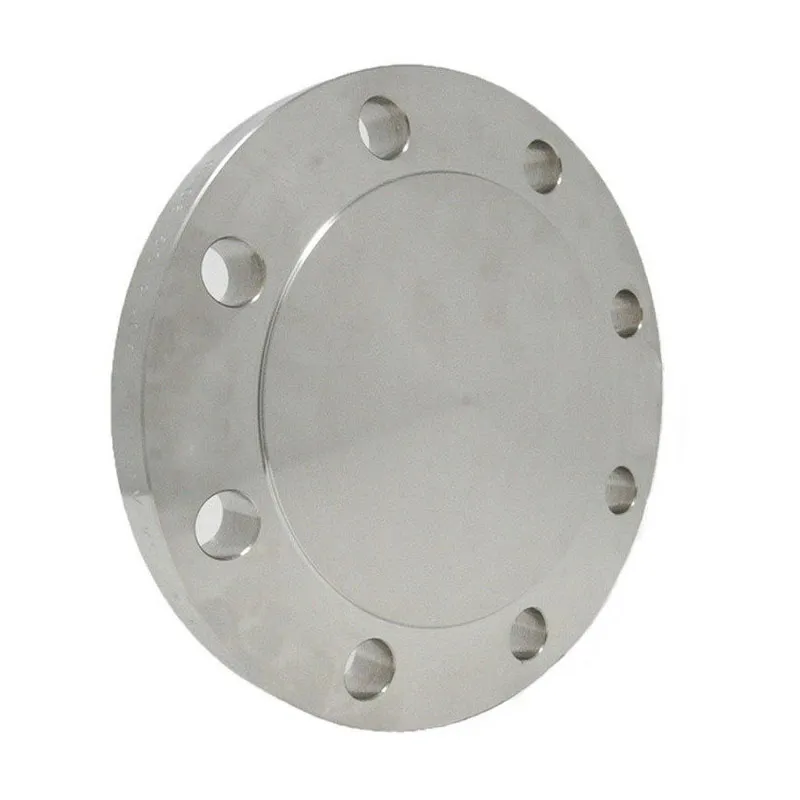 AWWA Blind Flanges Class D (Tables 1, 2, 3)
 -
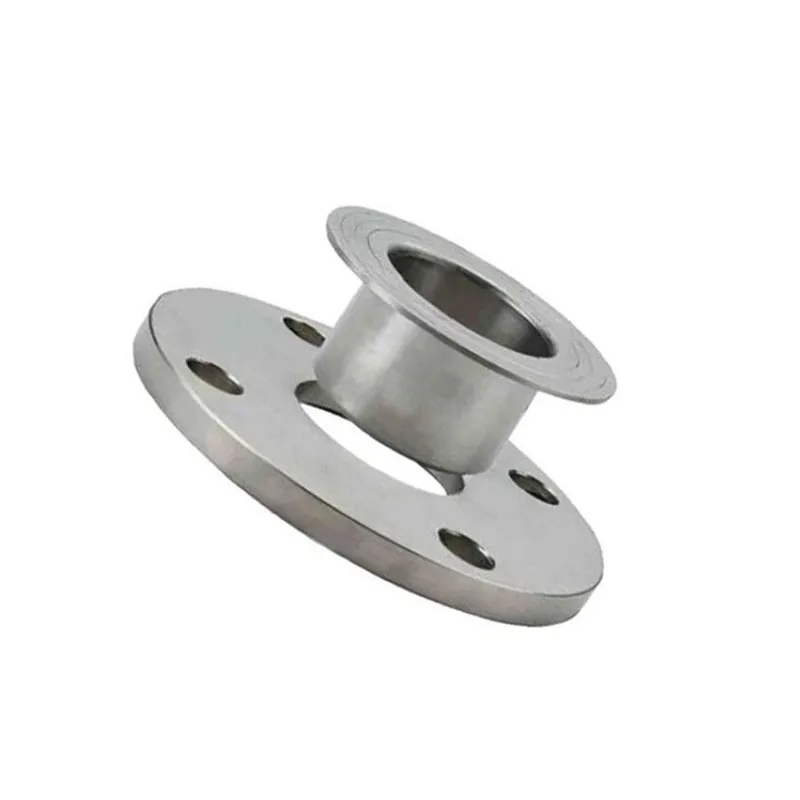 Free ring flanges Class 400
 -
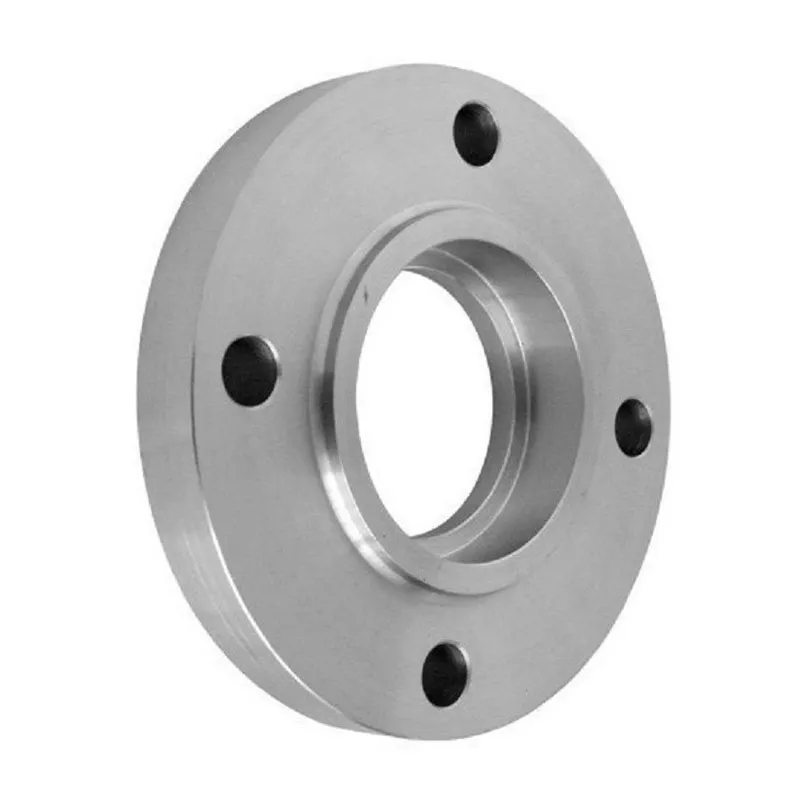 Socket Weld Flanges Class 300
 -
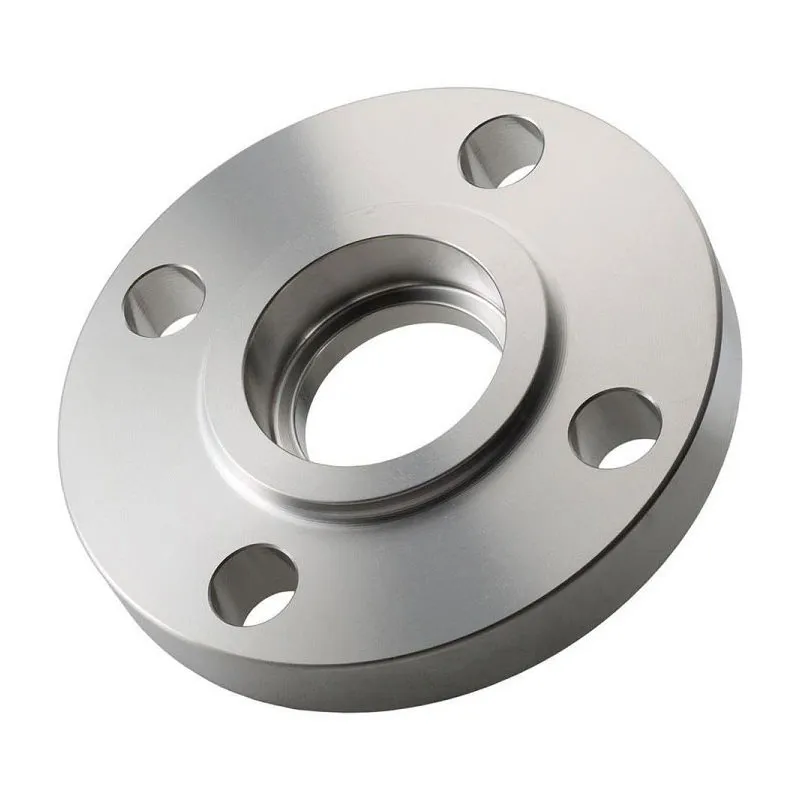 Flanges for socket welding
 -
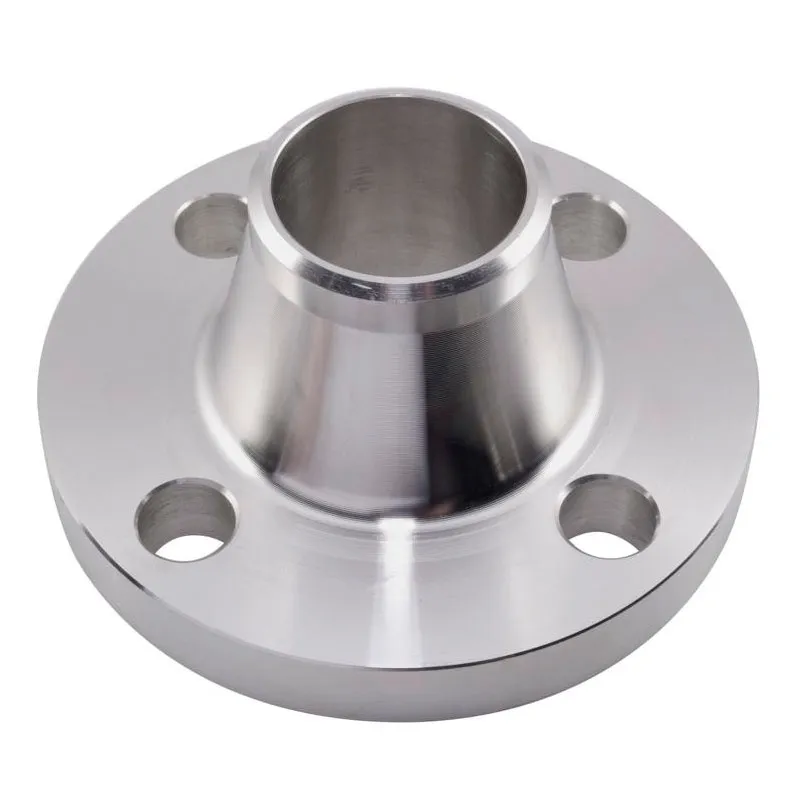 Butt weld flanges Class 900
 -
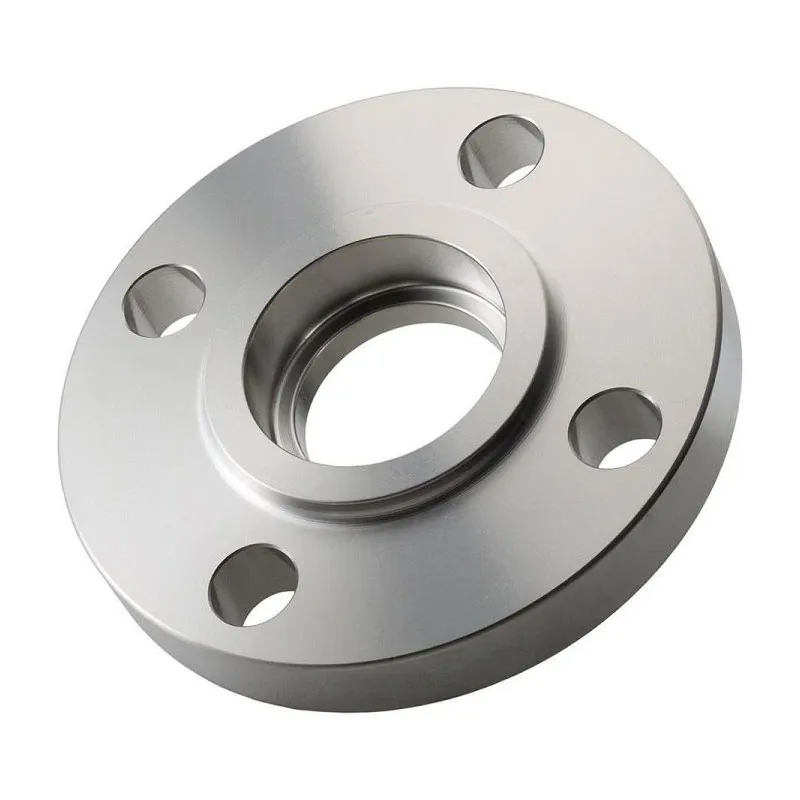 ANSI B16.5 Socket Weld Flanges Class 150
 -
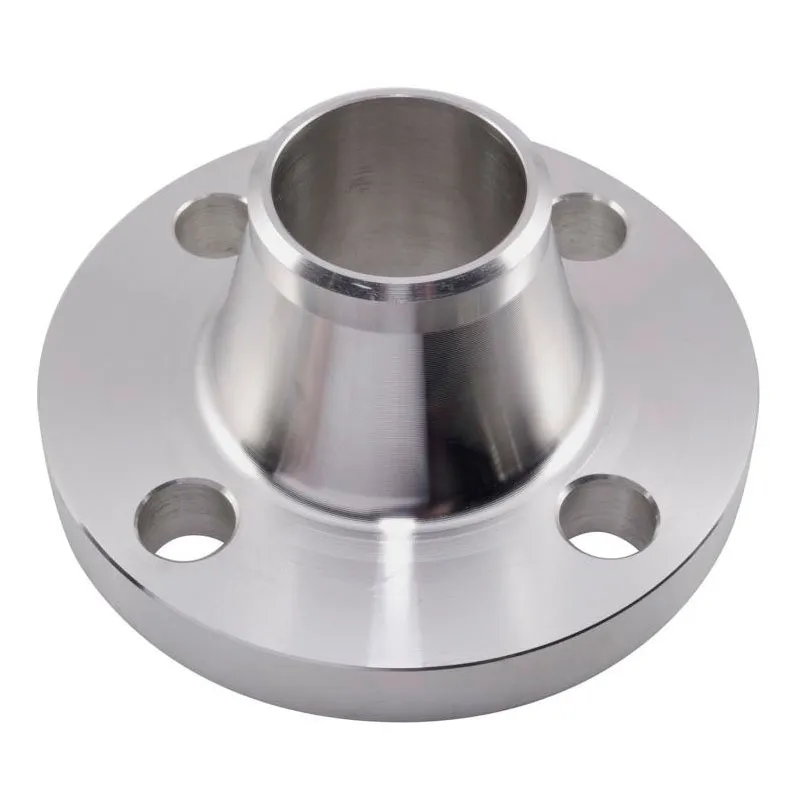 DIN Butt weld flanges PN10
 -
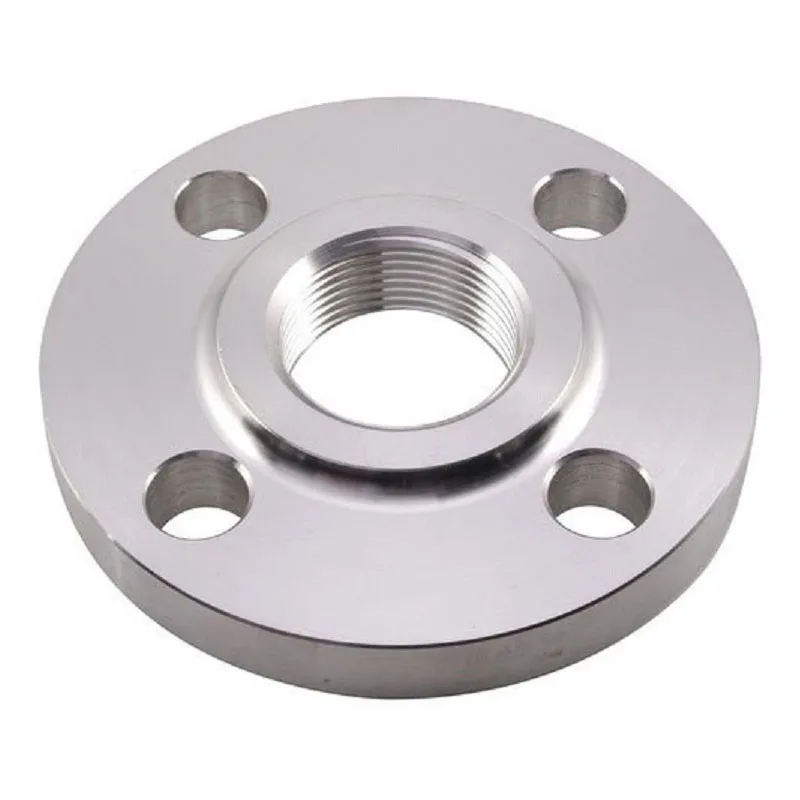 DIN 2566 Threaded flanges PN16
 -
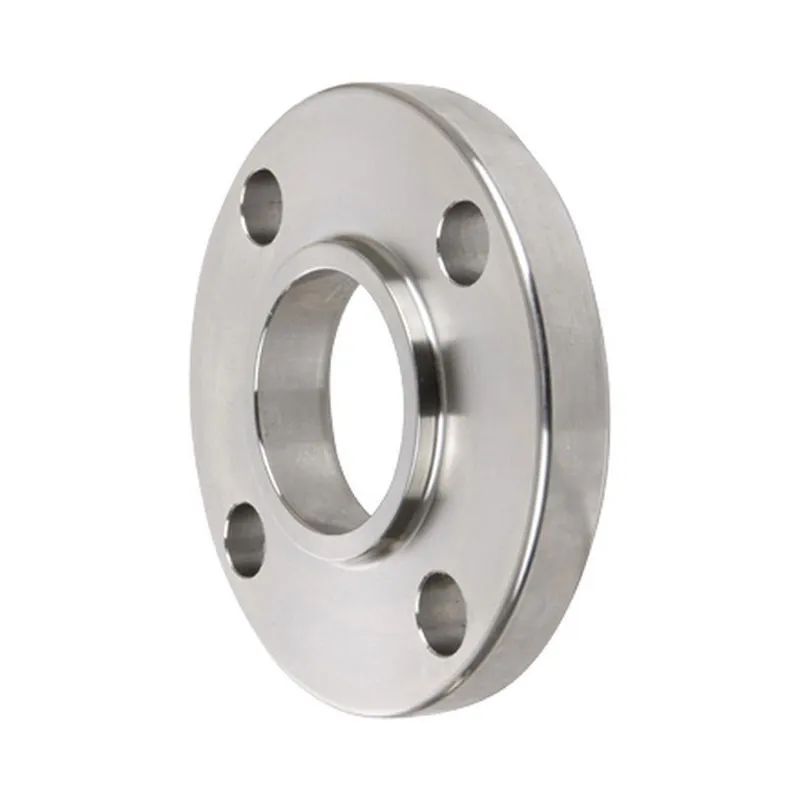 DIN 2501 Overlay flanges PN16
Relatedsearch
Related Search- flanges steel pipes dimensions
- ball valve with flange connection
- requirements for pipeline flange connections
- grounding of flange connections
- flange connection 32
- operating principle of flange connection
- flange 100 25 GOST 12820
- disassembly of flange connection price in estimate
- flange 380
- flange 1 80 16 GOST 12820