
-
-
Phone
+86-13623462298



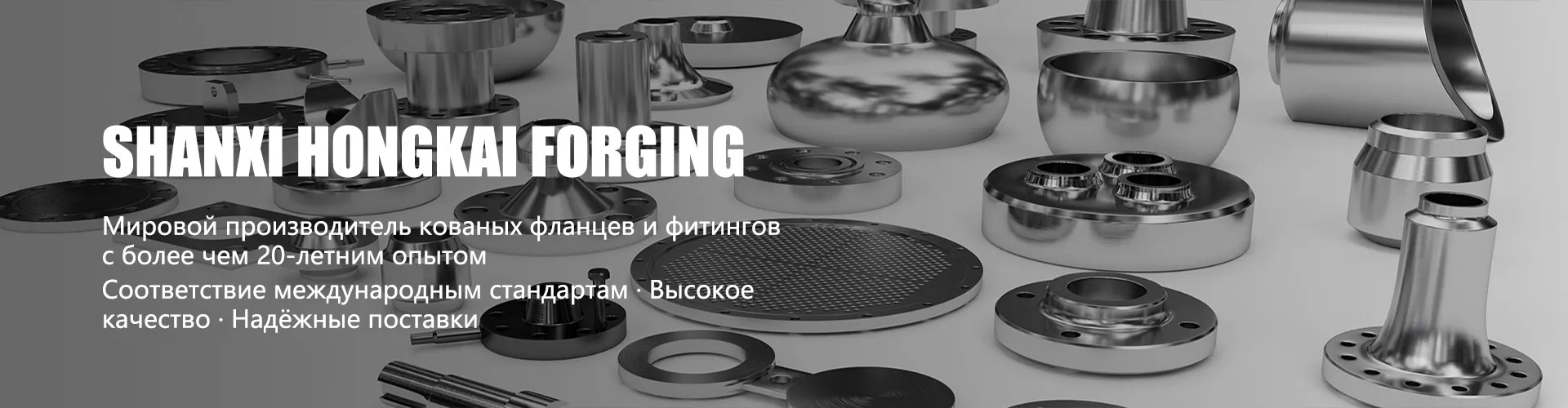
flange 380
When you hear “flange 380”, the first thing that comes to mind is, most likely, the nominal bore DN 380. And here the first pitfall begins, due to which we once had unwanted workpieces accumulated in our warehouse. Many people, especially those who are just starting to work with pipeline fittings, think that since the specification says DU380, then the flange should be looked for with this marking. In fact, if we are talking about standard series, for example, according to GOST (which replaced the old GOST 12820), then the closest standard size is DU350 or DU400. ?Flange 380? - This is most often a request for a non-standard size that needs to be made for a specific project. Or we are talking about the outer diameter, or about some specific parameter of the forging. I myself fell for this about five years ago, when I received an order and automatically sent it to production forflangeDN350, but the customer had drawings for exactly 380 mm in the hole. I had to redo it, fortunately, we worked withShanxi Hongkai Forging Co.,Ltd, who promptly recalculated and issued a new forging. Their websitehkflange.ru- a good reference book, by the way, it shows that they specialize in both standard andnon-standard products according to drawings.
From request to metal: what is hidden behind the number?
So, let's figure it out. If a request comes in for a 380 flange, the first thing you need to find out is: 380 of what? Millimeters of nominal bore (which is not in the standard series), outer diameter, diameter of the holes for the studs? This is fundamental. For standard flanges, say, butt welded (pile) according to GOST, a number of diameters are clearly regulated: 15, 20, 25, 32, 40, 50, 65, 80, 100, 125, 150, 200, 250, 300, 350, 400, 500 and so on. 380 is a missing value. Therefore, such a figure is almost one hundred percent a sign of non-standard or a requirement of a specific, perhaps outdated or corporate standard.
In practiceShanxi Hongkai Forging Co.,Ltd, as I know from joint projects, such requests are not uncommon. The company is positioned as a manufacturer of forged flanges and forgings in one of the main centers of the forging industry in China, and the ability to meet such non-standard needs is their strength. When we made a replacement unit at one chemical enterprise, there was a flange with a mounting diameter of exactly 380 mm - a legacy of Soviet equipment that was once made for a specific device. The standard DU350 did not fit the dimensions of the harness, and the DU400 was too large and required reworking the entire liner. The solution was to manufacture a flange according to the customer's original drawings.
Here it is important not only to make a forging, but also to choose the right material. For a nominal pressure of, say, Ru16 or Ru25, which often accompanies such sizes, steel 20 or 09G2S may be suitable. But if the environment is aggressive or the operating temperature is high, a different approach is needed - perhaps 12Х18Н10Т or even something with a higher content of alloying elements. In the described case, a forging made of 12Х18Н10Т with subsequent mechanical processing was taken for the chemical environment. On the websitehkflange.ruThe company description states that they work according to international standards (ASME, EN, DIN) and GOST, which also means compliance with materials - this is critical for verification by the customer’s inspection.
Technological nuances and ?rake?
Manufacturing a non-standard flange, especially around a diameter of 380 mm, is not just taking a larger blank and grinding it. The manufacturing method must be taken into account. Hot stamping (forging), which usesShanxi Hongkai Forging, for such tasks it is preferable to free forging or, especially, cutting from a sheet. Why? During forging, metal fibers follow the contour of the product, which gives better mechanical properties, especially bending and impact strength. For a responsible pipeline, these are not empty words.
But there are some subtleties here too. For example, when designing a forging forflange 380allowances for machining must be correctly calculated. Too small an allowance - you risk getting defective if the forging lies skewed. Too big - you overpay for metal and increase processing time. An experienced technologist will always reserve, but not excessively. I remember a case when for a DN380 flange (according to the drawing) a forging was ordered with an outer diameter of the workpiece of 420 mm. It seems logical. But they didn’t take into account that the customer had a special hub geometry - it was higher than the standard one. As a result, the height of the workpiece was not enough, so I had to urgently make a new one. Now, when making a request, I always require not only a dimensional drawing, but also a sketch of the forging for approval.
Another point is control. For standard flanges there are ready-made gauges and templates. For non-standard, same380th, all measurements are taken on site, using calipers, micrometers, templates for marking holes. Particular attention is paid to the bolt pattern (location of holes for studs). It must be strictly adhered to, otherwise installation will turn into a nightmare. Good manufacturers, like the sameHongkai Forging, always provide reports on dimensional control and ultrasonic testing or hardness control, if required by the standard. This is not just a piece of paper, but a guarantee that the product will fall into place.
Cost and logistics of non-standard
Price is a separate conversation. A flange of a non-standard size will naturally be more expensive than a serial analogue from the standard range. But more expensive does not mean unreasonably. The cost consists of the development of the technical process, the manufacture of equipment (if new is required), the forging itself and machining. For a one-time product this can be noticeable. But if we are talking about a batch, even a small one, say 10-20 pieces, the cost per unit already drops sharply. Therefore, when planning replacements, it often makes sense to take an inventory: do we have several more of the same non-standard units in production that will soon require attention? And order in batches.
Timing is the second critical factor. Manufacturing from scratch takes time. If for a standard DN400 flange from a warehouse the delivery time can be a week, then for development and productionflange 380According to the drawing, it takes from 4 to 8 weeks, depending on the production load and complexity. This needs to be clearly communicated to customers in order to avoid delays in repair deadlines. In my practice, there was an unpleasant episode when installers expected a flange as “standard”, but in fact they received a deadline of 6 weeks. The project stopped. Now, in any specification for non-standard items, “PRODUCTION TIME TO ORDER” is written in bold.
Logistics of large-sized forgings is also a challenge. A flange with a diameter of about 380 mm and, say, a butt weld for Ru25 is already a solid part weighing about 50-60 kg. You need proper packaging and fastening in a container so that the mounting surfaces or threads (if any) are not damaged during transportation. Suppliers with experience in the international market, such asShanxi Hongkai Forging Co.,Ltd, usually work this out well, because exporting is a common practice for them.
Practical case: replacement in an existing pipeline
Let me give you an example from life. On a high-pressure heating main, it was necessary to replace a section with a flange connection. According to old documents, the flange was listed as DU380 Ru25. Upon examination, it turned out that this is not a conditional diameter, but the actual internal diameter of the pipe after a certain number of years of operation and repairs. The standard DN350 flange would not fit due to inconsistencies in the bolt circle, and the DU400 would not fit due to the need to remake the mating part.
It was decided to make a flange that completely copies the old one, but from modern 09G2S steel instead of the previously used St3. The work was assignedmanufacturer of forged flangesaccording to the provided measurement drawings. The key was to maintain not only the main dimensions, but also the radius of curvature of the hub and the shape of the chamfer - all of this affects the stress distribution. The order was placed through the representative office, referring to their websitehkflange.ru, where there was information about working according to customer drawings in a range of sizes right up to DN4000, so our380for them it was an ordinary task.
The biggest difficulty arose not in production, but during installation. The new flange, being an exact copy of the old one in size, had a slightly different hub height due to a different forging technology. Literally by 2-3 millimeters. This was enough to make the standard studs a little shorter. I had to urgently look for longer stud bolts. It’s a small thing, but I stopped work for half a day. Conclusion: when ordering non-standard flanges, you always need to either attach a drawing to the entire connection assembly, or separately specify and order fasteners.
As a result, the unit was installed, and hydrotests were successful. The flange, manufactured as a non-standard one, has worked for several years without any complaints. This experience confirmed a simple truth: in industry, what is often more important is not abstract compliance with a standard, but the practical suitability of a part for a specific location. And the skill of the supplier such asShanxi Hongkai Forging, working flexibly with such tasks is a huge plus.
Instead of a conclusion: a thought afterward
So, when you see “flange 380” in the specification, you shouldn’t immediately write it off in the “designer error” column. Most likely, this is a signal for an attentive dialogue. We need to get to the bottom of this: what size is this, where did it come from, can it be replaced with the nearest standard one without damaging the project? If not, then this is a direct road to manufacturing according to the drawing. And here it is important to choose a partner who will not be afraid of a non-standard size, but will understand it, having experience in production in accordance with GOST, ASME, DIN and other systems. The ability to cover such niche requests is precisely the case when a manufacturer of flanges and forgings proves its real expertise not in a catalog, but in real metal, which then works in the pipeline for years. And the number380becomes not just a number, but an exact solution to a specific engineering problem.
Correspondingproducts
Related Products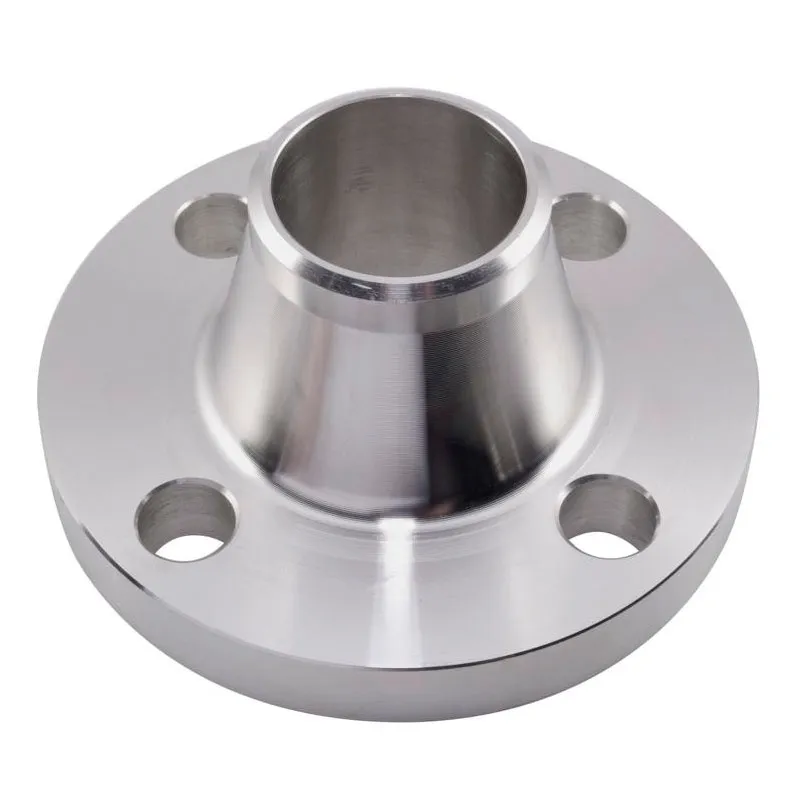
Best Sellingproducts
Best Selling Products-
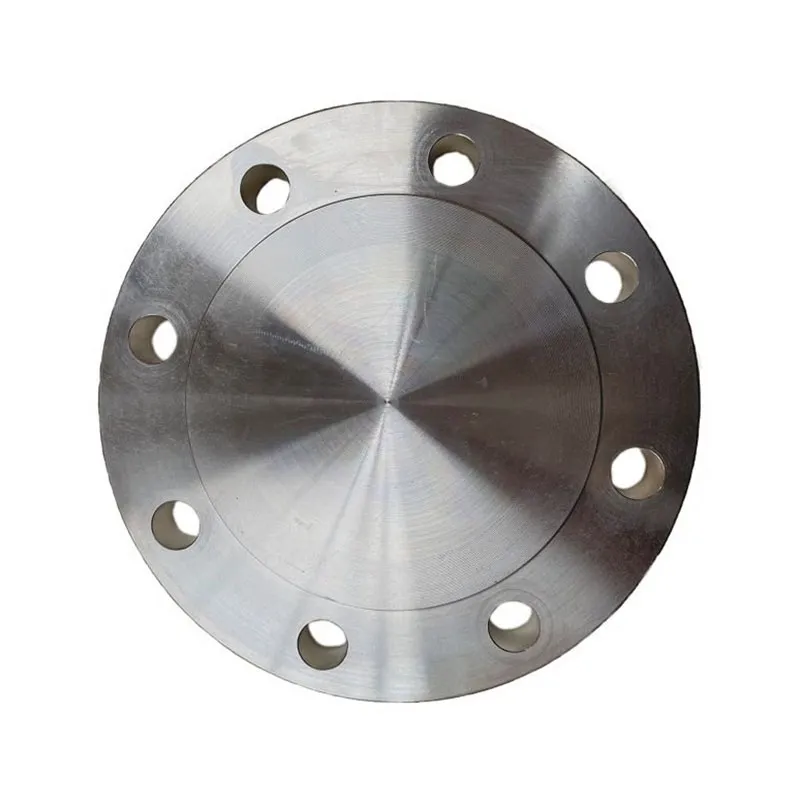 ASME B16.47 Ser.A Blind Flanges Class 400
 -
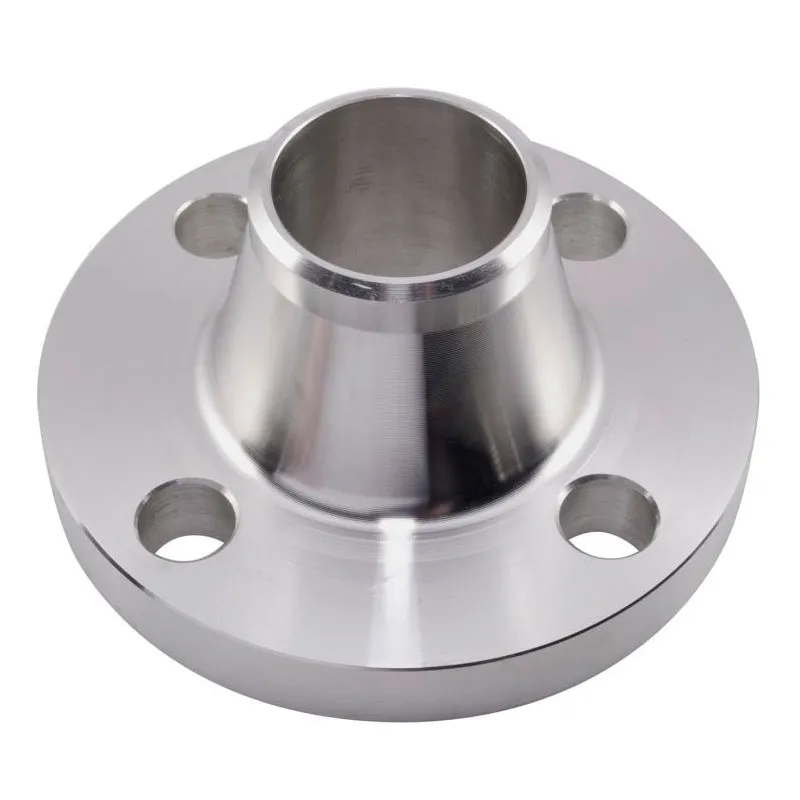 UNI 2281 Butt weld flanges PN10
 -
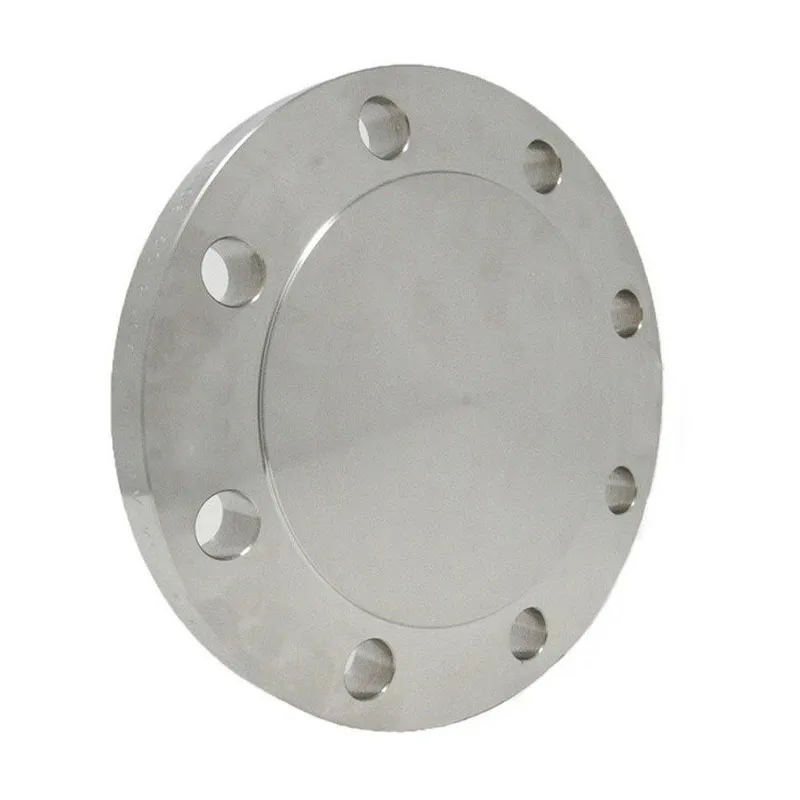 EN 1092-1 Blind flanges Type 05, PN10
 -
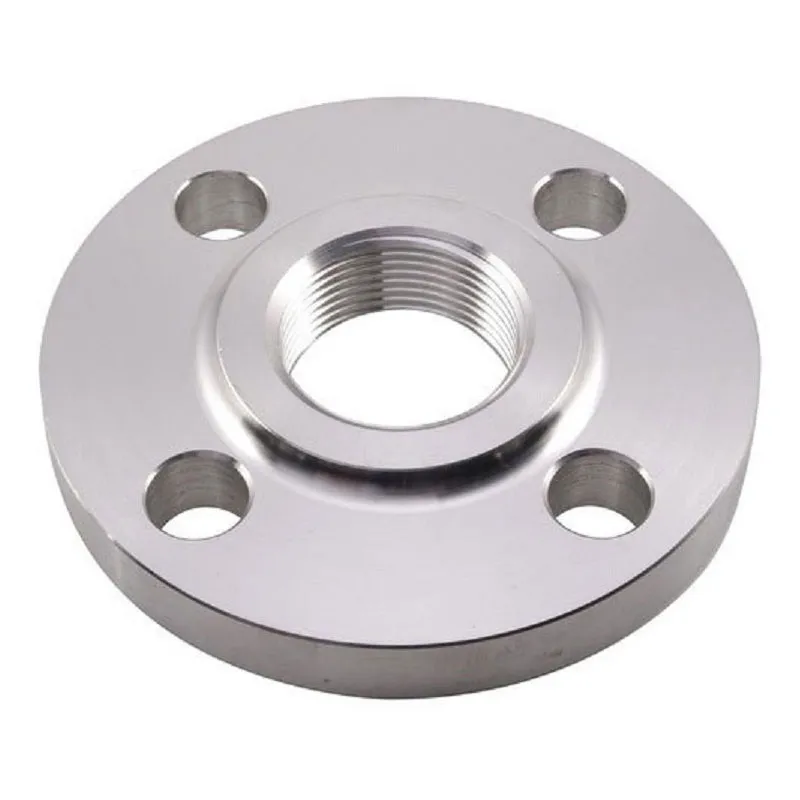 DIN 2565 Threaded flanges PN6
 -
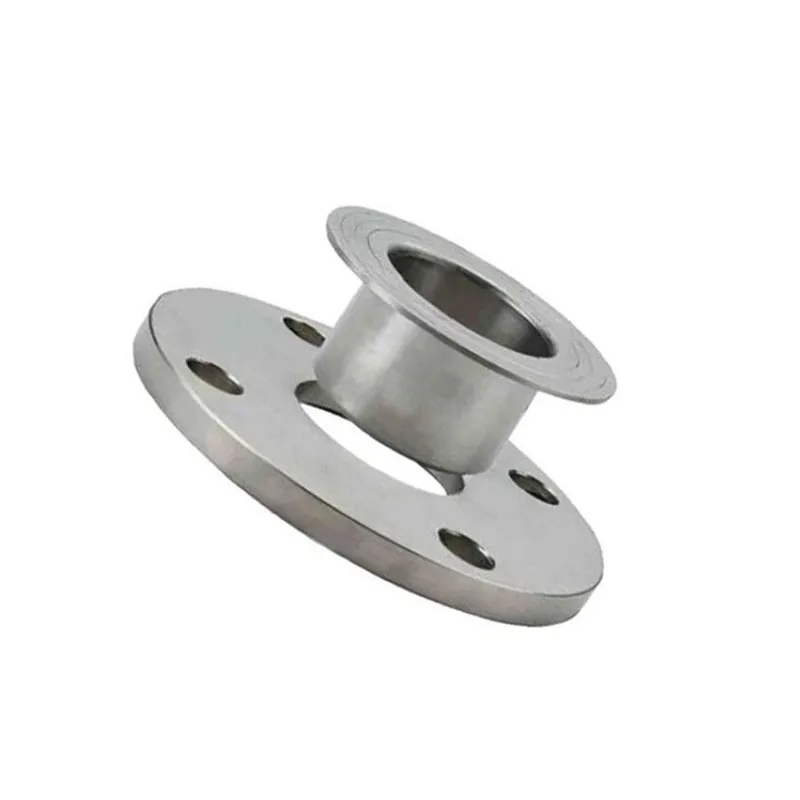 Free ring flanges Class 400
 -
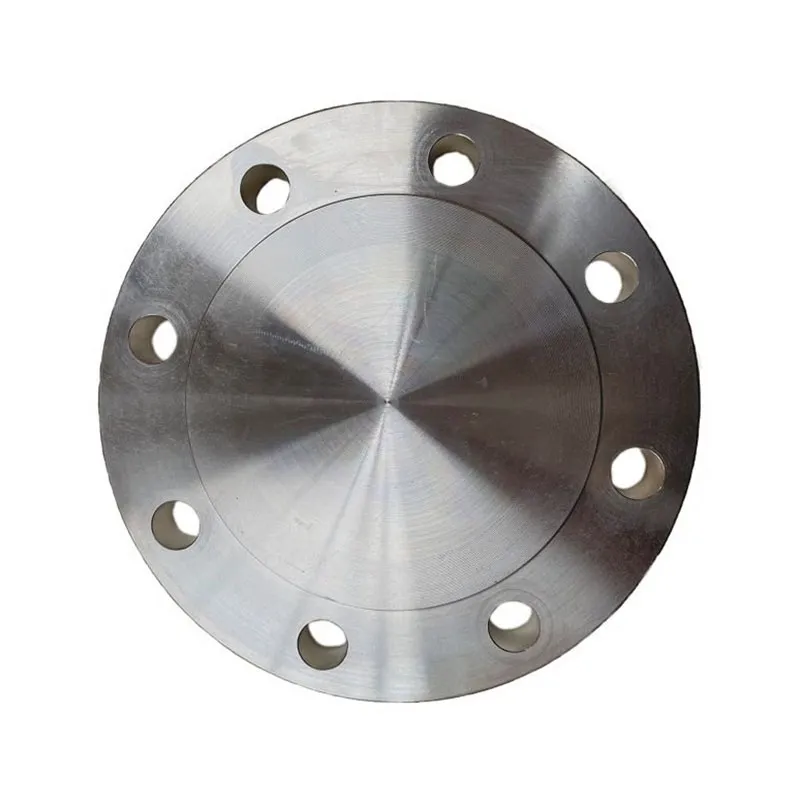 UNI 6092 Blind flanges PN10
 -
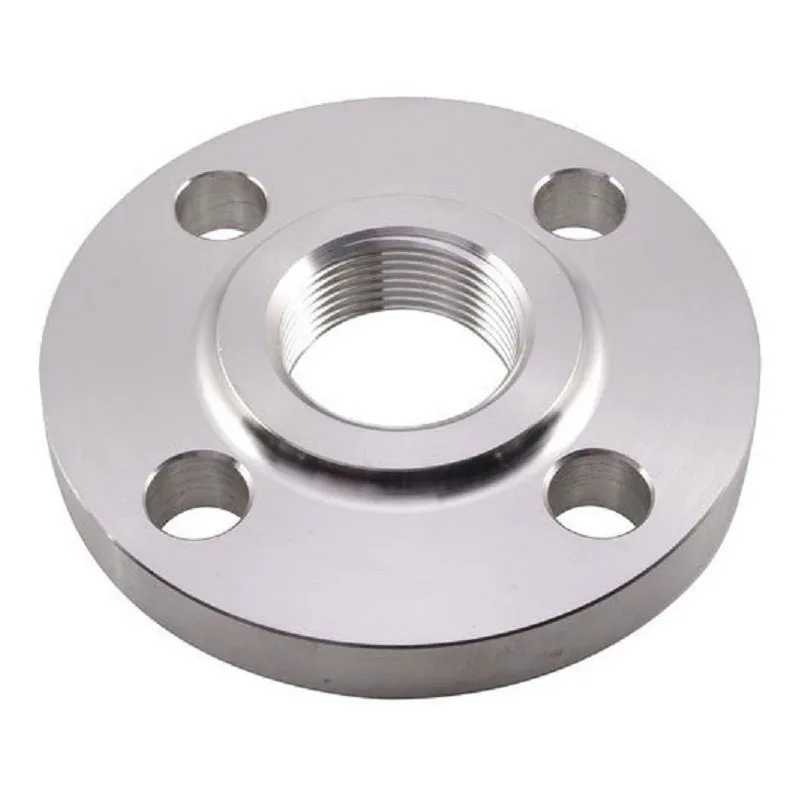 ANSI B16.5 Threaded Flanges Class 600
 -
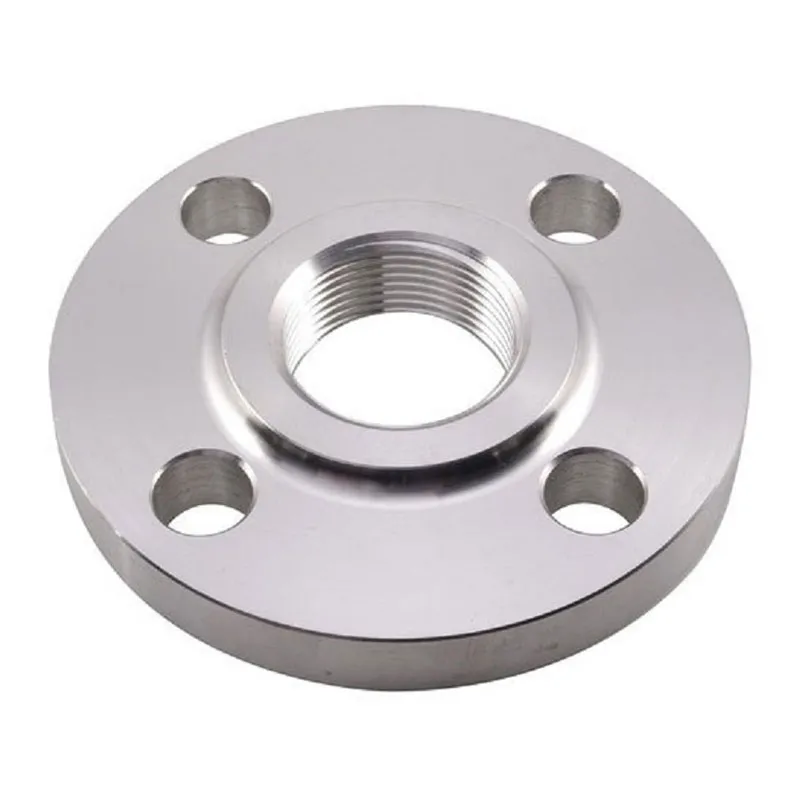 JIS 10K Overlay flanges
 -
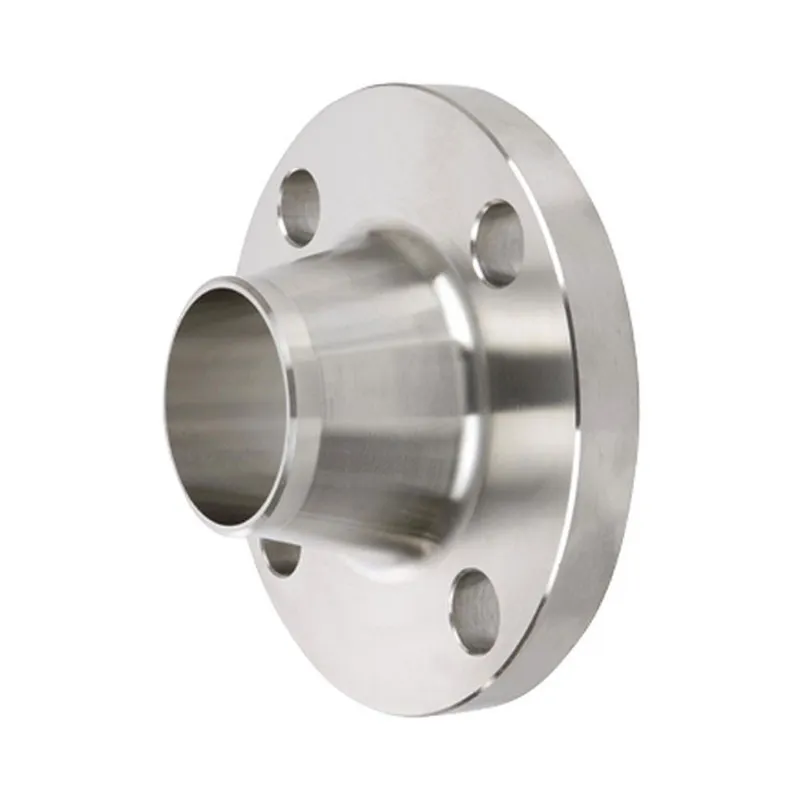 EN 1092-1 Butt weld flanges Type 11, PN25
 -
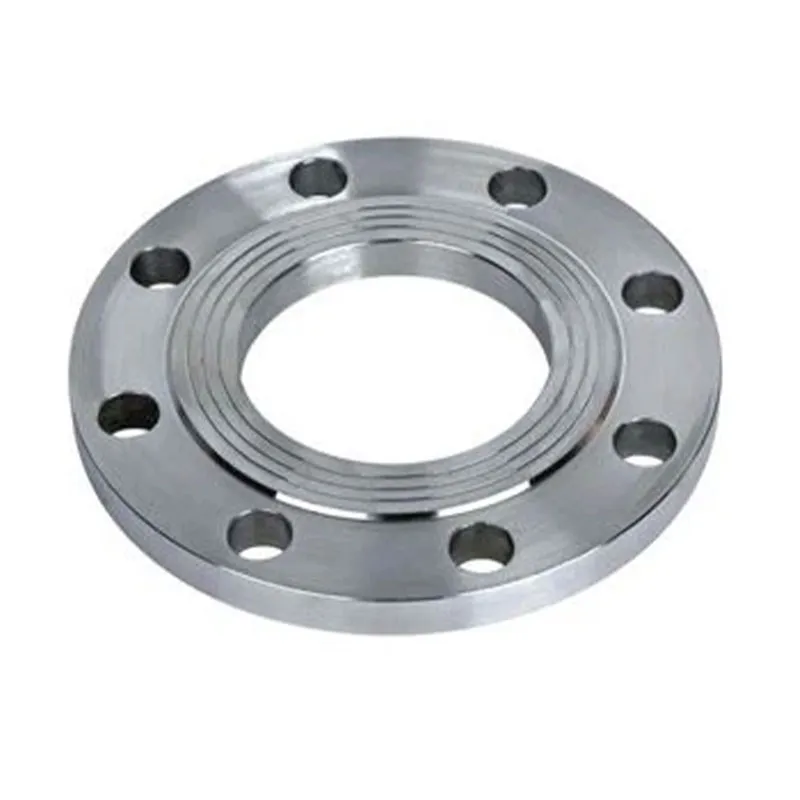 Butt weld flanges Class 150
 -
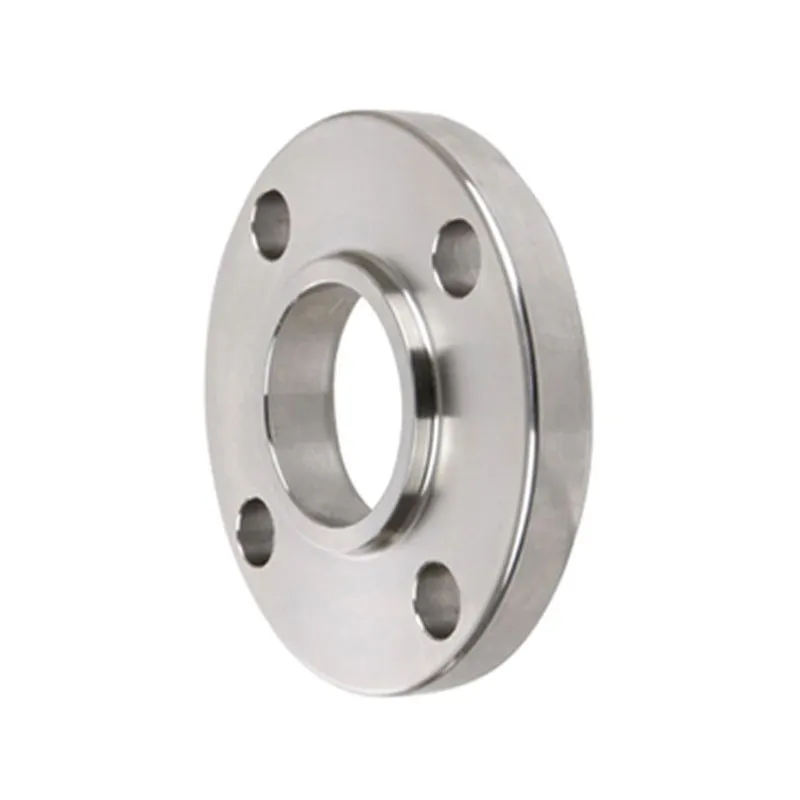 ANSI B16.5 Lap-on flanges Class 300
 -
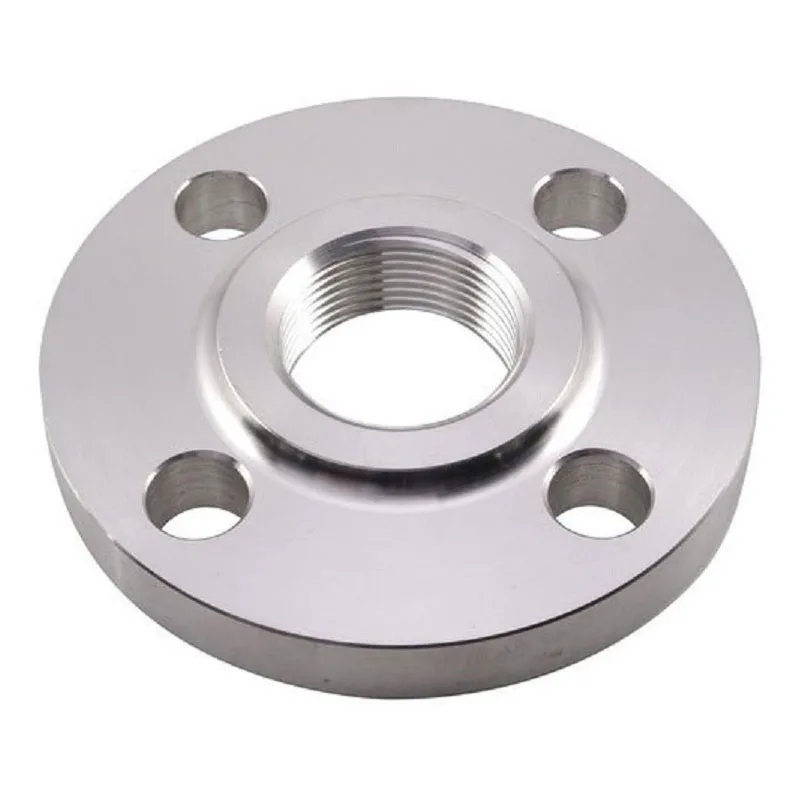 JIS 10K Threaded Flanges