
-
-
Phone
+86-13623462298



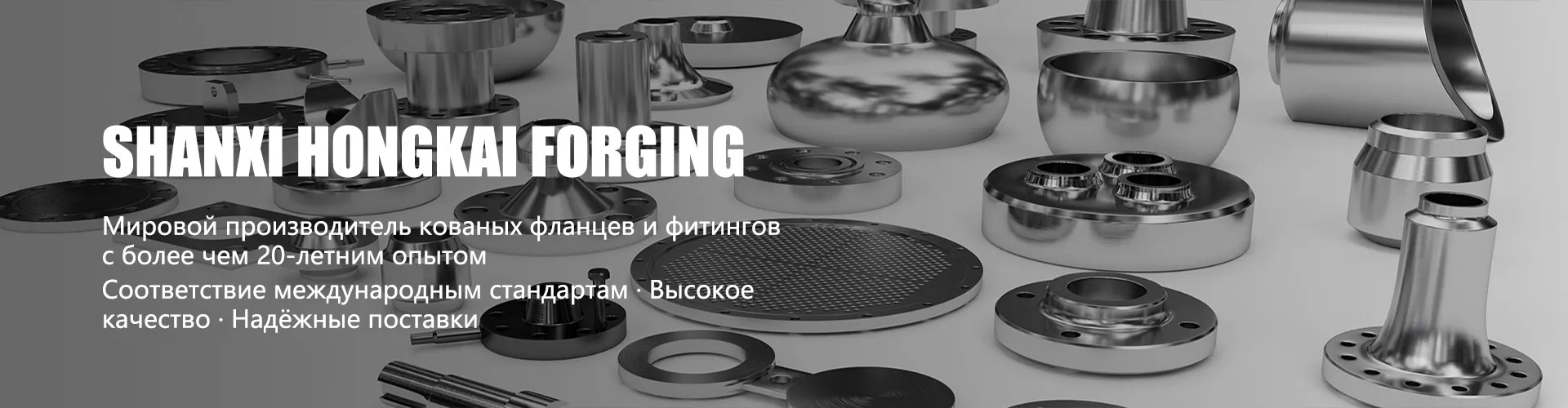
flanges steel pipes dimensions
When you hear “steel pipe flanges sizes?”, the first thing that comes to a beginner’s mind is just a table: DN, PN, a number of holes. But in reality, it all comes down to how these numbers behave under pressure, with temperature changes and, most importantly, during installation. A common mistake is to take the size according to the internal diameter of the pipe, without taking into account the wall thickness and flange standard. GOST 12820-80 and ASME B16.5 are not just documents, they are different fastening philosophies, and mixing them in one system is a direct path to leakage.
Why size charts are just the beginning
I once took an order for a batch of flanges according to GOST 12821-80, DN300 on Ru16. It would seem that everything is simple: I wrote out the parameters and sent it to production. But the client then called: “Your disc thickness is 2 mm thicker, the tie rods won’t change?” It turned out that his pipe was according to the old ST SEV, and we made the flange according to the current GOST. A difference of a few millimeters in the seat - and you already need adapter washers or other fittings. Now I always clarify not justflange sizes, but a complete set of unit drawings.
Or another case - withsteel pipeslarge diameter, from DN800 and above. Here we are not talking about tables, but about calculating deflection. A flange, especially a buttweld flange (WN), must accommodate not only pressure, but also possible movement of the pipeline. We once experimented with a flat flange on DN1200 for a water pipeline - with thermal expansion, microcracks appeared along the perimeter of the holes for the studs. We converted it to a loose flange with a shoulder - the problem went away. Conclusion: size is not only numbers, it is also the behavior of the metal in specific conditions.
By the way, about loose flanges. They are often underestimated and considered less reliable. But for quick installation or in areas where frequent dismantling for cleaning is required, this is an irreplaceable thing. The main thing is to fit it exactlysteel dimensionscollar to the inner diameter of the flange, otherwise the ring will “float” and the tightness will be broken. I checked it personally: a difference of even 0.5 mm in radius already gives a distortion when tightening.
From standard to machine: how a size turns into a product
We work with different standards: Russian GOST, German DIN, and American ASME. Everyone has their own logic in indicating sizes. For example, in ASME, the key parameter is the nominal diameter (NPS) and pressure class (Class). And in GOST - conditional bore (DN) and conditional pressure (Ру). When making flanges for export, you need to not only convert inches to millimeters, but also understand the tolerance system. Chinese colleagues fromShanxi Hongkai Forging Co.,Ltd(their website ishkflange.ru) Well done here: their catalogs immediately contain summary tables for different standards, which saves engineers a lot of time. This company is a serious manufacturer of forgings, one of the key ones in the forging sector of China, and they focus on compliance with international standards: from GOST and ASME to EN, DIN, JIS. This is important when your customer is a contractor on an international site.
By the way, their nomenclature shows a practical approach: the range of sizes from DN15 right up to DN4000. These are not just numbers. DN4000 are already flanges for the energy or petrochemical industries, where each forging is made practically to an individual calculation. I myself saw how for such a giant they make markings for holes - not using a template, but using a laser tracker, because even a standard error of a couple of millimeters is unacceptable here.
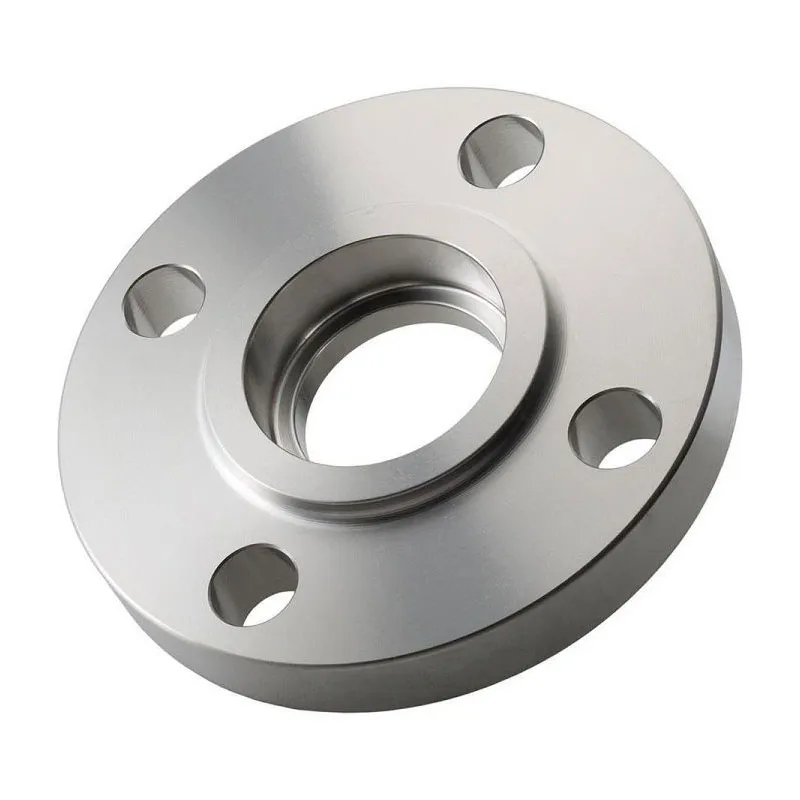
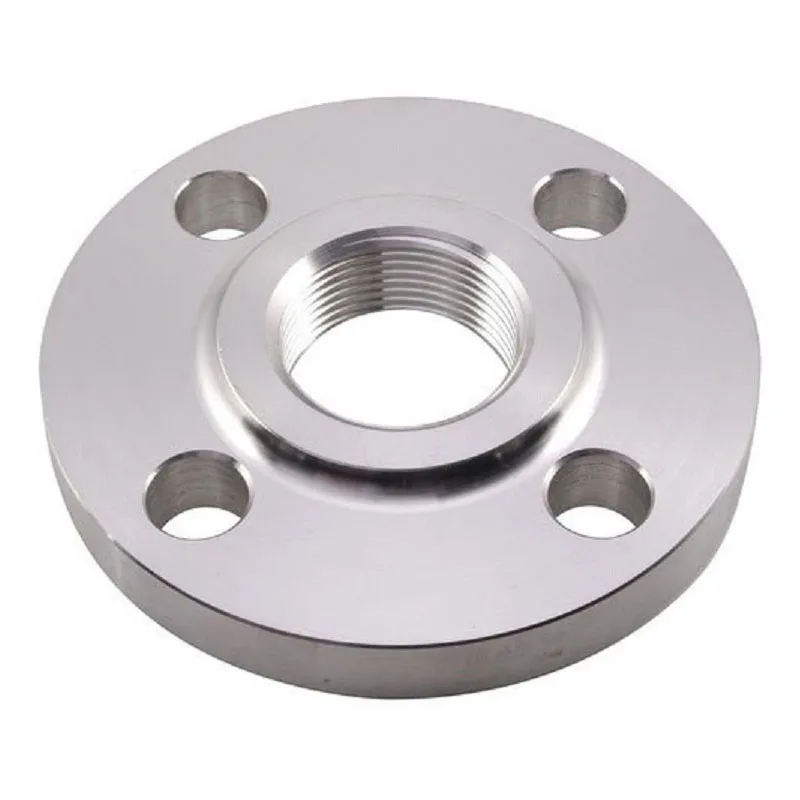
But with threaded flanges it’s a different story. It would seem that it would be difficult: I cut the thread to the size of the pipe. But if the thread on the pipe is in accordance with GOST 6357, and the flange is ordered under ANSI B1.20.1 (inch tapered NPT), then the connection will be leaky. I had to learn from my mistakes: I once had to remake an entire batch for a client in Latin America because the specification simply said “1″ threaded flange?”, without specifying the type of thread. Now I’ll include this as a separate item in the technical specifications.
Non-standard sizes: when tables are silent
We often receive requests for flanges based on customer drawings. This is where the fun begins. Recently there was a project where it was necessary to connect an old cast iron pipe (still Soviet cast) with a new steel section. The sizes did not fit into any standard range. We had to combine it: we took a flat flange according to GOST 12820 as a basis, but recalculated the thickness of the disk and the diameter of the hub for the load from the cast iron element.Shanxi Hongkai Forging Co.,Ltdit just states the production of non-standard products according to drawings, which in such situations is the only way out. The main thing is to provide them not with a hand sketch, but with a full design drawing indicating steel grades, operating modes and load application points.
In such non-standard tasks, the grade of steel is critical. For ordinary water supply networks, St20 or 09G2S will do. But for aggressive environments or high temperatures (say, at thermal power plants), steels of type 12Х18Н10Т or even 15Х5М are already needed. And here the dimensions of the flange - especially the thickness of the neck for butt-welded flanges - are calculated based on the mechanical properties of a particular brand. An error in the choice of material can lead to the fact that a flange that perfectly fits the geometricsteel pipe sizes, simply won't stand up to the work environment.
Another non-standard nuance is the processing of sealing surfaces. The standards clearly define the types of surfaces (for example, protrusion-recession according to GOST or ring joint according to ASME). But when the flange is unique, the seal often has to be selected experimentally. I remember that for one chemical reactor I had to make a flange connection with a double seal - a graphite cord and a metal gasket with an oval cross-section. We selected the size of the groove for the gasket only the second time.
Editing: where dimensional theory meets reality
Everything that has been calculated and manufactured is checked on site. And this is where “dancing with the grinder” begins. Perfectly straight pipe ends are rare. Often you have to fit it locally. The main problem is misalignment of the holes in the paired flanges. Even if everything was drilled into the conductor at the factory, during transportation or welding work a voltage may arise that will lead slightly. metal. The standard allows a deviation of 1-2 mm, but on large diameters (from DN600) this may be enough to prevent the pin from entering.
Therefore, our rule is: for diameters from DN500 and above, always check the set of flanges at the joint before starting to tack the pipes. And have on hand a reamer 0.5-1 mm larger than the nominal value, so that if something happens, you can go through the hole. Many do not do this, and then suffer with hydraulic tests - fistulas around the perimeter of the bolts.
And the last thing is the puff. There are torque tables for everyoneflange sizesand pressure class. But the key word is “consistency”. You need to tighten it crosswise, in several passes, increasing the torque. I saw how the crew tried to tighten the DN200 flanges on the PN40 with a torque wrench “from themselves”, in a circle. The result is misalignment and leakage during the first pressing. I had to unscrew it, change the gasket and do everything wisely. Without this, even ideal sizes are nothing.
Instead of a conclusion: size is a system, not a number
So, returning to the request “steel pipe flanges sizes?”. This is not a starting point, but rather the final chord in a long chain: from the choice of standard and grade of steel, through calculations of strength and corrosion, to manufacturing taking into account technological tolerances and, finally, to competent installation. You can have a perfect table, but install the flange crookedly. You can make a flawless product, but do not take into account the aggressiveness of the environment.
Therefore, now, when selecting, I always look at the complex: for what system, according to what standard, from what steel, who the manufacturer is and what capabilities they have for checking the geometry. Like the same Chinese manufacturers likeShanxi Hongkai Forging Co.,Ltd— their strength is that they work on standard lines, and are ready for complex, individual tasks in a wide range of sizes, which is often a decisive factor for a contractor working in different markets.
The main lesson is never separate the size numbers from the physics of how the connection works. A flange is not a part, it is an assembly. And its size is a story not about diameter, but about reliability.
Correspondingproducts
Related Products
Best Sellingproducts
Best Selling Products-
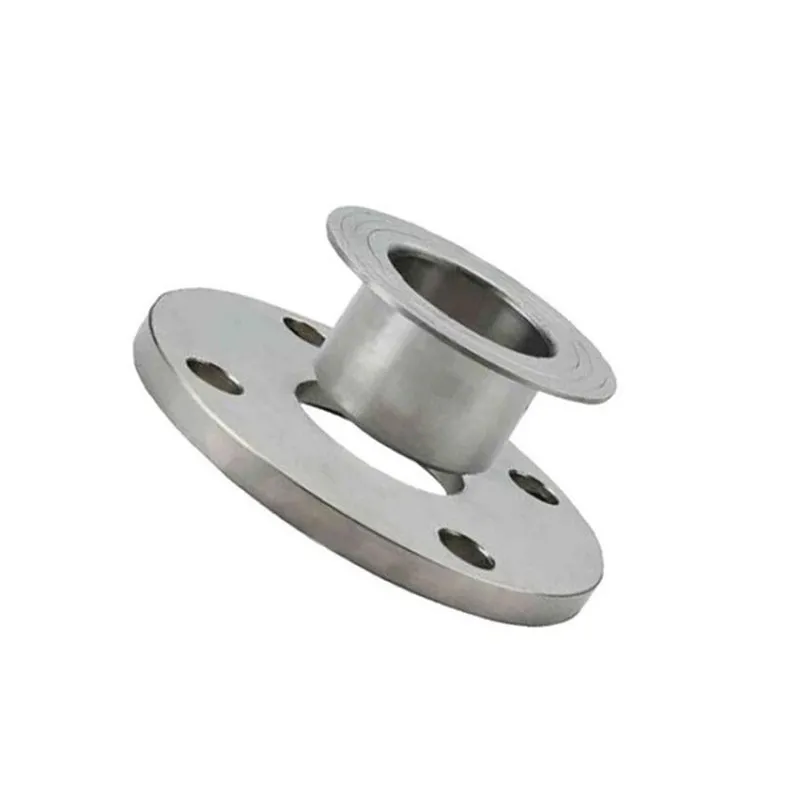 JIS 10K Loose Ring Flanges
 -
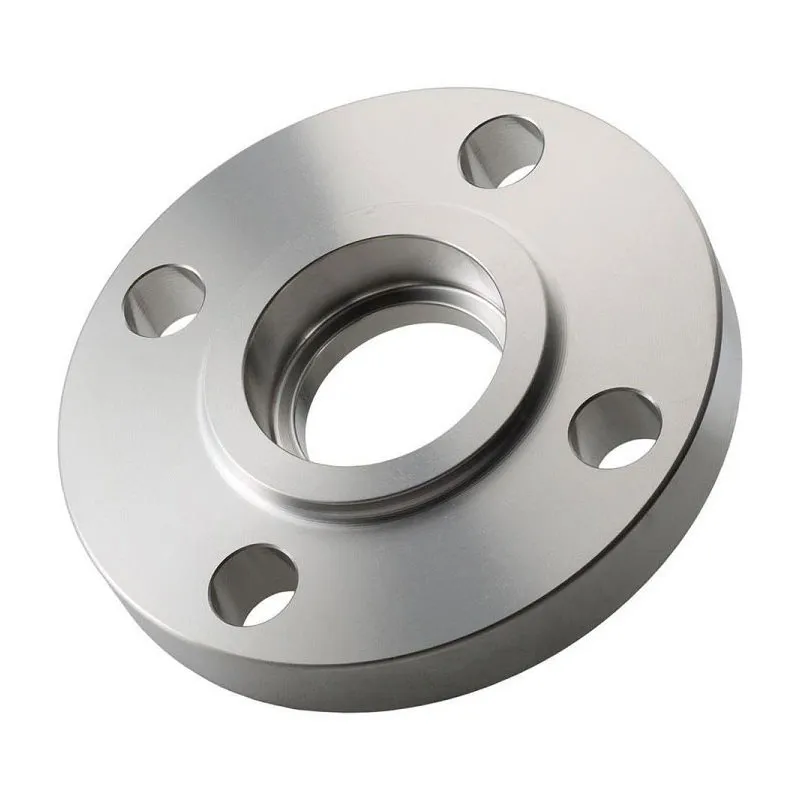 Flanges for socket welding
 -
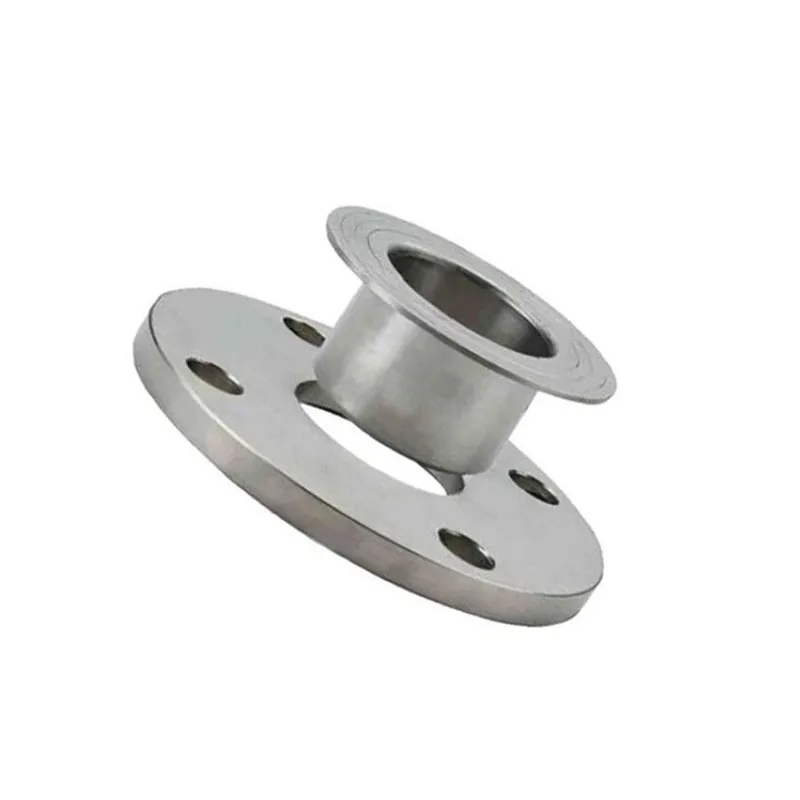 Free ring flanges Class 400
 -
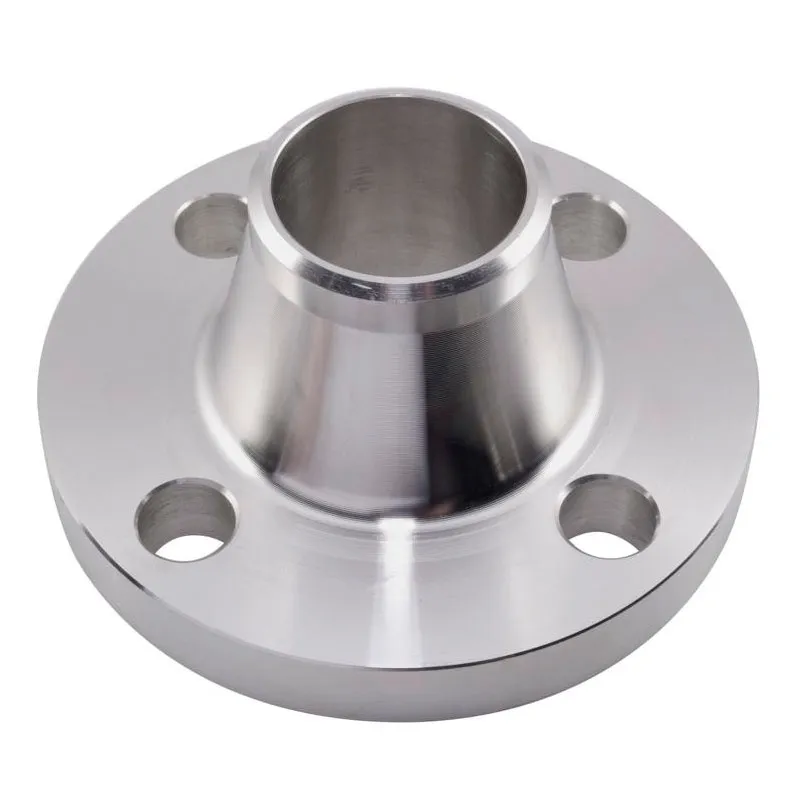 Butt weld flanges Class 900
 -
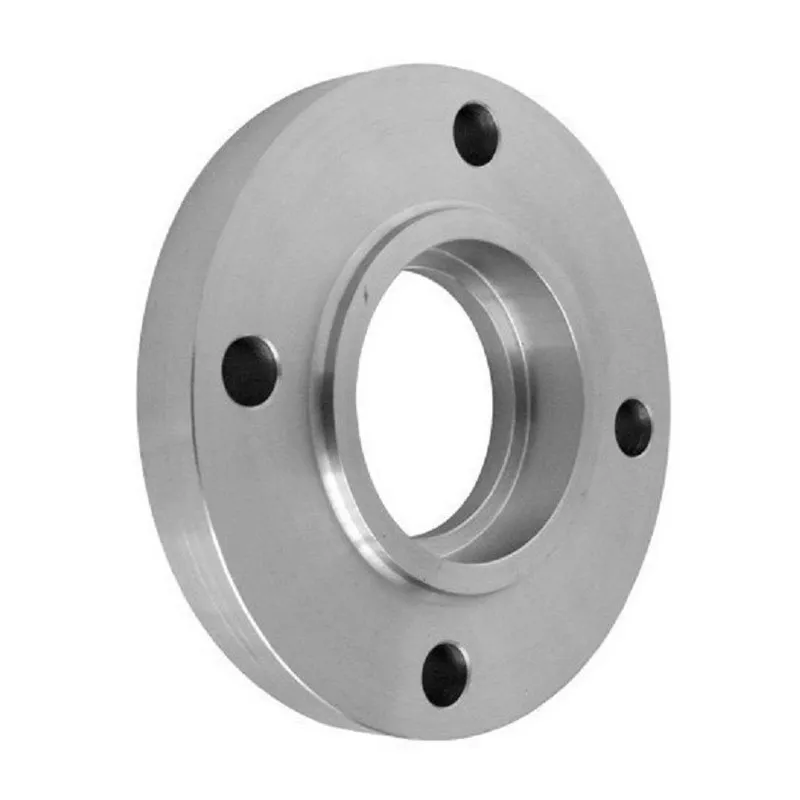 JIS 5K Socket Weld Flanges
 -
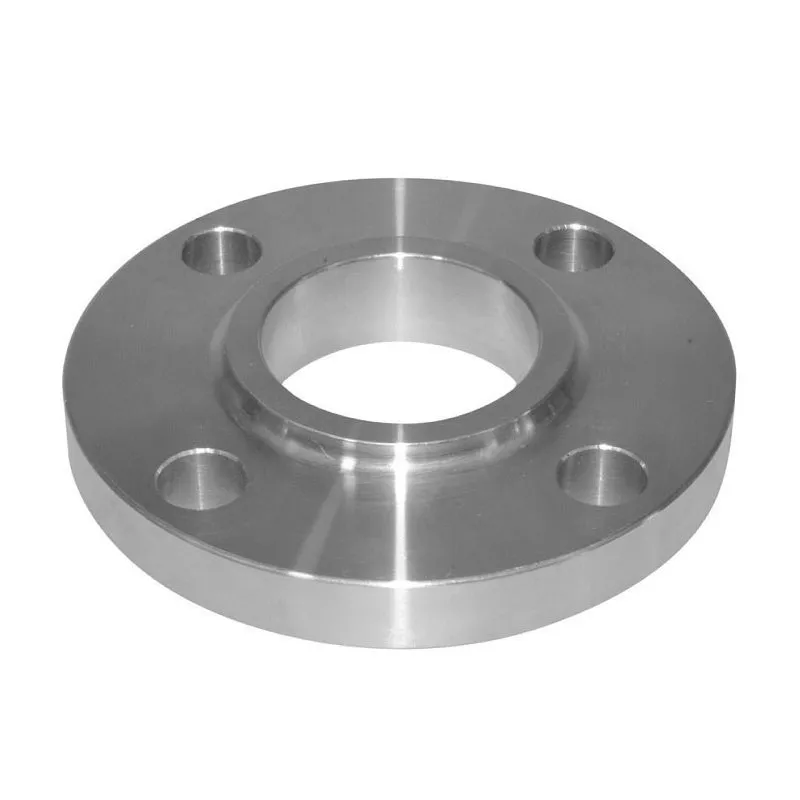 ANSI B16.5 Lap-on flanges Class 1500
 -
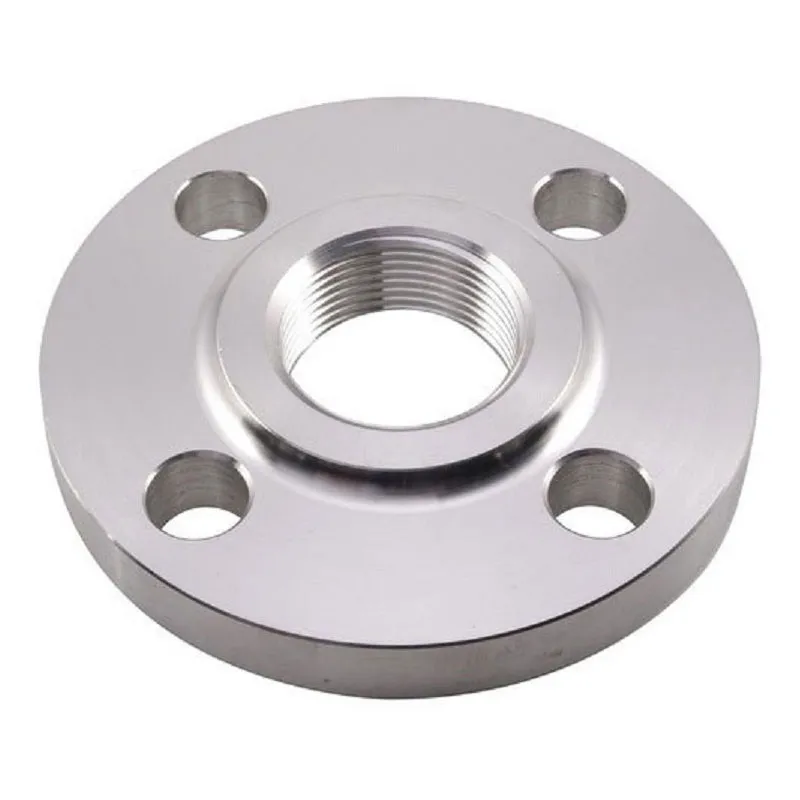 DIN 2565 Threaded flanges PN6
 -
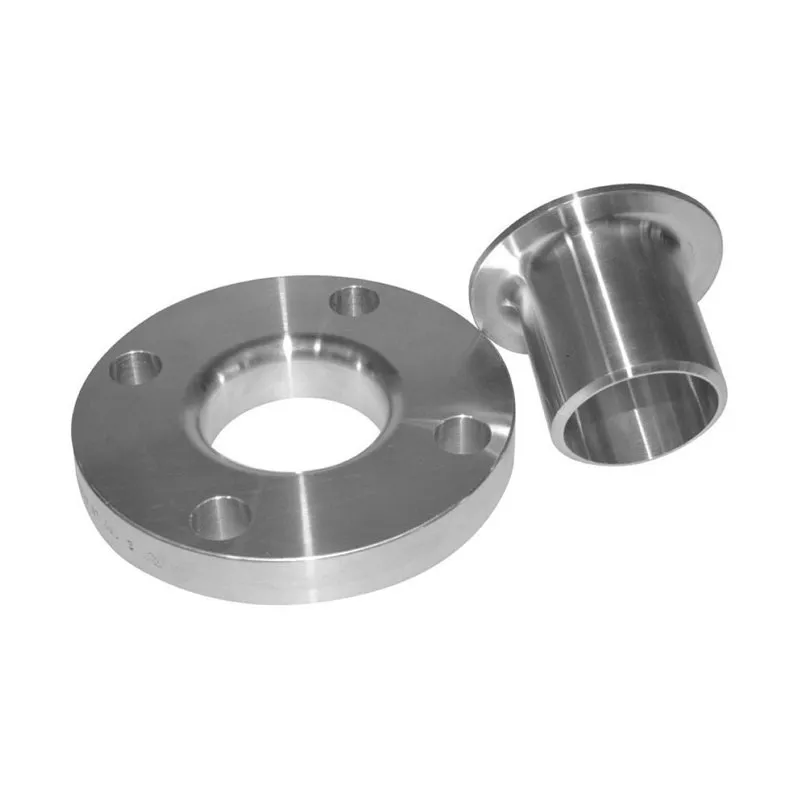 Free ring flanges Class 150
 -
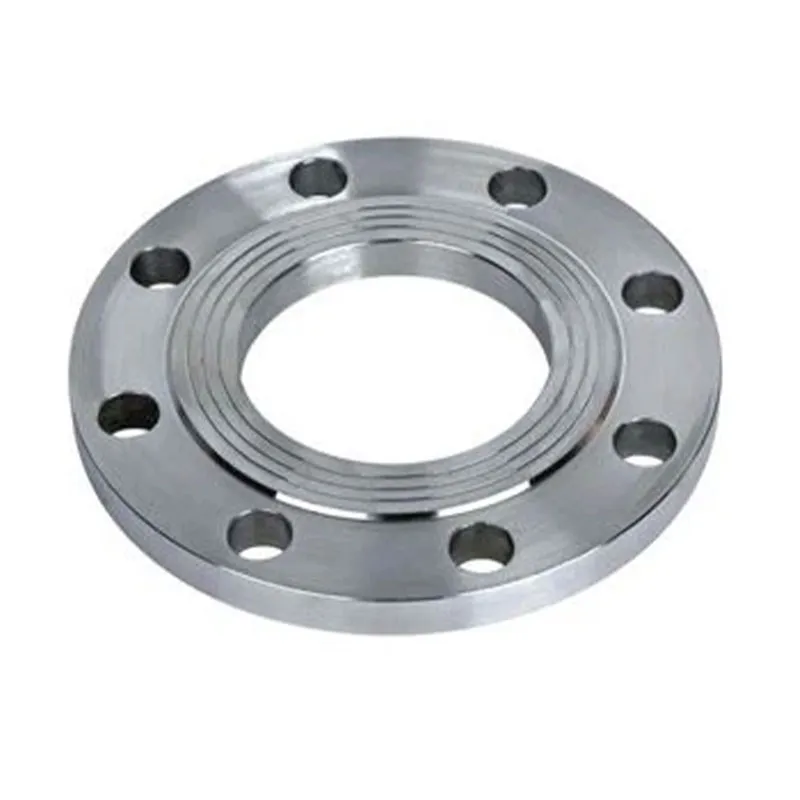 Butt weld flanges Class 150
 -
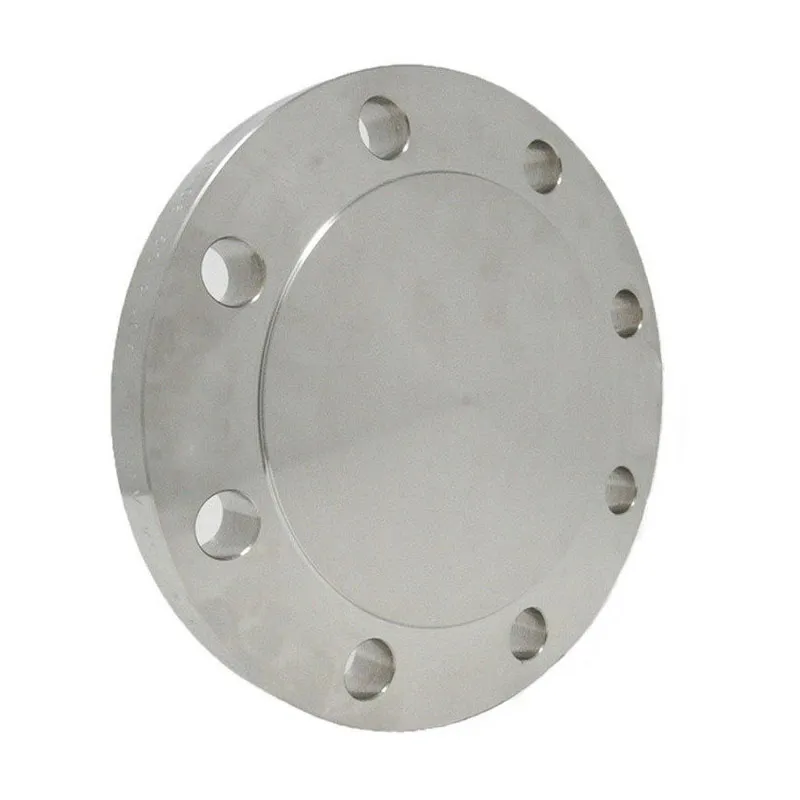 Blind flanges Class 150
 -
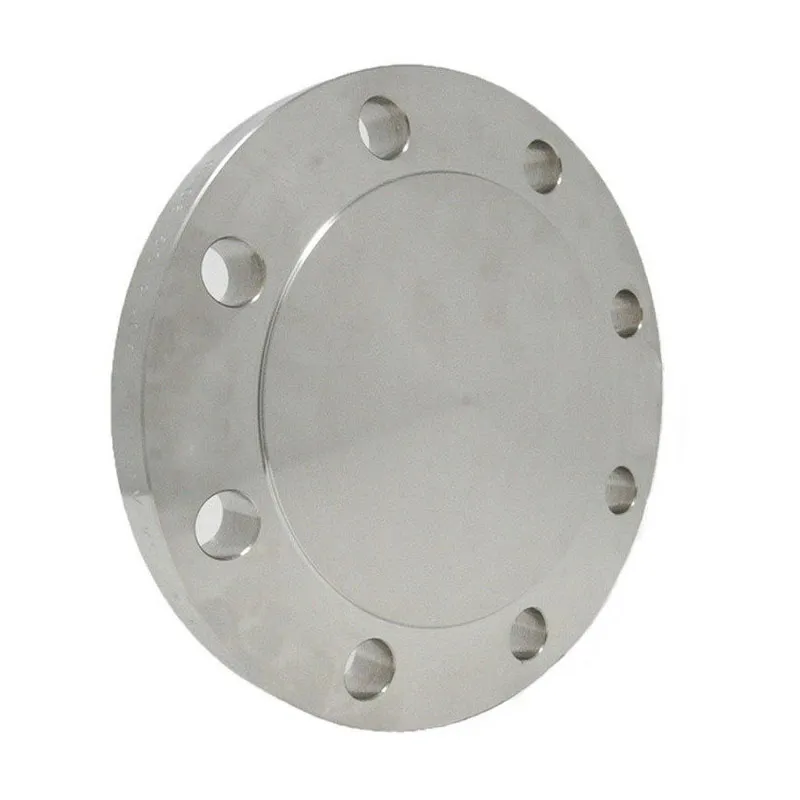 AWWA Blind Flanges Class D (Tables 1, 2, 3)
 -
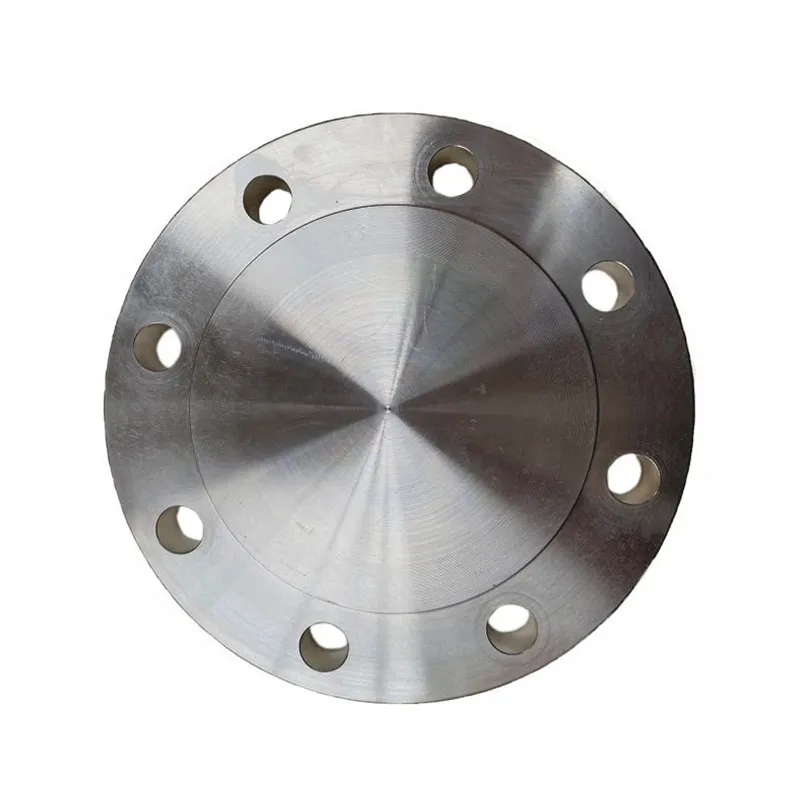 DIN 2527 Blind flanges PN10