
-
-
Phone
+86-13623462298



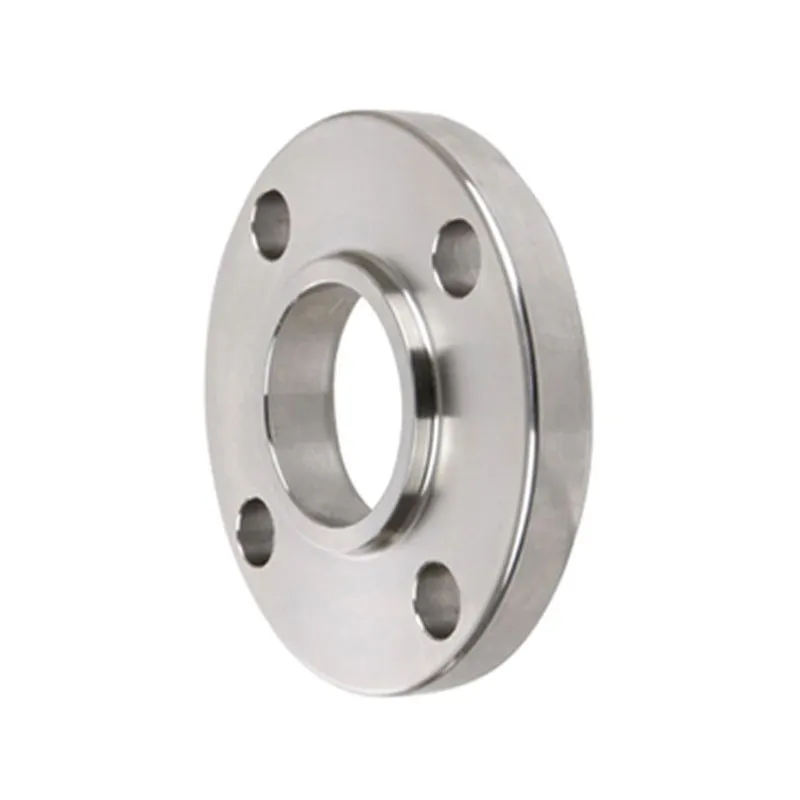
drive flanges
When people think of drive flanges, many people immediately think of a standard steel disc. But in practice, especially in critical components of machines and assemblies, everything is much more complicated. A common mistake is to consider them an ordinary part that can be taken “off the shelf?” according to the nearest GOST. Working with supplies for heavy engineering, I have repeatedly encountered the fact that this is where the causes of vibrations, shaft misalignments and premature wear of bearings lie. The key is not the flange itself, but its role in transmitting torque and ensuring alignment. If the geometry or material does not match the actual loads, the consequences can be costly.
What is hidden behind the term and where are the pitfalls?
In fact, a drive flange is more than just a connecting element. This is the interface between the drive (motor, gearbox) and the actuator (pump, fan, drum). Its task is to convey rotation rigidly and accurately. Therefore, in addition to the holes for the bolts, the landing surfaces are critically important - under the shaft, under the hub, centering collars. Often their processing quality (roughness, end runout) is overlooked, ordering a product only by diameter and number of holes.
I remember an incident at one of the enrichment factories. They installed a new centrifugal pump, took the flange according to the old specification, everything seemed to match. But after a couple of months of work, strong vibration appeared. We disassembled it and there were traces of fretting corrosion visible on the seating surface of the flange under the hub. It turned out that the material was too “soft?” for variable loads from pump operation in non-constant mode. The landing was loose. I had to urgently look for a replacement, but downtime was already expensive. It was a lesson: for drive connections, material and hardness are as important as geometry.
Another nuance is balancing. Especially for flanges with large diameters or operating at high speeds. If it is not done or done formally, an imbalance is guaranteed. Some manufacturers offer machine balancing as an option, and it's really not worth skimping on. I myself saw how a flange with a diameter of DN800, seemingly perfectly even, after balancing required the removal of metal at several points - the imbalance was significant.
Experience with suppliers and the importance of standards
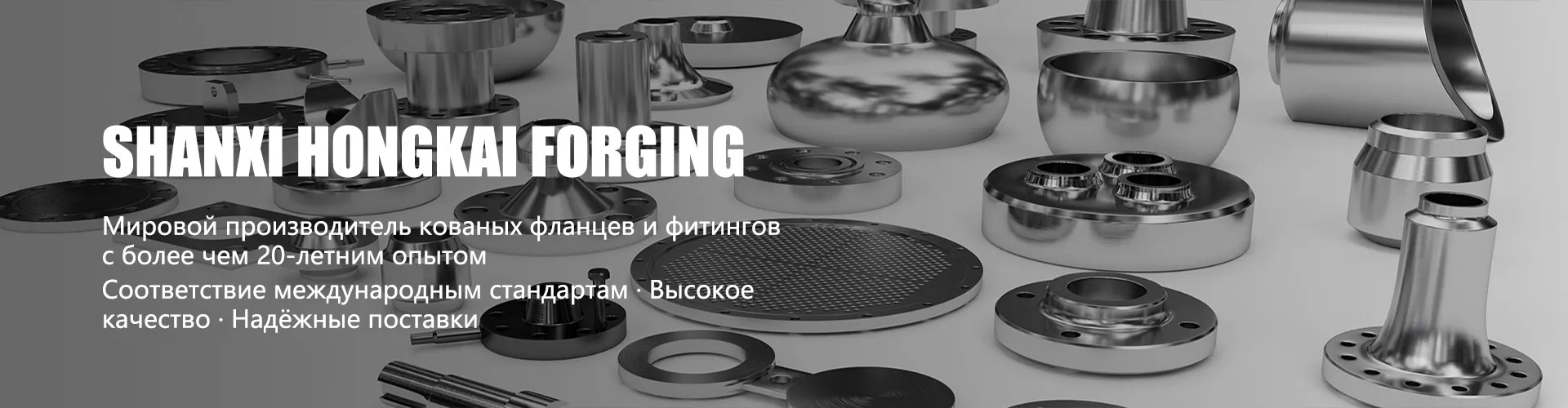
Working with different manufacturers, I came to the conclusion that those who are initially focused on mechanical engineering, and not just pipeline fittings, are more reliable. For example, when flanges were required to drive a conveyor drum according to the customer’s specifications (non-standard thickness and unusual arrangement of holes for special pins), we contacted the companyShanxi Hongkai Forging Co.,Ltd. Their websitehkflange.rupositions them as a manufacturer of forged flanges and forgings, which already hints at the power orientation of the product. The description states that they work according to international standards, including GOST, ASME, EN, and make products according to customer drawings up to DN4000 - this is a serious range.
What’s important is that they didn’t just take a drawing and make it. Their technical department sent clarifying questions about the operating mode (constant/variable torque, the presence of shock loads), and about the method of fastening the hub. This showed a professional approach. As a result, it was proposed to use 40ХНМ steel for forging instead of the usual 35, taking into account the shock loads when starting the conveyor under load. The finished drive flange came with a full package of certificates, including ultrasonic inspection of the forging. There were no problems with runout or fit during installation on site.
This experience confirmed a simple truth: for critical components, it is better to work with specialized manufacturers who understand the function of the part. One-stop suppliers of ?all flanges? often do not delve into such details, offering a standard solution that may not be suitable.
Installation and what the instructions are silent about
Even a perfectly manufactured drive flange can be damaged during installation. Main mistakes: overtightening the bolts and incorrect tightening sequence. This leads to warping of the flange and loss of flatness. As a result, the shaft connection becomes misaligned and a bending moment appears. I always insist on using a calibrated torque wrench with a clear "crisscross" tightening pattern, especially for flanges with a large number of holes.
Another point is the condition of the mating surfaces. Before assembly, they must be cleaned of paint, scale, and traces of corrosion. It would seem obvious, but how many times have I seen installers install a flange with shipping paint or rust on the centering collar! This negates all manufacturing precision. It is also important to check the bolts/studs and nuts themselves - their strength class must correspond to the design loads, otherwise the threads may “float”.
Sometimes special flexible couplings are used to compensate for slight misalignment, but even for them the drive flanges must be installed correctly. The parallelism of the mounting planes is critical here. On one of the projects, I even had to make a template to check the position of the flanges on the shafts before final tightening - this saved a lot of time on adjustments.
When the standard doesn't fit: non-standard solutions
There are situations when standard solutions do not work. For example, to drive a stirrer in a chemical reactor with an aggressive environment, a stainless steel flange with a special coating on the seating surfaces was required to prevent diffusion welding. Or the case with a high-speed fan, where it was necessary to reduce the mass of the flange - they made it with lightening grooves and cavities, but while maintaining rigidity.
In such cases, it is impossible to do without a close dialogue with the manufacturer, who can perform forging and machining according to an individual drawing. This is where the experience of working with companies such as the one mentioned comes in handyShanxi Hongkai Forging Co.,Ltd. Their ability to produce custom forgings according to customer drawings is not just a line in the description on the website. For the same chemical apparatus, they selected the grade of stainless steel that was optimal in terms of durability and mechanical properties, and provided strength calculations based on our initial data.
When ordering a non-standard drive flange, it is important to describe the operating conditions in as much detail as possible: not only the torque, but also the nature of its application (constant, variable, reversible), the presence of axial or radial forces from the connected shaft, temperature conditions, environment (if there is a risk of corrosion). The more data, the more accurately the manufacturer will be able to offer material, type of heat treatment and design features.
Instead of a conclusion: what to look for today
To summarize, I will say that the drive flange market is not standing still. New materials and composite solutions are emerging to lighten structures in transport engineering, and control methods are being improved. But the basic principles remain: understanding the function, attention to detail in manufacturing and installation, choosing a responsible supplier.
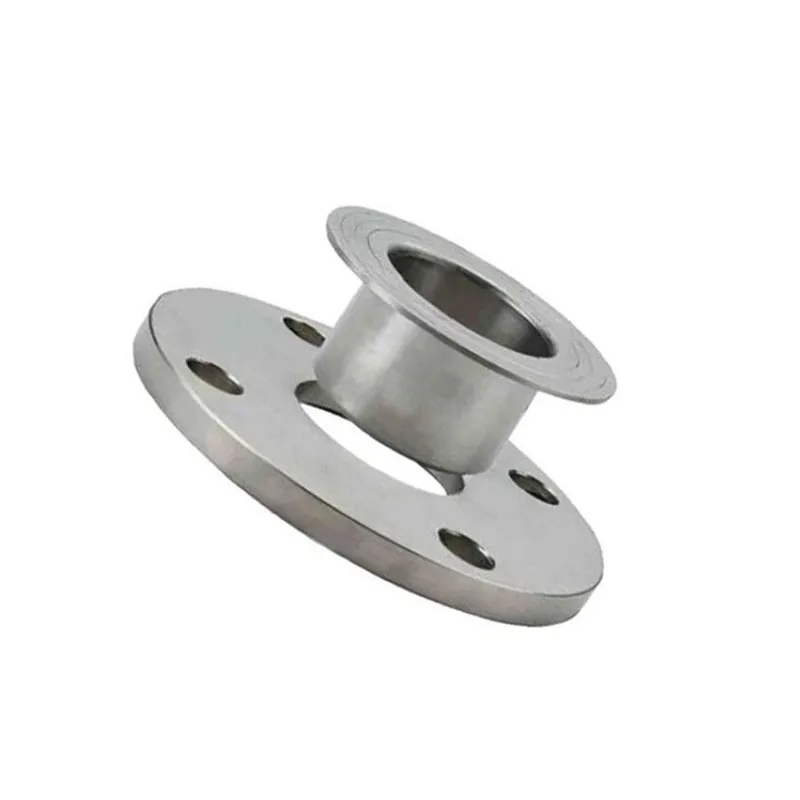
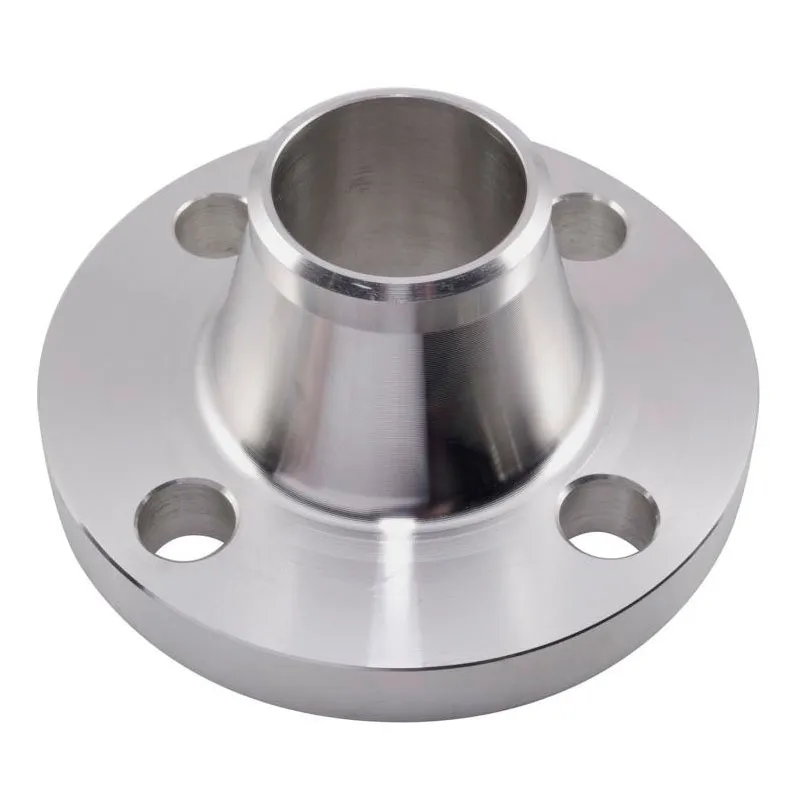
I noted for myself that it is more reliable to work with manufacturers who do the forging themselves, likeShanxi Hongkai Forging Co.,Ltd— this gives control over the quality of the initial workpiece. Mechanical processing ?in one hand? also a plus. Their portfolio, which includes butt weld, flat and loose flanges to different standards, shows a wide range of options, which is useful for complex deliveries.
The main conclusion, perhaps, is this: the drive flange is not a consumable, but a precise engineering part. Its selection and application must be approached with the same attention as the selection of a gearbox or coupling. Saving a couple of thousand rubles on this item can result in many days of downtime and repairs that are much more expensive. Tested in practice more than once.
Correspondingproducts
Related Products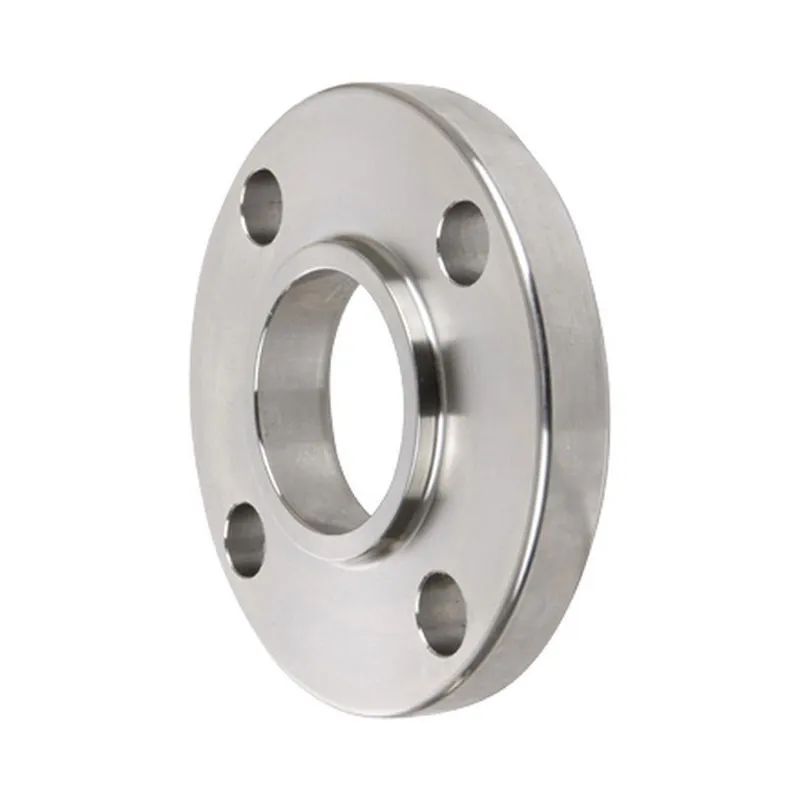
Best Sellingproducts
Best Selling Products-
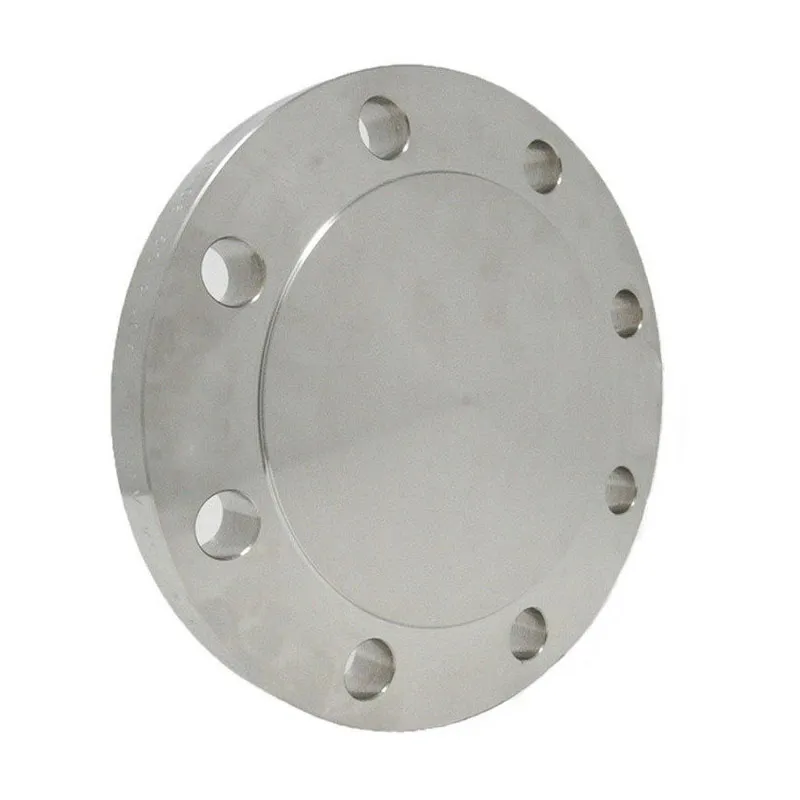 Blind flanges Class 150
 -
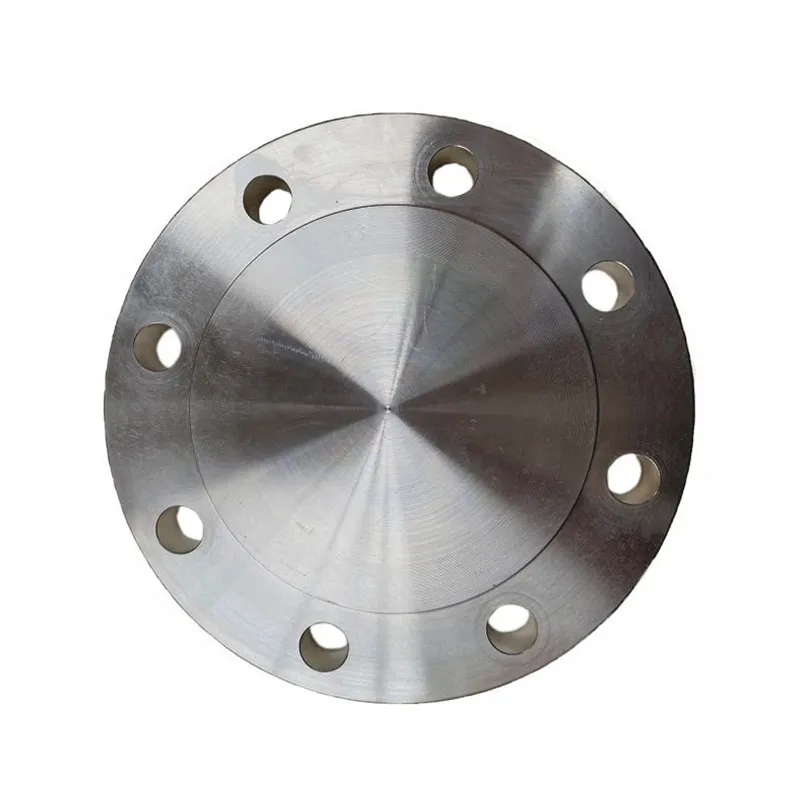 DIN 2527 Blind flanges PN10
 -
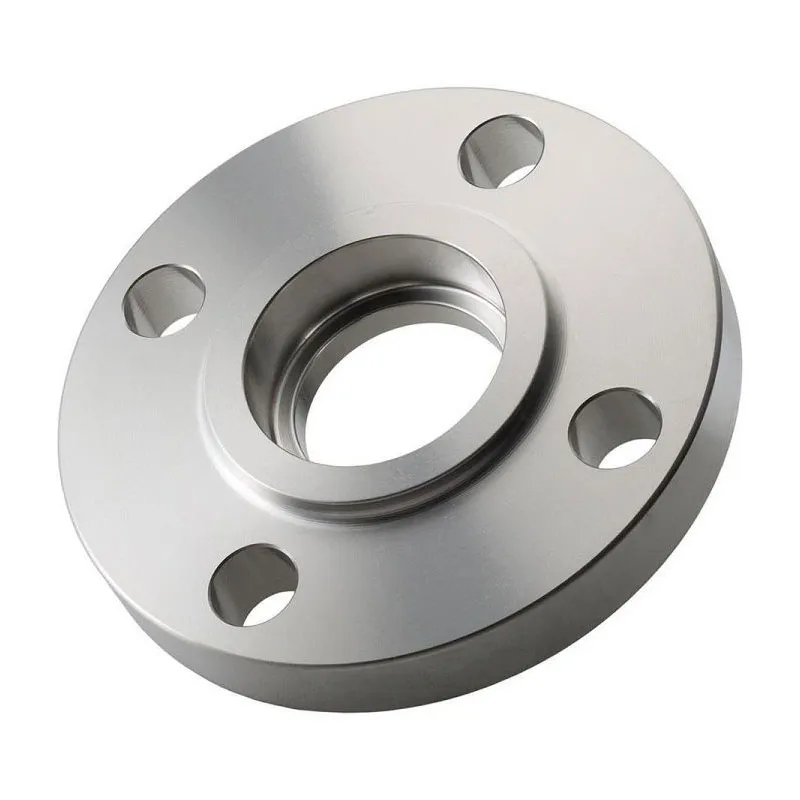 ANSI B16.5 Socket Weld Flanges Class 1500
 -
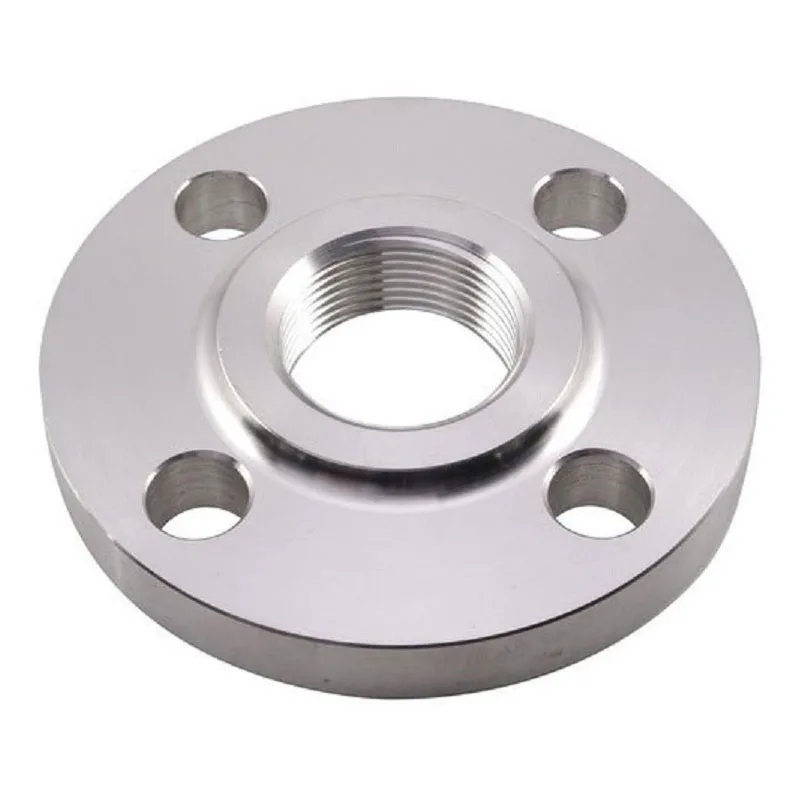
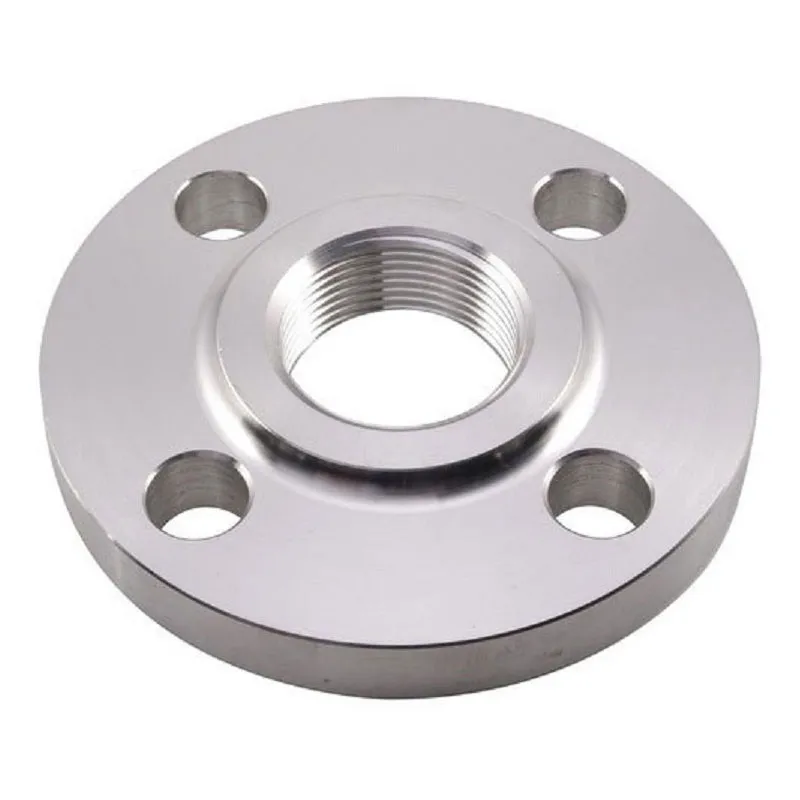 DIN 2565 Threaded flanges PN6
 -
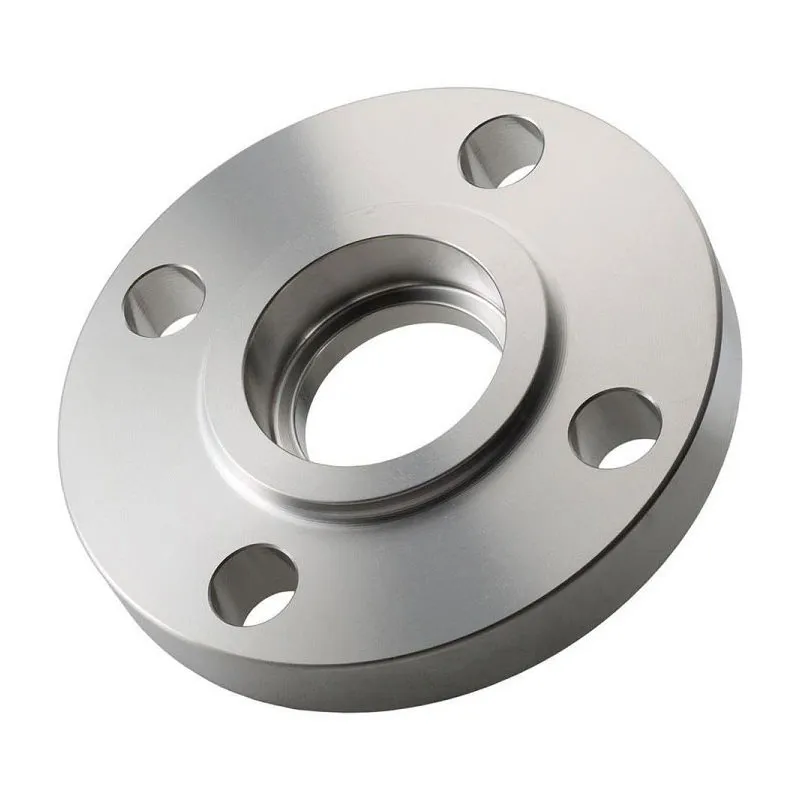 Flanges for socket welding
 -
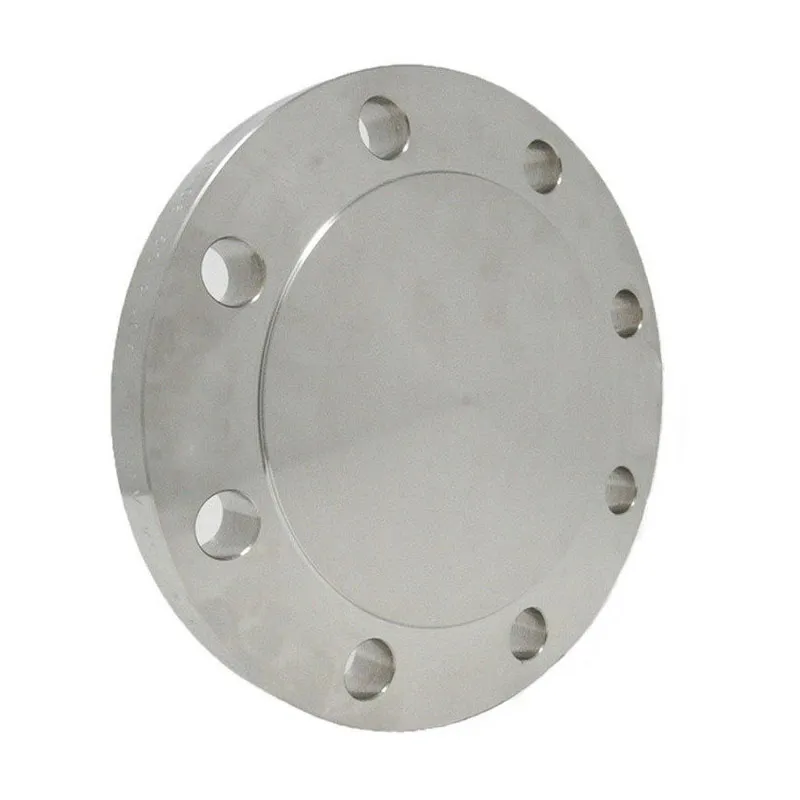 AWWA Blind Flanges Class D (Tables 1, 2, 3)
 -
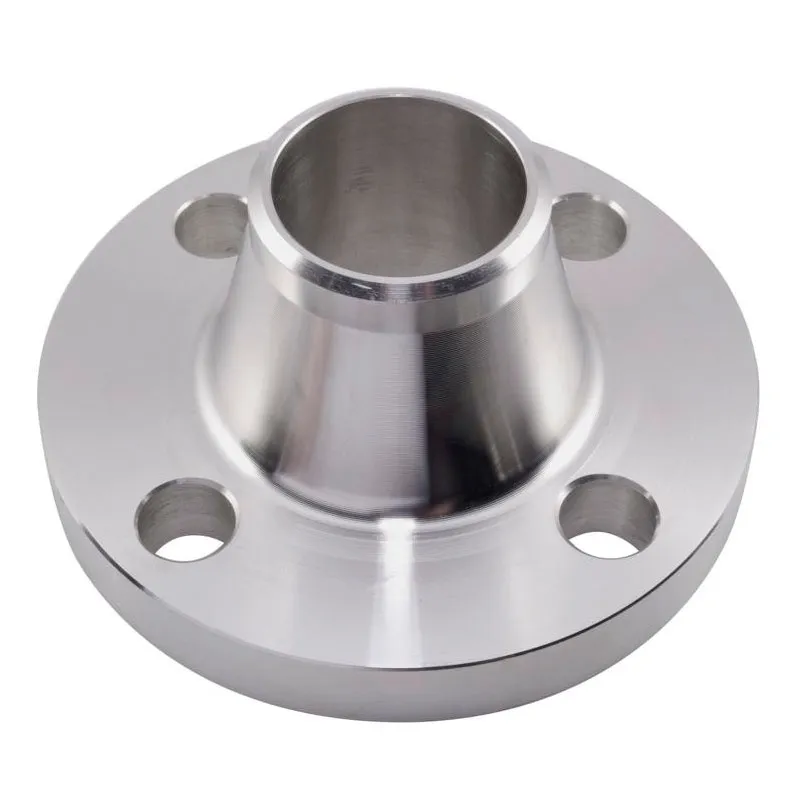 Butt weld flanges Class 900
 -
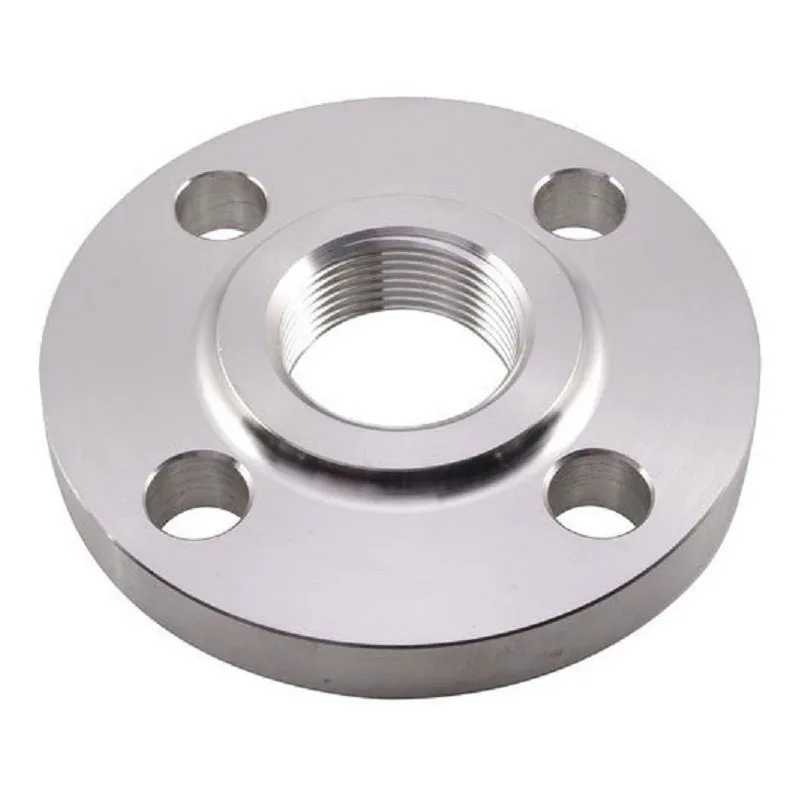 ANSI B16.5 Threaded Flanges Class 600
 -
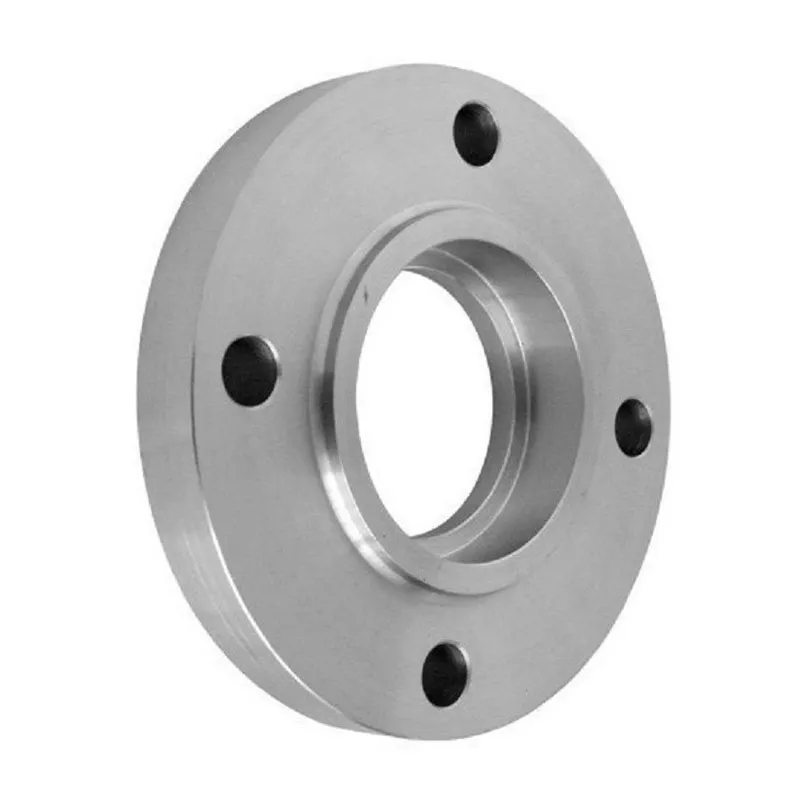 Socket Weld Flanges Class 300
 -
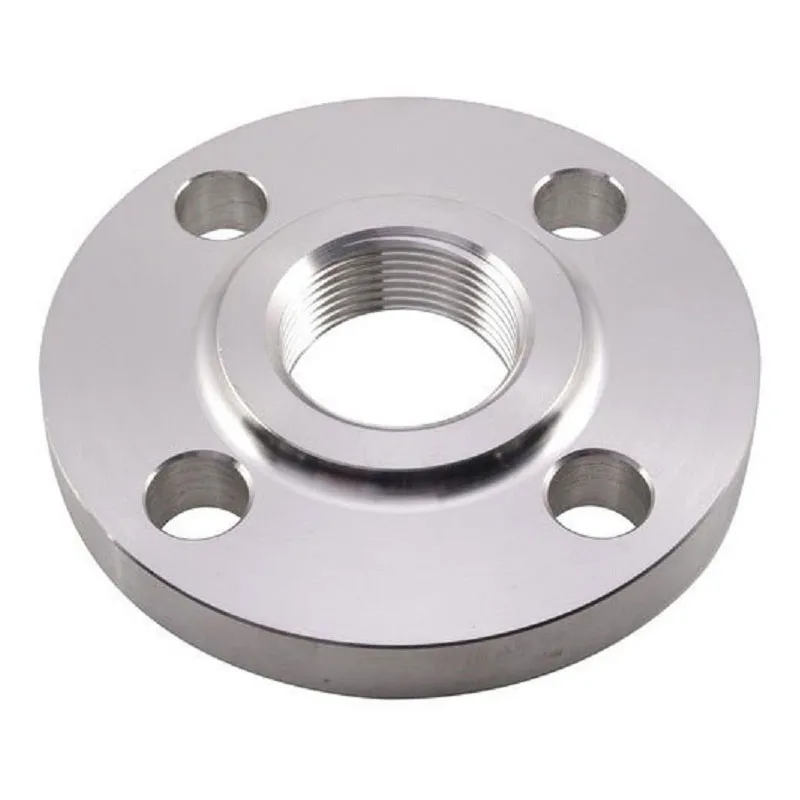 EN 1092-1 Threaded flanges Type 15, PN16
 -
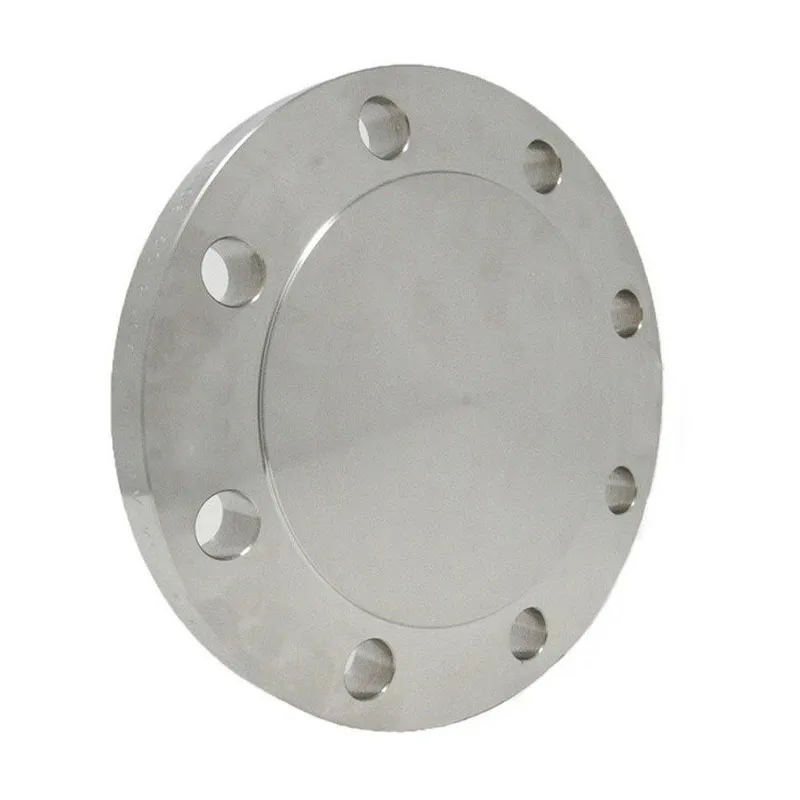 EN 1092-1 Blind flanges Type 05, PN10
 -
 JIS 10K Overlay flanges