
-
-
Phone
+86-13623462298



flange 150mm
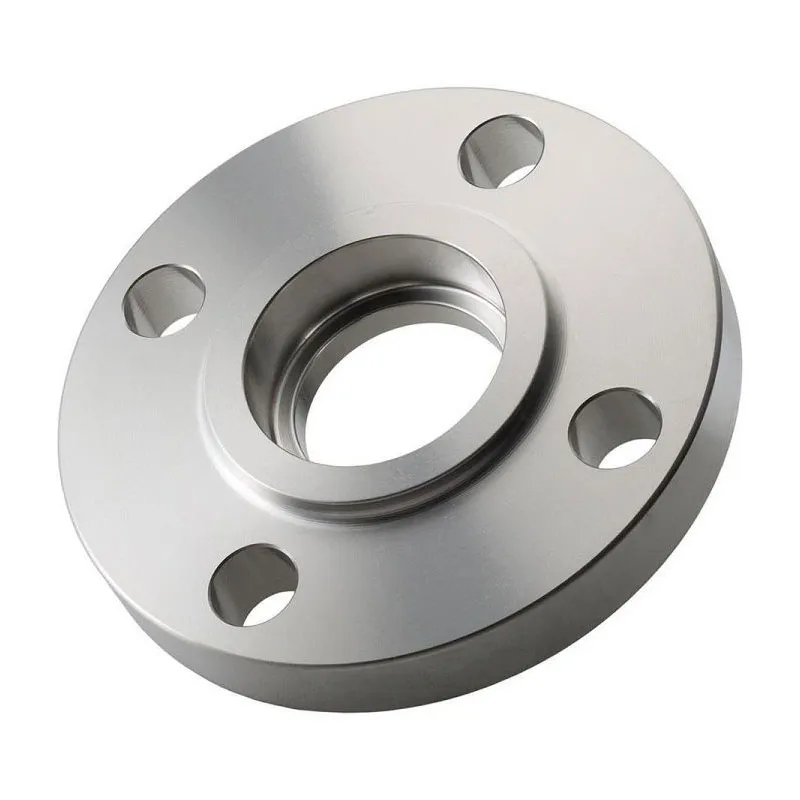
When they say “150mm flange”, many people immediately think of a simple steel ring with holes. But this is where the first pitfall lies - apparent simplicity. In fact, these 150 millimeters of nominal diameter (DN150) hide a whole range of nuances: pressure, temperature, material, type of seal, standard. And if for water at 16 atmospheres you can take almost anything, then for steam at 100 bar and 540°C - no longer possible. I myself saw how at one thermal power plant they installed an ordinary flat flange in accordance with GOST 12820-80 on such a steam pipeline, because “the size was right?” Six months later he began to “sweat?” at the junction, then cracks appeared around the perimeter. The reason is that the 20kp material is not for such parameters; at least 15Х5М or a forging from 12Х18Н10Т was needed. That's all the savings are.
Why exactly 150 mm is the golden mean and a frequent guest in specifications
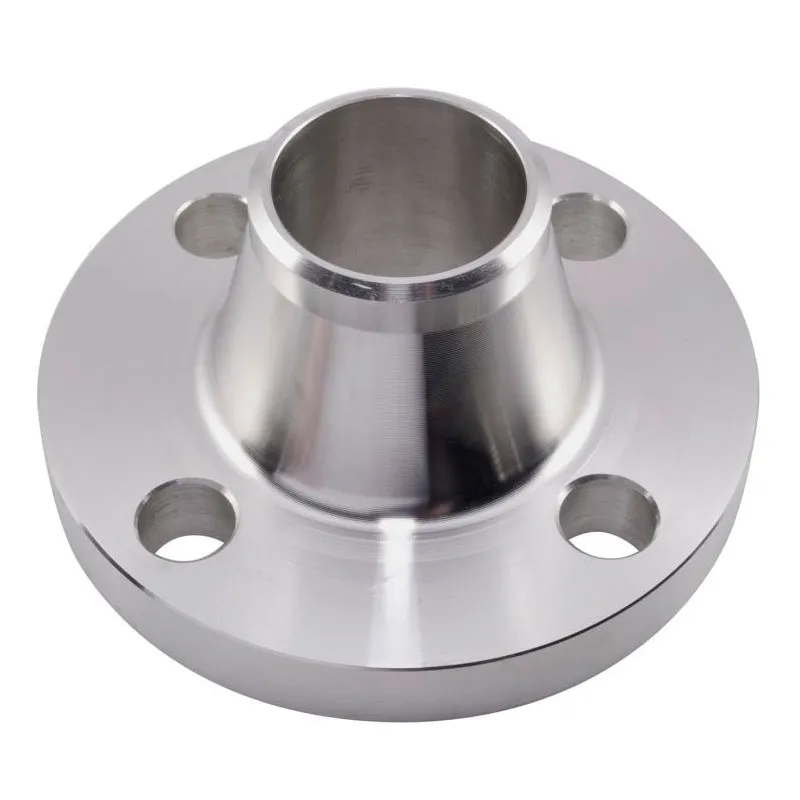
The size DN150 is truly the workhorse of the industry. It is often found on production lines, in general plant communications, and heat supply systems. Not as small as Du50, which has a lot of threads and welded couplings, and not as large as Du500, which requires massive structures and special installation. This is the size where they are already fully operationalbutt weld flanges(GOST 12821-80, ASME B16.5 Weld Neck), which we most often produce. Their advantage is the optimal distribution of mechanical stress, especially under variable loads and high pressure.
But there is a fork in the road here too. If we take the sameflange 150mmaccording to GOST, then for Ru16 and Ru25 the geometry and thickness of the disk will be different. And if this is ASME B16.5 Class 150, then this is a different pressure (about 20 bar at temperatures up to 38°C) and completely different dimensions, especially in terms of thickness and bore diameter. They cannot be confused - they do not fit together. I had a case with the supply of equipment for modernization at one of the petrochemical plants near Perm. The specification was simply ?Flange 150mm 150#?. Out of habit, we did it according to ASME. But it turned out that the old equipment was still Soviet, with flanges according to GOST 12815-80 on Ru16. The threaded holes seem to match, but the inner diameter and lip for the seal do not. I had to urgently remake the batch to GOST. Lesson: always specify the standard and nominal pressure, even if the request only indicates “150mm”.
By the way, about materials. For standard conditions (water, low pressure steam, air) steel 20 or 09G2S is often used. But if the environment is aggressive - the same wet hydrogen sulfide, alkalis - then alloy steel or even stainless steel is required. In such cases, we always request from the technologists of the customer plant a complete passport of the environment: composition, pressure, temperature, even the presence of abrasive particles. Because the choice of steel grade and, accordingly, the forging and heat treatment technology depend on this. Simply taking and casting a stainless steel flange is not an option; cast flanges are now almost never used for critical components, except for low pressure. Forging produces a better fine-grained metal structure.
Manufacturing approach: why forging rather than sheet cutting
Many small workshops make flanges using a simple method: plasma cutting a circle from a sheet, then drilling. For unloaded structures at low pressure - it will do. But for the energy sector, petrochemicals, where water hammer, vibration, and cyclic loads are possible, it’s so “pancake-like”? the workpiece is the weak link. The metal fibers in the sheet are located in the same plane, and under bending or torsion load, a crack can easily occur. In a forging, metal fibers flow around the contour of the product, creating a continuous force structure. It's like the difference between chipboard and solid wood.
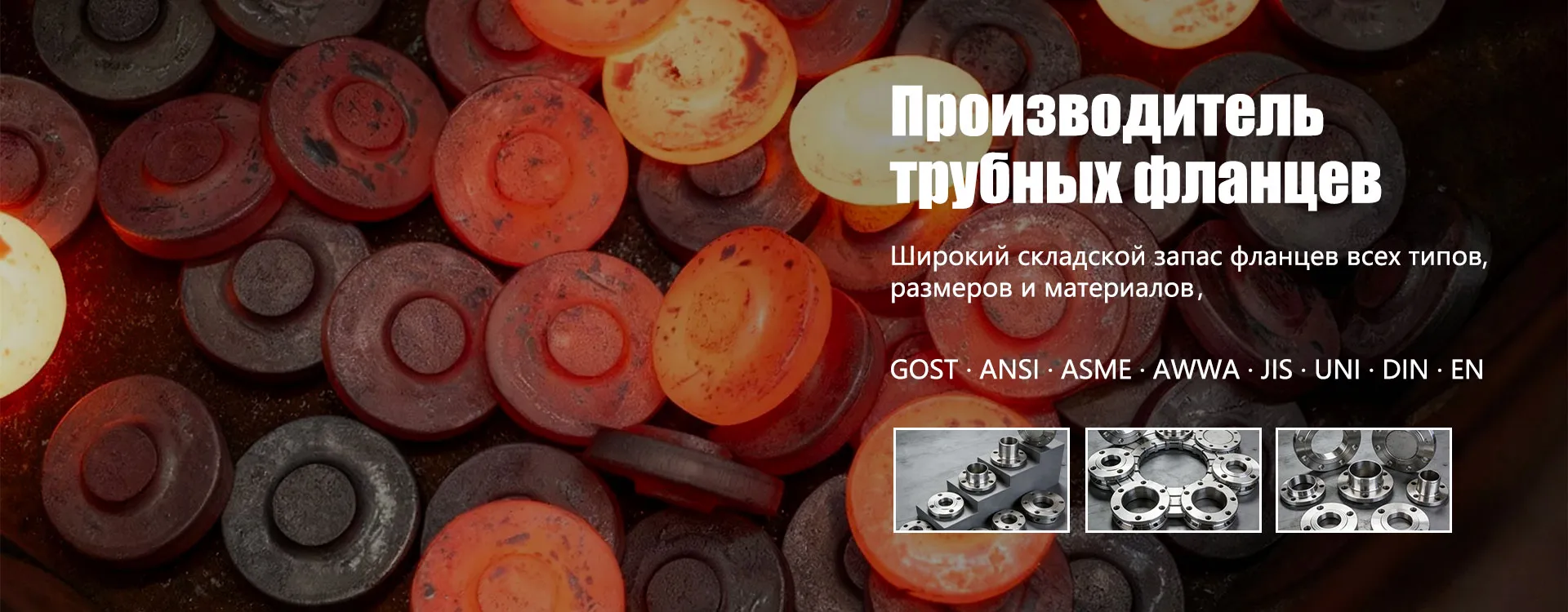
Our productionShanxi Hongkai Forging Co.,Ltd, focused specifically on forged flanges. The technology is something like this: a workpiece—rolled steel or ingot—is heated in a furnace to forging temperature, then it is given a shape close to the final shape on a hydraulic press (upsetting, piercing a hole, expansion). Then - mechanical processing on CNC machines: we maintain all dimensions, roughness of surfaces for sealing, alignment of holes. An important stage is heat treatment (normalization or hardening + tempering) to relieve internal stresses and obtain the desired mechanical properties. Without this, even the highest quality forging can fail. themselves during further welding or operation.
Control is a different story. In addition to standard measurements with calipers and gauges, we selectively perform ultrasonic testing (UT) to identify internal defects. For critical orders - Brinell or Rockwell hardness testing, chemical analysis with a spectrometer. The documents then go into the product passport. By the way, the sitehttps://www.hkflange.ru- this is essentially our showcase where you can see the main types of products, but all technical details are always worked out individually by correspondence or by phone. It is also stated on the website that we work according to GOST, ASME, EN, DIN and other standards - this is not just a list for beauty. For each standard we have our own technological maps and equipment.
Types of flanges for DN150: not only butt
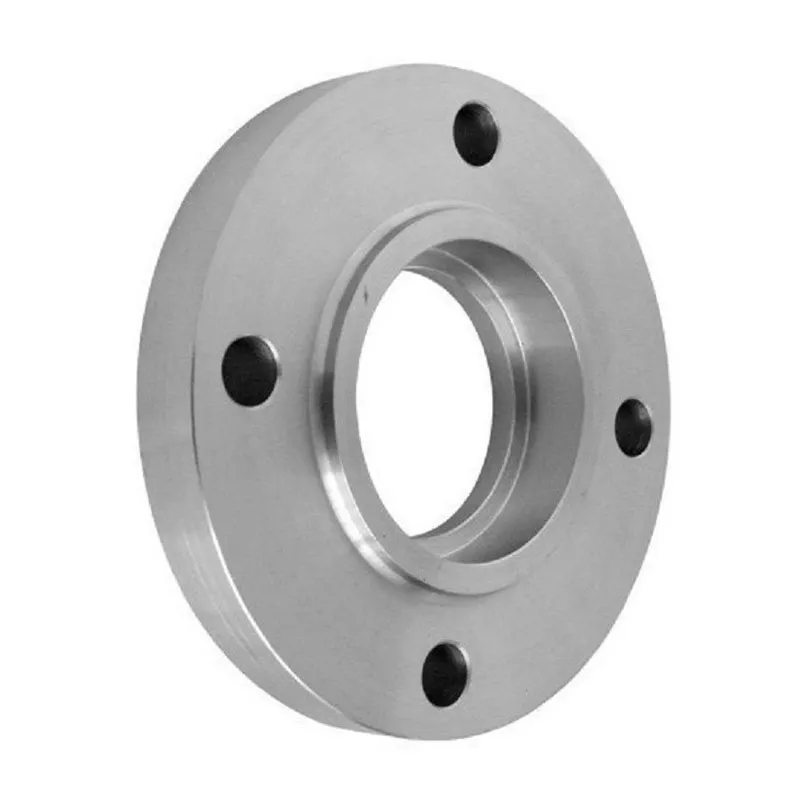
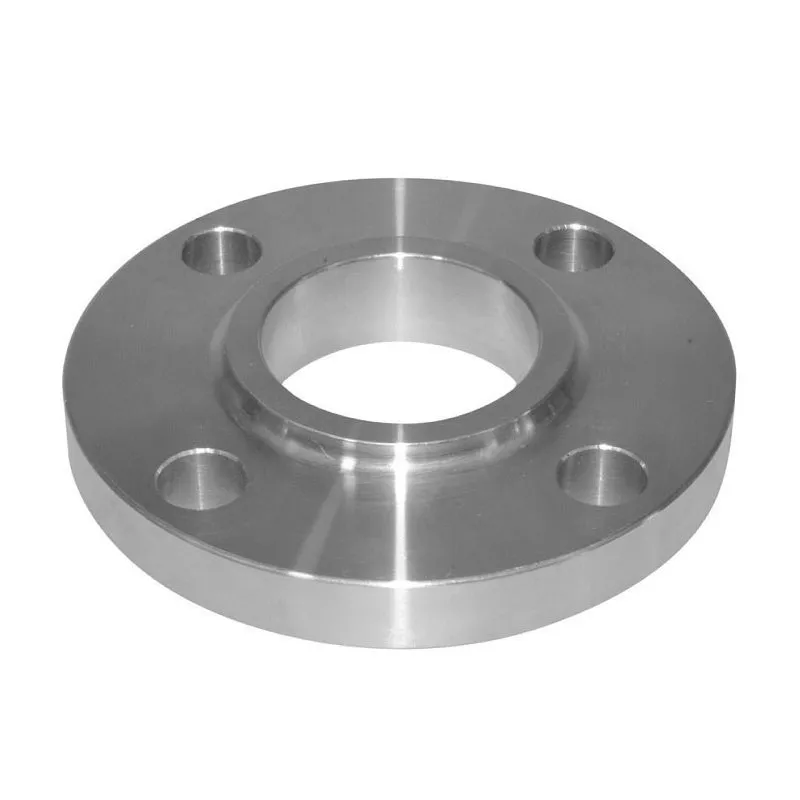
Althoughbutt weld flanges- our bread, for Du150 other types are also in demand. For example, flat welded flanges (GOST 12820-80). They are cheaper to make, but they require double-sided welding to the pipe, which is not always convenient, and they work worse in bending. They are often used for scaffolding or non-critical piping within a workshop.
There are also free flanges on the welded ring (GOST 12822-80). Their beauty is that the ring is welded to the pipe, while the flange itself (disc with holes) remains free. This is very convenient for installation when you need to align holes on an already assembled assembly, or for pipes made of expensive materials (for example, bimetallic), where the flange itself can be made of carbon steel, and the ring can be made of corrosion-resistant material. For Du150, such orders also periodically slip through, usually for the chemical industry.
We must not forget about blind flanges (flange plugs). DN150 is a common size for plugging branches or ends of pipelines during repairs. The main thing here is to ensure complete tightness and mechanical strength, since the plug absorbs the full pressure of the system. We usually make them thicker than standard flanges, and with mandatory ultrasonic testing along the entire plane.
Difficulties with non-standard and working according to drawings
The request often comes: ?Needflange 150mm, but with a thickness 10 mm greater than standard, plus an additional groove for the o-ring, and not for the gasket?. These are non-standard products according to customer drawings. The work is painstaking. First, engineers study the drawing, estimate the load, and suggest the material (sometimes the customer specifies his own, rare grade of steel). Then the technologists develop the forging and processing route. The most difficult thing here is to accurately maintain all non-standard dimensions and tolerances, especially if it is a complex shape, not just a disk. For example, a flange with an integrated fitting or with asymmetrical mounting holes.
There was an interesting order for a research institute: a DN150 flange made of nickel alloy for operation in high vacuum and at high temperatures. The problem was not so much in the forging (the material is very malleable), but in the subsequent machining - it was heavily riveted. We had to select cutting modes and cooling. But they did. This means that the size range on the websiteShanxi Hongkai Forging Co.,Ltd- from DN15 to DN4000 - these are not empty words. For both small and large flanges, and for exotic materials, the approach is the same: technology, control, compliance with customer requirements.
Instead of a conclusion: what to look for when choosing
So, if you need a 150mm flange, don't just search by size. Ask yourself questions: What is the pressure and temperature? What environment (aggressive, abrasive)? What standard should it be (to interface with existing equipment)? What type of flange is optimal for installation and operation? Do you need a certificate of conformity or even a certificate for materials?
Price is, of course, important. But remember that a cheap flange made of unknown steel without heat treatment can cost ten times more due to line downtime or an accident. It is better to clearly formulate the task to the manufacturer once, provide all the data, discuss the material and the standard. As we usually do with clients who then become regulars. After all, there are no trifles in pipeline fittings, especially in such seemingly simple things asflange 150mm.
As for logistics, for standard items such as the Du150 Ru16 flange made of 20 steel, there is often a warehouse stock, and shipment is fast. For non-standard or special steels, the production time is negotiable, but we always try to meet realistic deadlines, without empty promises. Because quality and deadlines are what ultimately builds a reputation. And in our field it is more expensive than any single order.
Correspondingproducts
Related Products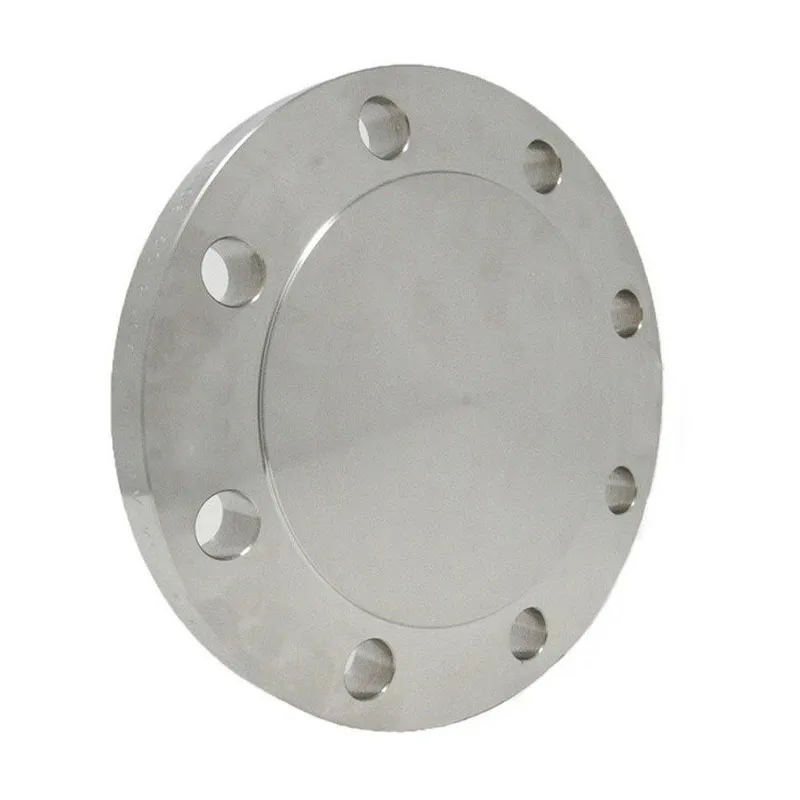
Best Sellingproducts
Best Selling Products-
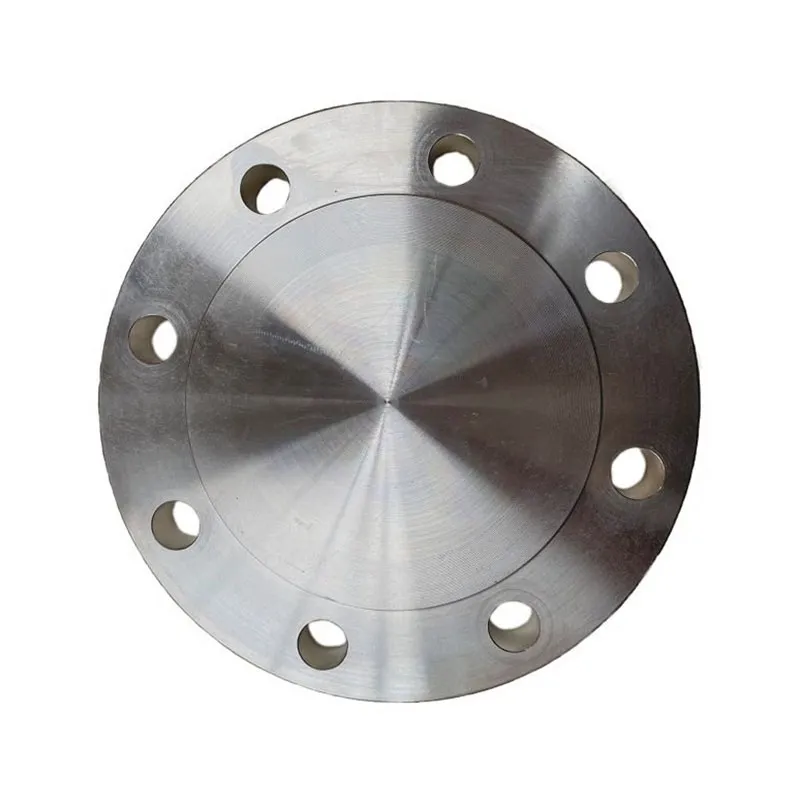 UNI 6092 Blind flanges PN10
 -
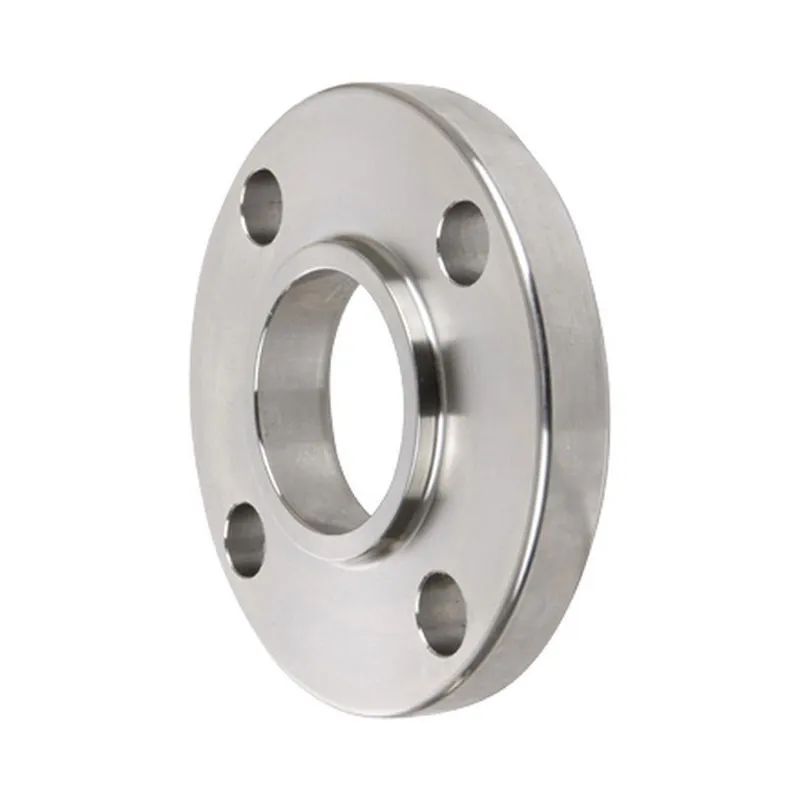 DIN 2501 Overlay flanges PN16
 -
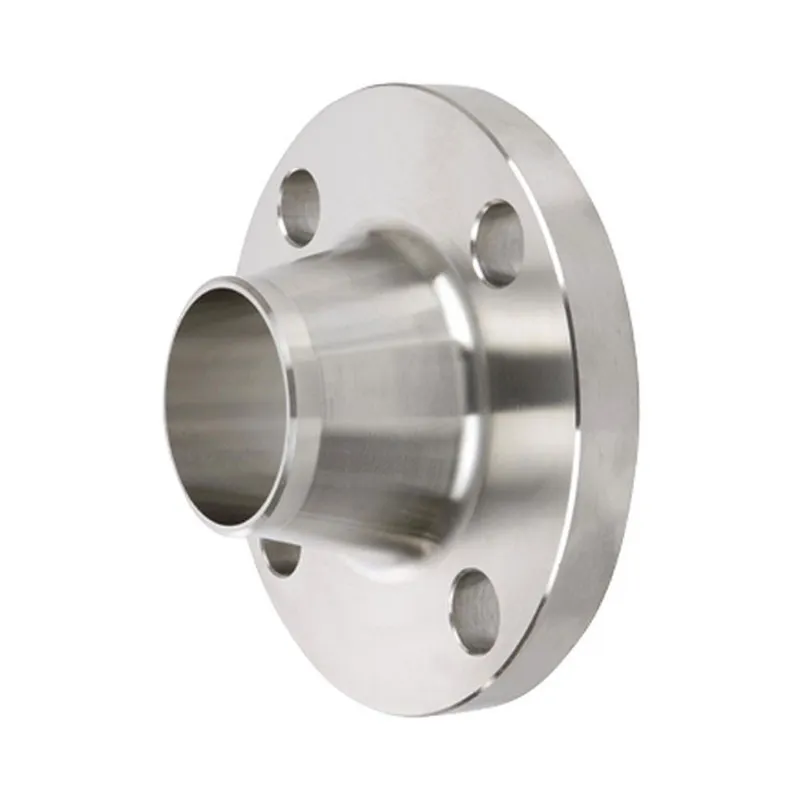 EN 1092-1 Butt weld flanges Type 11, PN25
 -
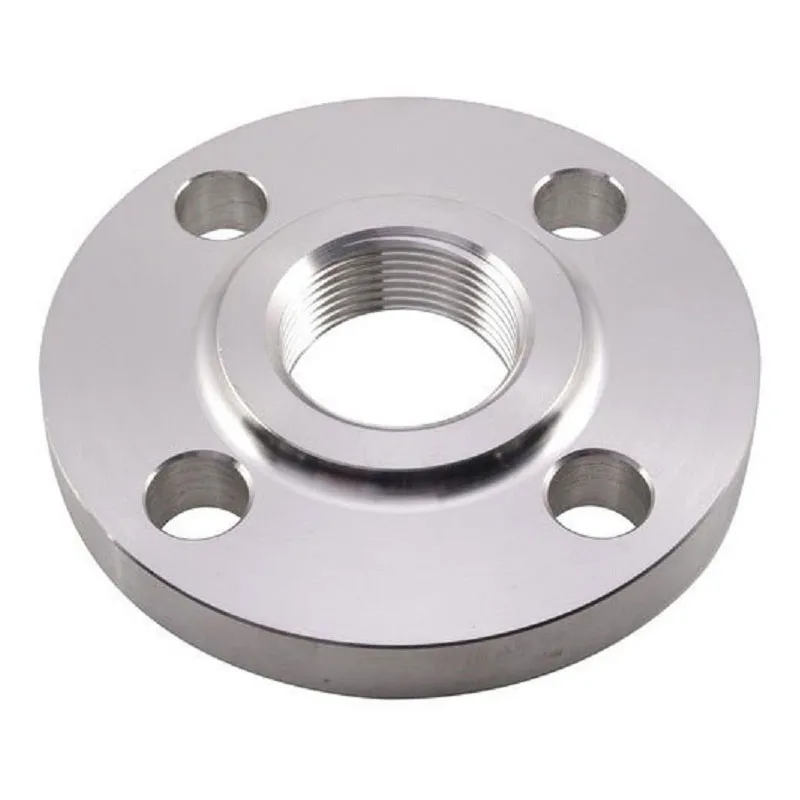 EN 1092-1 Threaded flanges Type 15, PN16
 -
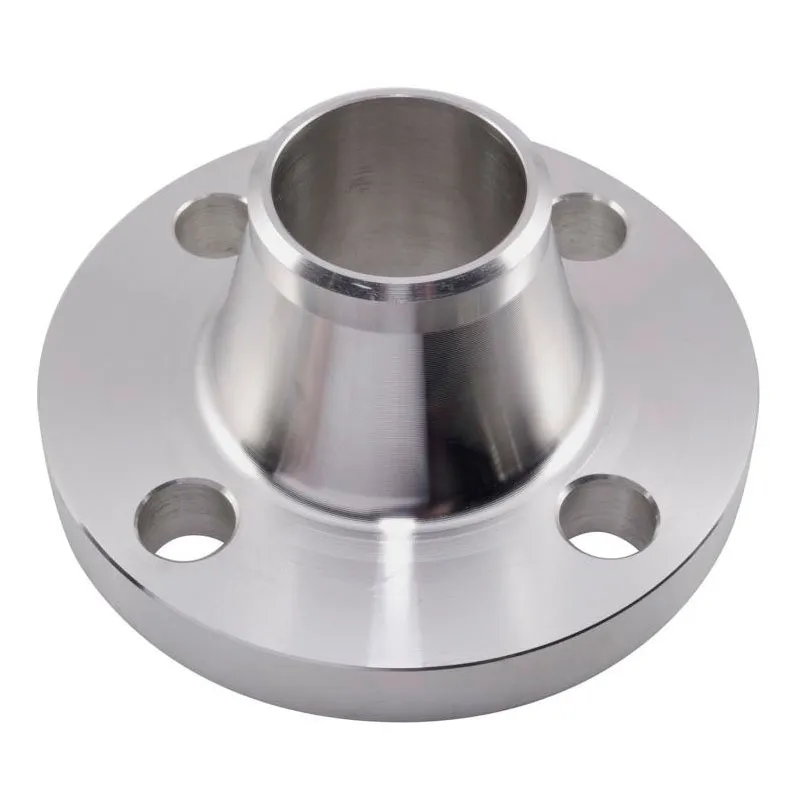 DIN Butt weld flanges PN10
 -
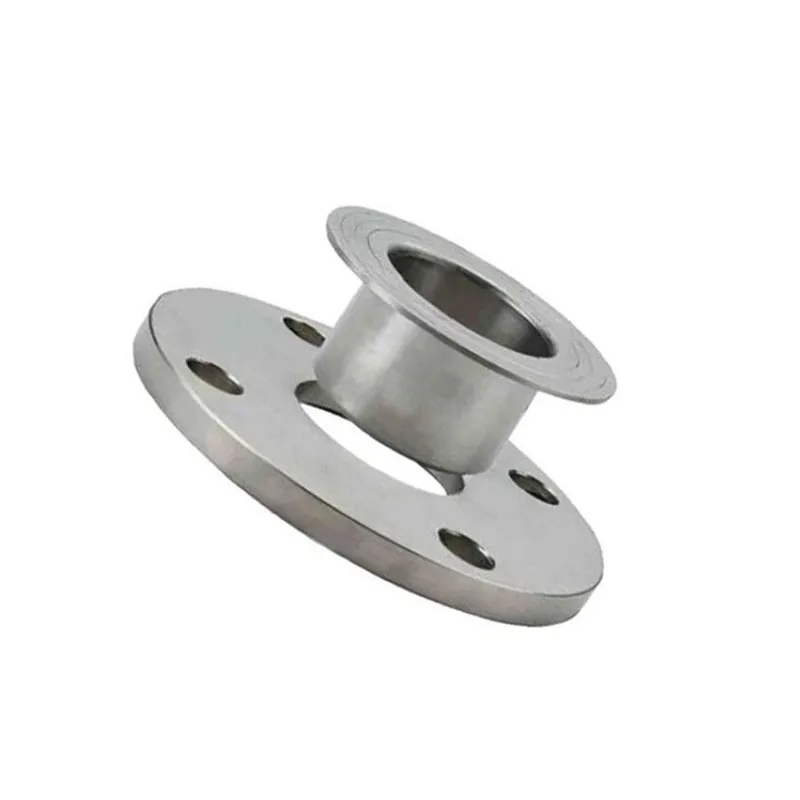 Free ring flanges Class 400
 -
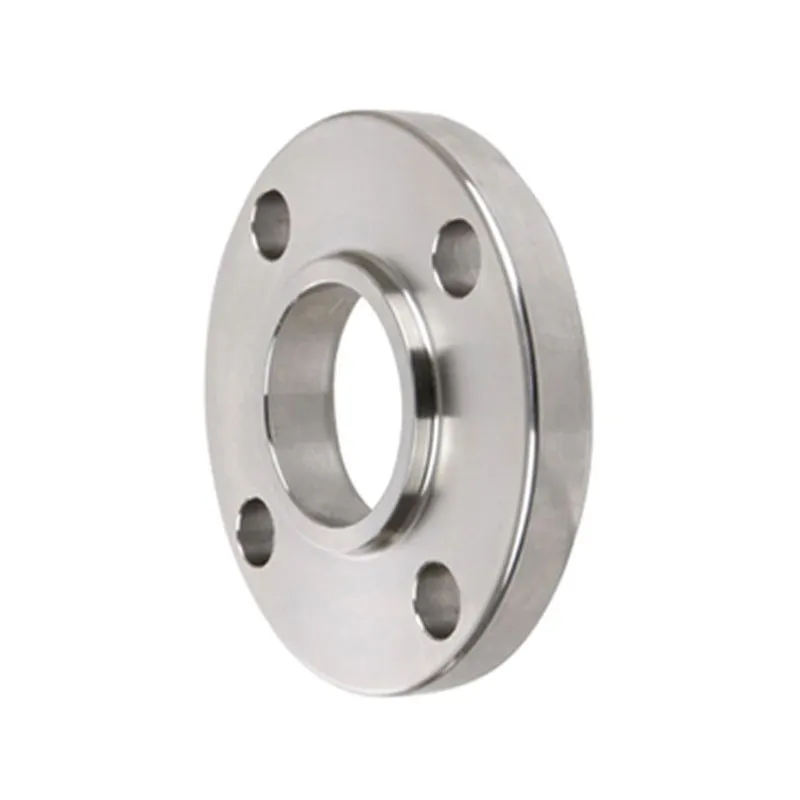 ANSI B16.5 Lap-on flanges Class 300
 -
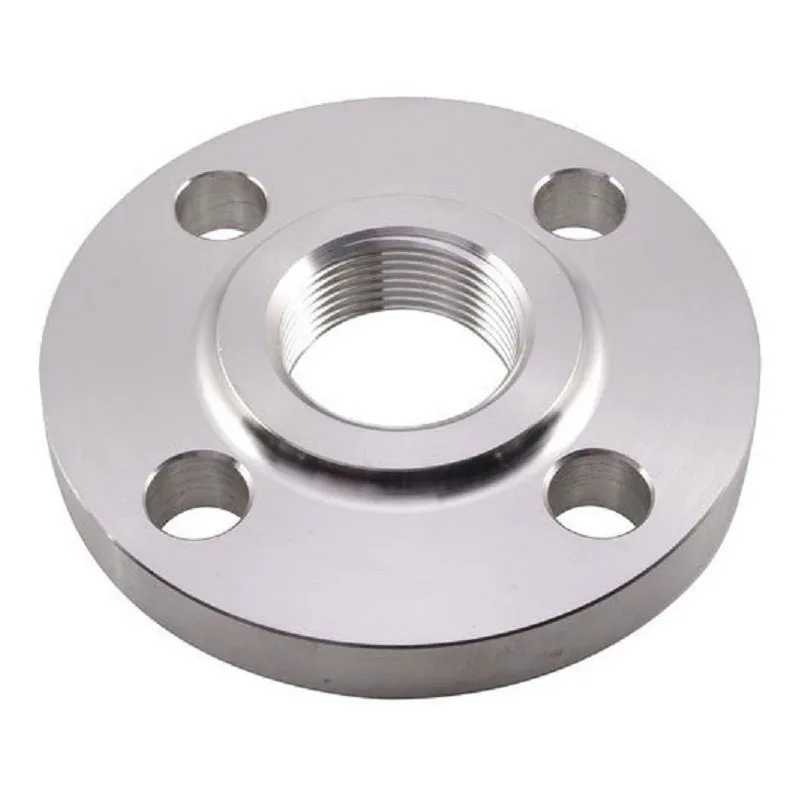 ANSI B16.5 Threaded Flanges Class 600
 -
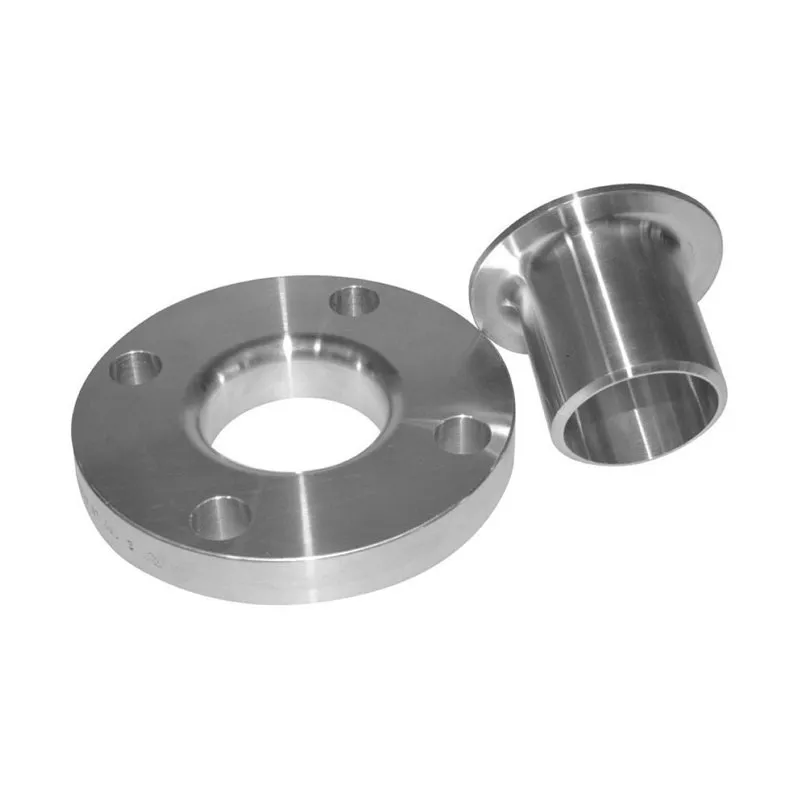 Free ring flanges Class 150
 -
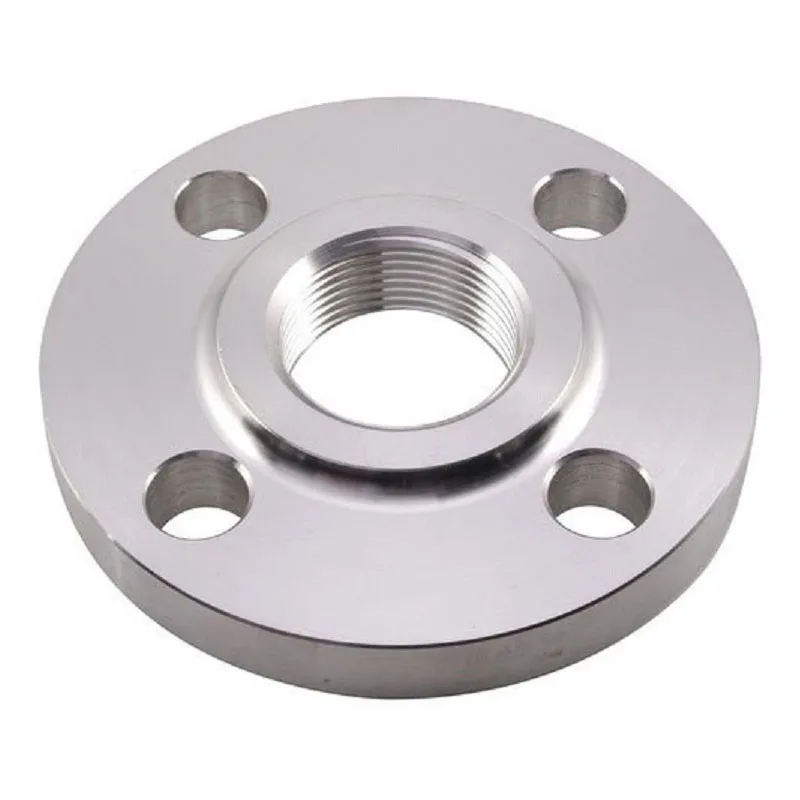 DIN 2566 Threaded flanges PN16
 -
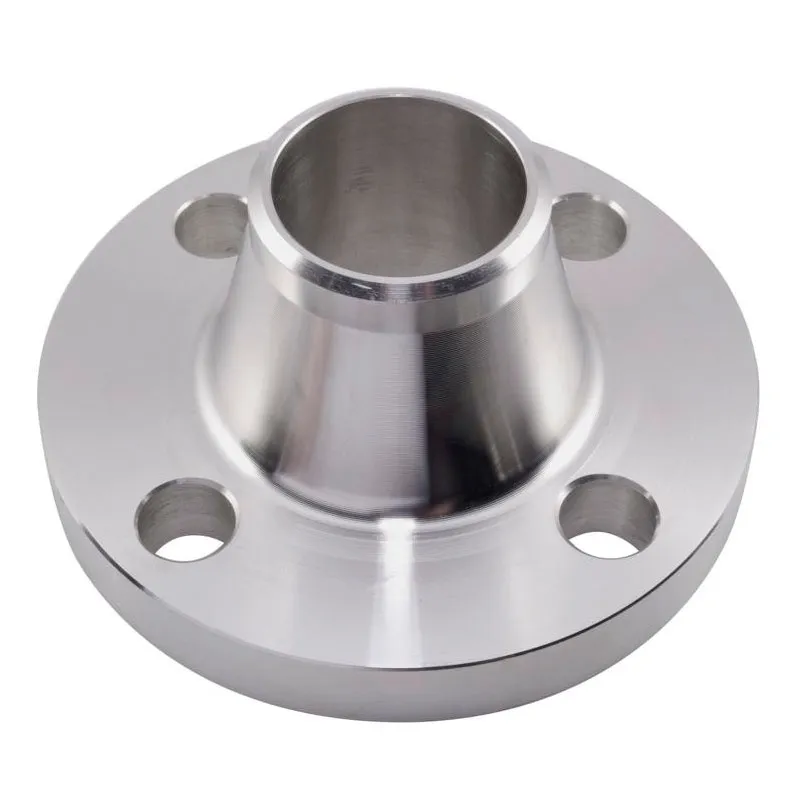 Butt weld flanges Class 900
 -
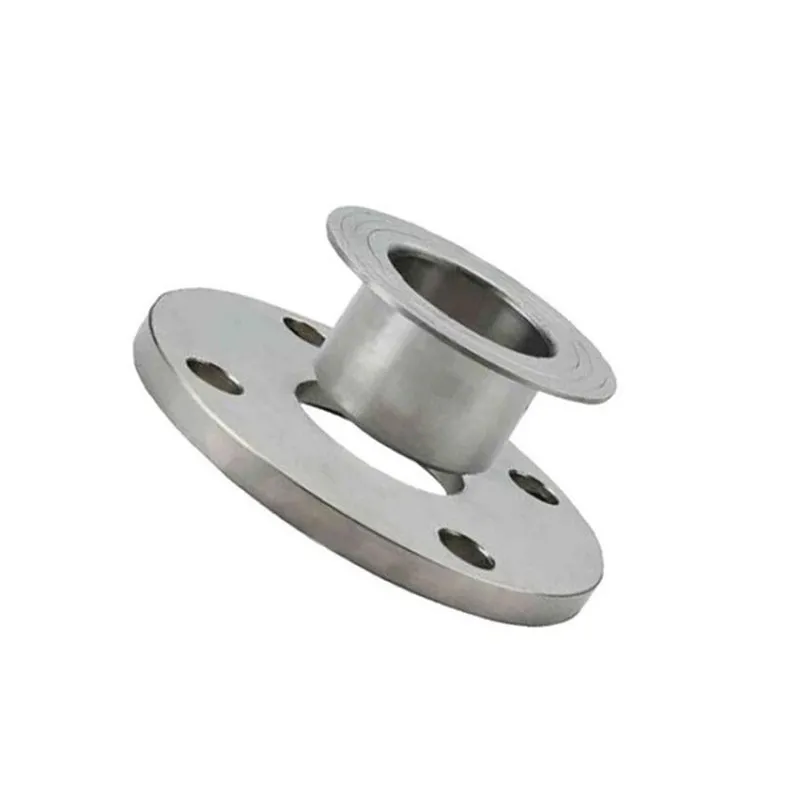 JIS 10K Loose Ring Flanges