
-
-
Phone
+86-13623462298



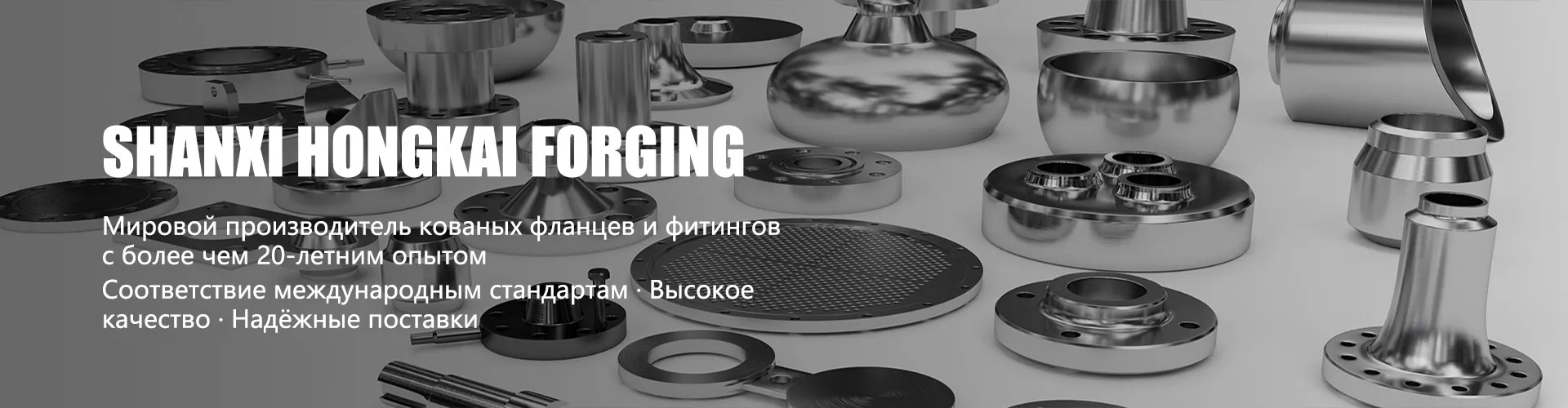
steel flange 200 16
When you see a request like “steel flange 200 16?”, the first thing that comes to mind is that a person is looking for a flat or collar flange for DN200 for a pressure of 16 kgf/cm2. But here’s the rub: this designation, especially in Russian-language practice, is often incomplete and can be misleading. Many people forget that these numbers must be backed by a specific standard - GOST 12820-80, GOST 12821-80, or, say, ASME B16.5. Without this, it is too early to talk about compatibility or application. I personally encountered when a “flange 200 16” was brought to the site, and it did not match the geometry of the counter, because one was according to the old GOST, and the second was according to DIN. We had to urgently look for a replacement, delaying installation.
Understanding the basics: what's behind the numbers
So, ?200? - this is a nominal diameter, DN200. ?16? — conditional pressure, Ru 16. But what about the material used? Most often this means Steel 20 or 09G2S, but this always needs to be clarified. For aggressive environments, 12Х18Н10Т may also be required. At one time, we purchased a batch of St3 flanges for water, and then it turned out that there would be a small percentage of alkali in the line. We had to urgently change the specification to a more resistant steel, it’s good that the supplier we work withShanxi Hongkai Forging Co.,Ltd, promptly reoriented production to our drawings.
Geometry is a different story. For Ru 16, the thickness of the connecting protrusion, the diameter of the bolt circle, the number and diameter of holes for the studs - all this is strictly regulated by the standard. The slightest deviation, especially in a large diameter, leads to distortion and leakage. I remember an incident at a thermal power plant, where a steam line leaked due to a substandard flange from a little-known manufacturer. They opened it up and it turned out that the holes were displaced a couple of millimeters. After this, we try to work only with trusted factories that make products in full compliance with GOST, ASME or DIN. On the websitehkflange.ruit is clear that they work in accordance with all major standards, from GOST to JIS, which is critically important for us, working with different equipment.
Another nuance is the type of seal surface. For Ru 16 this can be design 1, 2 or 3 (smooth, with a projection, with a depression). The choice depends on the type of gasket. Often this is not indicated in applications, and then problems begin with the selection of components. You have to call, clarify, waste time.
Application experience and common installation errors
In installation, a steel flange DN200 on PN 16 seems like a simple unit, but there are many pitfalls here. The first is the quality of the end surfaces. They must be clean, without nicks or marks. I saw how installers cleaned surfaces with a grinder with a flap wheel - it seemed to be correct, but then it turned out that due to uneven pressing, a micro-gap had formed. It went away in cold water, but when the line was heated with hot coolant, it started leaking. I had to stop the system and sort out the connection.
The second is the puff. The studs must be tightened crosswise with a torque wrench to a certain torque. This is often neglected, twisted “from the heart?” impact wrench. The result is flange misalignment, thread failure, or, worse, residual stresses that will lead to failure in the most unexpected place after several thermal cycles. We had instructions, but at the old site, where subcontractors worked, this step was often skipped. I had to control it personally.
Third is compatibility. It would seem that the GOST flange should fit the GOST flange. But if one flange is made with a minus tolerance, and the other with a plus tolerance, the joining will be problematic. Therefore, now when ordering, we specifically specify not just a standard, but a requirement for manufacturing accuracy. Manufacturers likeShanxi Hongkai Forging Co.,Ltd, who specialize in forged flanges and have experience working to international standards, typically keep geometry within tight tolerances, as evidenced by their stated range from DN15 all the way up to DN4000. Forging, unlike casting or cutting from sheet metal, gives a more uniform metal structure and lower internal stresses, which is a key factor for critical pressure connections.
Choosing a supplier: why not only price is important
The market is flooded with offers for flanges. Prices may vary significantly. The temptation to buy cheaper is great, especially for a large project. But here the savings almost always come out sideways. Cheap flanges are often made from unknown steel, with poor geometry, and without proper control. Certificates may be “fake”. Once they took a batch at a low price - outwardly it seemed normal. But during ultrasonic testing, internal delaminations were found in some specimens. It's good that you checked it before installation.
So now we work differently. We send a commercial request to several trusted suppliers, but the key one is a technical request. We are interested not only in price, but also in the grade of steel (with the ability to provide chemical analysis and mechanical tests), manufacturing method (hot stamping is preferable), and the availability of a full package of certificates (including a certificate for the material). And this is where companies that position themselves as manufacturers, rather than resellers, win. On the samehkflange.ruIt is expressly stated that it is a manufacturer of forged flanges and forgings, working to international standards. This gives more confidence that the product will correspond to what was declared, and in the case of a non-standard task (for example, a flange for an unusual medium or size), it will be possible to quickly discuss the technical specifications and produce exactly what is needed.
The technological process is also important. Hot forging, which the company does, being located in one of the forging centers of China, makes it possible to produce stronger and more reliable products, especially for large diameters and high pressures, compared to other methods. For a flange on DN200 and PN 16 this may not be so critical, but when it comes to higher parameters or non-standard sizes, the difference becomes fundamental.
Non-standard situations and production according to drawings
It happens that the standardsteel flange 200 16doesn't fit. For example, it is necessary to shift the holes for existing reinforcement, or a non-standard thickness is required due to increased design loads, or the material must be special - with the addition of molybdenum or chromium. In such cases, only manufacturing according to individual drawings can save you.
We worked on a project to modernize an old chemical workshop. There were devices there dating back to Soviet times, and some of the flange connections were non-standard. We tried to find analogues - it was useless. We contacted several manufacturers with drawings. Somewhere they immediately said that they wouldn’t take it, somewhere they named space deadlines and a price. As a result, we placed an order for production fromShanxi Hongkai Forging Co.,Ltd. The process took time (development of technology, production of equipment), but the result was accurate. It is important that they immediately requested all the details: not only geometry, but also operating conditions (temperature, environment) in order to select the correct steel grade and heat treatment.
This experience has shown that the ability to order non-standard products is not just an advertising line on a website, but a real tool for solving complex problems. The main thing is to provide the most detailed technical specifications and maintain contact with technologists at all stages.
Instead of a conclusion: some practical advice
So, to sum up the informal results. If you need a flange for DN200 16 atmospheres, do not limit yourself to the request “steel flange 200 16”. Please immediately clarify: 1) Standard (GOST, ASME, DIN). 2) Type (flat, collar, loose). 3) Material (Steel 20, 09G2S, stainless steel). 4) Design of the sealing surface. This will save a lot of time and nerves.
Don't chase the lowest price. The pennies saved on purchases can turn into thousands in downtime, repairs, and, worse, in eliminating the accident. Require certificates, especially if the environment is hazardous or the parameters are high.
And finally, build relationships with suppliers who are manufacturers and can not only sell standard goods from stock, but also provide technological support and produce something special. Like for example a manufacturer of forged flangesShanxi Hongkai Forging Co.,Ltd, whose capabilities in sizes from small to gigantic (DN4000!) and working according to customer drawings have more than once helped us out in non-standard projects. In our work, connection reliability is not just about bolts and nuts, it is primarily about the quality and accuracy of the flange itself.
Correspondingproducts
Related Products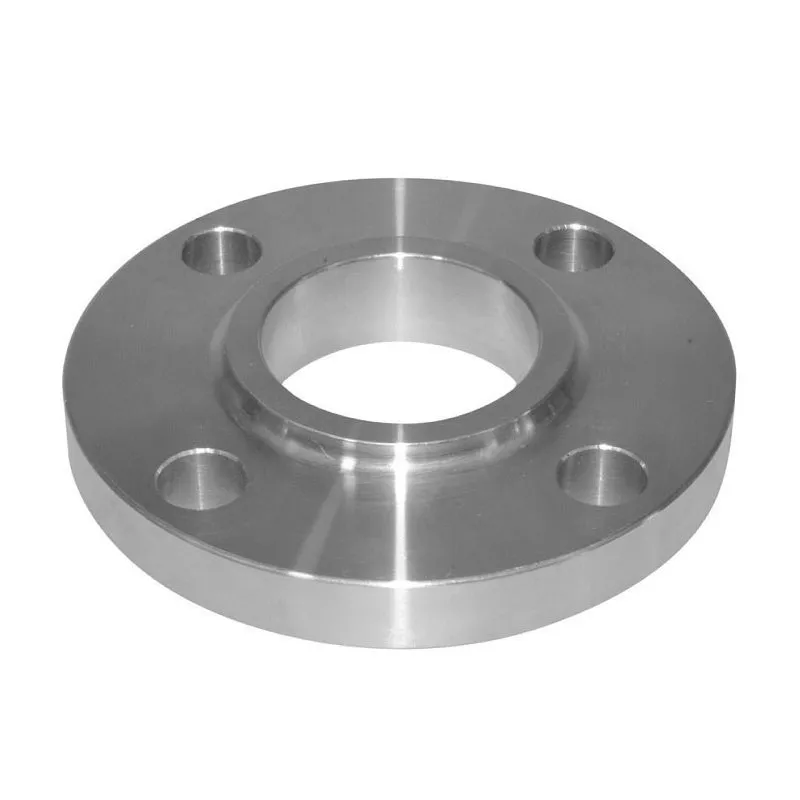
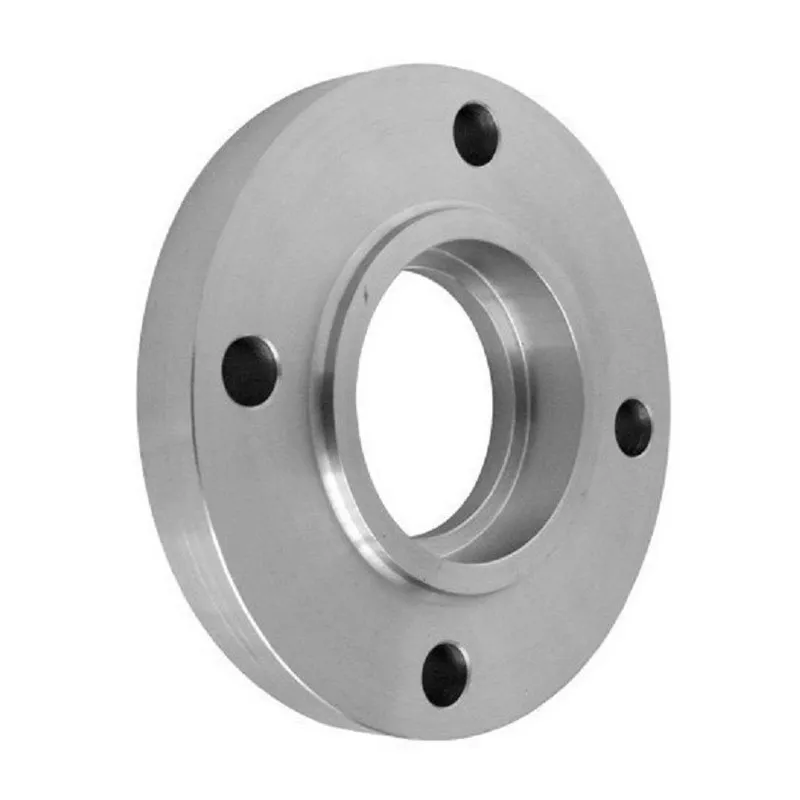
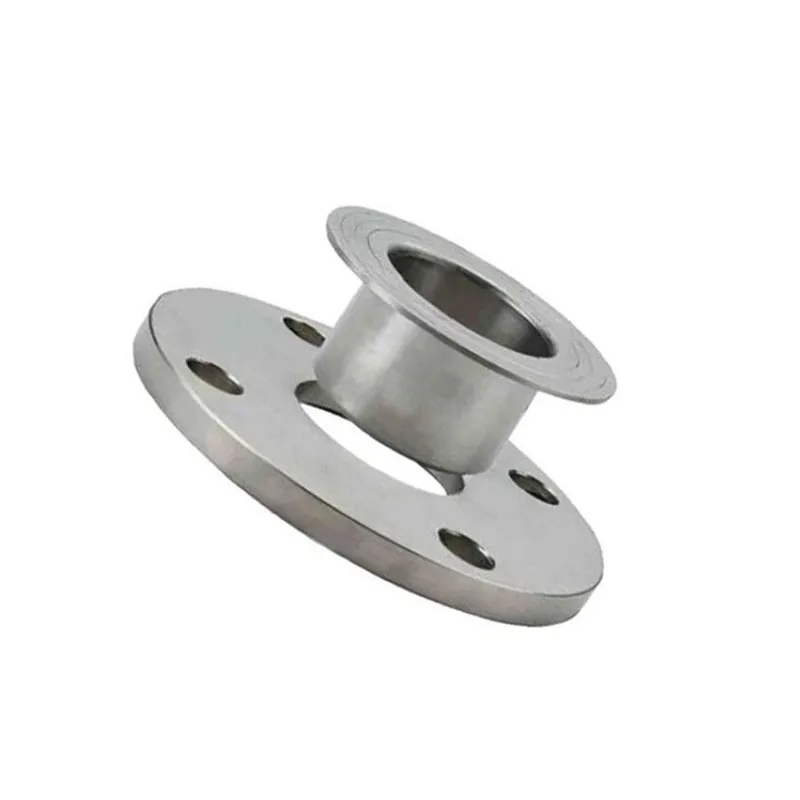
Best Sellingproducts
Best Selling Products-
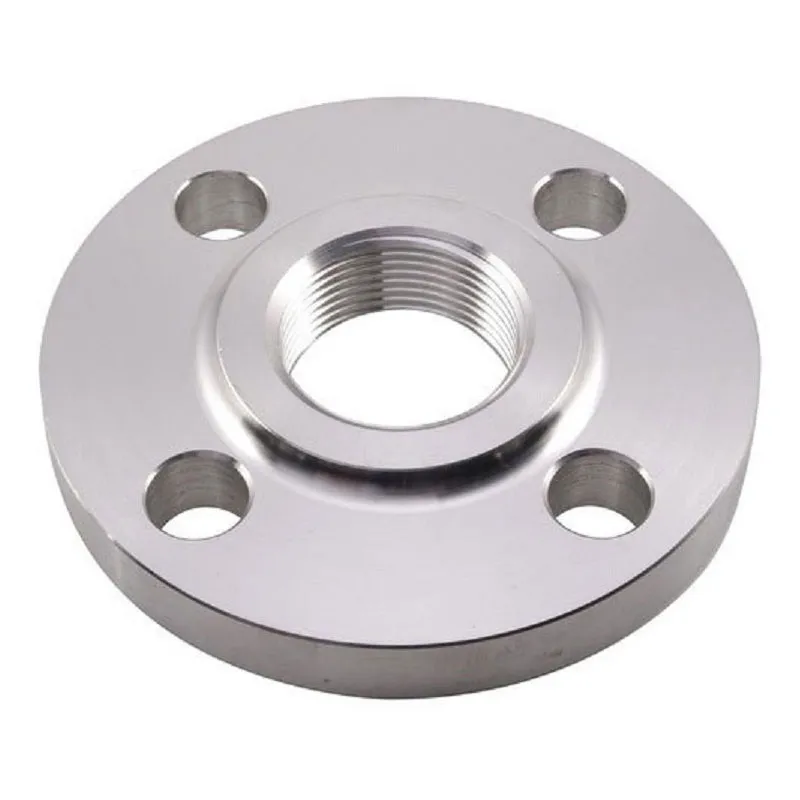 DIN 2565 Threaded flanges PN6
 -
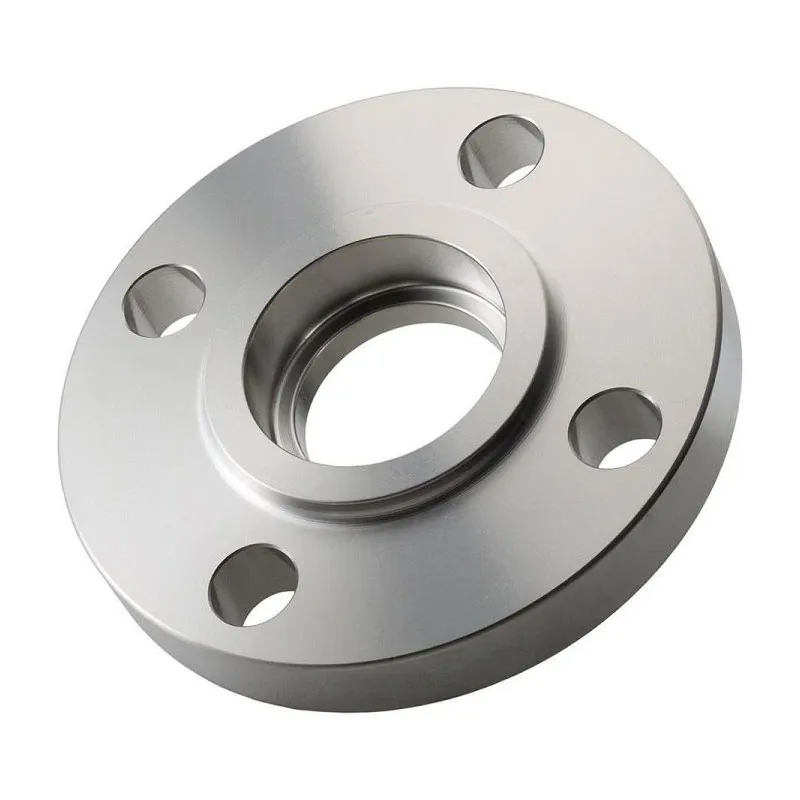 ANSI B16.5 Socket Weld Flanges Class 150
 -
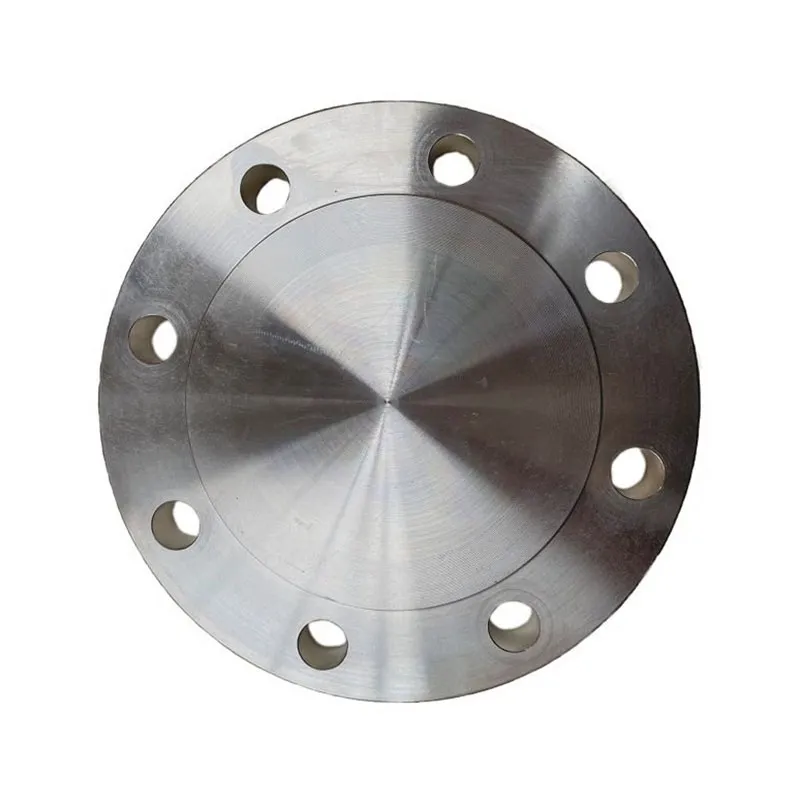 UNI 6092 Blind flanges PN10
 -
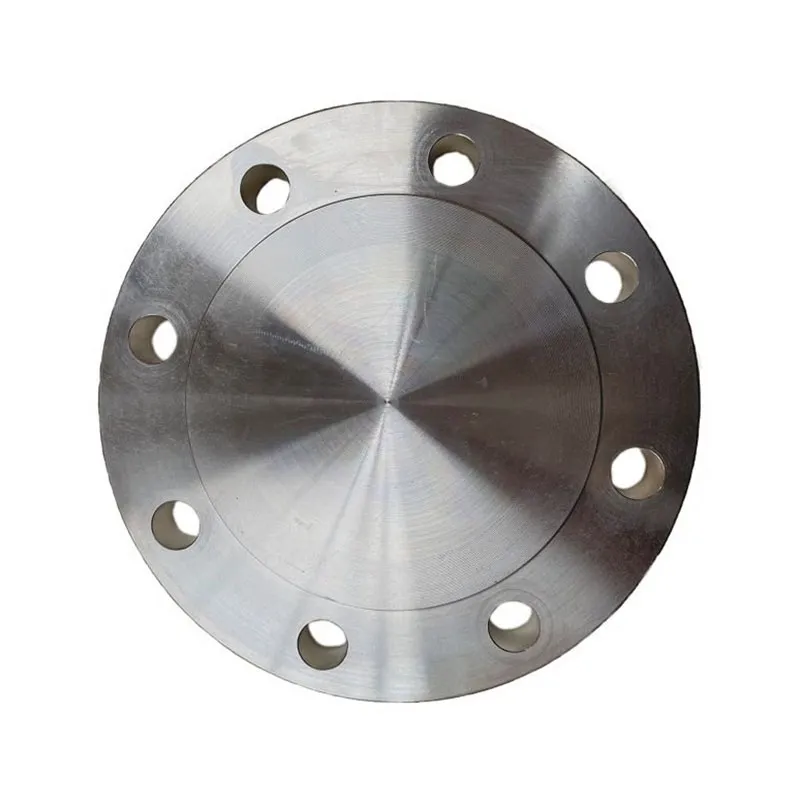 ASME B16.47 Ser.A Blind Flanges Class 400
 -
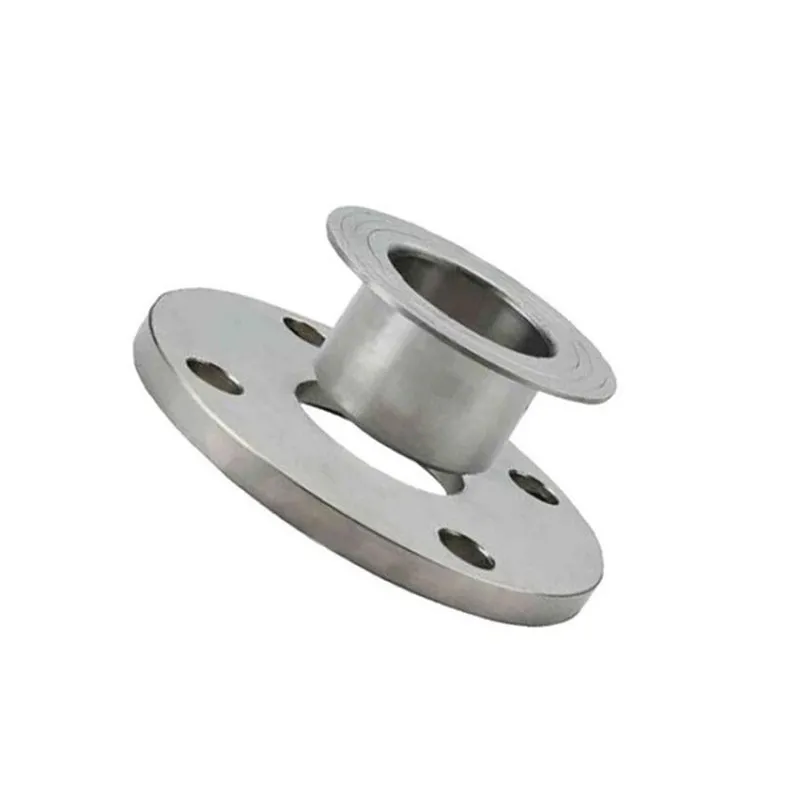 JIS 10K Loose Ring Flanges
 -
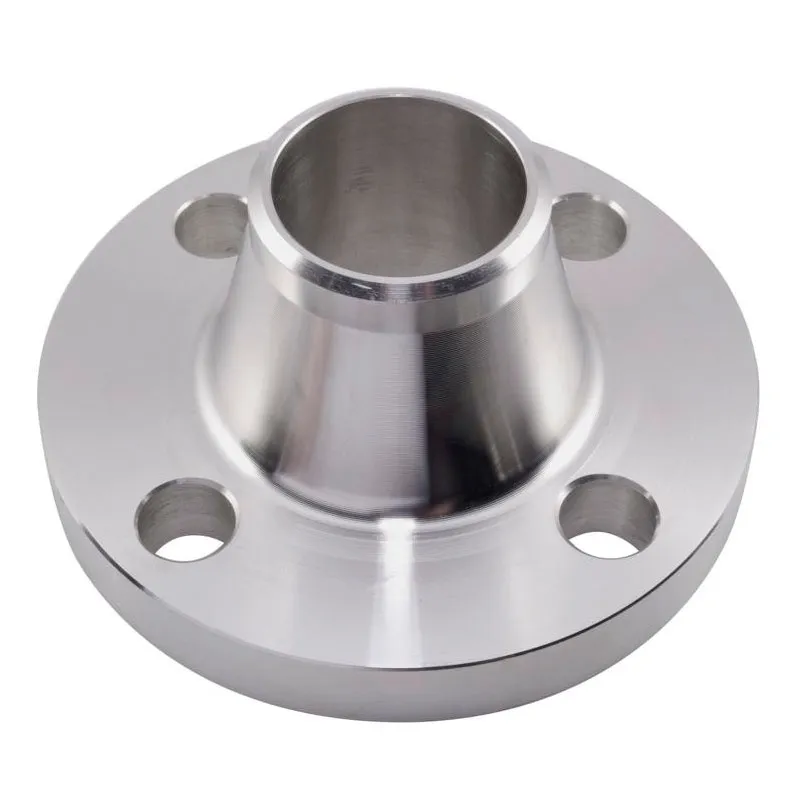 Butt weld flanges Class 900
 -
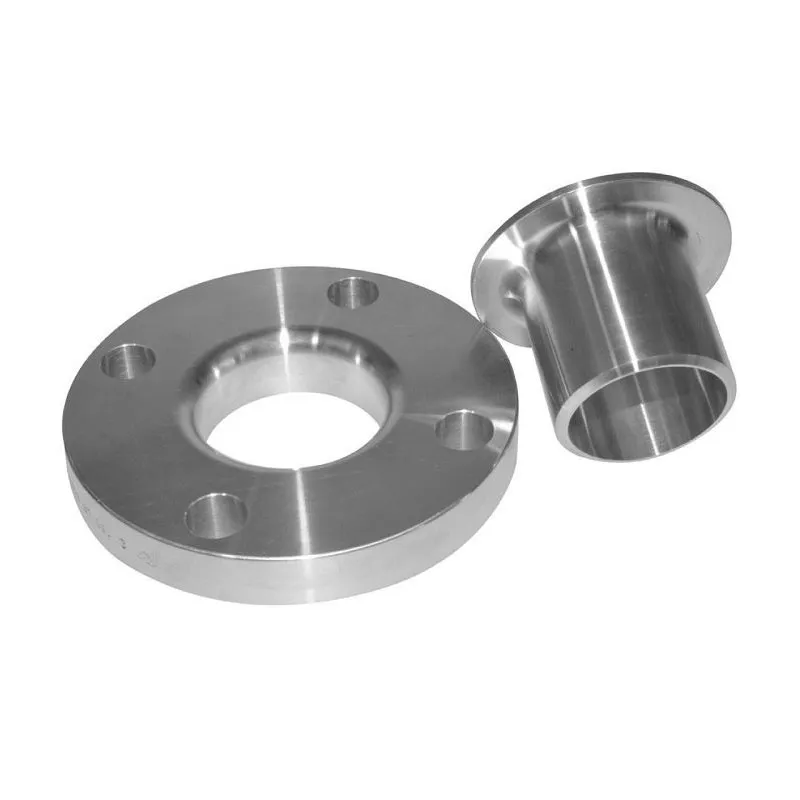 ANSI B16.5 Loose Ring Flanges Class 2500
 -
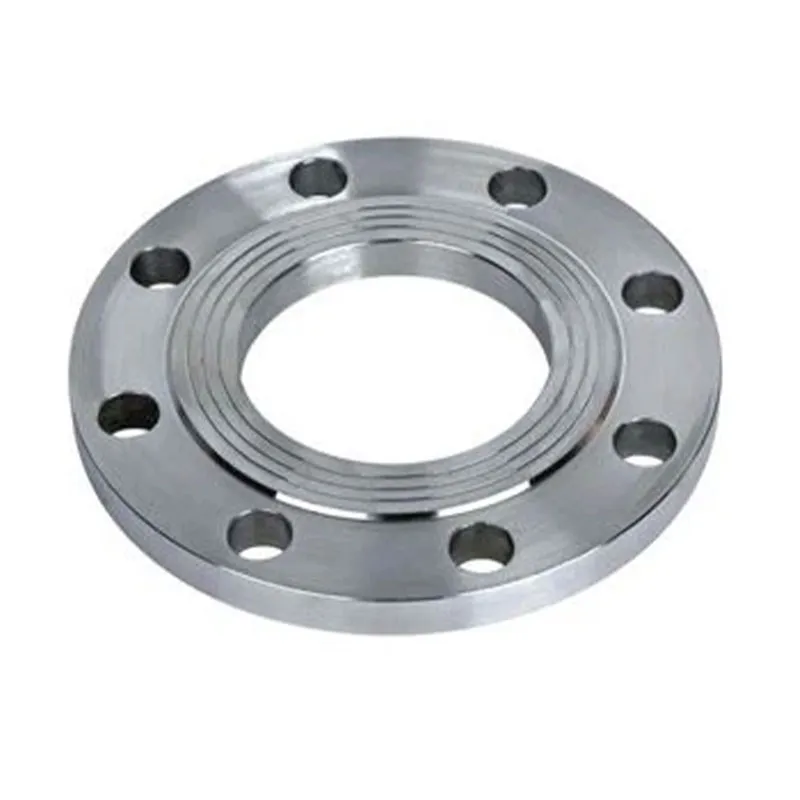 Butt weld flanges Class 150
 -
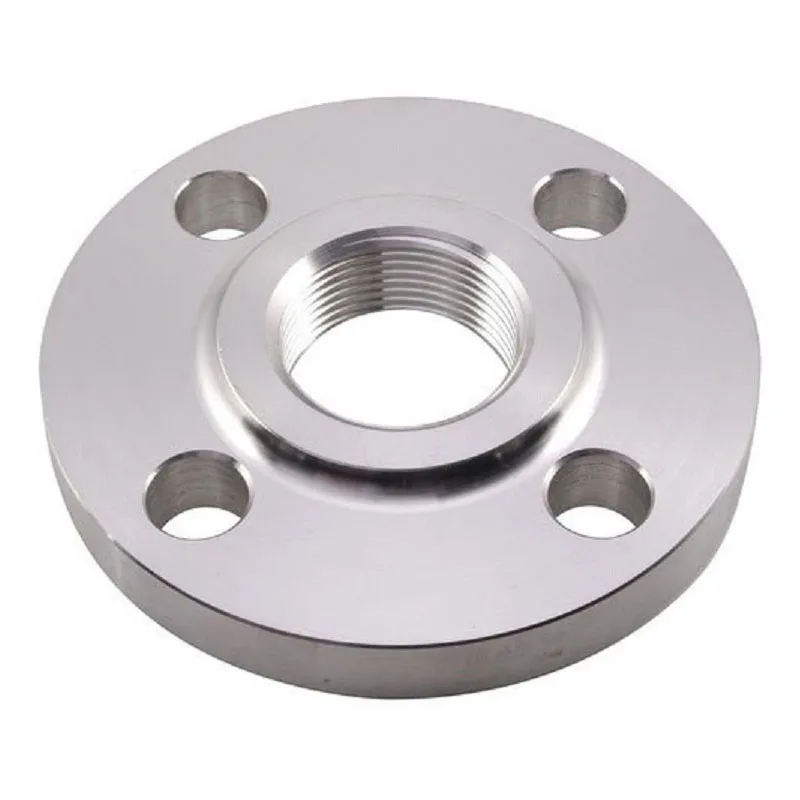 DIN 2566 Threaded flanges PN16
 -
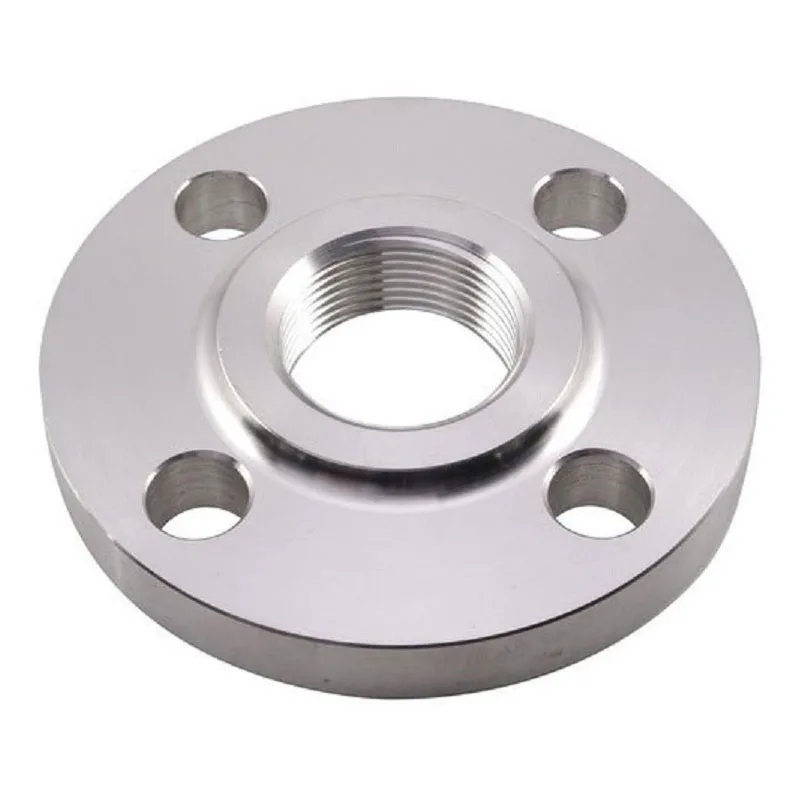 JIS 10K Threaded Flanges
 -
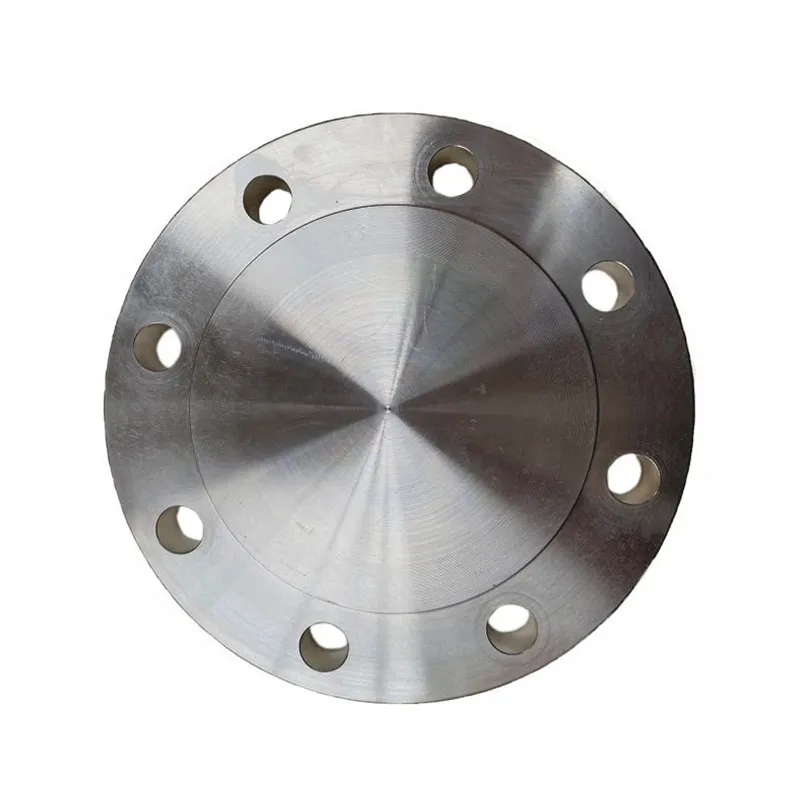 DIN 2527 Blind flanges PN10
 -
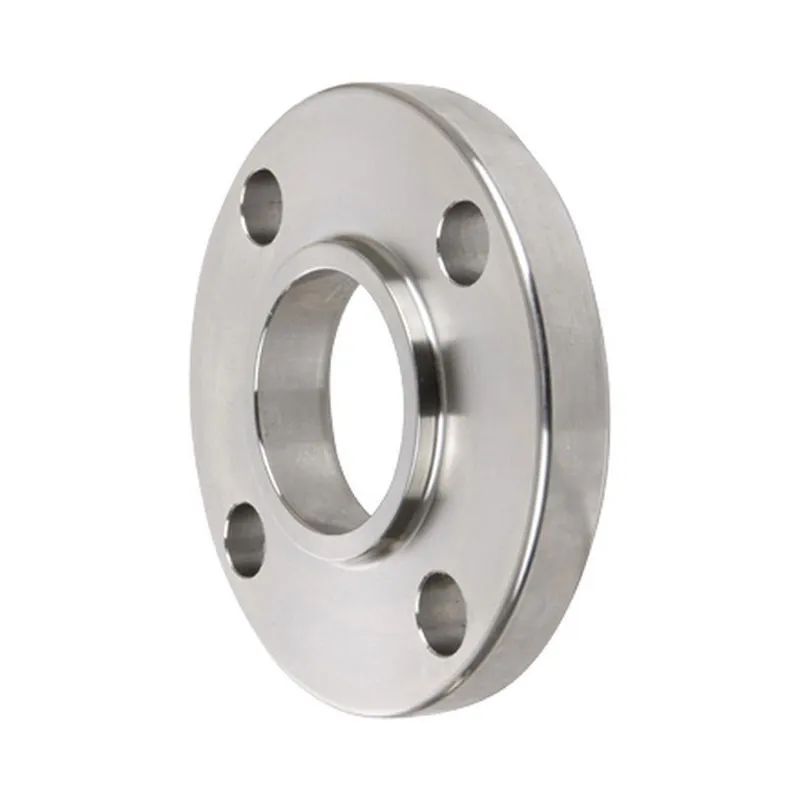 DIN 2501 Overlay flanges PN16