
-
-
Phone
+86-13623462298



flange 40 6
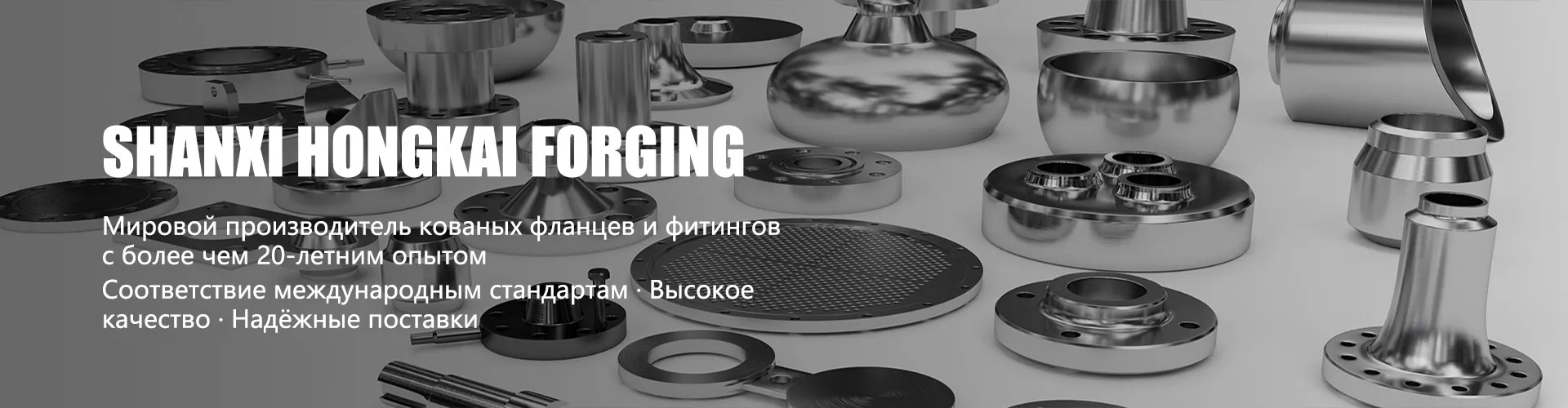
When you hear “flange 40 6?”, the first thing that comes to mind is most likelyflangeon DN40 with a pressure of 6 bar or 6 atmospheres. But here's the catch: in specifications and in practice, this labeling can be confusing. 6 is PN6 according to GOST or is it still a conditional pressure in bars? Or maybe we are talking about thickness? I have seen more than once how people, especially those who are just starting to work with pipeline fittings, get confused and order the wrong thing. I once got burned by this myself - I received a batch where the flanges were suitable in terms of dimensions, but not in terms of working pressure. I had to urgently look for a replacement, the project stopped. Therefore, now I always clarify: standard, material, type of surface. Without this ?40 6? - just numbers.
Standards and markings - where the dog is buried
If we take our market, then most often underflange 40 6imply a flat welded flange in accordance with GOST 12820-80 for a nominal bore of 40 mm and a nominal pressure of 0.6 MPa (that is, the same 6 atmospheres). But here’s a nuance - in the same GOST there is a pressure of RU of 0.6 MPa (6 kgf/cm2), but there is a pressure of RU of 0.63 MPa. For many, these are synonyms, but with strict project requirements, the difference can be critical. Especially when it comes to certified objects.
I have worked with suppliers who simply write “Flange 40-6” in catalogs, but then it appears in the documentation that the product is made according to specifications, and not according to GOST. Or, even worse, according to the Chinese GB, which is generally similar, but according to the tolerances it can “float”. This does not mean that the products are bad, you just need to clearly understand what you are buying. For non-essential pipelines, say, in ventilation, maybe it will do. But for steam or aggressive environments this is already a risk.
By the way, about Chinese manufacturers. Now there are many high-quality factories that operate strictly according to standards. Here, for example,Shanxi Hongkai Forging Co.,Ltd(website -https://www.hkflange.ru). They specialize in forged flanges and forgings, working according to GOST, ASME, DIN. The important thing is that they use forging rather than casting or sheet cutting. For the sameflange 40 6made of carbon or stainless steel, this gives a better metal structure, uniformity, and no internal cavities. Particularly critical for cyclic loads. But the price, naturally, will be higher than for stamped analogues. Here the choice is up to the engineer: where you can save money and where you can’t.
Material and execution - not all that glitters is gold
We seem to have sorted out the size and pressure. But the material is a different story. Most often for PN6 they take St20, St3 or 09G2S. But if the medium is alkali, acid, or a temperature above 300°C, then alloy steels such as 12Х18Н10Т or even duplexes are already needed. I saw a case where a food production plant installed ordinary steel flanges on a line with frequent cleaning with acid-containing products. Six months later, corrosion along the contour began to leak. I had to change it to stainless steel. Expensive, but cheaper than stopping the line and reputational losses.
The design of the sealing surface is also a factor. For PN6 this is usually design B (smooth) or C (tenon-groove, tongue-and-groove). If not specified in the specification, smooth ones are often installed by default. And then, when you need to install a spiral-wound gasket or a metal lens, it turns out that there are no necessary grooves. You have to either mill on site (which is not always possible) or order new flanges. A seemingly small detail, but it can lead to downtime.
Returning to manufacturers likeShanxi Hongkai Forging Co.,Ltd. Their profile is precisely manufacturing to order, including non-standard products. That is, if you need the sameflange 40 6, but from a specific grade of steel, with a non-standard skirt thickness or a special design of holes for the studs - they will do it. This helps when you are working with the modernization of old facilities where original spare parts are no longer available. But the terms, of course, will be longer than buying a standard version from a warehouse.
Installation and common mistakes
Let's say a flange is purchased, the material is correct according to GOST. The fun begins in the editing. The most common mistake is over-tightening the studs. It seems like the tighter you tighten it, the tighter it will be. In fact, you can either strip the threads or create such stress in the metal that the flange will move and the gasket will not press evenly. For PN6 this is not as critical as for high pressures, but it is a bad habit. You should always use a torque wrench and a "crisscross" tightening pattern. Yes, it takes longer, but it is more reliable.
Another point is surface preparation. Before installing a new gasket, you need to clean the flange surfaces from old paint, scale, and traces of corrosion. There is no need to make it perfectly smooth; a slight roughness is even better for the grip effect of the gasket. But nicks and deep risks are the path to leakage. I myself saw how the installers were in a hurry and put gaskets on rusty flanges. The result is that the pressure testing did not work, I had to disassemble, clean, wasting time.
And, of course, compatibility. Ifflange 40 6from one manufacturer, and the counter flange or equipment from another, there is always a risk of mismatch in the distance between the stud holes (PCD) or in the diameter of these holes. Standards are standards, but everyone has tolerances. Therefore, best practice is to source pairs of flanges from the same supplier whenever possible. Or, at a minimum, before installation, attach them to each other and check the holes. A little thing that saves your nerves.
When is ?standard? becomes non-standard
There are situations when it seems typicalflange 40 6required in non-standard version. For example, you need not 4, but 8 holes for studs for a particularly important connection. Or an increased thickness is required because the flange will be subject to not only internal pressure, but also a significant bending moment from the attached equipment. Such problems can no longer be solved by purchasing from a warehouse.
This is where manufacturers who work with custom forging and machining come into the picture. Like the same companyShanxi Hongkai Forging Co.,Ltd, which I already mentioned. They can produce a forging according to a customer's drawing and then machine it. This ensures that the lines of force in the metal will go correctly and there will be no weakened zones. For responsible nodes, this is the only correct path. The price and terms, I repeat, will be higher, but you have to pay for reliability.
Experience suggests that when ordering such non-standard products, it is critical to provide the most detailed drawing possible, indicating not only dimensions, but also tolerances, surface roughness, especially sealing ones, and the desired ultrasonic or radiographic inspection of welds (if any). It is better to spend time preparing technical specifications than to later receive a product that formally corresponds to the sketch, but does not match the quality of execution.
Results and personal conclusions
So what is itflange 40 6? This is not just a product item in a catalogue. This is the unit on which the tightness and safety of the pipeline section depends. Numbers ?40? and ?6? - only the starting point for a number of technical solutions: choice of standard, material, type of execution, manufacturer.
The main conclusion that I have made for myself over the years of work is: never skimp on the quality of flange connections. If you save a penny on purchases, you will lose thousands on repairs and downtime. Always ask for certificates, check the markings on the products themselves, and don’t be lazy to personally inspect critical lots before acceptance.
And one more thing. The world of suppliers is huge. There are giants, there are small warehouses, there are narrow specialists likeShanxi Hongkai Forging Co.,Ltdwho rely on forging and an individual approach. The choice depends on the task. For a typical replacement in a heating system, a standard flange from an average warehouse will do. For a new project with strict technical conditions, you already need to look for a trusted manufacturer with a full cycle and the ability to provide all quality control reports. Attention to detail is what distinguishes a simple installer from a competent specialist.
Correspondingproducts
Related Products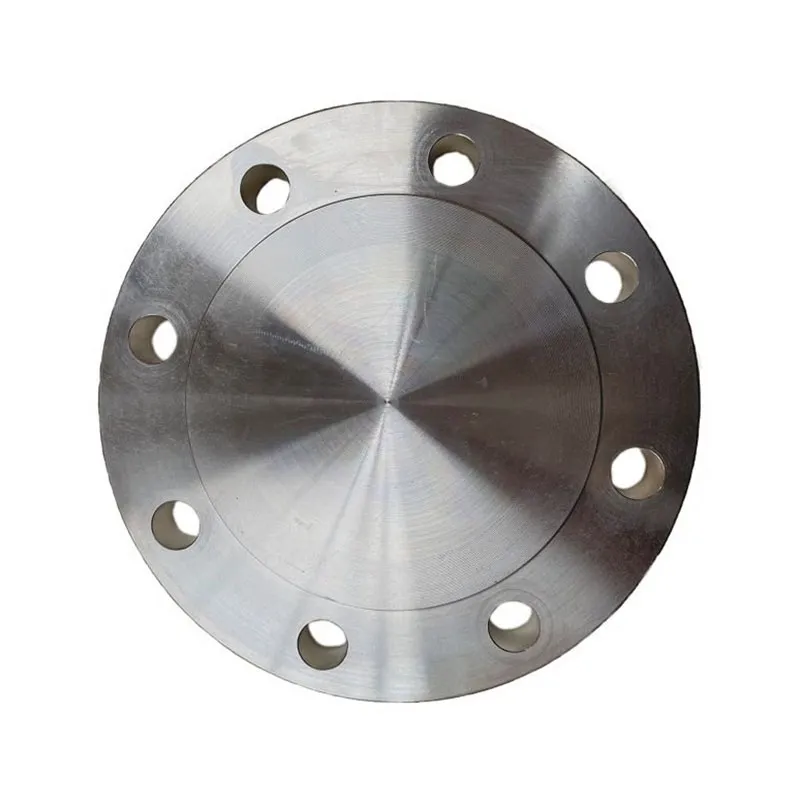
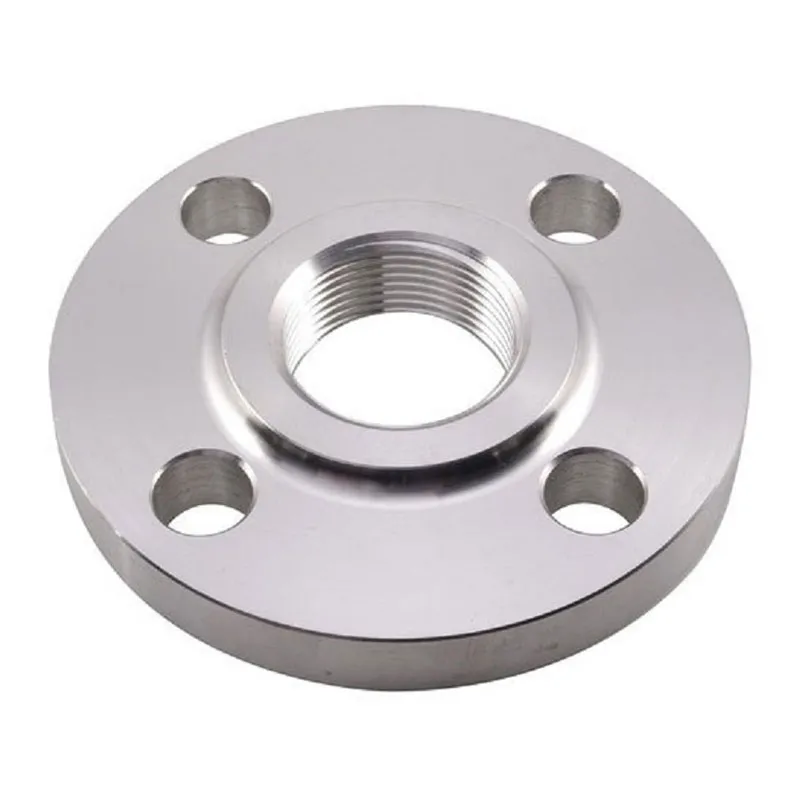
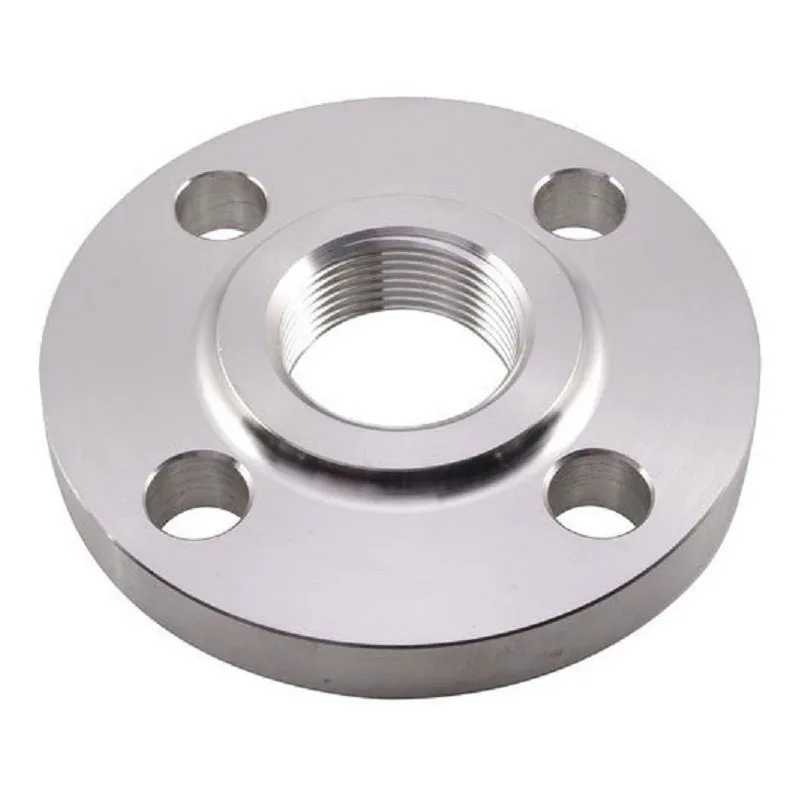
Best Sellingproducts
Best Selling Products-
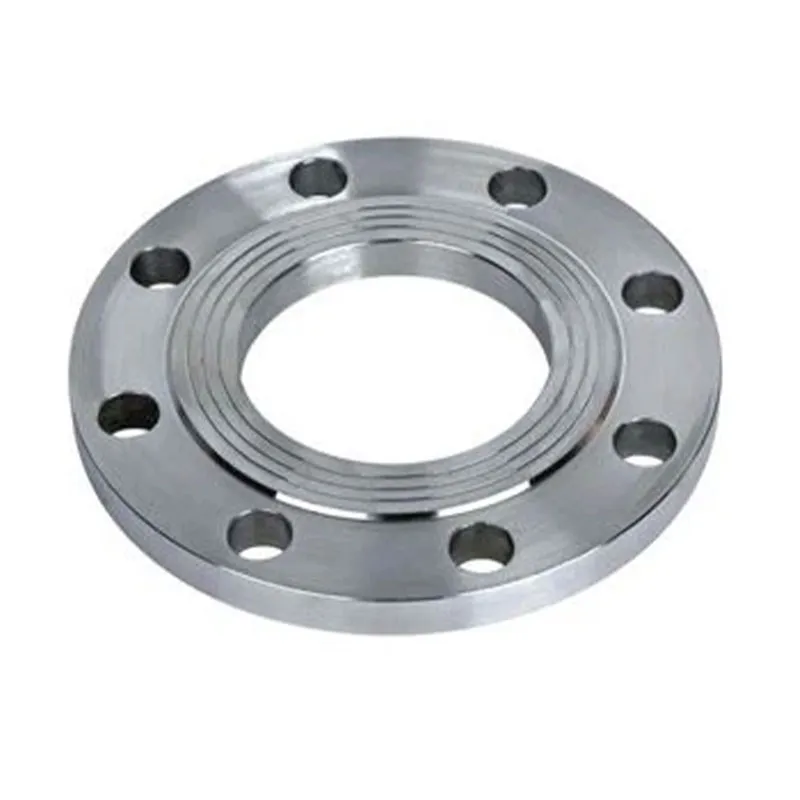 Butt weld flanges Class 150
 -
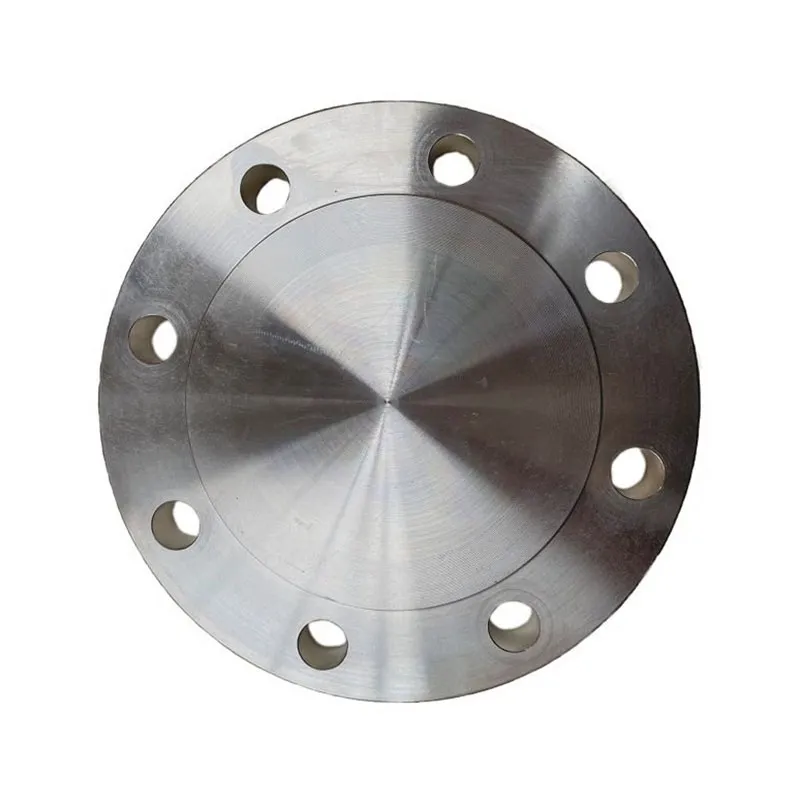 UNI 6092 Blind flanges PN10
 -
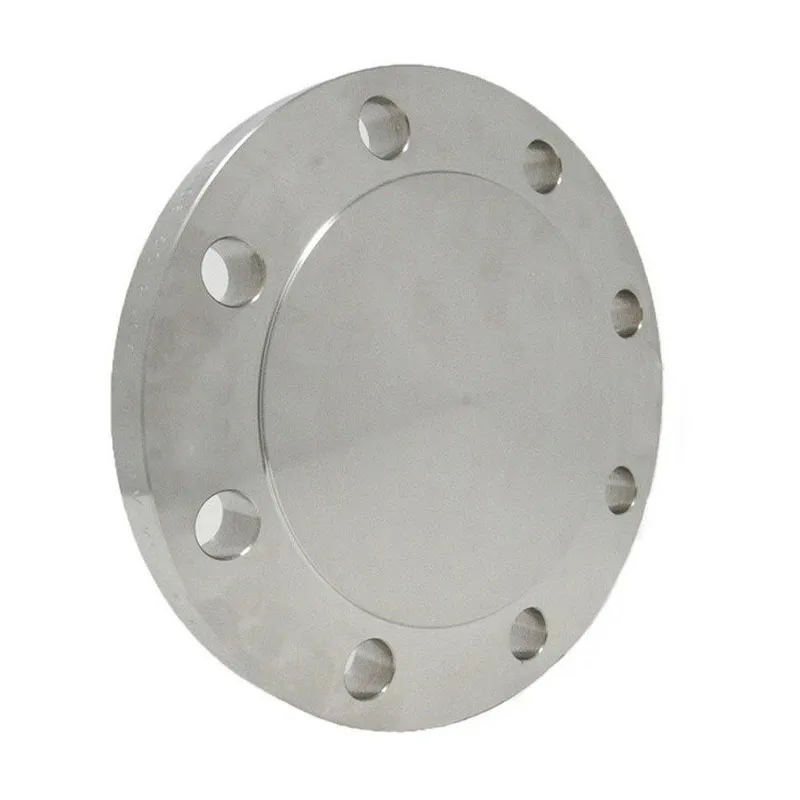 EN 1092-1 Blind flanges Type 05, PN10
 -
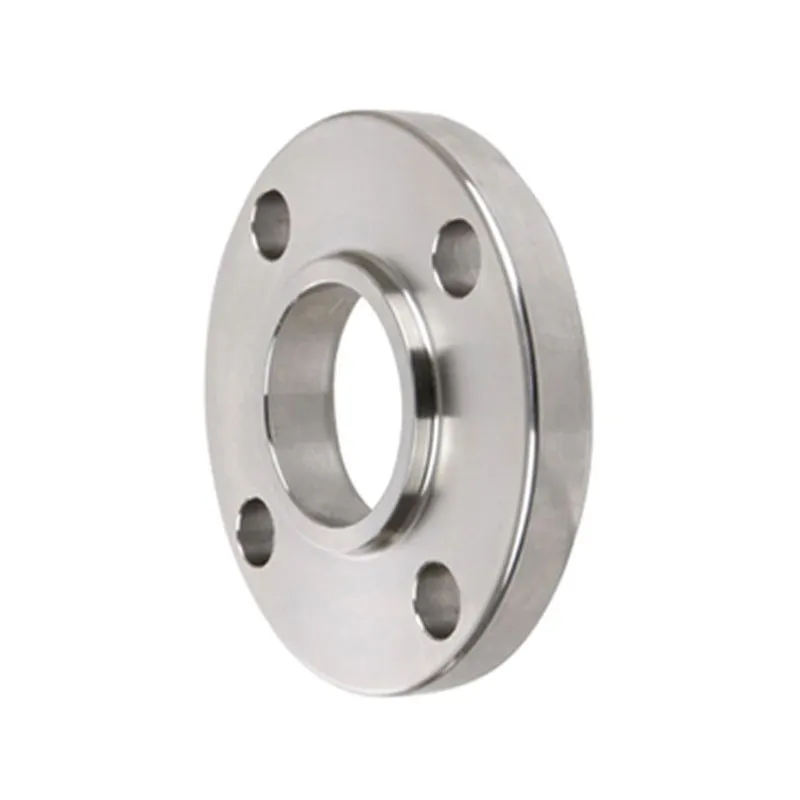 ANSI B16.5 Lap-on flanges Class 300
 -
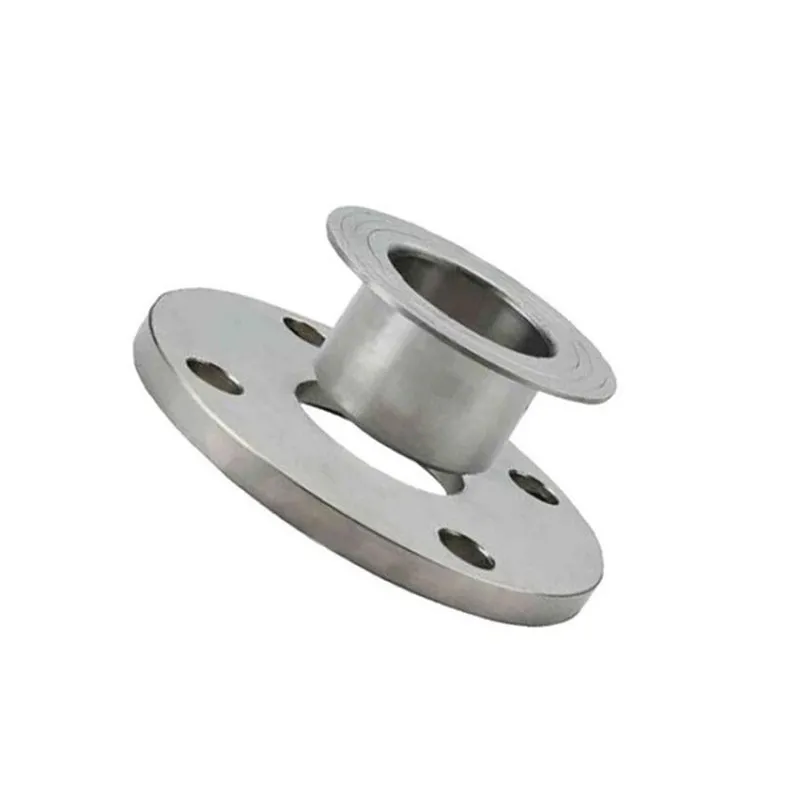 JIS 10K Loose Ring Flanges
 -
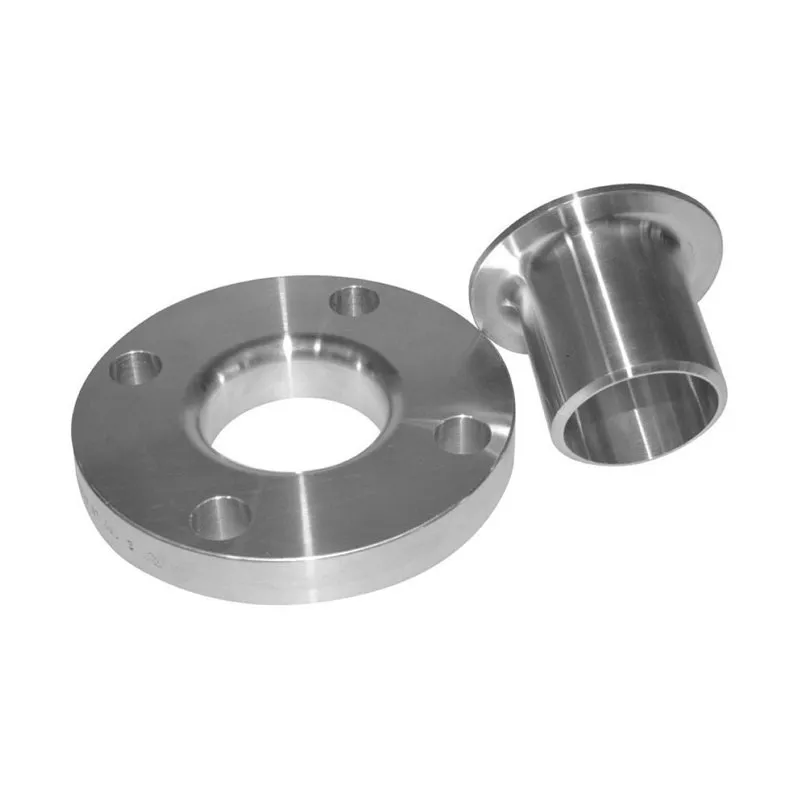 Free ring flanges Class 150
 -
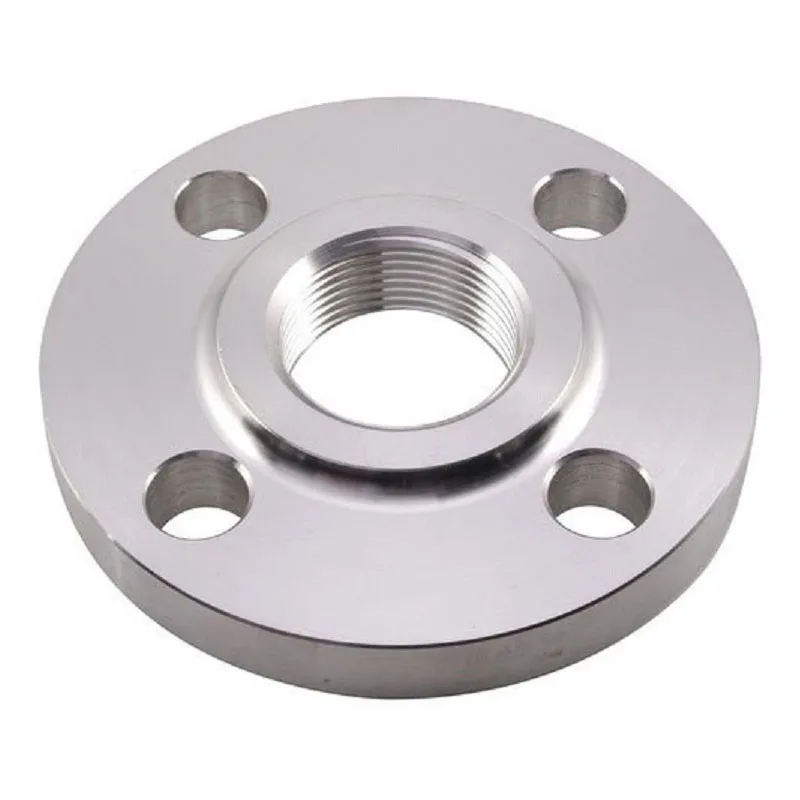 DIN 2566 Threaded flanges PN16
 -
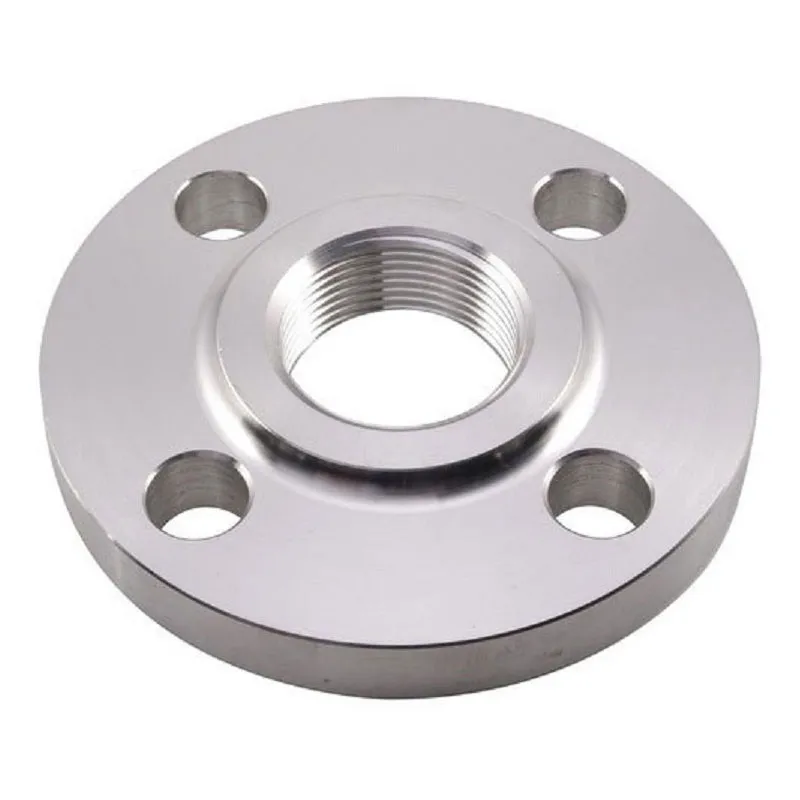 DIN 2565 Threaded flanges PN6
 -
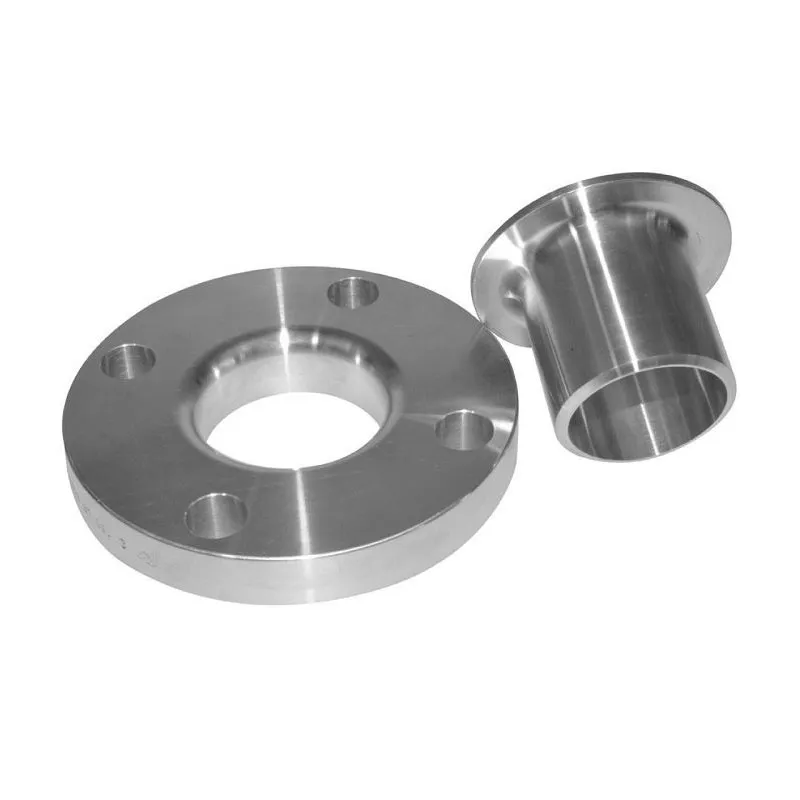 ANSI B16.5 Loose Ring Flanges Class 2500
 -
 Socket Weld Flanges Class 300
 -
 ANSI B16.5 Socket Weld Flanges Class 150
 -
 JIS 10K Threaded Flanges