
-
-
Phone
+86-13623462298



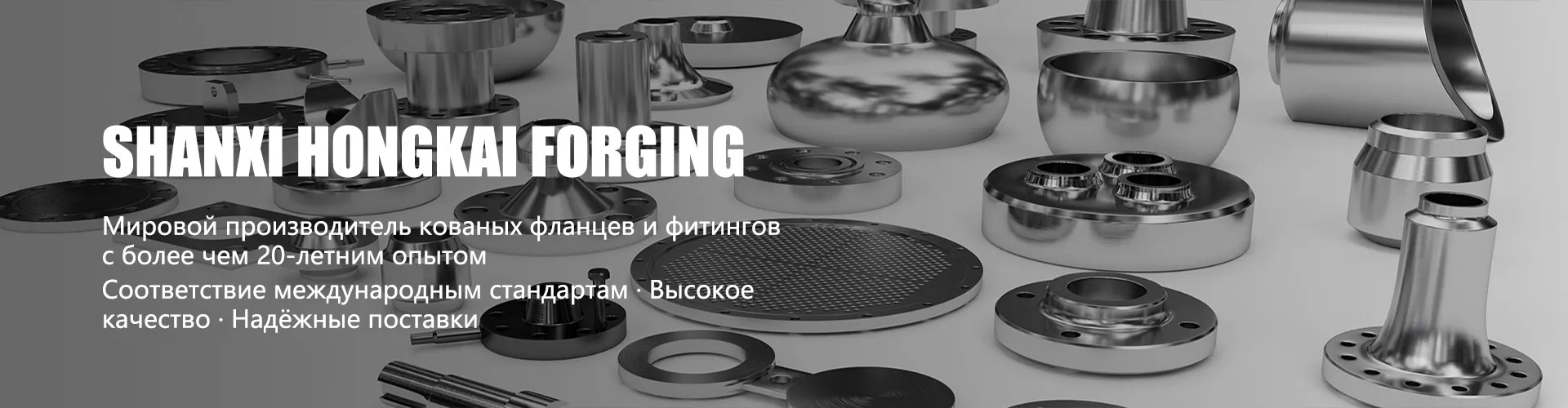
steel flanges
I’ll say right away: many, especially at the start, think aboutsteel flangesas about the simplest metal part. Bought it, screwed it on, forgot about it. And then leaks, breakdowns, and shutdowns begin at the facility. And it turns out that flange is different from flange. Here, the grade of steel, the type of forging, the quality of the sealing surface, and even the geometry of the holes for the studs play a role. I went through this myself when ten years ago I purchased the first batch for minor repairs on a heating main. We saved money, took what was cheaper - in the end, six months later we had to digest everything, because it was caused by temperature changes. From then on I began to delve into it.
Forging vs Casting: Where Does the Difference Lie?
The main misconception is that the flange can be made any way you want. Well, I turned it out of rolled stock, cast it, and forged it. But for critical pipelines, especially under pressure, forging is critical. Why? Metal grain. During forging, it is deformed, becomes smaller and is oriented along the force lines of the future part. This gives higher fatigue strength and better resistance to impact loads. A cast flange may have internal cavities and heterogeneity of structure. For low pressure water it may be okay, but for steam, chemicals or in the cold it is a risk.
For example, I look at the siteShanxi Hongkai Forging Co.,Ltd (https://www.hkflange.ru). They are positioned as a manufacturer of forged flanges, and this is an important emphasis. Located in one of the forging centers of China, which often means access to powerful presses and historical experience in die forging. To me, this is a signal that the company is most likely working with massive blanks, and not just cutting from sheets. It's about massivesteel flangesfor the energy or petrochemical industries, where forgings are needed.
But there is a nuance here too. Not every 'forging' is free forging or stamping on a powerful hydraulic press. Sometimes this word hides simply a hot-stamped blank made on low-power equipment. You need to look at certificates and control methods. The mentioned company claims to work in accordance with GOST, ASME, EN. This is more serious. ASME, for example, requires strict controls at all stages for pressure products. If they actually deliver to these standards, it means they have their own laboratory, ultrasonic testing of workpieces, and control of chemical composition. There is no way without this.
Standards: alphabet mess and how not to get confused in it
GOST, DIN, EN, ASME B16.5, JIS... My head is spinning. A common mistake is to consider them interchangeable. Especially between DIN and GOST. It seems that both have a PN16 flange, DN100 diameter. But the geometry, number of holes, center circle diameter (PCD) can vary by millimeters. And these millimeters become a problem during installation. You have to either drill out or look for adapter kits. I myself found myself in a situation where DIN flanges were installed on an old Soviet pipeline. It seems that the pressure is the same, but the joint does not meet - the markings of the holes do not match. I had to urgently look for a turner to redo it.
Therefore, when I see that the manufacturer is like the sameShanxi Hongkai Forging Co.,Ltd, declares production according to a wide range of standards, including Russian GOST, this indicates flexibility. This means they understand the specifics of different markets. It is important that this is not just a line in a catalog, but real equipment, drawings and production experience. They also make Chinese GB standards, which is logical for the local market, but for us, in the Eurasian Economic Union, GOST or technical regulations of the CU TR often remain key. Especially for certified objects.
Another point is labeling. On a good flange it should be clear and indelible: standard, nominal pressure (PN/Ру), diameter (DN/Dу), steel grade, manufacturer's mark. I have seen batches where the markings were applied with paint and were erased during transportation. Then there’s a bunch of flanges in the warehouse, and it’s not clear what’s what. This is a small thing, but it shows the attitude towards the product and the client.
Types of flanges: which one goes where and why
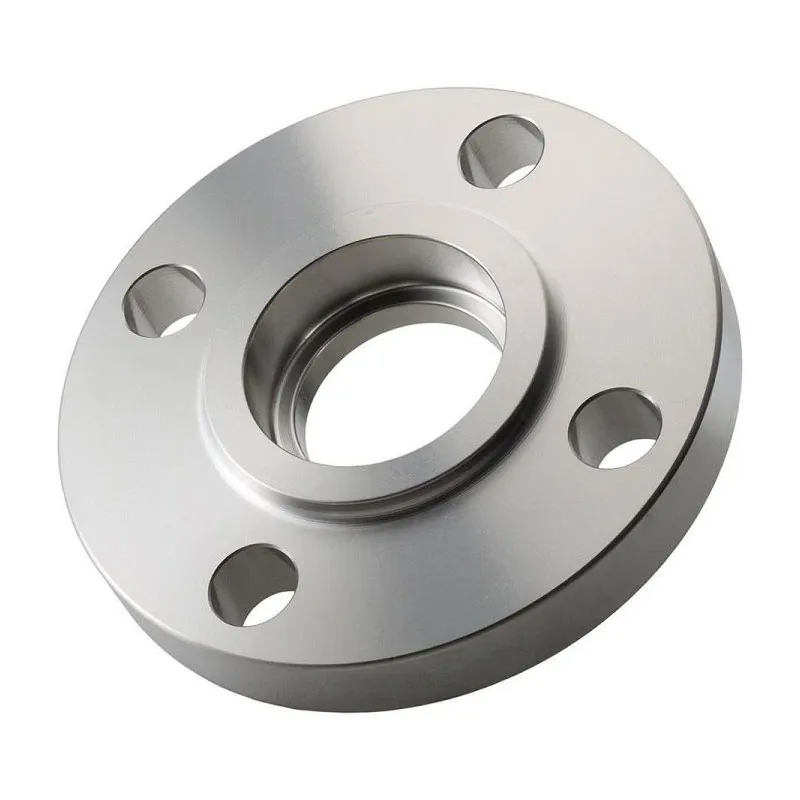
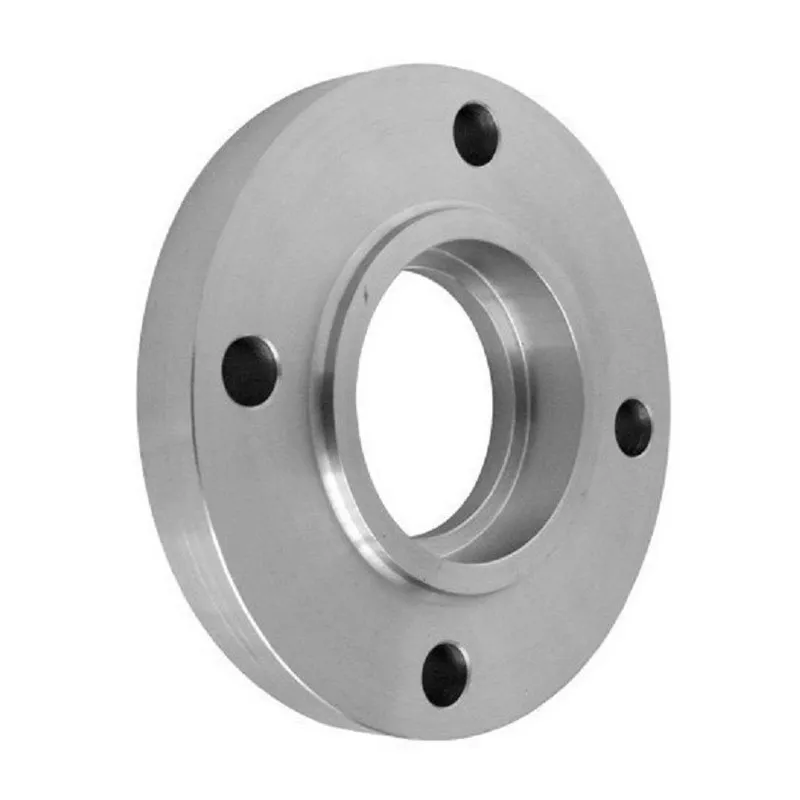
Weld Neck is a classic for high pressures and temperatures. The long neck reduces mechanical stress at the weld site. But they are more expensive to produce and require more metal. Flat welded (Slip-On) - simpler, cheaper, but require a double weld (on the inside and outside), which is not always convenient, and they are not recommended for cyclic loads. Threaded ones are good, where welding cannot be done, but the risk of leakage along the thread is higher, a seal is needed.
Loose Flange with Weld Neck Collar is an interesting solution for hard-to-reach areas or non-ferrous metals. The ring is welded to the pipe, and the flange itself remains free, which simplifies installation and adjustment. But here the quality of manufacture of the ring itself and the accuracy of its fit on the flange are critical. If there is a gap, there will be misalignment and leakage.
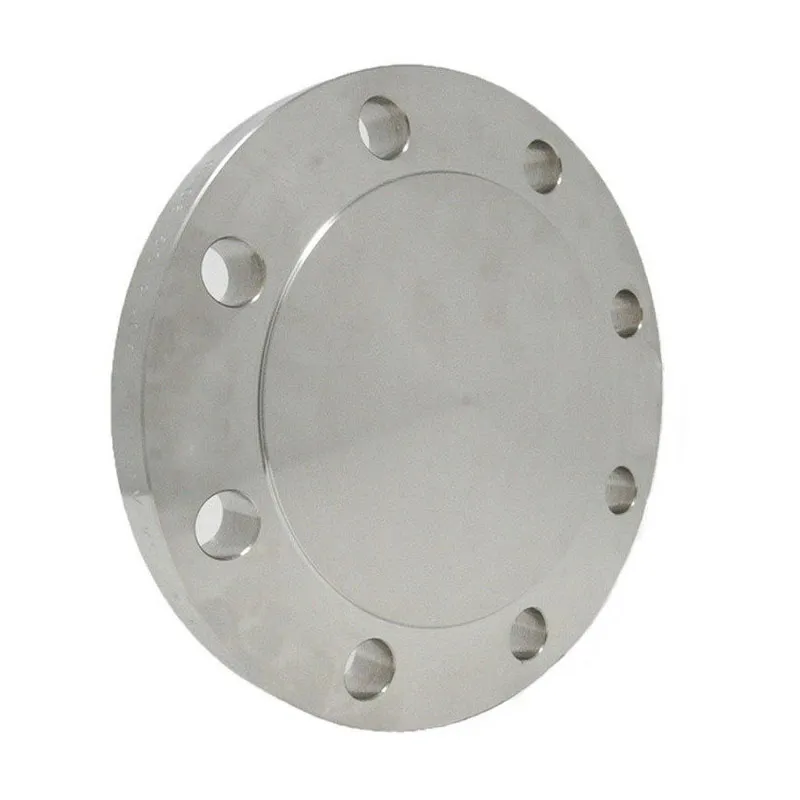
But blind flanges (Blind Flange) would seem to be the simplest plug. But there are incidents with them too. Once we ordered a batch of blind flanges for a large diameter, DN1200. They arrived without stiffening ribs on the back side. During the pressure test, they bulged a little and residual deformation appeared. It turned out that for such dimensions even a blind flange must have design reinforcement, otherwise it works like a membrane. Now I always pay attention to this.
Non-standard and large diameters: this is where the real thing begins
Catalog products are good, but the manufacturer’s real experience and capabilities are visible when working with non-standard orders. When you need a flange not according to the standard size table, but according to the customer’s drawing, with additional bends, fittings, and non-standard thickness. Or when we are talking about sizes beyond DN1000. The declared range up to DN4000 is serious. Such a flange is no longer just a part, it is a complex engineering product.
The production of such a giant involves questions of heat treatment (how to evenly heat and release such a colossus), mechanical processing (huge lathes and milling machines are needed), control (how to check the flatness of a seal on a diameter of 4 meters). IfShanxi Hongkai Forging Co.,Ltdreally does such things, which means they have the appropriate equipment and, more importantly, technological regulations. Without this, you can make a workpiece, but you cannot guarantee its operation under load.
From my own practice: there was a project with a DN2200 flange for a chimney. A special heat-resistant steel was needed. The main difficulty was not even in forging, but in the subsequent machining of the boring and end. Ensuring surface roughness and parallelism is another challenge. In the end, they found a manufacturer who did it, but the deadlines were delayed by a month due to difficulties with finishing. Now, when ordering a non-standard product, I always discuss the machining stage and the availability of the necessary machines at the plant in advance.
Choosing a supplier: not only price and catalog
So, the technical part is more or less clear. But how to choose someone who will do well? The price, of course, is important, but it must be adequate. Too low a price for a forging is the first alarm bell. This means that they saved somewhere: on material (they mixed in cheap scrap), on control, on heat treatment. Ask for samples of materials, test reports. A real manufacturer will not hide this.
A website like the one I mentioned is a business card. But this is just the beginning. It’s good when there is detailed technical information, drawings, tables of sizes and weights. It’s even better when you can contact the technical department, discuss the details, and send your drawing for evaluation. If the manager only talks about the price and terms, without delving into the essence, this is a bad sign.
Personal experience suggests that the best test is a small trial order for a complex position. Not on a simple flat flange DN100, but, say, on a butt weld with a transition to another standard or non-standard thickness. Based on how the negotiations, production, how the goods are packaged and shipped, much will become clear. I saw how flanges for Northern projects arrived in individual packaging, with VCI corrosion protection, with a full package of documents in Russian. And I saw how they were dumped into a container without gaskets, bending the sealing surfaces. This is all part of professionalism.
Returning tosteel flanges. This is not a detail that you should thoughtlessly skimp on. Their invisible job is to maintain pressure, temperature, and ensure safety. The choice of material, manufacturing technology and, ultimately, manufacturer is not bureaucracy, but a direct investment in the reliability and uninterrupted operation of the entire system. It seems I started simple and ended up almost philosophical. But in our business there are no trifles. Especially in such seemingly simple things.
Correspondingproducts
Related Products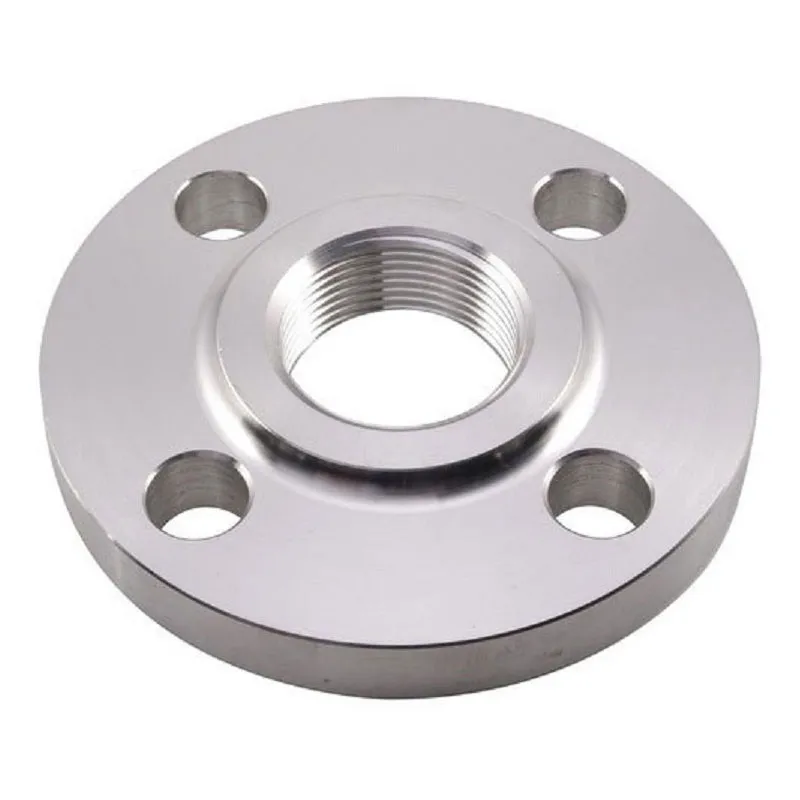
Best Sellingproducts
Best Selling Products-
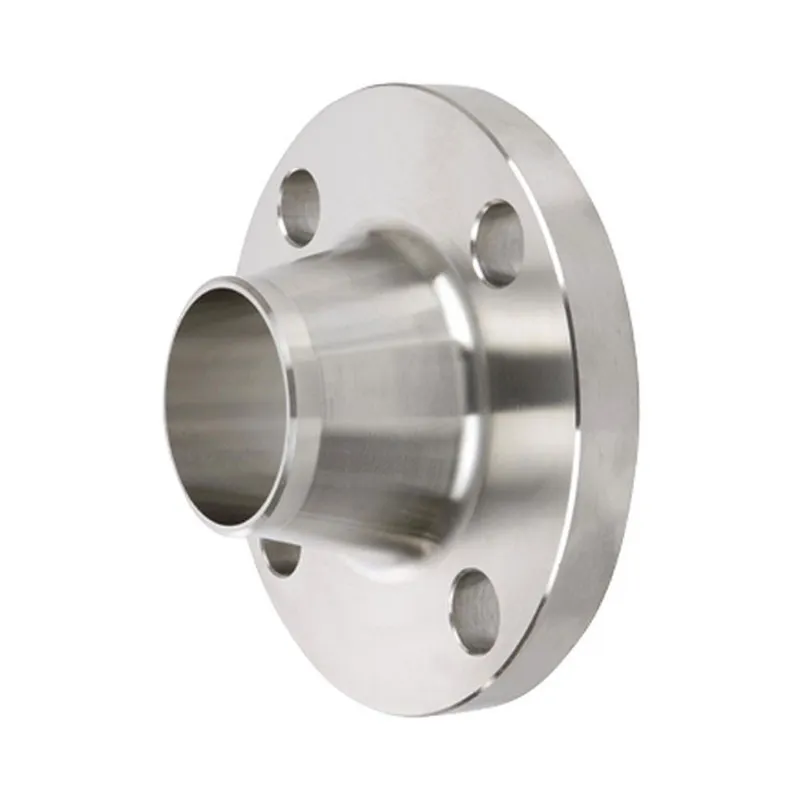 EN 1092-1 Butt weld flanges Type 11, PN25
 -
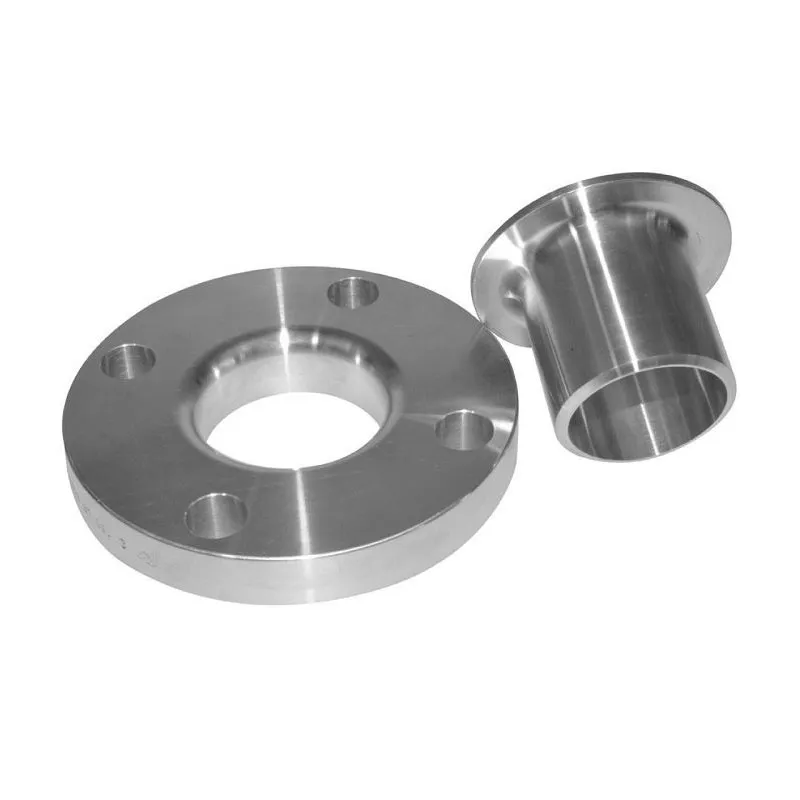 ANSI B16.5 Loose Ring Flanges Class 2500
 -
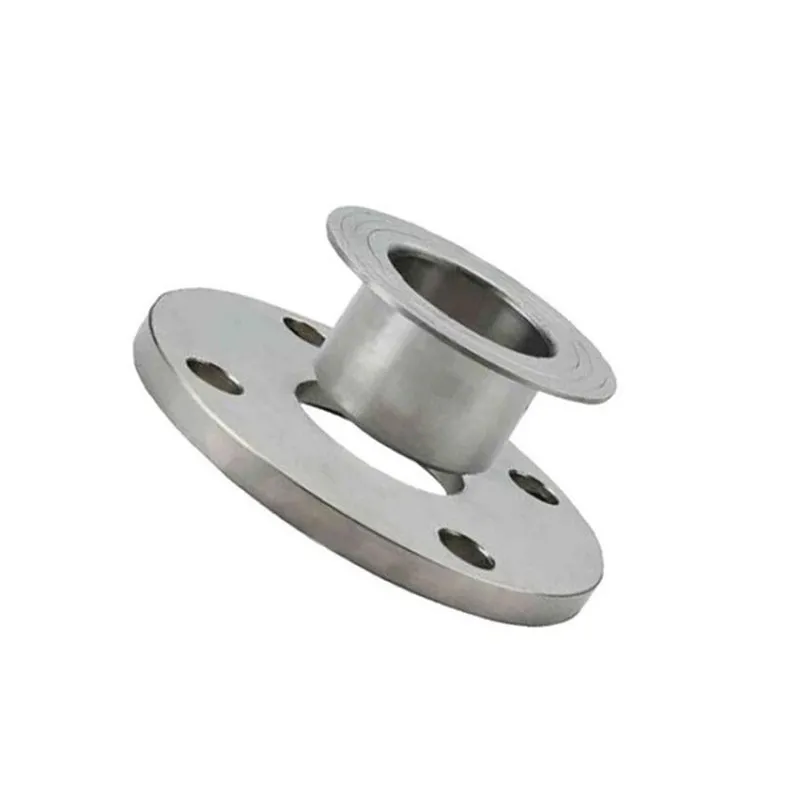 JIS 10K Loose Ring Flanges
 -
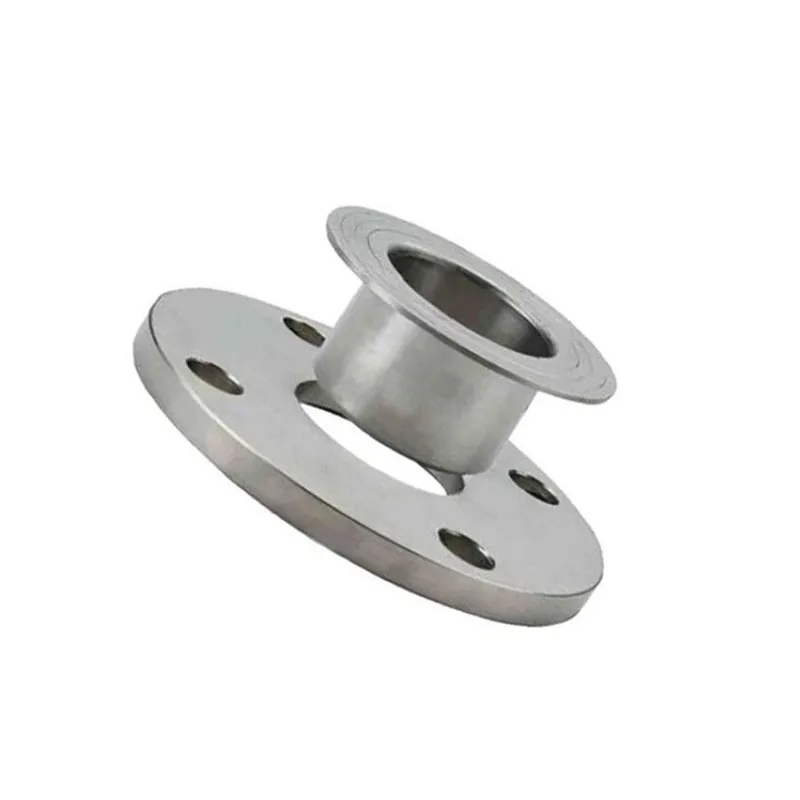 Free ring flanges Class 400
 -
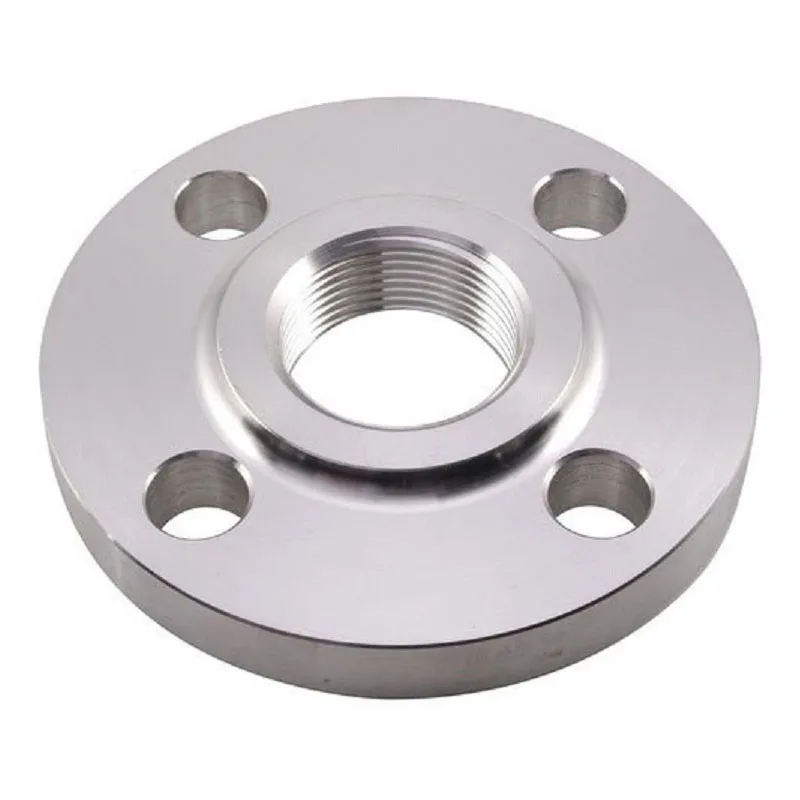 DIN 2566 Threaded flanges PN16
 -
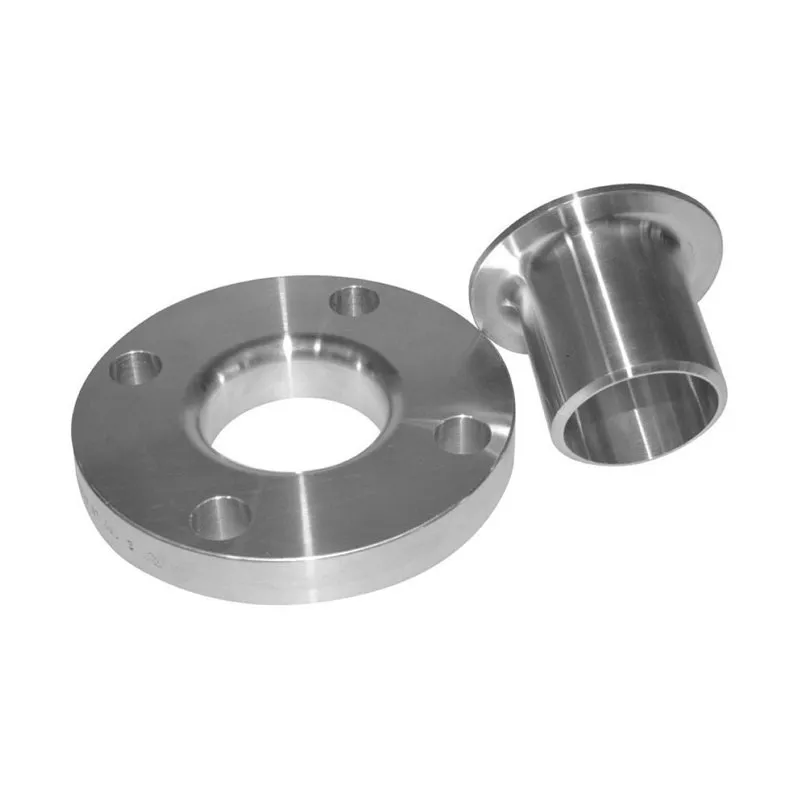 Free ring flanges Class 150
 -
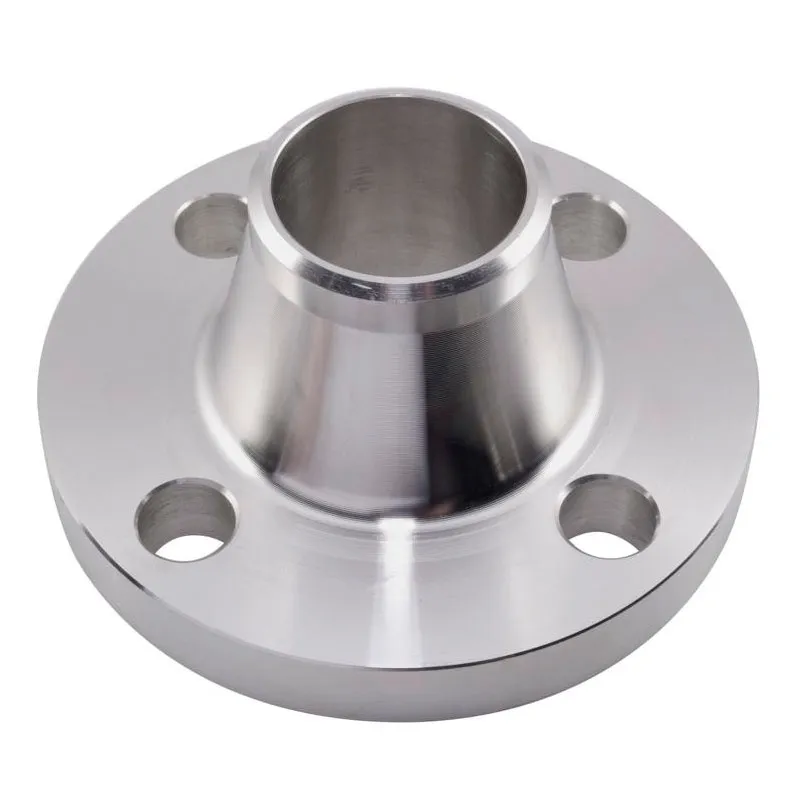 Butt weld flanges Class 900
 -
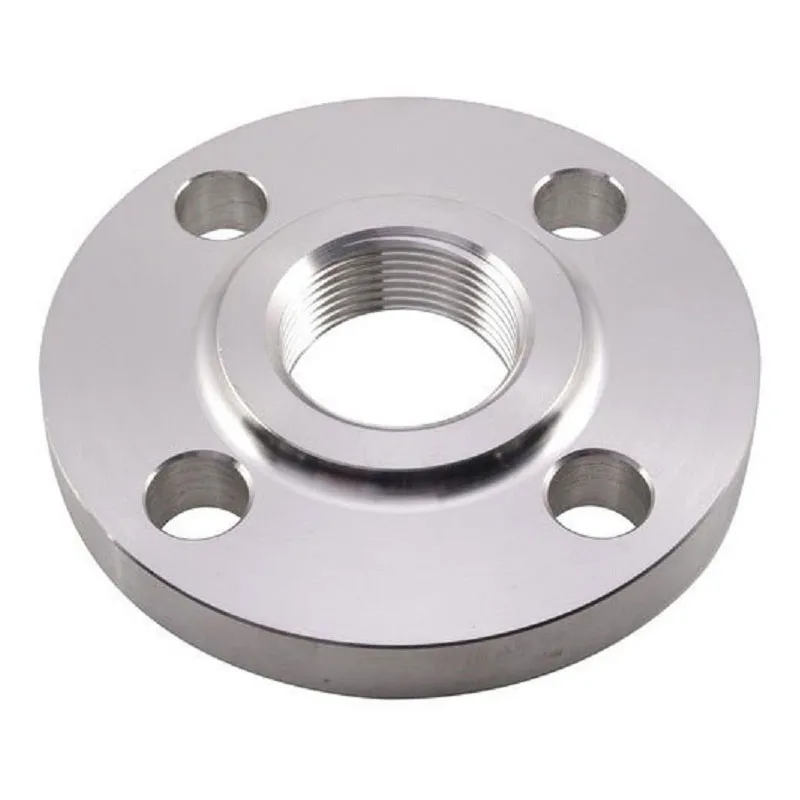 EN 1092-1 Threaded flanges Type 15, PN16
 -
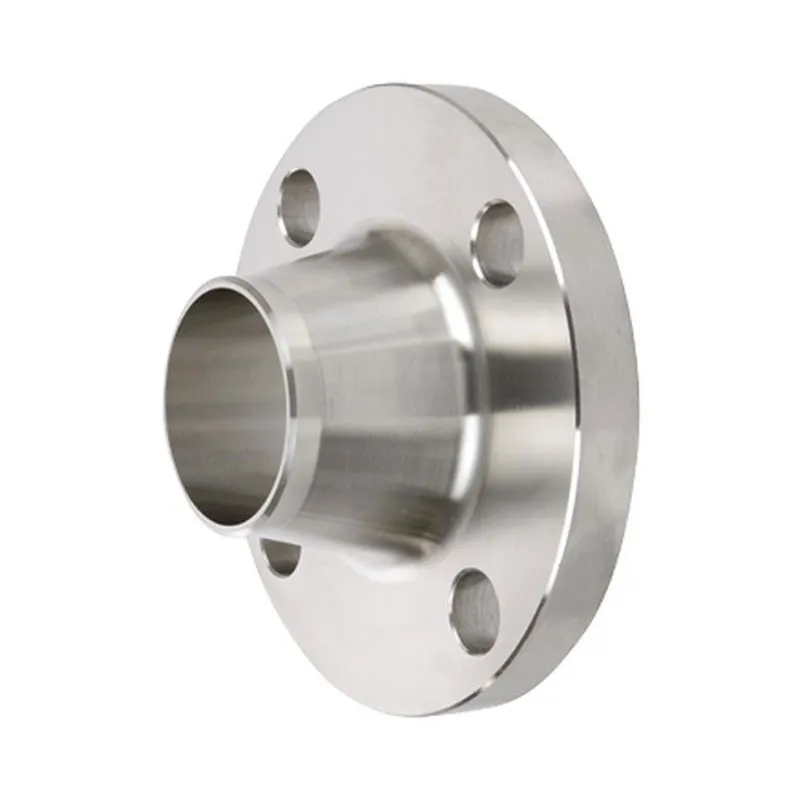 Ser.A Butt Weld Flanges Class 400
 -
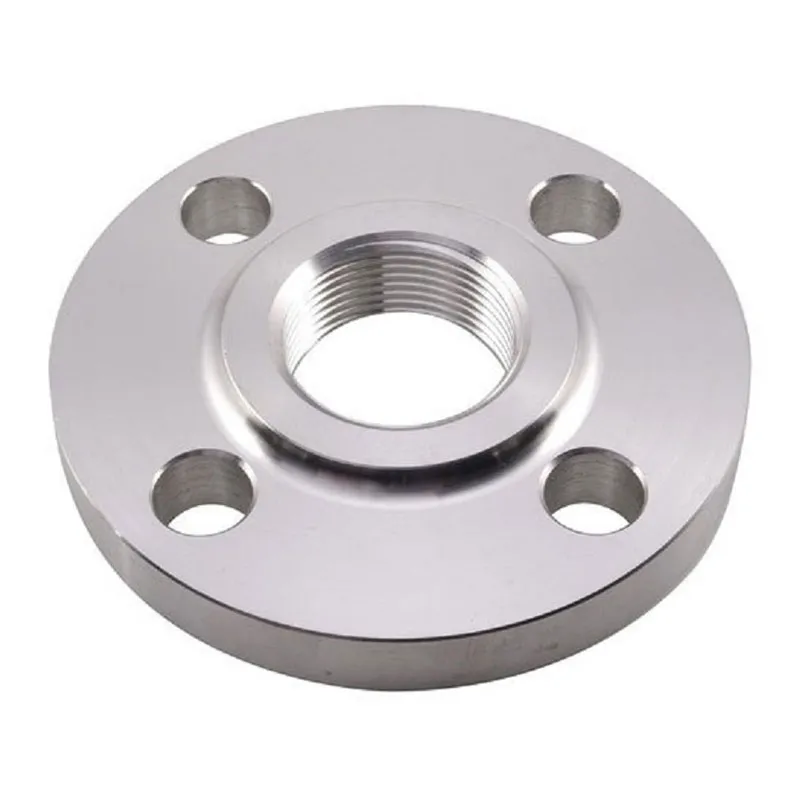 JIS 10K Overlay flanges
 -
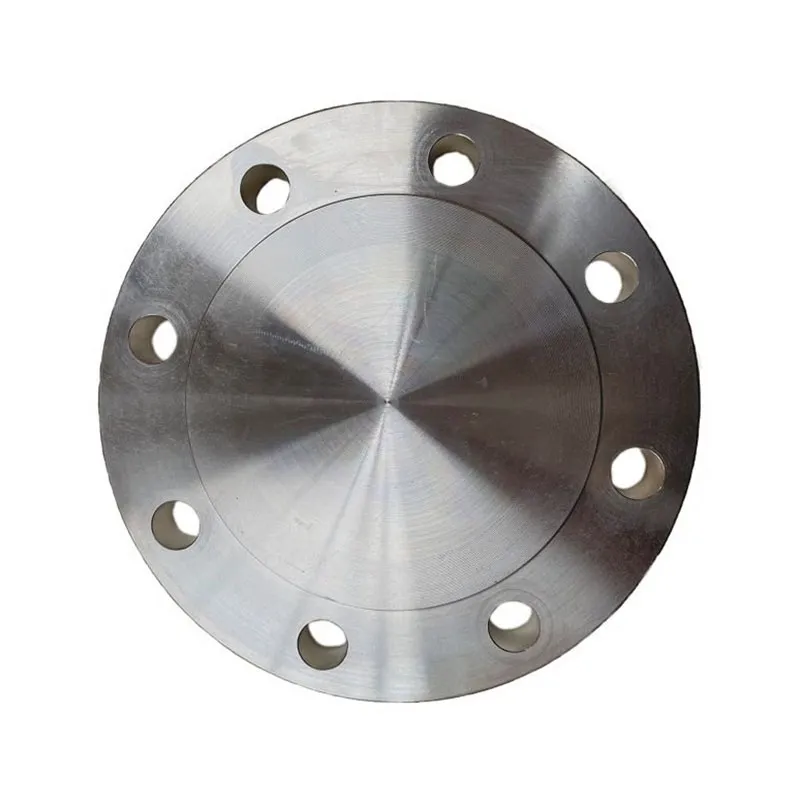 UNI 6092 Blind flanges PN10
 -
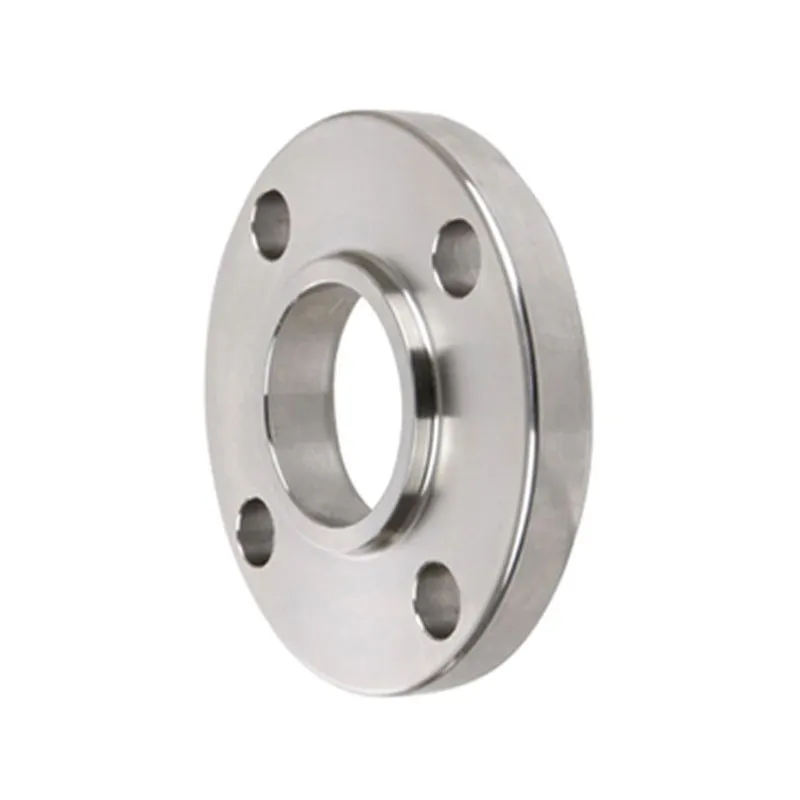 ANSI B16.5 Lap-on flanges Class 300