
-
-
Phone
+86-13623462298



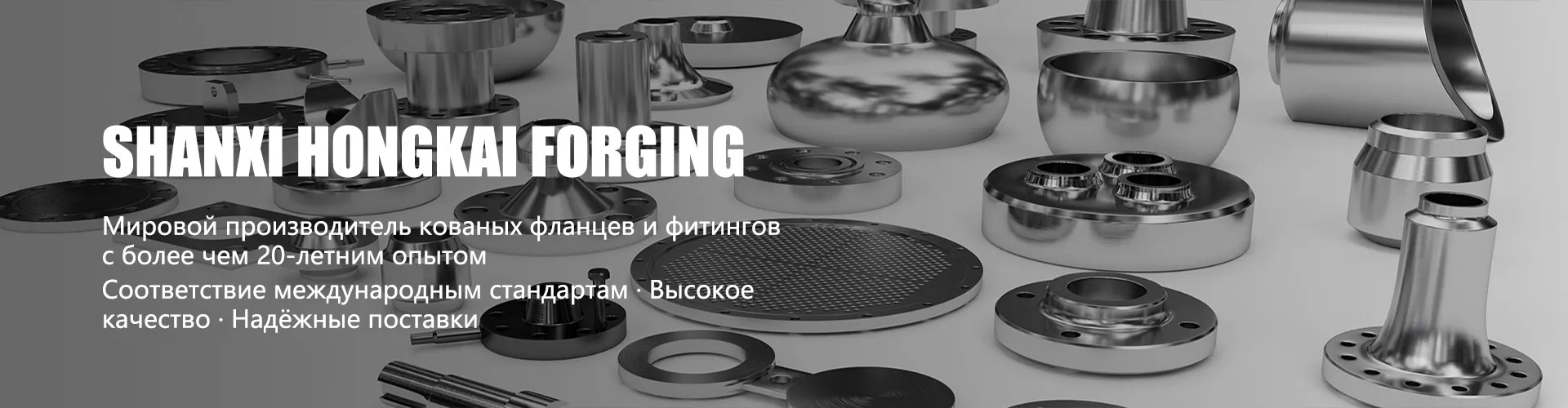
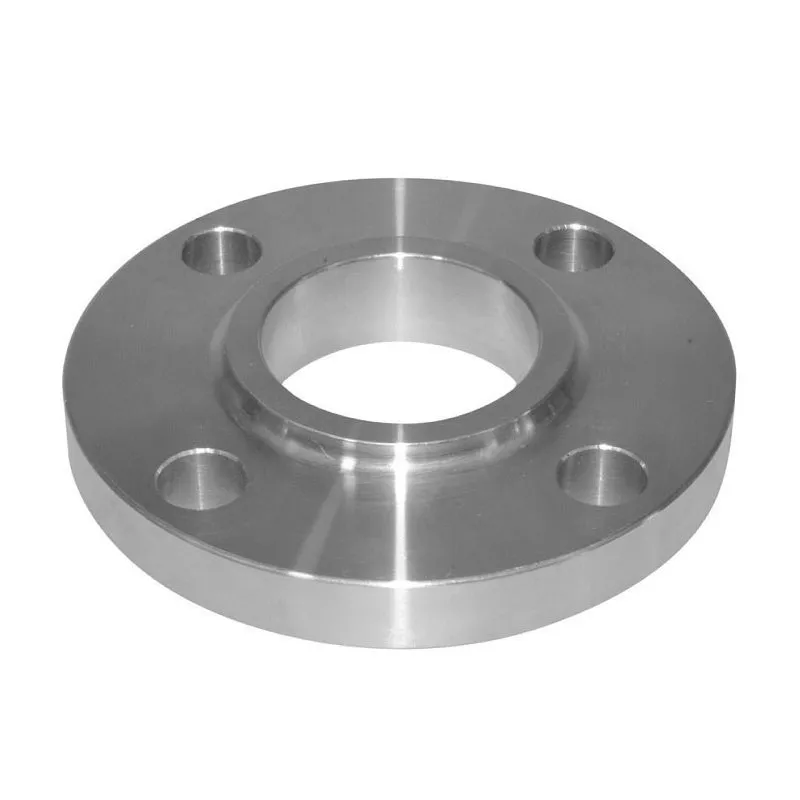
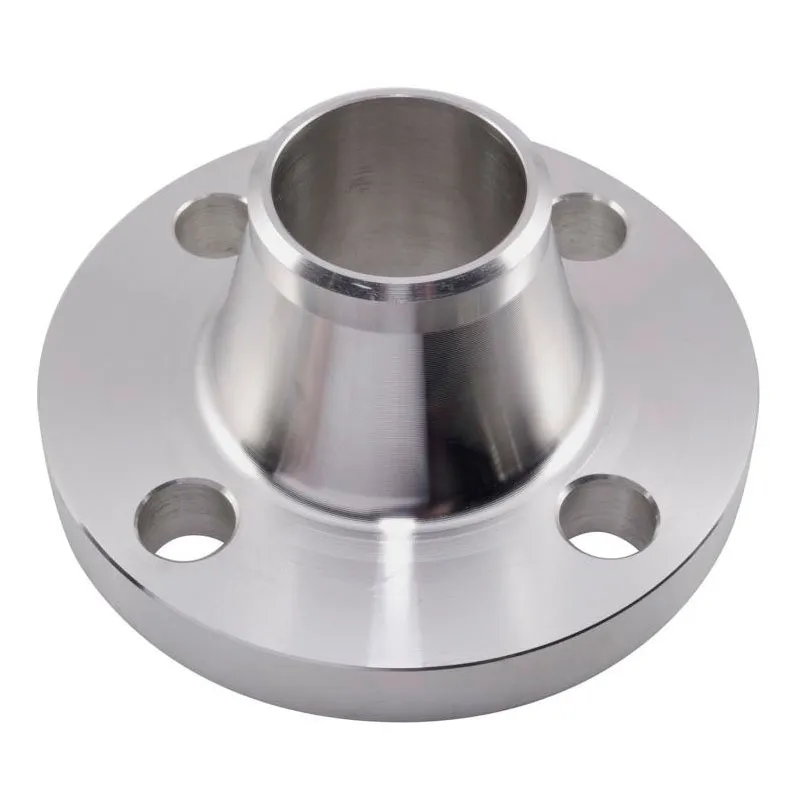
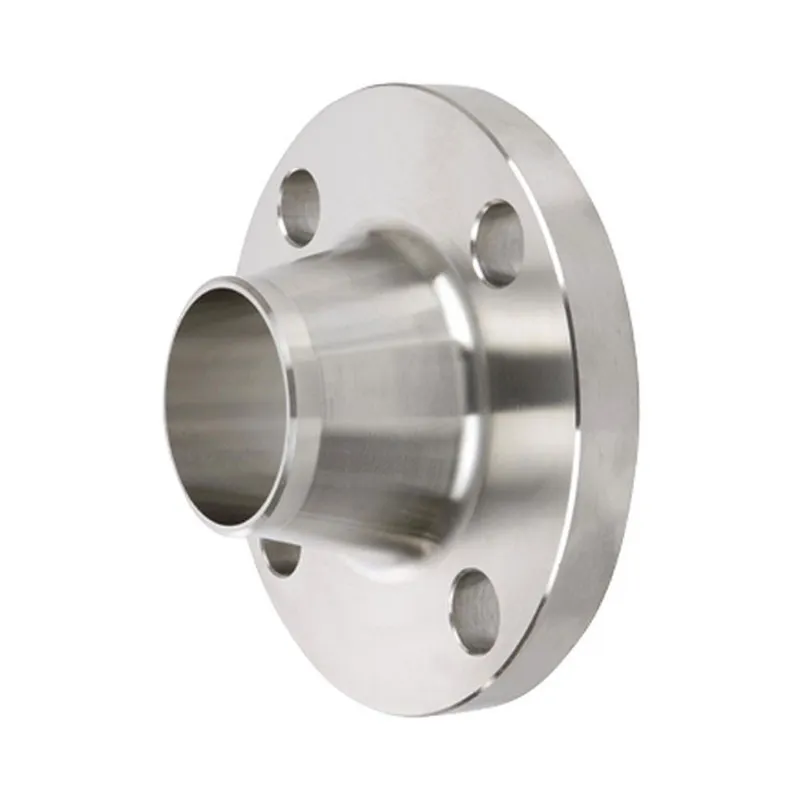
flange pn10 gost
When they talk aboutflange pn10 gost, many people immediately think - well, it’s a standard thing, the pressure is 10 bar, according to GOST, what’s so complicated about it. But in fact, this is where the main mistakes in selection begin. GOST is not one document, but a whole system of old and new standards, and if you don’t delve into it, you can easily end up with a part for an object that formally fits, but in fact does not fit together or does not hold. This is especially true for transition periods and foreign deliveries, where the interpretation of “compliance with GOST”? can be very free-spirited.
What is hidden behind the designation PN10 according to GOST?
Look, PN10 is the nominal pressure. According to our old Soviet habits, many are still looking for an analogue in ?kgf/cm2?. And this is the first trap. Modern GOST standards, for example, GOST for steel flanges, already operate with PN pressure classes. But the old drawings indicating the nominal pressure Ru are still alive in the projects. And when a request comes simply “flange pn10 gost”, you need to immediately clarify - for which standard? For connection according to which GOST? Because the geometry of the flange according to GOST 12820-80 (flat) and GOST 12821-80 (butt weld) with the same PN10 is different, and they are not interchangeable.
In practice, you often encounter the fact that a customer, especially from the CIS, sends a specification with an outdated designation. And if you simply do it according to the current GOST, there may be a discrepancy in the number of holes, their diameter or the distance between them. You have to call and find out which drawing or old GOST the equipment manufacturer used. This is a routine, but without it it is a waste and a simple one.
Another nuance is the material. PN10 is about pressure, but not about the environment. For water and for aggressive environments at the same pressure there will be different grades of steel. GOST regulates this, but it is often omitted from the request. You have to find out for yourself, otherwise you risk installing a regular St20 instead of the required 09G2S or 12Х18Н10Т. Chinese manufacturers, by the way, often understand this and ask. Like, for example, on the websiteShanxi Hongkai Forging Co.,Ltd (https://www.hkflange.ru) - product cards usually indicate by what standards and from what steel grades production is possible. This is a serious plus, because it is clear that the company does not just trade, but produces with an engineering approach.
Experience with supplies and ?floating? quality
Previously, we worked a lot with local workshops, but stability was poor. Either the holes are deviated, or the seal surface does not give the same cleanliness of processing. We decided to try to order a batchflanges pn10according to GOST from a Chinese manufacturer, the sameShanxi Hongkai Forging Co.,Ltd. Confused, of course, “forged?” in the name - for PN10, stamped ones are often sufficient. But in their case, as I understand from correspondence, forging is their main technological process for workpieces, which gives good metal density even for seemingly simple parts.
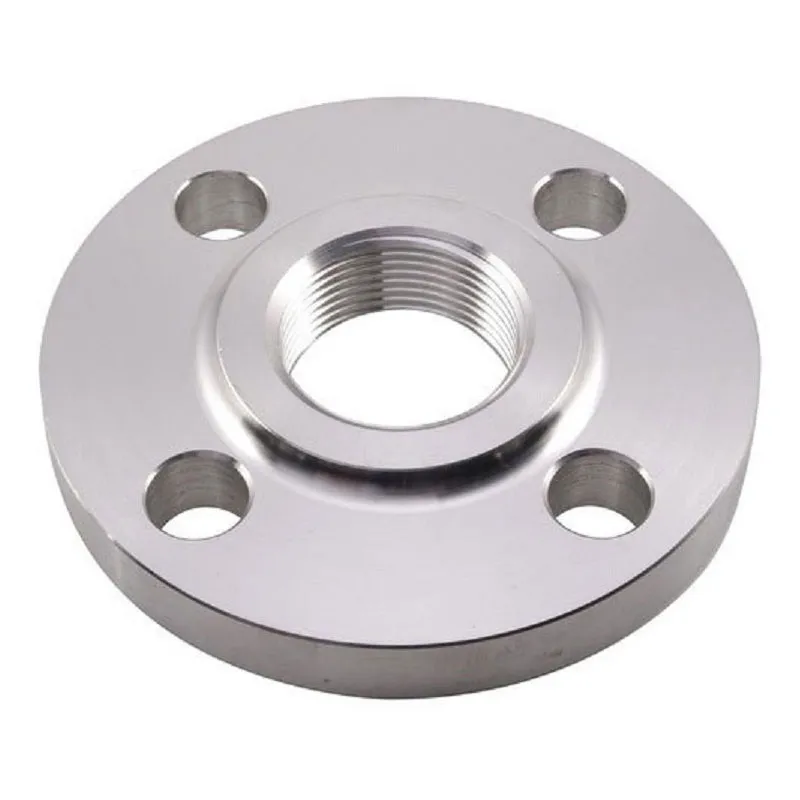
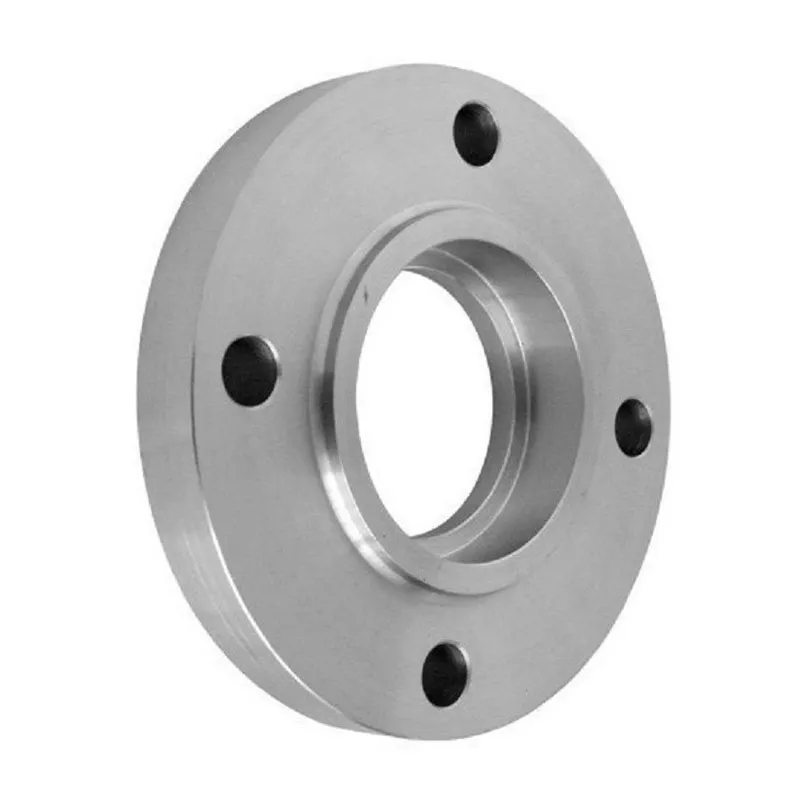
The first trial batch arrived - flat flanges according to GOST 12820-80 for DN100. They checked everything: dimensions, roughness, and noted them on ultrasonic testing. There were deviations, but within the tolerance range according to the same GOST. What is important is that the geometry was clear, the holes were without burrs. But there was also a flaw in our work: we did not specify the type of sealing surface. They came with a smooth surface, but they needed one with a protrusion. I had to buy another type of gasket. Now we always write in a separate line in the application “Execution 1, 2 or 3 according to GOST 12815”.
It is after such cases that you begin to appreciate manufacturers, where this is immediately indicated in the product description. On the websitehkflange.ruIn the section with flanges, it is clear that the company focuses on compliance not only with standard sizes, but also with all standard requirements, including these same versions. For the engineer who creates the order, this saves time.
When GOST is not a panacea, but a starting point
We had a project to modernize an old boiler room. There were flanges with clearly handicraft features, but the system held. For the new project it was necessary to install everything according toGOST. We ordered new, butt welded ones. And during installation it turned out that the old equipment had a slight misalignment. And the perfectly straight new flanges with tight tolerances simply didn’t fit together. I had to use the loose flanges on the welded ring on the spot, in an emergency - they provide some freedom for adjustment.
What is this for? Moreover, blindly following the standard without assessing the actual conditions at the site leads to problems. Now, for repairs and reconstructions, we always consider the option with loose flanges or discuss the possibility of small deviations. In the nomenclature of the sameShanxi Hongkai Forging Co.,LtdThere are such positions, and, what is important, they can be made to the required GOST, and not just to ASME or DIN. This is flexibility.
By the way, about the size range. They claim DN15–DN4000. For PN10 and GOST, large diameters are a different story with thickness and fasteners. I haven’t ordered from them for DN2000 myself, but I saw it in the catalog - they do it. I wonder how they control the flatness of such colossuses. Probably on large presses and with serious equipment. In any case, the presence of such a range indicates the scale of production.
About non-standard and customer drawings
Standardflanges pn10 gost- this is 80% of orders. But the remaining 20% is a headache and at the same time what distinguishes a normal supplier from just a warehouse one. The task was to install a flange on a non-standard heat exchanger. The diameter is in accordance with GOST, but the thickness of the hub (hub) of the butt-welded flange should have been greater due to vibration. Sent a sketch.
We worked with different factories, some refused, some asked for unrealistic deadlines and money. ContactedHongkai Forging, sent a request. The engineer on their part asked clarifying questions about the material and welding modes - this was a good sign. This means that they think about how their product will work in the assembly, and not just cut it out according to a drawing. In the end, they did it, and with a full package of certificates, including an ultrasonic testing report. Since then, we consider them among the first for complex problems.
Their positioning as a manufacturer of forgings and forged flanges plays a role here. For non-standard products, it is often forging that is needed as a blank, which can then be individually processed, rather than casting or rolling.
Final Selection Considerations
So, going back toflange pn10 gost. The main thing is not to consider it a simple tabular detail. Yes, this is the base. But the success of the application depends on the little things: on the exact indication of the standard and its year, on the design of the sealing surface, on matching the material to the environment and, no less important, on the choice of a supplier who understands these nuances, and does not just sell hardware.
Experience suggests that it is better to work with those who specialize in production, such asShanxi Hongkai Forging Co.,Ltd. Because they have their own forging and pressing base, their own technical control. They, apparently, are accustomed to working according to international standards, and GOST is one of many for them. This often means a more disciplined approach to compliance with the standards prescribed in this very GOST.
After all, the flange is a critical part. It depends on him that nothing flows or bursts. And saving a few pennies on a purchase can turn into thousands in reinstallation and downtime. Therefore, all these clarifications, double-checks and selection of a trusted manufacturer are not bureaucracy, but a necessary part of the work.
Correspondingproducts
Related Products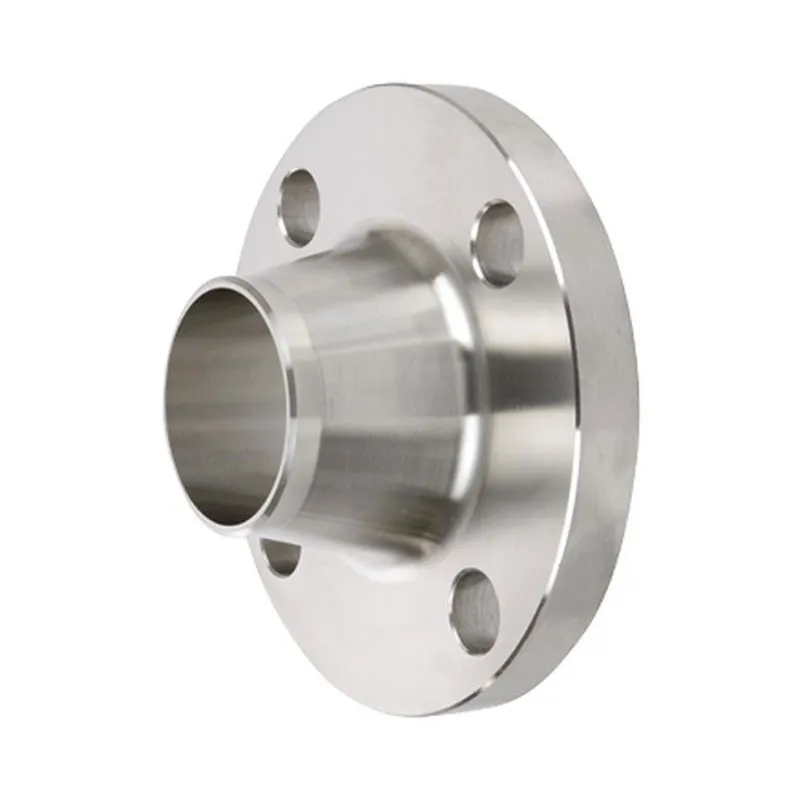
Best Sellingproducts
Best Selling Products-
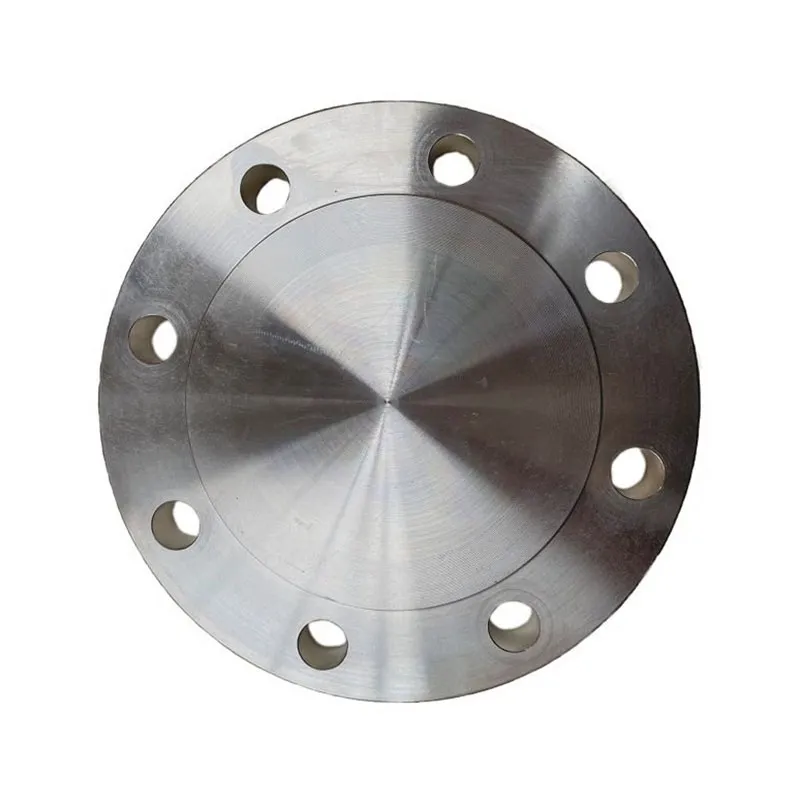 UNI 6092 Blind flanges PN10
 -
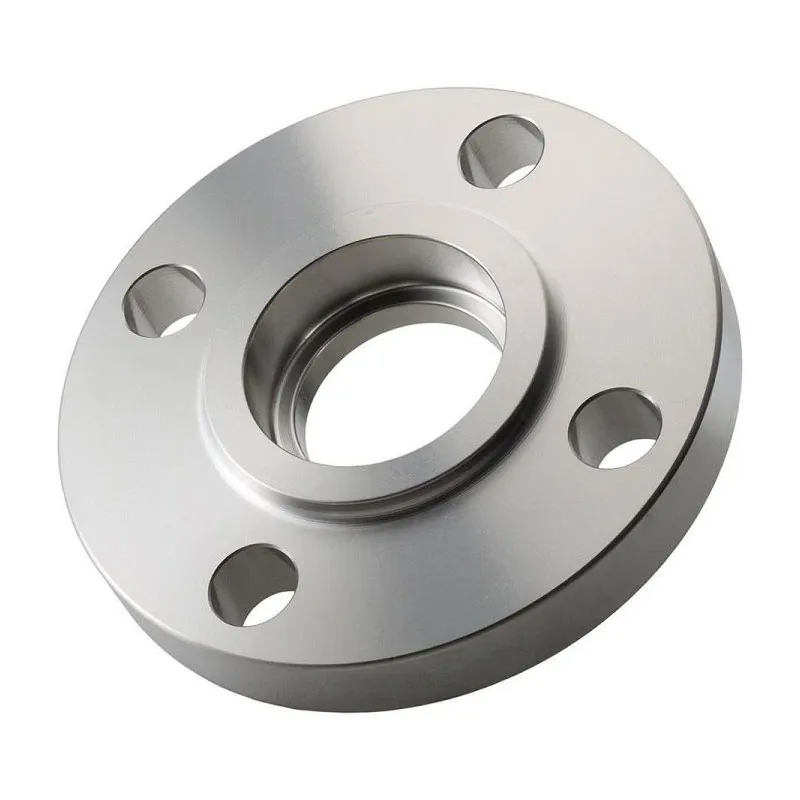 ANSI B16.5 Socket Weld Flanges Class 150
 -
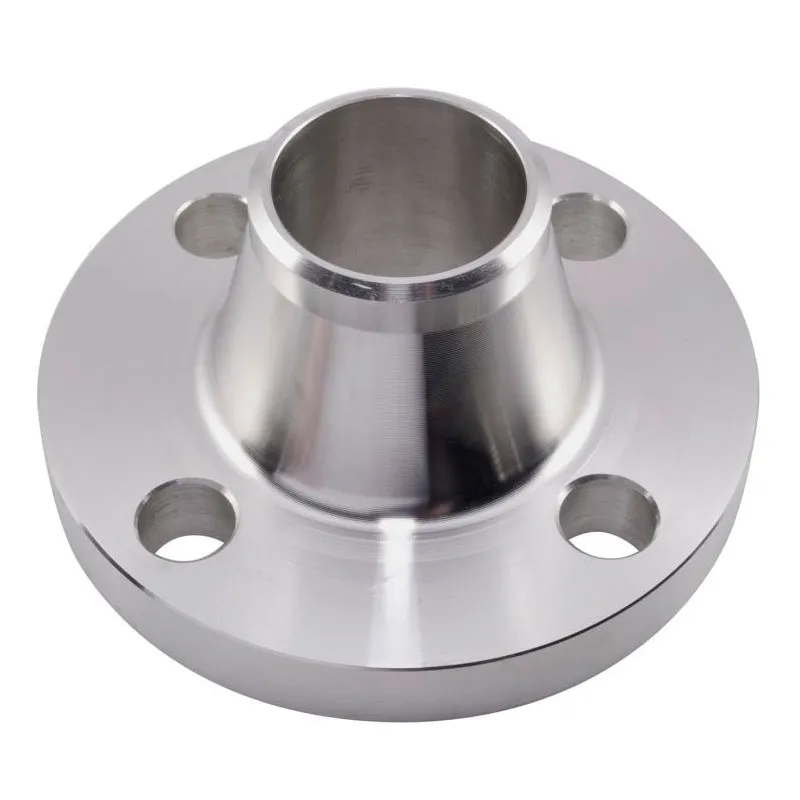 UNI 2281 Butt weld flanges PN10
 -
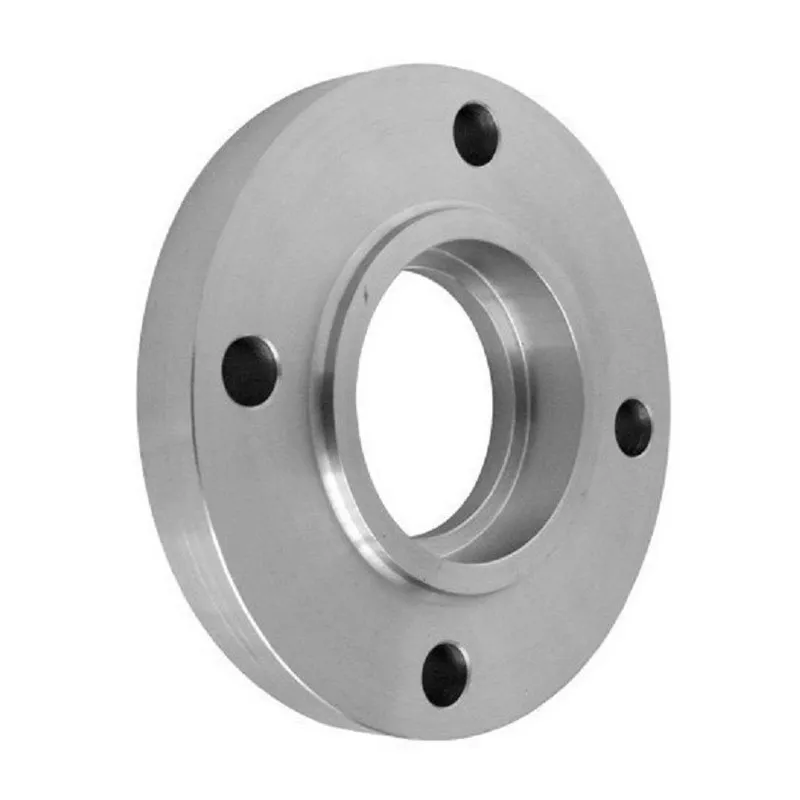 JIS 5K Socket Weld Flanges
 -
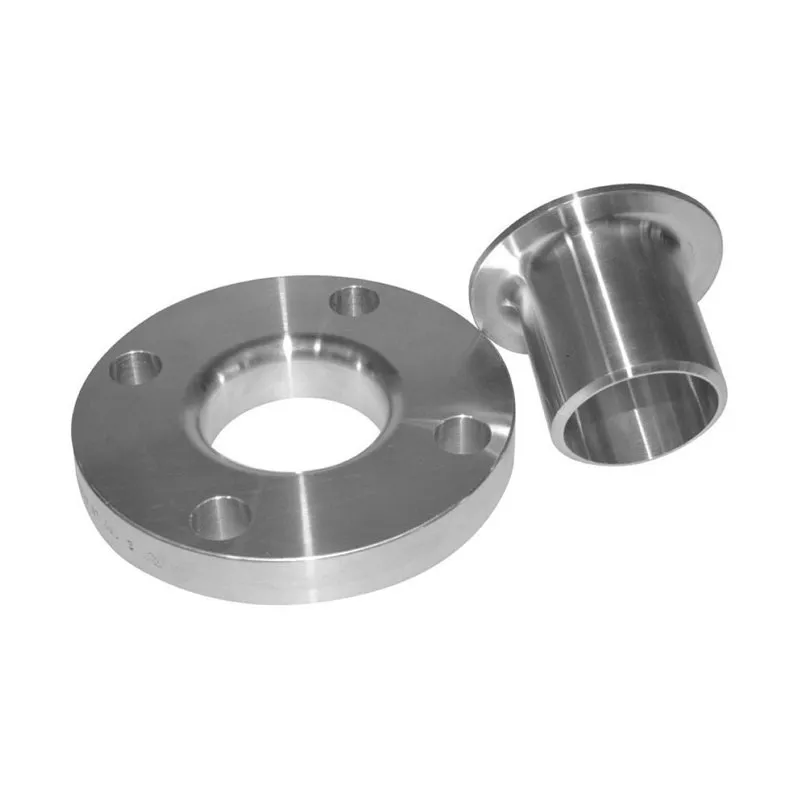 Free ring flanges Class 150
 -
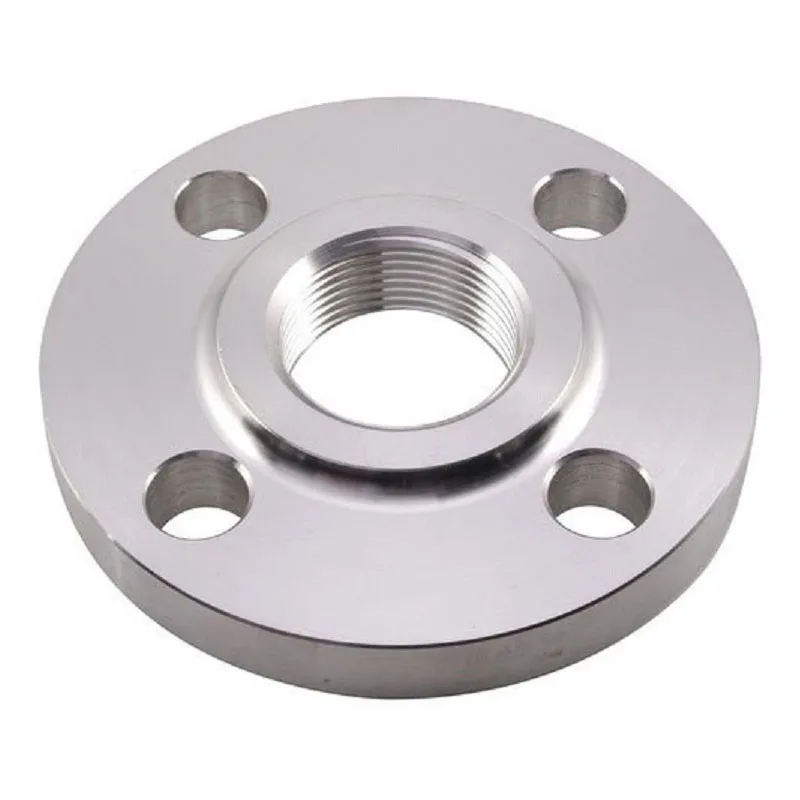 DIN 2566 Threaded flanges PN16
 -
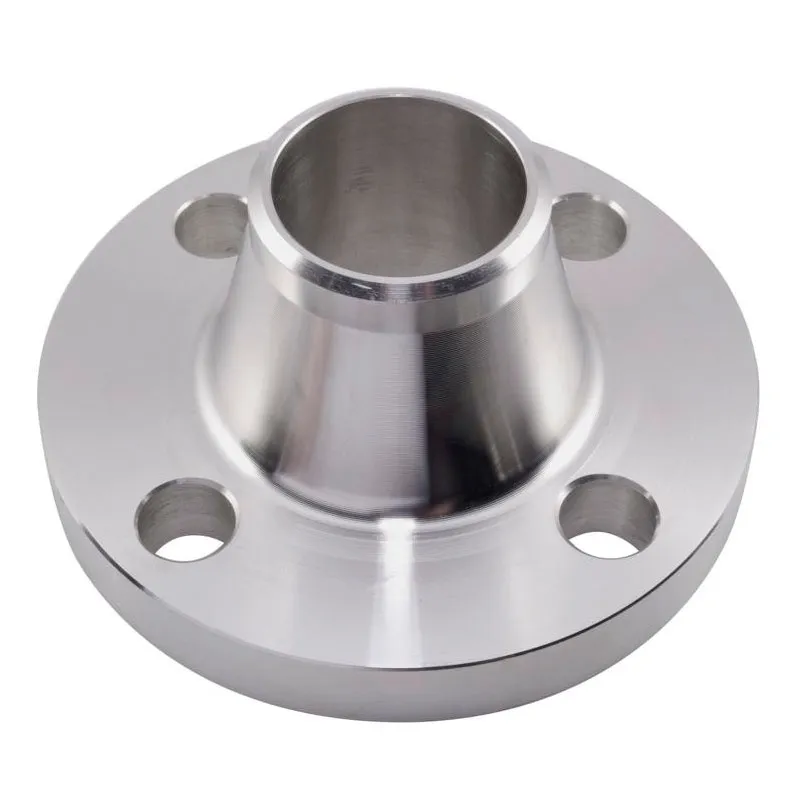 Butt weld flanges Class 900
 -
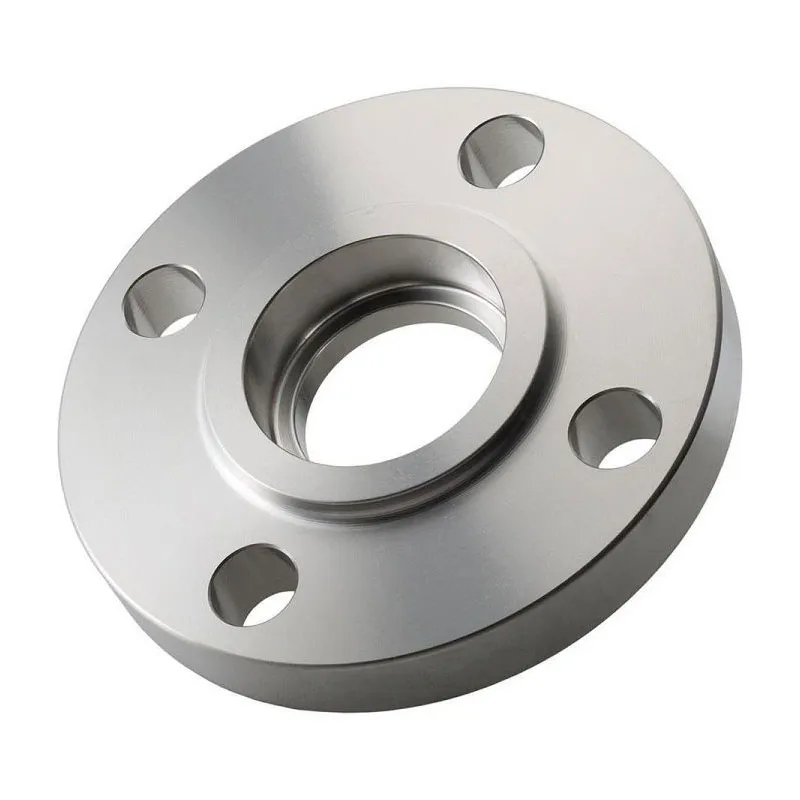 ANSI B16.5 Socket Weld Flanges Class 1500
 -
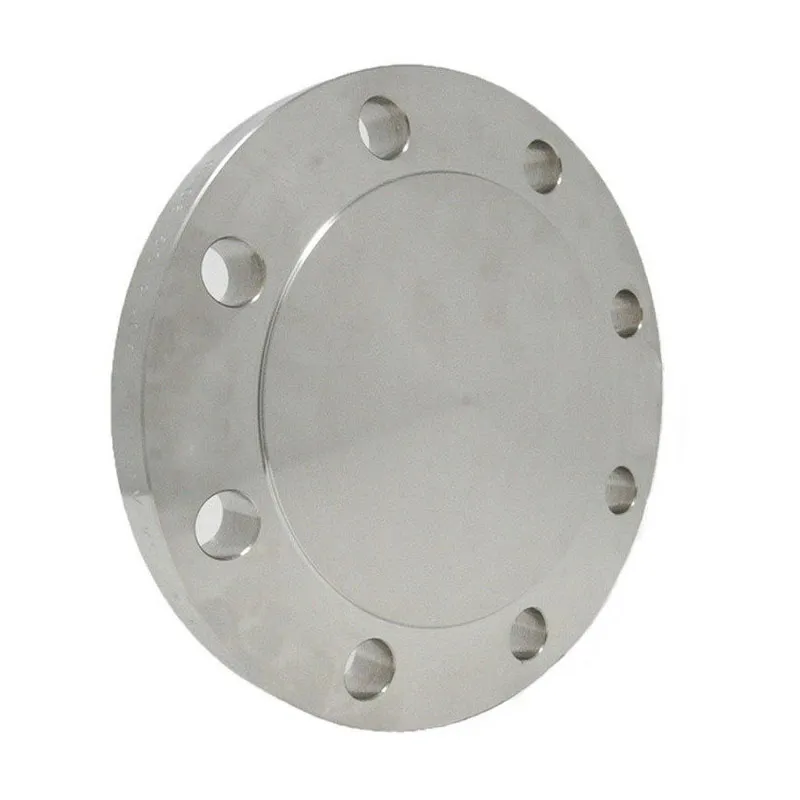 AWWA Blind Flanges Class D (Tables 1, 2, 3)
 -
 ANSI B16.5 Lap-on flanges Class 1500
 -
 DIN Butt weld flanges PN10
 -
 EN 1092-1 Butt weld flanges Type 11, PN25