
-
-
Phone
+86-13623462298




pole with flange
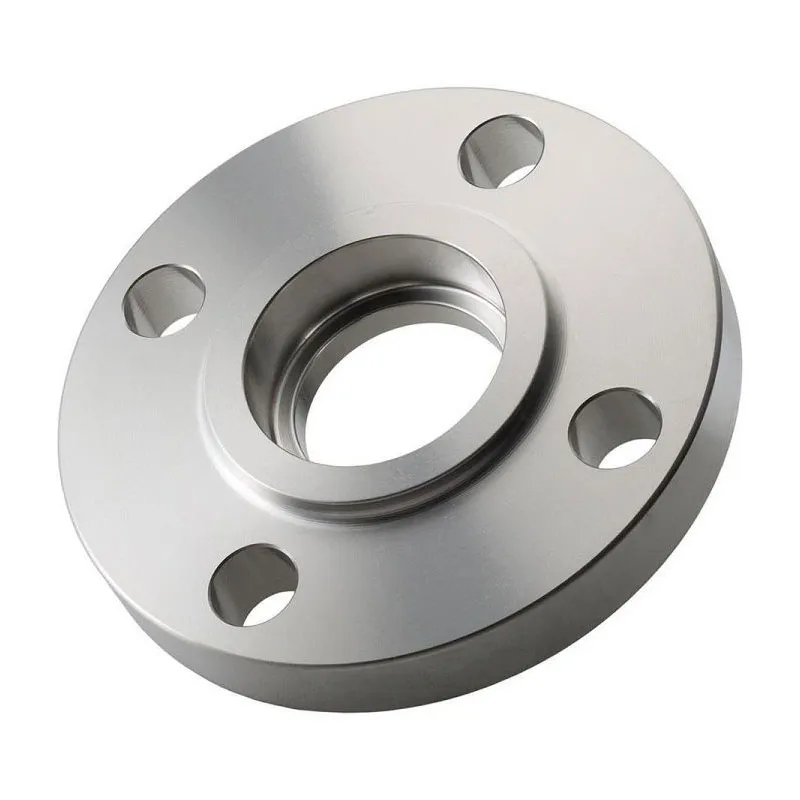
When they talk aboutpole with flange, many immediately imagine just a piece of pipe with a disk welded at the bottom. In fact, this often becomes a point of weakness in a project if approached without proper understanding. The most common mistake is to assume that any flange with a suitable diameter will do. Working with metal structures, especially in the conditions of our northern wind loads or when installing heavy attachments, I have seen more than once how such “savings” can occur. comes out sideways. A flange is not just a platform for bolts, it is an element that must compensate for bending moment, work for shear, and sometimes resist vibration. And the material here is not the last thing.
From drawing to steel: what is often missed
Let’s say an order arrives for lighting poles or for the installation of technological equipment. On the diagram -pole with flange, the standard size is indicated, well, let's say, DN200. That's all. What should the flange thickness be? To what standard is it made? GOST 12820-80 for flat flanges is one thing, but if butt welding is needed (this is GOST 12821-80), then the geometry and method of fastening change radically. Often designers, especially those who are more into “reinforced concrete”, do not pay attention to the grade of steel. For an ordinary rack in a temperate climate, St3sp is suitable, but if we are talking about a coastal zone or chemical production, corrosion resistance is already needed. Here, without alloy steels or, at a minimum, high-quality galvanizing, there is nowhere.
I had experience, about five years ago, with installing surveillance cameras on highways. The customer saved money and took the cheapest supports. The flanges were made of ordinary carbon steel, plus handicraft painting. Two years later, a complaint call was received - the pillars were swaying. We arrived and looked - the flange connection at the point of contact with the concrete base was corroded, the bolts were loose. We had to dismantle, clean, and strengthen. It turned out to be three times more expensive than if we had immediately supplied a product made of galvanized steel with a flange of the required thickness. This case is now like a training case - I always discuss operating conditions with clients down to the smallest detail.
And also about steel: its internal stresses after forging or cutting. A good manufacturer will always perform heat treatment (normalization) to relieve these stresses. Otherwise, during the process of welding the pillar to the flange or already under load, it may “lead?” geometry. I once checked a batch from a new supplier - everything looked perfect, but during control measurements after welding, several products showed deviations from the vertical. The reason is the internal stresses in the forging of the flange, which “played?” with local heating. Since then, I have always requested certificates indicating the heat treatment performed.
Fastening to the base: not only concrete
The classic is anchor bolts poured into a concrete foundation. It would seem that what is so difficult here? But here too there are many nuances. The diameter and length of the anchors must be related not only to the load onpole with flange, but also with the thickness of the flange itself. A common mistake is when they make a powerful flange 40 mm thick and install M20 anchors, which cannot create sufficient clamping force over the entire area. Or vice versa - the flange is thin, 12-15 mm, and the anchors are thick; when tightened, it simply bends like a “plate”. You need calculation, but in practice they often go by experience, which is risky.
There are also non-standard reasons. They somehow installed sign posts on an existing reinforced concrete parapet. It was impossible to pour a new foundation; it had to be secured through through studs on the reverse side. It was necessary to design a flange of increased diameter with additional holes for the tie to distribute the load. And it’s also good that the parapet material made it possible to do this. In another case, when installing on an old asphalt site, it was necessary to make a combined base with partial digging and concreting, and the flange was used as part of the formwork. It is important here that its plane is strictly parallel to the plane of the foundation, otherwise a moment will arise at the installation stage.
It’s worth mentioning separately about the bolts. Typically, strength class 8.8 is used, but in aggressive environments, stainless steel A2 or A4 is better. And the main thing is the tightening torque. It is often not controlled, it is twisted “from the heart?” impact wrench. This can strip the threads or, worse, create excess stress in the flange body. Our team now has a torque wrench for critical facilities. Yes, longer, but calmer.
When standards are not enough: non-standard solutions
Standard flanges are fine as long as the project fits within standard conditions. But life, as we know, is richer. For example, it was necessarypole with flangefor attaching an oversized bracket on one side, creating a significant eccentricity. A standard round flange may not be able to cope with uneven loads. The outlet is a flange in the form of a square or rectangular plate, reinforced with stiffening ribs in the zone of maximum moment. Such things are rarely found in catalogs; they are made to order.
We worked with the companyShanxi Hongkai Forging Co.,Ltd (https://www.hkflange.ru) just above a similar non-standard order. Supports were needed for mounting solar panels, where the flange had to serve both as an element of fastening to the foundation and as a platform for adjusting mechanisms for the angle of inclination. Standard products were not suitable. The guys from Hongkai, as a manufacturer of forged flanges and forgings, promptly prepared technical documentation specifically for our sketch. It was important that they work according to international standards (ASME, EN, DIN) and GOST, and also make forgings according to individual drawings. For us, the key was the quality of forging - the absence of internal defects, since the structure had to withstand constant wind vibrations. We made flanges from steel 09G2S with subsequent normalization. We were pleased with the result and have been standing for several years without any complaints.
Their profile, by the way, is quite wide - from small flanges DN15 to giant ones on DN4000, including all the main types: butt weld, flat, loose. This is convenient when you need a comprehensive supply for different components of one object. For a non-standard product, they requested from us not only a drawing, but also data on design loads (axial force, bending moment, operating conditions) so that their technologist could verify our calculations and, if necessary, offer reinforcement. This is a sign of a responsible approach, and not just “let’s do it as it’s drawn?”
Installation and control: where problems arise
Even perfectly madepole with flangecan be damaged during installation. The first is surface preparation. Both the flange and the foundation plate/embedded part must be cleaned of dirt, scale, and rust. Dust and oil are the enemies of reliable contact. The second is reconciliation. The post must be aligned strictly vertically in two planes before the bolts are finally tightened. We use laser levels, but I have often seen installers do this “by eye”. plumb, which is unacceptable for tall structures.
Another critical point is the gap between the flange and the concrete base. Ideally it shouldn't exist. But if the foundation is uneven, some try to tighten it with bolts, hoping that the flange will “fit”. This is a grave mistake! This creates colossal tensions. It is necessary to either grind the base or use stainless steel leveling pads of a calculated thickness. Better yet, control the pouring of the foundation and installation of the embedded part.
After installation, it is mandatory to check the tightening torque of the bolts (I already talked about this) and, preferably, re-check after some time of operation, especially after the first winter or a period of strong winds. The metal is “run-in”, slight shrinkage is possible. It’s better to catch up on time than to patch up the consequences later.
A look into the future: materials and technologies
Nowadays people are increasingly thinking about durability and weight reduction. Instead of a solid solid flange, it sometimes makes sense to use a ribbed design or a flange that is cast/forged with internal cavities, but with a reinforced belt in the area of the bolt holes. This requires accurate calculation and high-quality manufacturing so as not to create voltage risers. Composite materials for now for power carrierspoles with flangeThey are not widely used, but they are already being tried for some auxiliary structures - they do not rust, which is a big plus.
In terms of corrosion protection, in addition to galvanizing, the method of hot-dip galvanizing of a ready-made welded unit (column with a welded flange) is gaining popularity. This gives better protection to the welds. But here it is important that the flange is made of steel compatible with this process, without internal defects that may appear when heated. Again, the question is about the quality of the original forging.
As for information support, the availability of normal technical documentation from the manufacturer is a huge plus. When from a company like the one mentionedShanxi Hongkai Forging Co.,Ltd, we receive not only certificates of compliance with standards (GOST, ASME, etc.), but also reports on ultrasonic testing of forgings or mechanical test results, this instills confidence. You understand that you are not dealing with a semi-handicraft workshop, but with a serious player from one of the forging centers of China who values its reputation. Ultimately, the reliability of the entire structure often depends on this seemingly simple element - the flange on the pole. There are no trifles here.
Correspondingproducts
Related Products
Best Sellingproducts
Best Selling Products-
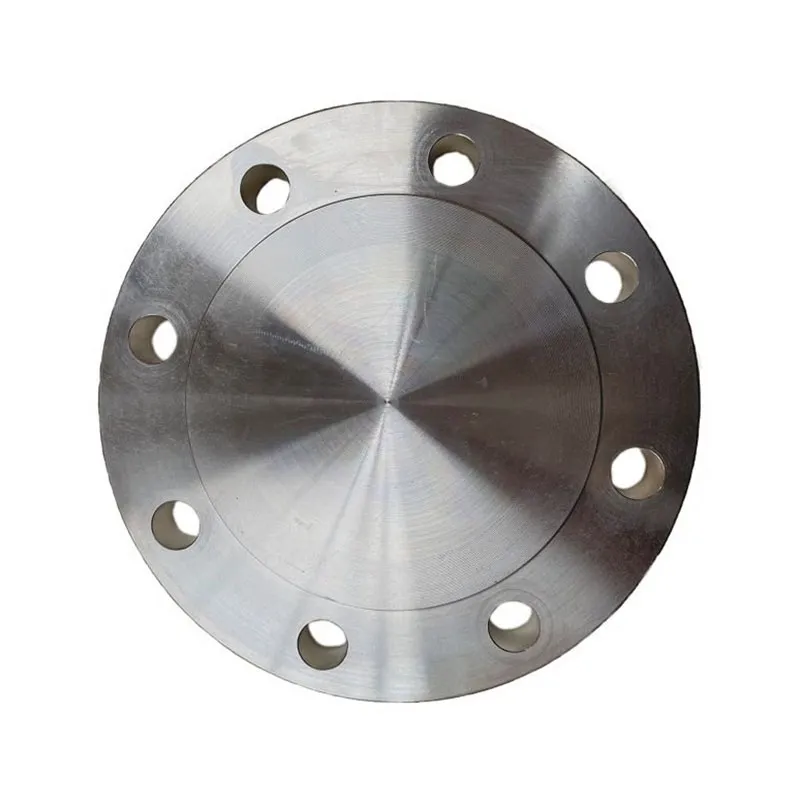 ASME B16.47 Ser.A Blind Flanges Class 400
 -
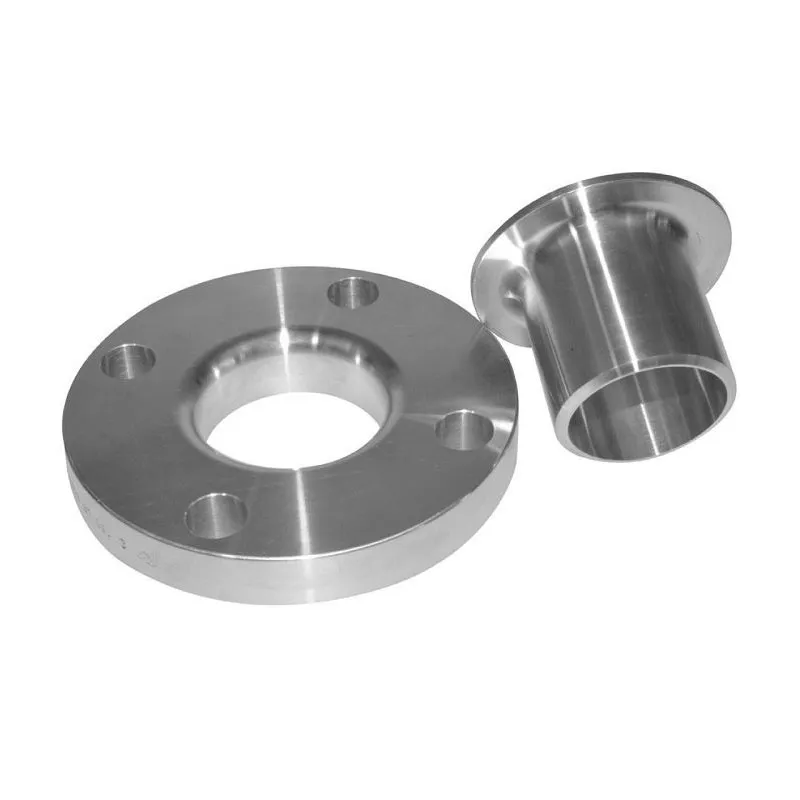 ANSI B16.5 Loose Ring Flanges Class 2500
 -
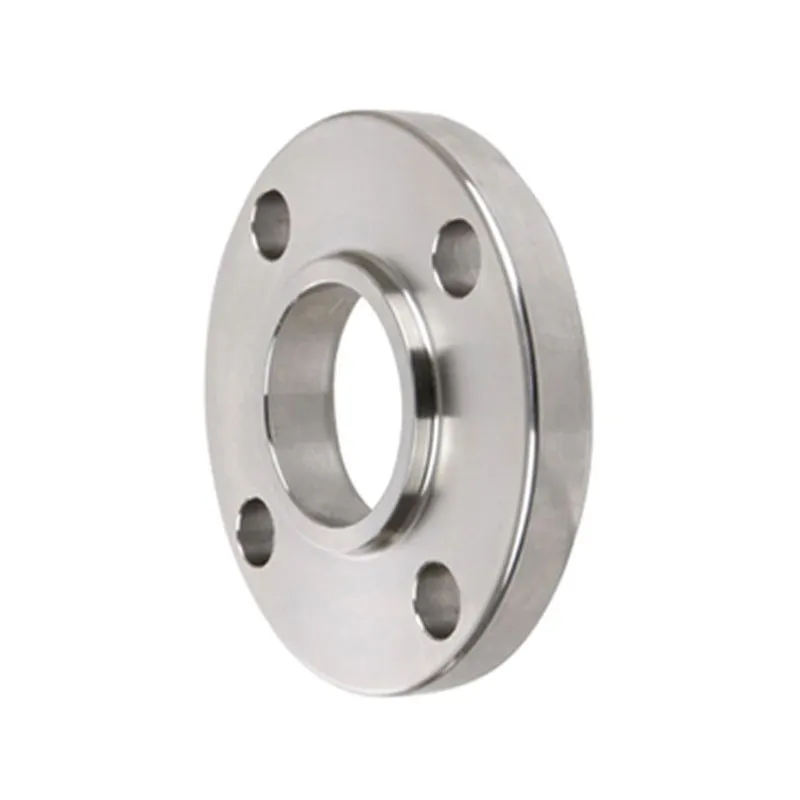 ANSI B16.5 Lap-on flanges Class 300
 -
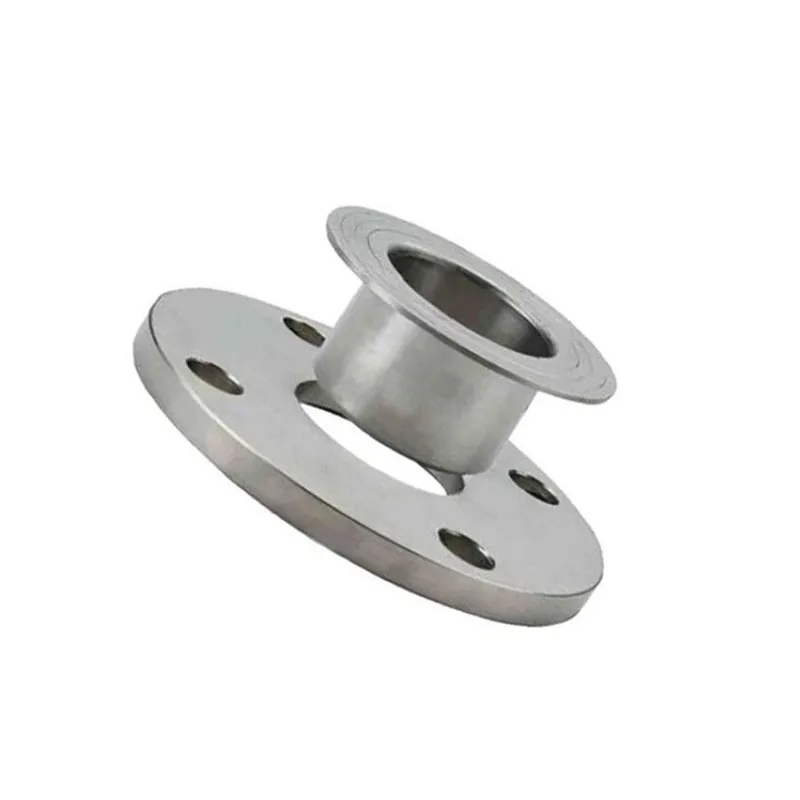 Free ring flanges Class 400
 -
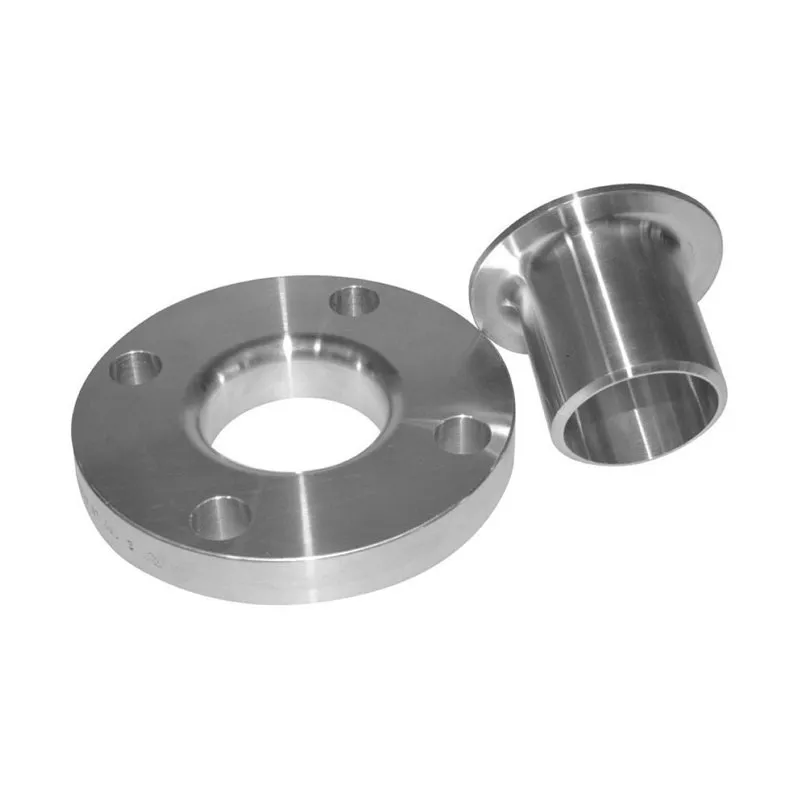 Free ring flanges Class 150
 -
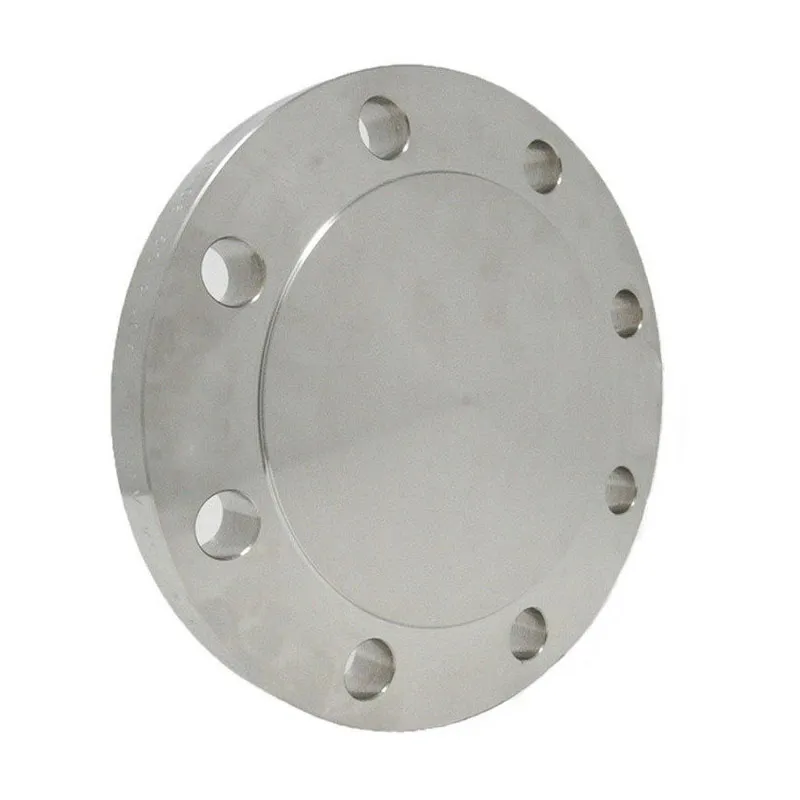 Blind flanges Class 150
 -
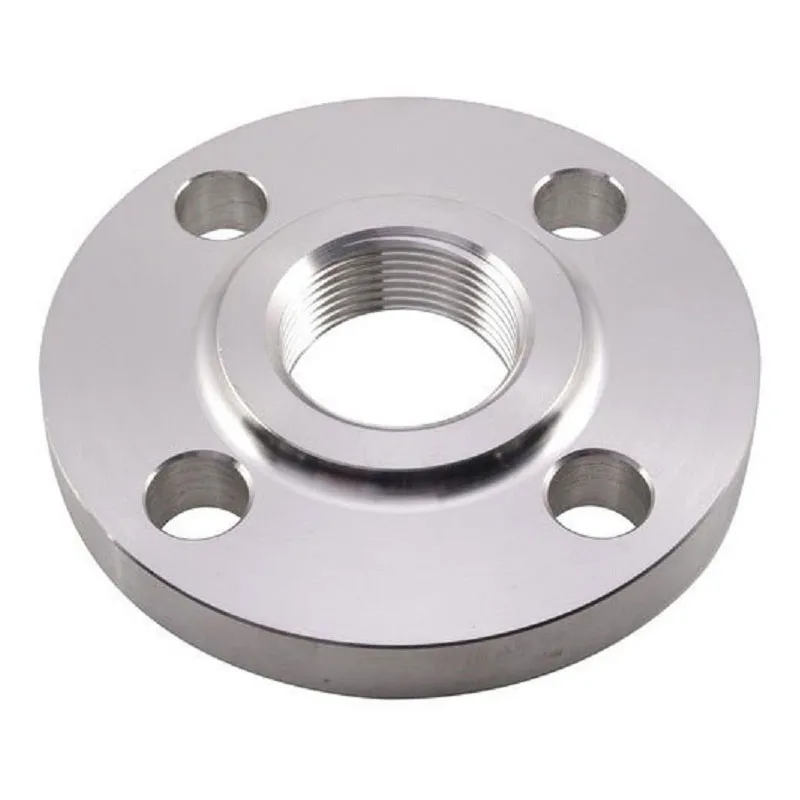 EN 1092-1 Threaded flanges Type 15, PN16
 -
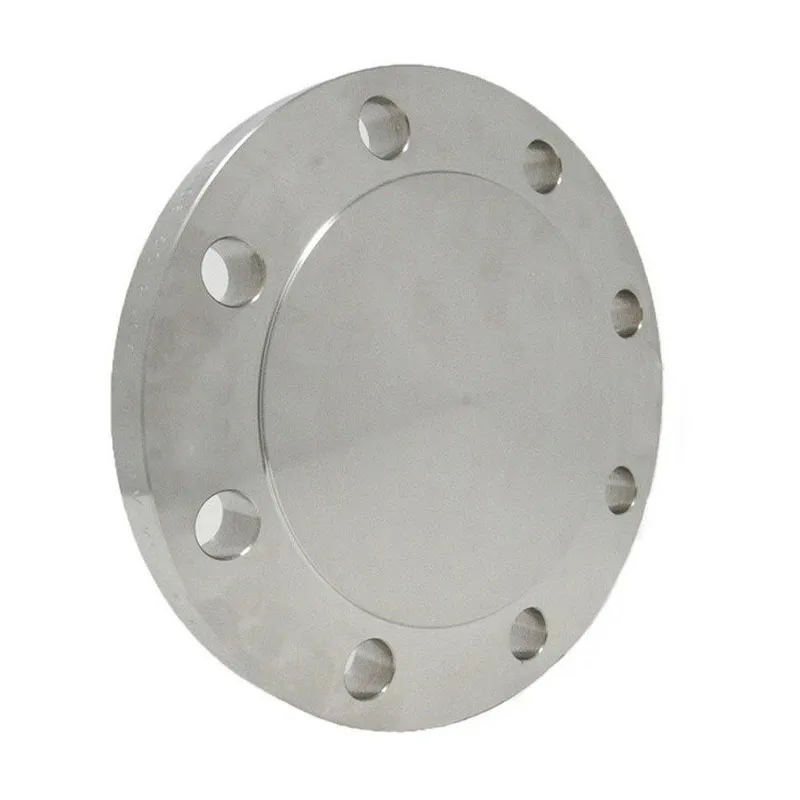 EN 1092-1 Blind flanges Type 05, PN10
 -
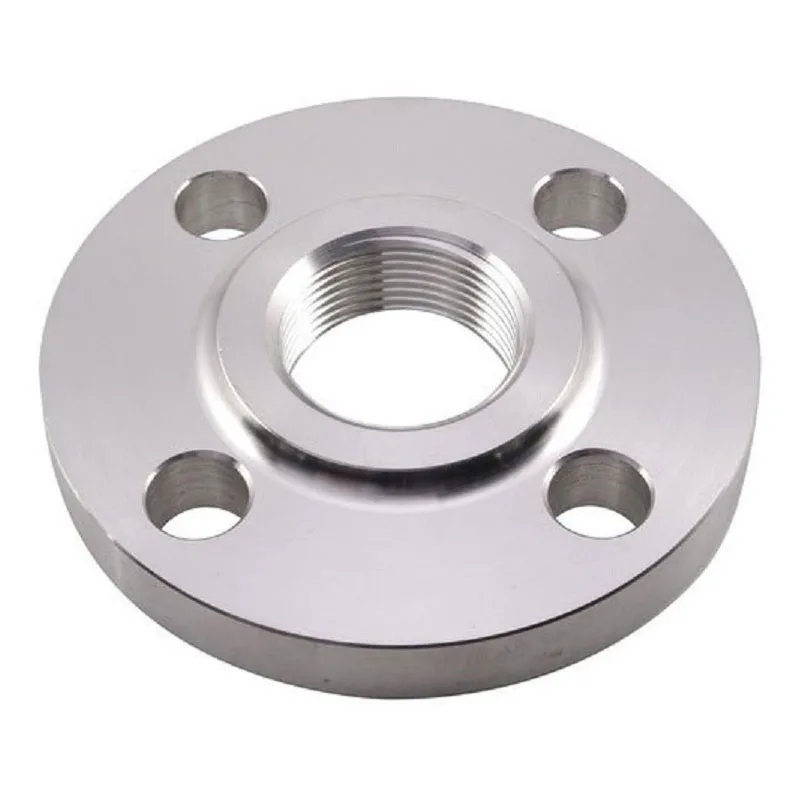 JIS 10K Threaded Flanges
 -
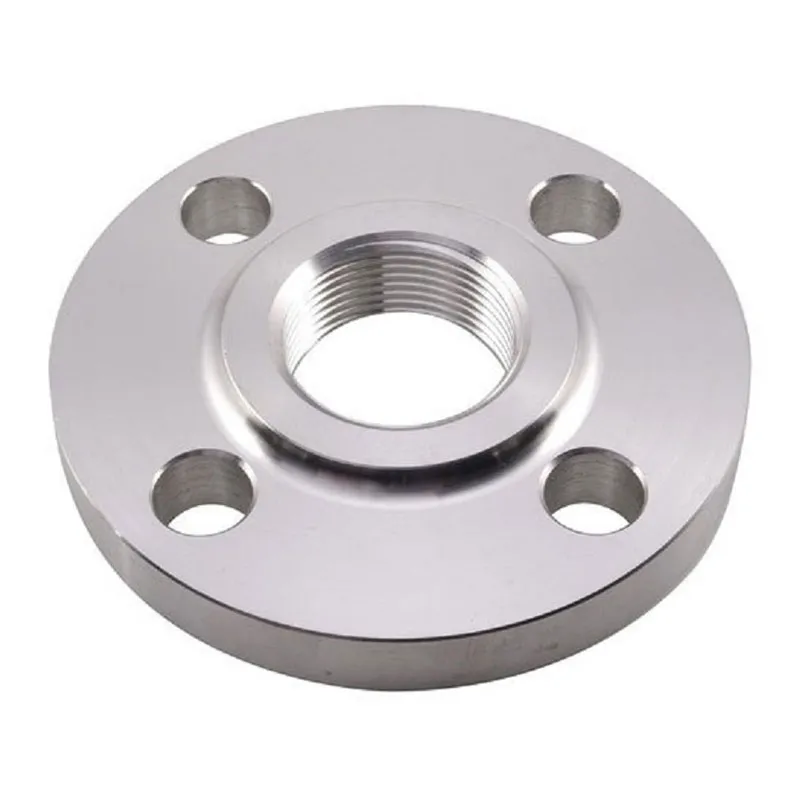 JIS 10K Overlay flanges
 -
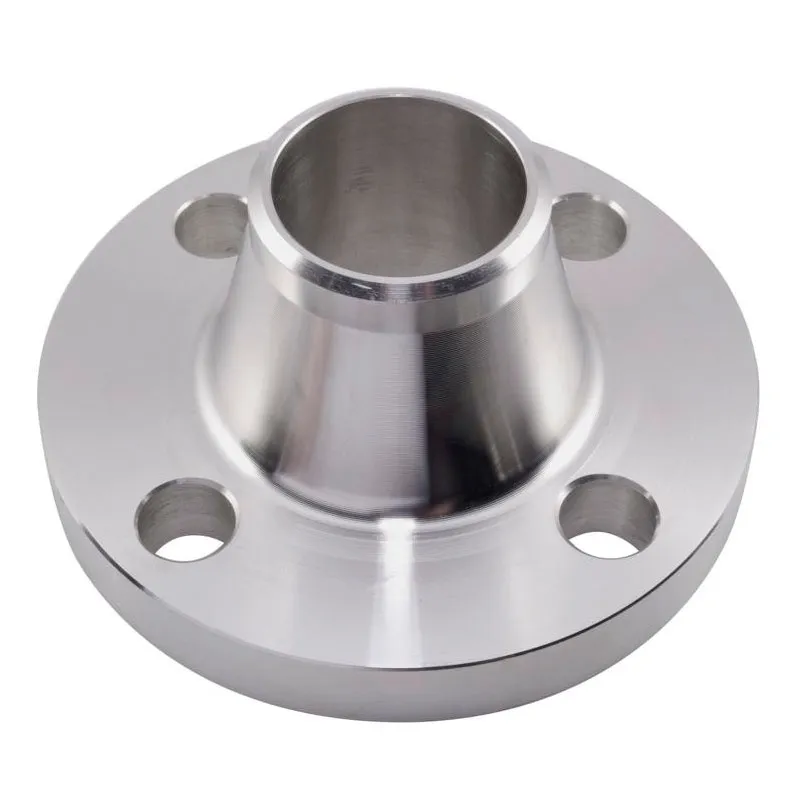 Butt weld flanges Class 900
 -
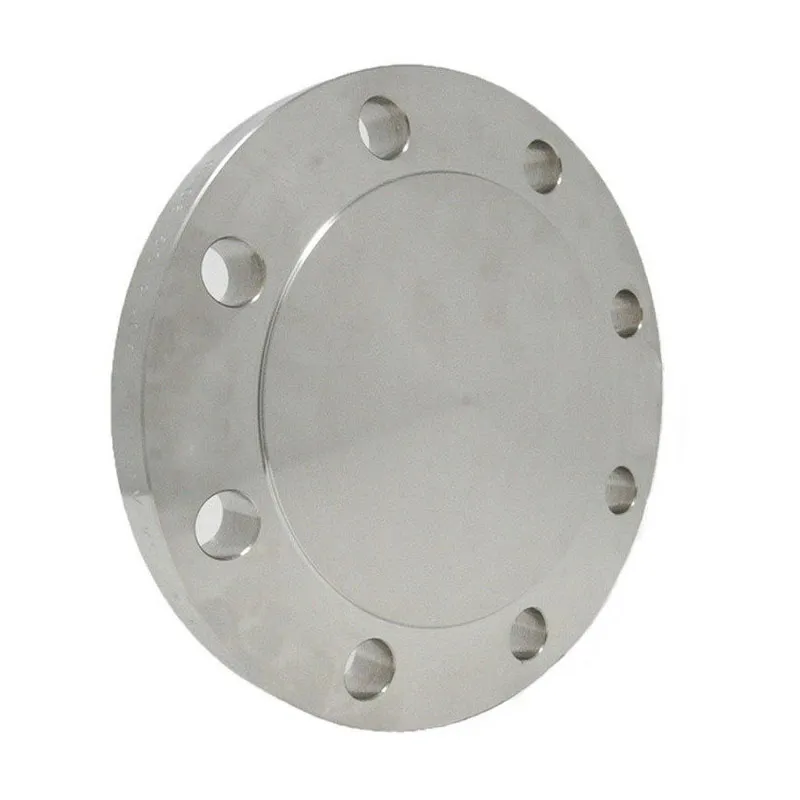 AWWA Blind Flanges Class D (Tables 1, 2, 3)