
-
-
Phone
+86-13623462298



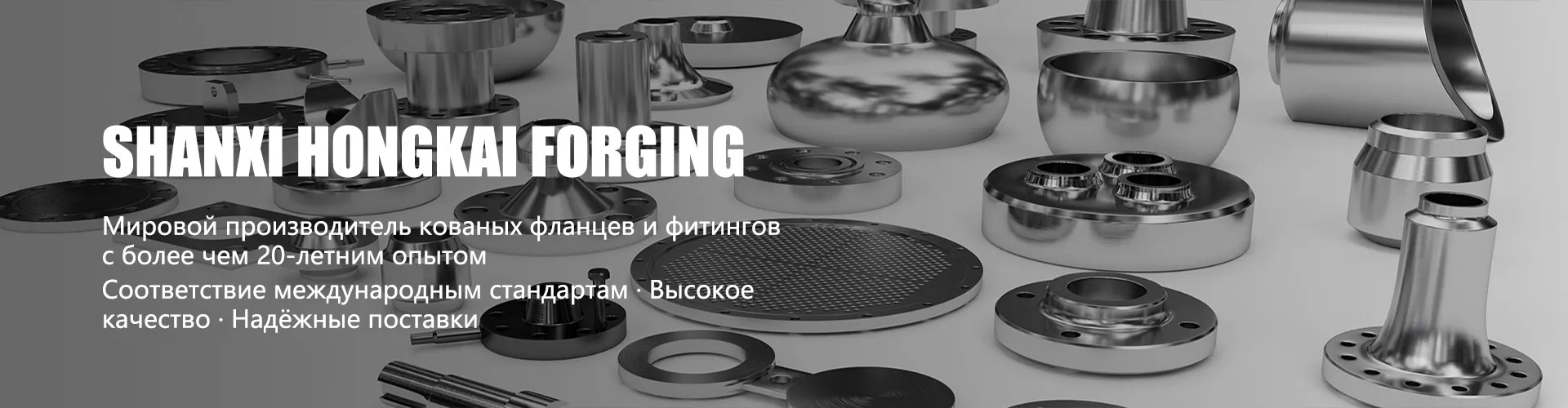
flange lawn
When you hear “lawn flange”, the first thing that comes to mind is something for watering, for landscape systems, some kind of specific garden fittings. And this is a common mistake, even among some buyers. In fact, if you dig deeper, the term often comes up in the context of shut-off valves for main low-pressure gas pipelines, the same ones that go to end consumers - the same cottages, the same gas stoves in the private sector. ?Lawn? here - from ?gas? and ?he? (in the sense, included, supply), such a popular, slang designation, but firmly entrenched in the conversations of installers. And the flange is the connection point. And this is where the fun begins: not every flange that is marked for gas is equally good for these “lawn” ones. lines. They have their own specifics in terms of pressure, material, and type of seal.
From term to practice: what we are really looking for
When I first received the request “I need a lawn flange for DN100?”, I looked into the catalogs. ASME B16.5, EN 1092-1 - everything is there, but “lawn?” as a class is not registered. It became clear that they were most likely looking for a steel flat flange under GOST 12820-80 or, perhaps even under GOST 12821-80 (butt weld), but with a nominal pressure Ru of 0.6 MPa or 1.0 MPa. These are the parameters that are typical for the final gas distribution sections. The key is the material. They often mistakenly install the usual St3, but for constant contact with moisture (and these lines are often shallow) it is better to St20 or even 09G2S, if we are talking about the northern regions. This nuance is the first stumbling block.
I remember an incident about three years ago: a contractor purchased a batch of flanges at an attractive price, the steel grade was not explicitly indicated in the certificate, only “corresponds”. We installed an input unit into the boiler room of a private house. A year and a half later, there was a complaint about the smell of gas. Upon opening, pitting corrosion was discovered on the surface of the flange under the gasket. Not through yet, but already dangerous. The analysis showed that it was ordinary carbon steel without proper anti-corrosion resistance. I had to change the entire assembly. Conclusion: for “lawn” applications, you cannot skimp on material. It is necessary to require a clear indication of the steel grade in the documents, preferably with a chemical one. analysis.
And here it is worth noting that not all manufacturers are ready to work with such seemingly small but critical details. We need a supplier who understands the essence of the application, and does not just sell hardware. For example, when we started collaborating withShanxi Hongkai Forging Co.,Ltd (https://www.hkflange.ru), drew attention to their approach. This is a manufacturer of forged flanges and forgings from China, which is important, from the region - one of the centers of the forging industry. In their catalog you can immediately see the breakdown not only by standards (GOST, ASME, EN, DIN), but also by typical application environments. And the key thing is that they make forgings, not stampings or castings. For critical connections, even at low pressure, forging gives better uniformity of the metal structure and fewer hidden holes.
Specifics of "lawn" unit: sealing and installation
If you have sorted out the material, the next headache is compaction. For gas, paranitic gaskets or, more recently, fluoroplastic (FUM) gaskets are traditionally used. But in the field, on the “lawn” input, installers often install what is at hand. I saw how they tried to seal it with a rubber gasket from the water supply - this is a gross violation. Rubber is not resistant to hydrocarbons, it hardens, cracks, and begins to leak gas.
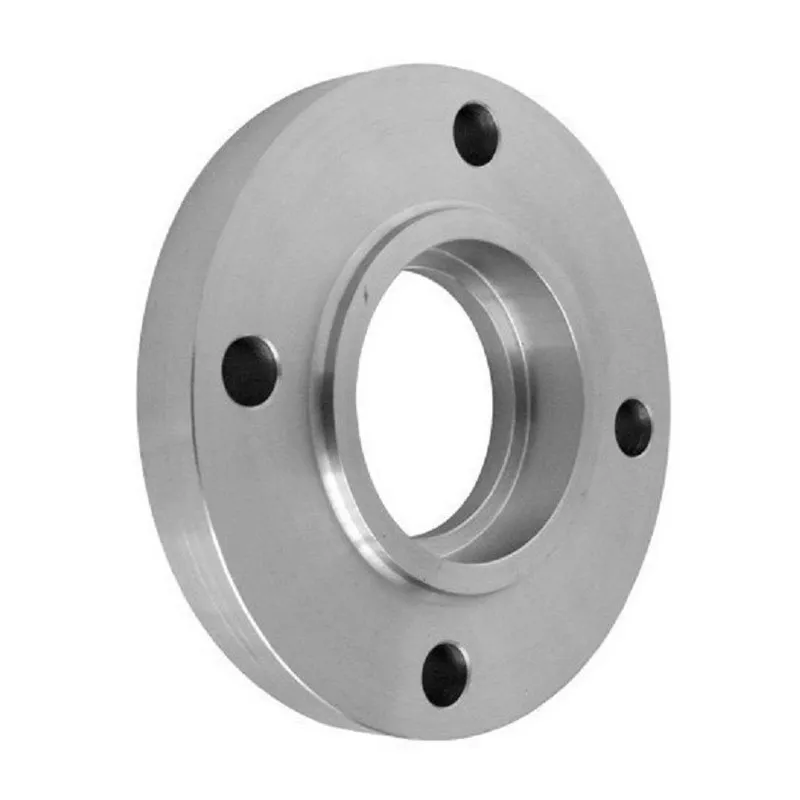
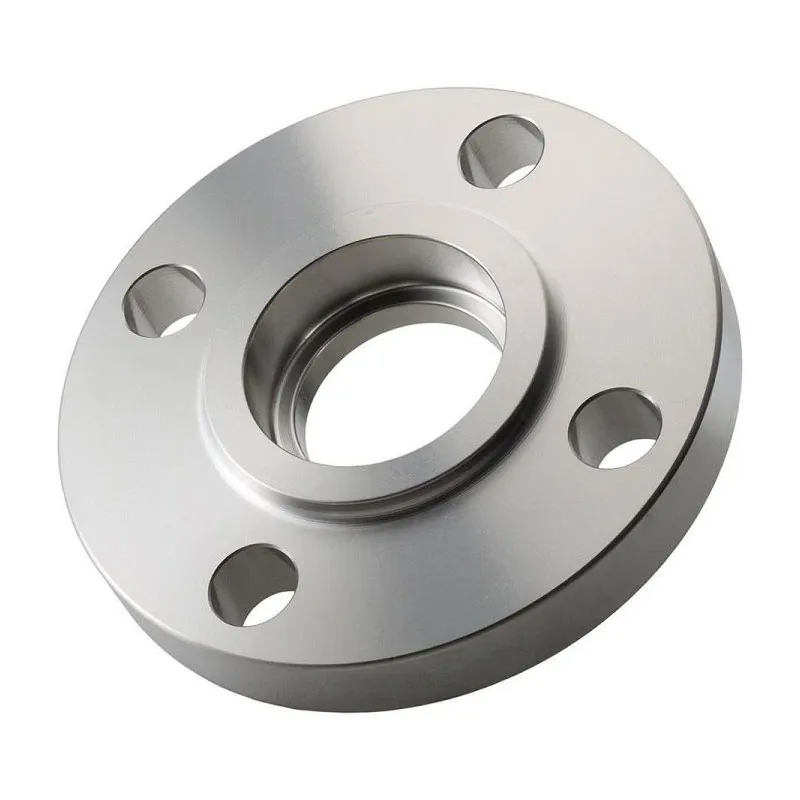
The right way is either a standard paranitic gasket in accordance with GOST 15180-86, or, for more modern and durable solutions, a spiral wound gasket (SNP) with a soft filler. But here the question arises about the quality of the flange surface. For SNP, a cleaner treatment of the sealing surface is required, without nicks and marks. Forging fromShanxi Hongkai Forging Co.,Ltdhere it provides an advantage: the workpiece is homogeneous, subsequent mechanical processing is cleaner, and you can obtain the desired roughness even for soft types of seals. They have in their product range both flat flanges and butt welded flanges - both types are suitable, but the choice depends on the pipeline layout.
Another practical point is the holes for fasteners. On "lawn" Lines often use studs rather than bolts. And here the diameter and cleanliness of the holes in the flange are critical. Any burr - and when tightening, you can break the thread of the stud. In my orders, I now always specify in a separate line the cleanliness of the holes after drilling. For the same Hunkai, by the way, this is stated in the technical specifications as a standard procedure for critical products, which indicates a systematic approach.
Non-standard situations and work according to drawings
Typical ?flange lawn? - this is usually DN50-DN150. But life is more complicated. There was a project where a transition was needed from an underground polyethylene pipeline to a steel entry into the building through a wall sleeve. A steel flange with a transition to HDPE was required, and even with eccentricity, because the routes were at different levels. There are no standard solutions.
I had to develop a drawing. And here it is important that the manufacturer is ready for non-standard products. In the descriptionShanxi Hongkai Forging Co.,Ltdit is expressly stated: “non-standard products according to customer drawings?”. We sent them a sketch. An important issue was control: how to make sure that the forging will be without internal defects? They provided ultrasonic testing (UT) protocols for the workpiece. For a gas environment, even low pressure, this is not a mandatory, but highly desirable requirement, which shows the seriousness of the approach. The product was made and delivered. The unit has now been operating for four years, with no problems.
This experience showed that even for a seemingly simple “lawn flange?” An individual approach may be required. And the presence in the supplier’s arsenal of a range of sizes right up to DN4000, like Hongkai’s, indicates that they are technologically ready for various tasks, not only for small-scale mass production.
Selecting a supplier: standards and documents
So, the technical part is more or less clear. But how to choose someone who will do it reliably? The first is standards. The manufacturer should work not according to handicraft specifications, but according to international or national standards. On the websitehkflange.ruit is clear that the company works according to GOST, ASME, EN, DIN. This is important. For example, for the CIS, GOST is often required, and the presence of a certificate of compliance with this particular standard simplifies acceptance by gas supervisory authorities.
The second is traceability. From steel batch to finished flange. What are the swimsuit numbers, what certificates? When you ask them for a specific batch of flanges for “lawn?” (we ordered flat flanges GOST 12820-80 Ru1.0 from St20) all documents were provided, including a certificate for the material from the metallurgical plant. This eliminates many questions during inspections.
Third, and this is already in the area of import substitution, is stability of supplies. Chinese manufacturers, especially those with a strong focus on forgings, often have more flexible production cycles and can provide delivery without the six-month waits that sometimes happen with some European factories. This is critically important for repair and emergency work on gas networks.
Final thoughts: don't overcomplicate, but don't oversimplify either.
Let's go back to the beginning. ?Flange lawn? - not a textbook term, but a practical reality. When working with it, you must not descend to the level of “any piece of hardware with holes.” You need to understand the medium (low pressure gas, but still gas), the conditions (often outdoors, with condensation), and the responsibility of the node (entry into the building).
The choice should fall on a product made from the correct steel (St20, 09G2S), by forging (for uniformity), with strict adherence to the geometry and cleanliness of surfaces, especially sealing ones. And here is cooperation with a specialized manufacturer, such asShanxi Hongkai Forging Co.,Ltd, which specializes specifically in forged flanges and forgings and is willing to work according to standards and drawings, seems like a logical solution.
The main lesson I learned: even for seemingly simple and inexpensive components of gas networks, the quality of workmanship and documentation cannot be neglected. Because the cost of a mistake is not a disruption in delivery, but a potential accident. But in our work this is unacceptable. Therefore, now, when I hear “lawn flange?”, I think not about slang, but about specific technical parameters that need to be checked in the order, and about a reliable supplier who guarantees these parameters.
Correspondingproducts
Related Products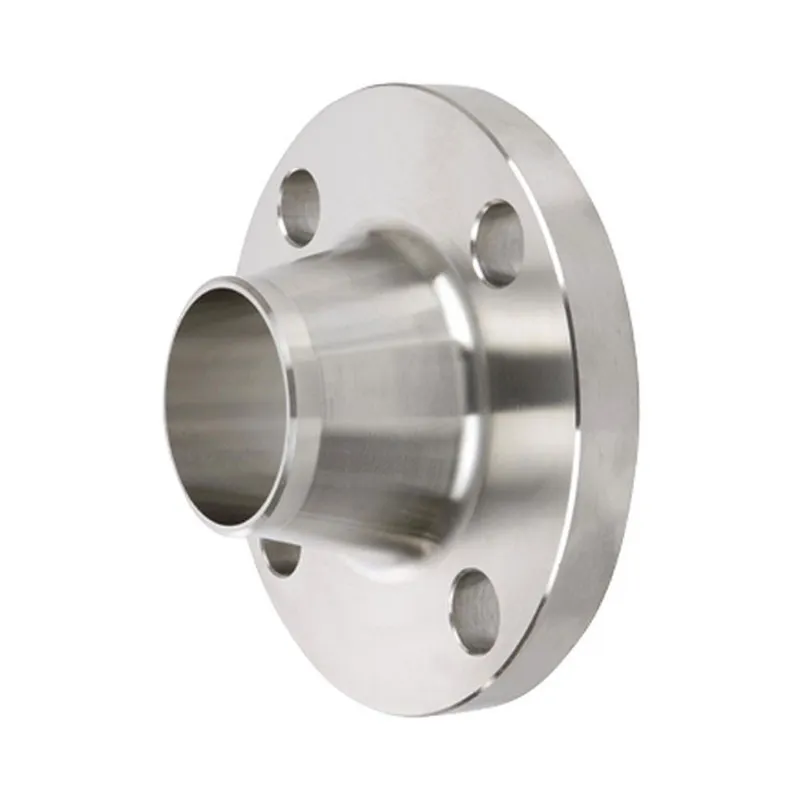
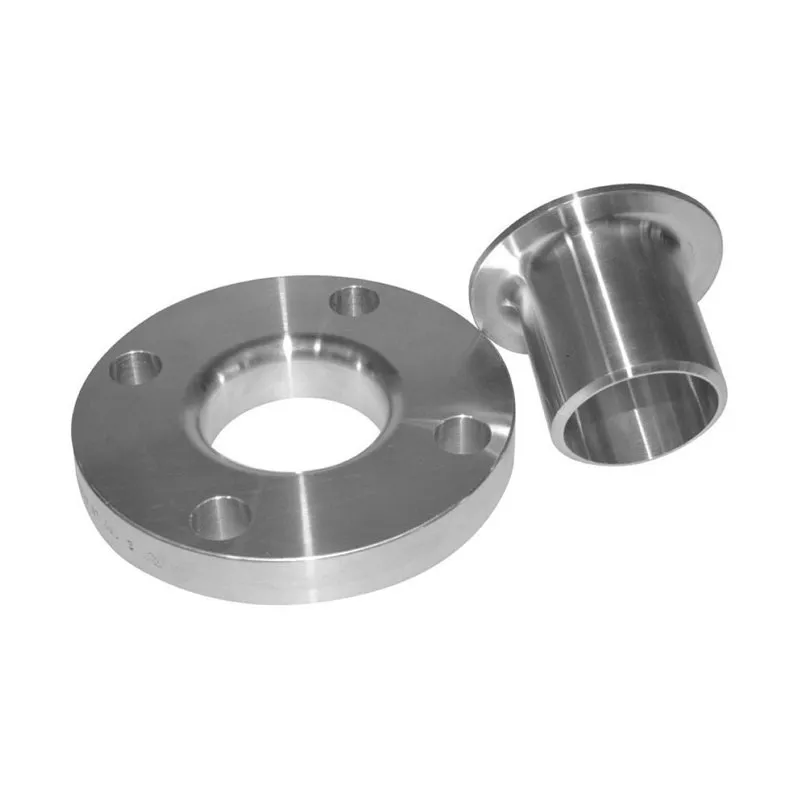
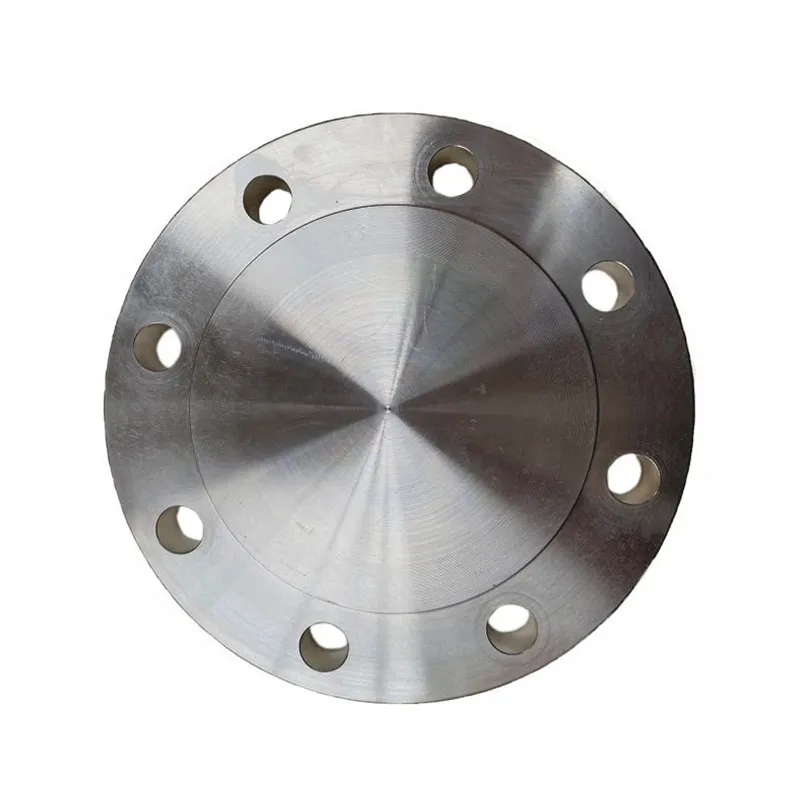
Best Sellingproducts
Best Selling Products-
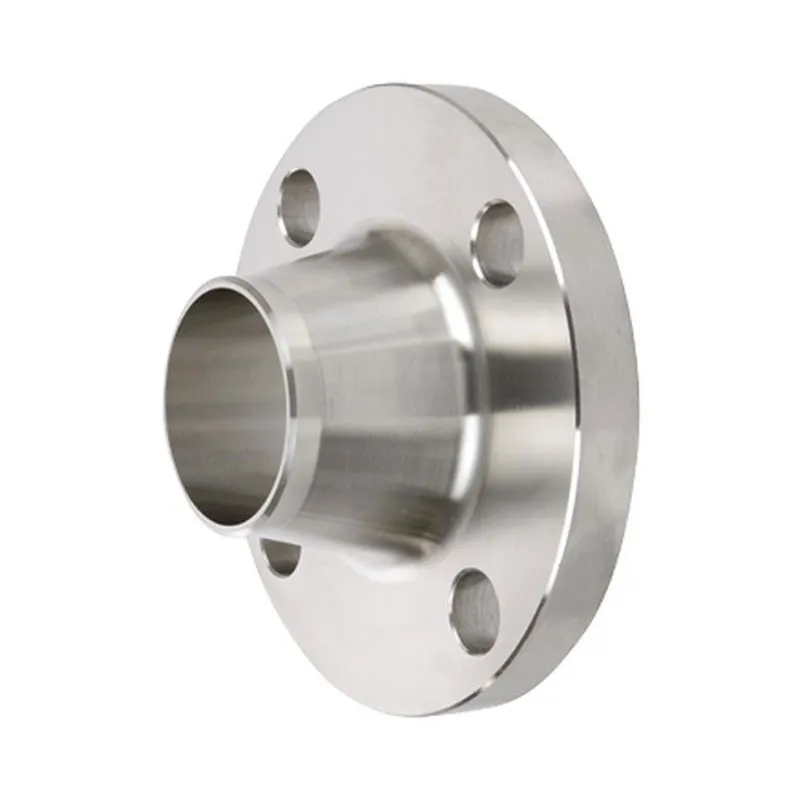 Ser.A Butt Weld Flanges Class 400
 -
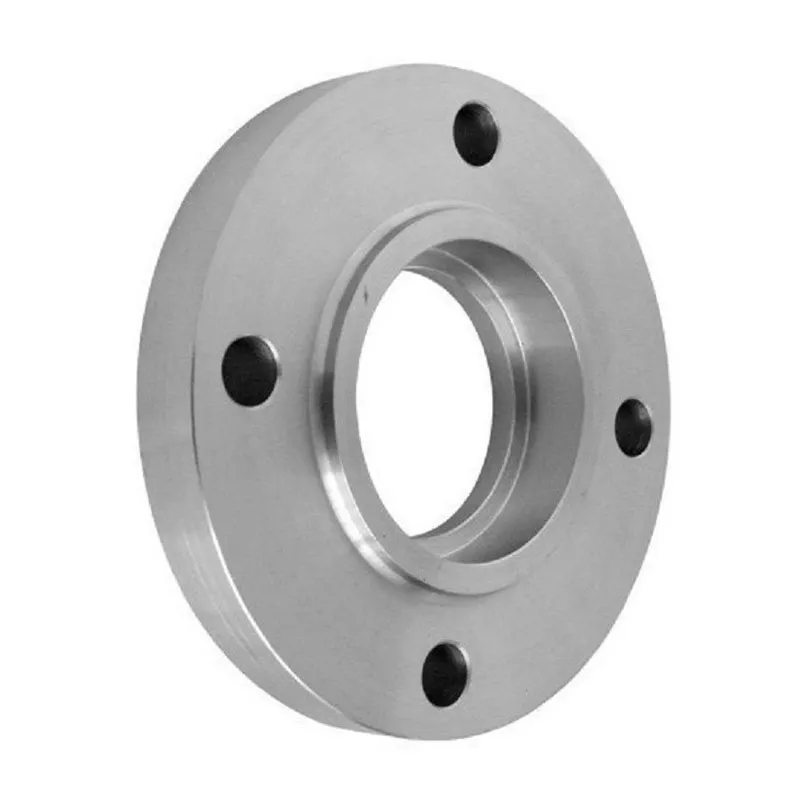 Socket Weld Flanges Class 300
 -
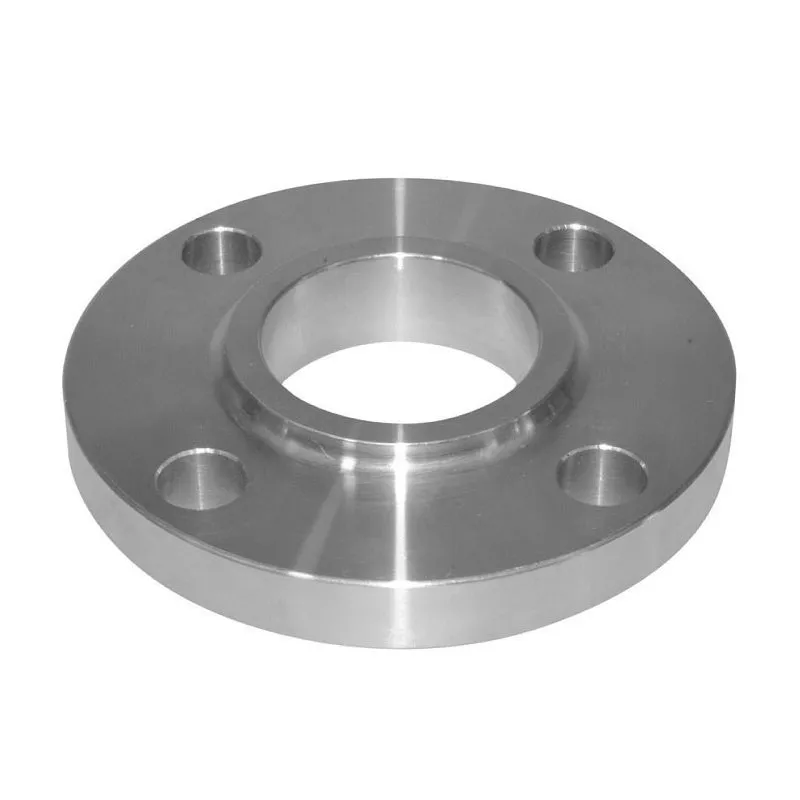 ANSI B16.5 Lap-on flanges Class 1500
 -
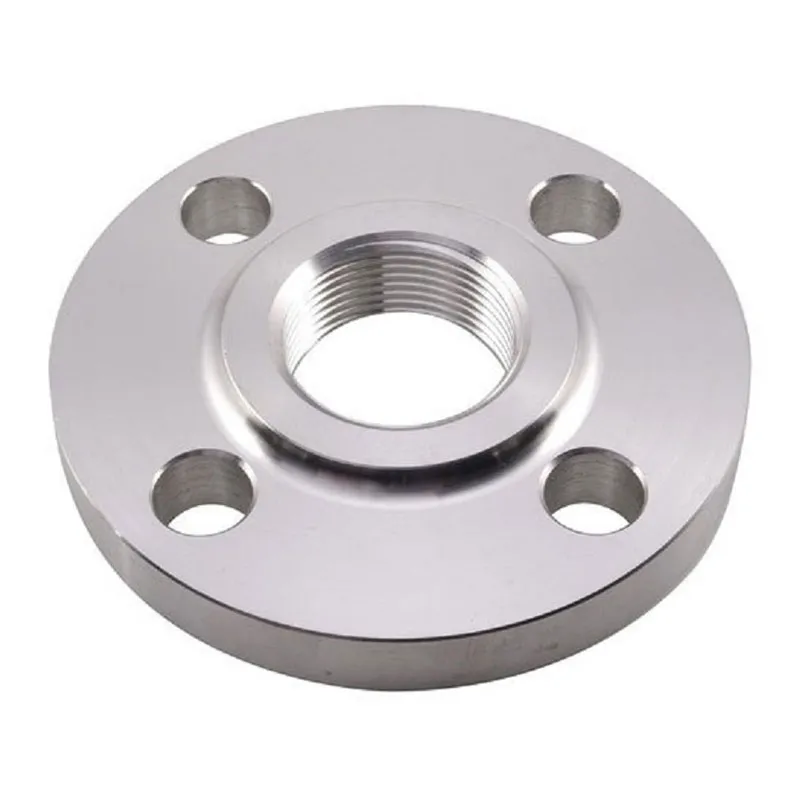 JIS 10K Overlay flanges
 -
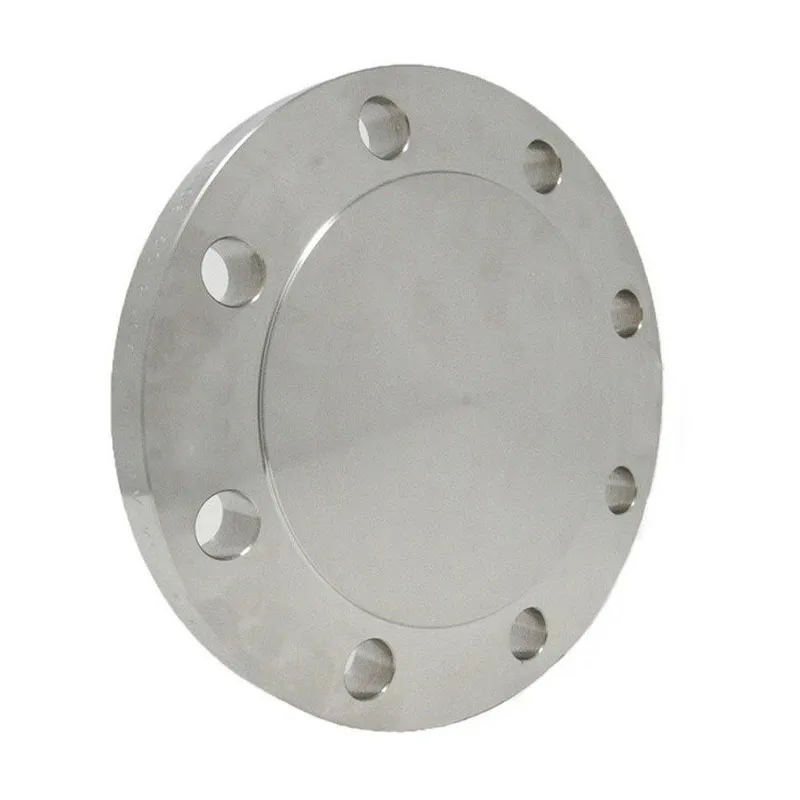 EN 1092-1 Blind flanges Type 05, PN10
 -
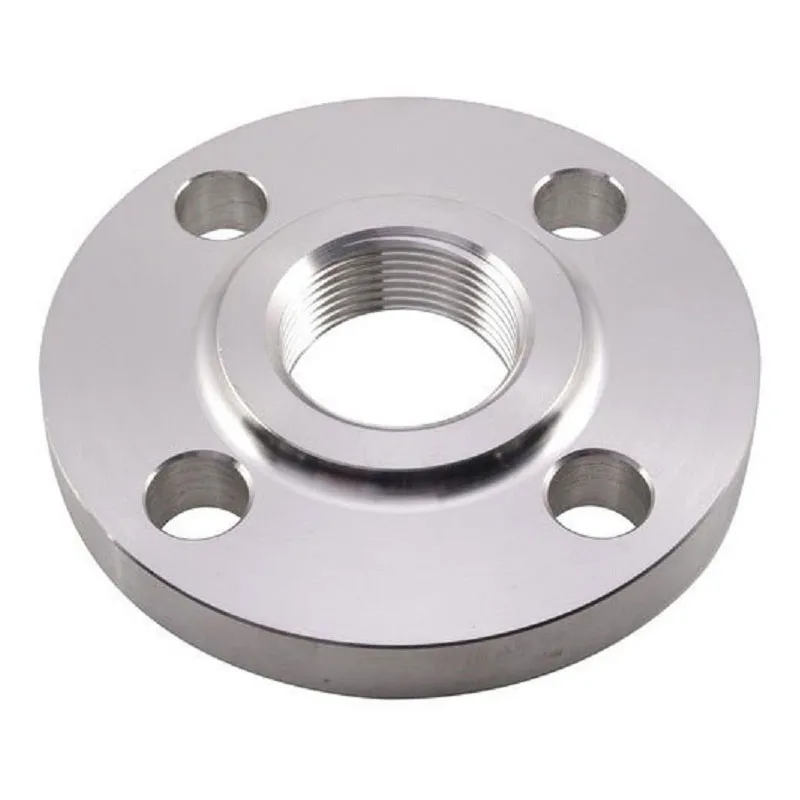 EN 1092-1 Threaded flanges Type 15, PN16
 -
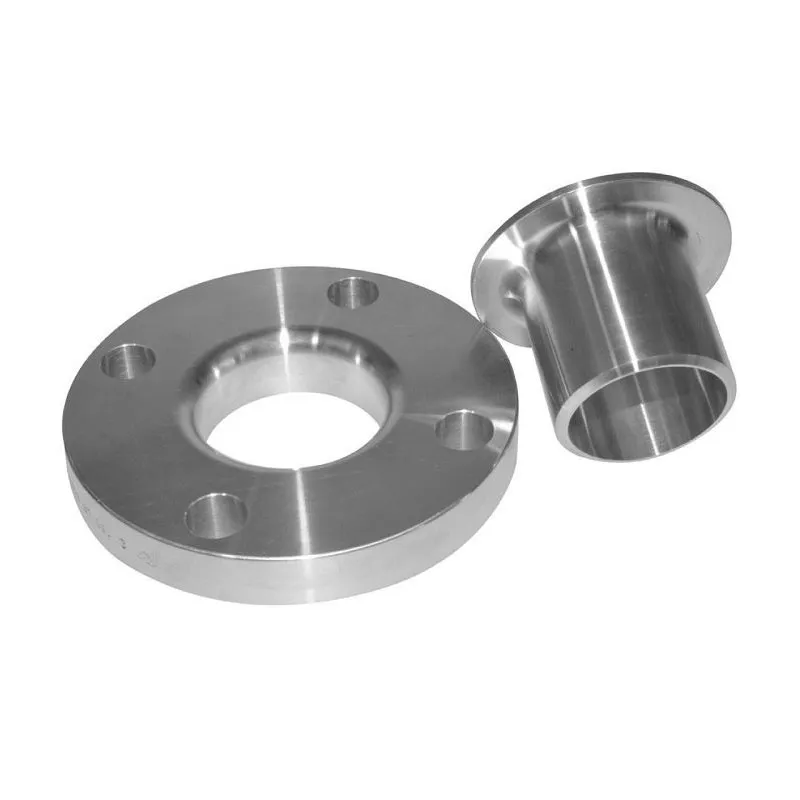 ANSI B16.5 Loose Ring Flanges Class 2500
 -
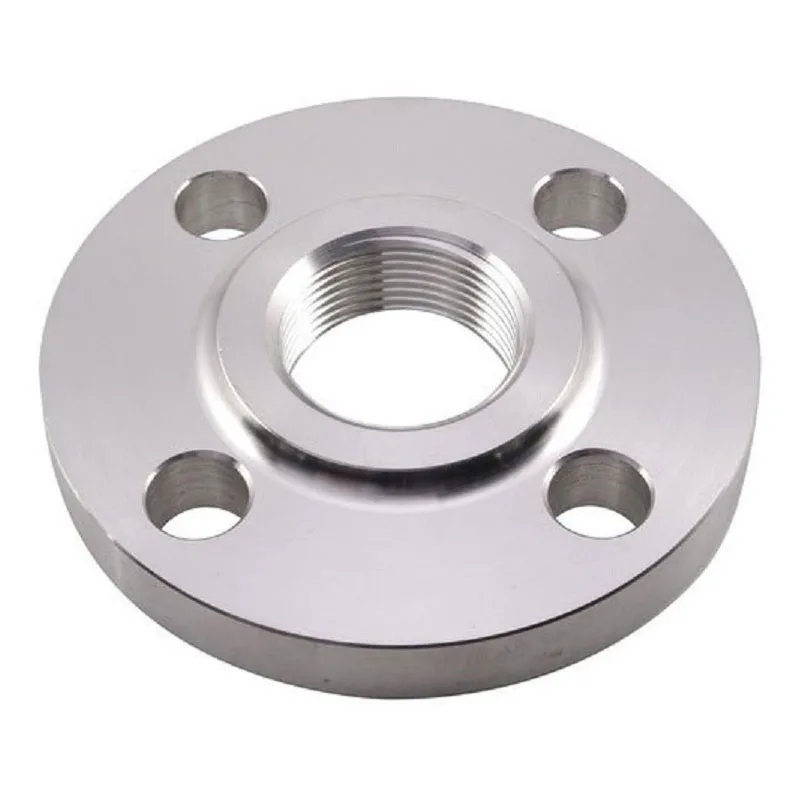 JIS 10K Threaded Flanges
 -
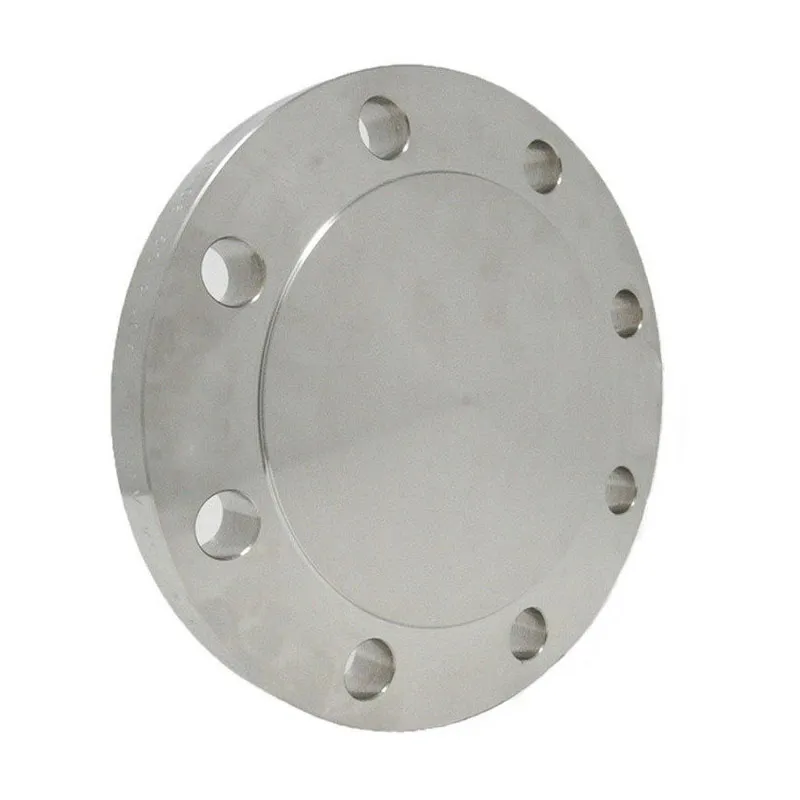 AWWA Blind Flanges Class D (Tables 1, 2, 3)
 -
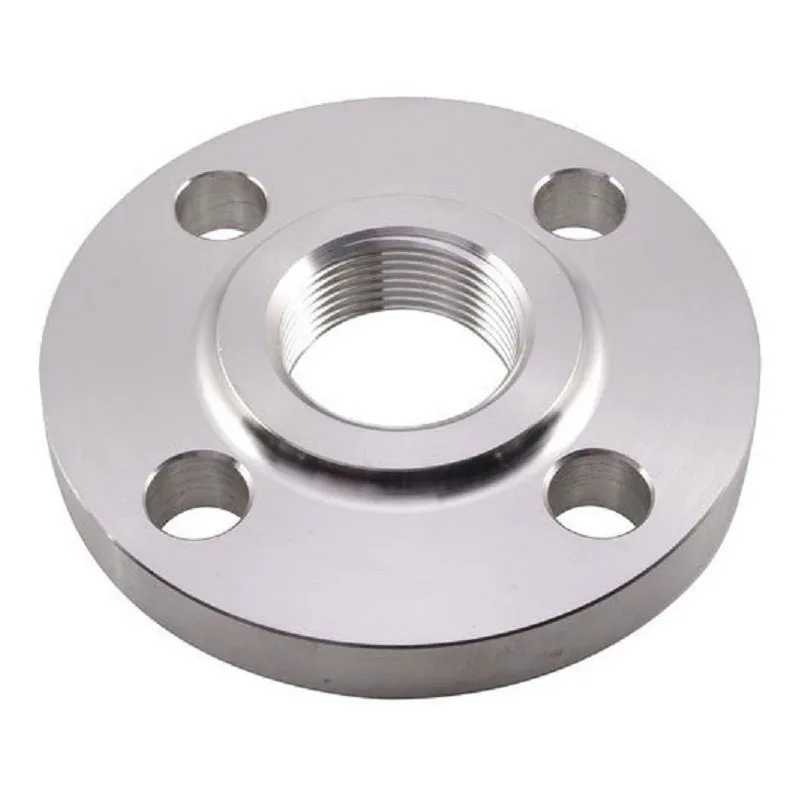 ANSI B16.5 Threaded Flanges Class 600
 -
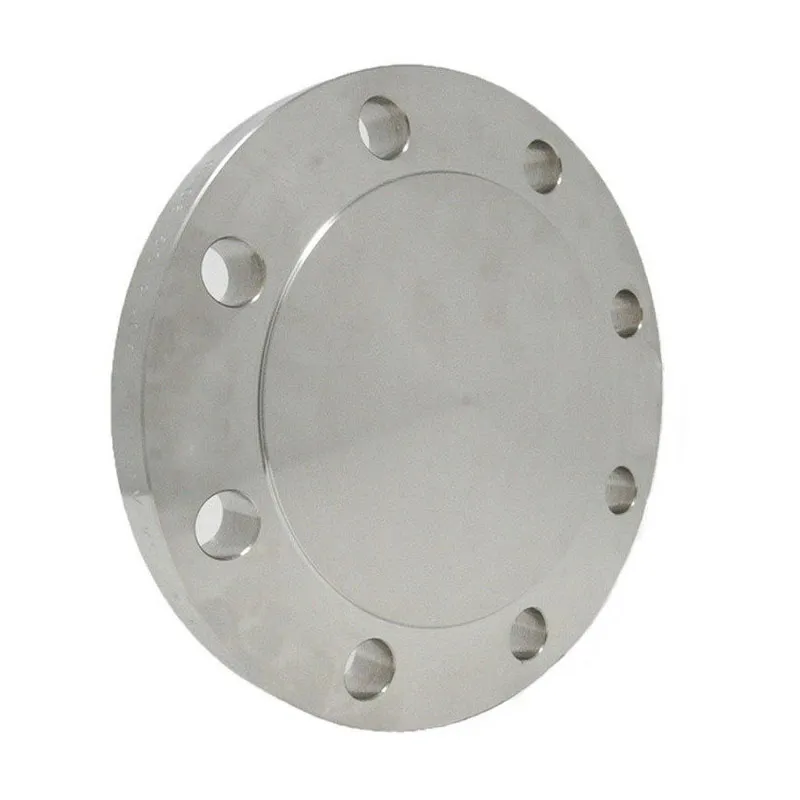 Blind flanges Class 150
 -
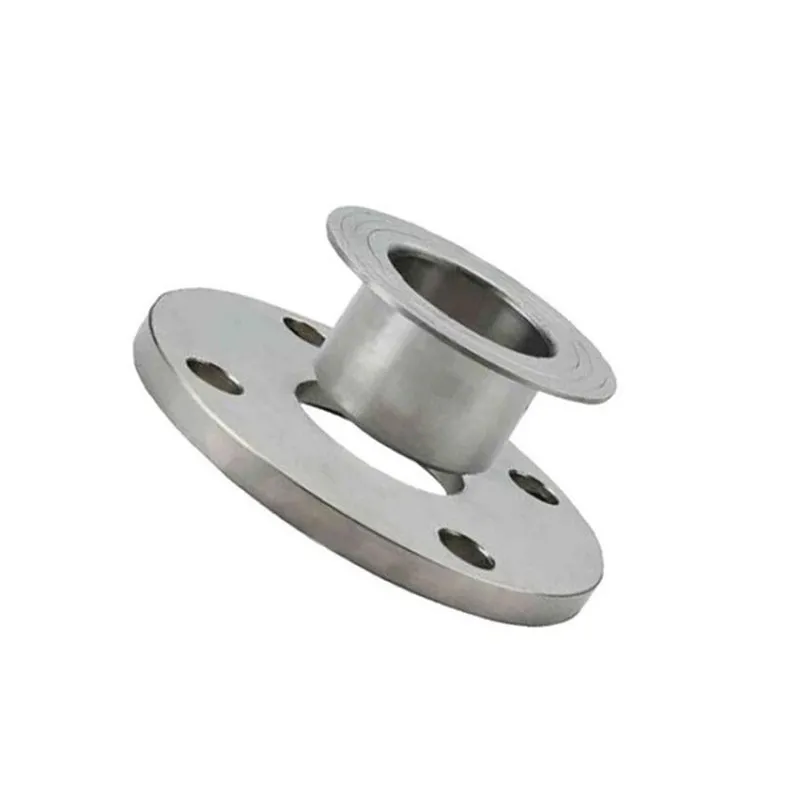 JIS 10K Loose Ring Flanges