
-
-
Phone
+86-13623462298



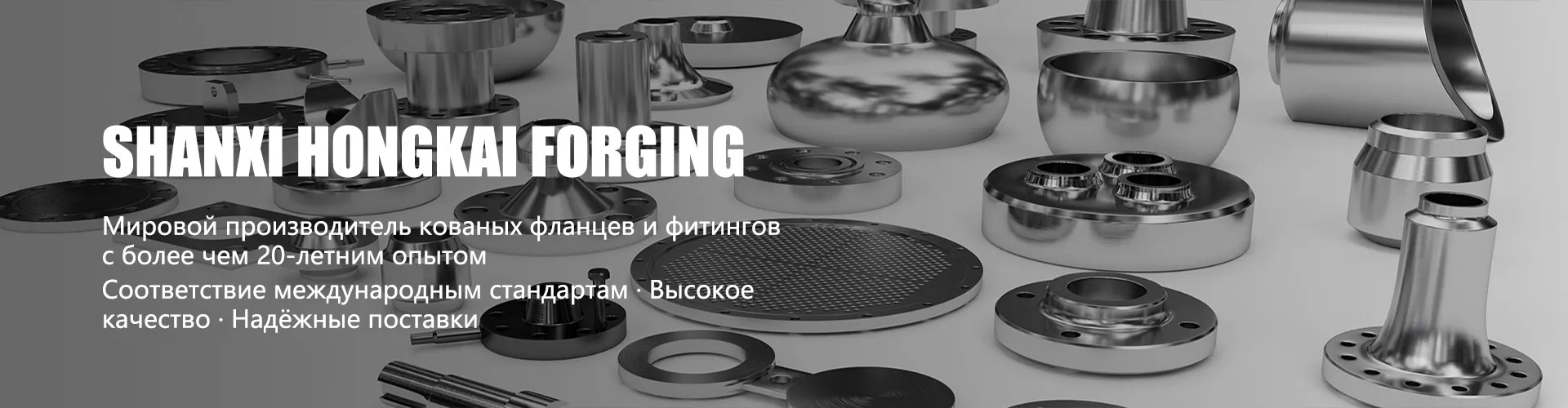
gost pipe flange
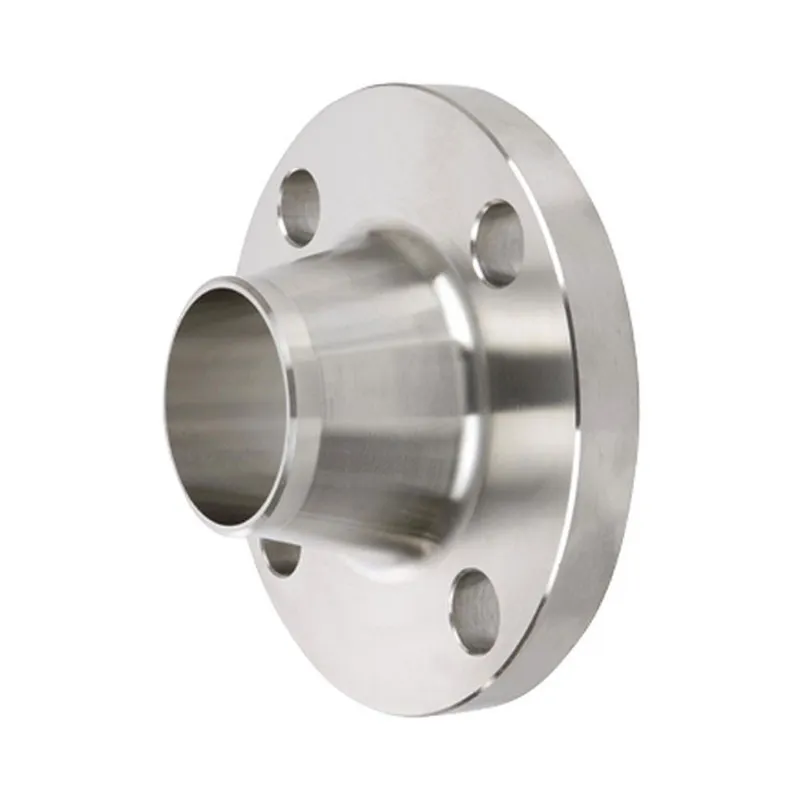
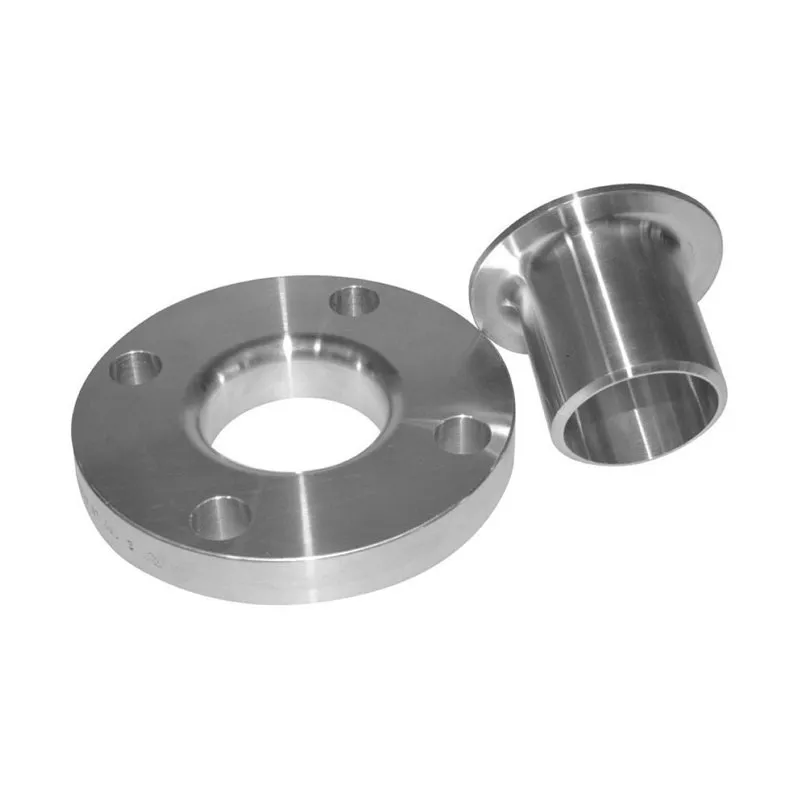
When they talk aboutgost pipe flange, many people immediately think about size and pressure. But in fact, the most difficult thing is not to find a table according to GOST 12820-80 or 12821-80, but to understand exactly what material and manufacturing technology are behind this standard. A common mistake is to assume that if the certificate says 'GOST', then everything will automatically work. In practice, especially with imported supplies, the “complies with GOST” brand may hide steel that, in terms of chemistry or mechanics, barely reaches St20 or 09G2S, but formally passes. I myself have encountered this several times, when visually the flange looked great, but during pressure testing it began to “sweat” in the area of the weld or stud holes.
Not just numbers in a table: live experience with materials
Let's take, for example, flanges for nominal pressure Ru16 or Ru25. According to the papers, everything is smooth: steel 20, forging, processing. But here’s a nuance - the heat treatment method. Some manufacturers, especially with large batches, save on normalization, especially for thicknesses over 30 mm. The result is an uneven structure, and when installed in northern regions, where temperatures drop below -30, there is a risk of brittle fracture. I have seen cracks on these flanges after the first warm-up-cool cycle on a hot water line. And this despite the fact that the certificates were in perfect order.
Therefore, now I always clarify not just “complies with GOST”, but which manufacturing plant and its reputation. One of the proven options that often comes up in serious projects isShanxi Hongkai Forging Co.,Ltd. Their websitehttps://www.hkflange.ru- this is not just a catalog, it shows that the company works with forgings, and not with casting or cutting from sheets, which is critical for critical components. They position themselves as a manufacturer in one of the centers of the forging industry in China, and what is important is that they work exactly according to GOST, and not just 'similarly'. This is evident in the details: for example, in the way they describe toughness control for steel grades used in low-temperature applications.
Another point that is rarely discussed is surface quality and chamfer tolerances. According to GOST, there are certain requirements for surface cleanliness and bevel angles for welding. On cheap flanges, the chamfer is often removed “as it happens,” unevenly, which then leads to difficulties in fitting and butt welding, especially with large-diameter pipes. It has to be modified manually, which increases the cost of installation. The same Hunkai, judging by the description of the nomenclature, has flanges for a welded ring and free ones, and these are precisely those types where the accuracy of geometry and processing is critical. If they make up to DN4000, then most likely they have equipment to control such dimensions.
Standards and reality: GOST versus 'looks like GOST'
Confusion often arises between flanges made strictly according to GOST drawings, and flanges that 'fit' in size. For example, a flange according to GOST 12820 (flat welded) and a flange according to DIN 2576 may have similar mounting dimensions, but different diameters of bolt holes or their number. In a pair of 'gost pipe flange' - this is the key point. Installers sometimes try to join such flanges by using adapter studs or by reaming the holes. This is a serious mistake that can lead to misalignment and leakage. I myself once allowed such an assembly on a temporary low-pressure line, and as a result I had to urgently stop the section due to a leak in the flange connection after six months. The connection worked under vibration, and the uneven load on the studs did its job.
Therefore, for critical pipelines, especially in the energy or chemical sectors, I now insist on full compliance not only with the standard, but also with traceability of the material. It's good when a manufacturer like the one mentionedShanxi Hongkai Forging Co.,Ltd, directly indicates that it manufactures products in accordance with GOST, ASME, EN and other standards. This is not just a line in the description. This means that the plant likely has a quality management system that separates production flows and documentation into different standards. For me this is an indirect sign of order.
More from practice: it is important to look at the markings. This flange, according to GOST, must be stamped with the steel grade, nominal pressure, type of execution (for example, for different climatic conditions) and the sign of the manufacturer. If the marking is painted and erased, or is not there at all, this is a reason to be wary. Large manufacturers usually do impact markings or engravings.
Practical nuances of installation and selection
Let's say the flange is selected correctly and the material is checked. Next is installation. This also has its own pitfalls, related specifically to the specifics of GOST flanges. For example, recommendations for tightening studs. Foreign standards often use tables with tightening torques for different grades of steel and lubricants. In domestic practice, they often act “by feeling,” which leads to either understretching or overtightening. Over-tightening is especially dangerous for carbon steel flanges and can lead to creep and loss of tension over time.
Another point is the gaskets. For GOST flanges with a smooth sealing surface (type 1 or 2), soft gaskets (paronite, fluoroplastic) are often used. But if the pressure is high or the environment is aggressive, an accurate calculation of the width and thickness of the gasket is needed. An incorrectly selected gasket can be squeezed into the pipeline, especially if the flanges have a small flange height. I came across a situation where on a Ru25 steam pipeline, after repairing and replacing the gasket with a thicker one (to compensate for imperfect surfaces), it was simply squeezed out in the first hour of work. I had to stop, disassemble and install the standard one, after checking the flatness of the flanges.
In this context, it is interesting that manufacturers likeShanxi Hongkai Forging Co.,Ltd, who make flanges according to customer drawings, are often willing to provide not only the product itself, but also installation recommendations based on their manufacturing experience. This is especially true for non-standard large-diameter products (DN1000 and above), where issues of warping during welding and subsequent tightening are critical. On their website you can see that they have a wide range of sizes - up to DN4000, which means they definitely have experience with large-sized forgings.
Case study: when 'savings' on flanges turned into downtime
I would like to give one example that well illustrates the importance of quality. We had a project - a section of a process pipeline with inert gas, the pressure was low, about 10 atm. The customer, wanting to save money, purchased flanges from a little-known supplier. According to the documents - steel 09G2S, GOST. There were no complaints during a visual inspection. But when they began installation, the welders noticed the strange behavior of the metal when heated - it somehow melted and flowed too easily. We decided to conduct a rapid analysis with a spectrometer. It turned out that the carbon and manganese content did not correspond to the declared brand; most likely, it was ordinary St3. The flanges, of course, were rejected. But time was lost, the installation schedule was disrupted. I had to urgently look for a replacement. Then we contacted manufacturers with a more transparent supply chain and control, where it was possible to request not only a certificate, but also factory test reports. It is in such situations that you understand the value of suppliers who, likeShanxi Hongkai Forging Co.,Ltd, directly declare compliance with international and national standards - this is not marketing, but a necessity for a serious market.
After this incident, we included in our technical specifications a mandatory requirement to provide copies of certificates with the manufacturer’s seal and, if possible, the results of chemical analysis for critical lines. This added paperwork, but saved several potential accidents.
Instead of a conclusion: what to look for today
So, to summarize informally.GOST pipe flange- this is not just a piece of iron with holes. This is the unit on which the tightness and safety of the entire system depends. When choosing, I now focus on three things besides the standard itself. Firstly, the origin and reputation of the manufacturer. Sites like hkflange.ru, where specialization in forgings is visible and standards are clearly indicated, are more trustworthy than vague catalogs of everything in a row. Secondly, material traceability. It is important that the entire history from the ingot to the finished flange can be traced. Thirdly, geometry and processing. Especially for large diameters and non-standard designs.
The market is saturated with offers, but the difference in price often reflects the difference in the quality of the metal, the precision of processing and, ultimately, in reliability. Savings of 10-15% on flanges can result in multiple losses due to downtime, repairs or, God forbid, accidents. Therefore, my advice is not to be lazy in asking questions to the supplier, request additional documents and, if possible, work with trusted manufacturers who do not hide their approach to technology. Like those from Shanxi, who emphasize forging and GOST compliance as a basis, and not as a line in the specification.
Correspondingproducts
Related Products
Best Sellingproducts
Best Selling Products-
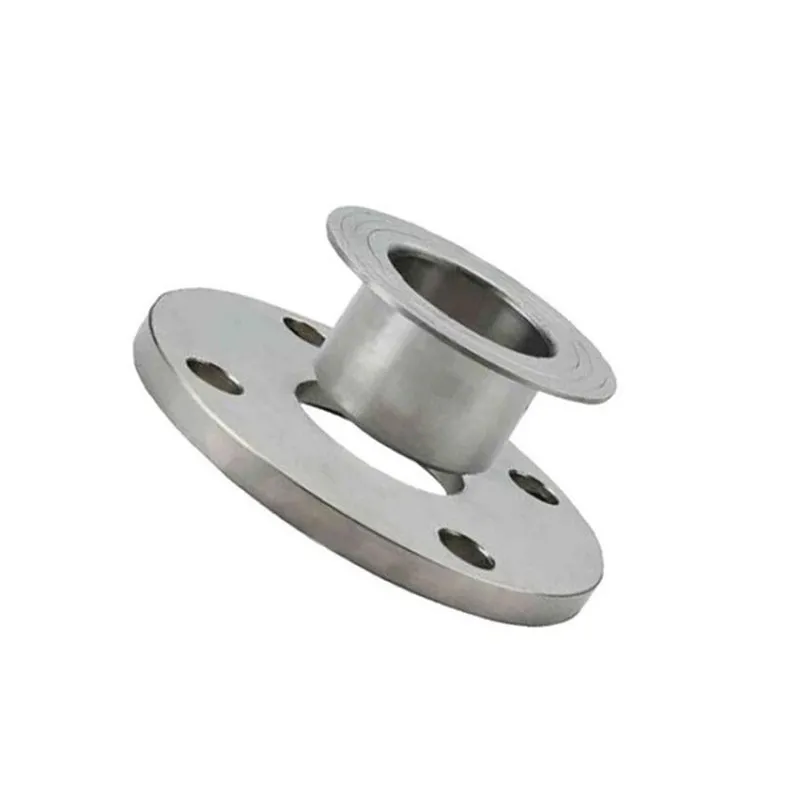 JIS 10K Loose Ring Flanges
 -
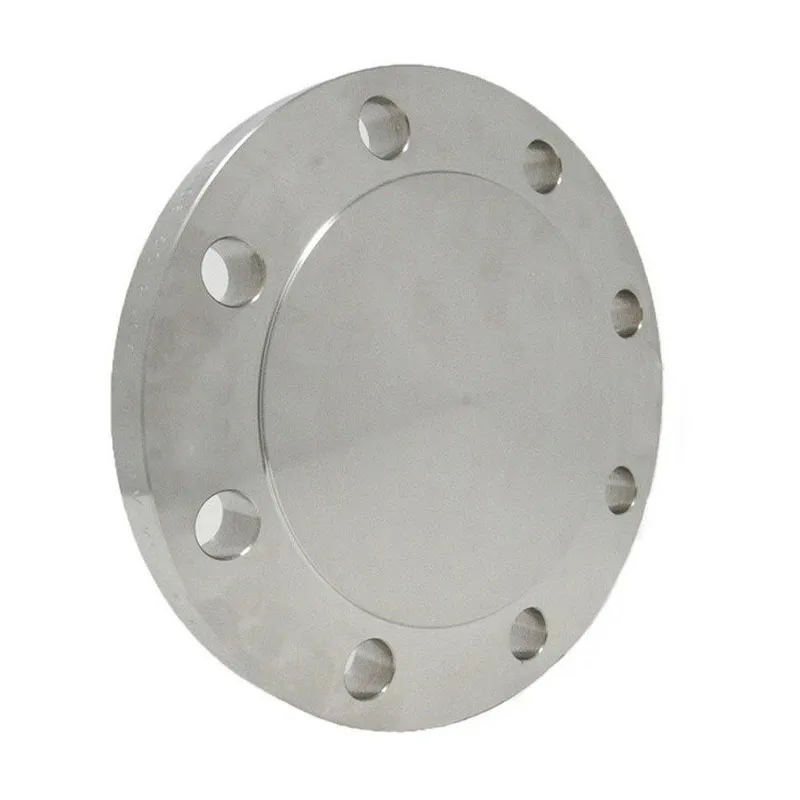 EN 1092-1 Blind flanges Type 05, PN10
 -
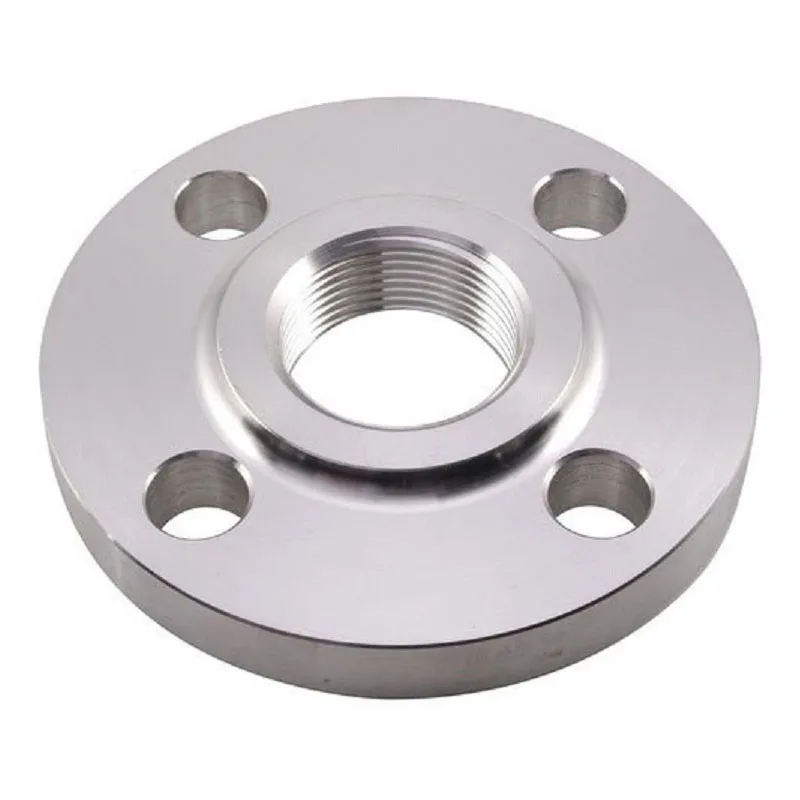 DIN 2566 Threaded flanges PN16
 -
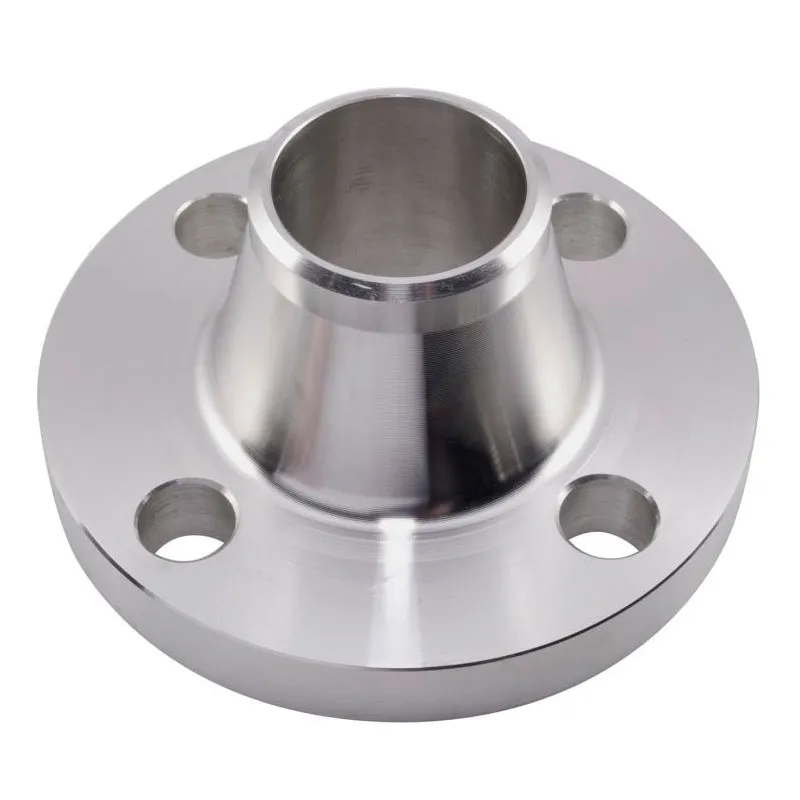 UNI 2281 Butt weld flanges PN10
 -
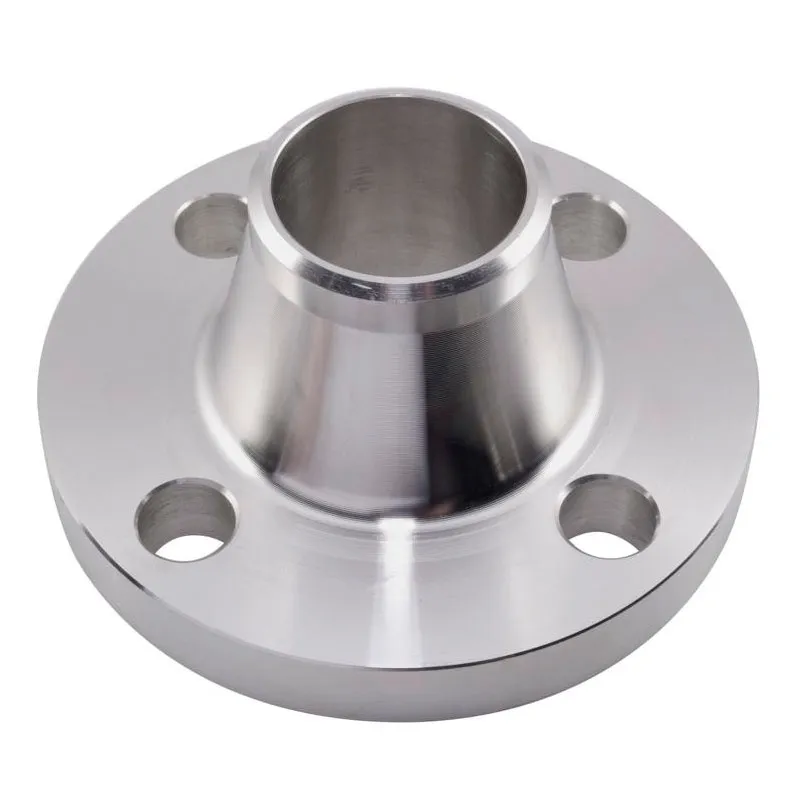 Butt weld flanges Class 900
 -
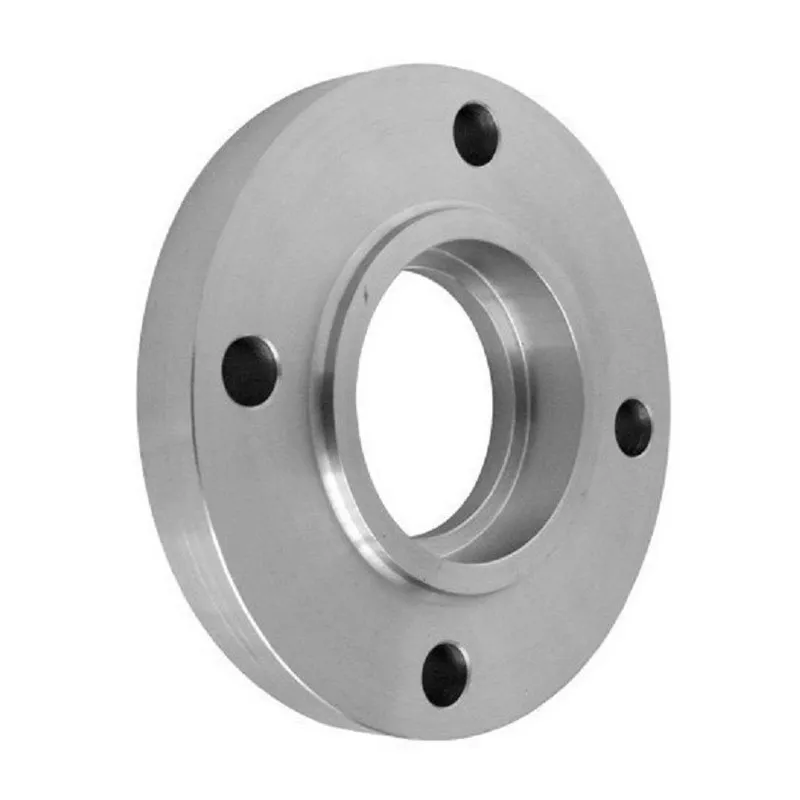 JIS 5K Socket Weld Flanges
 -
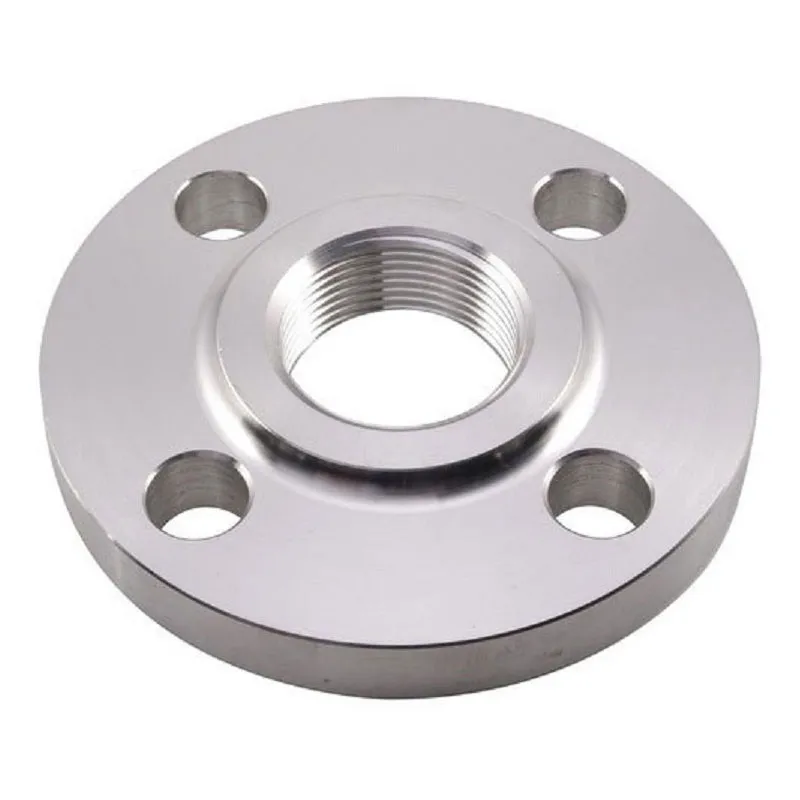 DIN 2565 Threaded flanges PN6
 -
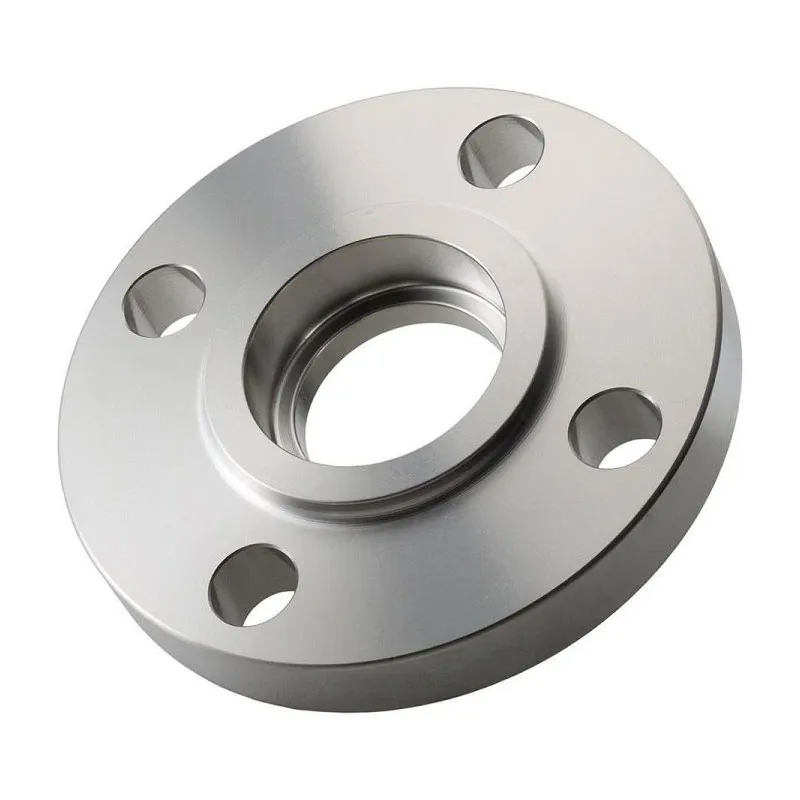 ANSI B16.5 Socket Weld Flanges Class 150
 -
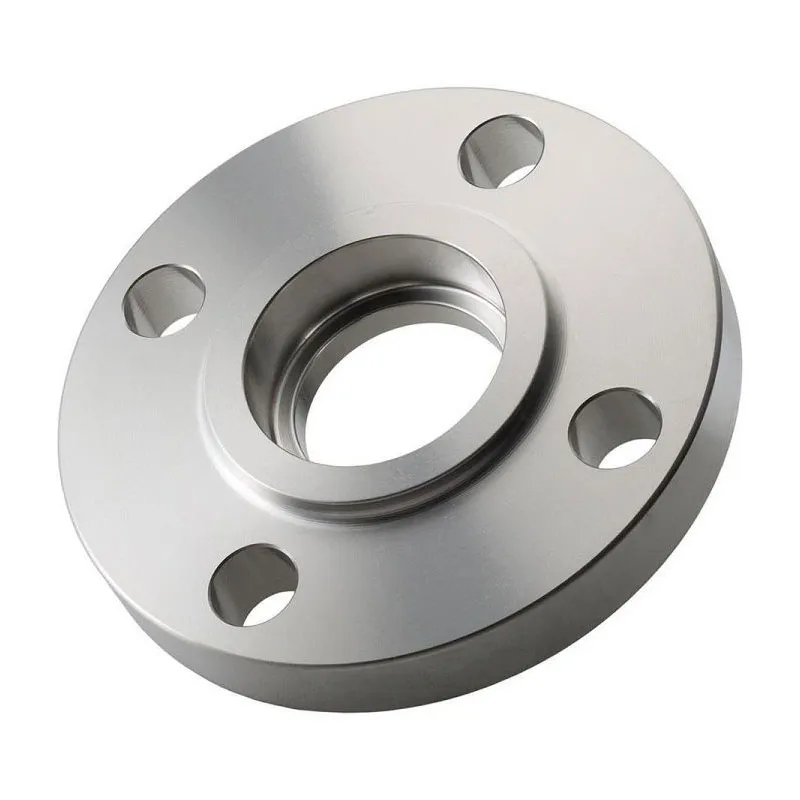 ANSI B16.5 Socket Weld Flanges Class 1500
 -
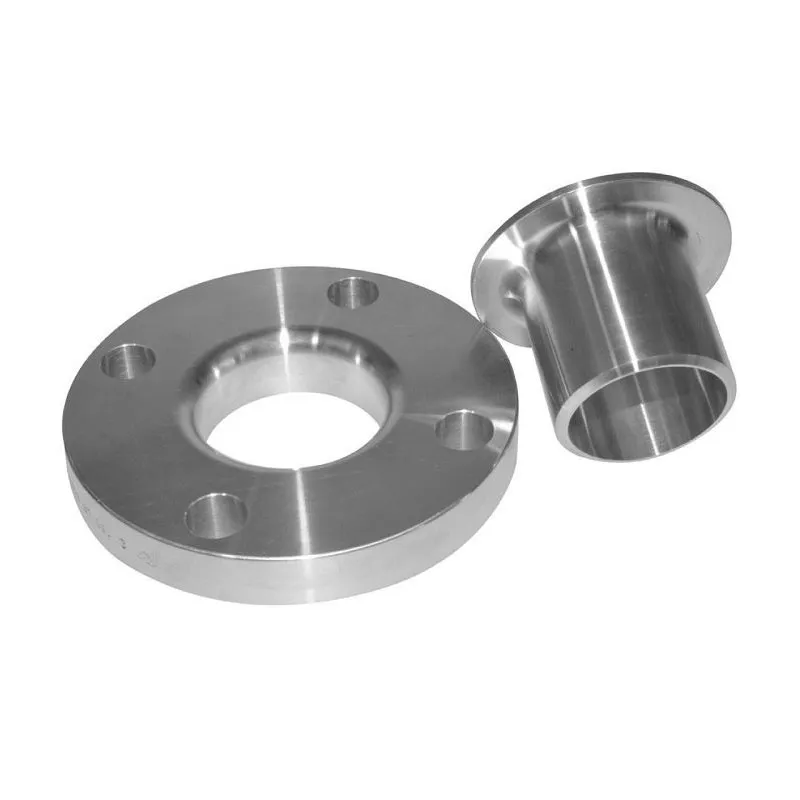 ANSI B16.5 Loose Ring Flanges Class 2500
 -
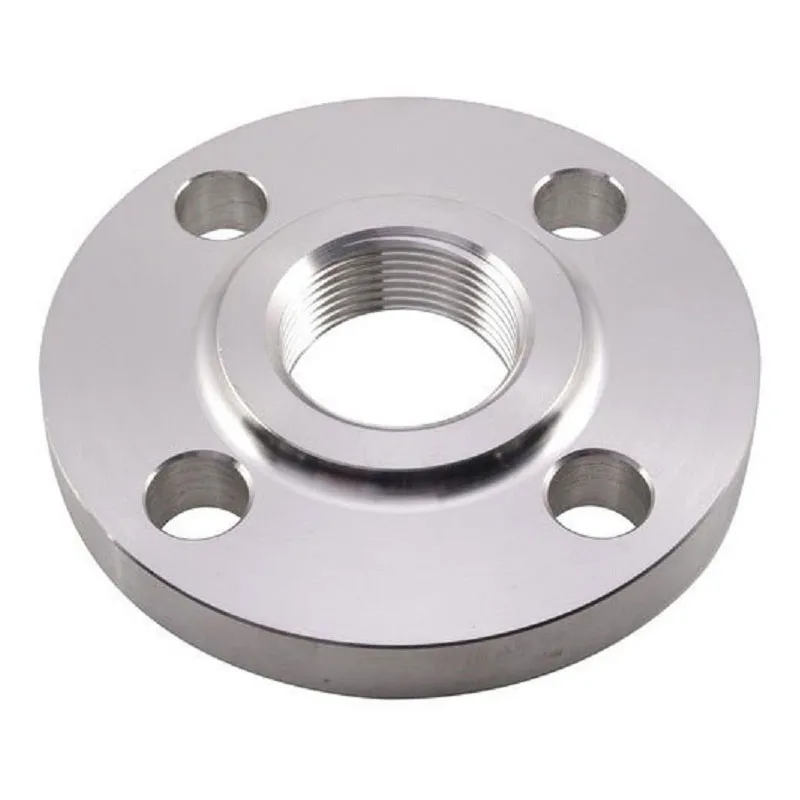 EN 1092-1 Threaded flanges Type 15, PN16
 -
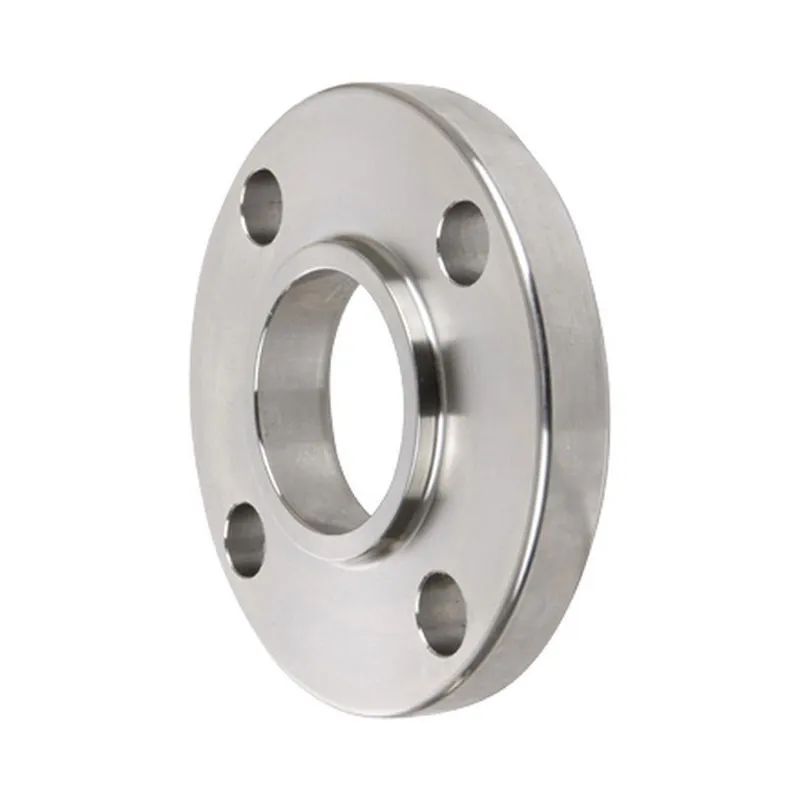 DIN 2501 Overlay flanges PN16
Relatedsearch
Related Search- GOST calculation of flange connection
- installation of insulating flange connections
- tightening torque of flange connections table
- requirements for flange connections of fittings
- push flange
- swivel plugs for flange connections
- cast iron and steel flanges
- flanges 76 mm
- calculation of the tightness of a flange connection
- flange DN 100 16