
-
-
Phone
+86-13623462298



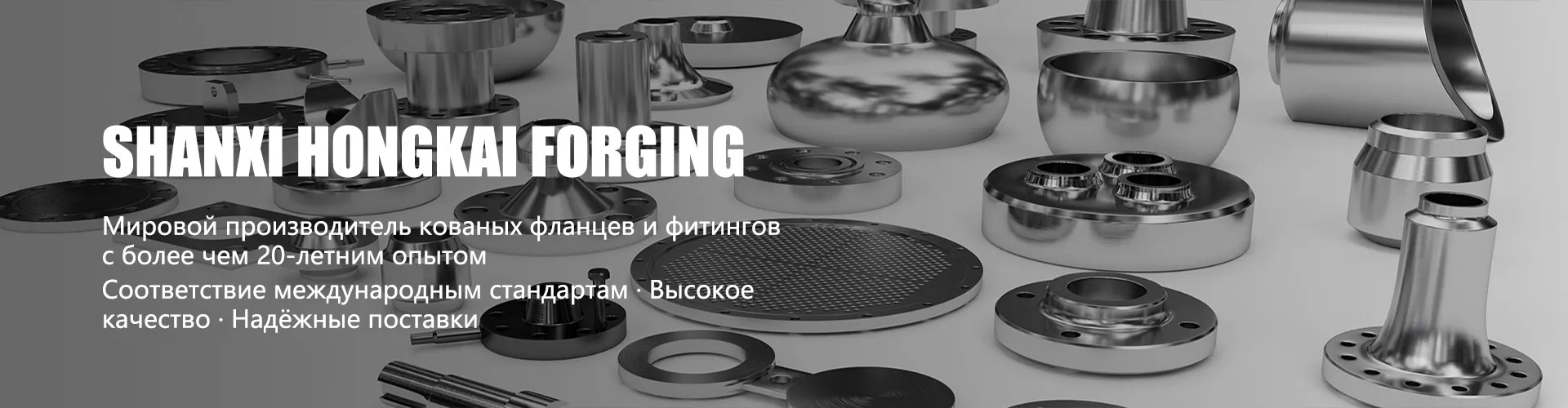
pipe flange 50
When they say “flange for pipe 50”, many people immediately imagine a simple steel disk with holes. But in practice, especially when working with pressure or aggressive media, this simplicity is deceptive. The main mistake is to assume that all DN50 flanges are interchangeable. The difference in standards - GOST, ASME B16.5, EN 1092-1 - is not just numbers in the documentation, but different geometries of sealing surfaces, tolerances, materials. It happened that we received a shipmentpipe flanges 50according to ASME, and assembled onto a pipeline designed according to GOST. It seems that the nominal diameters are the same, but when joining, problems begin: the holes for the studs do not match, the thickness, and the tongue-and-groove surface profile are different. The result is rework, downtime, and extra costs. Therefore, the first and main lesson: always check not only the DN, but also the version according to the standard, the type of seal, and the working pressure PN/PN.
Material and forging: why isn't it just ?steel?
There are also a lot of nuances here. For conditional DN50 they can offer flanges made from steel 20, from 09G2S, from 12Х18Н10Т. The choice depends on everything: medium temperature, pressure, presence of vibrations. For example, for one heating network project I insisted on using 09G2S steel instead of the cheaper St3sp forflanges 50 mmworking outdoors at low temperatures. The customer was initially reluctant, but after explaining the risks of cold brittleness he agreed. Winter showed that the decision was correct - on the neighboring site there were problems with conventional flanges.
When it comes to manufacturing, it is important to understand the difference between stamping and open forging. For critical applications, especially large series or non-standard thicknesses, forging produces better metal structure. I just saw the productsShanxi Hongkai Forging Co.,Ltd— they specialize in forged flanges. Their assortment includes sizes up to DN4000, but even for our modest DN50, forging matters when it comes to high parameters. Their website shows that they work according to a bunch of standards, which immediately suggests export quality control.
By the way, about control. A good manufacturer always provides certificates with mechanical tests and chemical analysis. For a 50 mm flange this is no less important than for a 500 mm flange. I remember a time when we saved money and bought flanges without documents. During installation, one burst when tightened - it turned out to be segregation in the metal. Since then, documents have been a mandatory requirement.
Types of flanges for DN50 and where they are “twisted”
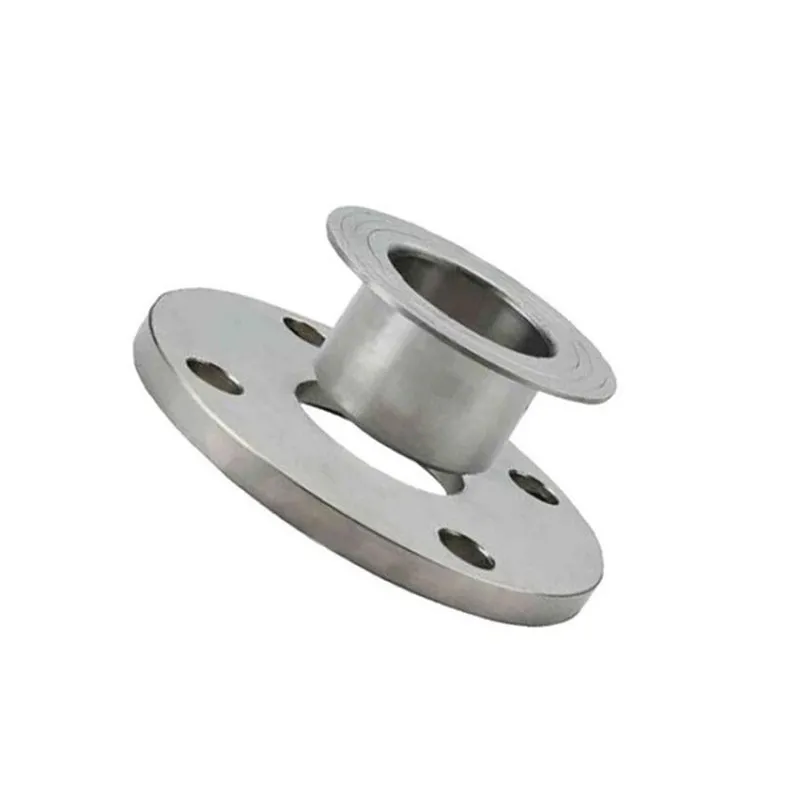
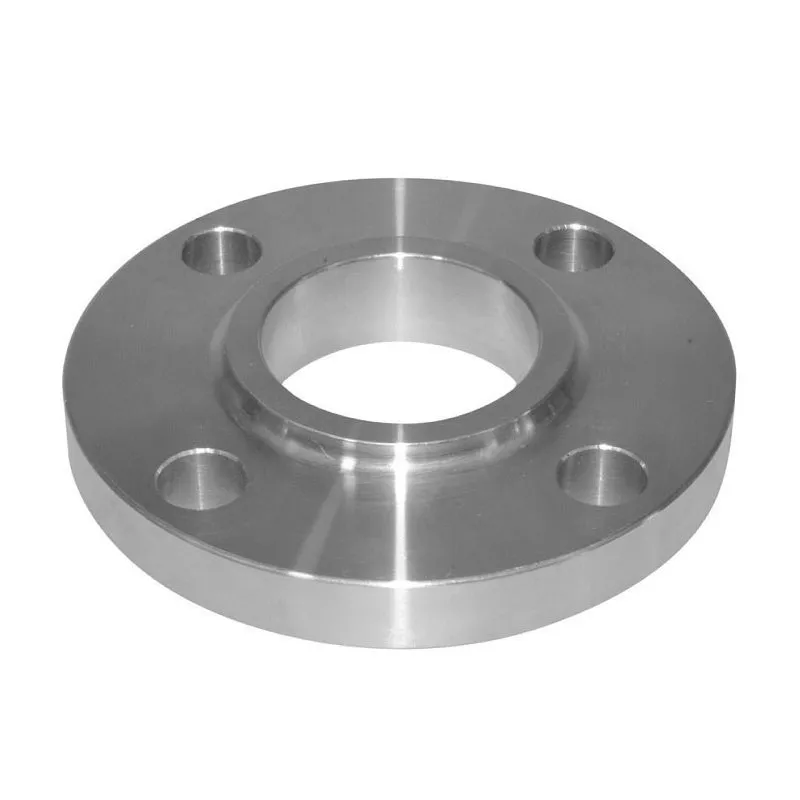
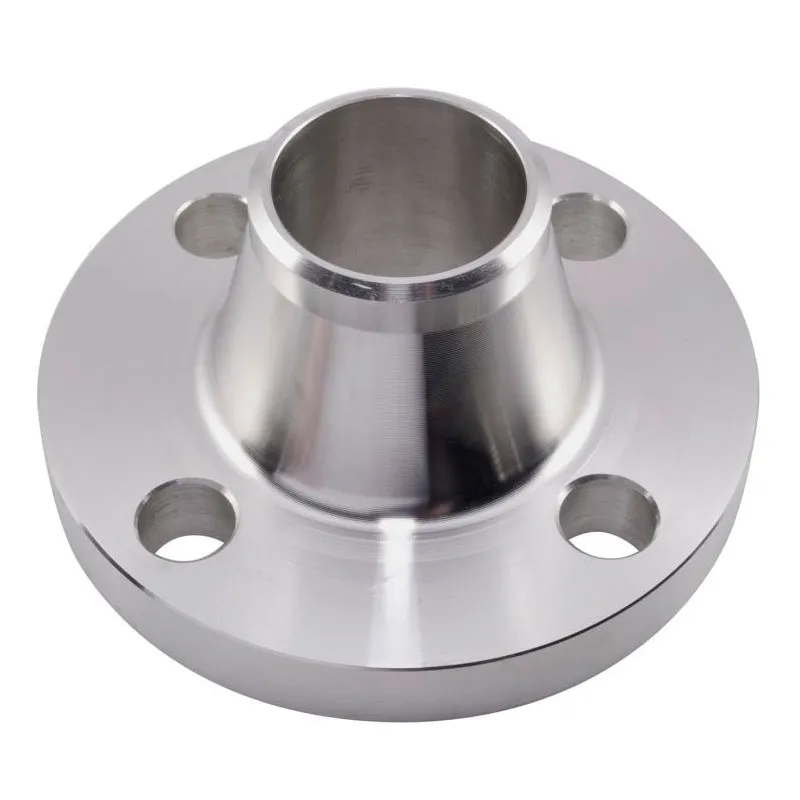
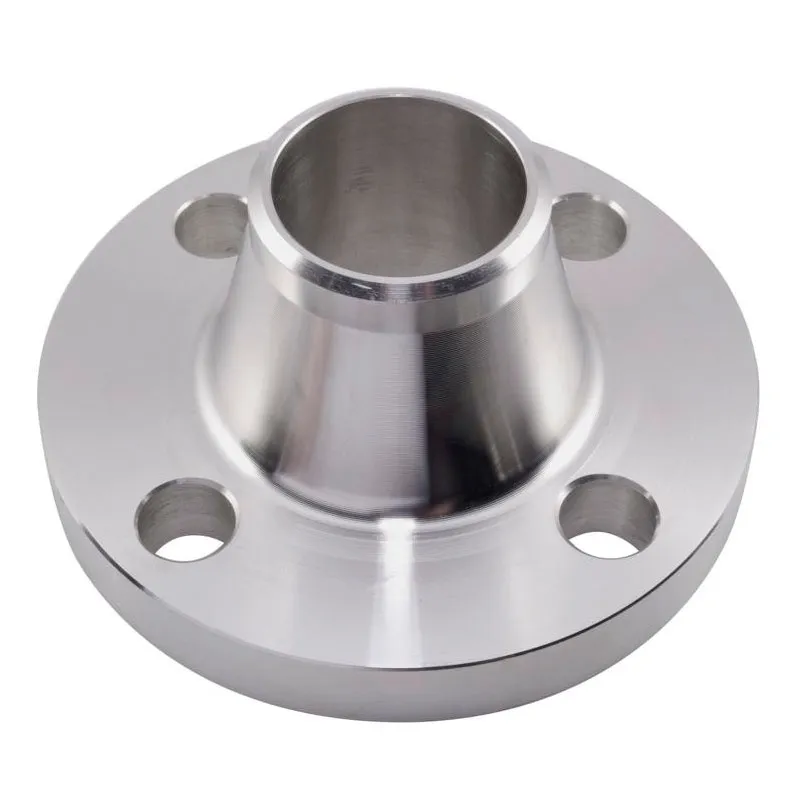
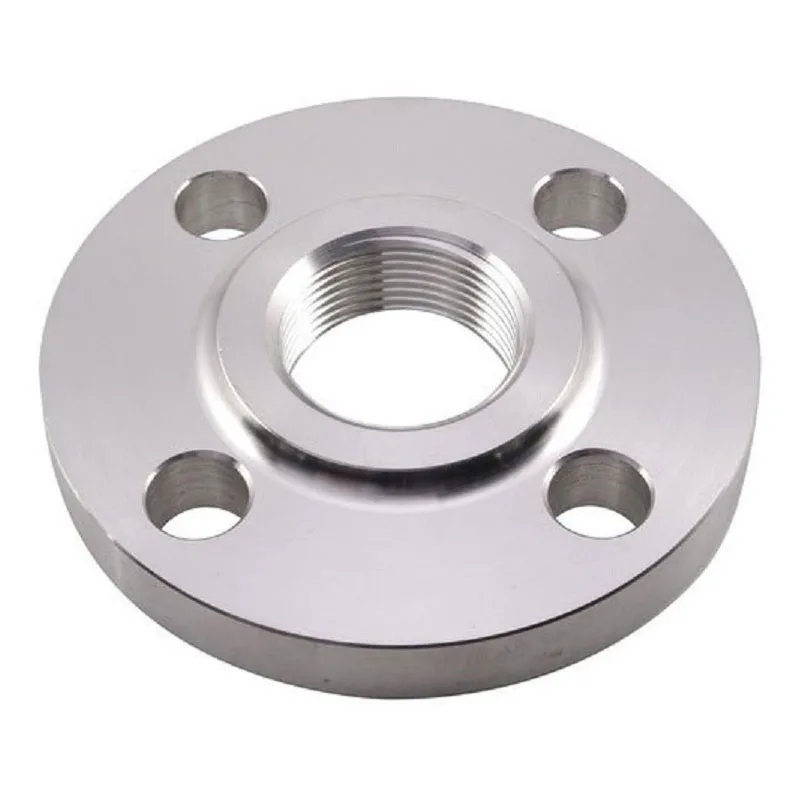
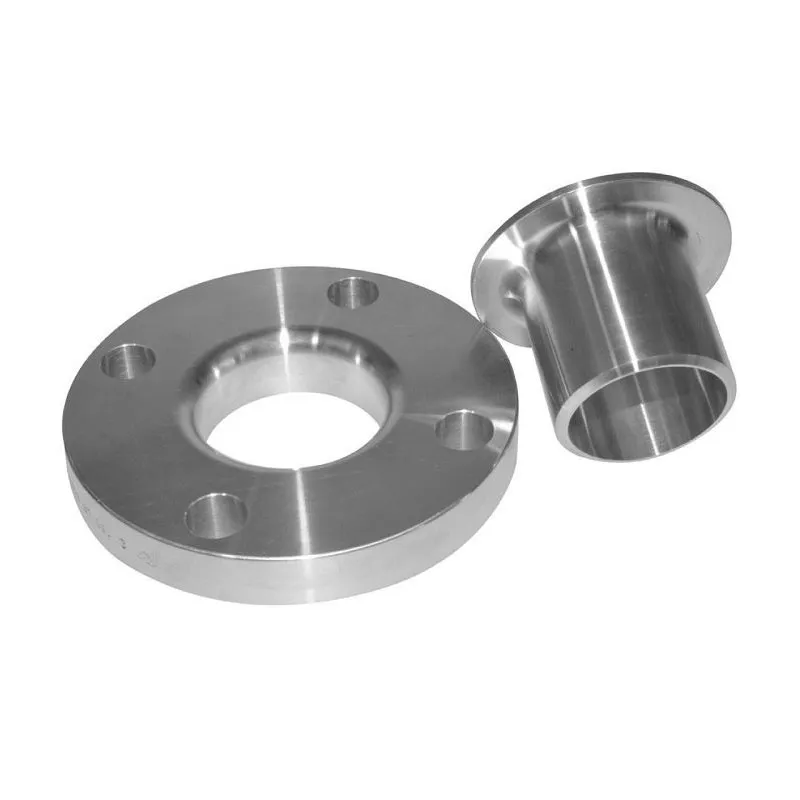
For a 50 mm pipe, butt welds (collar welds) and flat welds are most often used. Free ones on a welded ring are also an option, convenient for installation, but more expensive. I would use 50 mm threaded flanges with caution, only for low pressure and non-aggressive environments - the thread is always a place of potential leakage.
From practice: on the process pipelines of a chemical plant for DN50, butt flanges were almost always used. Why? Because they better withstand temperature changes and vibration due to a smooth transition from flange to pipe. Flat ones were more often installed on water supply and ventilation - where the parameters are lower and installation is easier.
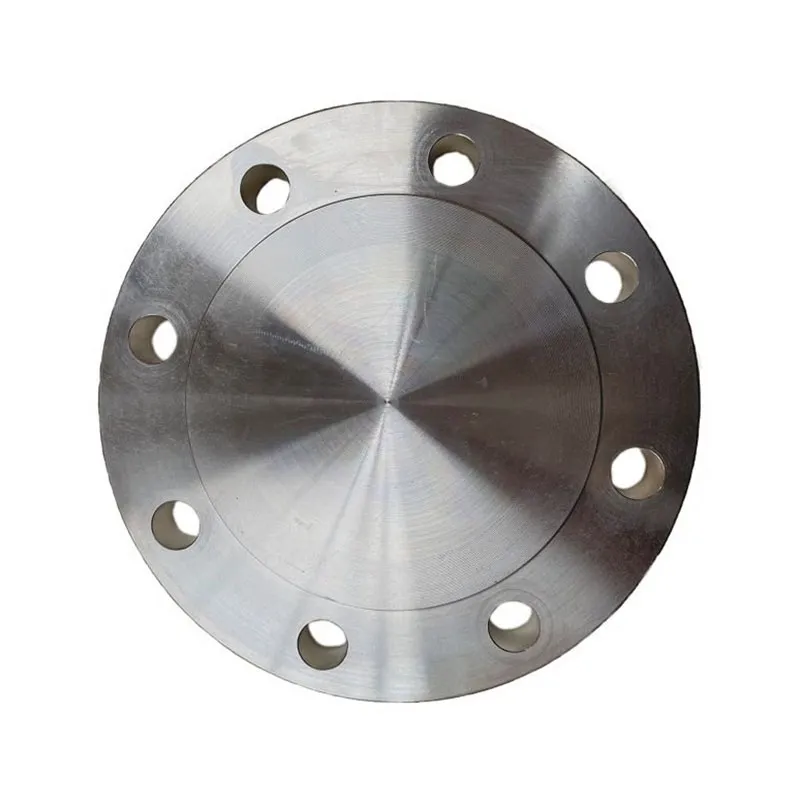
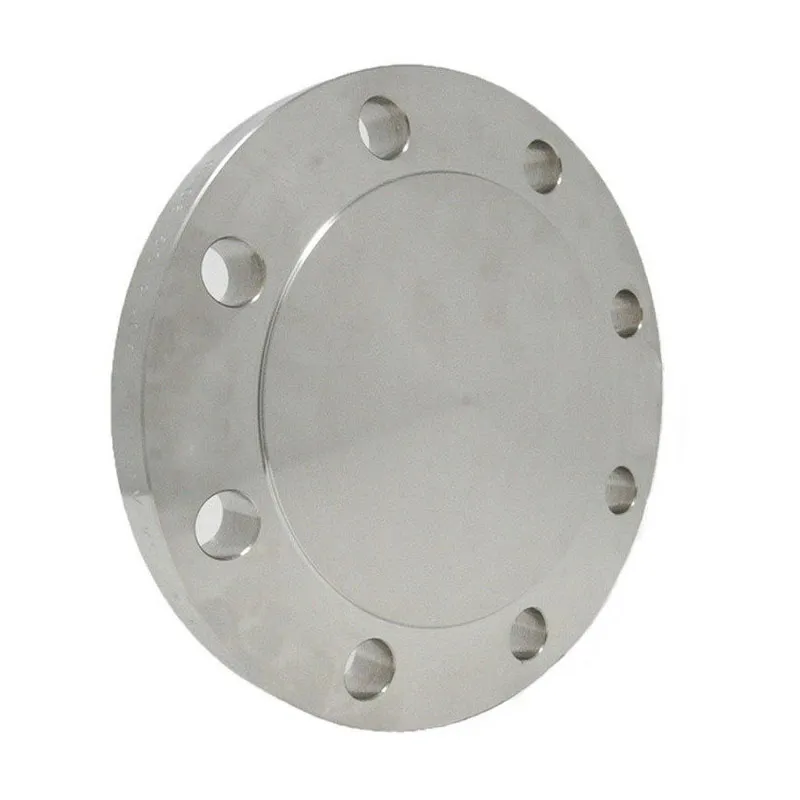
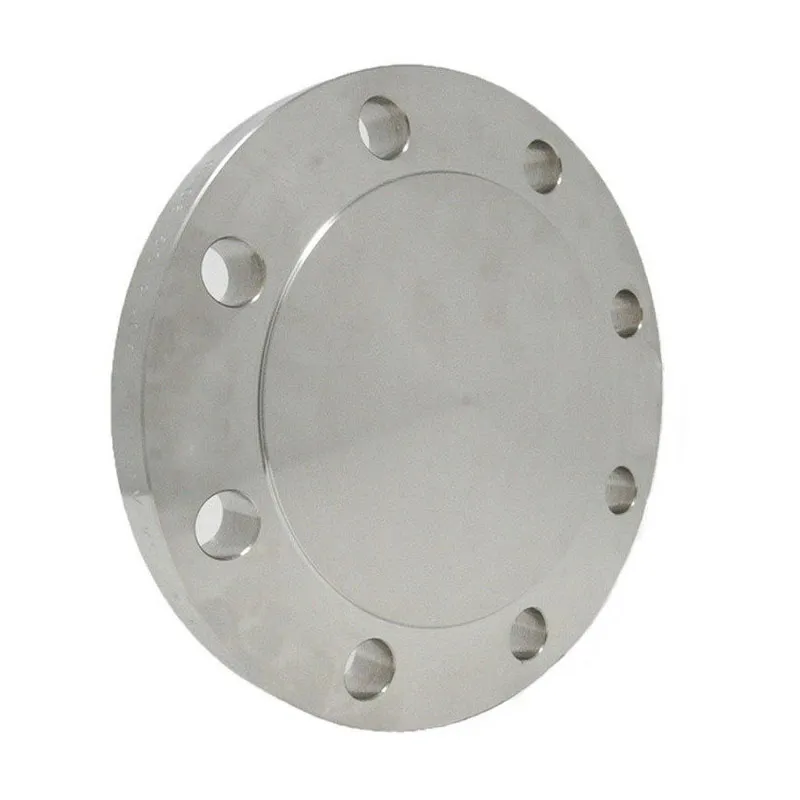
But blind flanges (plugs) of 50 mm are an indispensable thing when disconnecting sections and making revisions. But it is important not to confuse them with elliptical plugs - these are different products according to GOST. Once, instead of a blind flange, I simply installed a steel pancake with bolts - during tests it began to leak along the plane because the surface was not properly treated. I had to install a standard plug flange.
Installation and typical jambs
The biggest headache is getting the tightening right. For a 50 mm flange connection, it seems that you can tighten it “to your heart’s content.” But no. Uneven tightening is a direct path to misalignment and leakage. Nowadays they use torque wrenches more often, but 10 years ago they turned them by eye. The result is constant tightening on hot pipelines.
The second point is gaskets. For a pair of DN50 flanges for water and steam, for example, different materials are needed. Once we put a paronite gasket on saturated steam - it quickly “sintered”. We needed thermally expanded graphite. And the size of the gasket must exactly match the sealing surface of the flange, not crawl inside the pipe and not block the holes for the studs.
And third - alignment. Before final tightening, you need to make sure that the pipes are aligned. It happened that we assembled a connectionflange 50with the pipe, they tightened it, and then they could not install the outlet or valve - the axes did not coincide. I had to unwind and edit. It is better to spend time reconciling than to redo it later.
Non-standard situations and where to look for solutions
Sometimes a request comes from a drawing for a DN50 flange, but with a non-standard distance between holes or thickness. This happens when modernizing old equipment or imported lines. Standard flanges do not fit. This is where you need a manufacturer who takes on the production according to sketches. On the same siteShanxi Hongkai Forging Co.,LtdIt is directly stated that non-standard products are made according to customer drawings. This is an important option. We once ordered an adapter flange from DN50 to ASME B16.5 to the old DIN standard. We did it, but we had to wait a little longer.
Another situation is combined products. For example, a DN50 flange with an outlet or with a pipe for a sensor. Sometimes it is easier and more reliable to order such a solid forged part than to weld it on site. Especially if the environment is aggressive or high pressure - extra welding is an extra weak point.
In general, work with any flange, even with such a common one aspipe flange 50, is always an integrated approach. You need to keep in mind the standard, material, type, operating and installation conditions. You can’t just take “the first one that comes off the shelf?”. As practice shows, it is on such seemingly simple and small details that people most often save money, and then deal with the consequences in the form of emergency stops. Therefore, my advice is to cooperate with trusted suppliers who not only sell metal products, but actually produce them, like the sameShanxi Hongkai Forging Co.,Ltd, and always require a complete package of technical documentation. This is not bureaucracy, it is insurance against big problems.
Correspondingproducts
Related Products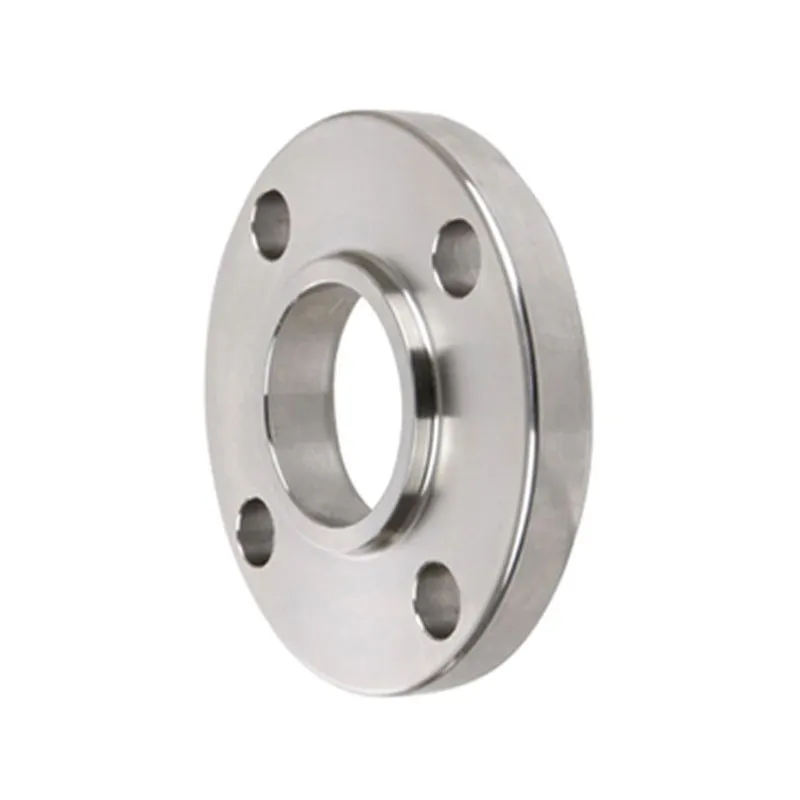
Best Sellingproducts
Best Selling Products-
 Blind flanges Class 150
 -
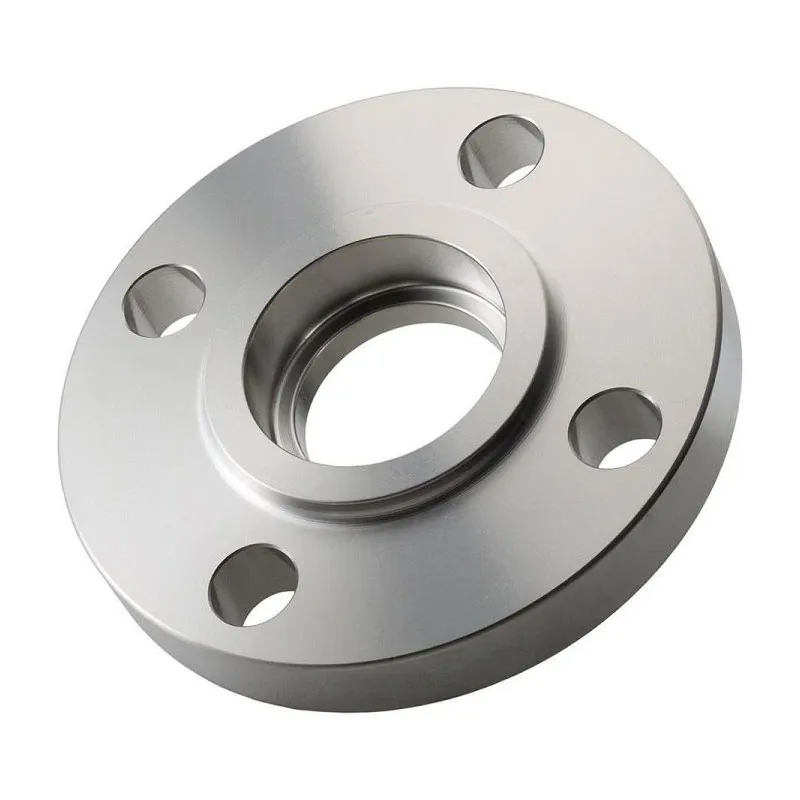 ANSI B16.5 Socket Weld Flanges Class 150
 -
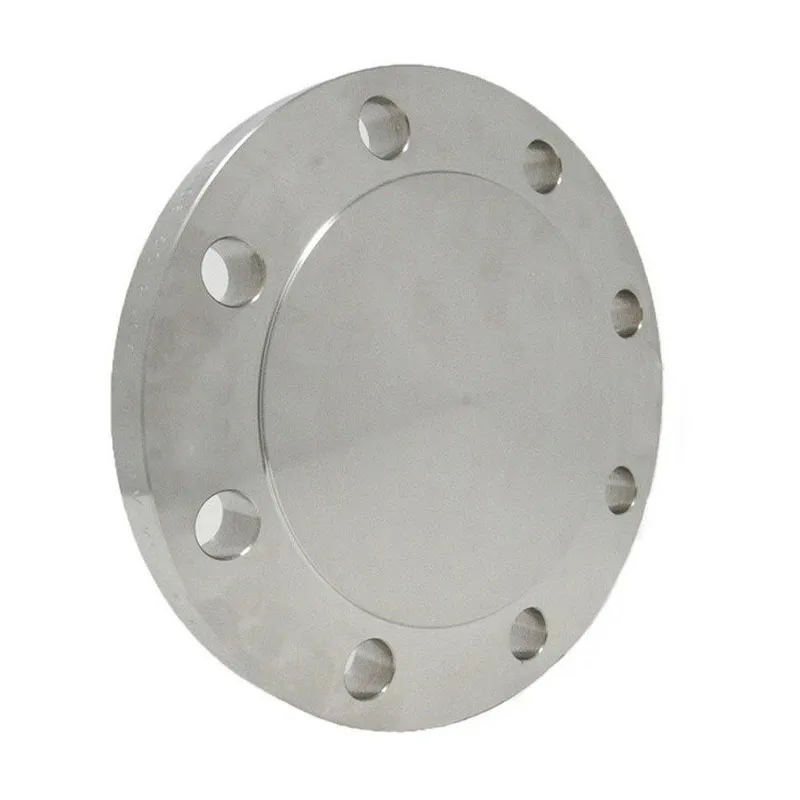 EN 1092-1 Blind flanges Type 05, PN10
 -
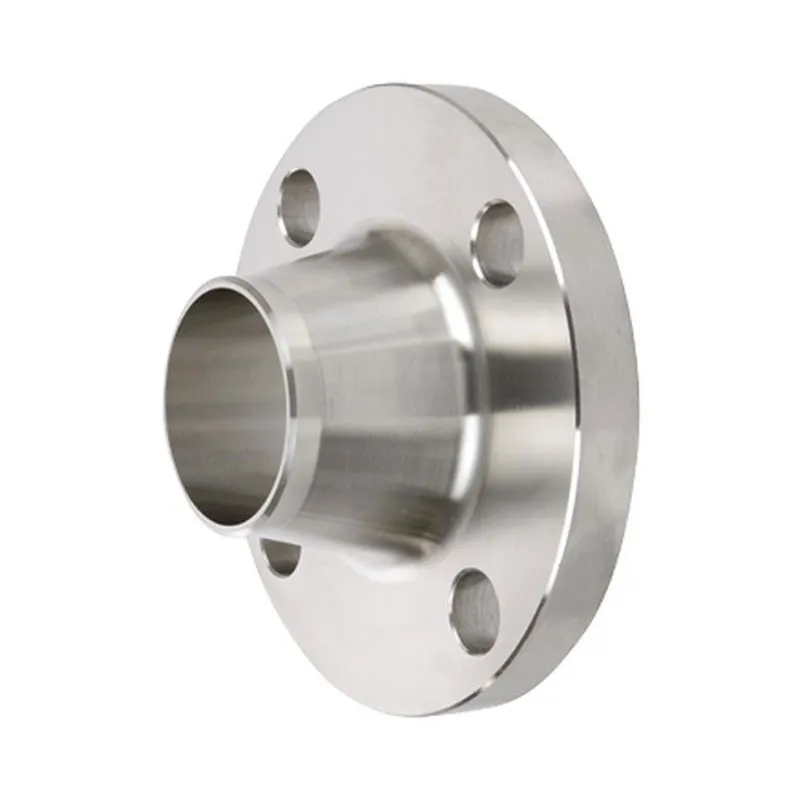 Ser.A Butt Weld Flanges Class 400
 -
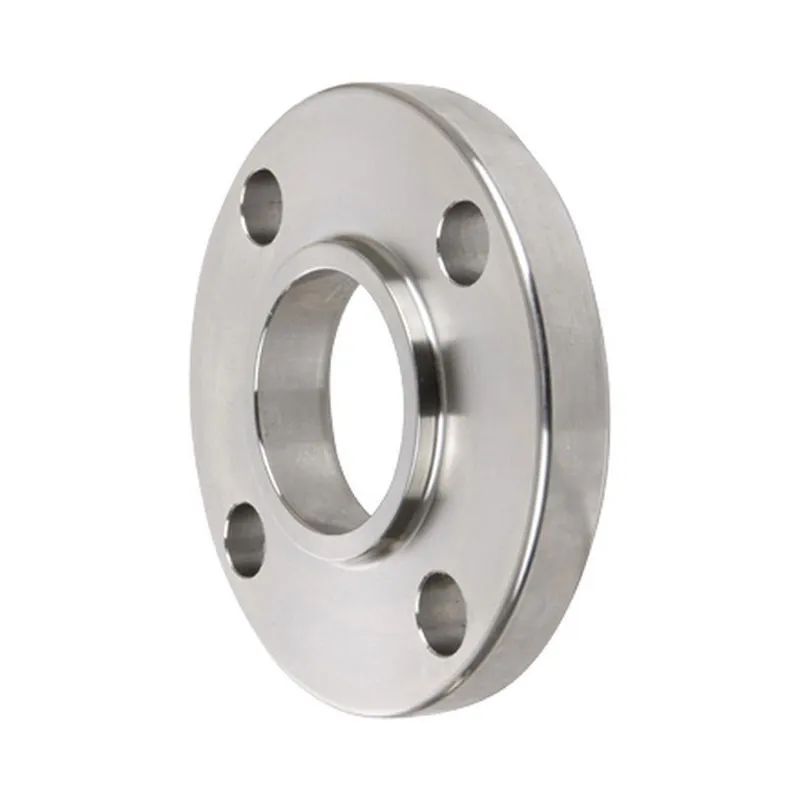 DIN 2501 Overlay flanges PN16
 -
 UNI 2281 Butt weld flanges PN10
 -
 Butt weld flanges Class 900
 -
 JIS 10K Threaded Flanges
 -
 ANSI B16.5 Loose Ring Flanges Class 2500
 -
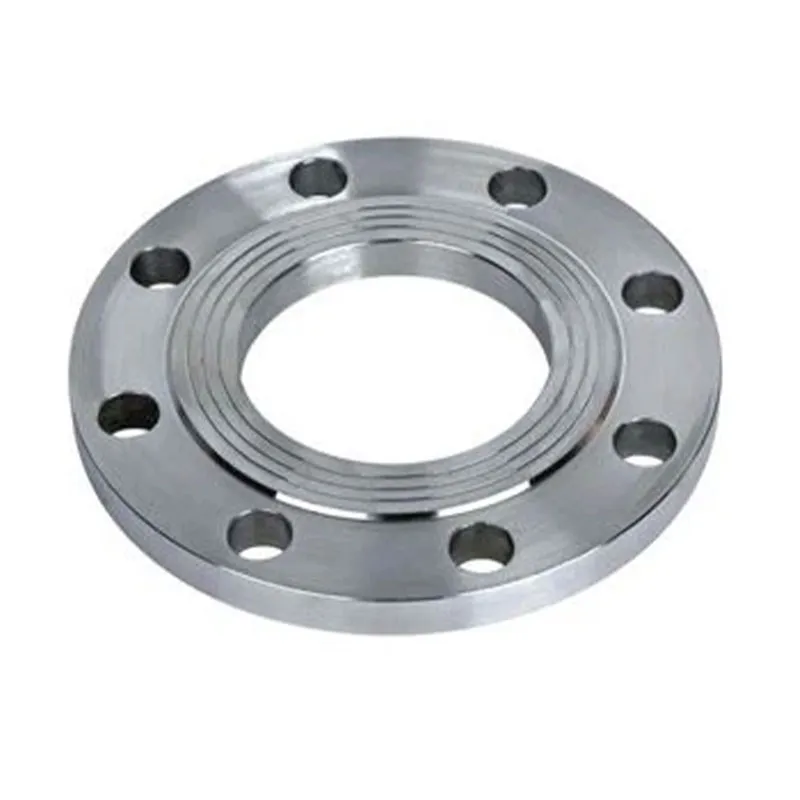 Butt weld flanges Class 150
 -
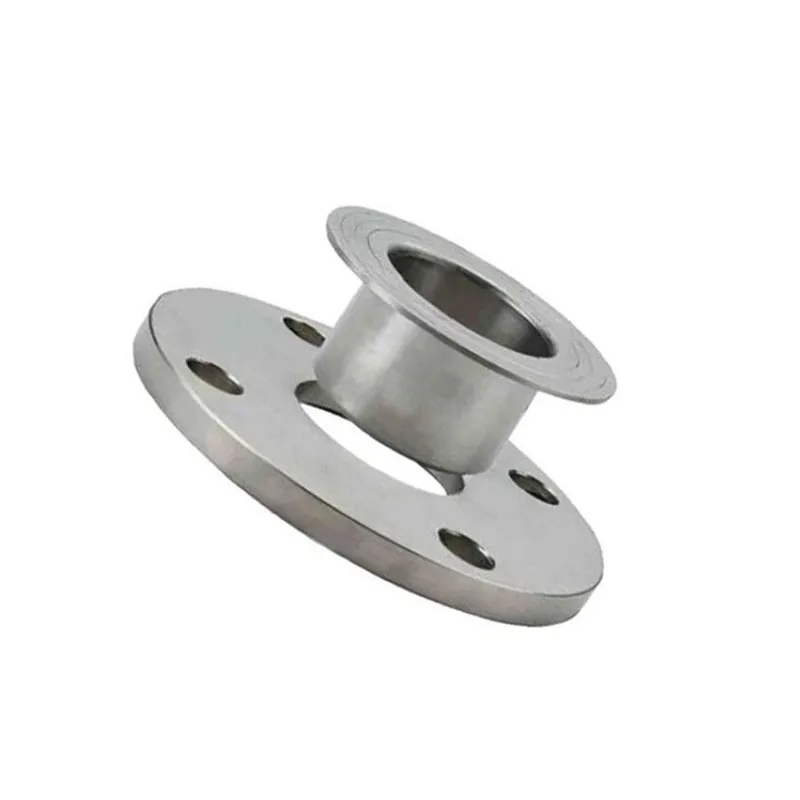 Free ring flanges Class 400
 -
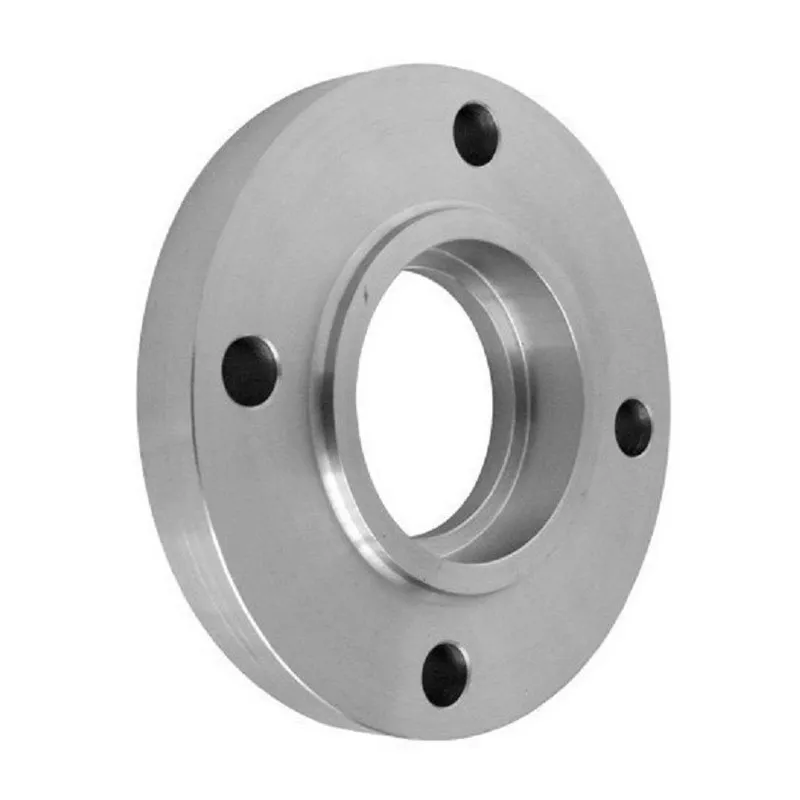 JIS 5K Socket Weld Flanges