
-
-
Phone
+86-13623462298



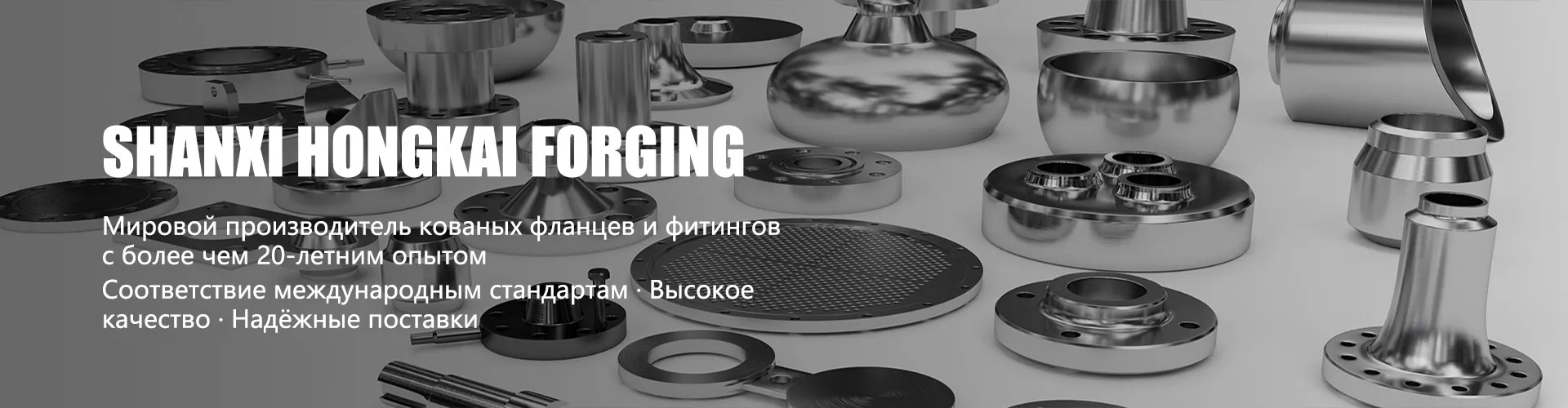
flange a2
When you hear 'A2 flange', the first thing that comes to mind for most is stainless steel, grade 304, corrosion resistance. And everything seems to be correct, but it is in this apparent simplicity that the main trap lies. Too often, behind this designation they see simply the material, losing sight of a lot of nuances that come out sideways in field conditions. I went through this myself, when about ten years ago I thought that since A2, I could put it everywhere and not worry. The mistake, of course, was costly - not immediately, but at one of the facilities near Ufa, where specific inhibitors were added to the coolant, after a season and a half, pinpoint lesions appeared on the welds. And according to the passport, everything was clean, the material matched. From then on I began to dig deeper.
Not just AISI 304: understanding the pitfalls
So, A2 is, in fact, a European designation for a group of steels; we more often say 'stainless steel 304'. But if we take it for critical components, especially in the energy or chemical industry, then this alone is not enough. It is important to look at the specific delivery standard and, critically, at the full chemical composition certificate. I remember how they sorted out one incident at a thermal power plant - flanges declared as A2 were supplied from some local reseller. Everything seems to be smooth, there are markings. But spectral analysis revealed that the carbon content is at the upper limit, and alloying elements at the lower limit. This turned out to be fatal for welding: intergranular corrosion began in the heat-affected zone. After this, I always require not just a certificate of conformity, but factory test reports, preferably indicating the heat.
By the way, about standards. Many are accustomed to the fact that if there is a flange, it must be in accordance with GOST or, in extreme cases, ASME. But for A2, both EN 1092-1 and DIN 2576 are often relevant. Here it is important not to get confused in the pressure and temperature tables. The same EN has its own pressure designation system - PN. And here there is a subtlety: the A2 flange, designed for PN16 at 20°C, will have completely different pressure tolerances at 150°C. I have seen projects where this difference was not taken into account; the parameters were simply transferred from the drawings for carbon steel. As a result, the joint began to 'sweat' on the hot pipeline. It's good that we noticed it in time.
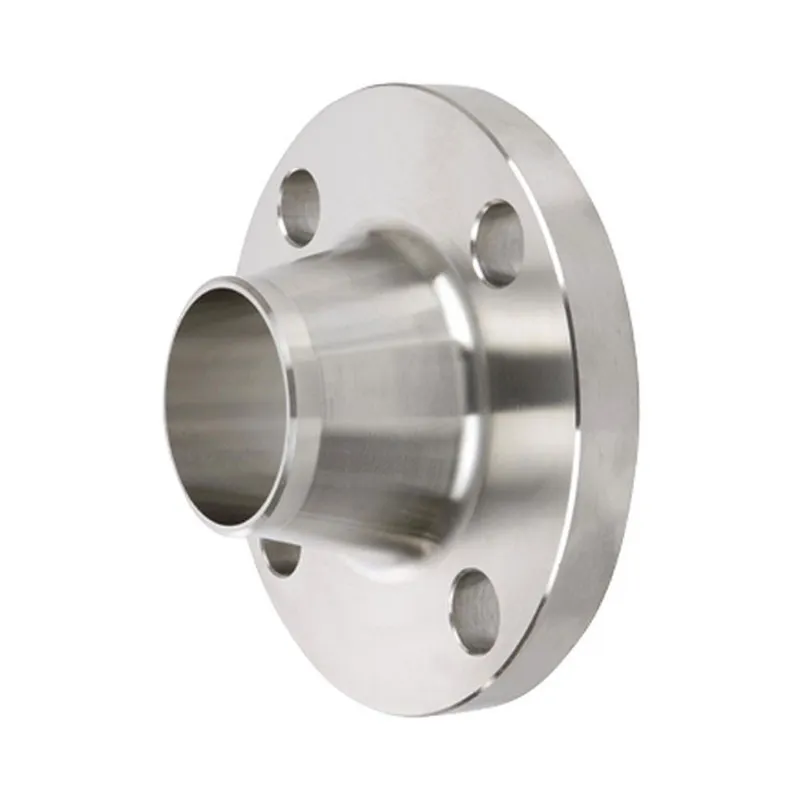
And one more point that is often overlooked is the condition of the surface. For corrosive environments, it is not just the grade of steel that is important, but the quality of processing. Surface roughness, absence of burrs and scale are not aesthetics, but direct protection against pitting corrosion. This is especially truebutt weld flanges(welding neck), where the transition zone from the neck to the skirt is a critical place. UShanxi Hongkai Forging Co.,Ltd (https://www.hkflange.ru), for example, the technical specifications directly prescribe roughness control after machining for critical batches. This is the right approach. I ordered a trial batch from them myself.A2 flangesDN300 according to EN 1092-1 Type 11 for one of our objects - with surface treatment under Ra 3.2. Of course, I had to pay extra, but it was calm.
Welding A2: where theory diverges from practice
Welding stainless steel flanges is a different story. In theory, everything is clear: argon, ER308/ER308L filler wire, back side protection. In practice, especially in field installation conditions, problems arise. The first is penetration of the root of the seam. Due to the fact that A2 steel has a different thermal conductivity coefficient than carbon steel, heat is removed more slowly. An inexperienced welder, accustomed to ordinary steel, often overheats the zone, which leads to burnout of alloying elements and, as a result, loss of corrosion resistance in the most vulnerable place - the weld.
The second practical problem is deformation.Flange A2, especially flat (Type 01 according to EN), “leads” much more during welding. It is necessary to use rigid fastening and weld using the reverse-stage method, in sectors. We had a case during the installation of a production line: we installed A2 flat flanges on the machine, the welder welded with a continuous seam in a circle. As a result, the end plane moved by almost 1.5 mm, the seal did not ensure tightness. I had to cut it down and install new ones, but alreadybutt weld flanges— due to the long neck, they better compensate for stress. The conclusion is simple: the type of flange must be selected not only according to the pressure catalog, but also taking into account the installation technology.
And third is intergranular corrosion. This is the scourge of stainless steel welded joints if the mode or material is chosen incorrectly. After that incident near Ufa, I now, for any environment where there is even a hint of aggressive chlorides or alkalis, insist on using stabilized steels, such as AISI 321 (with titanium) or at least on strict control of thermal input when welding A2. It’s better to immediately look awayA2 flangeswith a factory neck already welded - from manufacturers like Shanxi Hongkai Forging Co., Ltd. This is also made to order. This is more expensive, but more reliable because they do the heat treatment after welding in controlled furnace conditions, and not on the construction site.
Selecting a Supplier: Why Geography and Facilities Matter
Many people are simply looking for something cheaper. Cflange A2such a strategy is a direct path to an emergency stop. Not only the material itself is important, but also how it was processed. A forging blank obtained by free forging will have a more uniform metal structure than one simply cut from rolled stock. Especially for large diameters, say from DN600 and above. Stresses in the metal are distributed differently. I once looked at a report about the destruction of a flange on DN800 - the crack appeared precisely along the grain boundary in the place where the workpiece was under-drawn. The supplier saved money by not making a normal upset during forging.
Therefore, now when choosing, I always look at the production capabilities of the plant. Here, for example,Shanxi Hongkai Forging Co.,Ltdis positioned as a manufacturer of forged flanges, located in one of the forging centers of China. This is an important point. The presence of powerful presses (I read on their website about forging on hydraulic presses) allows you to make forgings forA2 flangeslarge standard sizes, up to DN4000, which in itself speaks of the level. For me, this is an indicator that they are working with a workpiece and not a sheet. Control at all stages is also important: from the chemical composition of the steel at the input to ultrasonic control of the finished forging.
Another practical aspect is the availability of a full processing cycle. The flange must not only be forged, but also heat-treated (hardening + tempering to relieve stress), and precisely machined on CNC machines. Particularly critical surfaces are the seal end and weld chamfer. If the manufacturer outsources the machining, the chain of control breaks. In the descriptionhkflange.ruit is indicated that the company manufactures products according to international standards, including GOST, ASME, EN. This means that they must have the appropriate measuring equipment to control the geometry to all these standards. For me this is a plus, because it is easier to provide them with an EN drawing than to explain to the local factory what the DIN flange parallelism tolerance is.
Non-standard situations and work according to drawings
Standard flanges are great, but life is more complicated. Often a conversion from ASME B16.5 to DIN is needed, or a flange with a non-standard hole pattern, or a thicker end for special applications. This is where the real qualifications of the manufacturer are visible. Working according to customer drawings is not just something to do. It is necessary to carry out an engineering assessment: will the structure withstandflange A2design pressure at a given temperature, taking into account all weakening factors (holes, grooves)?
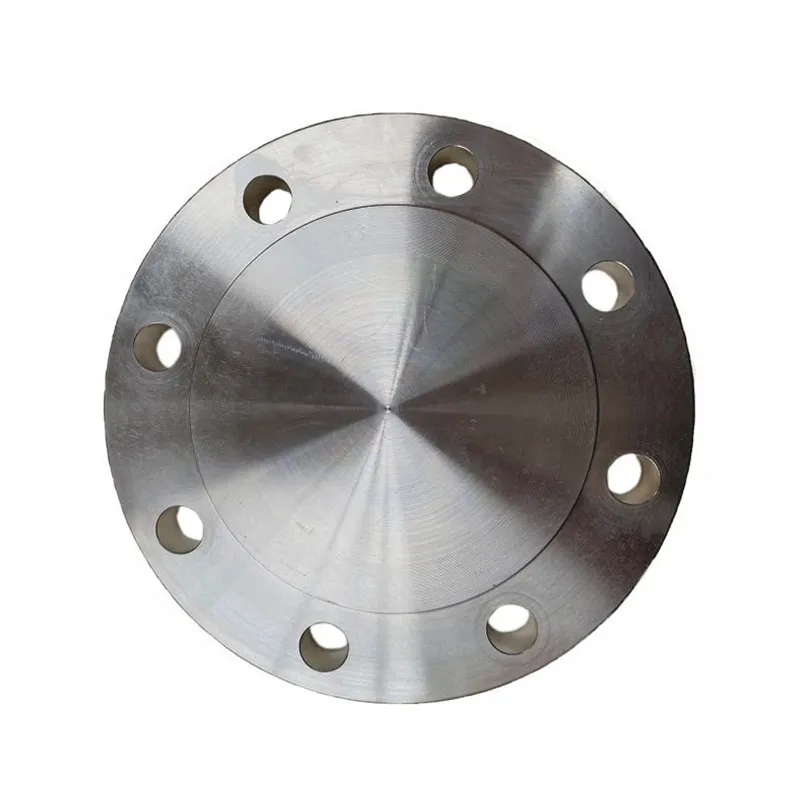
We had a project that required a blind flange A2 on DN1200, but with an additional fitting for the sensor in the center. You can't buy a standard one. Made to order. And here the main issue was not just the welding of the fitting, but the calculation of strength and cyclic load. The manufacturer (they were working with another company at the time) provided a finite element analysis (FEA) to prove that the structure would hold. This is a serious approach. I think that manufacturers like Shanxi Hongkai Forging Co., Ltd., who claim to produce non-standard products, should have engineers on staff capable of such calculations, and not just technologists reading the drawing.
Another practical example is flanges for vacuum systems. Here the requirements for flatness and surface cleanliness are already cosmic. Conventional machining on a lathe is not suitable; fine-tuning is needed. And material A2 must be especially pure, with a low gas content, so that there are no emissions in a vacuum. This is already a special order. When choosing a supplier for such tasks, you look not at price, but at the availability of experience and appropriate equipment, for example, precision grinding machines.
Bottom line: the key is a systematic approach, not a shortcut
So what's the bottom line aboutflange A2? This is not a magic anti-corrosion pill, nor is it a one-size-fits-all part. This is a material and product that requires a comprehensive understanding: from the chemistry of steel and the technology of its production from metallurgists to the nuances of installation on site. The biggest mistake is to think that by purchasing a flange with the correct markings, you have solved all problems.
You must always keep in mind the complete chain: standard (GOST, ASME, EN) → material (certificate with chemical composition and mechanical properties) → flange type (collar, flat, loose) → workmanship (forging, heat treatment, machining) → application conditions (environment, temperature, pressure, load cycles) → installation technology (welding, seal). The loss of any link leads to risk.
Therefore, now for critical objects I prefer to work with trusted manufacturers who can provide a full package of documents and, importantly, technical support. Not just to sell, but to advise on application. Sites likehttps://www.hkflange.ru- this is good for the first acquaintance with the nomenclature and capabilities, but a serious conversation always revolves around specifications, drawings and technical assignments. Flange A2 is a tool. And the result depends on how competently you use this tool, starting from the moment you select it from the supplier and ending with tightening the last bolt on site.
Correspondingproducts
Related Products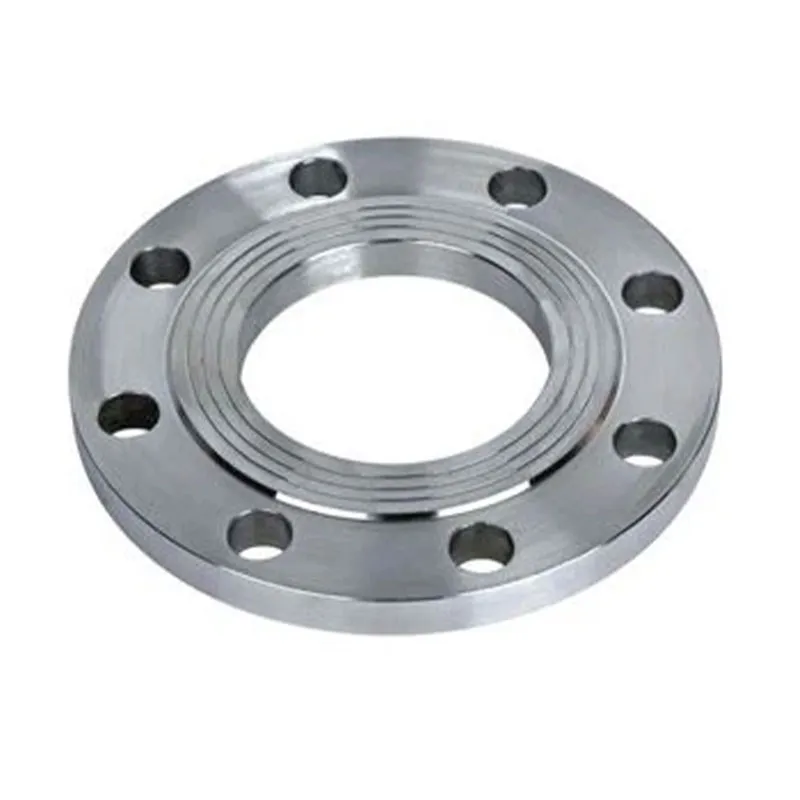
Best Sellingproducts
Best Selling Products-
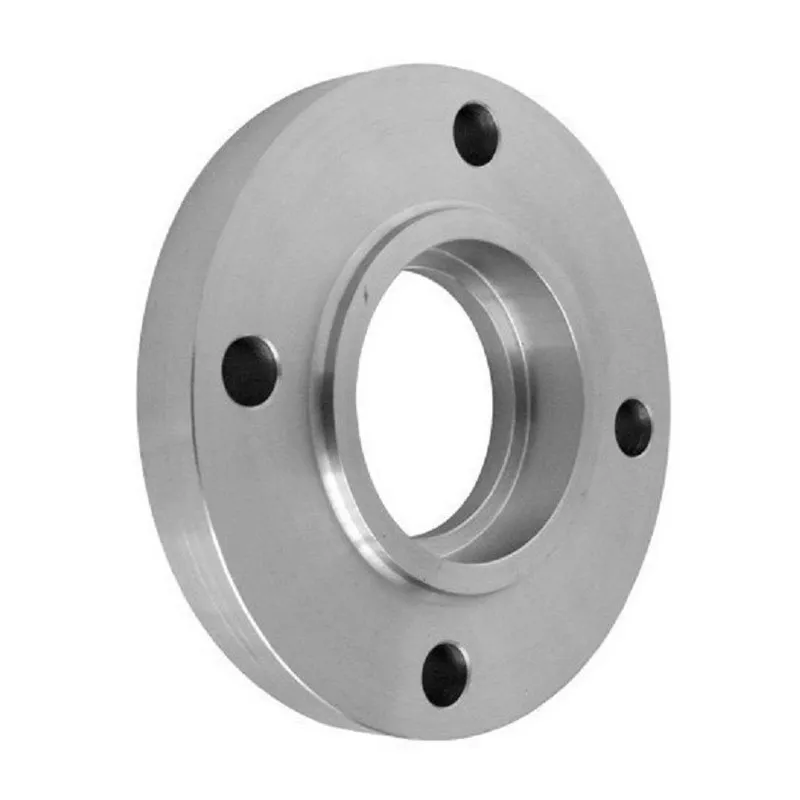 JIS 5K Socket Weld Flanges
 -
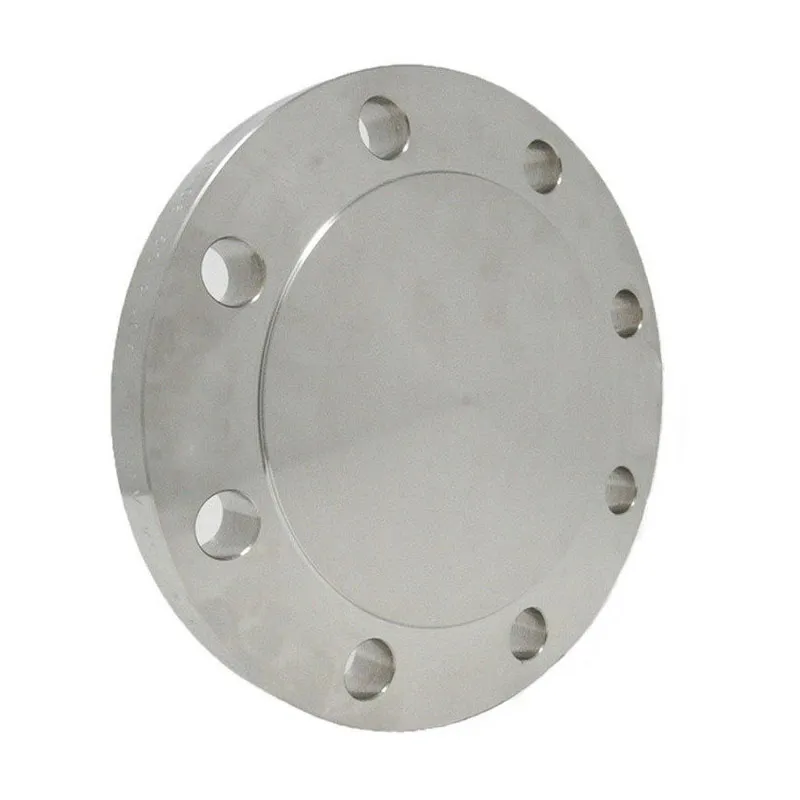 AWWA Blind Flanges Class D (Tables 1, 2, 3)
 -
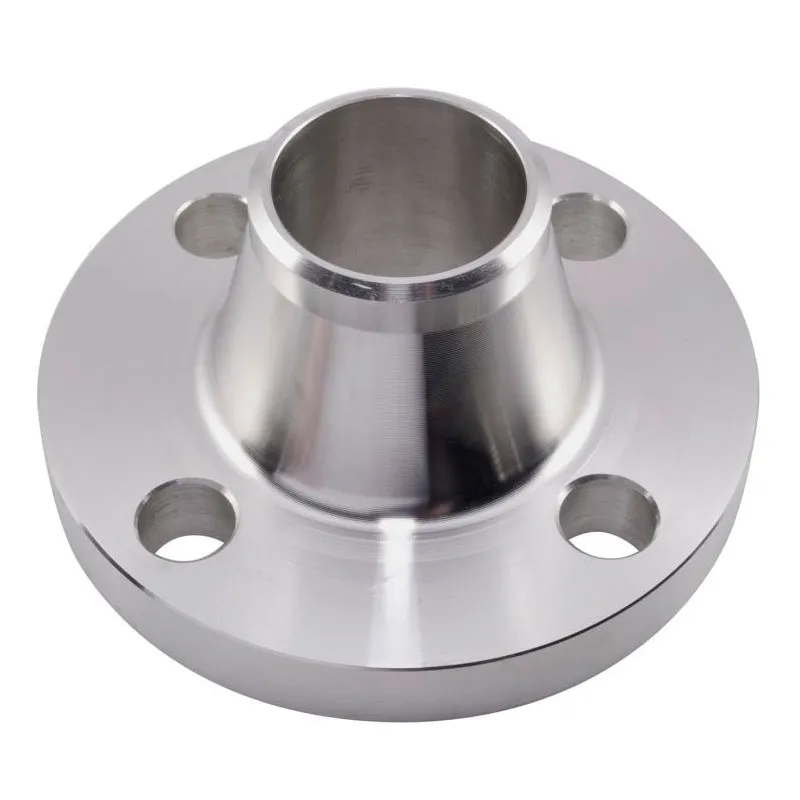 UNI 2281 Butt weld flanges PN10
 -
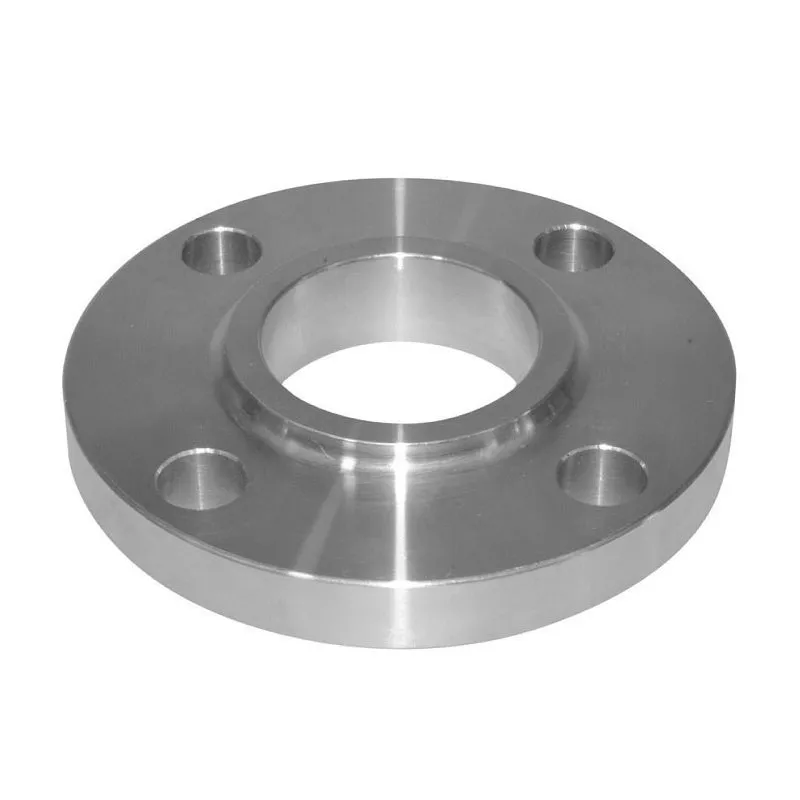 ANSI B16.5 Lap-on flanges Class 1500
 -
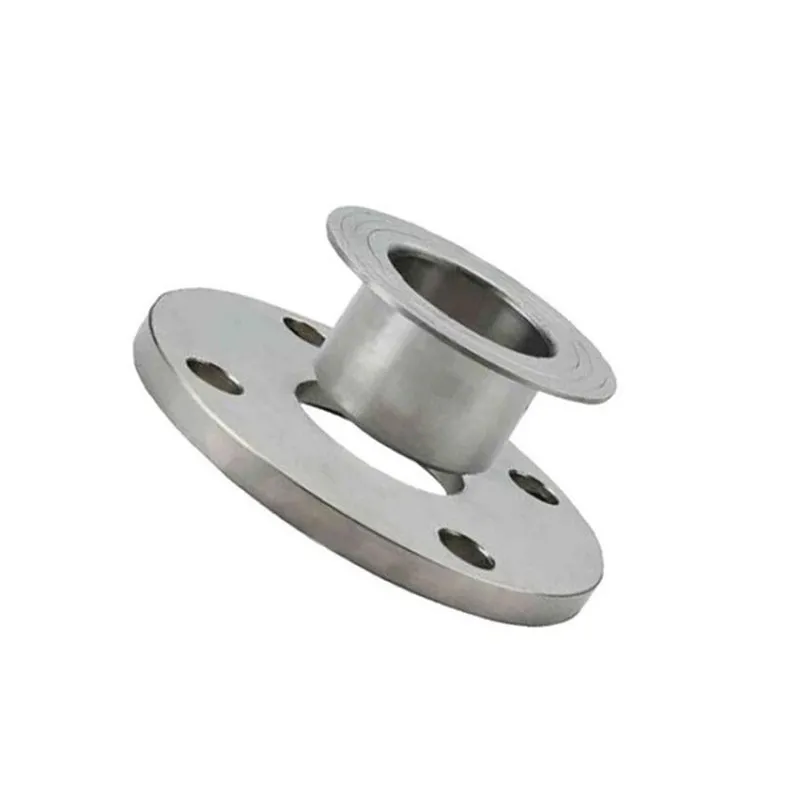 JIS 10K Loose Ring Flanges
 -
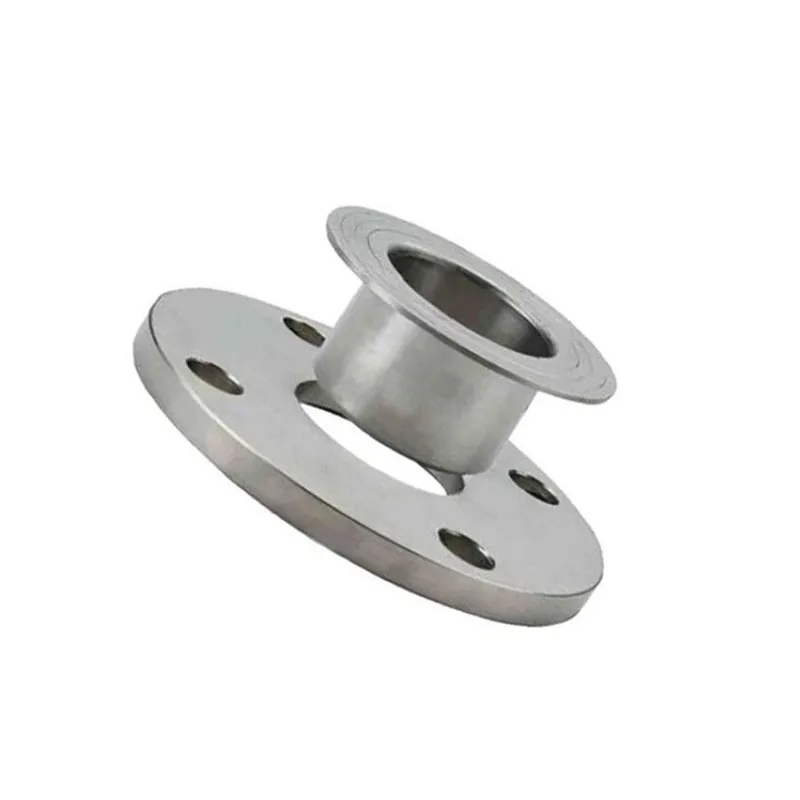 Free ring flanges Class 400
 -
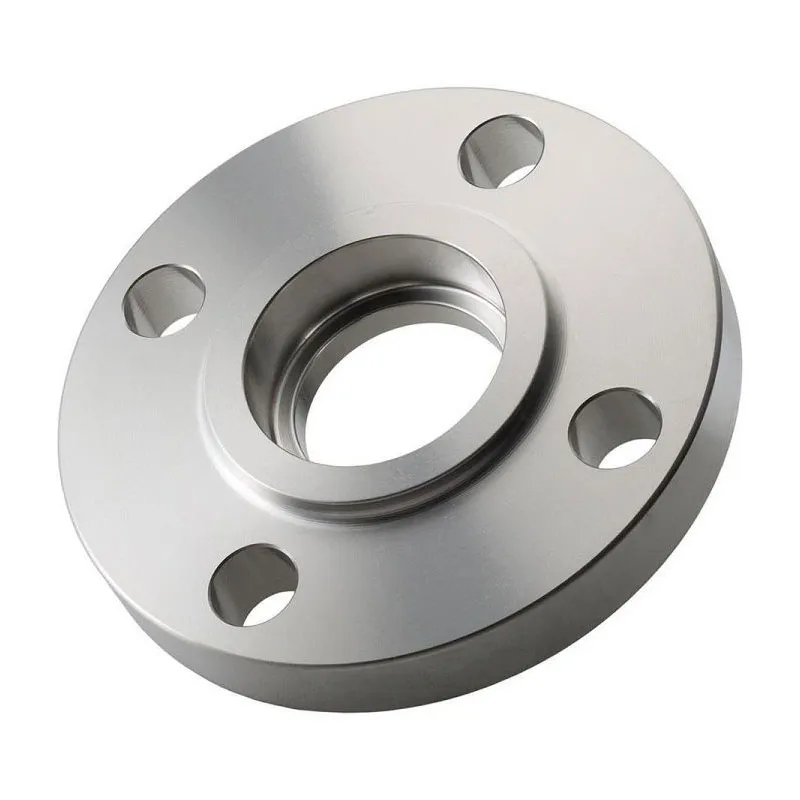 ANSI B16.5 Socket Weld Flanges Class 1500
 -
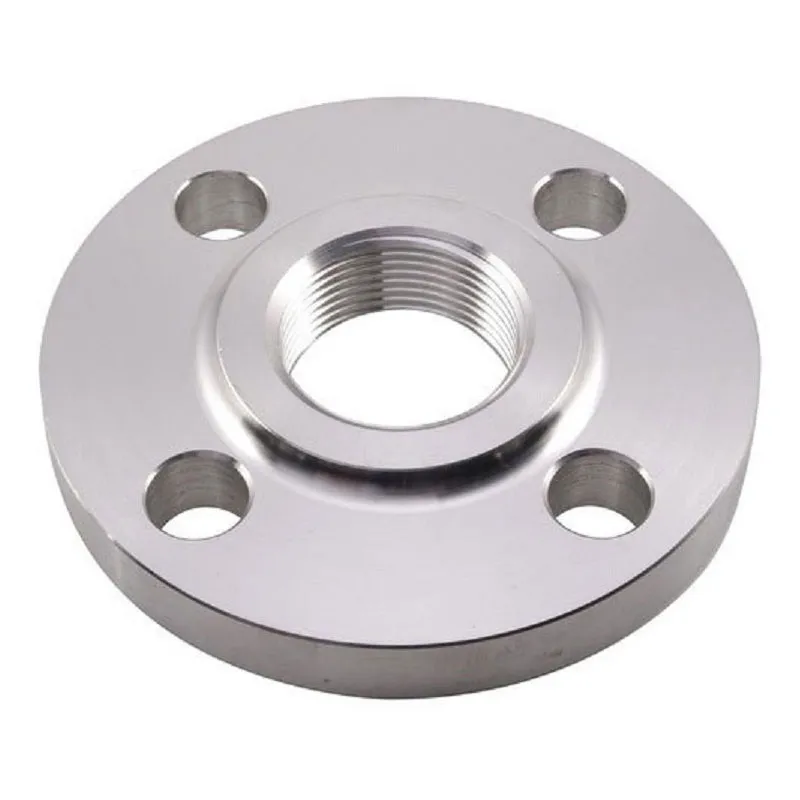 DIN 2565 Threaded flanges PN6
 -
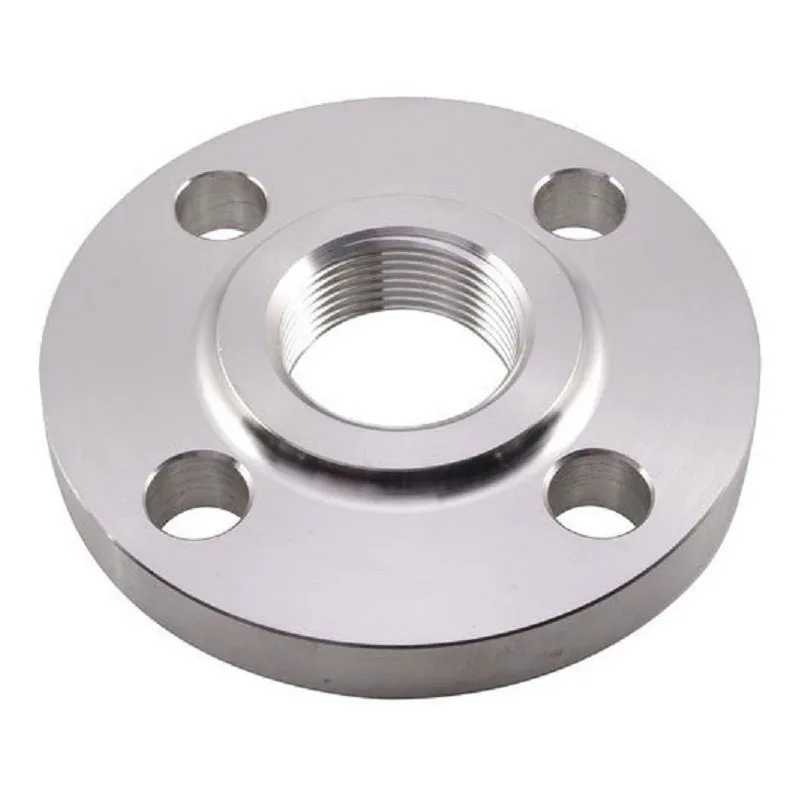 ANSI B16.5 Threaded Flanges Class 600
 -
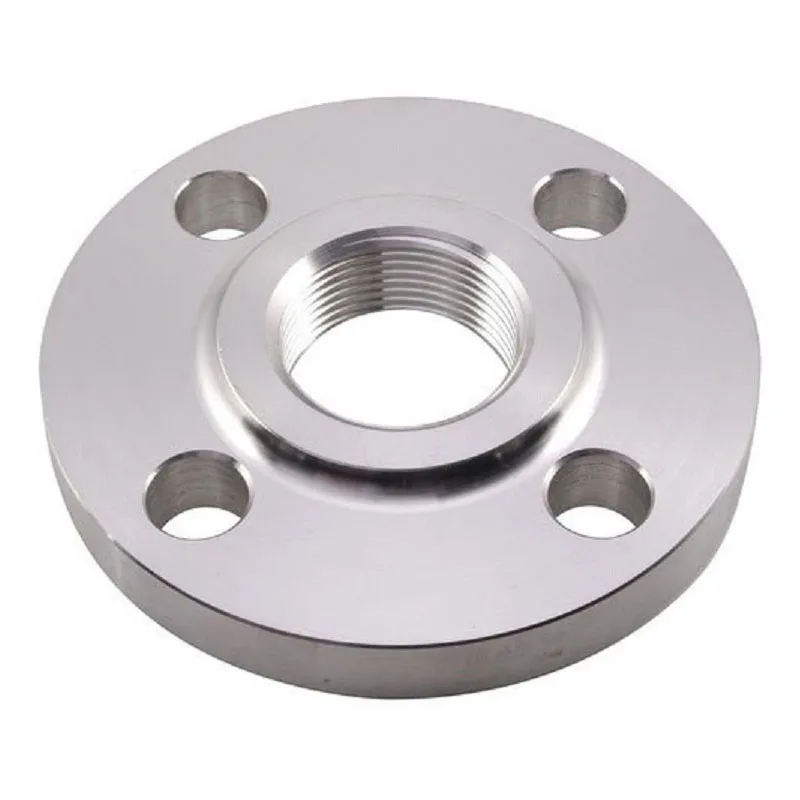 DIN 2566 Threaded flanges PN16
 -
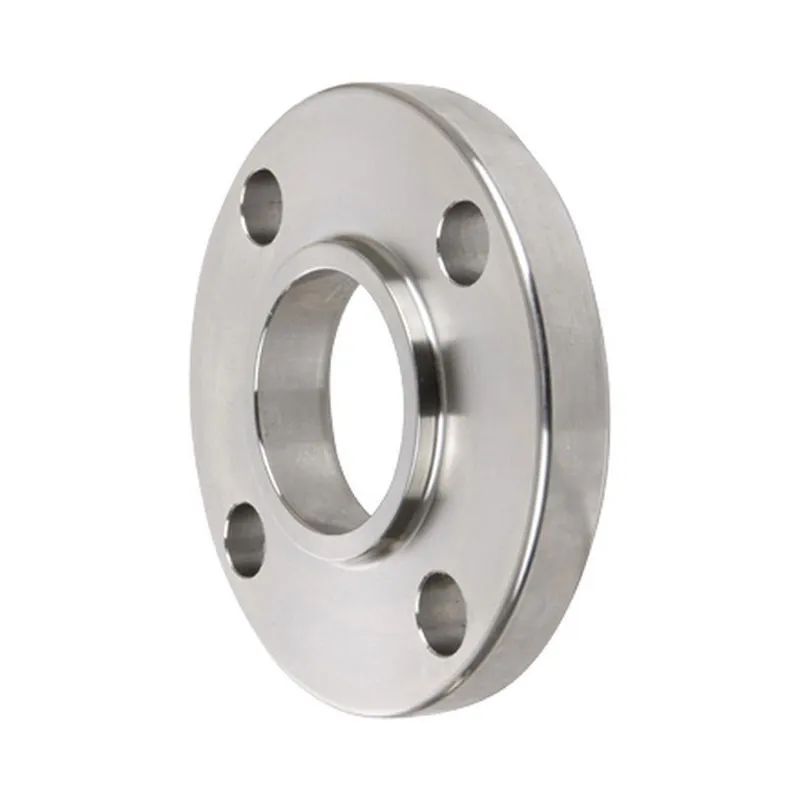 DIN 2501 Overlay flanges PN16
 -
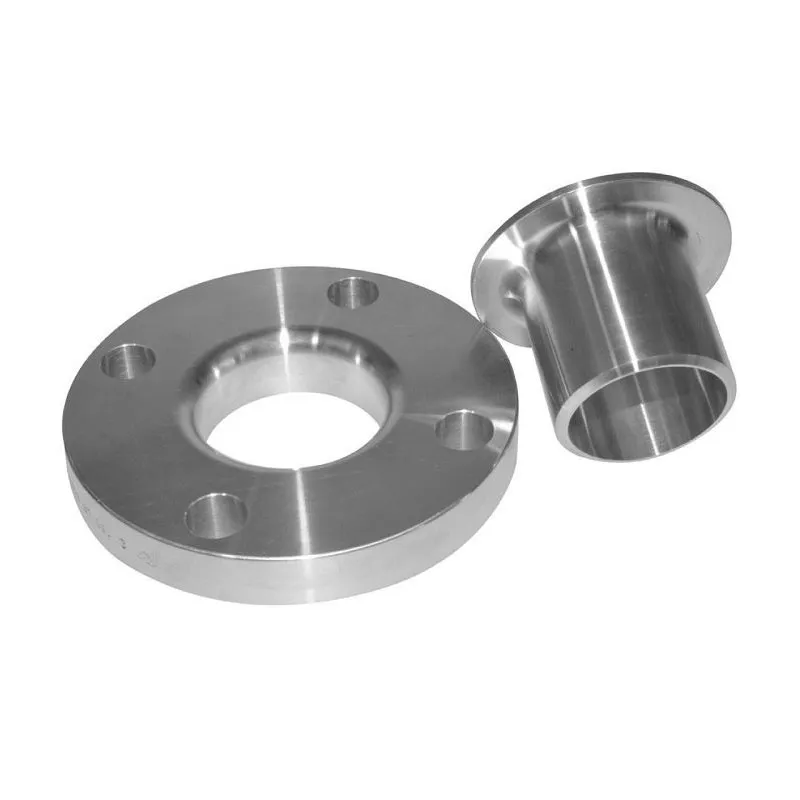 ANSI B16.5 Loose Ring Flanges Class 2500