
-
-
Phone
+86-13623462298



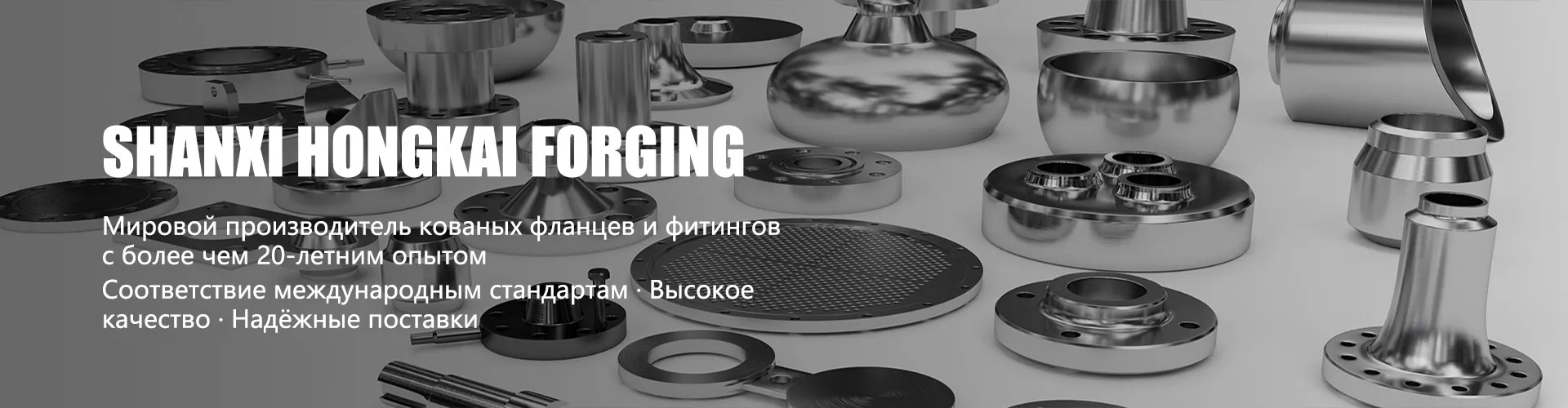
flange DN20
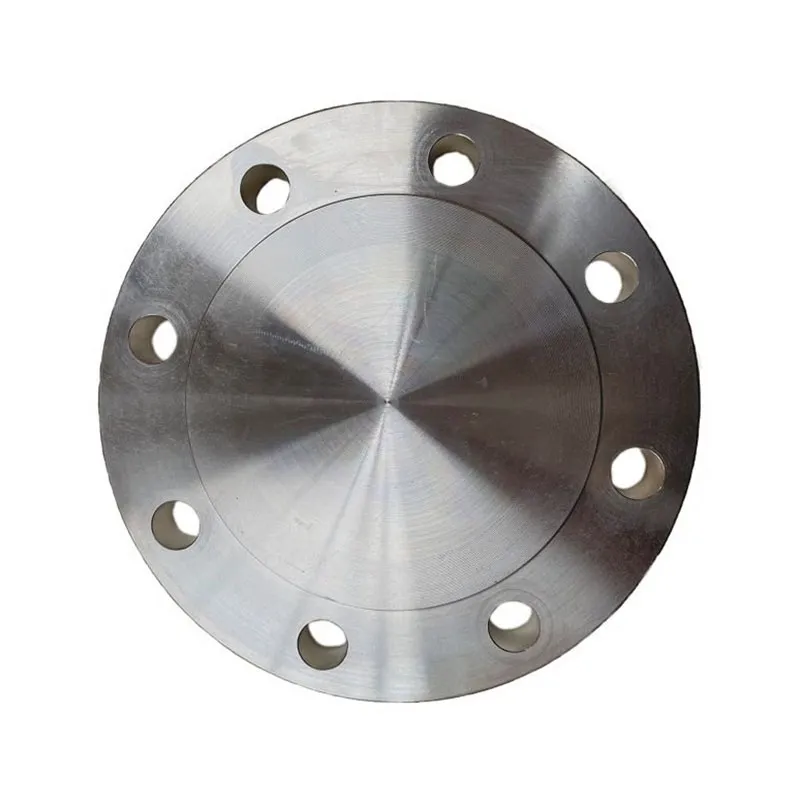
When they talk about the DN20 flange, many people think it’s a trifle, the simplest position, what could be complicated about it. In fact, it is with these seemingly standard dimensions that a lot of pitfalls arise, especially when it comes to actual installation or selection for a specific environment. I myself have come across many times when everything seems to fit according to the drawing, but at the site they start dancing with a tambourine - either the holes do not match, then the thickness of the gasket is not the same, or even the material of the neck turns out to be not for the same parameters as in the project. This is not just a piece of metal with holes, it is a node on which the tightness of the entire joint depends.
Why is Du20 not always just twenty?
So you take the specification, you see - a DN20 flange. First thought: outer diameter, bolt holes, everything according to the table. But then the first ambush pops up - the standard. Because DN20 according to GOST (these are the ones that replaced the old GOST 12820-80) and DN20 according to ASME B16.5 are, in fact, different parts in terms of dimensions and seating surfaces. We once had a batch under ASME in our warehouse, so they were almost sent to the site with a pipe under GOST - well, the experienced foreman caught on in time and saw that the radius of the rounding was different and the thickness of the plate was not the same. The difference is a couple of millimeters, but you can’t assemble the joint.
Or another moment - execution. For DN20 they often require version 1 (smooth surface) for nominal pressure PN16, but if the environment is aggressive or the temperature is above 200, you are already looking towards version 2 or 3 with grooves for an oval-section gasket. These are completely different processing requirements. I saw how at one of the chemical plants they installed flat DN20 flanges with a smooth surface on a line with temperature changes - after six months, drips began to appear. We converted it to flanges with a projection (version 2) - the problem went away.
Material is a different story. For water and steam, St20 is often used, this is a classic. But if we are talking about Du20 for nitrogen lines or weak acids, you are already looking at 09G2S or even 12Х18Н10Т. And here it is important not just to buy a “stainless steel flange DN20”, but to understand what brand it is and whether there is a certificate confirming the chemical composition. Once we worked with a supplier, now I remember, likeShanxi Hongkai Forging Co.,Ltd(their website ishttps://www.hkflange.ru), so they focus on the compliance of the material with what is stated, which is critical for critical objects. In their company description it is directly stated that they produce according to GOST, ASME, EN and other standards, including non-standard products according to drawings. For small sizes like DN20, this is also important - the forging must be free of internal defects.
Mounting traps and field experience
In theory, everything is simple: attach the flanges, insert the studs, tighten them with nuts crosswise. In practice, with DN20 it happens that access is limited - the pipe is close to the wall or to another line. You can’t get to it normally with a wrench, you start using the head on the ratchet, but you didn’t calculate the force - you tore off the thread on the stud. I had to drill it out. Now, for such tight places, I always think in advance which tool will be used, and I advise you to take hairpins with a small margin in length so that there is something to grab onto.
Another common mistake is the gasket. For DN20, paronite with a thickness of 2-3 mm is often automatically taken. But if the flanges are new, with high-quality surface treatment, sometimes 1.5 mm is enough, especially if the pressure is low. A thinner gasket floats less. when tightening. But here you need an eye: if there are small scratches on the surface from processing, a thin gasket will not cover them. You have to grind the chamfers or take a thicker gasket. This decision is always made locally, locally.
Bolted connection. It would seem that there is a table of tightening forces, take a torque wrench and work. But when there is a mass assembly of modules with dozens of DN20 flanges, there is no time for each unit with a key. They often switch to pneumatic impact wrenches with limited torque. And the main thing here is to regularly check and calibrate them. There was a case when the wrench got “tired?” and did not hold up enough, as a result, during testing they leaked at several joints. I had to go through everything. Since then, for critical lines, even small sizes, I insist on selectively controlling the torque manually.
About non-standard and custom solutions
Sometimes the design specifies DN20, but in fact you need to switch to a different thread or a non-standard distance between the holes. Previously, we tried to outsource the work to turners, but it often turned out long and expensive. Nowadays we are more often looking for manufacturers who are ready to make according to a specific drawing. Here, for example, on the samehttps://www.hkflange.ruThe description of the product range directly indicates non-standard products according to customer drawings. This is convenient when you need, say, a DN20 flange, but with four holes instead of the standard four, or with an increased thickness of the plate for a high bending moment. For us, this approach saved time at one installation, where we needed to connect an imported valve to our pipe - we sent them a drawing and received the required part.
An important point for non-standard is heat treatment. If the flange is subjected to temperature cycling, the weld or transition area may become a stress point. For forgings that are subject to further machining, it is important that normalization is carried out to relieve internal stresses. This is not always stated explicitly in the order, but for critical applications it is better to clarify. The same manufacturer that I mentioned uses forged blanks as a base, which in theory should give a more uniform metal structure compared to cast or cut from sheet metal.
And also about the size range. They often think that since the manufacturer claims a range up to DN4000, then they may not pay attention to small sizes like DN20. But in fact, a good factory keeps equipment for small diameters, because the demand for them is constant. The main thing is that quality control is the same. I saw batches where on the DN20 flanges there was a scuff on the sealing surface or the holes were displaced by a couple of degrees - such a small thing leads to misalignment and uneven tightening.
Choosing a supplier: not only the price per kilogram
When you buy in bulk, of course, you look at the price. But with flanges, even with DN20, the cheap option often backfires. Either the material is soft, and when tightened it feels awkward, or the geometry is lame. Therefore, now I always request not only a certificate of conformity, but also test reports of mechanical properties, if the environment is working. This is especially true for forgings.
Through experience, we came to the conclusion that it is more reliable to work with specialized manufacturers who specialize specifically in flanges and forgings, rather than with resellers. As a rule, they have both the technology worked out and control in place. If we take as an exampleShanxi Hongkai Forging Co.,Ltd, then from their description it is clear that they are a manufacturer located in one of the forging centers. This often means direct access to the pressing equipment and the ability to influence the process, rather than simply resell the finished product.
And lastly, packaging and labeling. It would seem like a small thing. But when a pallet with a hundred DN20 flanges arrives at the site, and the standard size and steel grade are not stamped on each one, you have to spend time on identification, risking making a mistake. A good supplier will always mark each product indelibly. This is a sign of attention to detail, which speaks of the overall production culture. In general, the DN20 flange is an excellent indicator of how much the supplier understands the essence of his work, even for such seemingly simple items.
Correspondingproducts
Related Products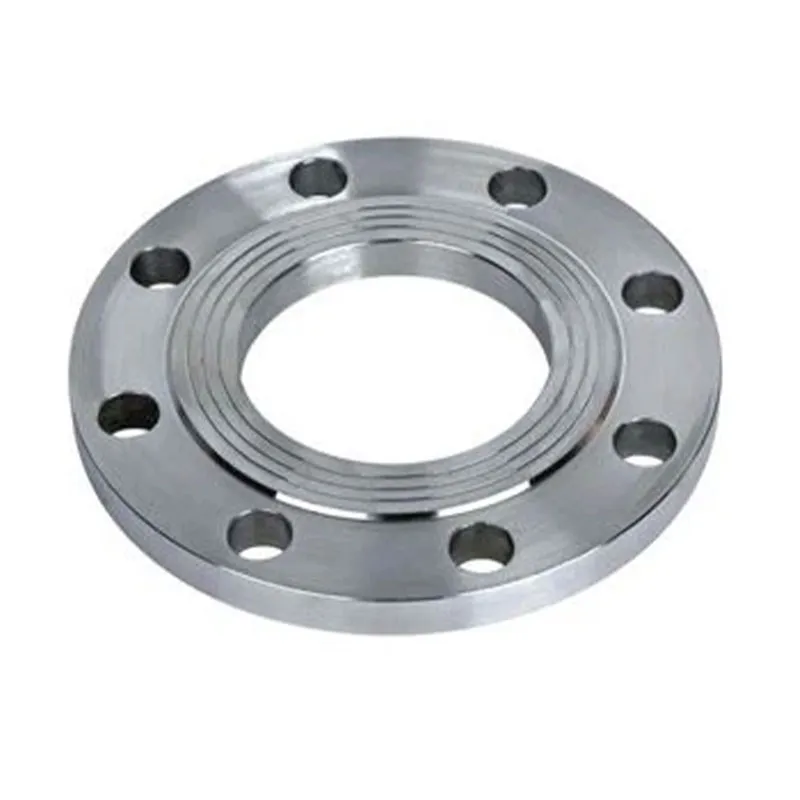
Best Sellingproducts
Best Selling Products-
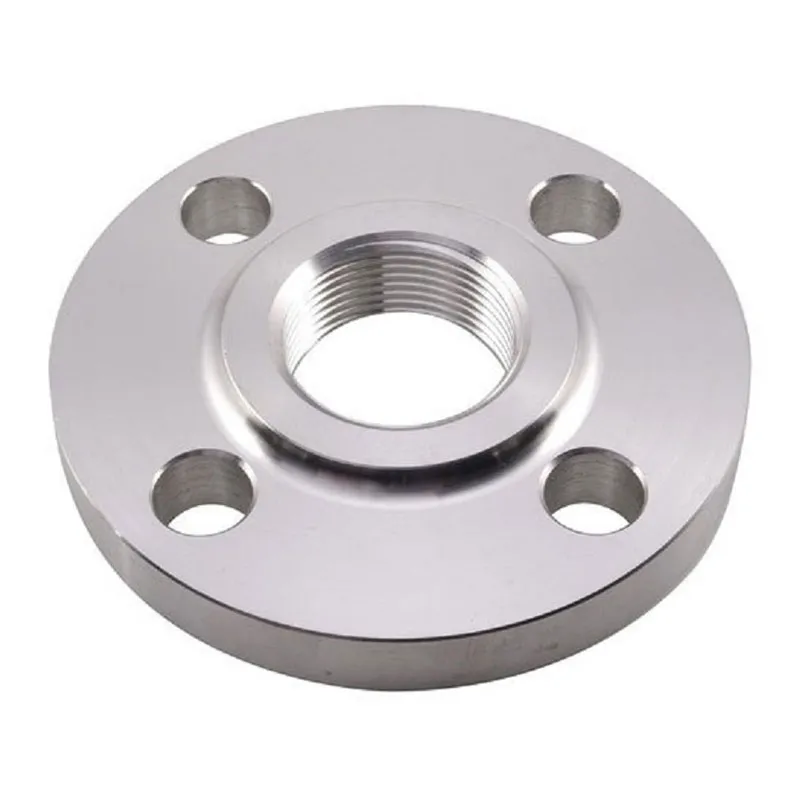
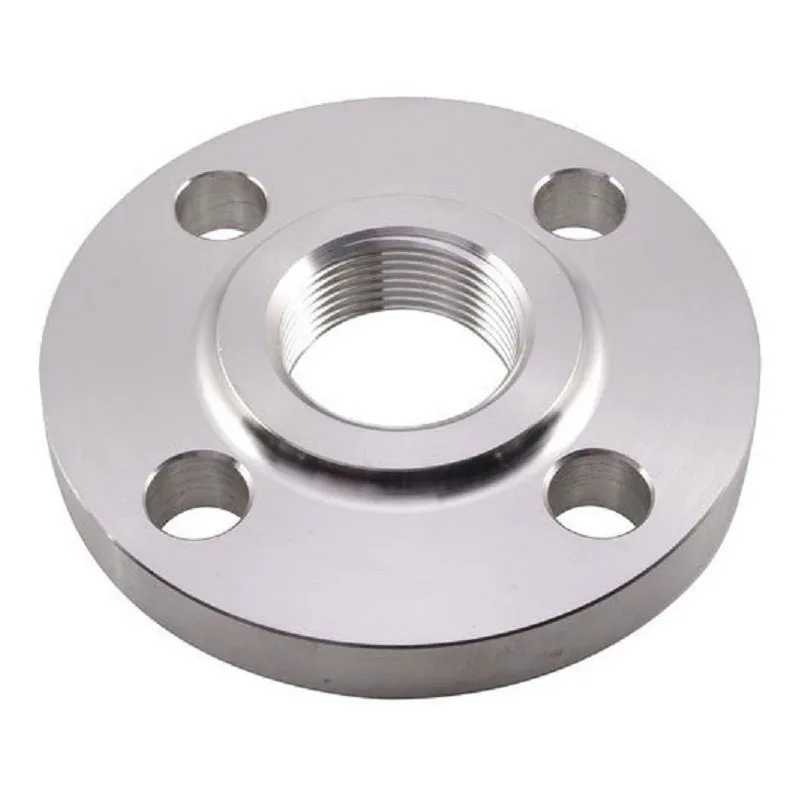 ANSI B16.5 Threaded Flanges Class 600
 -
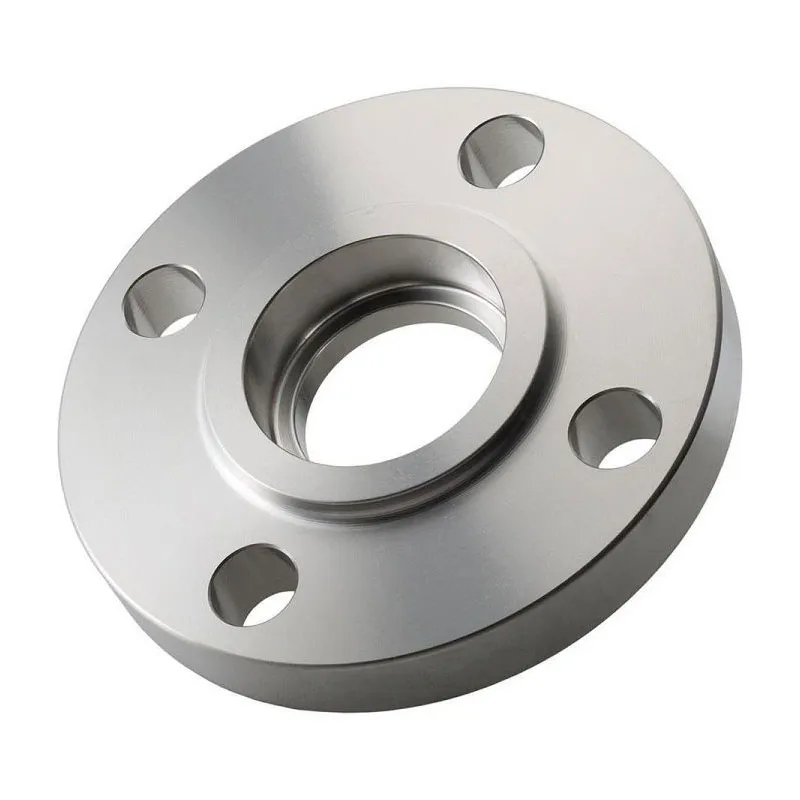 ANSI B16.5 Socket Weld Flanges Class 1500
 -
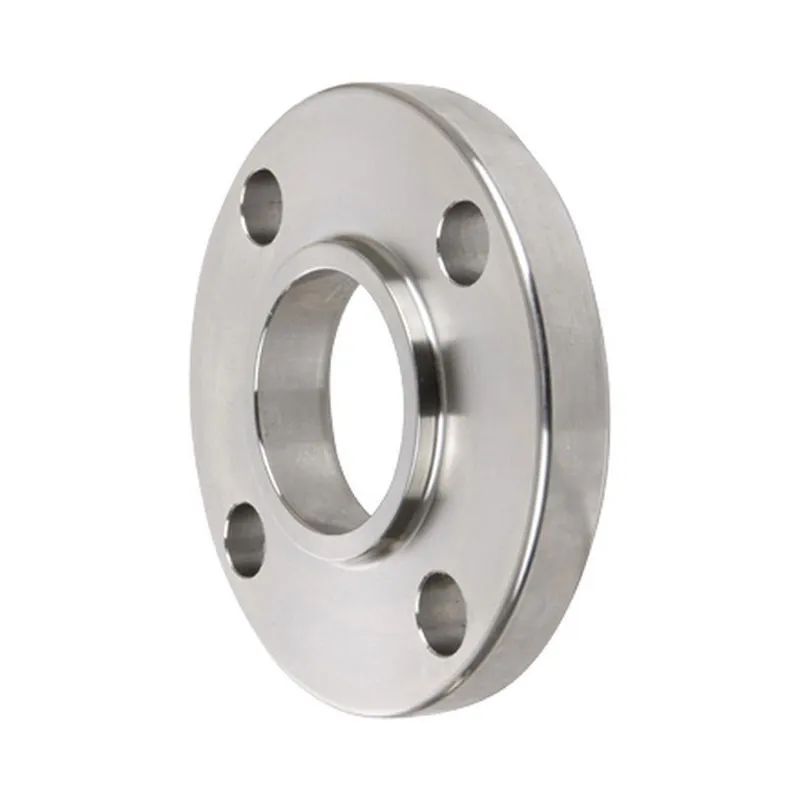 DIN 2501 Overlay flanges PN16
 -
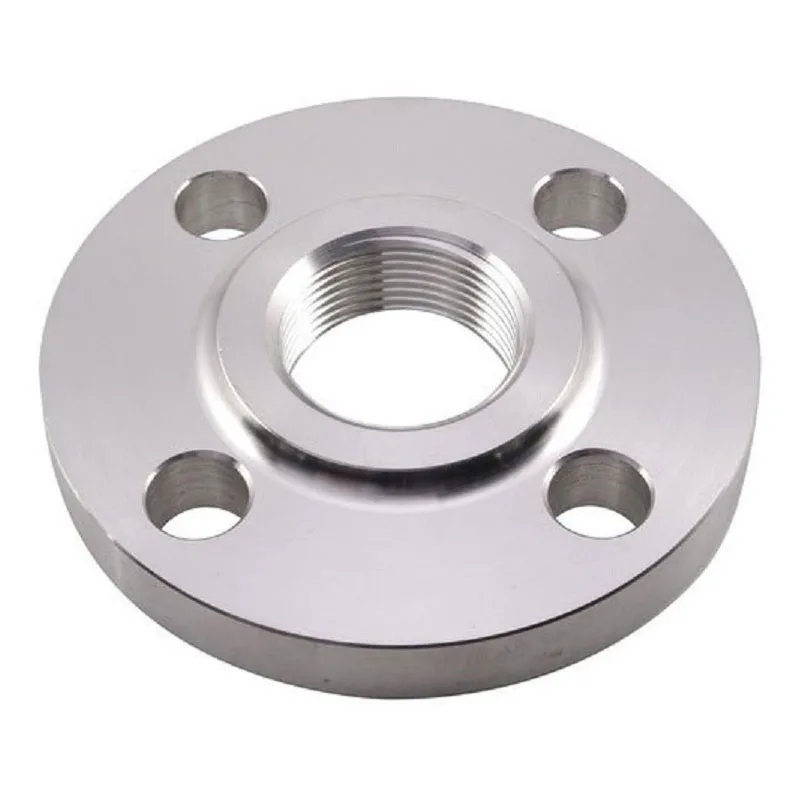 JIS 10K Threaded Flanges
 -
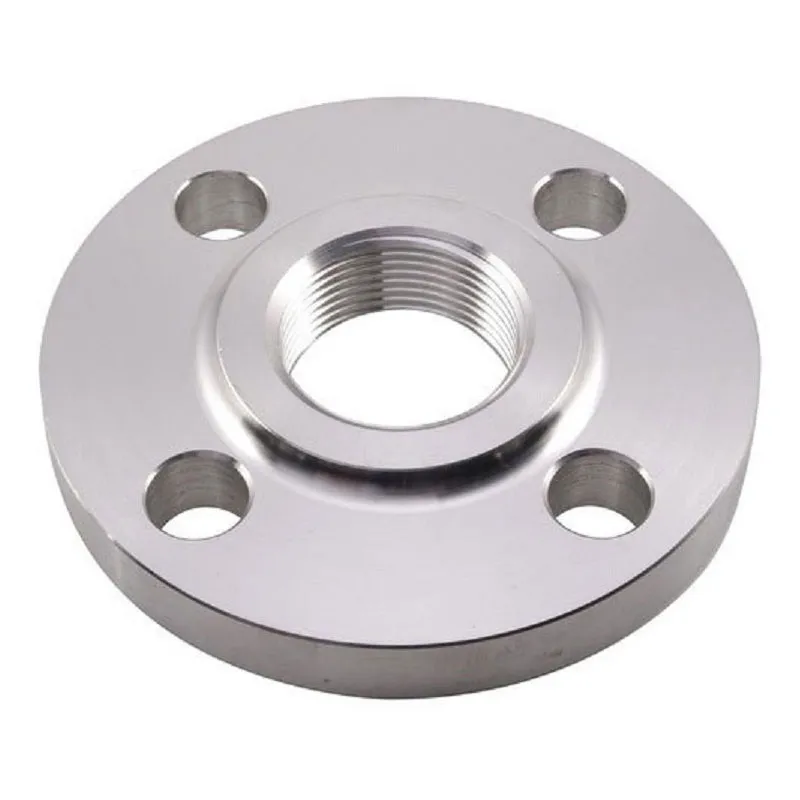 DIN 2565 Threaded flanges PN6
 -
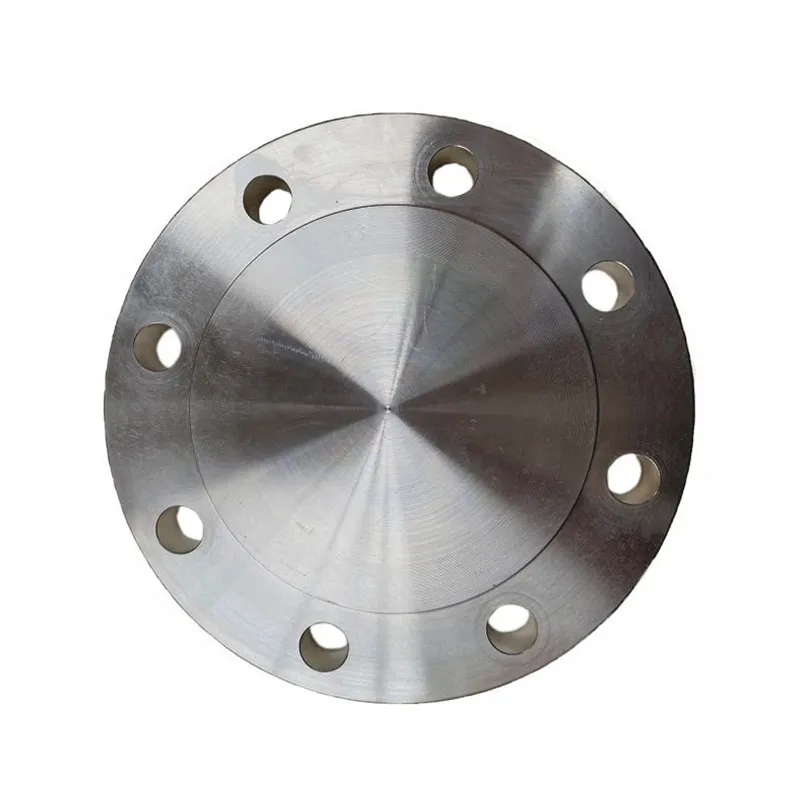 DIN 2527 Blind flanges PN10
 -
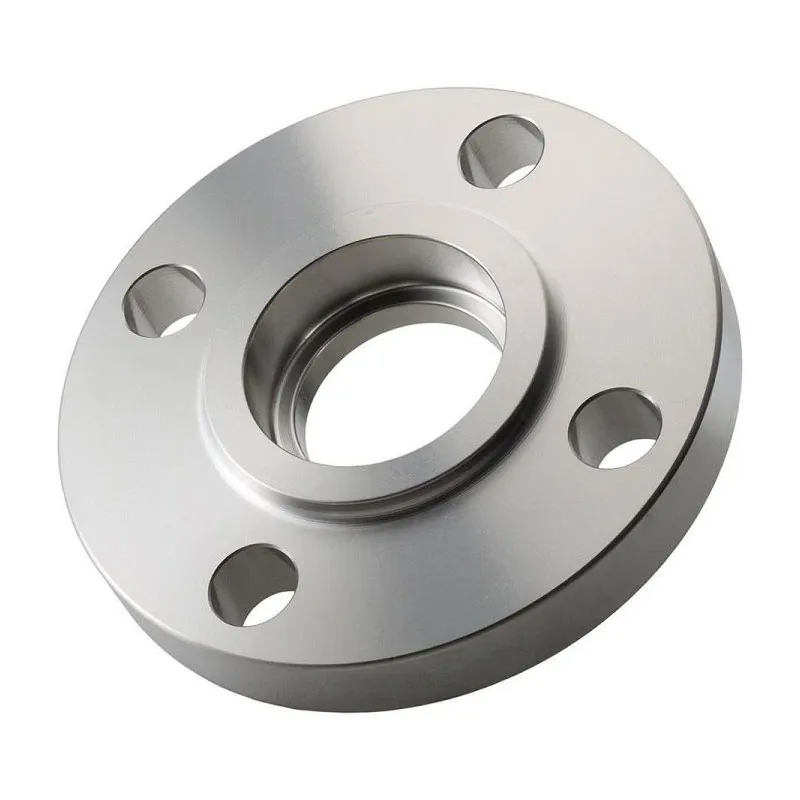 ANSI B16.5 Socket Weld Flanges Class 150
 -
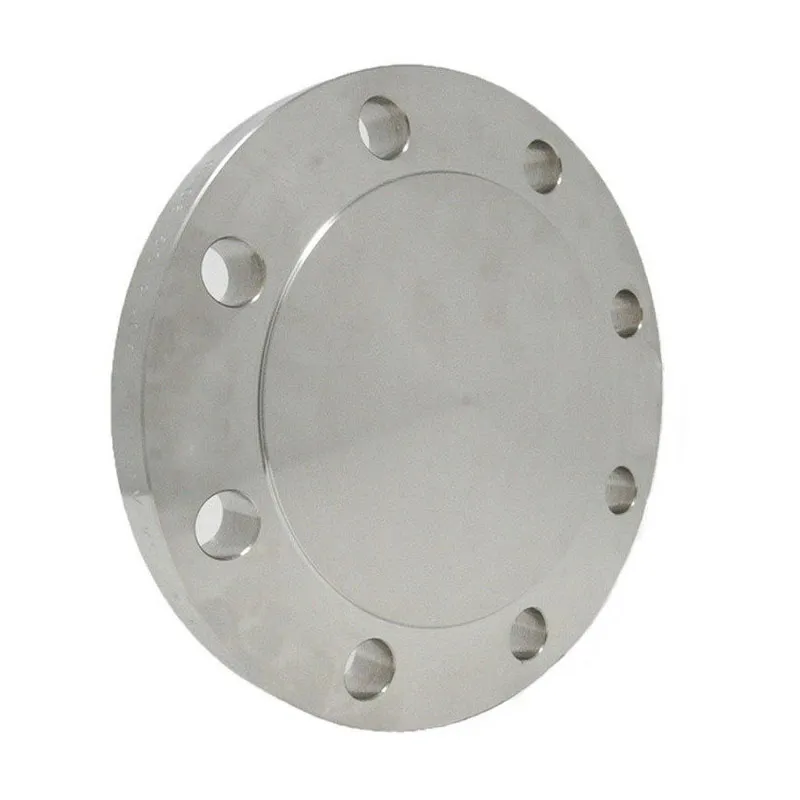 Blind flanges Class 150
 -
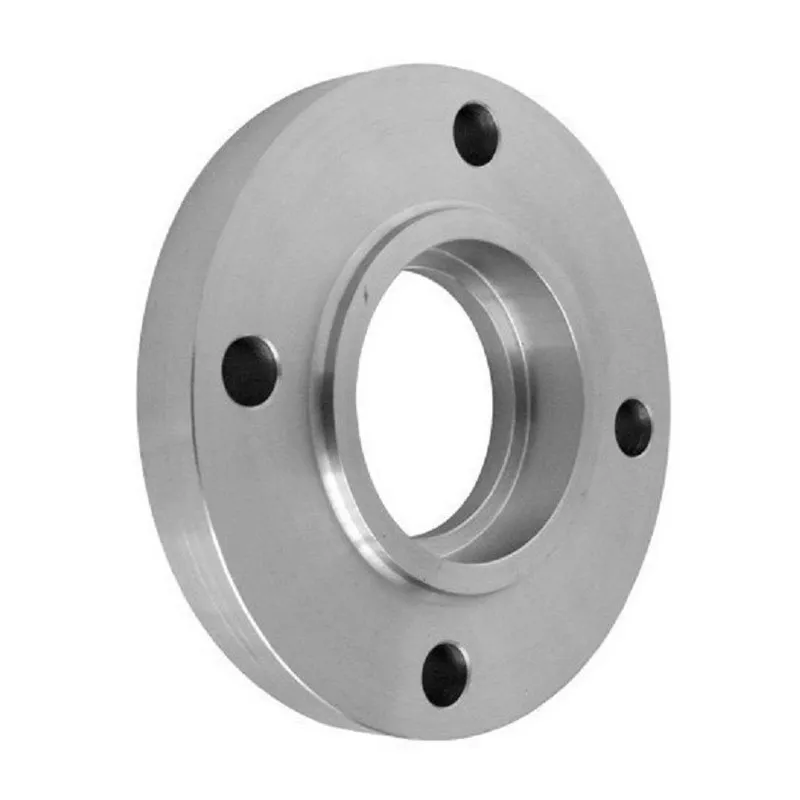 JIS 5K Socket Weld Flanges
 -
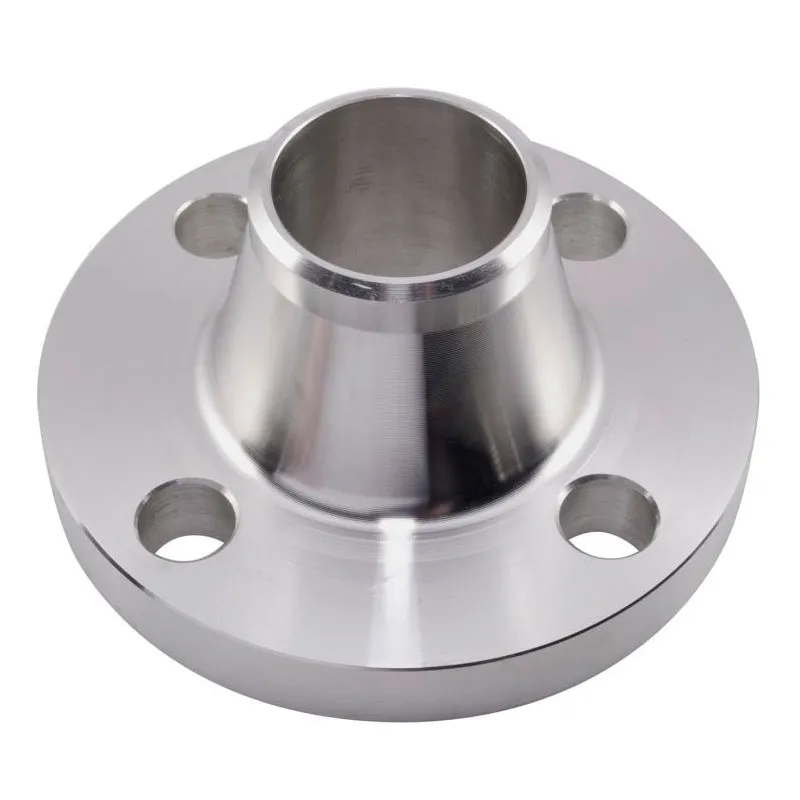 UNI 2281 Butt weld flanges PN10
 -
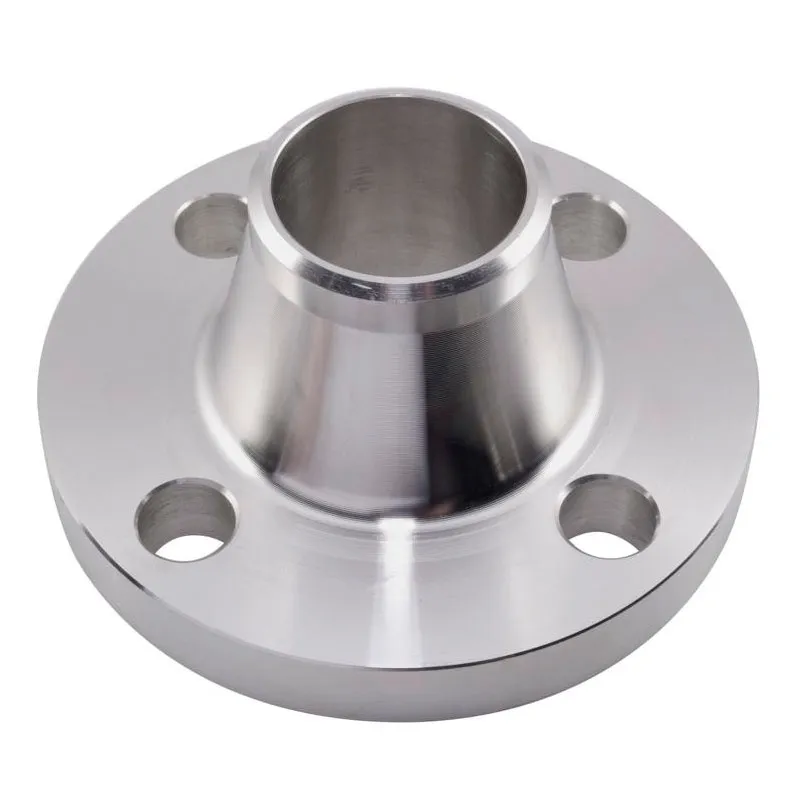 Butt weld flanges Class 900
 -
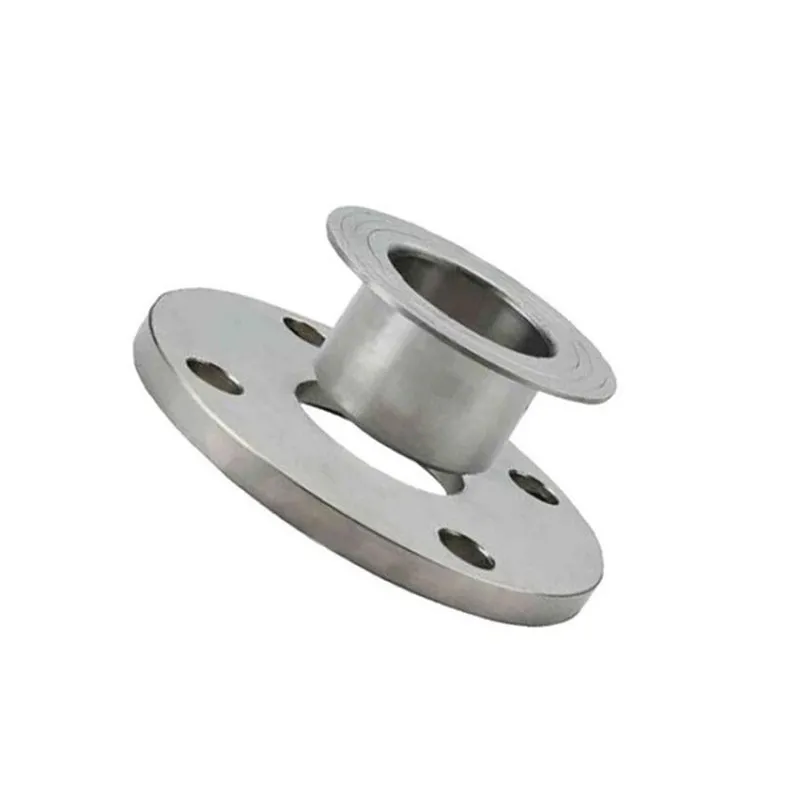
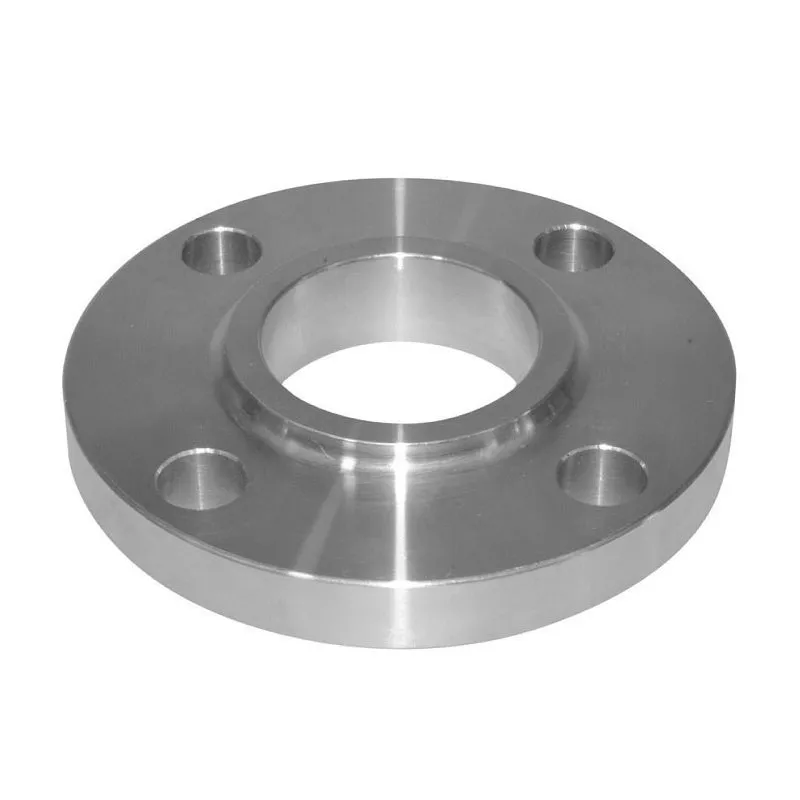 ANSI B16.5 Lap-on flanges Class 1500