
-
-
Phone
+86-13623462298



ooo flange
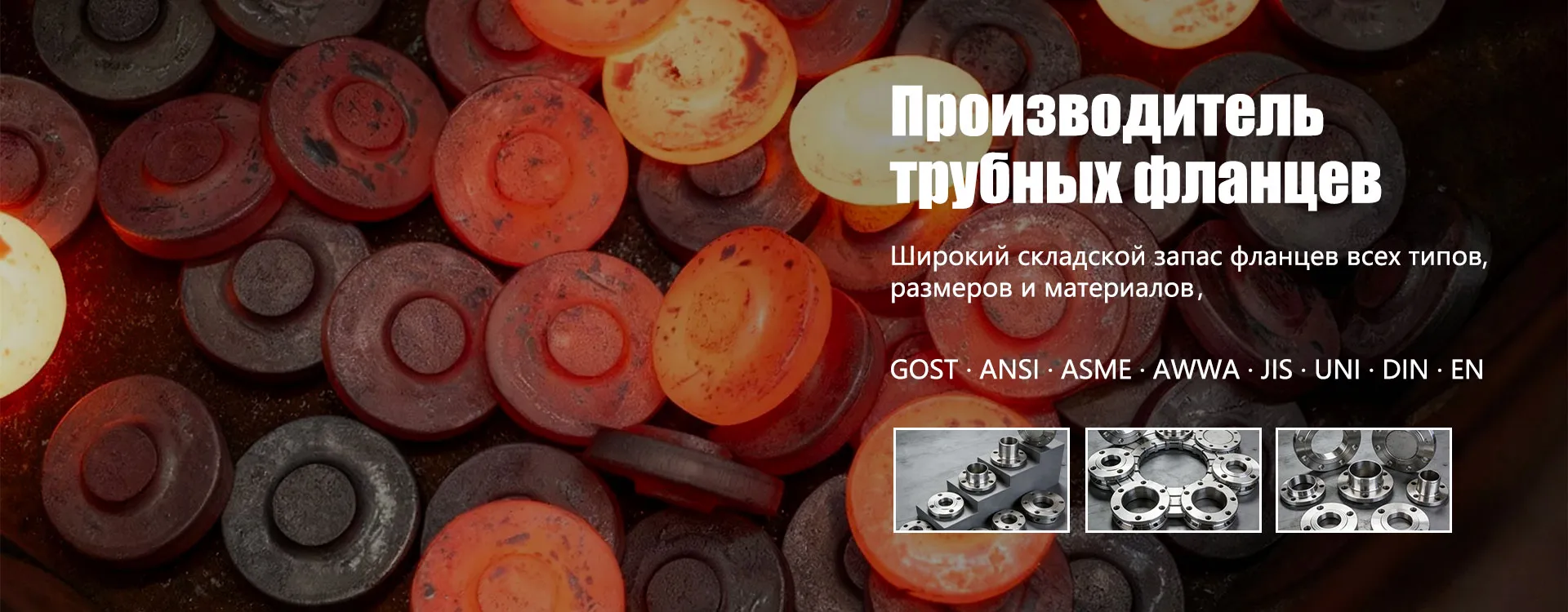
When you type “ooo flange” into the line, the first thing that comes to mind is that people are simply looking for the company that produces them. Legal form. But in reality, in our forging kitchen, this request is the tip of the iceberg. Behind it lies a misunderstanding: the main thing about a flange is not the LLC in the name of the supplier, but how and what it is made of. How many times have I encountered customers who are chasing a low price from some “ooo?”, and then at the site there are inconsistencies in accordance with GOST, fistulas in the seams due to the loose structure of the forging. This is what I want to talk about - discarding the marketing fluff.
What actually makes a reliable flange
If we take large, important projects - pipelines, energy - then the story always begins with procurement. Casting? For some types - yes, but for pressure and temperatures - only forging. And here it is not just “forged” that is important, but volumetric forging, which eliminates internal defects of the ingot and forms the correct direction of the fibers. I remember about ten years ago we tried to work with one supplier who gave a good price for flat flanges made of hot-rolled sheet. It seems to be the geometry according to the drawing, material st20. But during hydrotesting at one of the facilities near Tyumen, a series of microcracks appeared along the perimeter of the holes for the studs. We looked into it and it turned out that there was anisotropy of properties. In the sheet, the fibers are not redistributed as during forging, and the load has gone wrong. Since then - only forging for everything that works under load.
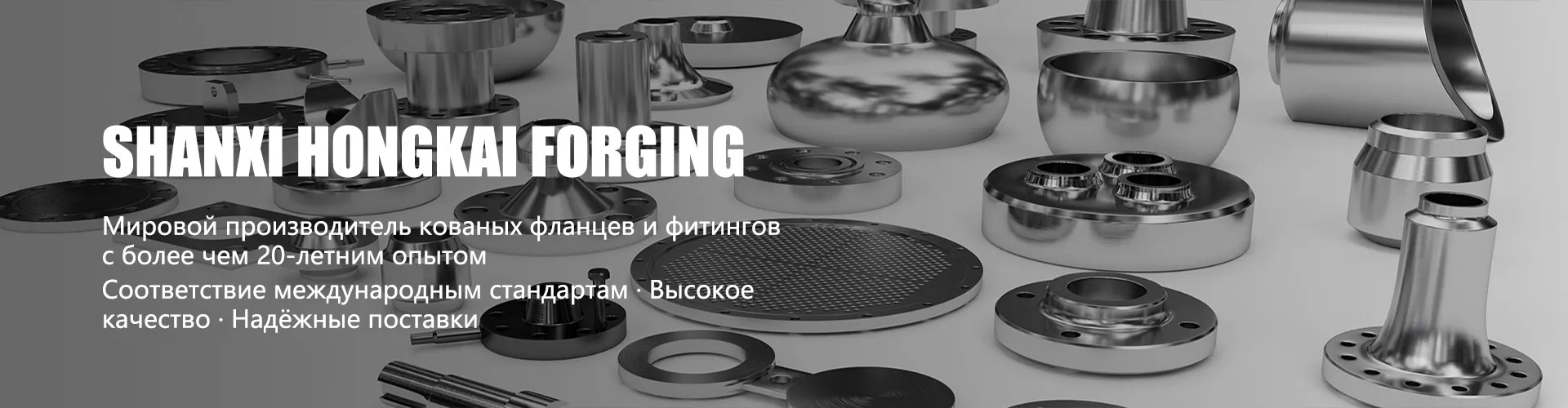
And here is just the right place to rememberShanxi Hongkai Forging Co.,Ltd. Not because of advertising, but because of their websitehkflange.ru- This is a rare case where a manufacturer gets it straight: they are a manufacturer of forged flanges and forgings, based in one of the main centers of the forging industry in China. This is important. When a company is located in an industrial cluster, it usually has access to powerful presses (thousands of tons), and the production culture is different. They don’t just cut from a sheet, but work with a forging from an ingot.
By the way, about the sizes. They have a stated range of DN15–DN4000. When you see DN4000, it's serious. For such dimensions, the sheet is not suitable at all - only segment forging or stamping on a huge press. The largest one I had to deal with was DN2800 for the chimney. There, each flange is a separate project, taking into account mounting deformation and thermal expansion.
Standards: an alphabet in which you need to be able to read between the lines
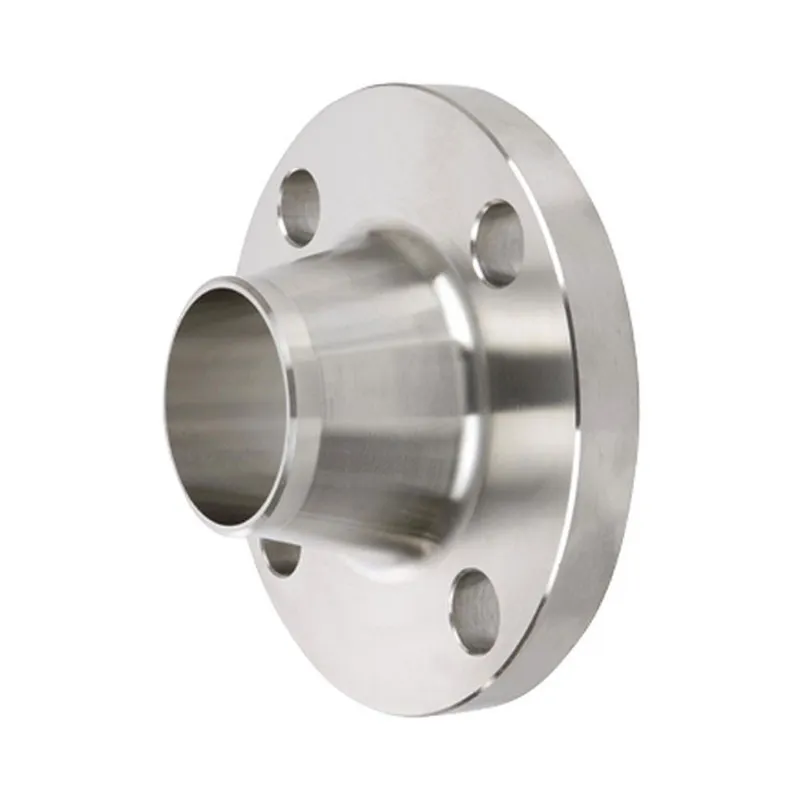
Everyone says: “we do it according to GOST, ASME, DIN?”. But few customers realize that even within the standard there are implementation options that decide everything. Let's take GOST for butt welded steel flanges. There are types 11 and 21 - with a conical hub and a cylindrical one. Does the difference seem trivial? For a welder - no. A tapered hub gives a smoother transition and better stress distribution, especially under variable loads. But also more expensive to manufacture.
Shanxi Hongkai Forging Co.,Ltdin its description indicates work in accordance with GOST, ASME, EN, DIN, UNI, BS, JIS, GB. This is a good sign, but the key is ?including?. This means they can do it according to Russian standards. An important point: some ?ooo? they simply take a DIN drawing and pass it off as an analogue of GOST, but this is not always correct in terms of tolerances for plate thickness or hub height. You should always request a certificate of conformity to the exact standard specified in the project. From personal experience, one Arctic project order required flanges to ASME B16.5 Class 300, but with an additional requirement for -46°C toughness. Many dropped out at the inquiry stage, and those who were accepted (including specialized forging manufacturers, like the mentioned company) immediately asked: “What ASTM material?” A350 LF2? And we will do additional tests??. This is professional dialogue.
And then there’s the story of labeling. A real forged flange must be stamped not only with the size and pressure, but also with the steel grade, heat number, and manufacturer's mark. I saw a batch where the mark was applied with paint - after a month in the warehouse it was erased. The entire batch had to be rejected because traceability was lost. Now this is one of the first points in the technical specifications.
Nomenclature: from butt to ?make according to this sketch?
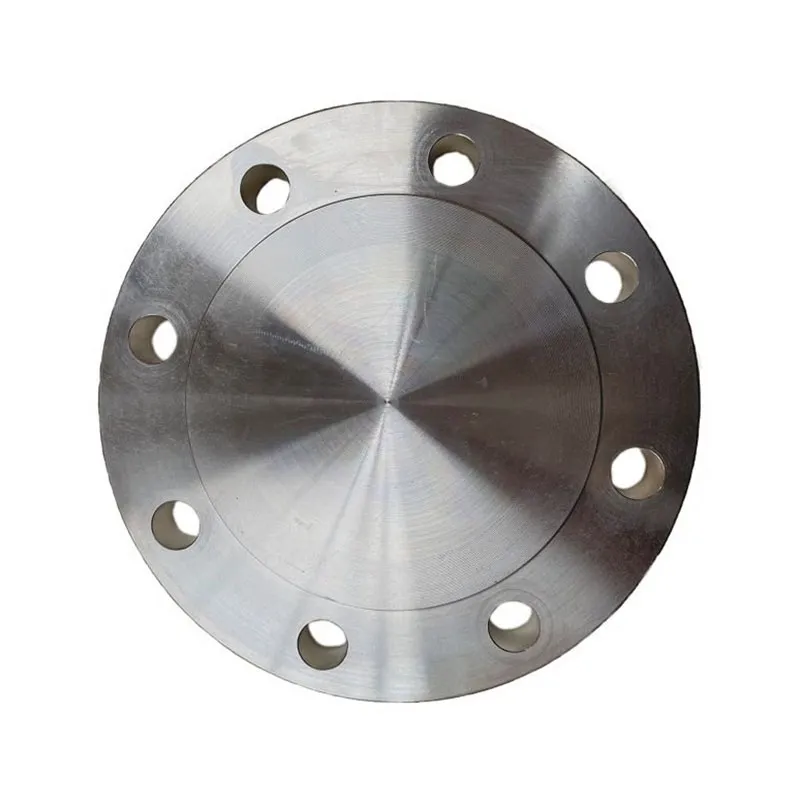
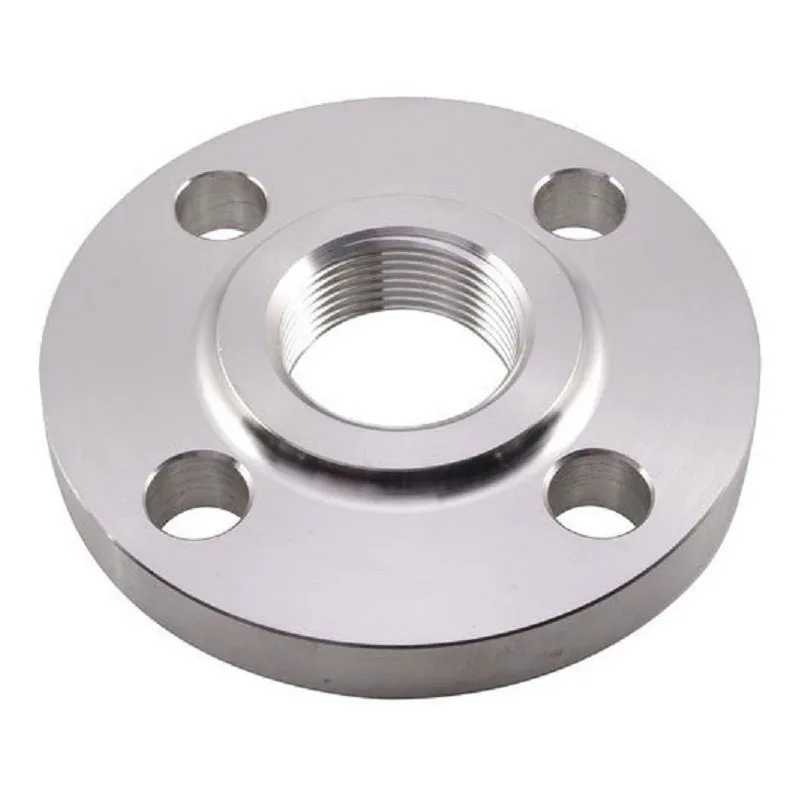
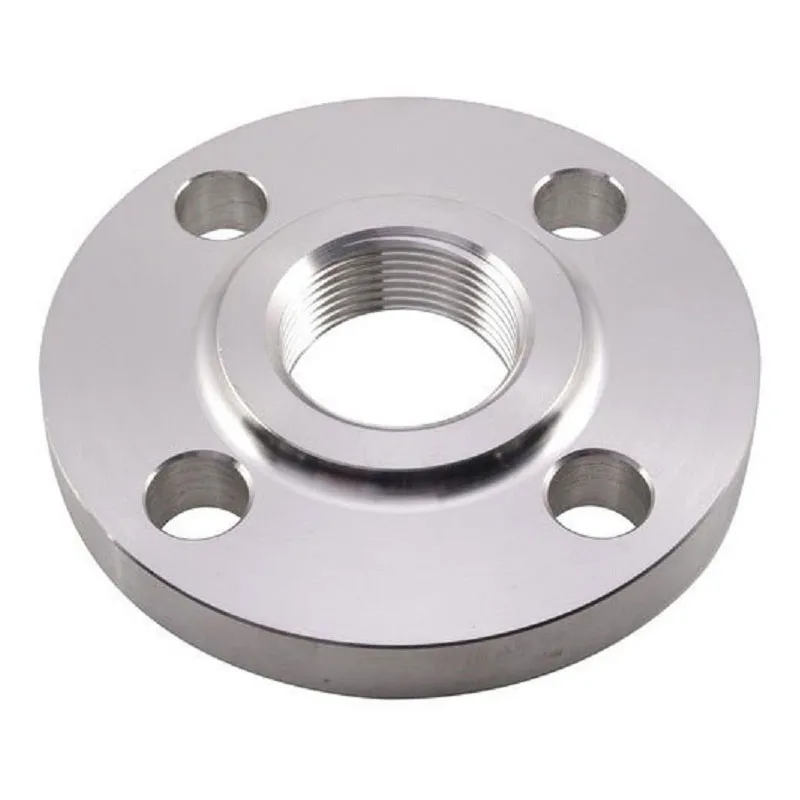
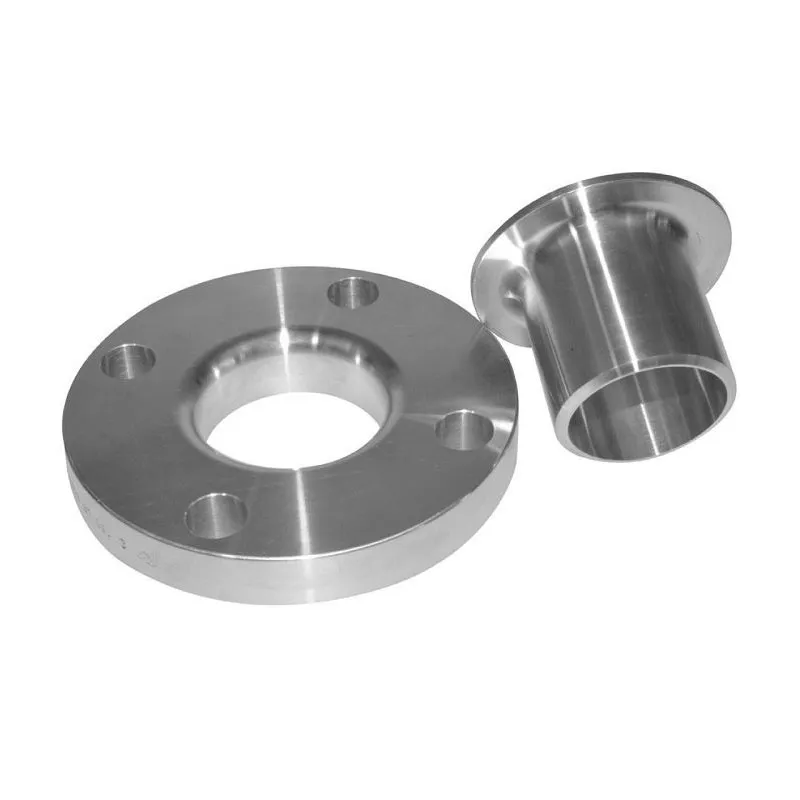
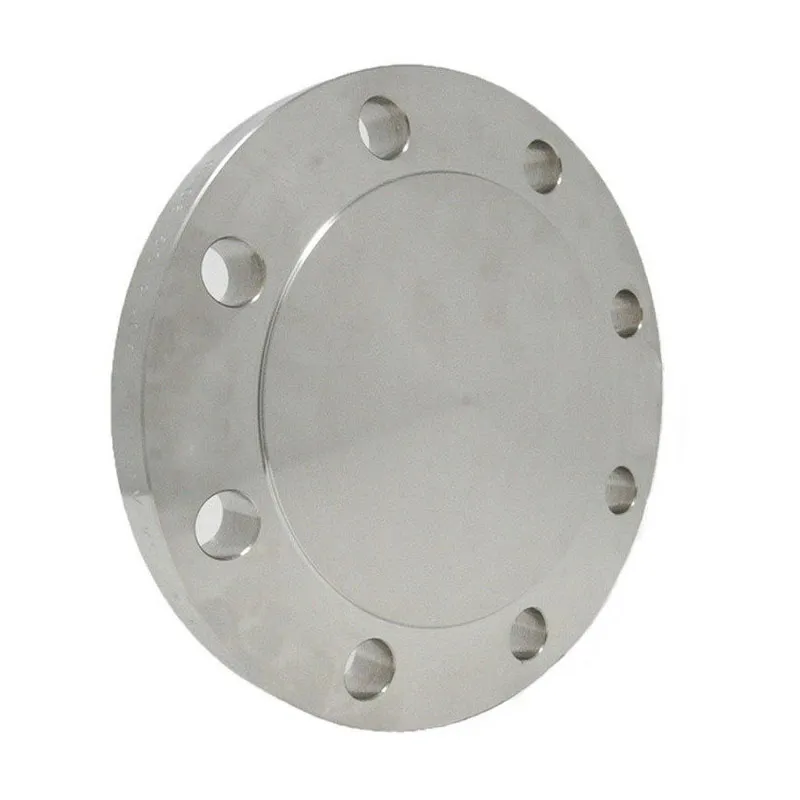
The main types are butt weld, flat, loose, threaded, blind. It seems simple. But within each type there is an abyss of nuances. For example, loose flanges on a weld ring. They are often taken for installation in hard-to-reach places or from expensive materials (titanium, duplex steel) in order to save on the main ring. But here the accuracy of machining the seating surface of the ring and the flange itself is critical - so that there is no distortion and leakage.
The mentioned manufacturer also specifies non-standard products according to customer drawings. This is a separate topic. ?Non-standard? - does not mean “simple?”. Somehow I needed an adapter flange from DN300 to DN250, but with offset axes and an additional drainage hole. The drawing has been sent. A good manufacturer doesn’t just take on such work, but first does a technological analysis: can it be forged in one piece? Or do you need to weld two forgings? How will the metal behave when heat treating such an asymmetrical part? In that case, they ended up making it solidly forged, but they had to develop equipment for bending. The deadlines were longer, but the result was perfect.
Or flanges for insulation. Large external geometry is required to install the casing. Many workshops that have no experience make them as usual, and then the installers suffer.
Practical rake: where people most often stumble
The first is the quality of the surface for the gasket. According to the standard, this is usually 3.2–6.3 µm Ra. But if the surface is too smooth, the gasket may “float”. If it’s too rough, it won’t seal. I have seen cases where flanges arrived with beautiful machine processing, but with radial risks from the cutter. This is marriage. The surface must be concentric.
The second is the holes for the studs. Their markings around the circumference are sacred. An error of half a degree - and it will no longer be possible to assemble. There was a story with DN600 flanges, where in one batch several pieces had holes offset by 1 mm. It seems like nonsense. But when they started installing studs on the site, they didn’t fit. We had to drill it out on site, which weakened the structure. The reason is wear on the jig on the drilling machine at the supplier. Now I always ask about equipment control.
Third is the material. The steel grade must not only match the chemical composition, but also have the correct heat treatment. For carbon steels - normalization, for alloy steels - hardening + tempering. Somehow we received a batch of flanges from 09G2S, which looked just right. But during welding, cracks appeared in the high-frequency zone. Everything on the certificate was normal. They began to look into it - it turned out that the manufacturer saved on normalization, and traces of segregation remained visible in the structure. Strength was at its limit and toughness was low.
Bottom line: so what to look for when choosing an ?oo flange??
Let's go back to the beginning. Request ?ooo flange? should lead not to the first company you come across with a beautiful website, but to a manufacturer who openly talks about the process. HowShanxi Hongkai Forging Co.,Ltd- they directly indicate that they are a manufacturer of forged flanges and forgings. This immediately cuts off resellers and small workshops that work as contractors.
You need to look at specialization. If a company makes everything - from nuts to boilers - the question is about the quality of the forging. If it focuses on flanges and forgings, the chances of getting a well-made product are greater. Especially when it comes to large sizes or special materials.
And the main thing is dialogue. A real manufacturer will always ask clarifying questions about the drawing, standard, and operating conditions. If in response to a request you immediately receive a price list without a single question, this is an alarming sign. A flange is not a bolt; it cannot be made for storage? without understanding where he will stand. This, perhaps, is the whole point. You choose not an LLC, but the competence and approach that stand behind these three letters.
Correspondingproducts
Related Products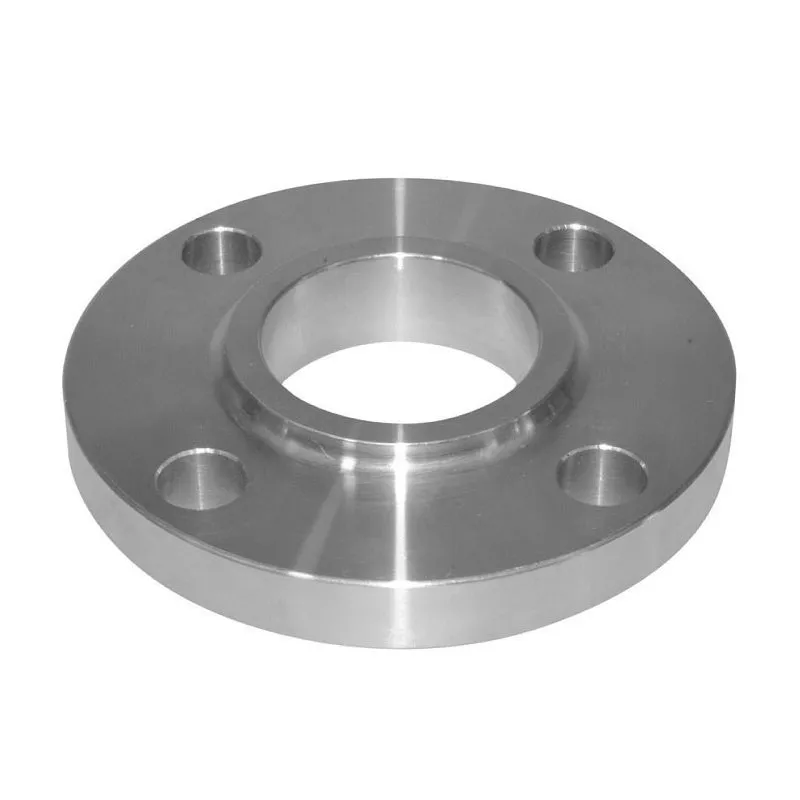
Best Sellingproducts
Best Selling Products-
 ANSI B16.5 Loose Ring Flanges Class 2500
 -
 Flanges for socket welding
 -
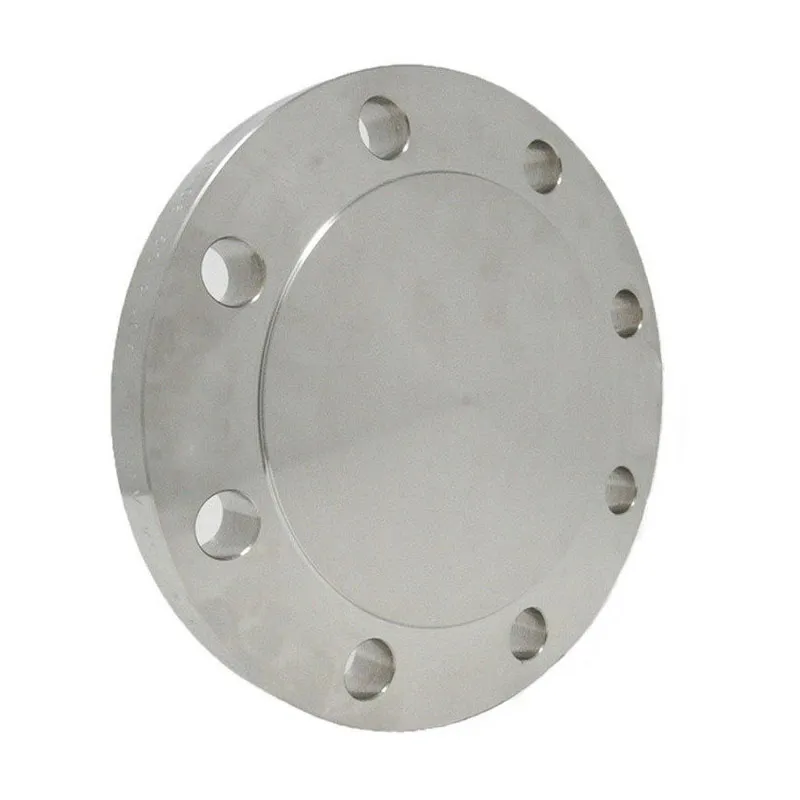 Blind flanges Class 150
 -
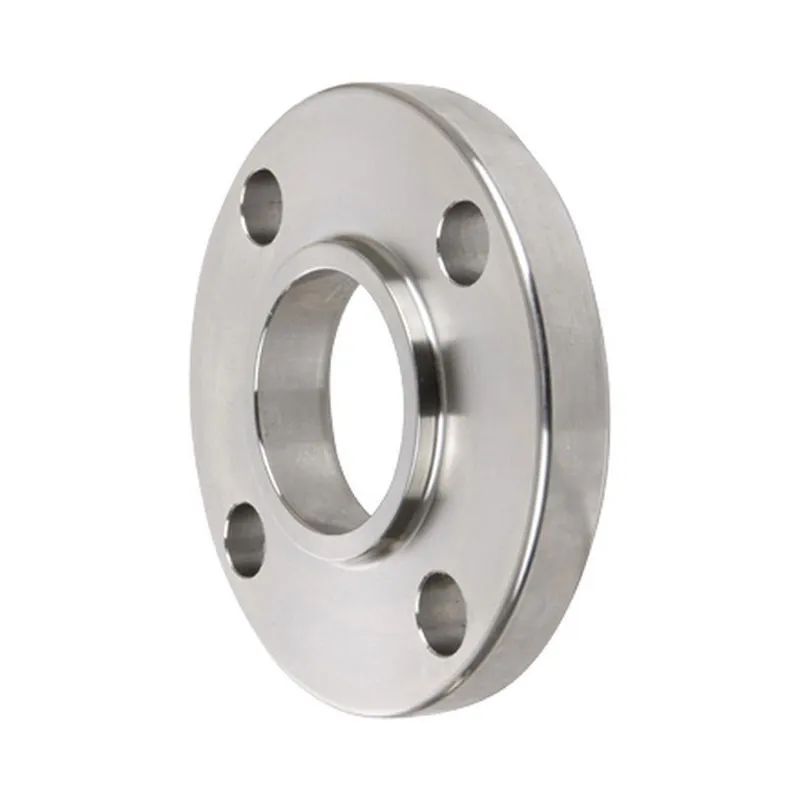 DIN 2501 Overlay flanges PN16
 -
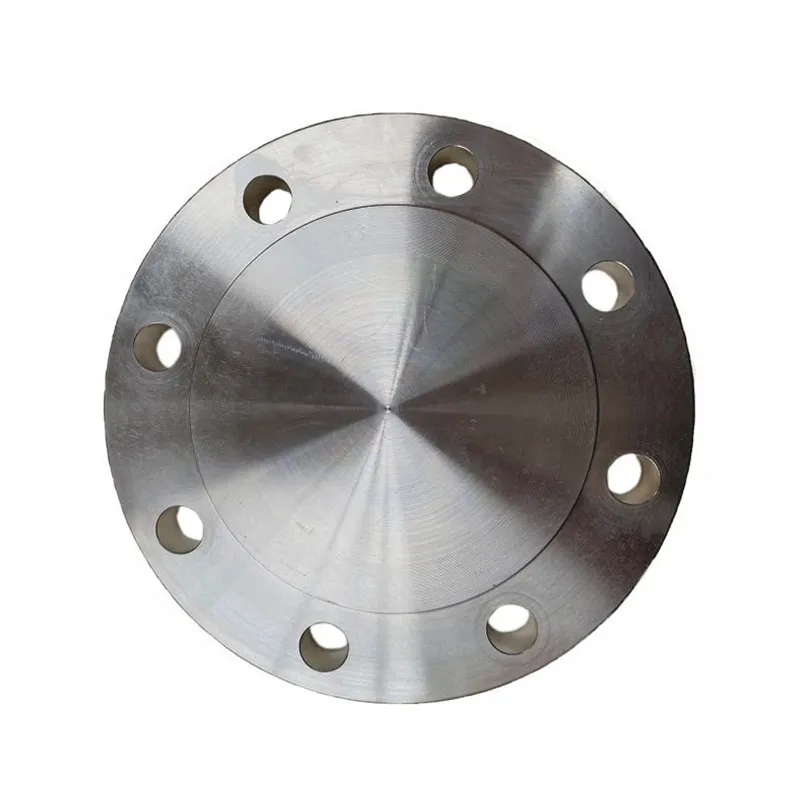 DIN 2527 Blind flanges PN10
 -
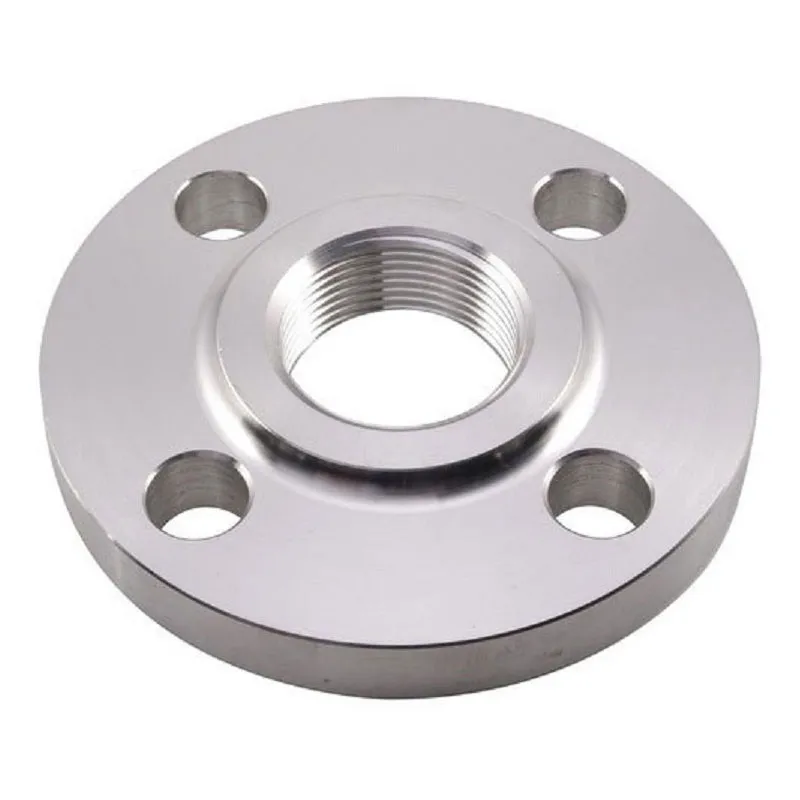 DIN 2565 Threaded flanges PN6
 -
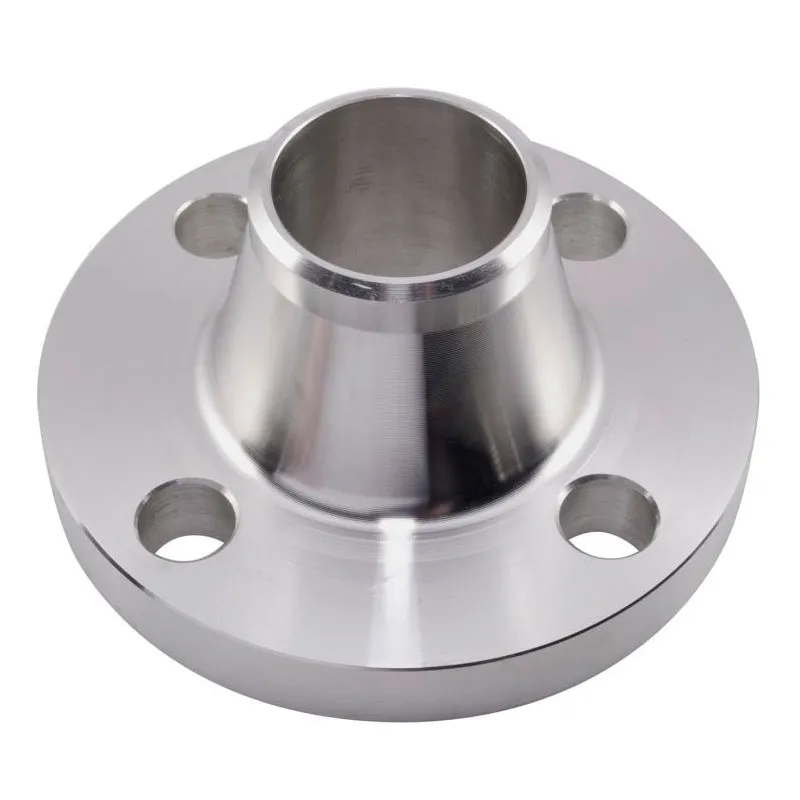 UNI 2281 Butt weld flanges PN10
 -
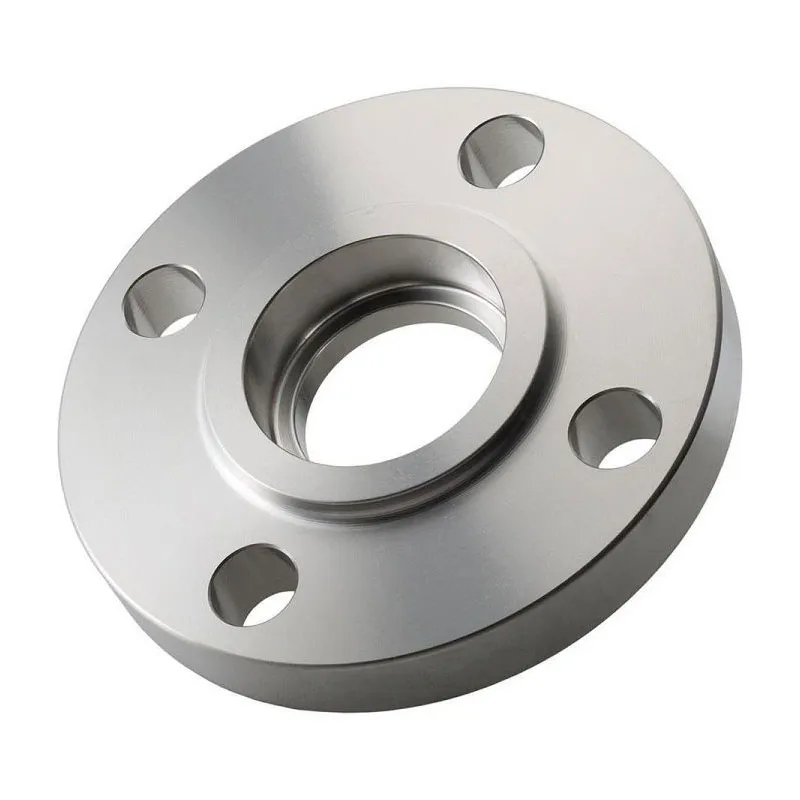 ANSI B16.5 Socket Weld Flanges Class 1500
 -
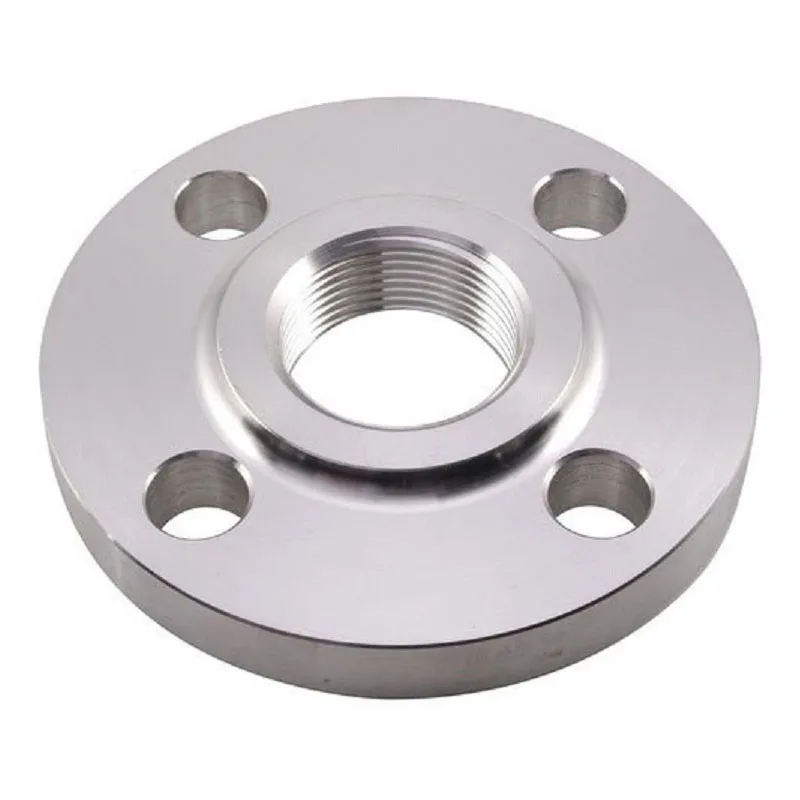 DIN 2566 Threaded flanges PN16
 -
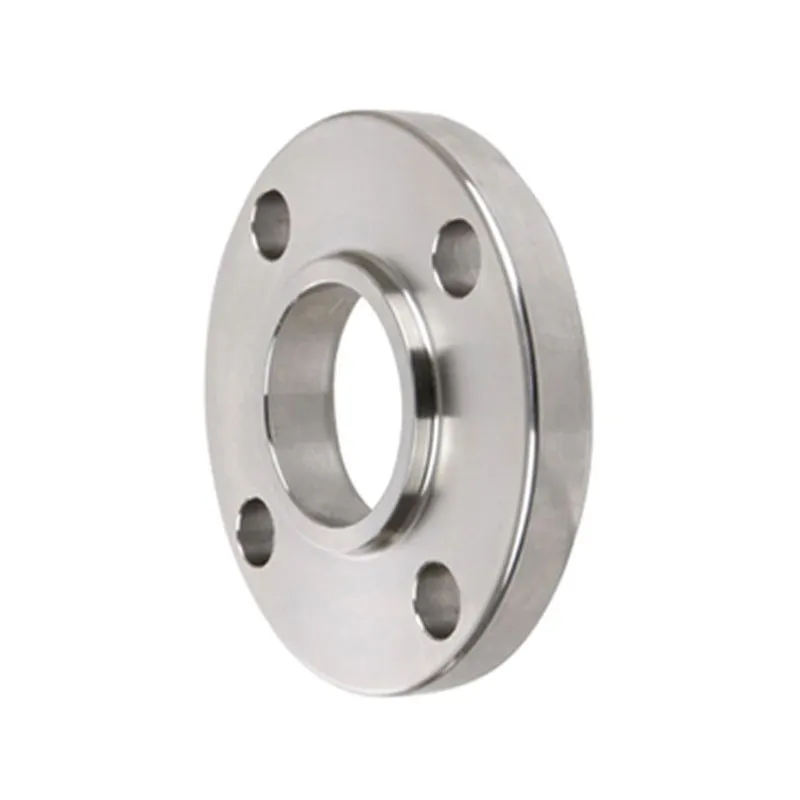 ANSI B16.5 Lap-on flanges Class 300
 -
 EN 1092-1 Butt weld flanges Type 11, PN25
 -
 AWWA Blind Flanges Class D (Tables 1, 2, 3)