
-
-
Phone
+86-13623462298



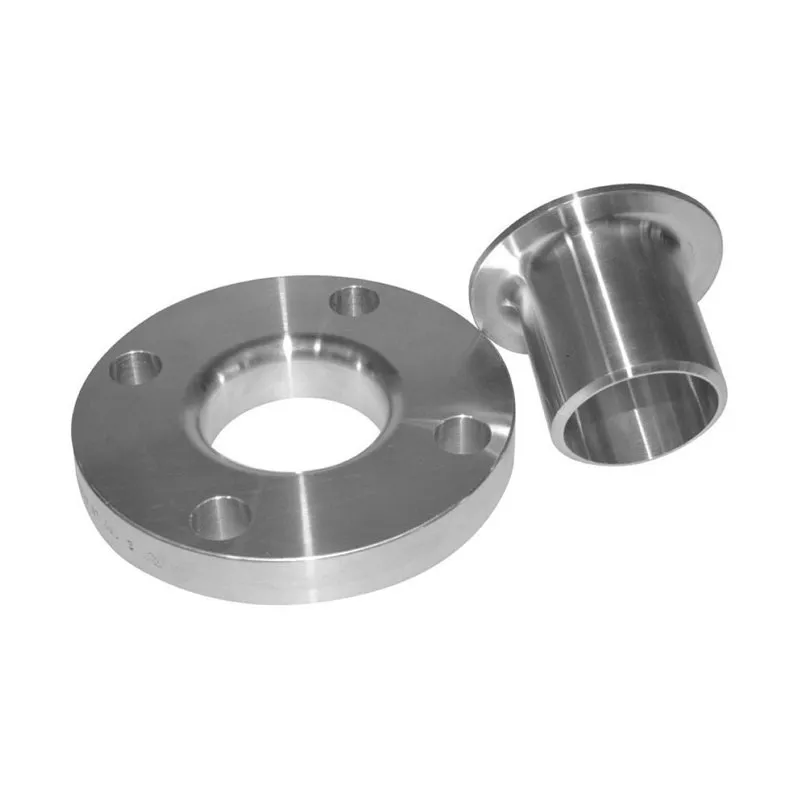
flange type 4
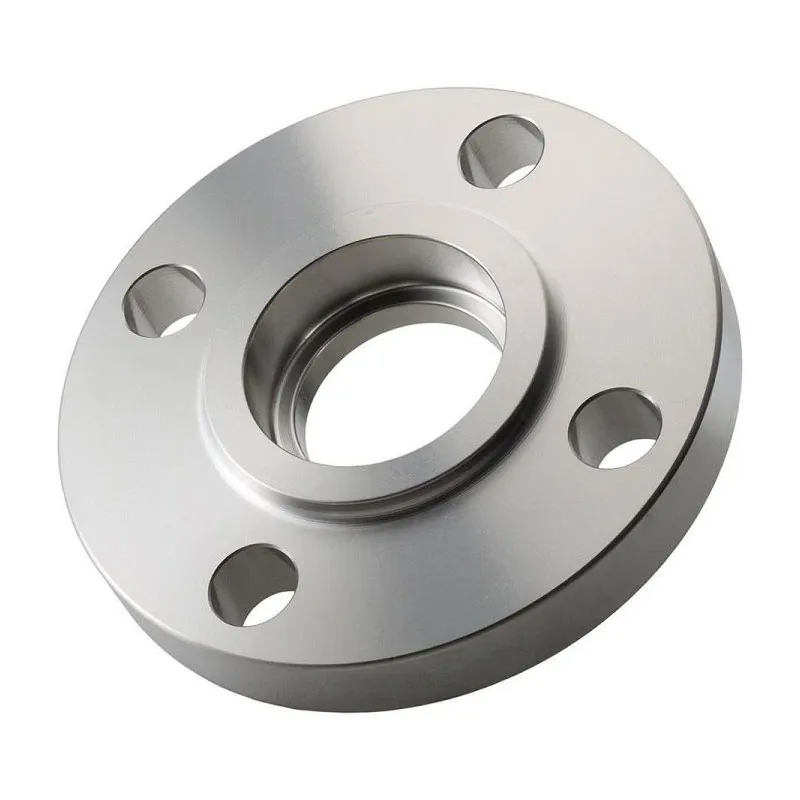
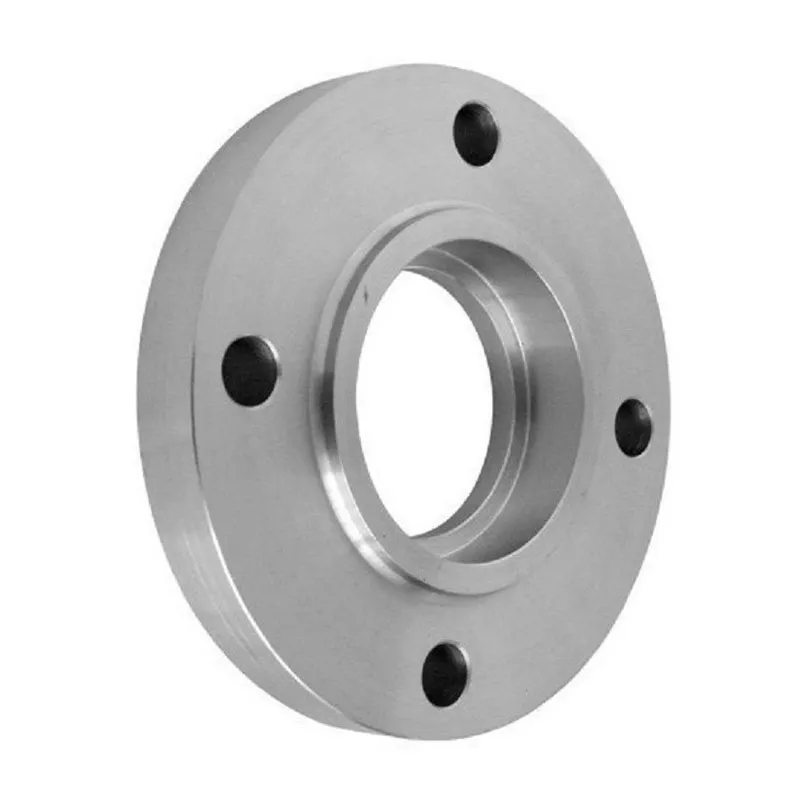
When you hear "type 4 flange", the first thing that comes to mind is probably a loose flange on a weld ring. But here’s the catch: in different standards and, more importantly, in actual orders and drawings, this phrase may hide slightly different things. Confusion often arises between GOST 12822-80 and any variations according to ASME B16.5 or EN 1092-1. I myself had to sort out more than one invoice where a client from the CIS asked for “type 4 according to the old GOST”, but in the end it turned out that he needed an analogue with a slightly different design of the contact surface. Or vice versa - a request comes from a European customer with a link to the standard, and in their system “type 4?” - this is something completely different. This is where I’ll probably start.
We understand the roots: from GOST to specifications
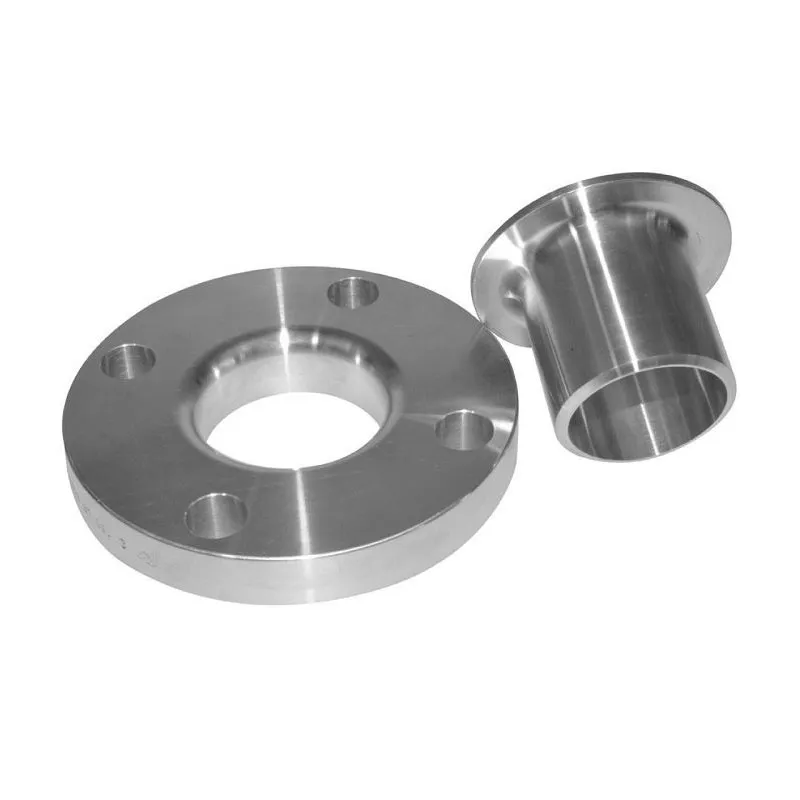
If we take the classic Soviet and then Russian GOST 12822-80 for steel loose flanges on a welded ring, then type 4 is exactly the design with a connecting projection. That is, you have the actual ring and flange, which are bolted together. The key here is this very design, which allows you to compensate for misalignment of pipes or facilitate installation in hard-to-reach places. But when we talk about modern projects, especially with international participation, it is easy to refer to “type 4?” is no longer enough. You need to look at the drawing, the indication of the standard and, what is critical, the environmental parameters - pressure, temperature, aggressiveness.
In the practice of our production atShanxi Hongkai Forging Co.,LtdIt often happens like this: a request comes through the websitehkflange.ruwith the wording “analogue of flange type 4 GOST under ASME B16.5 Class 300?”. And this is where the fun begins. Because direct comparison doesn't always work. It is necessary to take into account not only geometry and dimensions (DN/PN or NPS/Class), but also material, and even manufacturing tolerances. Sometimes, in order to select the correct analogue, you have to ask the customer for a wiring diagram or installation conditions. It happened that they offered a standard solution, and in response received a clarification: “No, we have a spiral-wound gasket, we need a different type of surface?” These nuances determine whether the connection will be tight and reliable in operation.
By the way, about materials. For type 4 flanges according to GOST, steel types St20, 09G2S, 12Х18Н10Т were traditionally used - depending on the parameters. But when you make products according to international standards, the range expands significantly. We, as a manufacturer, work with carbon, alloy and stainless steels according to ASTM/ASME. For example, A105, A350 LF2, A182 F304/F316. And here you can’t just take it and do it “as per GOST?”. Forging technology, heat treatment, fur control. properties - everything is different. I remember a case involving a batch for a petrochemical project in Kazakhstan: the customer insisted on A350 LF2 material with strict control of impact strength at low temperatures. We did it according to our own technical processes, but we had to additionally coordinate test reports with him on exactly those points that were important for his examination. This relates to the question of what is “type 4?” is not only a form, but also a set of characteristics that must be documented.
Practical pitfalls and errors when ordering and using
One of the most common problems you encounter is an incomplete or incorrect specification. In the application they write: “Free flange type 4, DN200, PN16?”. Everything seems clear. You start preparing production according to GOST 12822-80 - and then it turns out that the customer wanted not according to GOST, but according to EN 1092-3, because his equipment is European. Or even worse - he needs a size not DN, but NPS 8, and with drilling according to ASME. Time is wasted; all technical documentation needs to be redone. Therefore, now we always try to clarify: “What standard are you working under?” Do you have a drawing number or full catalog designation? This saves nerves for both us and the client.
Another point is the quality of the welded ring. It would seem like a small thing. But a lot depends on how this ring is made—the precision of processing the end for welding, the quality of the surface for the gasket. We pay special attention to this in our production, especially for critical applications. There were precedents when we were contacted with complaints (not of our products, fortunately) precisely because of problems with tightness. Upon disassembly, it turned out that the ring was made with a violation of the geometry, which caused distortions during the tie. The customer had to explain that the free flange is a system of two parts, and the ring is not just a piece of hardware, but a full-fledged part of the connection, which must be selected and checked just as carefully.
I’ll tell you about one of our experiences, which can be considered an unsuccessful attempt, but very indicative. Somehow I received a request for a non-standardflange type 4large diameter - DN2200, for ventilation system. The customer provided a sketch that was generally similar to the classic design, but with a modified configuration of holes for fasteners and an increased thickness of the ring. We did it and shipped it. And after a couple of months we receive feedback: during installation, difficulties arose with aligning the holes with the counter flange on the equipment. It turned out that the customer, when preparing his sketch, did not take into account standard tolerances for drilling and possible errors in the installation of the equipment itself. As a result, the holes had to be modified on site. The conclusion for us was simple: even for non-standard products based on customer drawings, it is necessary to conduct a more in-depth consultation, literally asking about installation conditions and what exactly our product will be connected to. Now this is the rule.
Nuances of production and quality control
Manufacturing of loose flanges on a welded ring, includingtype 4Shanxi Hongkai Forging Co.,Ltd. Forging provides better metal structure, increased strength and reliability, which is critical for high-pressure pipelines or those operating under cyclically changing loads. The process itself begins with the workpiece - checking the chemical composition of the steel. Then heating, the actual forging on presses (we have a strong forging school in Shanxi), then mechanical processing.
The most important part is the processing of surfaces for gaskets and welding. Type 4 with raised face requires a certain roughness. It is often done using a notch - spiral or concentric. It is important to maintain a balance here: a notch that is too rough can damage the soft gasket, and a notch that is too smooth will not provide the necessary grip. We use different parameters for different standards and environments. Control - visual, tactile, and for particularly important orders - using profilometers. It is impossible without this.
And, of course, the final control is checking the geometry. All dimensions: diameters, thicknesses, bolt pattern (PCD), bolt hole diameters and alignment - everything must be within tight tolerances. We often encounter that customers ask to provide certificates of conformity not only for the material, but also for the dimensions, especially according to ASME or EN. This is right. Because even a small error in the bolt pattern can lead to the fact that the flange simply does not fit together on site. We had a case with an export delivery to Europe: the customer himself carried out the acceptance using a coordinate measuring machine (CMM). The protocol was sent - all parameters are normal. This is the highest rating for the manufacturer.
Scope of application and why choosing a supplier is important
Where are Type 4 loose flanges most often required? Traditionally, these are systems that require frequent dismantling for cleaning, inspection or repair. Heat exchangers, containers, device covers, connection of pumps and valves. They are also actively used in pipelines made of non-ferrous metals or expensive alloys - because the flange itself can be made of carbon steel, and the ring can be made of the same material as the pipe, which provides savings. But there are also less obvious applications. For example, in large diameter systems where butt welding a solid flange would be too difficult and would create large residual stresses. Here a loose flange is the ideal solution.
The choice of manufacturer, I repeat, is a key point. You can find it cheaper, but will all the technology be followed? Forging is not stamping from a sheet. Machining on outdated equipment can produce increased residual stresses. The lack of full ultrasonic testing or hardness control is a risk. We, as a company belonging to one of the main centers of the forging industry in China, rely on quality and compliance with standards. Our websitehkflange.ru- this is not just a showcase, for many customers from the CIS it is an entry point where they can request technical advice. And we are always ready to discuss not only the price and terms, but also technical details: “What if we have an environment with an admixture of hydrogen sulfide, what material do you recommend?” or ?Can you make from this sketch, but changing the surface type to RTJ??.
After all, working with products such asflange type 4, is always a dialogue between a knowledgeable customer and a responsible manufacturer. The willingness on our part to understand the intricacies of standards (be it GOST, ASME, EN or DIN), the ability to offer options and confirm quality is what is truly valued. And the flange itself turns from a simple part of pipeline fittings into a reliable unit that will last for many years. The main thing is not to treat it as a simple piece of hardware, but to understand its role in the overall system. That, in fact, is the whole idea.
Correspondingproducts
Related Products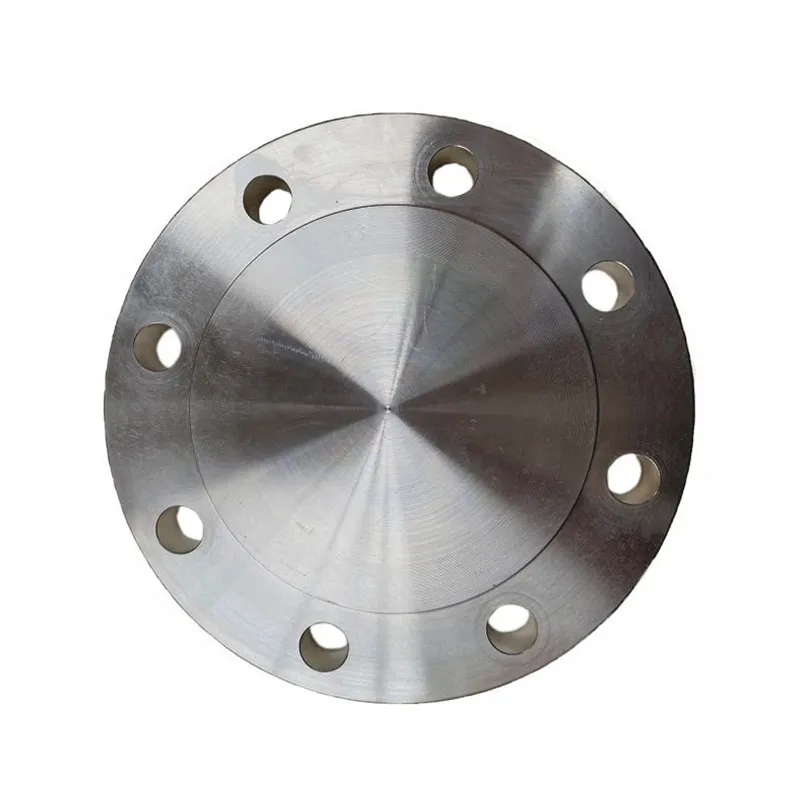
Best Sellingproducts
Best Selling Products-
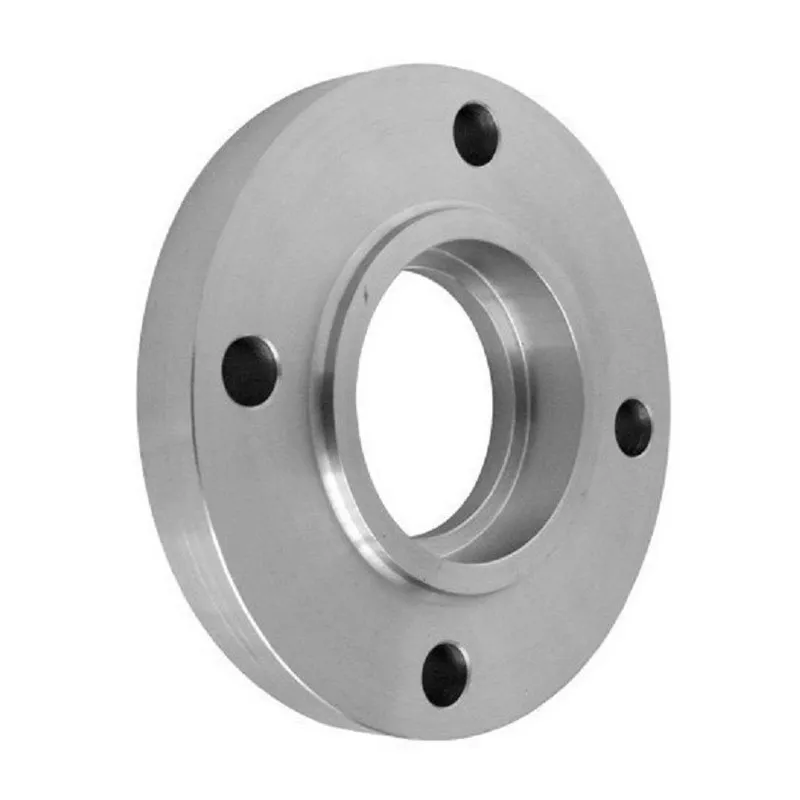 JIS 5K Socket Weld Flanges
 -
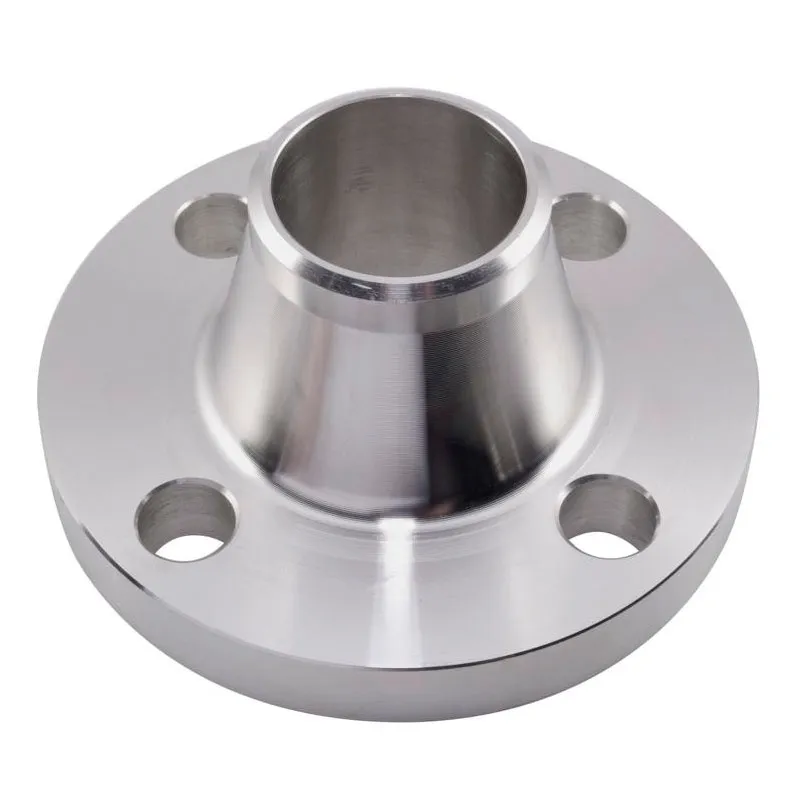 Butt weld flanges Class 900
 -
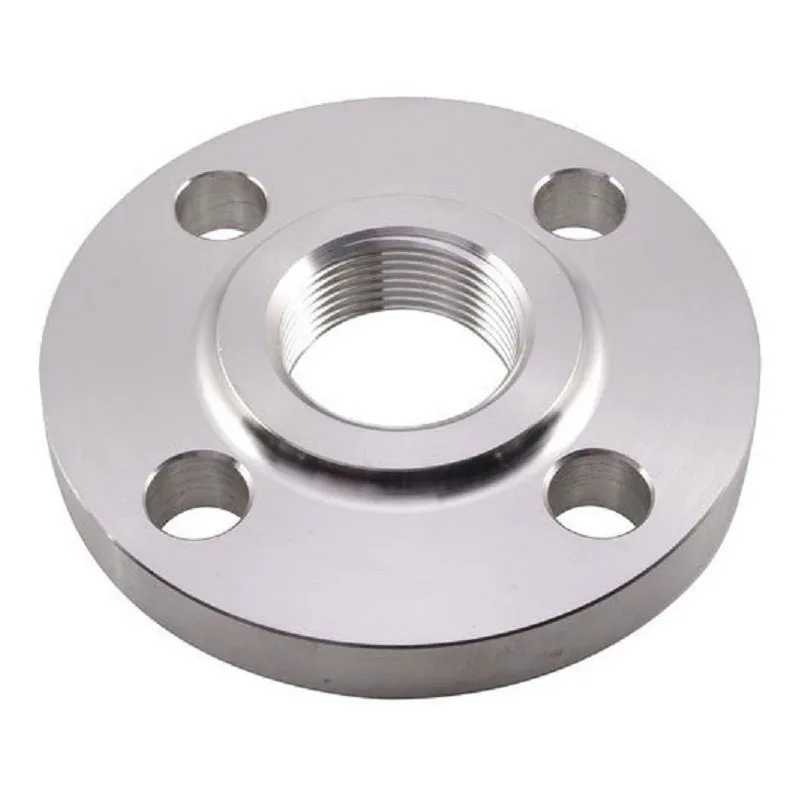 ANSI B16.5 Threaded Flanges Class 600
 -
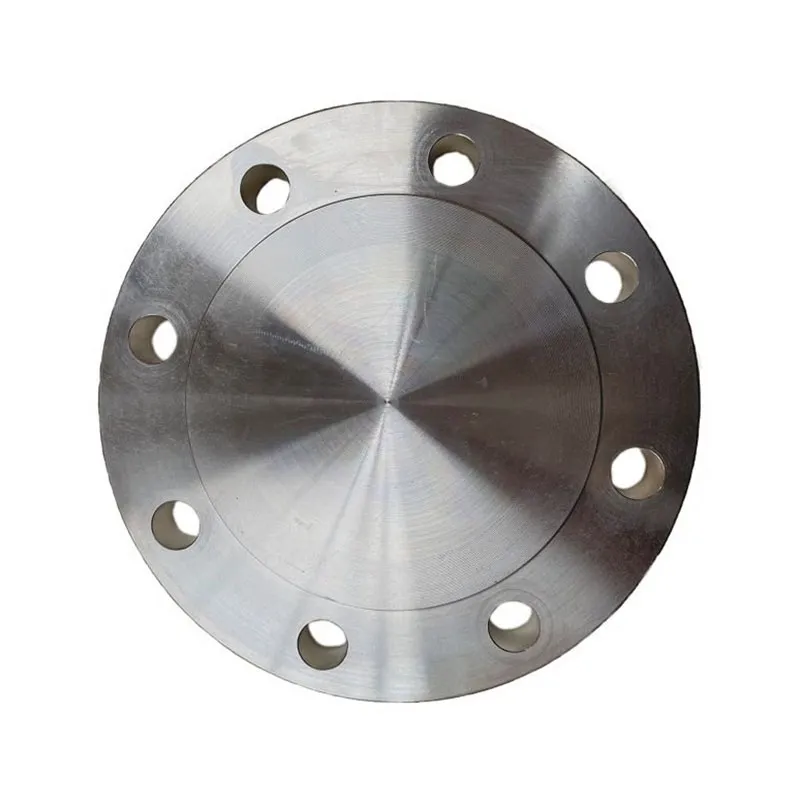 ASME B16.47 Ser.A Blind Flanges Class 400
 -
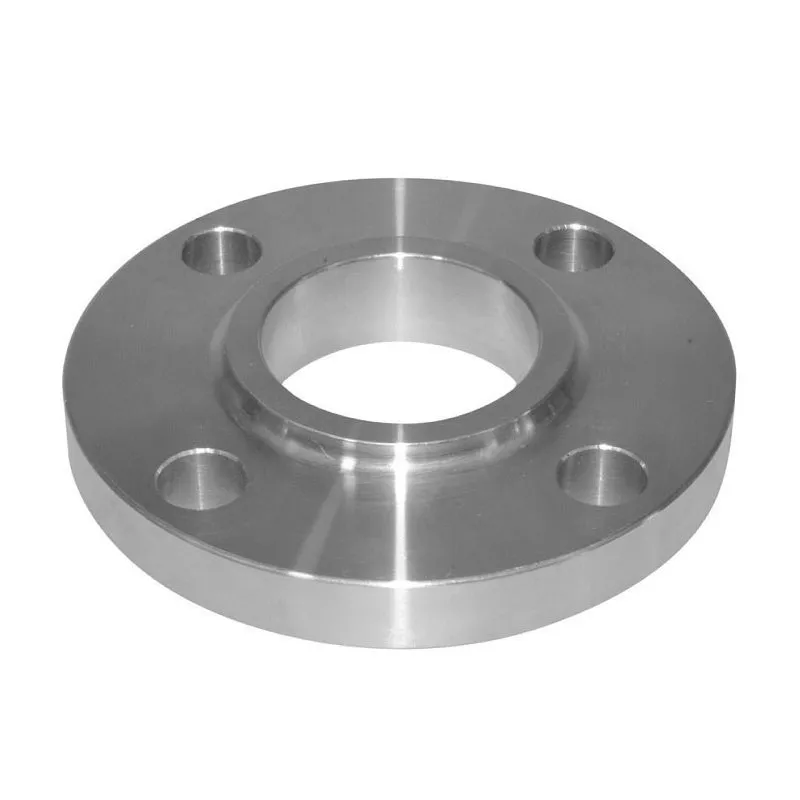 ANSI B16.5 Lap-on flanges Class 1500
 -
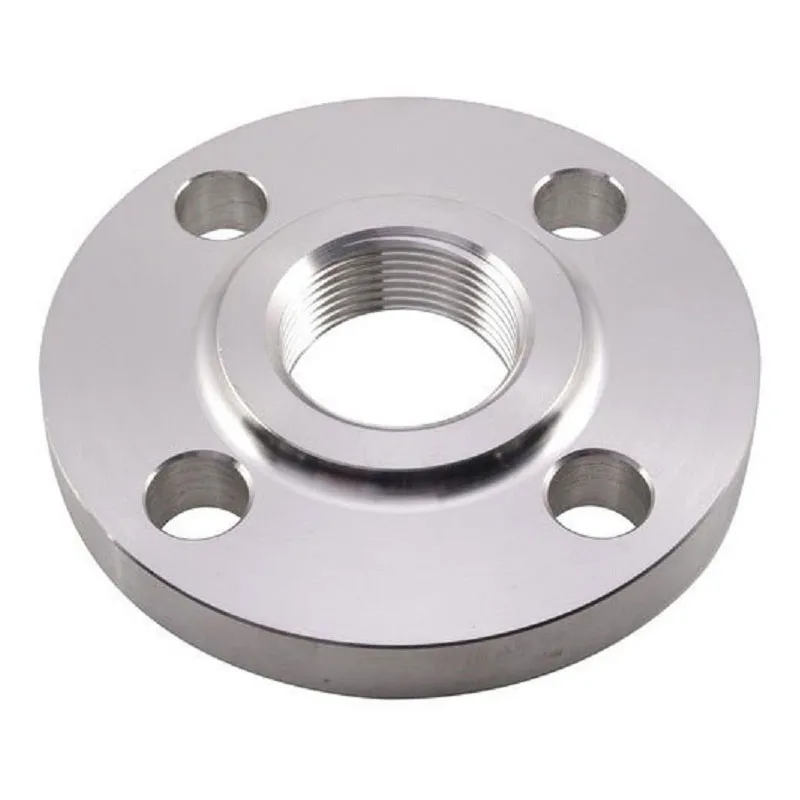 EN 1092-1 Threaded flanges Type 15, PN16
 -
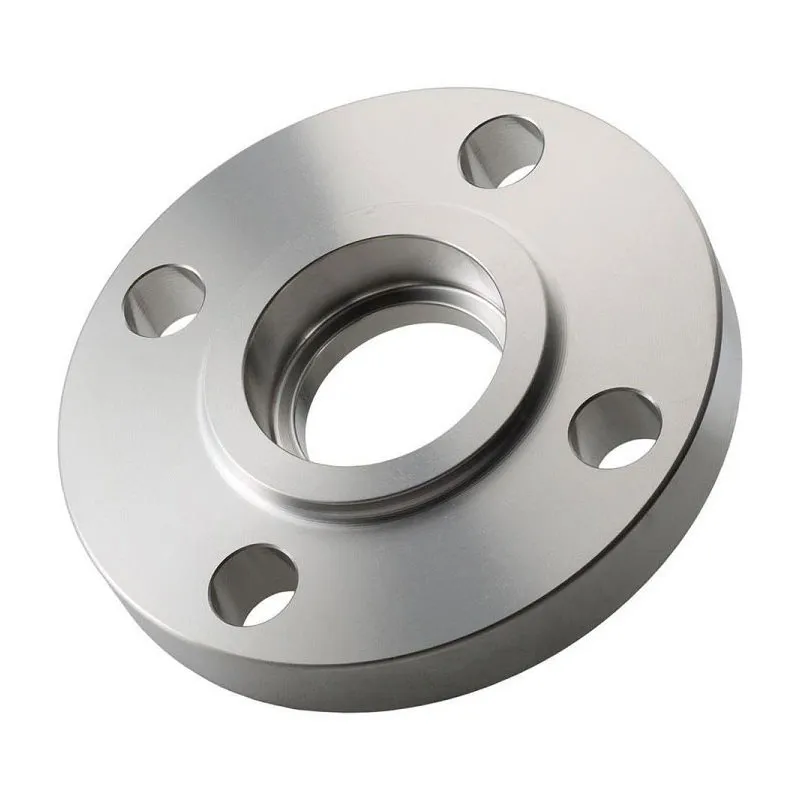 Flanges for socket welding
 -
 JIS 10K Threaded Flanges
 -
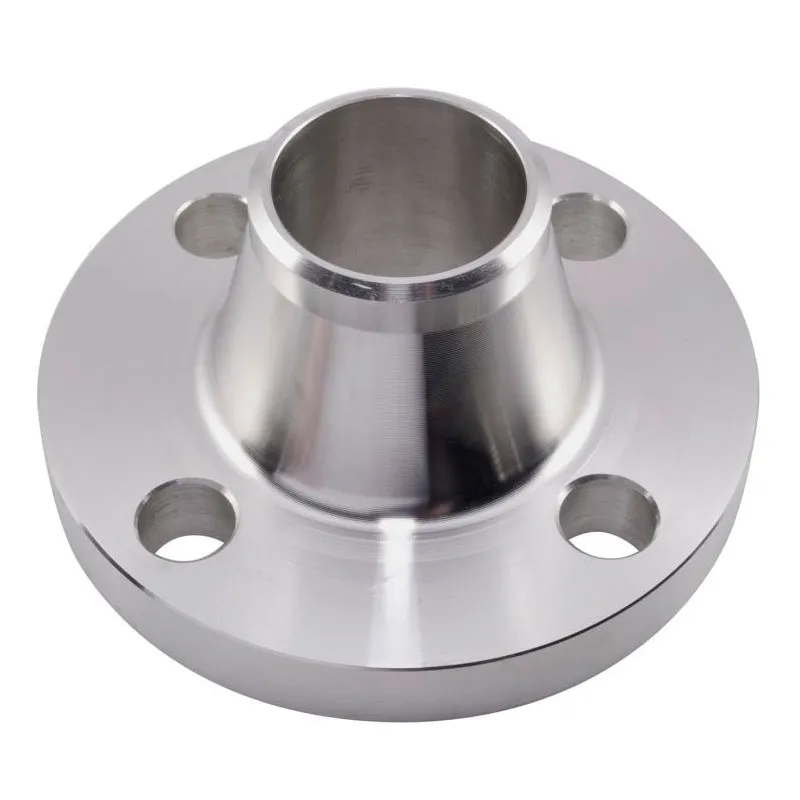 UNI 2281 Butt weld flanges PN10
 -
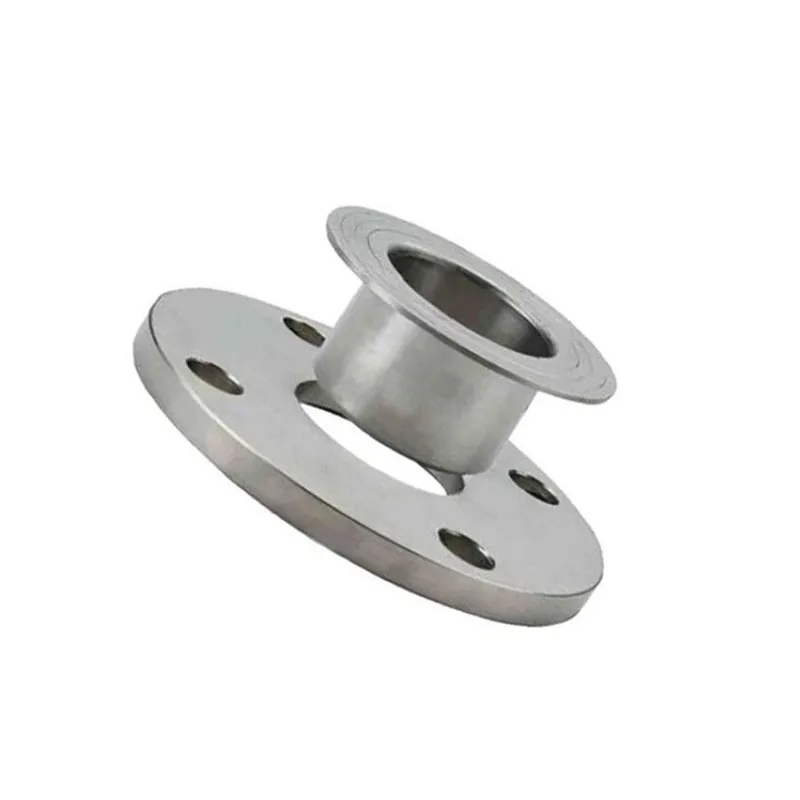 Free ring flanges Class 400
 -
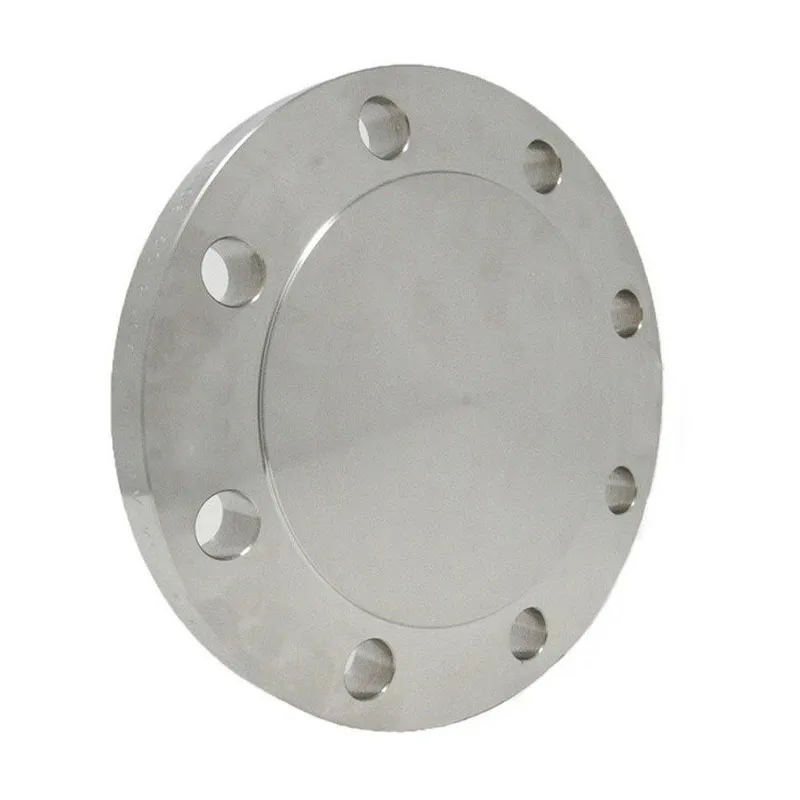 EN 1092-1 Blind flanges Type 05, PN10
 -
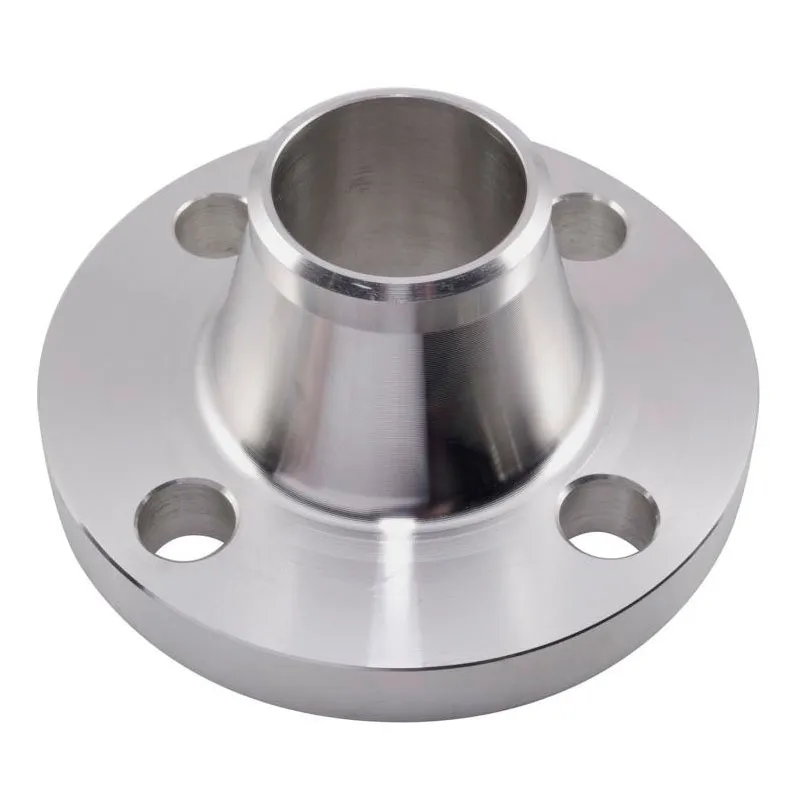 DIN Butt weld flanges PN10