
-
-
Phone
+86-13623462298



flange DN32
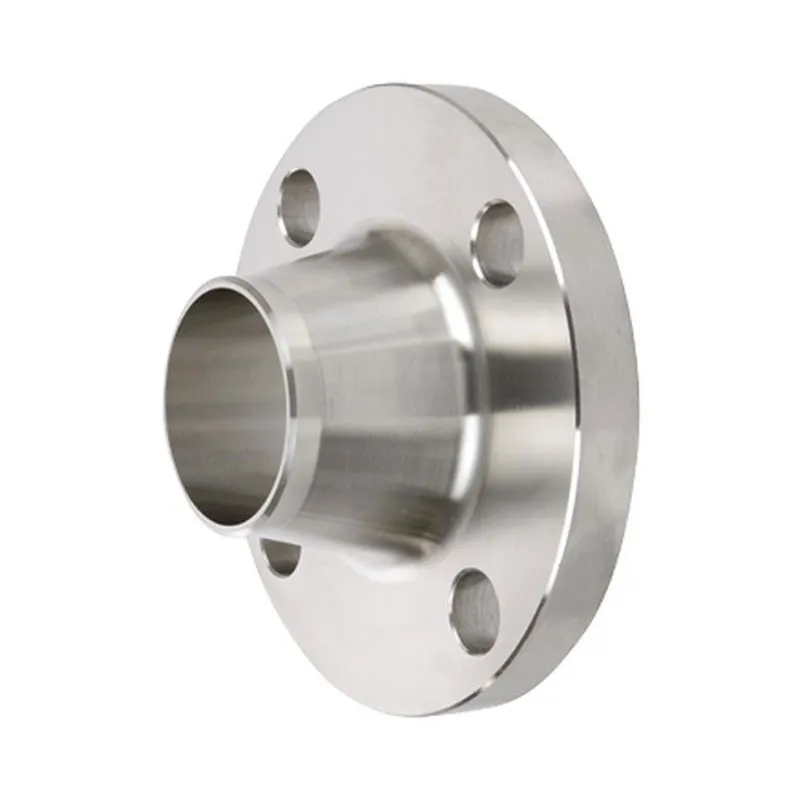
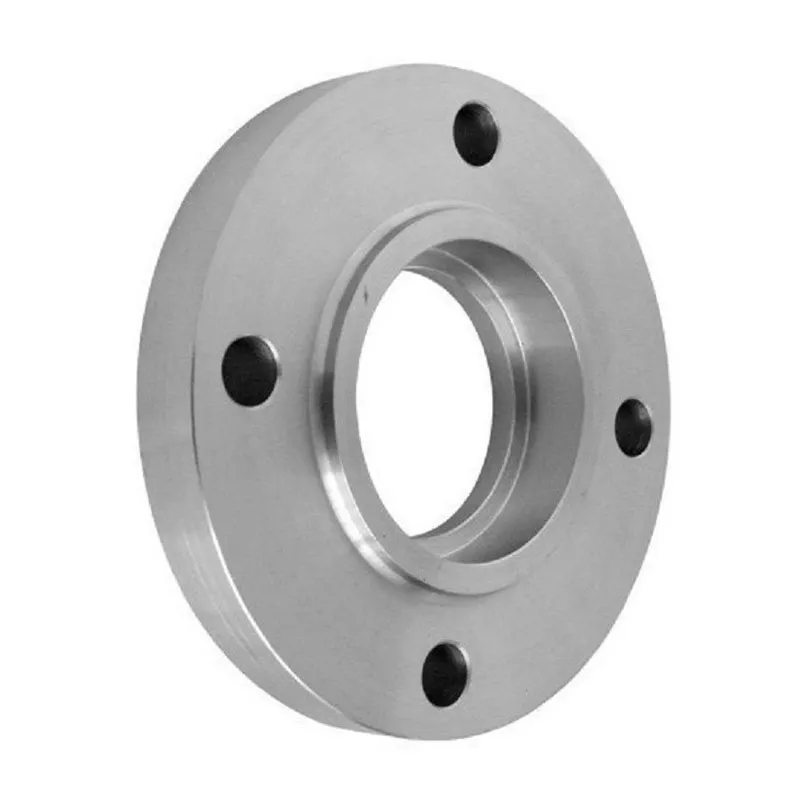
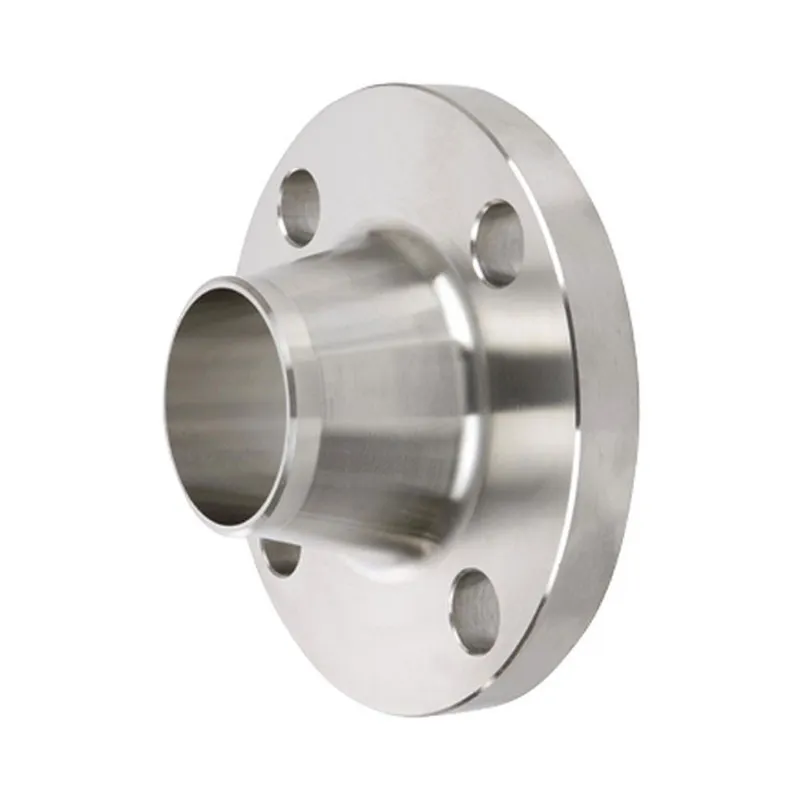
When you hear “Du32 flange”, it seems that everything is simple - a standard thing, of which there are thousands. But it is in this apparent simplicity that the main pitfalls lie. Many, especially those who are just starting to work with pipeline fittings, think that DN32 is just about a diameter of 32 mm, and that’s all. In fact, if we talk about the connecting size, then this is, as a rule, a flange for nominal bore DN32, but the outer diameter and bolt diameter are a completely different story, which depends on the standard. And this is where the fun begins, and often the most problematic.
Why a standard is not just a piece of paper
Let's take, for example, our most popular GOST (aka the good old GOST 12820-80). For a DN32 flange, the outer diameter is 135 mm and the bolt circle diameter is 100 mm for 4 M12 bolts. It would seem, take it and put it on. But try to connect such a flange with a product made according to ASME B16.5 Class 150. There are different dimensions, a different diameter for the bolts. A discrepancy of a millimeter or two - and it will no longer be possible to assemble the assembly normally; you will have to drill out or look for adapters, which is a pure headache on site.
I once encountered a situation at a small boiler house. The customer brought “European” ones. pipes with flanges according to DIN, but we have everything prepared according to GOST. Du32 both here and there, but docking is torture. I had to urgently look for adapter flanges, which, by the way, are not always available. Since then, the first question I always ask myself is: “By what standard will we dock?” This saves a lot of nerves and time.
This is why when choosing a supplier, it is important to look at whether they work with a wide range of standards. For example, on the websiteShanxi Hongkai Forging Co.,Ltd (https://www.hkflange.ru) it is directly stated that they manufacture products in accordance with GOST, ASME, EN, DIN and others. This is not just a line in the company’s description - for a practitioner, this means that they probably understand the difference between these standards at the production level and can give competent advice. A manufacturer of forgings and forged flanges that positions itself in one of the centers of the forging industry in China usually has a good technical base for such things.
Material and pressure: a non-obvious connection
With Du32, work is often carried out at not the highest pressures, so sometimes there is a temptation to save money and take something cheaper, for example, from St3 instead of 09G2S or even stainless steel. In some cases, for water at 10 atm, it may work. But if we are talking about steam, an aggressive environment or temperature changes, then it’s a different story.
I remember the project with coolant. The temperature jumped from 20 to 140 degrees. We installed ordinary carbon flanges on Du32. Six months later there were complaints about leaks. During disassembly, it turned out that the gaskets had “sagged”, and the flanges themselves “wobbled” a little. The problem was precisely the creep of the material under cyclic loads. We converted it to flanges made of steel 20 or 12Х18Н10Т - the issue was resolved. Conclusion: for DN32, the material is selected not only for the nominal pressure (PN), but also for the operating conditions. Sometimes it is better to overpay once.
By the way, about forgings. A forged flange, especially for critical components, is always preferable to a stamped one, or even more so from a rolled ring. The metal fibers in the forging follow a contour, which gives better mechanical strength and resistance to fatigue. On the same siteShanxi Hongkai Forging Co.,Ltdthe emphasis is placed specifically on forged flanges, which indirectly indicates an orientation towards a more serious market segment, and not towards consumer goods.
Installation nuances that are not written about in the instructions
Another point is the quality of the seal surface. For Du32, especially for soft gaskets (paronite, rubber), it is important that the surface is free of marks and perfectly flat. But products often arrive with small nicks or tool marks on this very sealing protrusion (spike) or depression. It seems like a small thing, but it is precisely this that then gives a leak.
I had a sad experience with a batch of DN32 flanges purchased at the lowest price. Upon visual inspection, it seems normal. They began to install it - on some of them, when tightening, the gasket began to come out unevenly. It turned out that the seal plane is not parallel to the flange plane, there is a slight misalignment. We had to sort the entire batch and send some of it to non-responsible lines. Now I always ask the supplier for photos or even videos of inspection of critical surfaces, especially for large orders.
And yes, tightening the bolts. For four M12 bolts on a DN32 flange according to GOST, it seems that everything is simple - just tighten it with a wrench and that’s it. But if you do this anyhow, unevenly, you can warp the flange. That's right - crosswise, in several passes, with torque control. It is especially important for flanged pairs, where one flange is steel and the other, for example, cast iron. Cast iron does not like distortion.
When you need non-standard
It happens that the standardflange DN32doesn't fit. For example, you need to cut into an existing pipeline with an old flange that is no longer available, or a special configuration is required for a specific device. This is where the search for those who can do it according to the drawing begins.
I worked on an order that required a DN32 flange, but with a non-standard arrangement of holes for the studs (offset by 30 degrees) and increased thickness. Standard manufacturers refused, saying “only in series”. We found a company that specializes in custom forgings. They made them individually, however, we had to wait longer and the price was appropriate. Previously mentioned manufacturerShanxi Hongkai Forging Co.,Ltdin its nomenclature it specifically indicates non-standard products according to customer drawings. For an engineer or supplier, this opportunity is a lifesaver in difficult situations.
An important point when ordering a non-standard DN32 flange is the most detailed drawing. Not just “thickness 25 mm,” but with an indication of the tolerances, the roughness of the sealing surface, the type of edge processing. The more information you give at the input, the greater the chance of getting exactly what you need at the output, and not something “roughly similar”.
Choosing a supplier: price vs. reliability
And the last thing I want to say. The market is flooded with offers for DN32 flanges. Prices may vary significantly. The temptation to buy cheaper is great, especially if you need a lot of pieces. But a cheap flange is always a lottery. Maybe you’ll come across a normal one, or maybe one with broken geometry, hidden holes in the material, or incorrect steel markings.
I have developed a rule for myself: for critical lines operating under pressure, with temperature changes or in aggressive environments, only trusted suppliers with a clear and traceable quality control system. It is better if it is a manufacturer and not a reseller. Having its own forging and pressing production, like a company from Shanxi, is a good sign. This gives control over the process from the blank to the finished product.
And of course, it is always worth requesting certificates or quality certificates for a specific batch. Especially for the material. A normal manufacturer will provide such documents without any problems. If excuses start coming, that's a red flag.
As a result,flange DN32- this is not just a piece of iron with holes. This is the calculation, standard, material, workmanship and, ultimately, the reliability of the entire assembly. There are no trifles here. And saving on little things often leads to large remodeling costs. Tested from my own experience.
Correspondingproducts
Related Products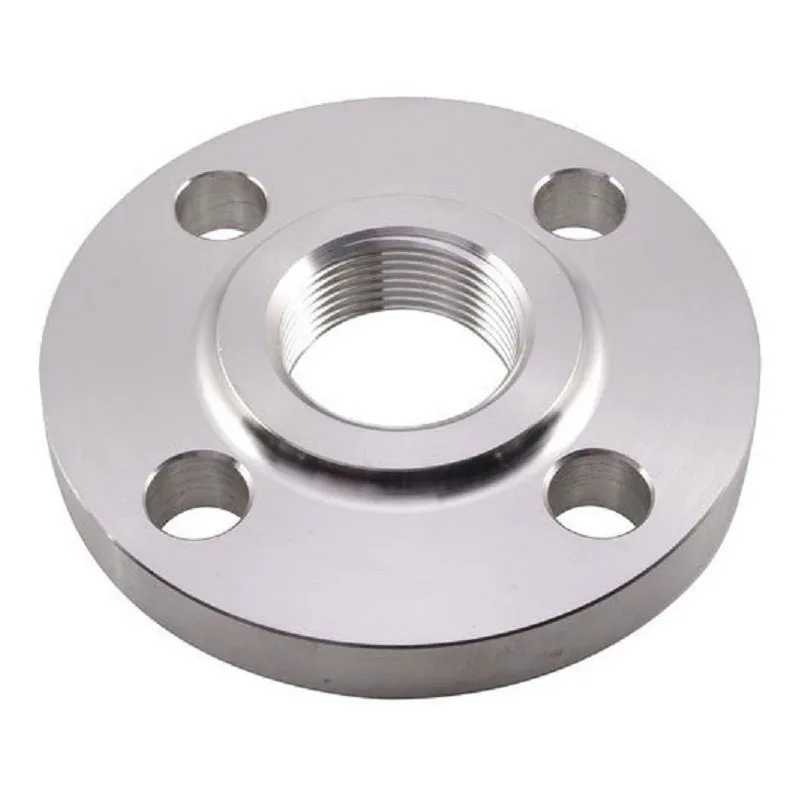
Best Sellingproducts
Best Selling Products-
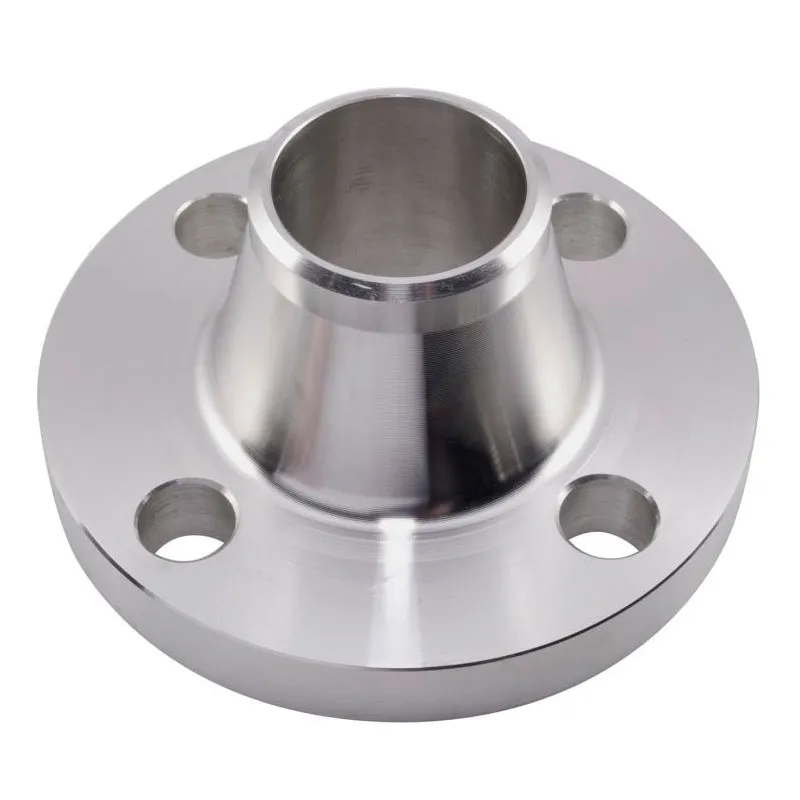 UNI 2281 Butt weld flanges PN10
 -
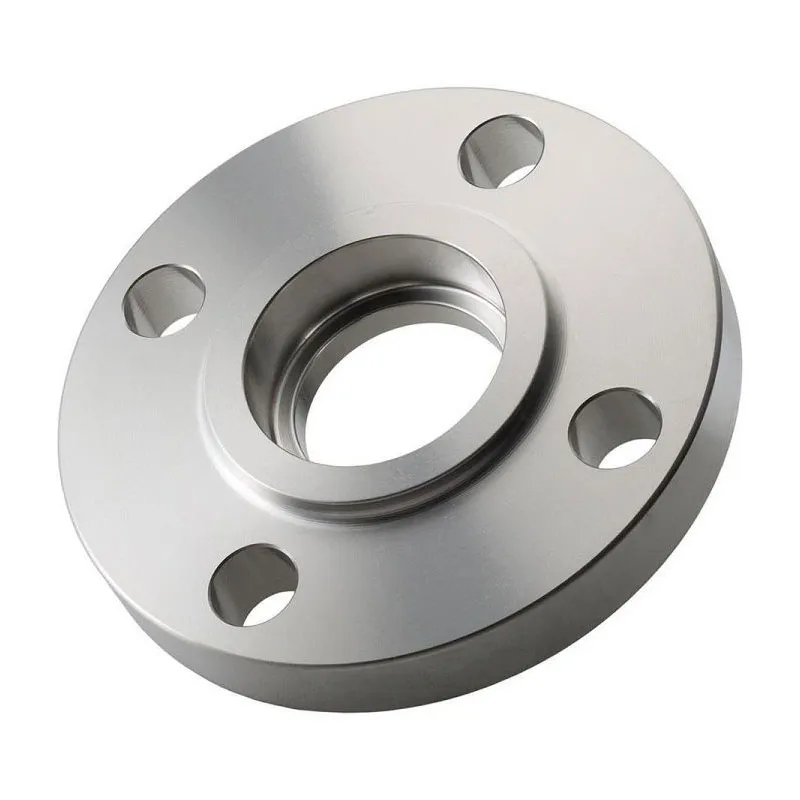
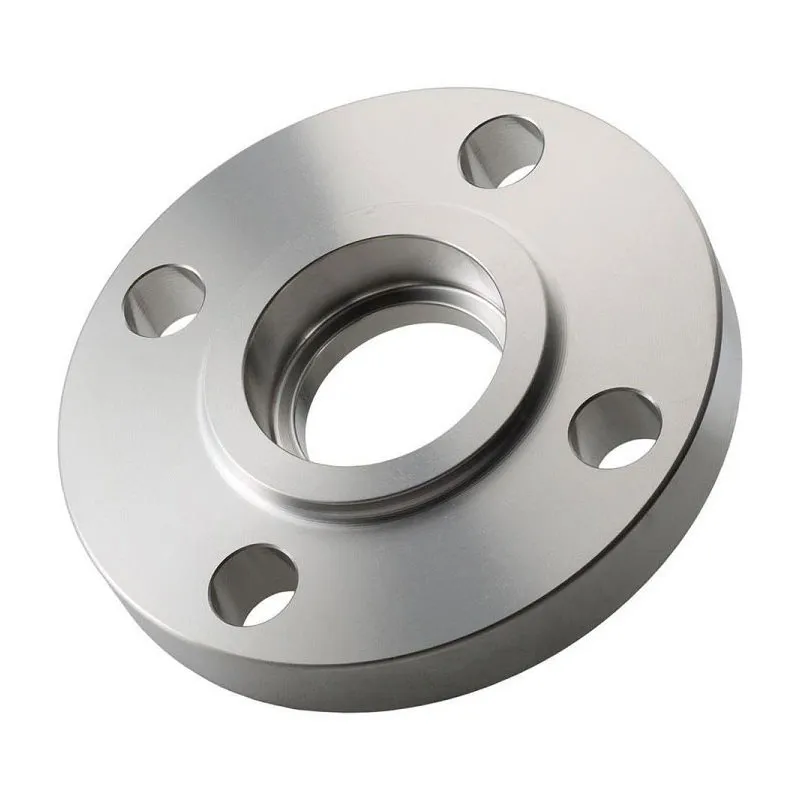 Flanges for socket welding
 -
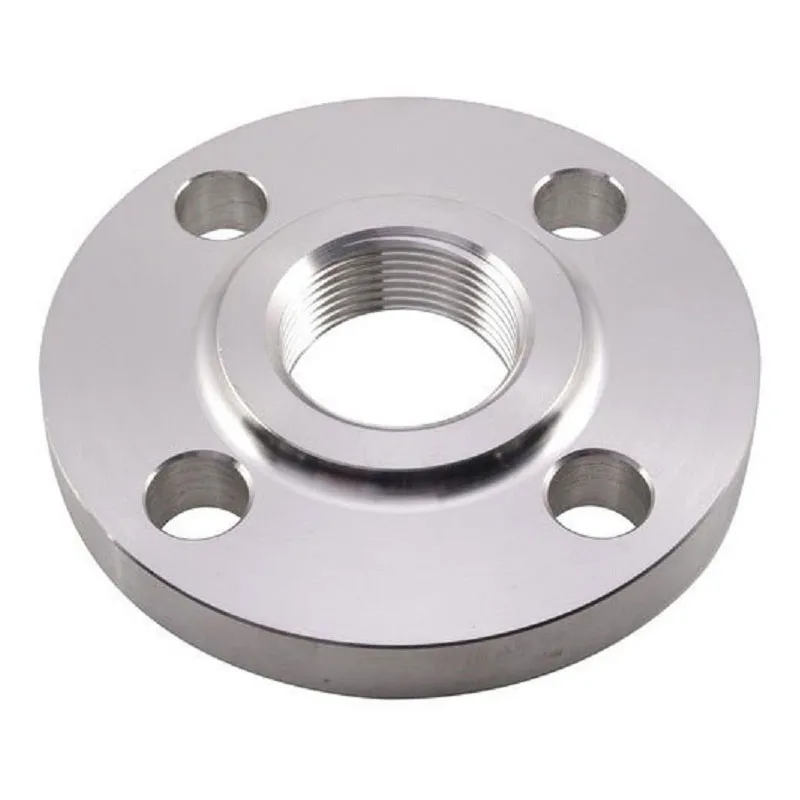 EN 1092-1 Threaded flanges Type 15, PN16
 -
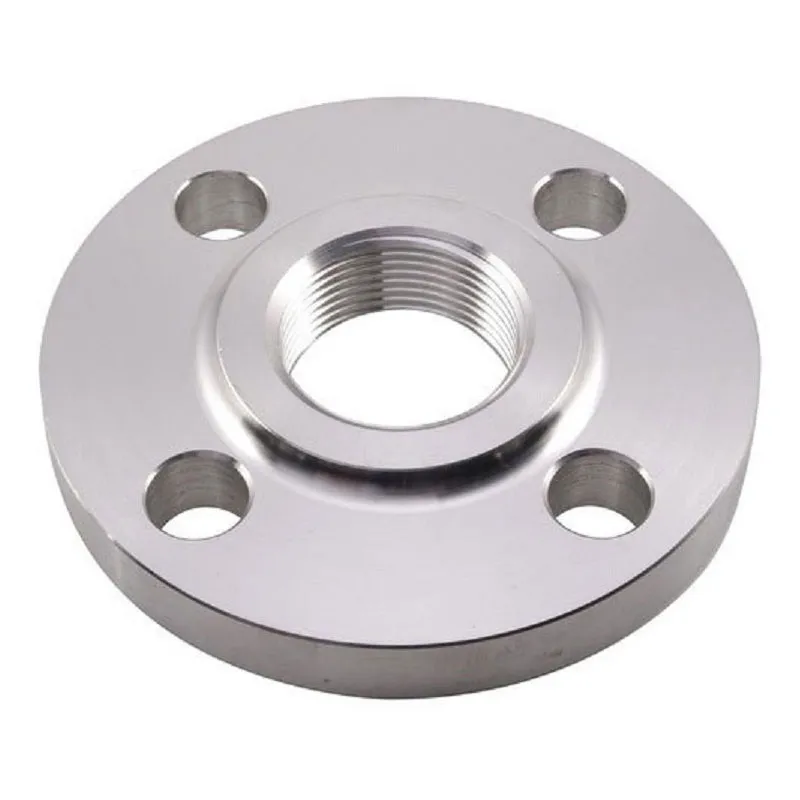 DIN 2565 Threaded flanges PN6
 -
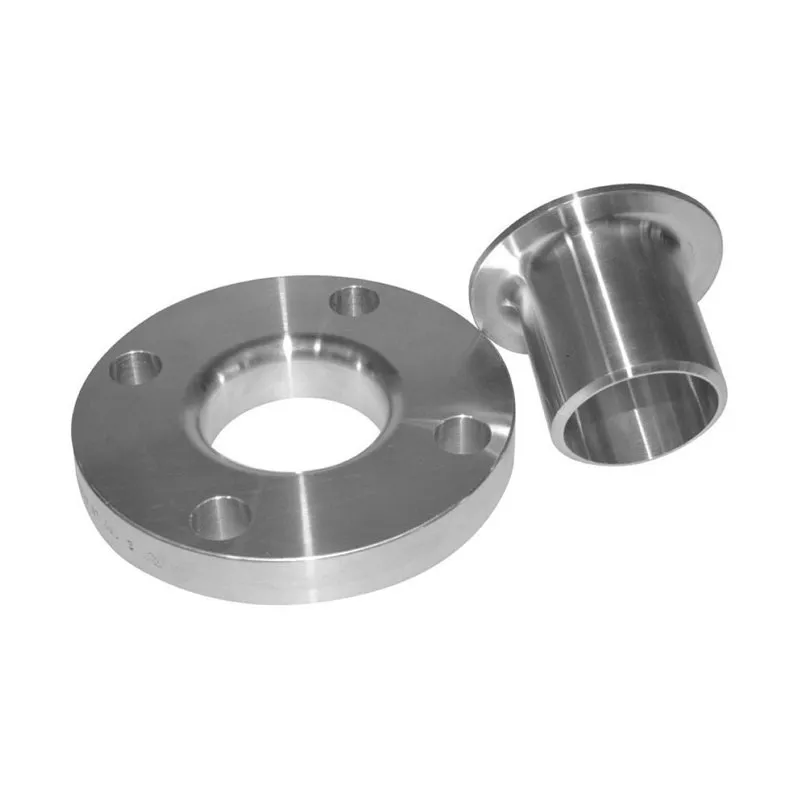 Free ring flanges Class 150
 -
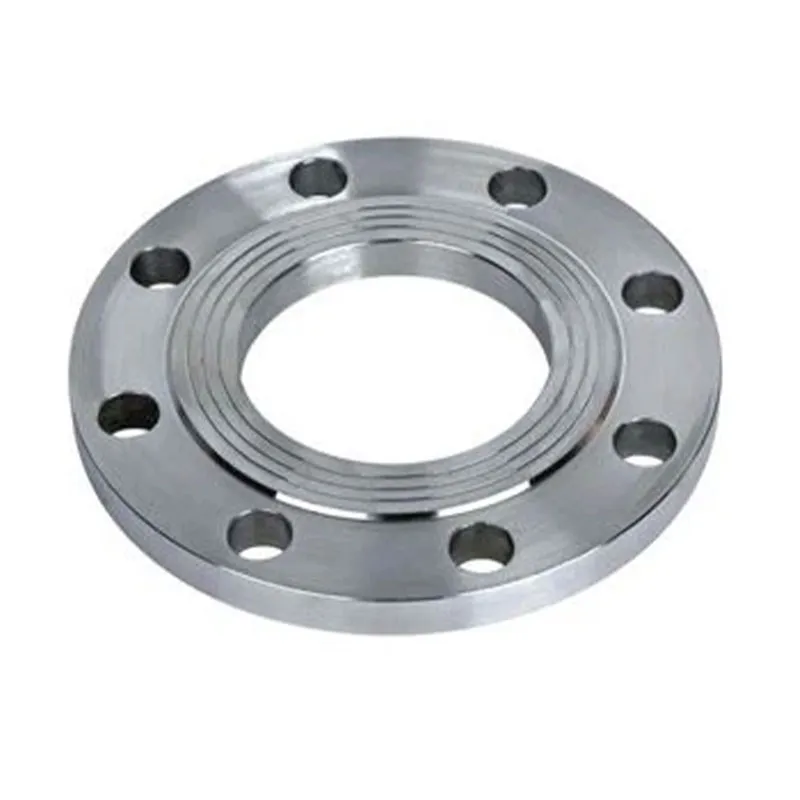 Butt weld flanges Class 150
 -
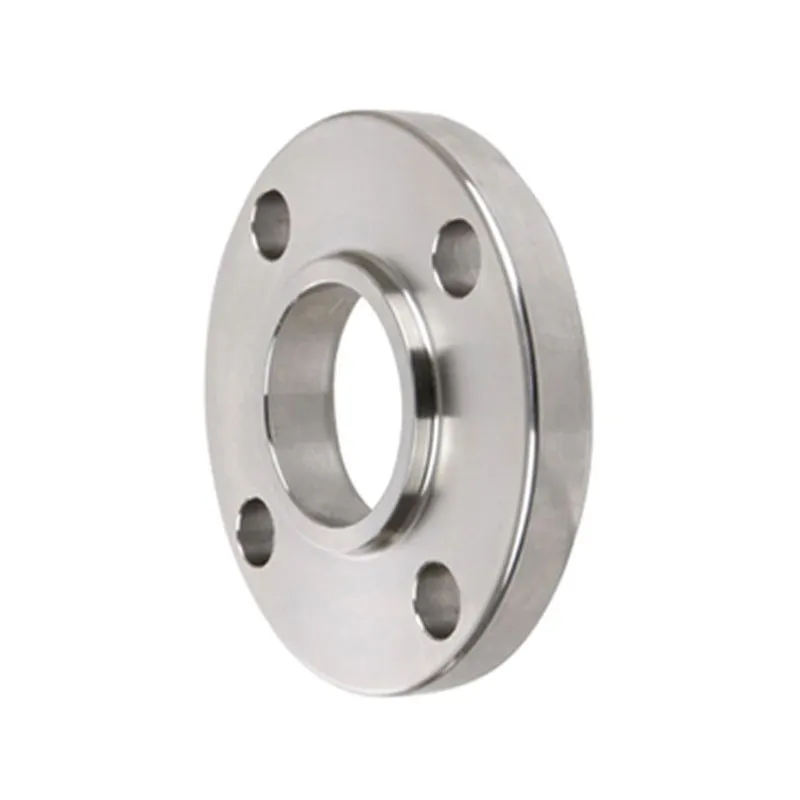 ANSI B16.5 Lap-on flanges Class 300
 -
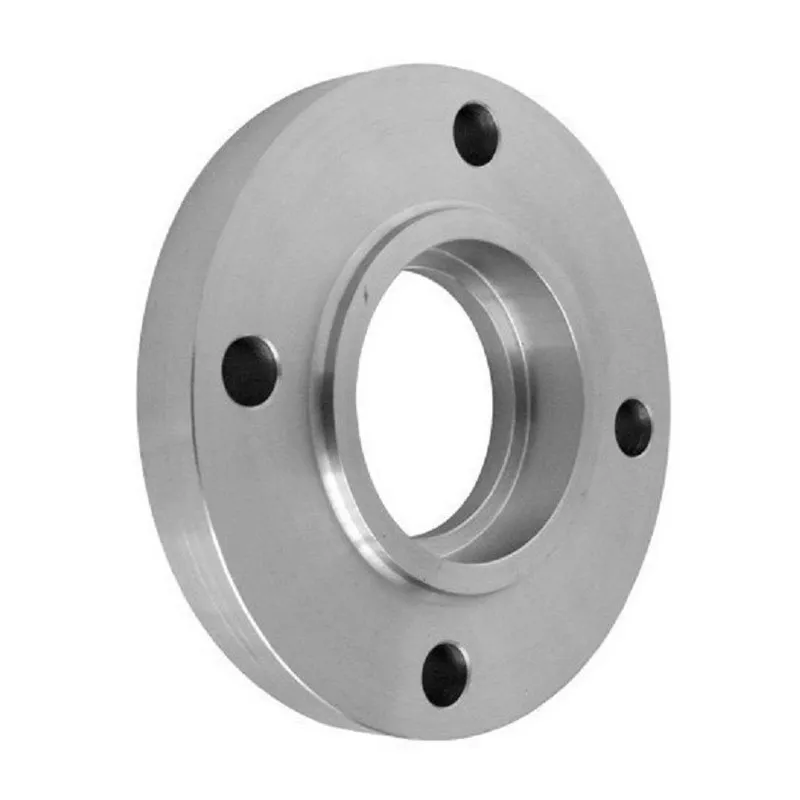 JIS 5K Socket Weld Flanges
 -
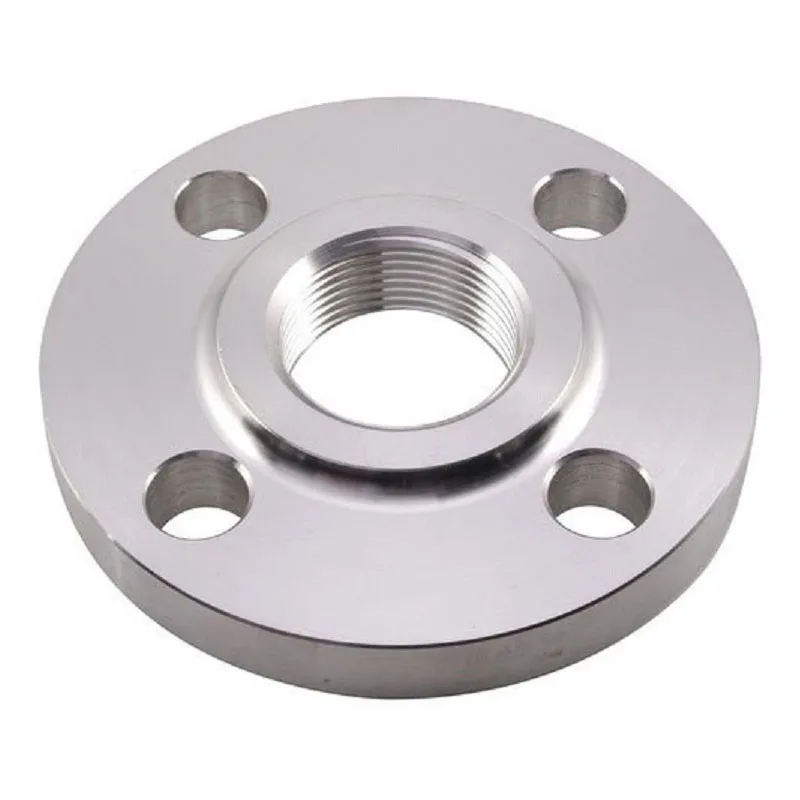 DIN 2566 Threaded flanges PN16
 -
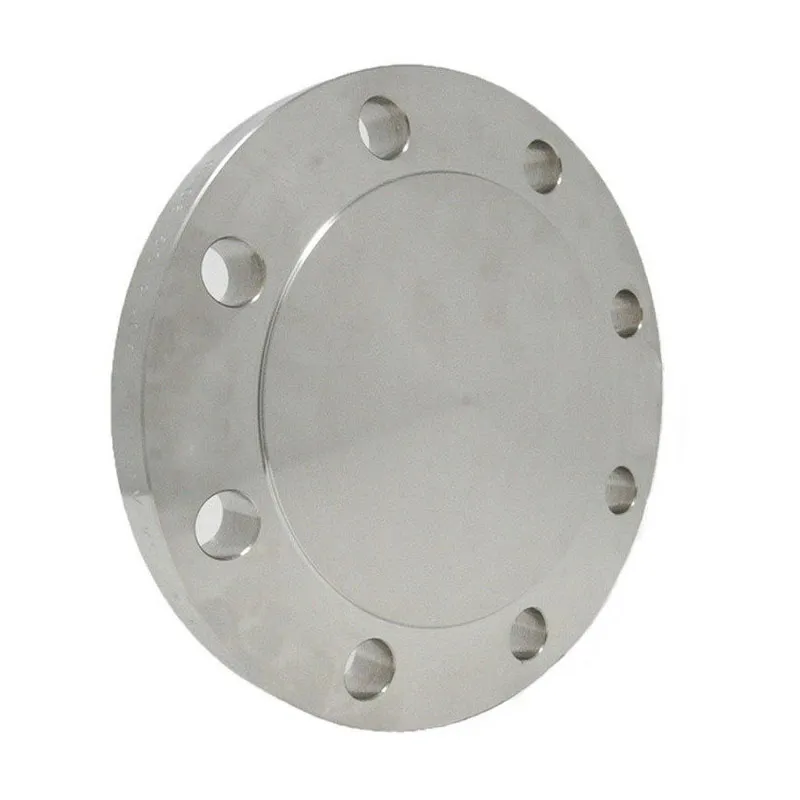 AWWA Blind Flanges Class D (Tables 1, 2, 3)
 -
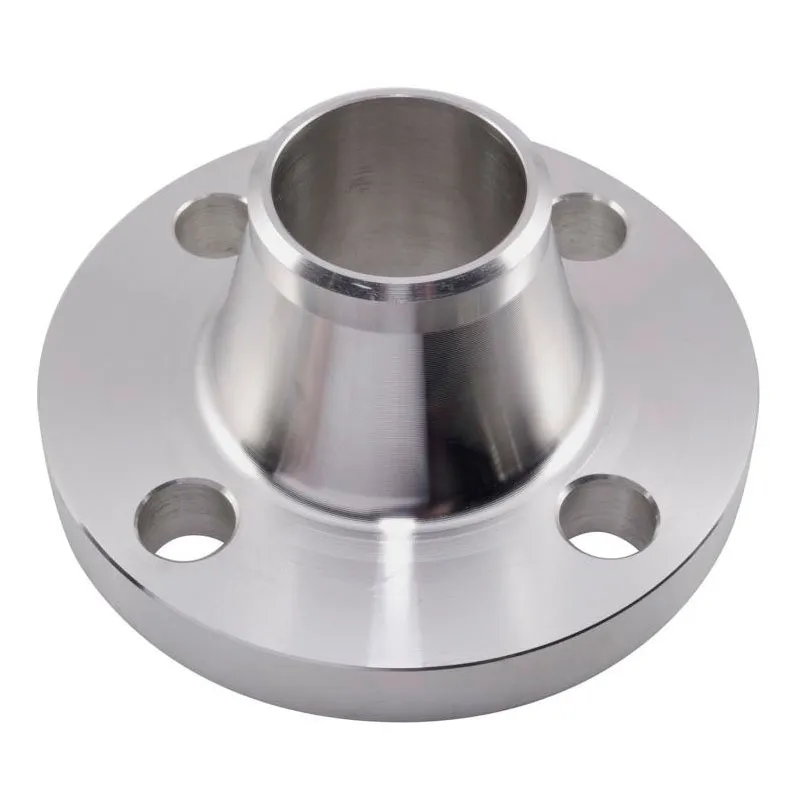 DIN Butt weld flanges PN10
 -
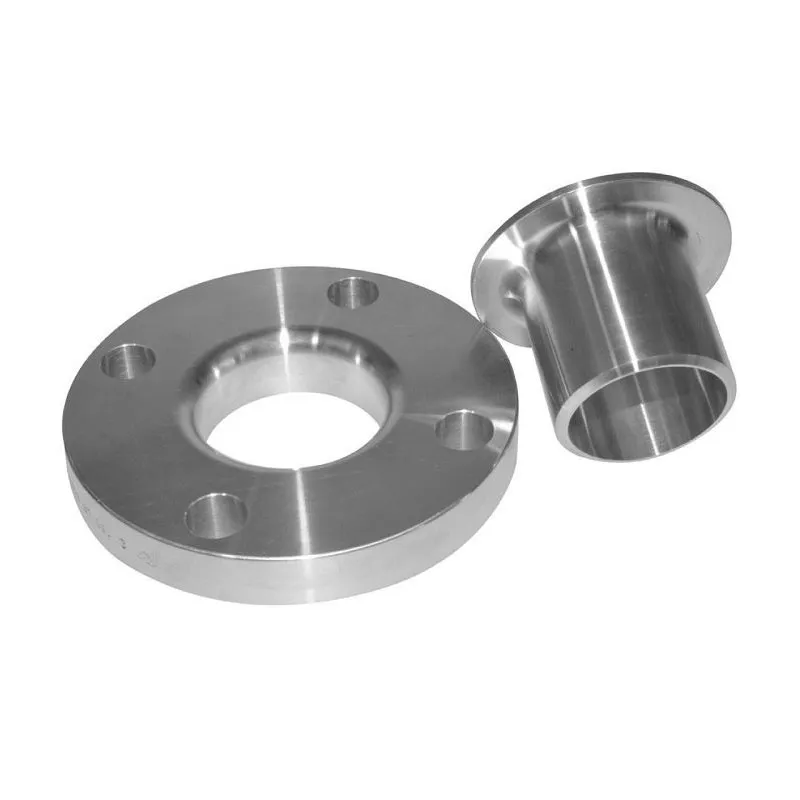 ANSI B16.5 Loose Ring Flanges Class 2500