
-
-
Phone
+86-13623462298



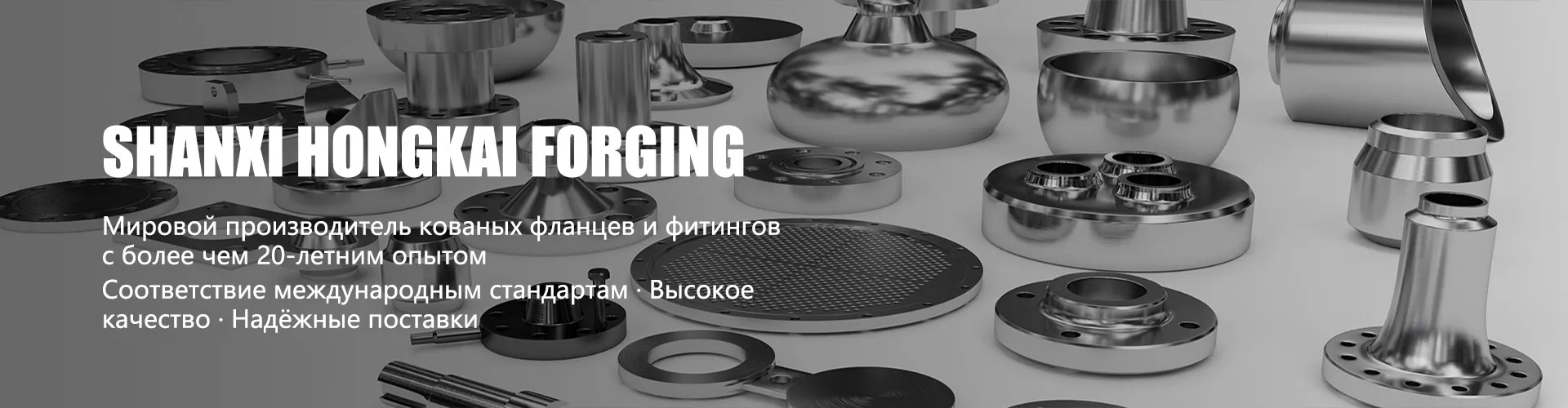
flange 114
When you hear “flange 114,” many people immediately think of a simple circle of metal with holes. But in practice, especially with such seemingly average diameters as DN100 (aka 114 in the outer diameter of the hub for many versions), the fun begins. A common mistake is to consider it an ordinary, unremarkable detail. In fact, this is one of the most popular and capricious sizes in mass use, where little things make all the difference.
Why exactly 114, and not just “one hundred”?
Look here. The standard says: DN100. But in drawings, in supplier specifications, in invoices, the number 114 very often appears. This is not an accident. This is typically the hub outside diameter (hub OD) for an ASME B16.5 Class 150 flange, or something similar in other standards. And here is the first pitfall: the customer may request a “flange for 100”, but its technical documentation indicates GOST 33259, which goes back to DIN EN 1092-1. And it has its own dimensions, its own thickness, its own markings for bolts. If you ship the product to him according to ASME, it may not work. Or it will, but at risk to the system.
Therefore, in our work we never work simply with “diameter”. We immediately clarify: standard, pressure class, surface type (raised face, flat face), material. Forflange 114in the GOST or DIN version, by the way, a diameter of 120 mm at the hub often appears - and that’s another story. The confusion here is the source of constant complaints and returns. I myself saw how perfectly manufactured flanges lay in a warehouse, which had to be melted down only because the client’s purchasing manager mixed up the lines in the specification.
It is in this range (DN100-DN125) that most often inconsistencies arise between piping and equipment - pumps, valves, filters. The European pump can have a connection according to DIN PN16, and the supply pipe is designed according to ASME. And the connecting link is precisely this veryflange 114(or 120), but as a transitional one. Its geometry, especially the thickness and offset of the hub, becomes critical.
Material and forging: where you can’t save money
For pressures up to 16 atmospheres in conventional units (PN16), many try to install stamped or even cut flanges from a sheet. Sometimes it works, but not for responsible lines. Anyone who has dealt with vibration on pipelines or with cyclic loads (heating and cooling) knows that forging is what is needed here. The microstructure of the metal after forging is different, the fibers are directed, which increases fatigue resistance.
For example, for such tasks we always focus on trusted forging manufacturers. One of those whose preparations consistently perform well isShanxi Hongkai Forging Co.,Ltd(their website ishkflange.ru). They are from a region in China that is historically a blacksmithing center. Why is this important? Because they don’t just have a press, but they have an understanding of how to drive metal specifically for flange forgings. Their products comply with GOST, ASME, and EN. For our CIS market, this is often a key point - the opportunity to obtain a certificate of conformity specifically to our GOST 33259, which opens the door to participation in large tenders.
I had a case during the installation of a production line: they installed DN100 flanges made of supposedly forged steel 20 (St20). But during the first hydrotest at 1.5 PN the mirror began to leak. Let's figure it out - the material is cast, heterogeneous, the surface is distorted. Replaced with forged ones from the sameHongkai, the problem is gone. Since then, for any nominal diameters from 50 and above, especially for 100-125, I insist on viewing the workpiece certificates. Forging isn't just a box-ticking word on a specification sheet.
Installation subtleties that are not written about in the manuals
Let's say the flange is of high quality, the standard is correct. It would seem that just tighten the bolts and that’s it. But no. Size 114 (DN100) is often used with relatively thin-walled pipe. When tightening, there is a risk of deformation of the flange itself if it is flat face, or insufficient contact if it is raised face. The key is the tightening sequence and torque.
This is especially critical for flanged pairs, where one flange is steel and the second is cast iron (for example, on an old pump). Cast iron does not tolerate distortion. You need to tighten it crosswise in small steps, controlling the gap. And here the geometry of the bolt holes, their alignment, becomes important. In a low-quality flange, the holes may be shifted by half a millimeter - and it will no longer be possible to assemble such a pair without tension; the bolt will go tightly, creating local stress.
Another nuance is the type of gasket. For PN16, you can still install paronite on water. But for the same diameter on a steam line or with a chemically active medium, a graphite or PTFE gasket is needed. And here the thickness of the gasket affects the required length of the stud. If the design calls for standard studs, and the installers installed a thicker gasket, there may not be enough threads. You have to either cut new studs or install two thin spacers, which is undesirable. Trifle? On paper - yes. On the site in the cold there is a whole problem.
Non-standard situations and adaptation
It often happens that you needflange 114, but with a non-standard arrangement of holes or with an additional process fitting. For example, for inserting a sensor. Many people refuse and suggest welding the fitting separately. But welding on a ready-made flange means additional heating and the risk of warping the mirror.
It is much safer to order the flange immediately in the desired configuration. The same manufacturers seemShanxi Hongkai Forging Co.,Ltd, which were mentioned, specialize in non-standard forgings according to drawings. It is important to provide them with not just a sketch, but a full-fledged drawing indicating tolerances, especially for parallelism and roughness of the connecting surface. Their technologists usually give feedback - they suggest strengthening the wall here or changing the radius there in order to maintain strength. It's valuable.
One of our projects, retrofitting old plant wiring, required replacing flanges on existing pipes, but without changing the position of the bolted studs in the concrete. The holes were offset relative to the standard circle. I had to order flanges with an expanded hole pattern. They were made, and they were forged, in order to preserve the steel grade of the main pipeline. It fit like a glove. This is the case when the supplier’s willingness to work with non-standard solutions saves time and budget.
Choosing a supplier: not only the price per ton
And now we come to the main thing. The market is flooded with offers for flanges. Prices vary greatly. When you see an offer forflange 114at a price lower than scrap, the first question is what and how is it made of? Stamping from an unknown workpiece, heat treatment “how will it turn out?”, geometry control by eye.
For critical applications, we always request not only a certificate for the finished product, but also test reports of the mechanical properties of the forging (forging ingot). It is necessary to look at the impact strength (KCU) at subzero temperatures if the object is in the northern region. A conscientious manufacturer such asShanxi Hongkai Forging Co.,Ltd, provides such documents by default. Their description says so - production according to international and national standards, including GOST, ASME, EN. This is not just a list for SEO. This is a direct indication that their technical process is set up to produce certified products, and not “home-made” ones. products.
And one last thing. Even the best supplier has flaws. Therefore, it is important to have your representative or inspector perform random inspections in production before shipment, especially for large quantities. Check the markings, measure critical dimensions - neck thickness, pipe bore diameter, roughness. For flange 114, which will operate on steam under pressure, a difference in thickness of 1.5 mm compared to the drawing is a potential accident after six months of operation.
In summary, what is a 114 flange? This is not just a number in the specification. This is the node where materials, standards, workmanship and competent installation converge. Savings at any of these stages lead to costs that are many times higher than the initial “benefit”. And experience is precisely about knowing what you can’t save on, and where you can agree on options. Like the same Chinese blacksmiths, they can offer different grades of steel for the same drawing, explaining the difference in price and durability. This is a professional approach.
Correspondingproducts
Related Products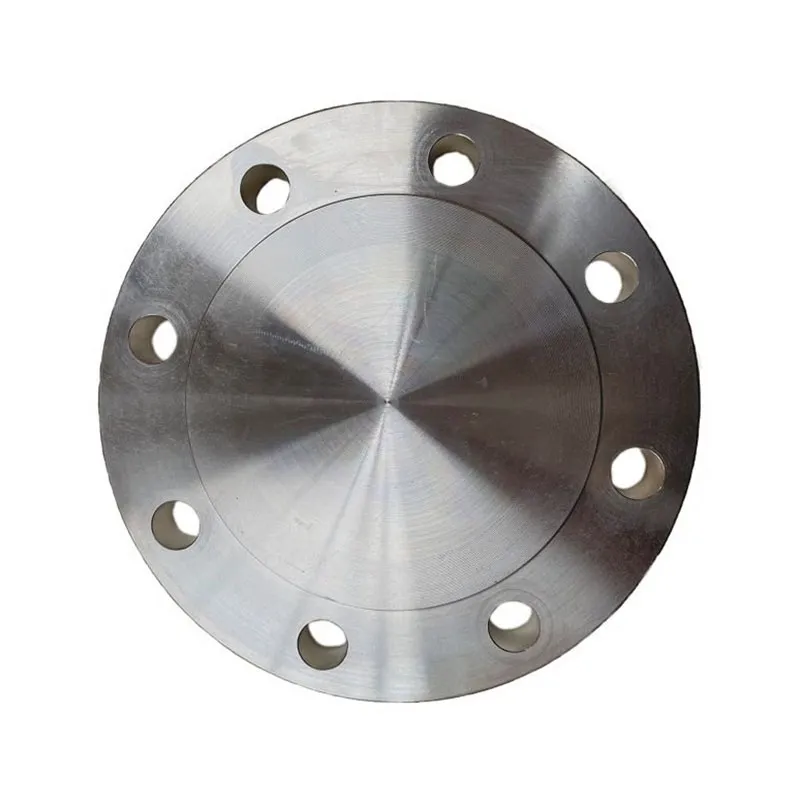
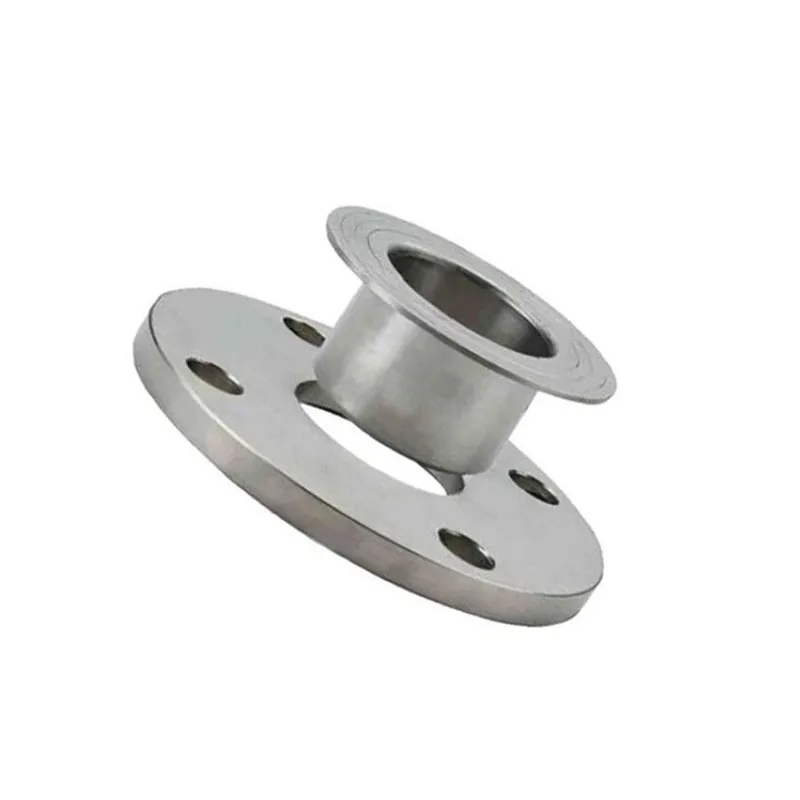
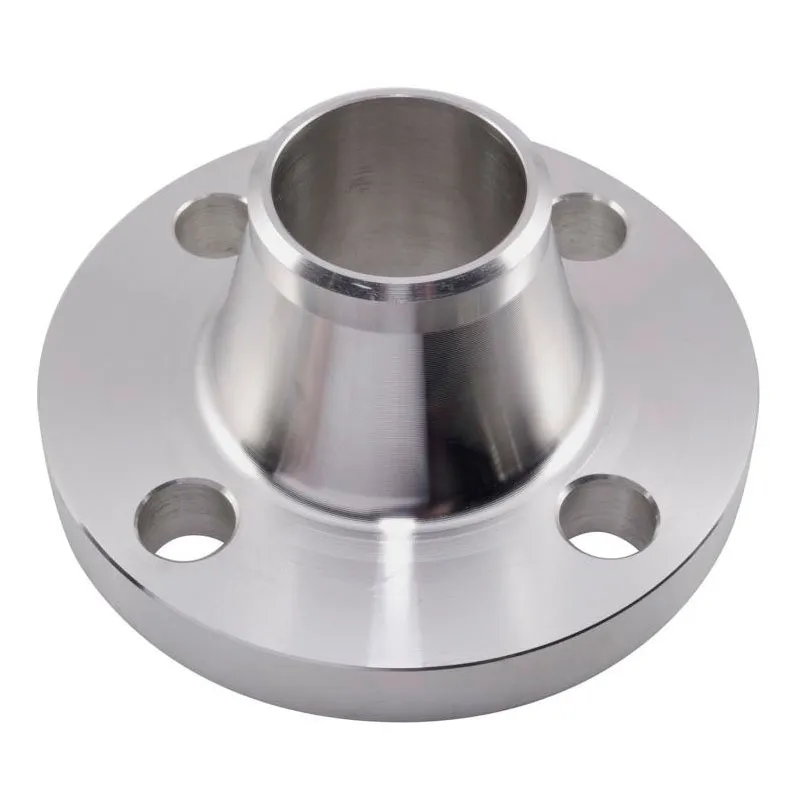
Best Sellingproducts
Best Selling Products-
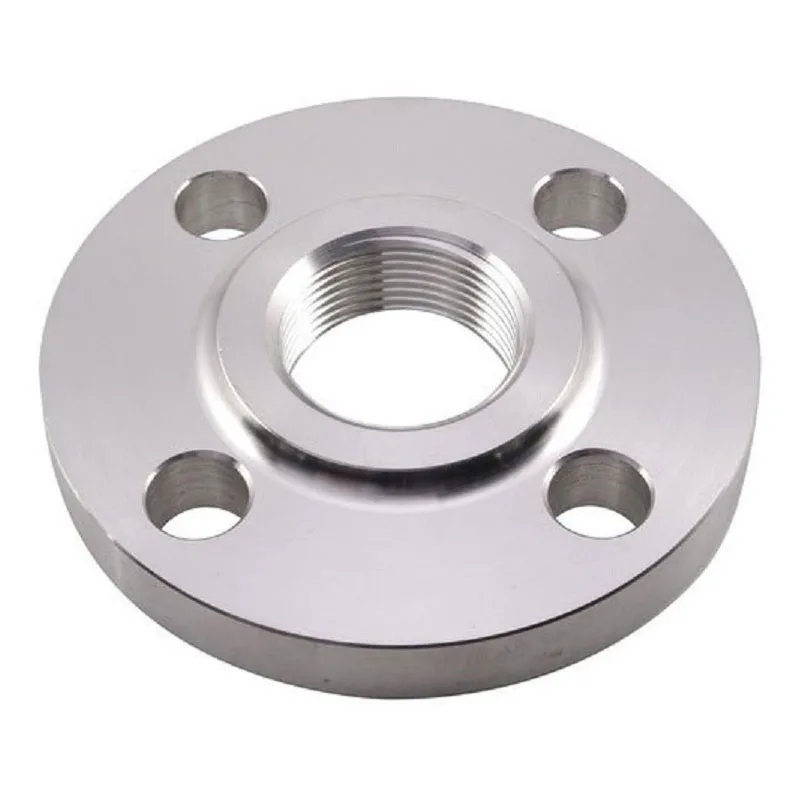 JIS 10K Threaded Flanges
 -
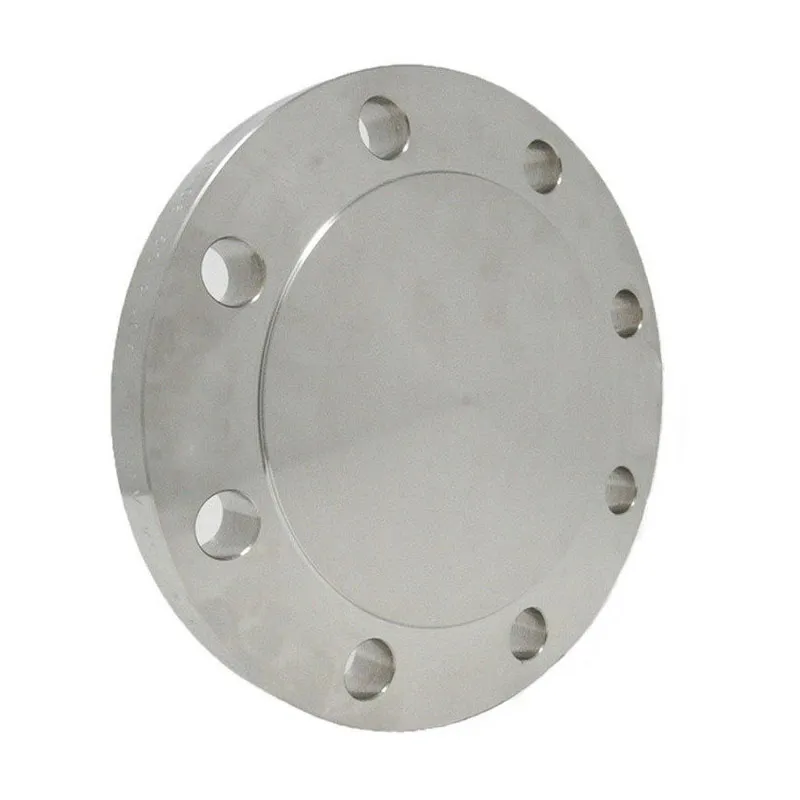 AWWA Blind Flanges Class D (Tables 1, 2, 3)
 -
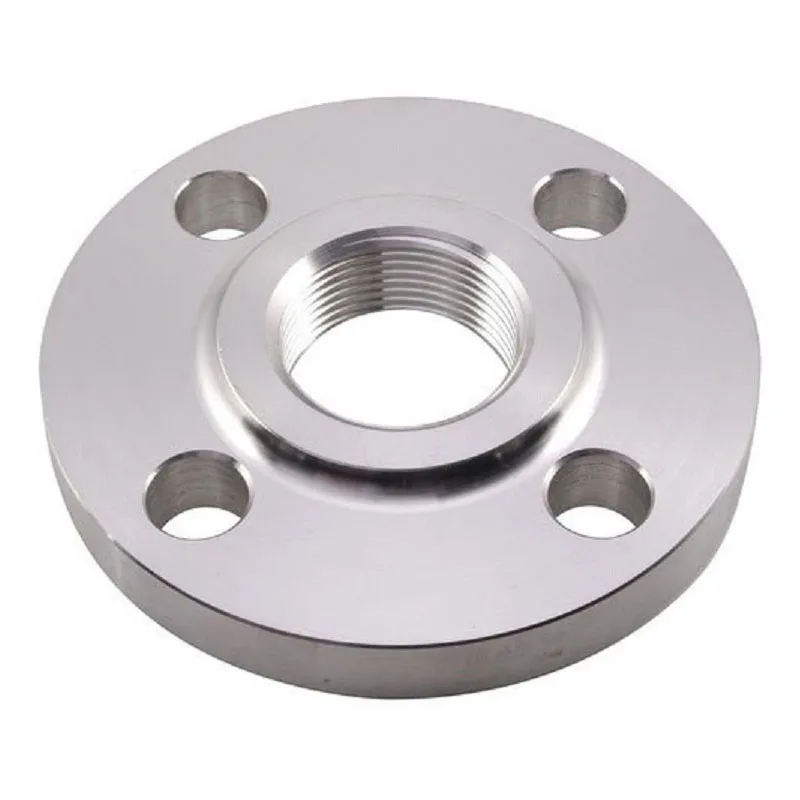 DIN 2566 Threaded flanges PN16
 -
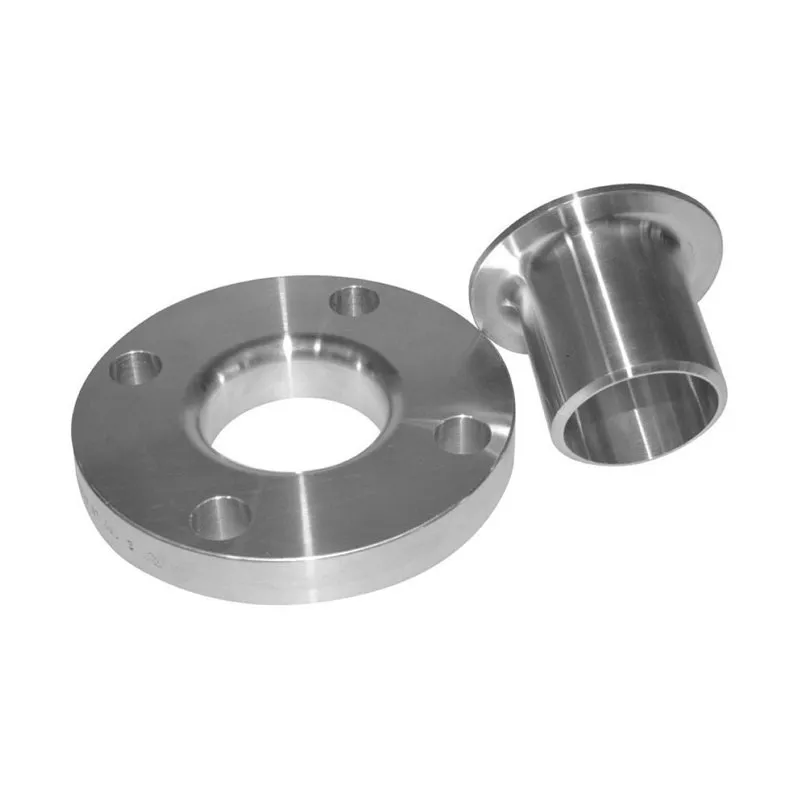 Free ring flanges Class 150
 -
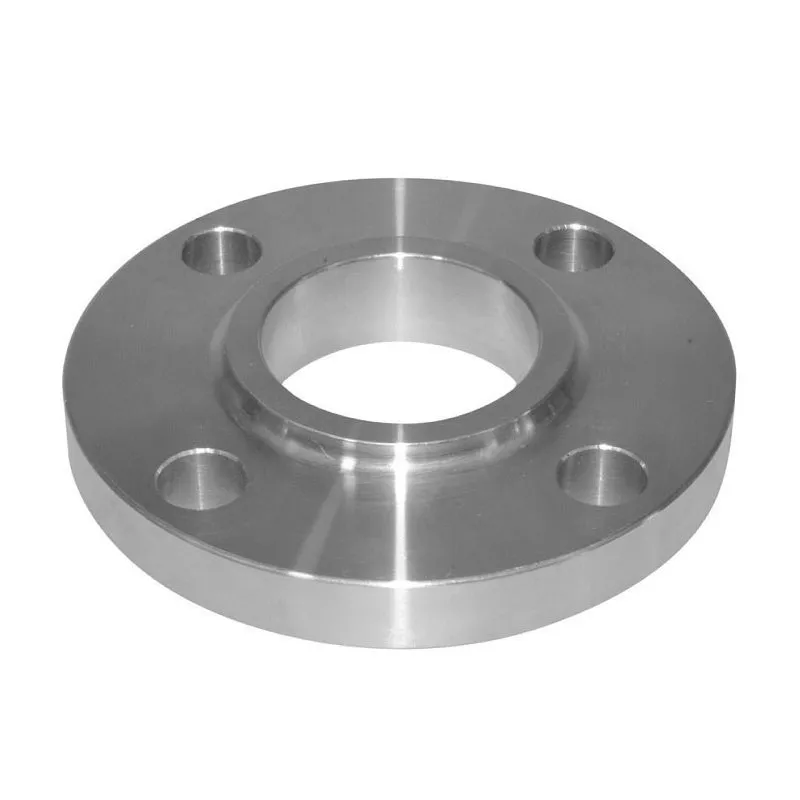 ANSI B16.5 Lap-on flanges Class 1500
 -
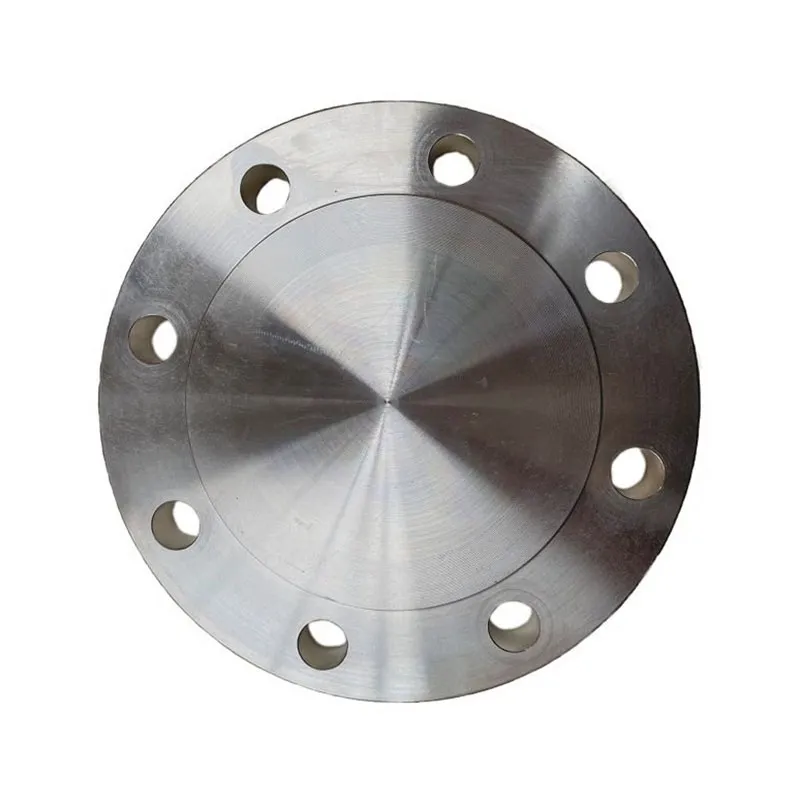 ASME B16.47 Ser.A Blind Flanges Class 400
 -
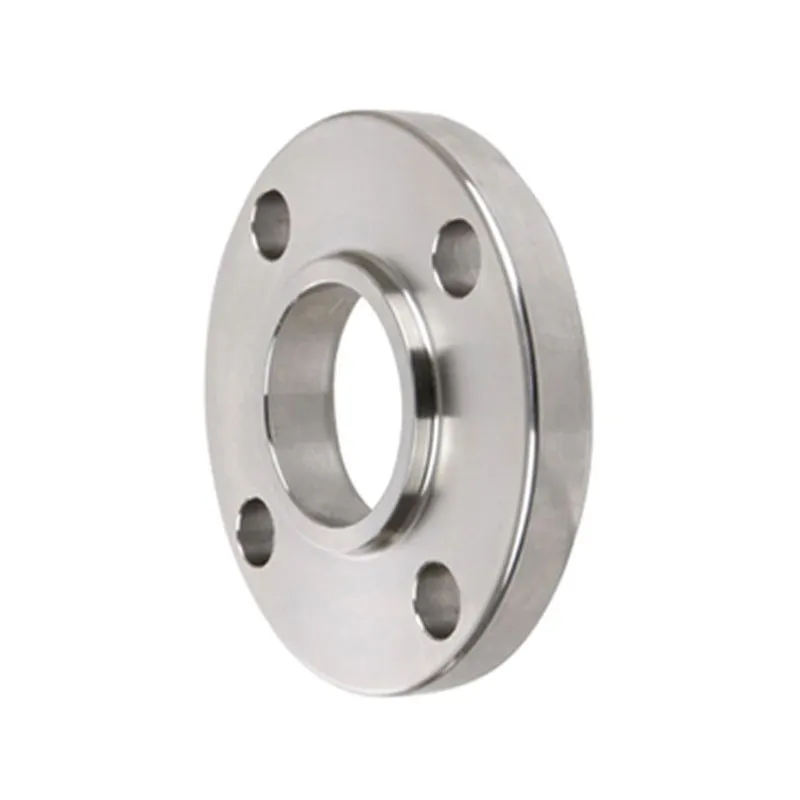 ANSI B16.5 Lap-on flanges Class 300
 -
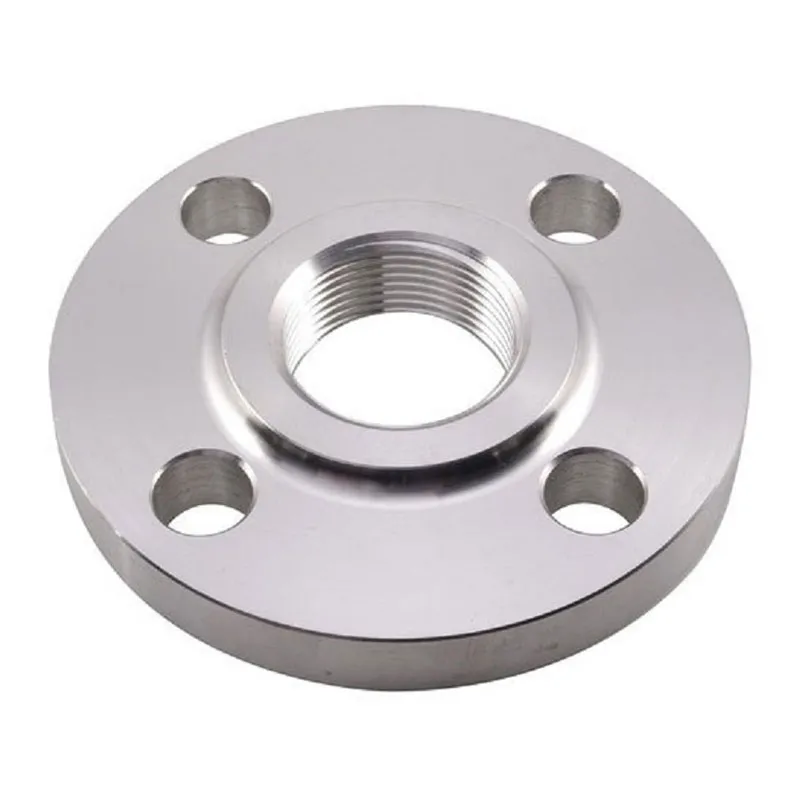 JIS 10K Overlay flanges
 -
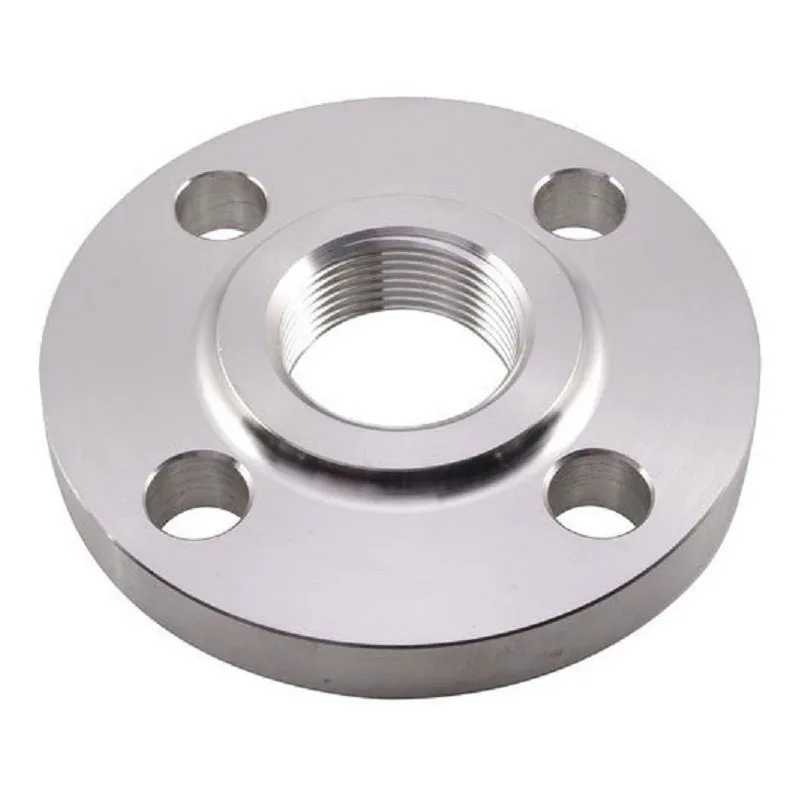 ANSI B16.5 Threaded Flanges Class 600
 -
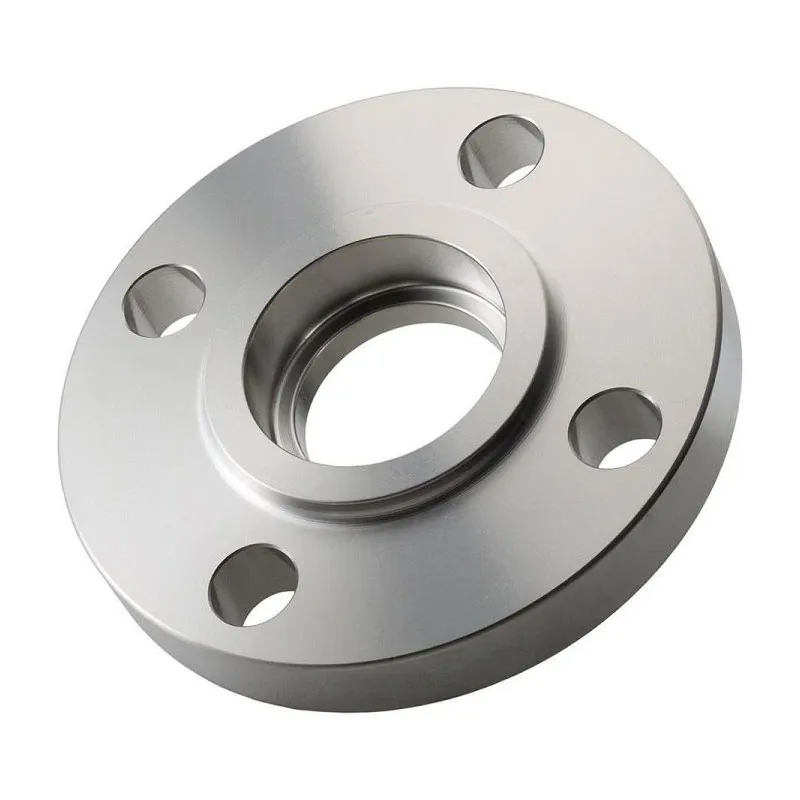 ANSI B16.5 Socket Weld Flanges Class 150
 -
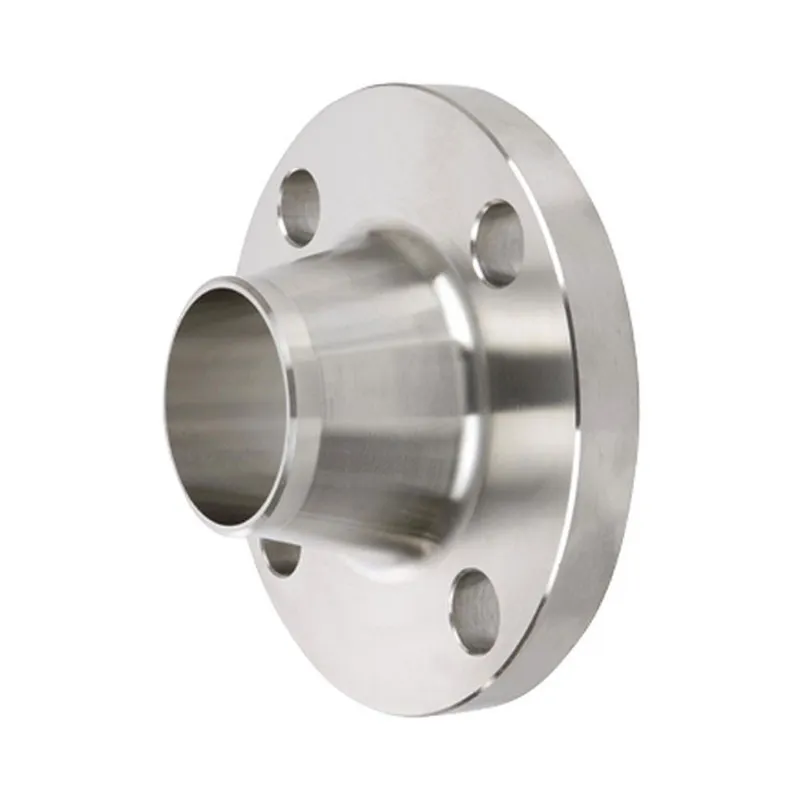 EN 1092-1 Butt weld flanges Type 11, PN25
 -
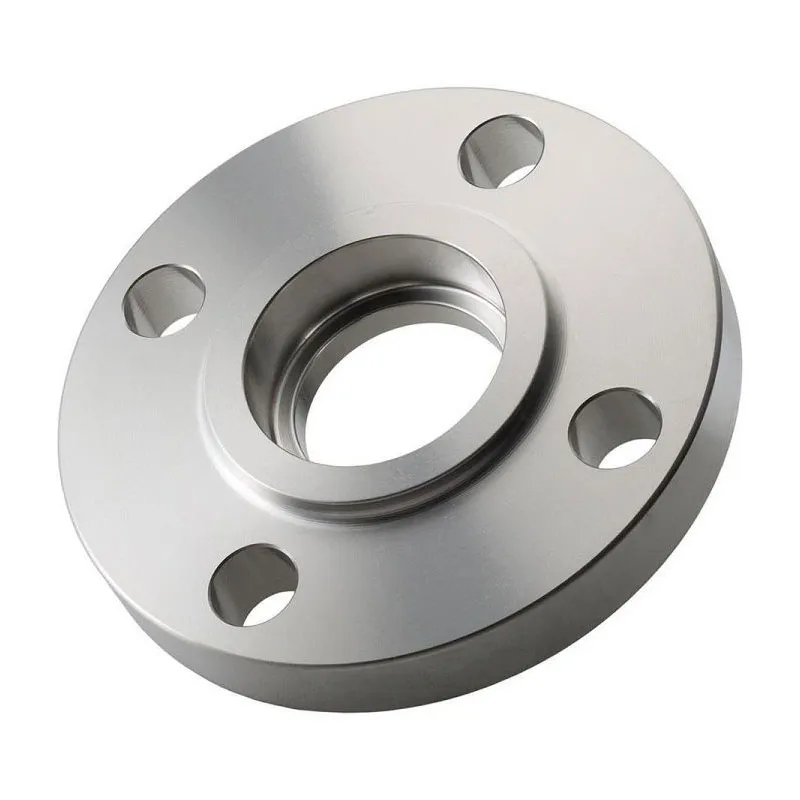 ANSI B16.5 Socket Weld Flanges Class 1500