
-
-
Phone
+86-13623462298



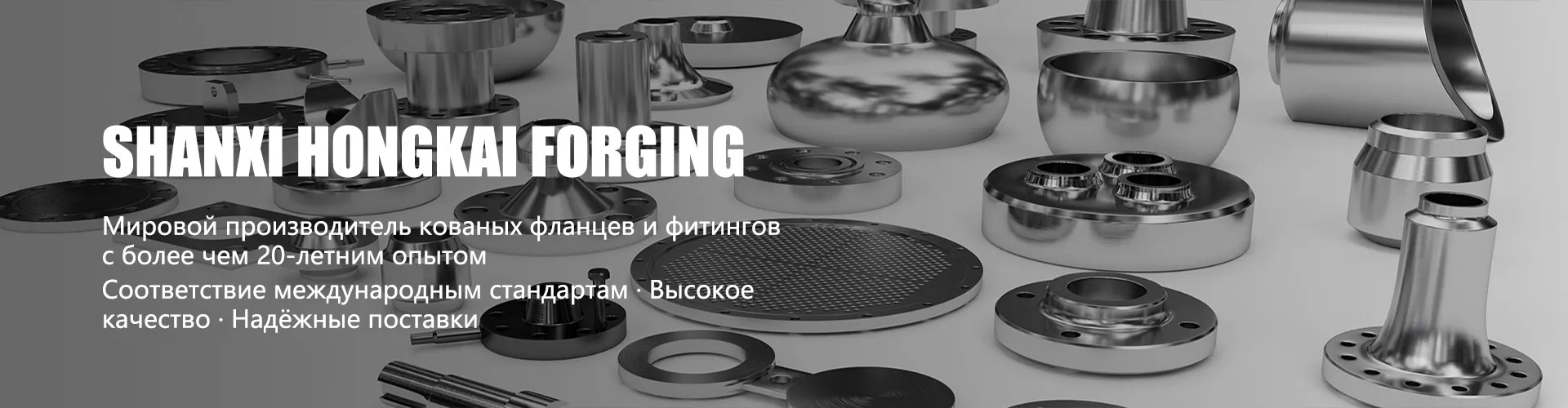
flange kursk
When you hear the request “Kursk flange”, the first thing that comes to mind is, of course, searching for a local supplier or warehouse. But here’s the rub: in Kursk itself, I honestly don’t remember a large production of flanges for standards like GOST, ASME or EN. Most often, these are trading companies that do not produce anything themselves, but work with manufacturing plants. And here the most interesting thing begins: many buyers mistakenly believe that since the company is registered in Kursk, then its products are “Kursk”. In fact, flanges can be brought from anywhere - from Lipetsk, Volgograd, or even from China. And there is nothing wrong with this if the supplier is honest and competent. I myself have more than once encountered situations when a customer urgently needed, say, a steel flange 10x17n13m2t on DN300 in accordance with GOST 33259, and the locals only offered carbon steel from the warehouse, and even that with an interference fit in size. We had to look for alternatives.
Where do the flanges actually come from in the Kursk region?
If you dig deeper, the main flows into this region, according to my observations, come from the south of Russia and, importantly, from abroad. Chinese manufacturers are nothing new here, and their products come in very different quality. It all depends on a specific plant. For example, several years ago we worked with one project to modernize a boiler room - we needed loose flanges on a welded ring according to ASME B16.5. Local dealers charged such prices and terms that we had to consider importing. Contacted the manufacturerShanxi Hongkai Forging Co.,Ltd— their websitehttps://www.hkflange.ruThen I got caught in the search. The company positions itself as a manufacturer of forged flanges and forgings, one of the main centers of the forging industry in China. What attracted you? A clear application for work according to standards: GOST, ASME, EN, DIN. This is already serious.
But, of course, there was skepticism. We have all heard about “Chinese quality”. We decided to request samples and technical documentation specifically for our standard. They sent it quite quickly and sent it to our laboratory for testing - chemistry and fur. properties according to ASME SA-105 were consistent. The geometry was also within tolerances. This was the first signal that not all Chinese supplies are a risk. Their nomenclature states a huge range - from DN15 right up to DN4000, which is rare for many Russian industries. For that project, we took a batch of welding neck flanges - they fit together fine, installation went without adjustment.
However, not everything is so smooth. Later, another time, there was an experience with a non-standard blind flange according to the customer’s drawing. Here the story is more complicated. From Chinese factories, including the sameHongkai Forging, there is often a minimum quantity for non-standard products. We only needed 3 pieces, and they were ready to make from 10. We had to look for a compromise and combine the order with another organization. Plus - logistics. Delivery to Kursk by sea and then by land transport takes time. For urgent ?emergency? needs, this option, of course, is not suitable. But for planned projects, where everything can be calculated in advance, it’s quite possible.
Selection criteria: what to look for besides price
Price, of course, is the main driver for many buyers in Kursk and the region. But if you only chase after her, you can get into trouble. Once we took a batch of flat flanges according to GOST 12820-80 from a very “profitable” one. supplier. It seems that there were certificates and markings. And when they started installing it on a pipeline with a working pressure of 25 kgf/cm2, they discovered that the holes for the studs were shifted by a couple of millimeters. I had to countersink on the spot, wasting time. After this incident, I always demand not only certificates, but also size control protocols selectively from the batch, especially for bore diameters and bolt patterns.
For me now the key point is the traceability of the material. A good manufacturer, be it Russian or Chinese, will always provide the heat number and be able to confirm the origin of the workpiece. At the sameShanxi Hongkai Forging Co.,LtdThe description states that they make forged flanges. This is an important point. Forging gives better direction of metal fibers and higher mechanical characteristics compared to casting or gas cutting from sheet metal. For critical applications this is essential. I always check with the supplier: is the workpiece forged or not? If they answer evasively, this is a reason to be wary.
Another practical point is the availability of a complete set of fasteners. Often flanges are brought to Kursk, but studs, nuts and gaskets must be looked for separately. Some large manufacturers, especially those working for export, offer complete supplies. This is a huge saving of time and nerves for installers. I recently saw that on the website hkflange.ru the assortment includes not only standard flanges, but also forgings for machining. This suggests that the plant has serious forging capabilities, and does not just trade.
Logistics details for the Kursk region
Delivery to Kursk is a different story. If the cargo comes from China, the optimal route is often this: a port (for example, in St. Petersburg or Novorossiysk) - then a railway or truck. The deadlines may extend to 45-60 days. This needs to be included in the project right away. There have been cases when, due to customs clearance at the port, the cargo was “hanging?” an extra two weeks. Now many suppliers, including those representing Chinese factories, offer a “turnkey” service: they themselves handle shipping, customs, and delivery to the warehouse in Kursk. This is, of course, more expensive, but it saves headaches.
For urgent needs, of course, you have to scour the remains in warehouses in neighboring regions - Belgorod, Voronezh. But there the assortment is often limited to common sizes and steel grades. If you need a specific material, for example, for a corrosive environment, then you will still have to wait. Once we ordered stainless steel flanges 06ХН28МДТ for a facility in Kursk. No one within a 500 km radius had this in stock. I had to order production. The choice fell on a trusted manufacturer with whom we had already worked. As a result, the production and delivery time took almost 2 months, but the products arrived perfect, with a full package of documents, including ultrasonic inspection.
Another important thing to consider for our region is the climatic conditions. In winter, there may be problems with unloading if the flanges arrive in open rolling stock and freeze. Now I always write down in the supply contract a condition about a covered wagon or container for the winter. It's a small thing, but it can save you from downtime.
Non-standard situations and forgings according to drawings
Standard flanges are one thing. But real aerobatics? for the supplier and a headache for the engineer - these are non-standard products. In my practice, there was a case when, to repair old equipment at one of the Kursk enterprises, an adapter flange from DN800 to DN600 was needed, and even with a non-standard arrangement of stiffeners. The drawing was from Soviet times, with tolerances in millimeters, not fractions.
We sent requests to several manufacturers, including Russian and Chinese.Shanxi Hongkai Forging Co.,Ltdresponded quickly, their technical department asked a bunch of clarifying questions about the drawing: about the purpose of the ribs, about operating conditions (temperature, environment), about the type of surface treatment. This was a good sign - it means that they approach the issue thoughtfully, and do not just undertake to do it “as it is drawn?” The Russian plant responded by simply sending a commercial offer with a price, without a single question.
As a result, the order was placed with a Chinese manufacturer. The process was not easy: approval of the technical specifications, approval of the 3D model, verification of the control measurement plan. But the result was worth it. The forging arrived with fine machining, all dimensions were within the tolerance range. The most important thing is that they provided a full report on non-destructive testing (UTT, MDT), which is critically important for a critical non-standard part. This experience has shown that for complex problems it is sometimes worth looking beyond the immediate region and considering specialized plants, even if they are located far away.
Final considerations for the practitioner
So what is the bottom line on the topic “Kursk flange”? Don't look for a mythical local giant producer. Most likely there isn't one. Look for a reliable supplier partner who has direct contracts with factories, be it in Russia, China or Europe. This partner must understand not only prices, but also technologies, standards, and logistics.
Pay attention to details. Is the supplier ready to provide complete documentation for the shipment? Can he organize an examination of products in an independent laboratory? How does he behave when a non-standard request is made - does he ask clarifying questions or just nod? For me, for example, a site like hkflange.ru is not just a business card. If the nomenclature and standards are described in detail, the range of sizes up to DN4000 is indicated - this indicates the scale and, possibly, the seriousness of the approach of the manufacturer behind it.
And one last thing. Don't be afraid of imports, but approach them wisely. Yes, a flange from China for the Kursk plant is a reality. The key is in careful selection of a specific manufacturer and in clear technical specifications. Sometimes it comes out cheaper and of better quality than taking “I don’t understand what?” from a local reseller who doesn’t really know what he’s selling. The main thing is to keep a critical eye, check, double-check and always have a backup option in case the main one fails. In our work there is no other way.
Correspondingproducts
Related Products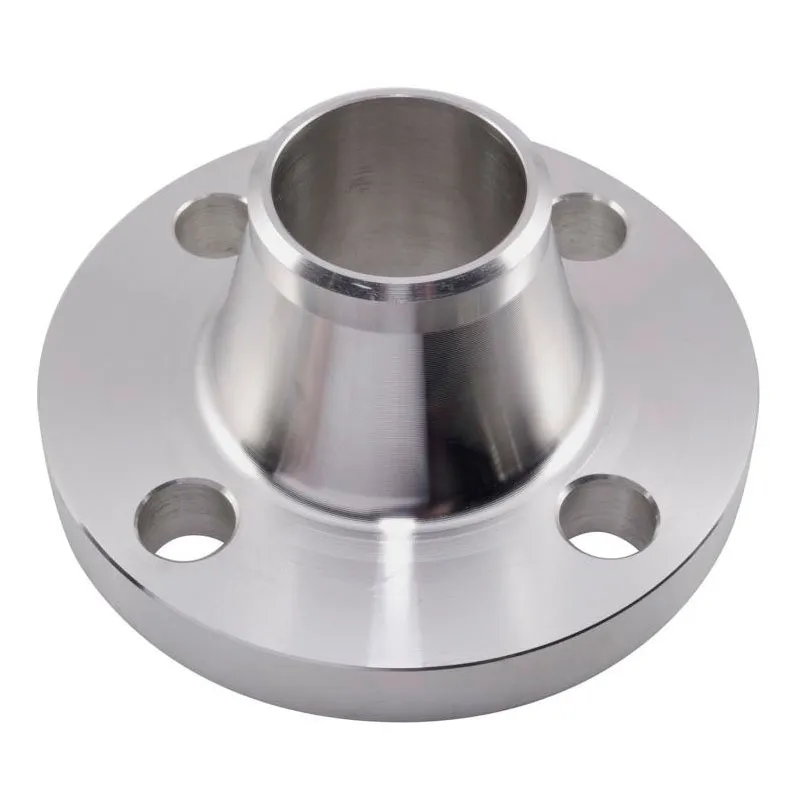
Best Sellingproducts
Best Selling Products-
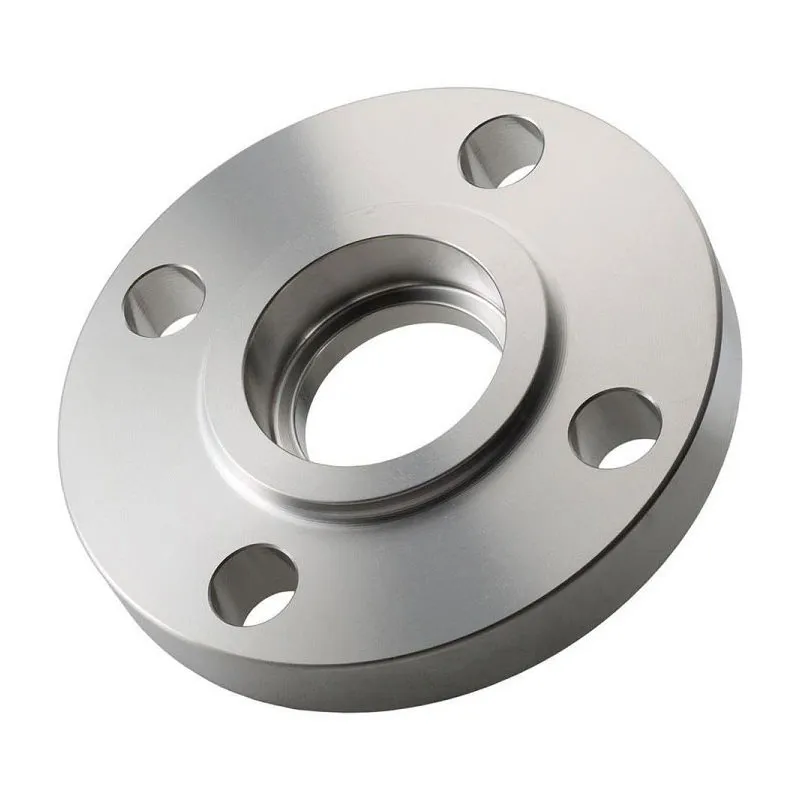
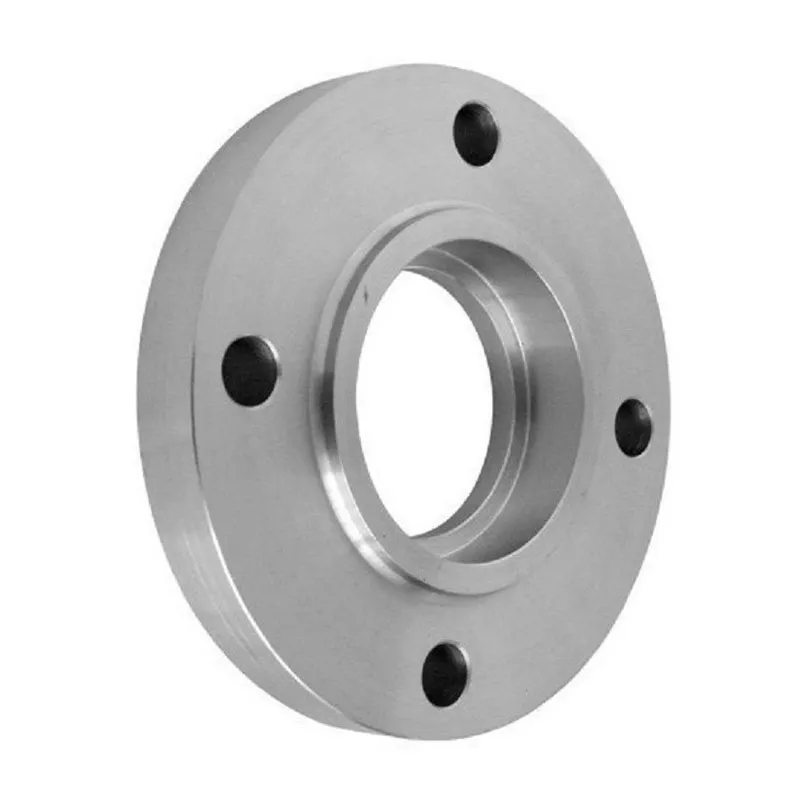 Socket Weld Flanges Class 300
 -
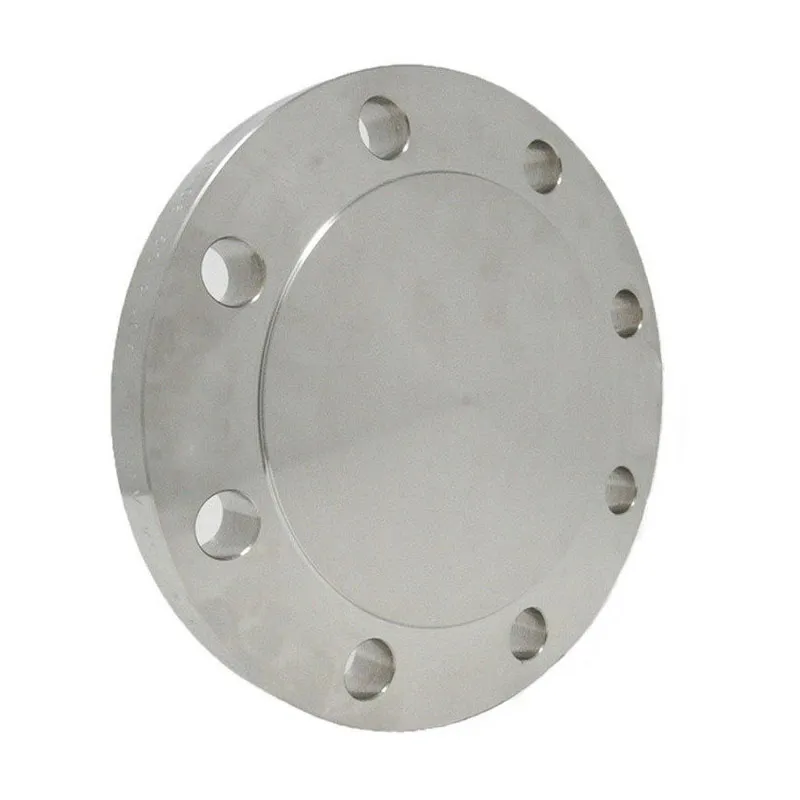 Blind flanges Class 150
 -
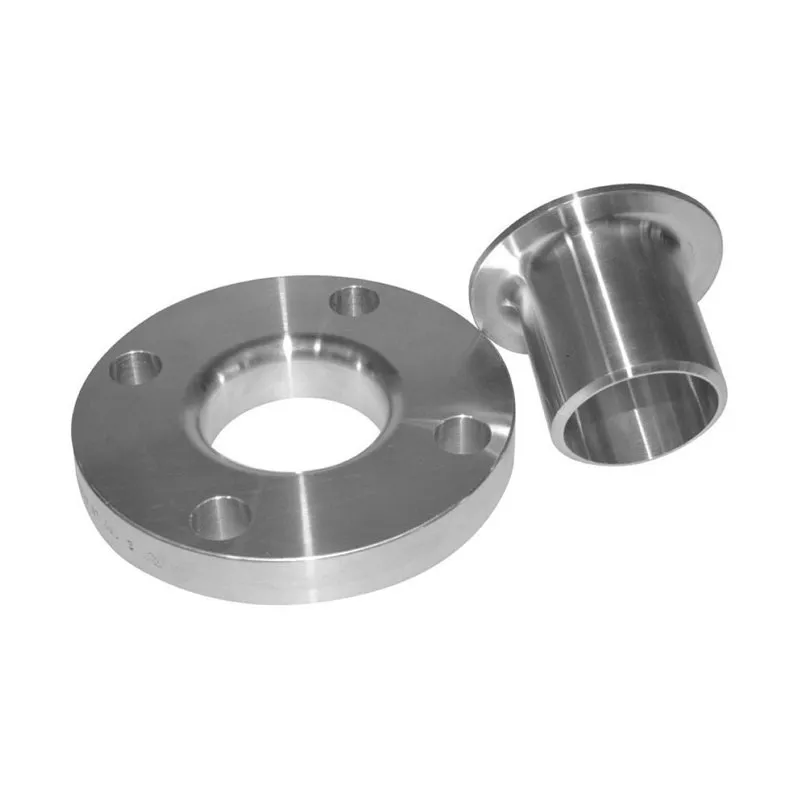 Free ring flanges Class 150
 -
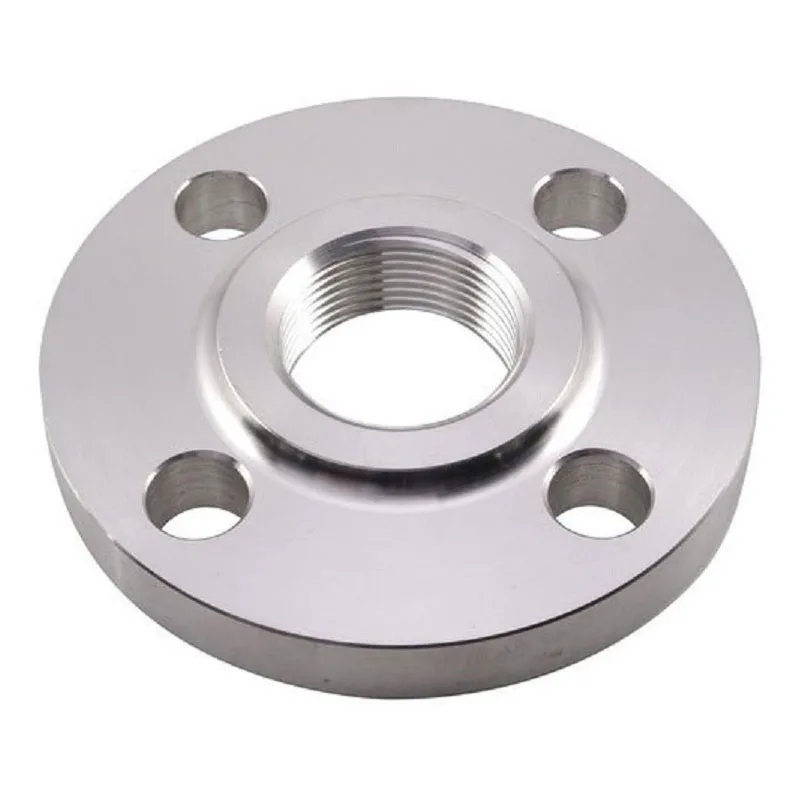 JIS 10K Threaded Flanges
 -
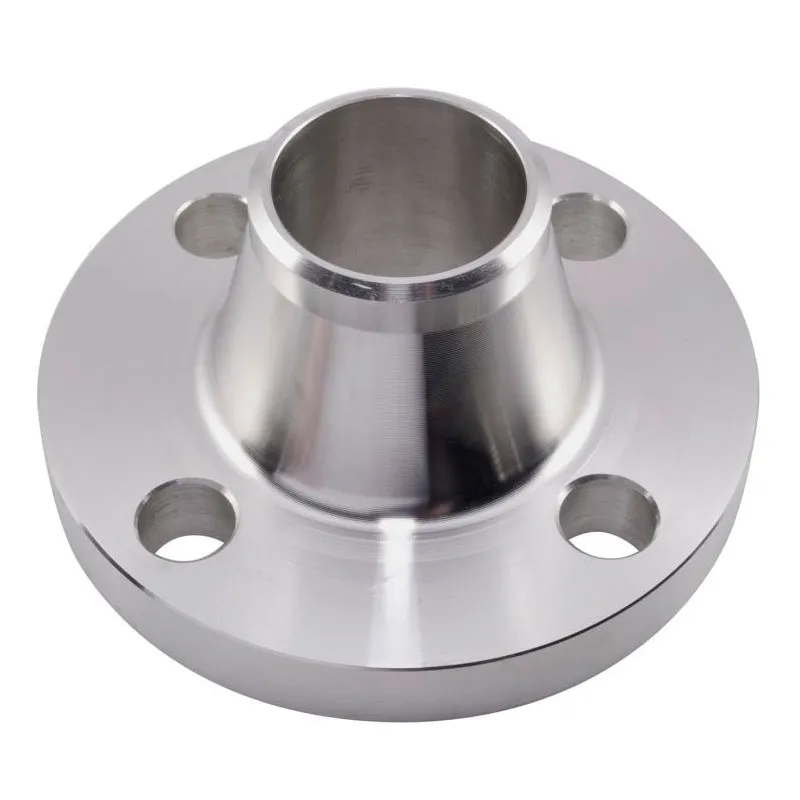 UNI 2281 Butt weld flanges PN10
 -
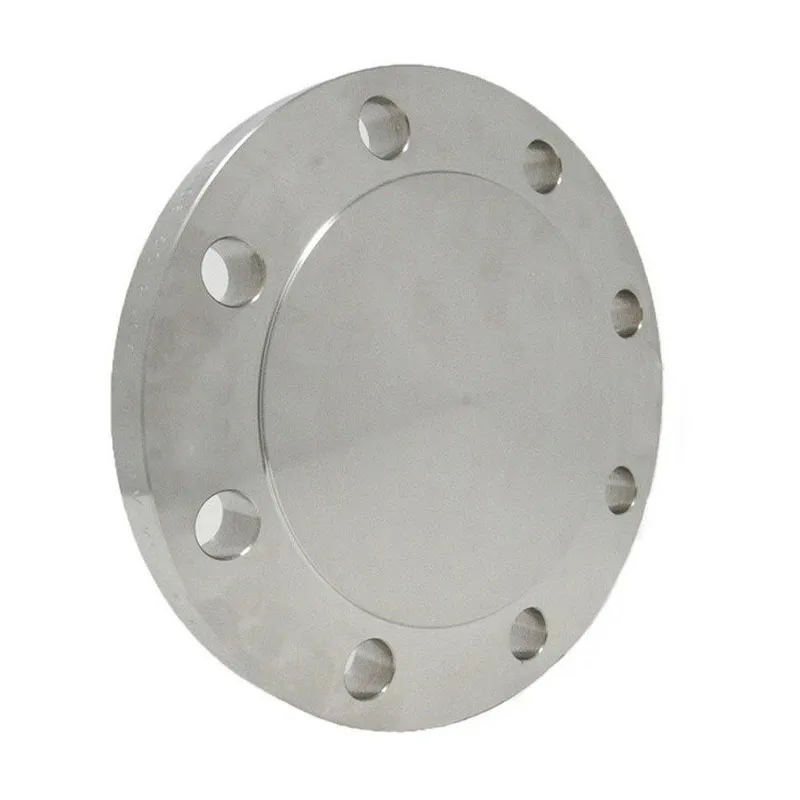 EN 1092-1 Blind flanges Type 05, PN10
 -
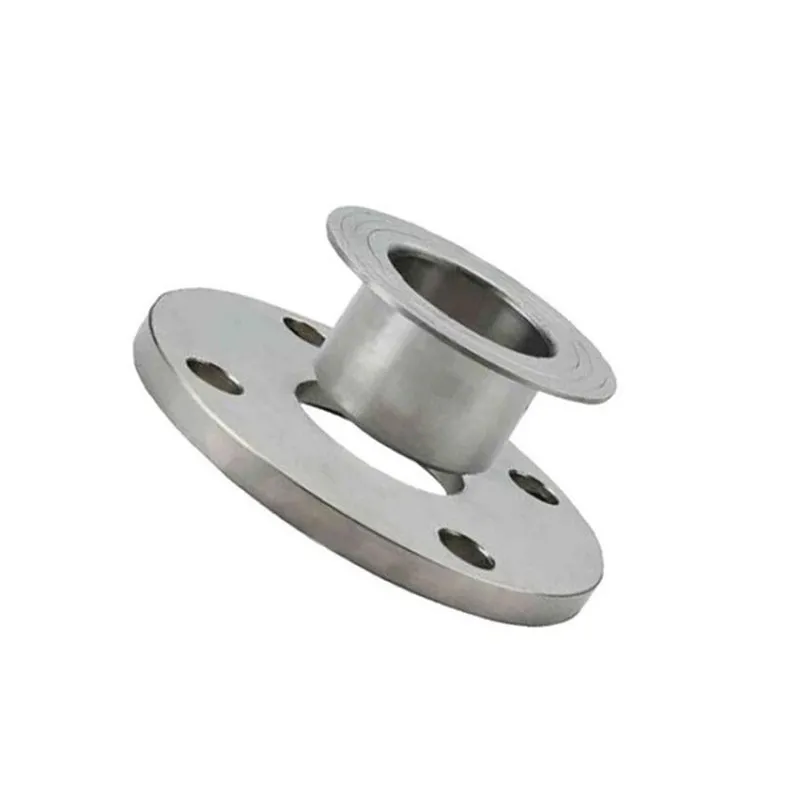 JIS 10K Loose Ring Flanges
 -
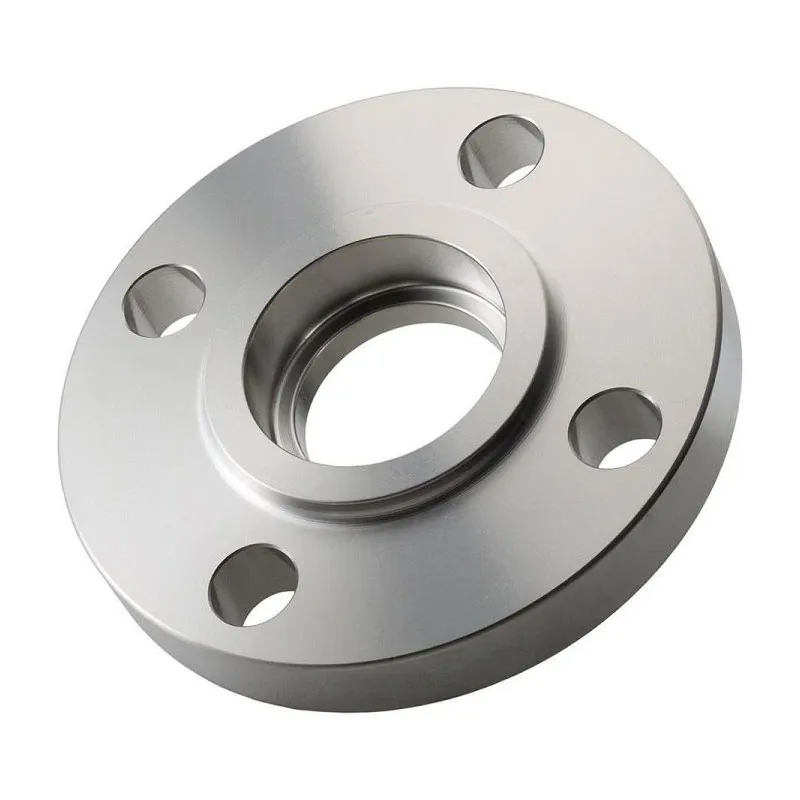 ANSI B16.5 Socket Weld Flanges Class 150
 -
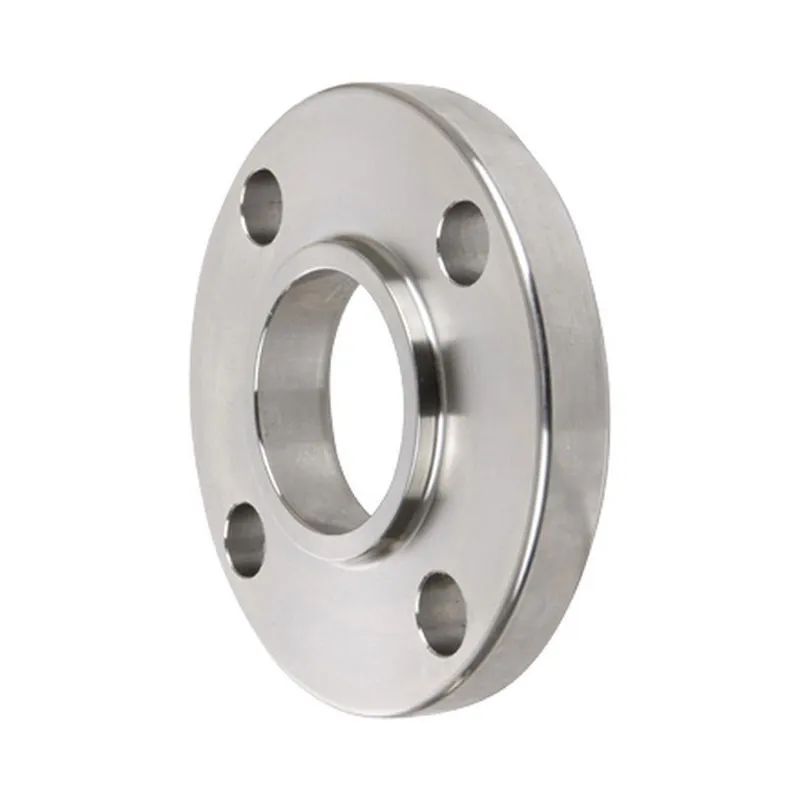 DIN 2501 Overlay flanges PN16
 -
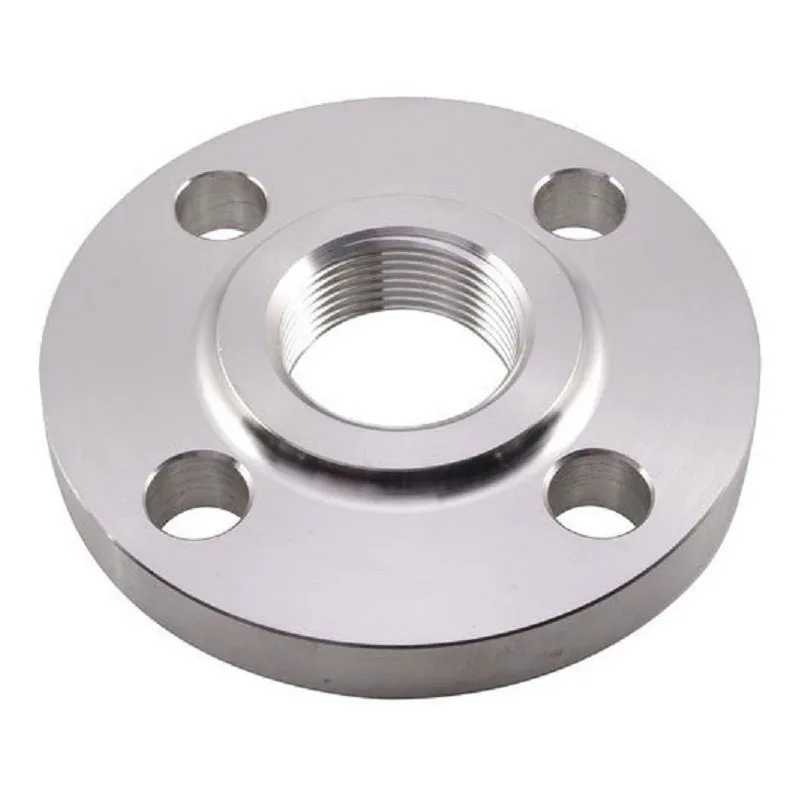 ANSI B16.5 Threaded Flanges Class 600
 -
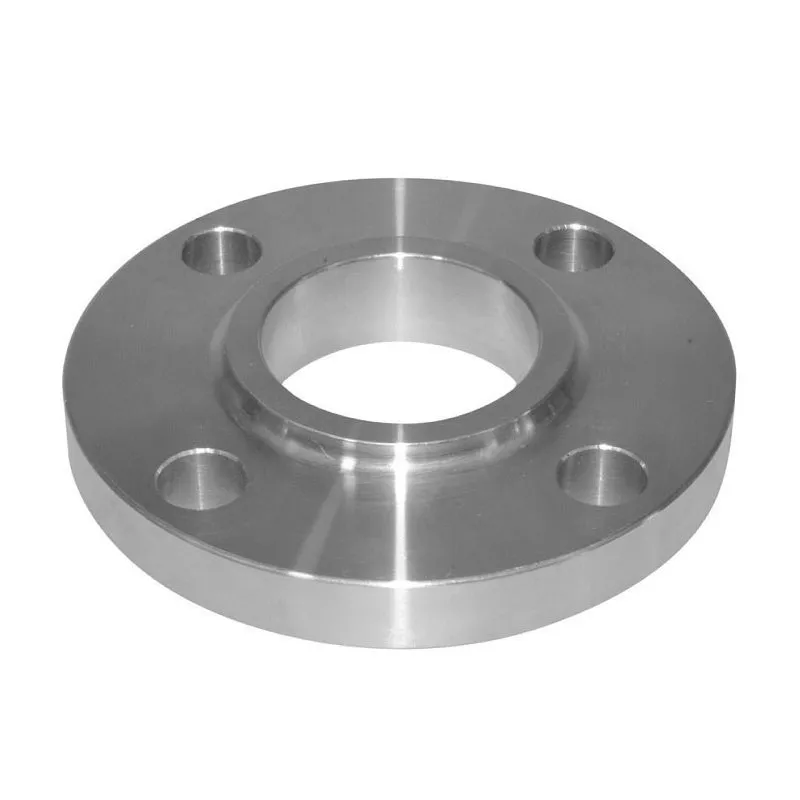 ANSI B16.5 Lap-on flanges Class 1500
 -
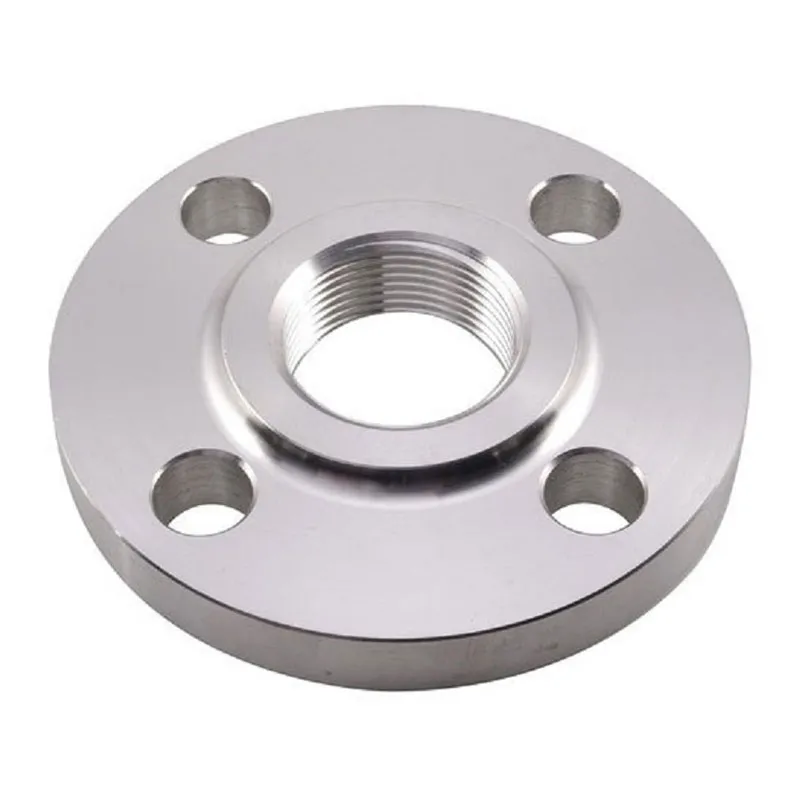 JIS 10K Overlay flanges