
-
-
Phone
+86-13623462298



steel flange diameter 50
When you hear “steel flange diameter 50”, many immediately imagine some kind of standard piece of hardware, almost a consumable. But in practice, especially in critical pipelines, this often becomes a point where designers or installers can make unfortunate mistakes. The most common pitfall is to assume that all 50 DN flanges are the same. But in addition to the diameter, there is pressure, performance standard, type of sealing surface, material... And this is where the fun begins.
What is hidden behind the number?50??
Diameter 50 mm, or DN50, is, of course, a nominal diameter. But the thickness of the flange, the diameter of the bolt circle, the number and size of these same bolts - all this is already determined by the pressure for which it is designed. You can take a PN6 flange, or you can take a PN40 one - outwardly the difference is not obvious to a non-professional, but in terms of weight and geometry they will differ significantly. One day I had to deal with a leak at just such a junction: they set the flange to a lower pressure than required by the operating mode of the line. The result is constant “sweating?” and eventually replacement under pressure, which you always try to avoid.
And one more thing - the standard. If you have a pipe in accordance with GOST 33259, then you need a corresponding flange. And if the system is assembled for European equipment, then most likely you will need EN 1092-1. Bolt threads can be metric or inch. It might seem like a small thing, but on site, when you don’t have the right key or the bolt can’t be screwed in, it’s a huge waste of time. Therefore, in specifications I now always require that they indicate not just “DN50 flange”, but the full designation according to the standard indicating pressure and type.
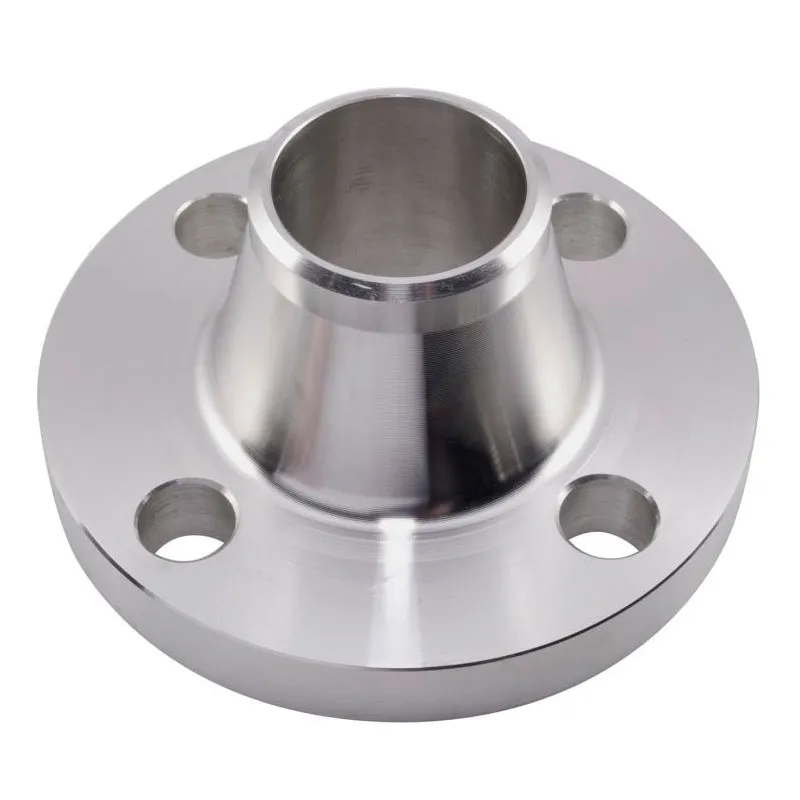
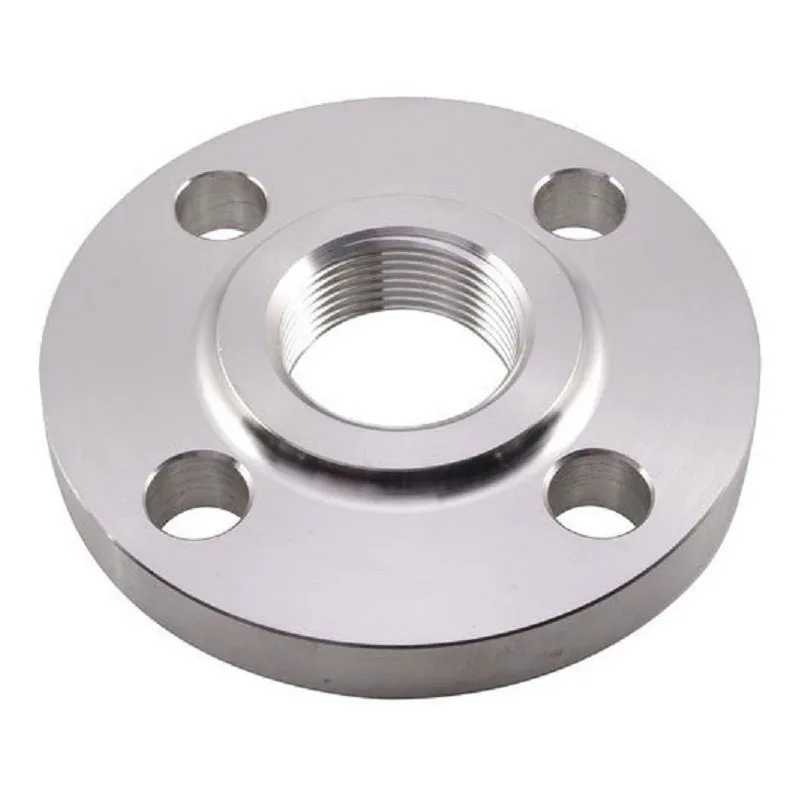
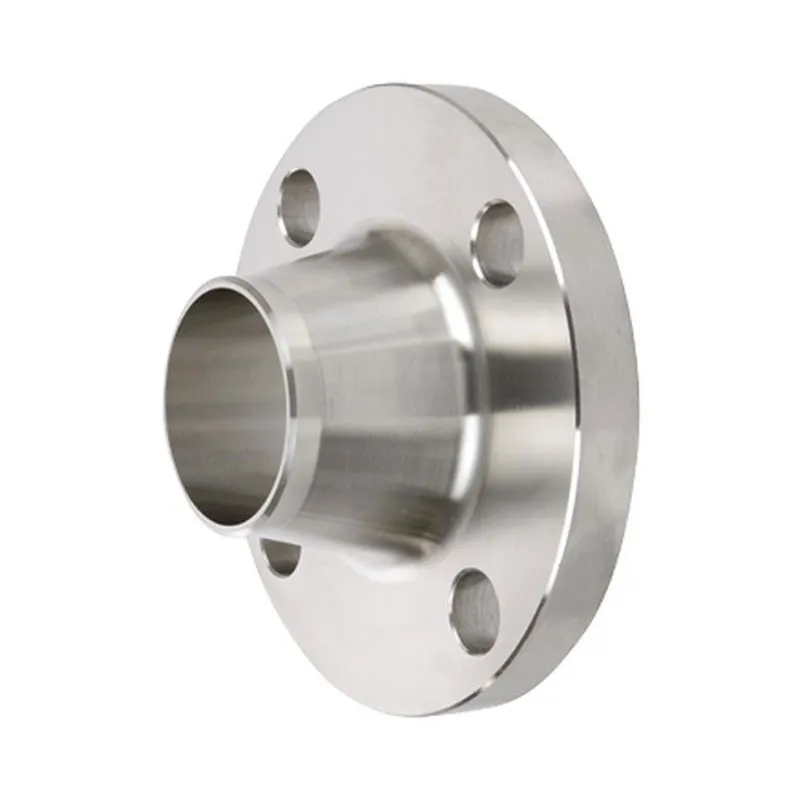
By the way, about types. For DN50 they most often gobutt weld flanges(aka collar ones) or flat welded ones. Butt welding is more reliable, especially for high pressures and temperatures, since the weld seam is stronger. But they are also more expensive and take longer to cook. Flat ones are easier to install, but require precise cutting of the pipe and a double-sided seam. The choice often depends not on desire, but on installation conditions and the available budget.
Material: Not all steel is created equal
?Steel? - this is also a general concept. For ordinary low-pressure water pipes, St20 or St3 can be used. But if we are talking about steam, aggressive environments or low temperatures, then the area of alloy steels begins: 09G2S, 12Х18Н10Т, AISI 304/316. An error in choosing the steel grade for a DN50 flange can lead to corrosion, brittle fracture in the cold, or simply to the flange “floating”. on temperature.
I had a case at a small boiler room. We ordered a batch of DN50 carbon steel flanges for piping the boiler. Everything was installed, launched - everything seemed to be fine. But six months later, microcracks appeared on one of the flanges in the constant heating zone. It turned out that heat-resistant steel was needed for this temperature regime. I had to cut out the entire assembly. Now I always check not only the pressure, but also the environment and its temperature.
Suppliers who specialize in forgings usually offer a good selection. For example, I look at the websiteShanxi Hongkai Forging Co.,Ltd (https://www.hkflange.ru). In their assortment it is clear that they work with different grades of steel under different standards. This is important because forging, as opposed to casting or cutting from sheet metal, produces a more uniform metal structure, which is critical for flanges operating under load.
Installation practice and typical jambs
Even with a perfectly selected flange, you can make mistakes during installation. The most common sin is overtightening the bolts. It seems like the tighter you tighten it, the tighter it will be. But in reality, monstrous stresses are created, the gasket is squeezed out or destroyed, and the flange itself can fail. DN50 has its own tightening torques, often in a “crosswise” pattern. and a torque wrench. But who bothers with this at all objects? That's right, only a few.
Another problem is misalignment. The pipes must be perfectly aligned before tightening the flanges. If you “twist” them? force, tension is created, which sooner or later will come back either with a leak or breakage of the bolts. This is especially truesteel flanges diameter 50, which are often installed on pumps, valves - that is, between devices that themselves may have slight displacements. Here you can’t do without a laser centerer or at least a good ruler.
And, of course, gaskets. Finding the wrong gasket for a DN50 flange is as easy as shelling pears. Paronite instead of Teflon, or asbestos cardboard instead of spiral wound. Each environment and temperature requires its own material. I once saw how a regular rubber gasket was installed on the acid line. The rubber corroded within a week. It's good that we noticed it in time.
When is non-standard needed?
Standard flanges DN50 cover 95% of the requirements. But there are situations when a transition from one standard to another is needed (for example, from GOST to ASME), or a flange with a non-standard arrangement of holes for a specific device, or with special thickness requirements due to vibration. This is where work begins with manufacturers who undertake production according to drawings.
The sameShanxi Hongkai Forging Co.,Ltd, judging by the description, it just offers non-standard products according to customer drawings. It's valuable. At one time, for the reconstruction of the old German line, adapter flanges DN50 with DIN fastening on one side and GOST fastening on the other were required. We found a manufacturer who made the forging and processed it. The main thing was to correctly provide the drawing with all the tolerances and indicate the material equivalent to the original.
Working with non-standard products always takes longer and is more expensive. It takes time to develop the technical process and manufacture equipment. But sometimes this is the only way, especially when modernizing outdated equipment, where you can no longer find “relatives” components.
In conclusion: simply about the complex
So,steel flange diameter 50- this is not just a ring with holes. This is a calculation unit, the selection and installation of which determines the tightness and safety of the entire system. Saving on the quality of the flange or the time it takes to install it correctly almost always backfires - repairs cost many times more.
I have developed a rule for myself: always give the technical specifications as much detail as possible. Not a “DN50 flange”, but a “50-6 st. 09G2S GOST, type 21, version 1?. This eliminates misunderstandings with suppliers and installers. And of course, working with trusted manufacturers who specialize in forgings and have experience working with international standards, like the company mentioned, greatly reduces risks.
In general, there are no trifles in this matter. Each element, even such a seemingly simple one, requires attention and understanding of what is behind each number in its designation.
Correspondingproducts
Related Products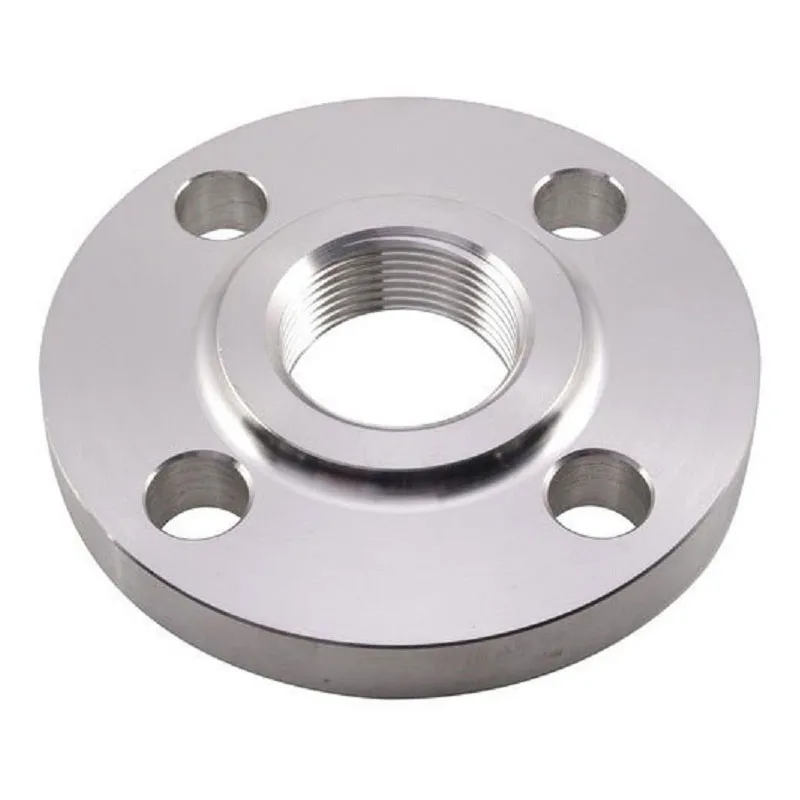
Best Sellingproducts
Best Selling Products-
 ANSI B16.5 Socket Weld Flanges Class 150
 -
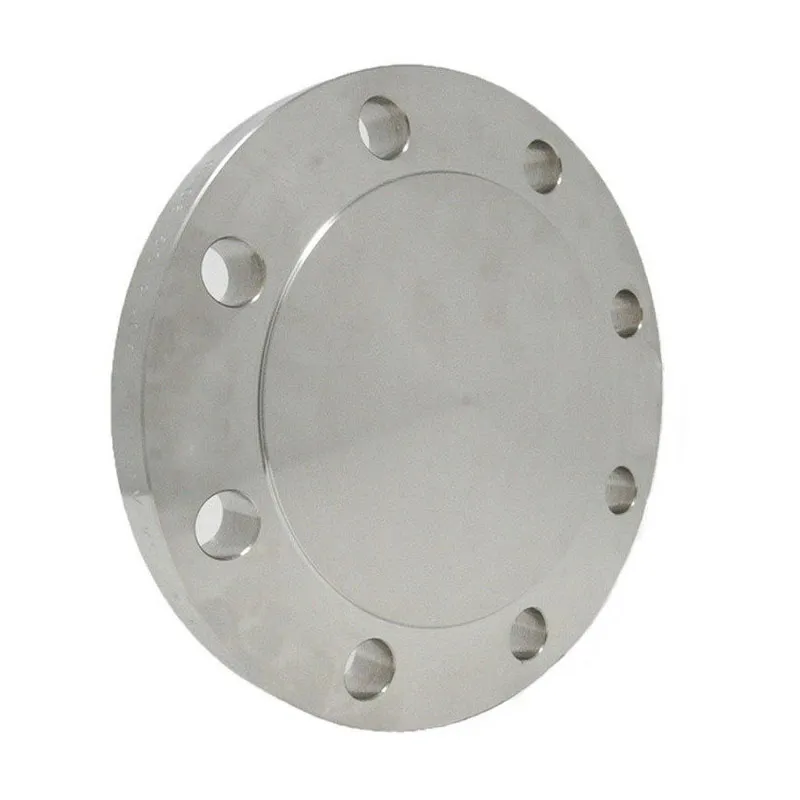 Blind flanges Class 150
 -
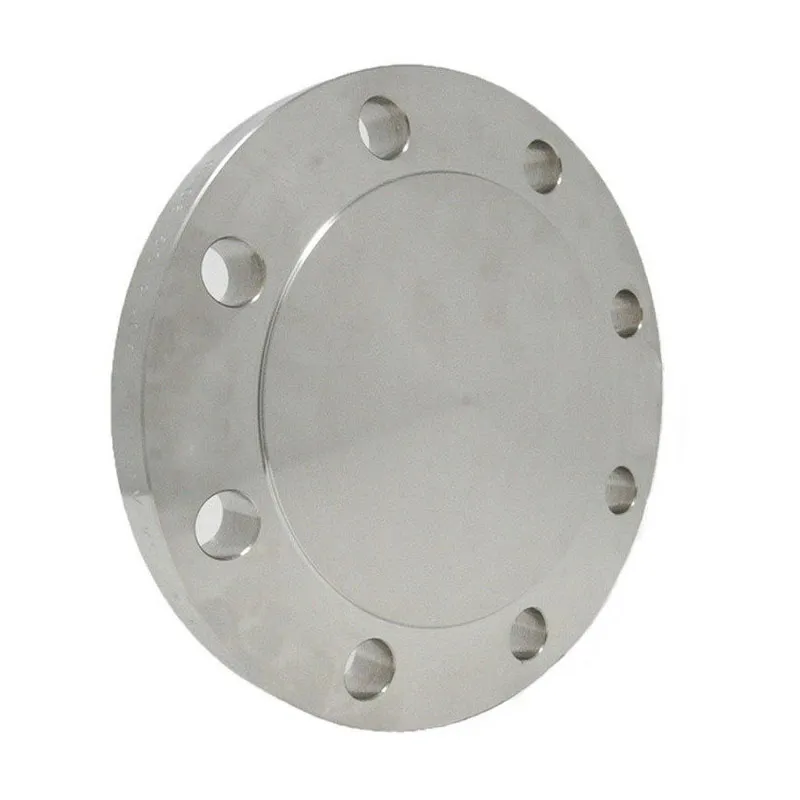 AWWA Blind Flanges Class D (Tables 1, 2, 3)
 -
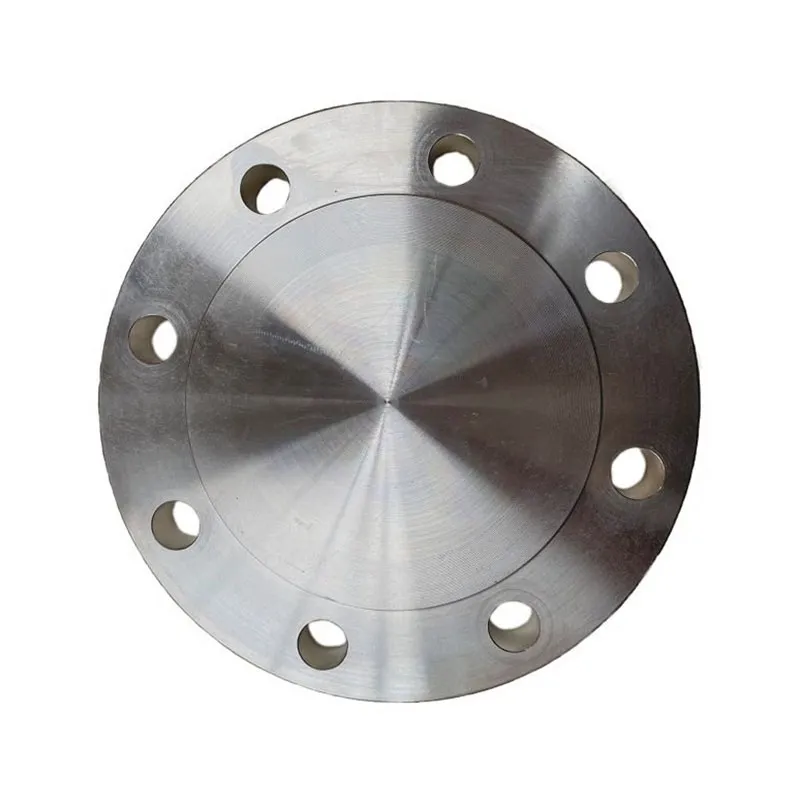 UNI 6092 Blind flanges PN10
 -
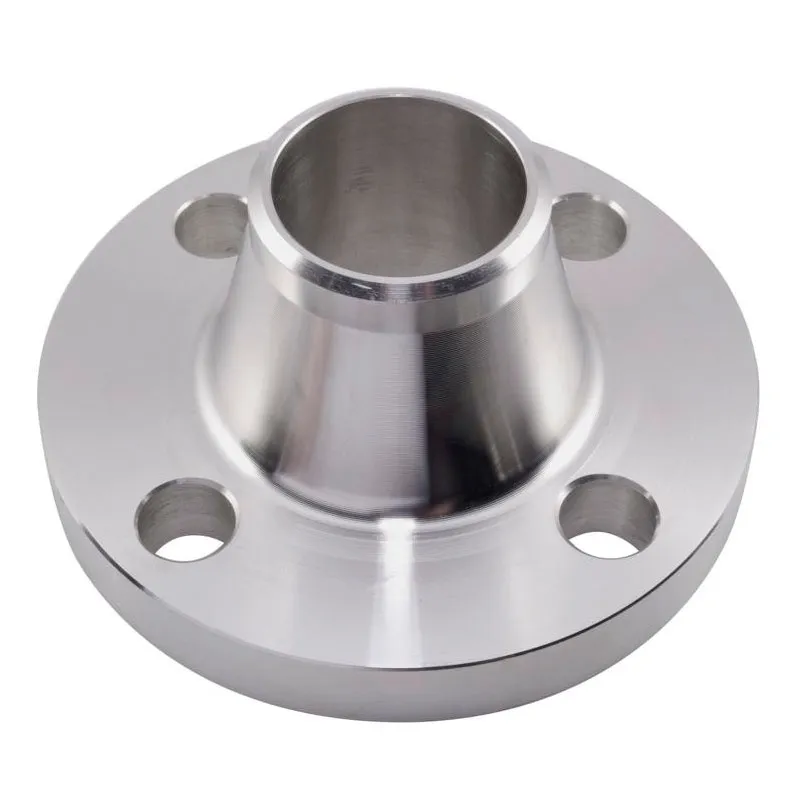 Butt weld flanges Class 900
 -
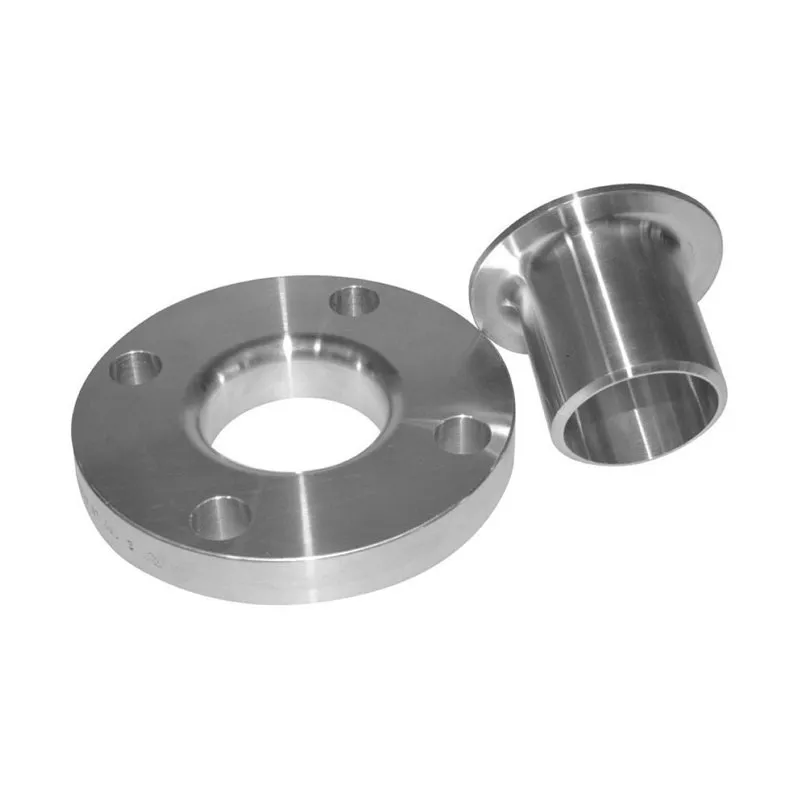 Free ring flanges Class 150
 -
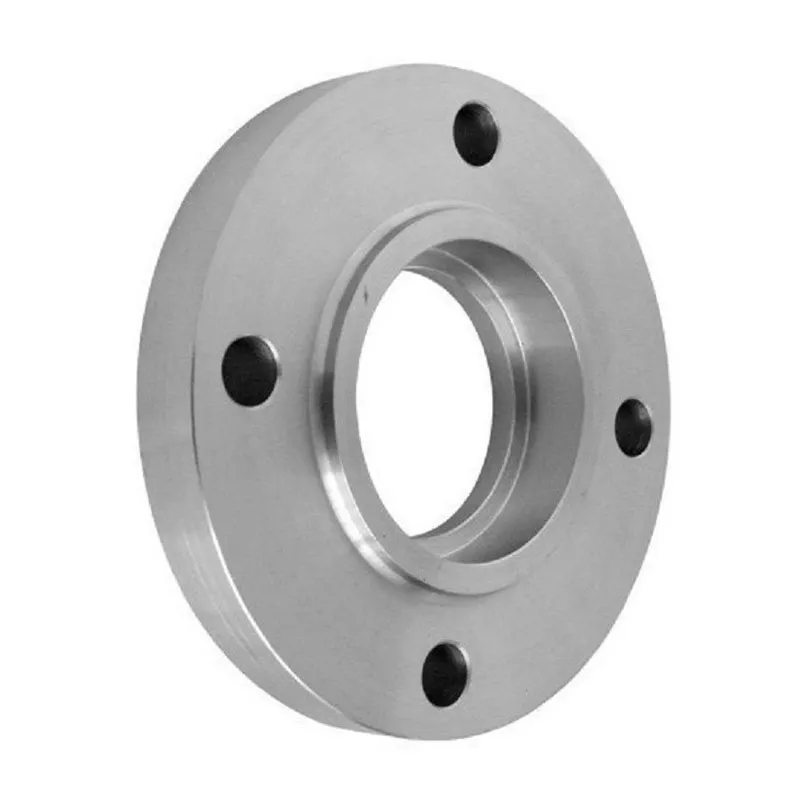 Socket Weld Flanges Class 300
 -
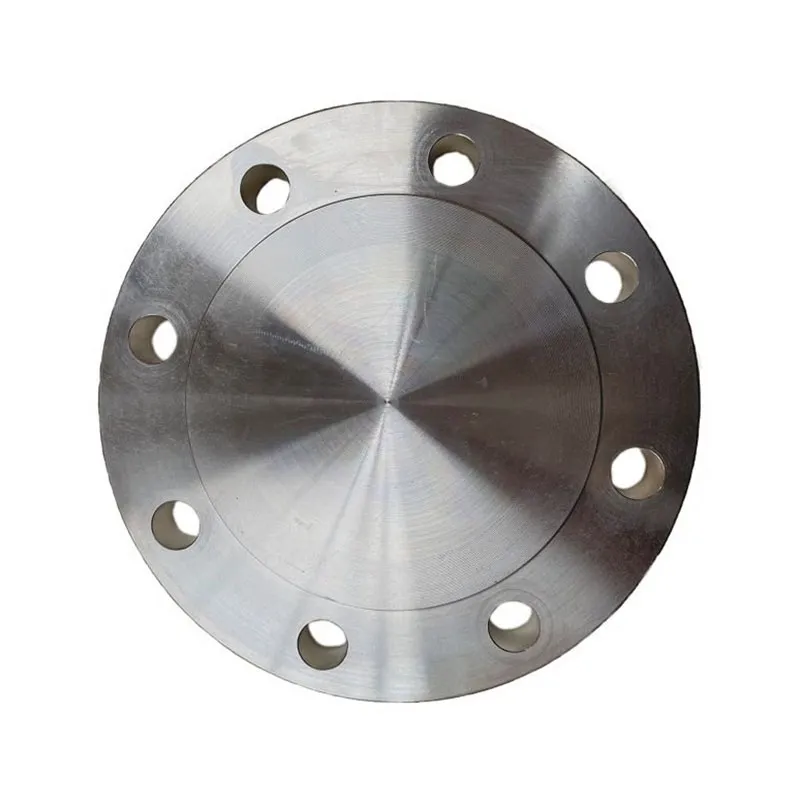 ASME B16.47 Ser.A Blind Flanges Class 400
 -
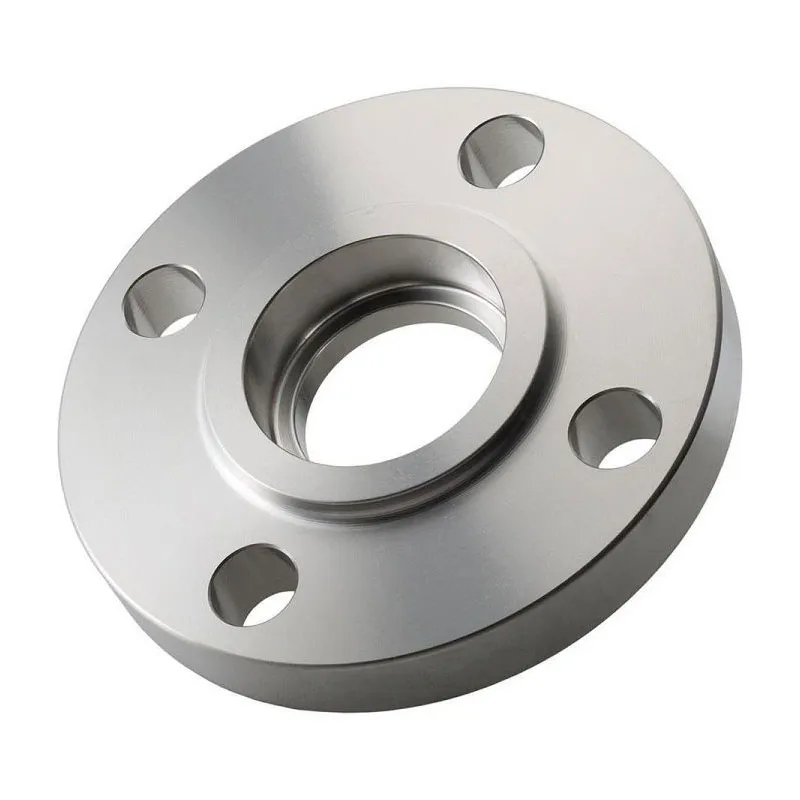 ANSI B16.5 Socket Weld Flanges Class 1500
 -
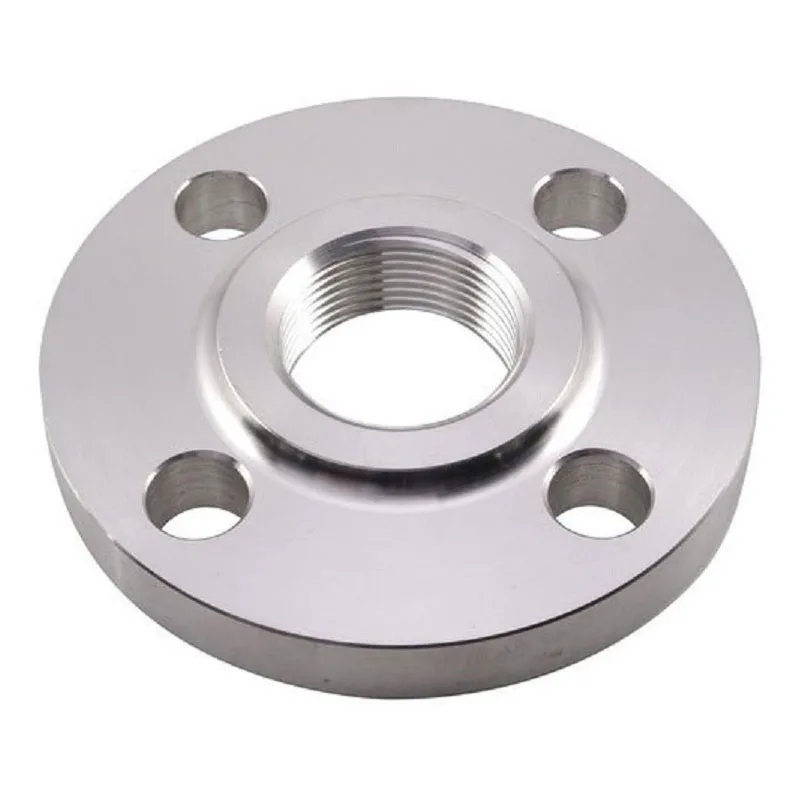 JIS 10K Threaded Flanges
 -
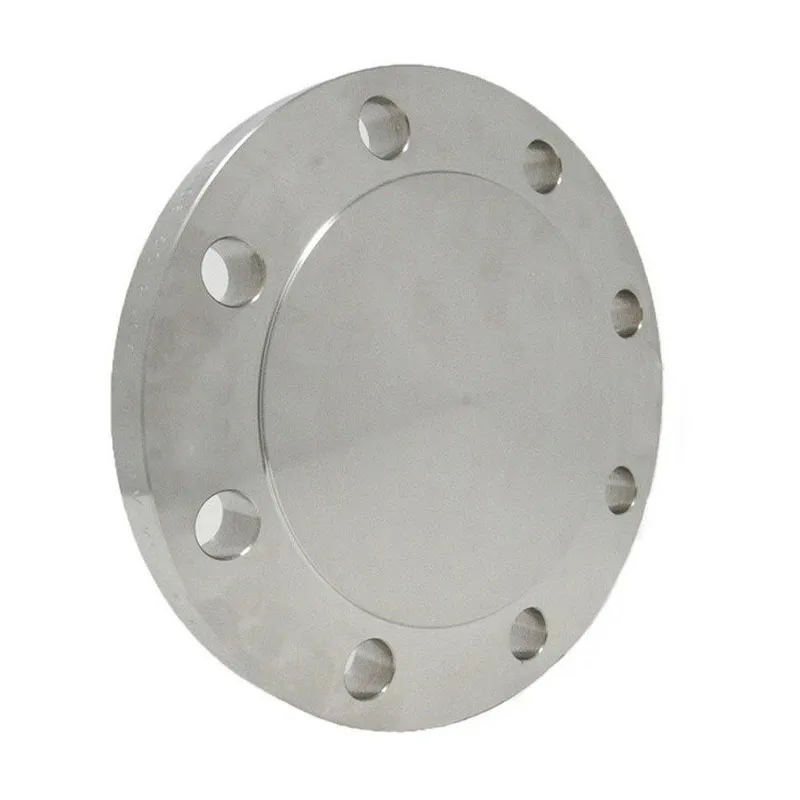 EN 1092-1 Blind flanges Type 05, PN10
 -
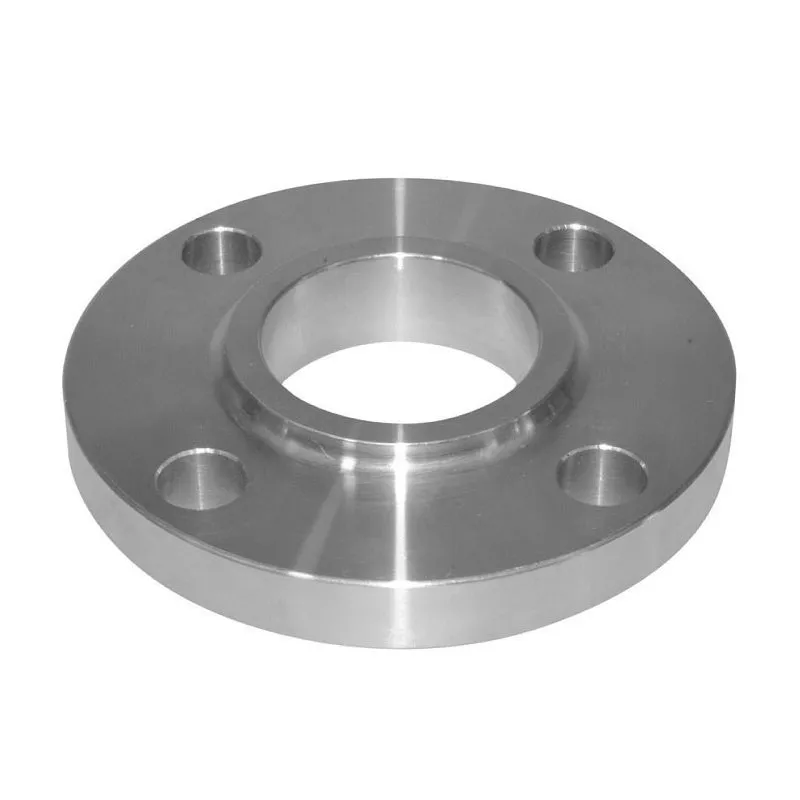 ANSI B16.5 Lap-on flanges Class 1500