
-
-
Phone
+86-13623462298



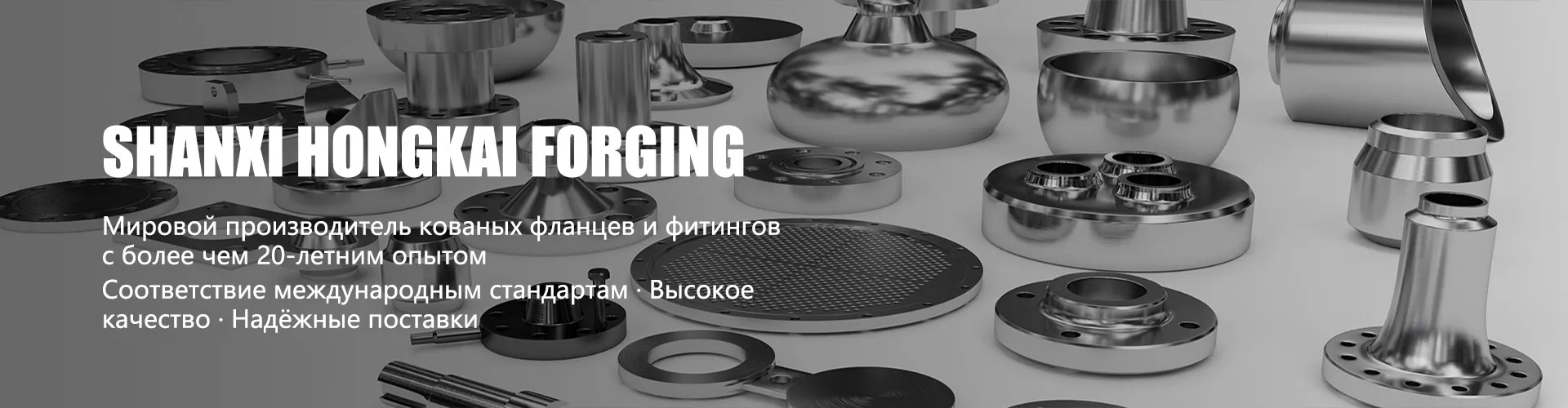
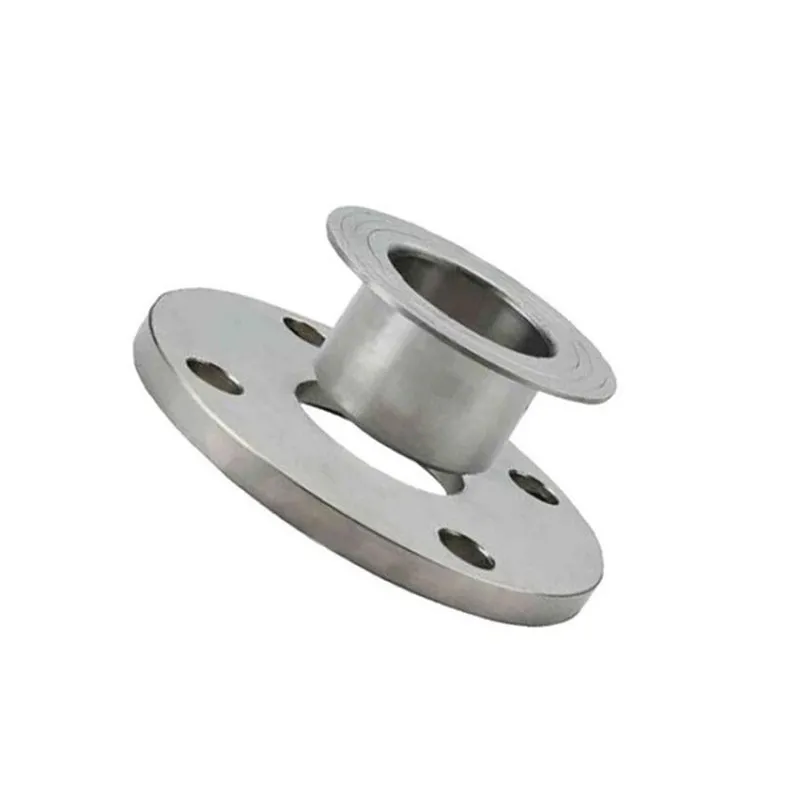
flange collar 75
I’ll say right away - when “flange collar 75” flashes in a specification or request, many people, especially those who work more with papers rather than with metal, have the thought: “Oh, a standard flange, what’s so complicated about that?” And this is the first mistake. The number 75, especially in the context of a collar, is not just a conditional pass or something like that. Most often this is a reference to the outer diameter of the collar (sometimes to the diameter of the bolt circle), but the point is that behind this figure there is a whole layer of nuances regarding the material, thickness, geometry of the collar itself and, critically, the standard to which the product meets. In our production, when a request comes for a flange with a 75 collar, the first thing we do is clarify - according to what standard? Because flange collar 75 according to GOST 12821-80 and according to ASME B16.5 are, one might say, two different products. The difference is in size, in tolerances, in the height of the collar. And if this is not taken into account at the ordering stage, there will be either a discrepancy on site, or, worse, a problem under pressure.
Where is the catch? Experience from the workshop
I remember one incident, three years ago. The customer sent a drawing with the designation “Flange 75”, without specifying the standard, but with a requirement for material St20. Out of habit, we made it according to GOST, with a classic collar. And when the product arrived for installation, it turned out that it had to be mated with an imported ASME valve. The height of the collar did not match, the holes for the studs diverged. Well, the conflict was resolved, but the deadlines were missed due to rework. Since then, at our Shanxi Hongkai Forging LLC. The rule is ironclad: any request, even the simplest one, like “flange collar 75”, goes through a filter of clarifying questions. Wednesday? Pressure? Temperature? Full standard? Drawing? Without this, we won’t even submit a commercial offer.
And here's another thing. The very phrase “flange collar” — it’s not just about size. This is about the quality of the surface, the absence of holes and burrs, and the perpendicularity of the end. For critical components, say, in the energy sector or on high-pressure pipelines, the condition of this very contact surface is everything. In our production, we control not only the forging with ultrasound, but also the finishing treatment of the collar. It happens that after turning you see the smallest little drawing - and that’s it, you send it off for finishing. Because you know, it will later turn into a leak on the gasket.
By the way, about materials. For the flange collar 75, which often goes to nominal diameter DN 65-80, the material chosen is not any kind. If the environment is aggressive, you need steel types 09G2S, 12Х18Н10Т or even alloyed forgings. For example, for one order from the Northern field, we made a batch of flanges with a shoulder exactly 75 mm around the circumference of the bolts from 13HFA steel - especially for low temperatures. They were then cooked in a special way. So, preparing the collar itself for welding is a different story. The bevel of the edge, the angle - everything must be adjusted to the millimeter, otherwise the penetration will be uneven. It’s simple in words, but in the metal it takes dozens of hours to set up equipment.
Standards and reality: GOST, ASME and others
Let's go back to the standards. Our company, Shanxi Hongkai Forging LLC, works according to a whole stack of standards: GOST, ASME, EN, and DIN. And for each - its own set of sizes for the same “flange collar 75”. Let's take, for example, the popular GOST 12821-80 (steel butt-welded flanges for Ru from 0.1 to 20 MPa). There, for a nominal diameter of DN 80, the outer diameter of the collar (D) is 185 mm, and the diameter around the circumference of the bolts (D1) is 150 mm. But the collar itself, its height and configuration, are strictly defined. Now let's open ASME B16.5 for class 150. For size 3 inches (which approximately corresponds to DN 80), the diameter of the collar and bolt circle will be different. And if you don’t specify a standard, it will turn out to be a mess.
Therefore on our websitehkflange.ruIn catalogs we always link sizes to a specific standard. Because it is important for a professional not just to “buy a flange with a 75” collar, but to get exactly the part that will fit into place without adjusting with a file. We manufacture forgings and flanges, including those with non-standard flange parameters, but we always proceed from the fact that the base is international and national standards. Without this foundation, any production turns into a handicraft workshop.
A common mistake designers make is to assume that all standards are interchangeable. Like, “the flange collar is 75 - it’s also a collar in Africa.” No. The differences may be in millimeters, but these millimeters decide everything. We once received a drawing from partners from Europe, which indicated a DIN flange with a certain collar size. Our engineer, fortunately, noticed in time that the seating surface for the gasket according to their drawing did not correspond to our standard range for this diameter. I had to call them to clarify, but in the end they made it to their specifications. But if they were allowed to work as usual? - there would be a marriage. That is why it is so important to have people on staff with experience who see these nuances not in theory, but in practice.
From forging to finished product: how a collar is born
Technological process. For many, this is a sealed secret, but this is where the properties of the future pile are formed. In Shanxi Hongkai we start with forging. Not casting, but forging - this is fundamental. When forged, metal fibers retain direction, which gives better mechanical strength, especially on such critical elements as the collar, which takes on the load from tightening the studs and environmental pressure. We forge the blank for the flange, where this same collar 75 will later be, on powerful presses - this is one of our main profiles in the region.
After forging, heat treatment occurs - normalization or hardening and tempering, depending on the grade of steel. This is necessary to relieve internal stress and obtain a homogeneous structure. And only then does the workpiece go for mechanical processing. This is where the same collar is turned. The important point is accuracy. Tolerances on the diameter of the collar, on perpendicularity, on surface roughness - everything is strictly according to the standard or, if we are talking about a non-standard product, according to the customer’s drawing. We can make flanges with collar diameters from the smallest DN15 all the way up to DN4000, and each size has its own processing approach.
Output control. The finished flange collar is checked not only with a caliper. We have geometry control and ultrasonic testing to identify internal defects in the collar area. This is especially important for high pressure flanges. It happened that at this stage, seemingly finished products were eliminated - because the device showed heterogeneity in the thickness of the metal near the collar. It's better to lose it here than later on the pipeline. This is our philosophy.
Non-standard situations and solutions
What to do when the standard row is not suitable? Let's say you need a flange with an unusual collar - increased height, with an additional groove, or made of a specific material that is not listed in standard tables. Such requests are not uncommon. We classify them as non-standard forgings according to customer drawings. The process begins with in-depth technical discussion. Engineers from both sides find out all the operating conditions of the future unit. Then our technologists work out the route: what kind of workpiece, how to forge it, how to process it.
We had a project for a chemical plant - flanges with a shoulder were required, on which it was necessary to cut not standard holes, but oval grooves for special ties. And the size of this collar was exactly in the region of 75 mm along the critical section. We did it. But the main difficulty was not processing, but ensuring strength in the area of these grooves. I had to make a reinforced forging and additionally check it with calculations. In the end, everything worked out, the node works. This means that even for a seemingly simple element, you always need to look deeper.
Another point is repair situations. Often at old facilities there is equipment for which there is no longer any documentation. They bring a sample of the flange and say: “Make the same one, the collar here is 75 mm?” We disassembled, measured, determined the material (spectral analysis to help), and established an analogue of the standard. And we do. But we always warn the customer that this is a restoration part, and its parameters may not fully comply with modern standards. Responsibility is shared. Honesty in such matters is more valuable.
Instead of a conclusion: thinking out loud
So to summarize my train of thought... ?Flange collar 75? - this is not a request to a search engine. This is a technical challenge. A task that requires understanding of the context, knowledge of standards, production capabilities and, importantly, responsibility. You can do it cheaply and “approximately”, or you can do it in such a way that in ten years there won’t be even a hint of “dew” at this junction. We are at ?Shanxi Hongkai Forging Co.,Ltd. We are trying to work along the second path. Because we know: the reliability of pipeline fittings begins with such seemingly insignificant details. From a correctly made, calculated and verified collar. Even if its key size is just the number 75 in the technical specifications.
Therefore, when we are approached with such a request, we do not just look at the price list. We ask questions. We advise. Sometimes we even dissuade you from a decision, offering a more reliable option. It's not just about selling a forging or a flange. It's working together to make the node work. And, in my opinion, only this approach makes sense in our serious business.
Here, I jotted down what I remembered and what I consider important. I hope this unsystematized, but practical, text will be useful to those who are faced with a question not on paper, but in real metal. Always ready for dialoguehkflange.ruor by phone - there we’ll talk specifically about your “flange collar 75”.
Correspondingproducts
Related Products
Best Sellingproducts
Best Selling Products-
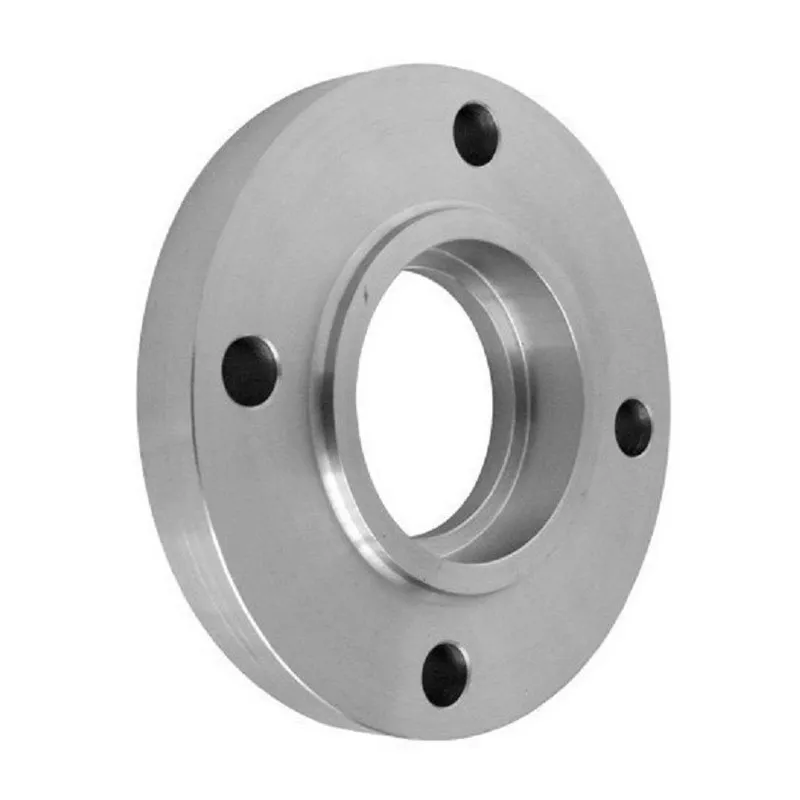 JIS 5K Socket Weld Flanges
 -
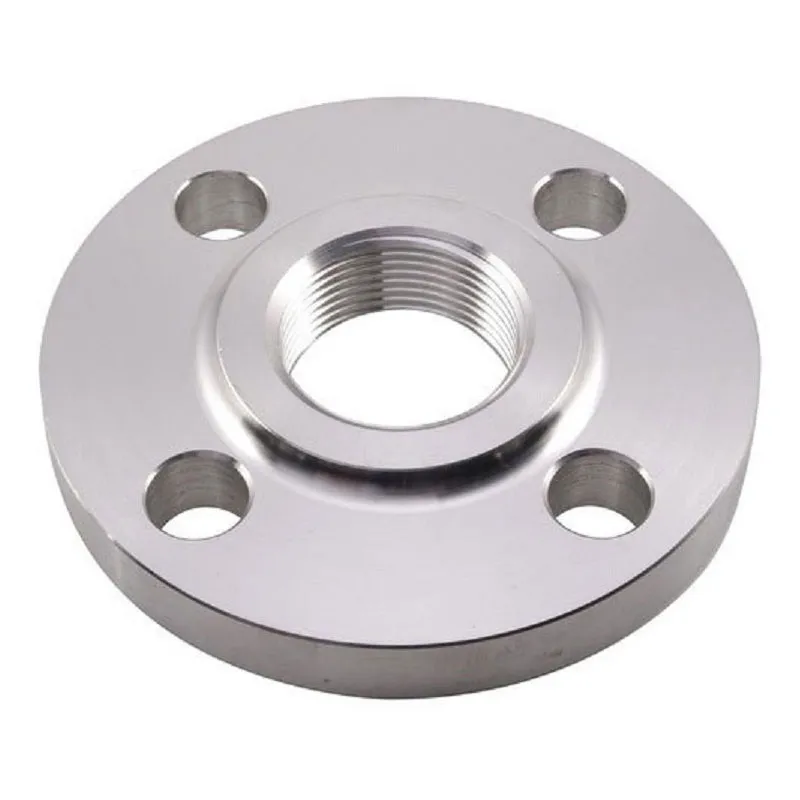 DIN 2565 Threaded flanges PN6
 -
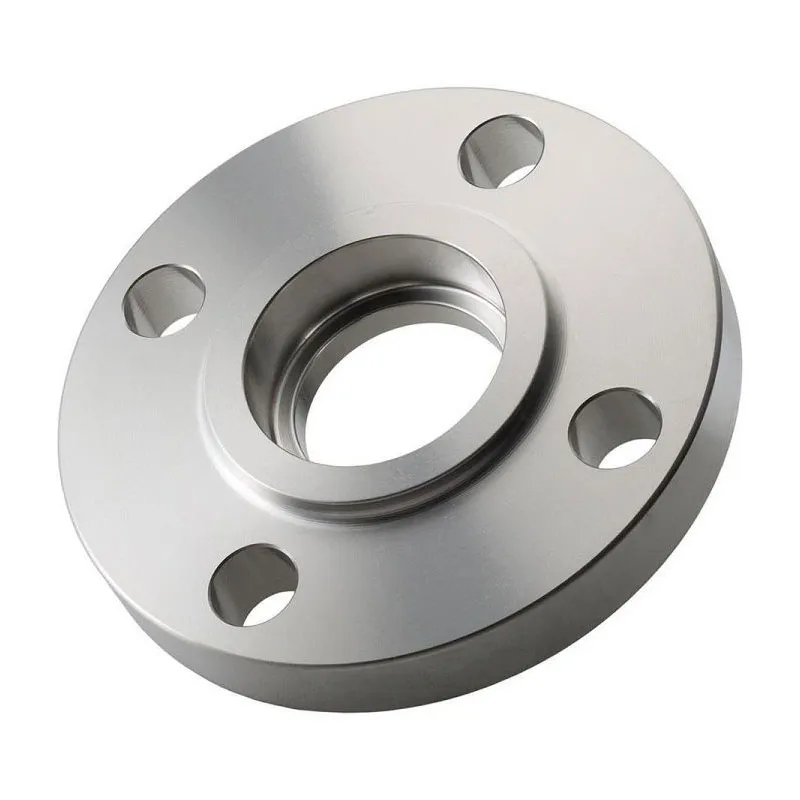 ANSI B16.5 Socket Weld Flanges Class 1500
 -
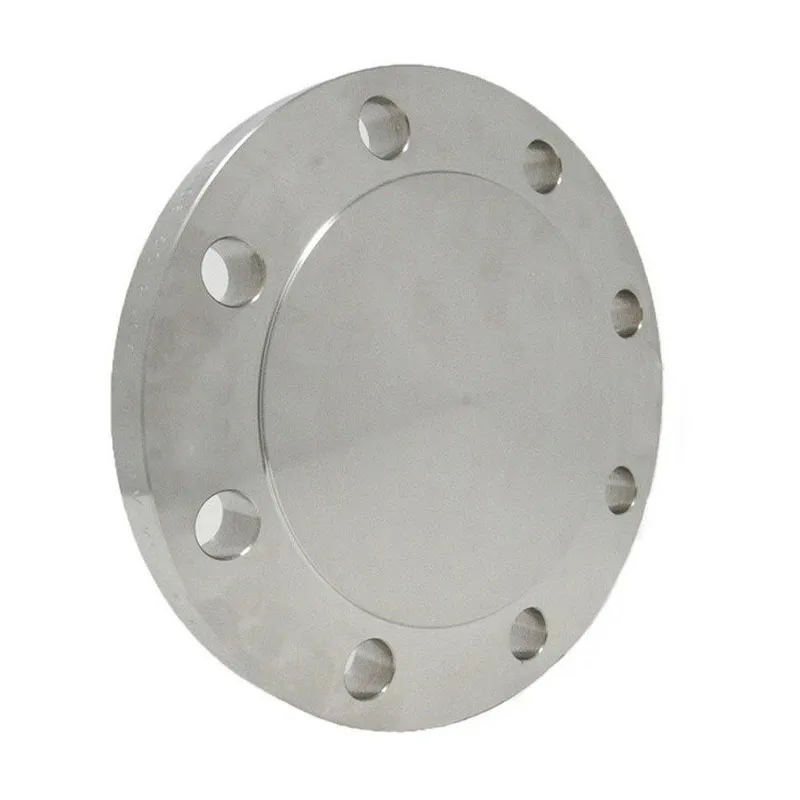 EN 1092-1 Blind flanges Type 05, PN10
 -
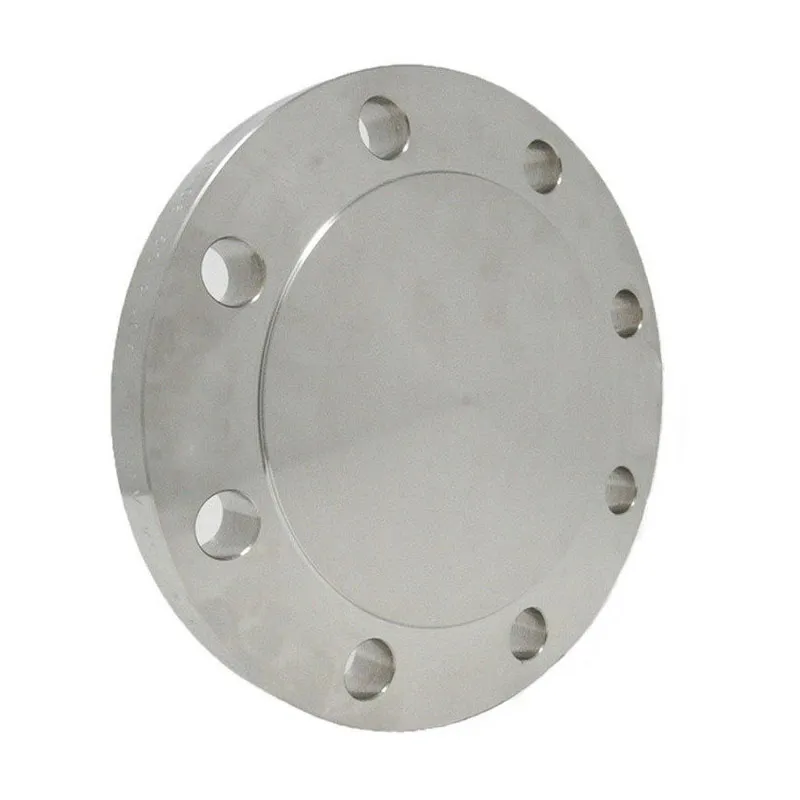 AWWA Blind Flanges Class D (Tables 1, 2, 3)
 -
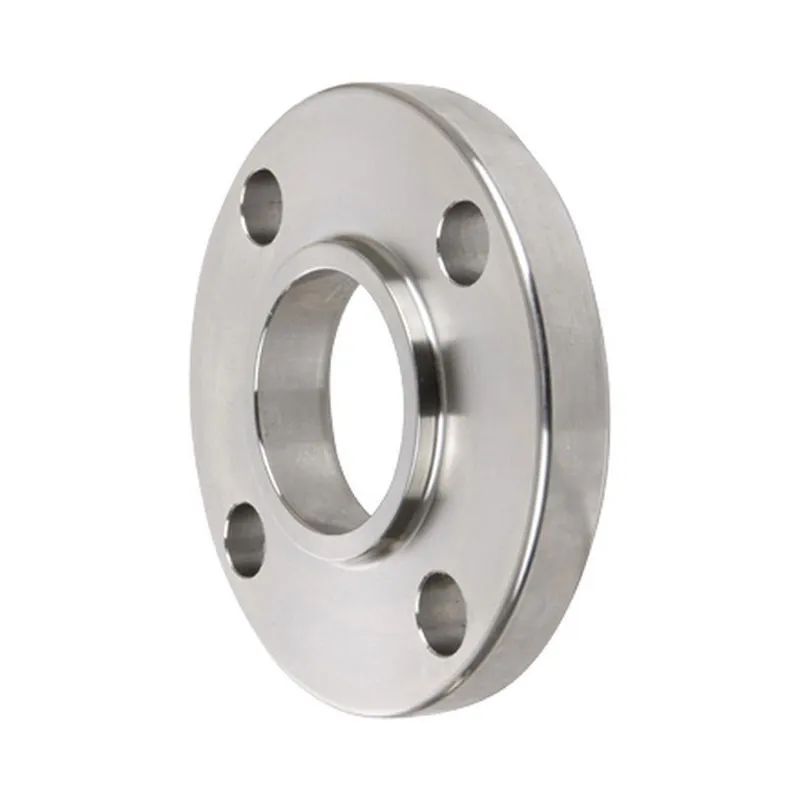 DIN 2501 Overlay flanges PN16
 -
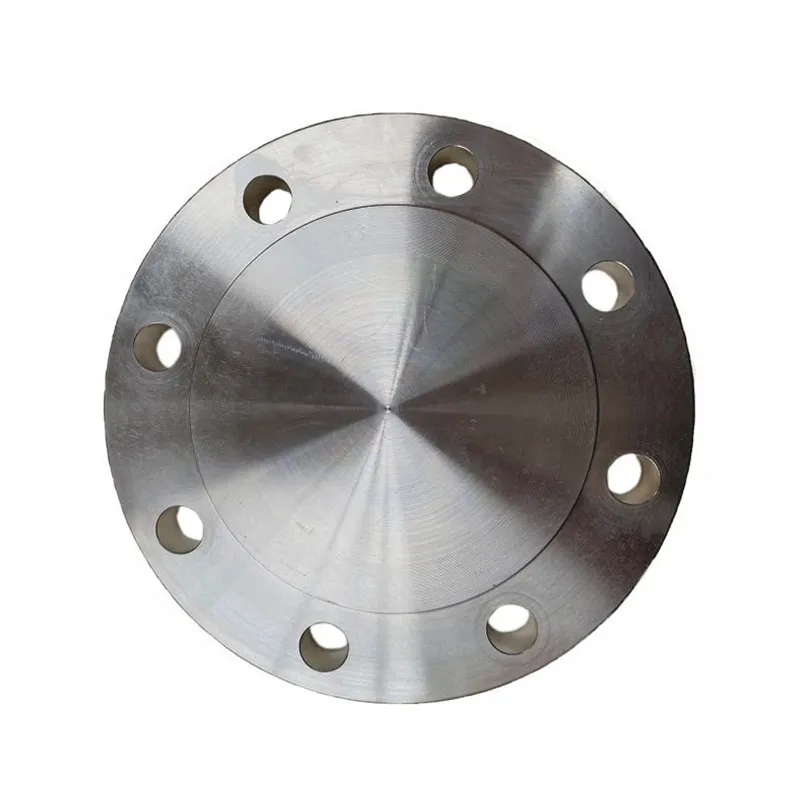 DIN 2527 Blind flanges PN10
 -
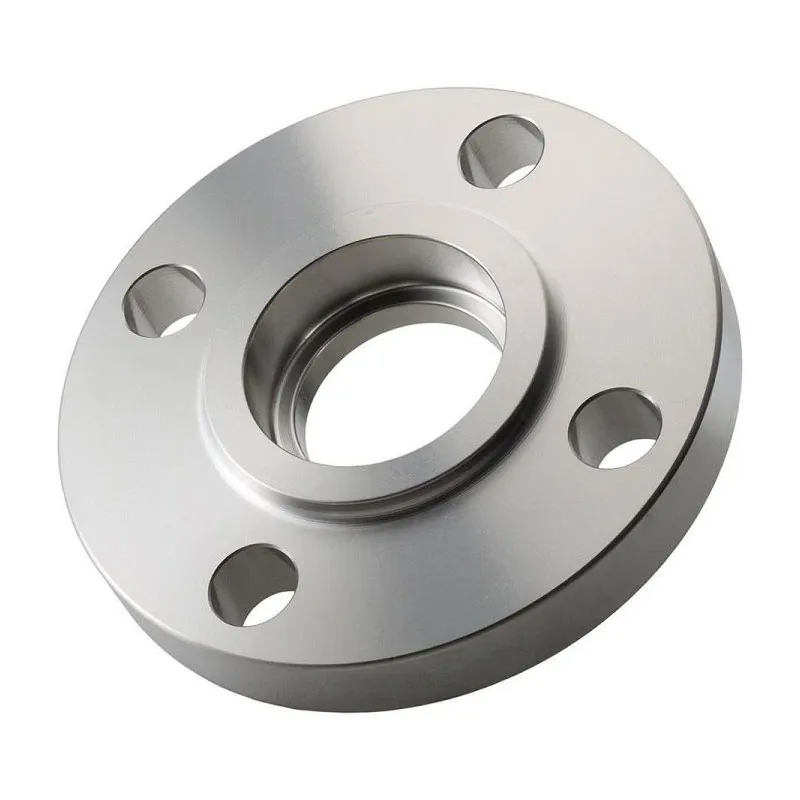 ANSI B16.5 Socket Weld Flanges Class 150
 -
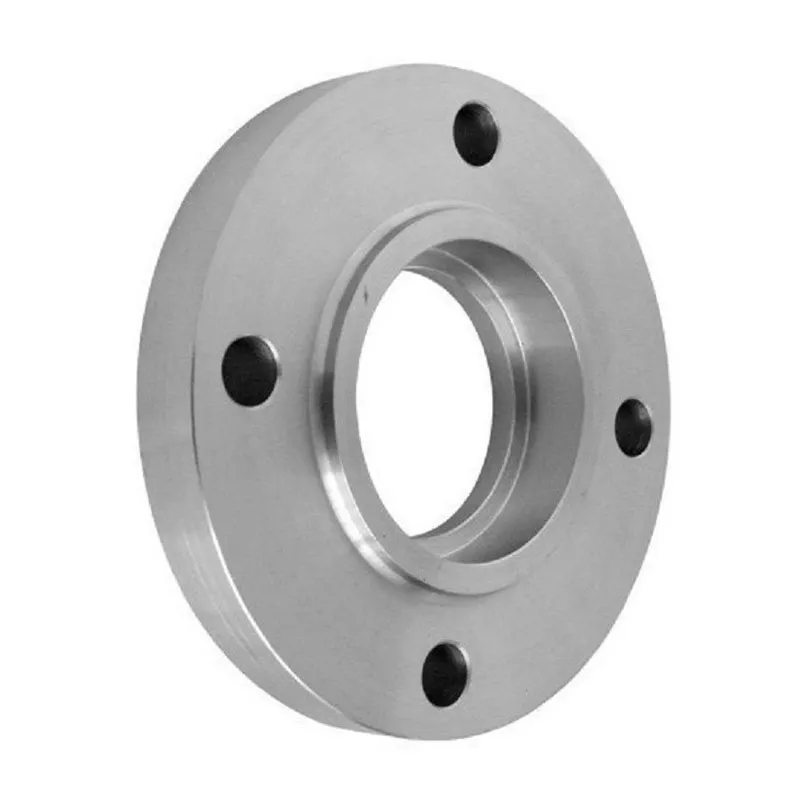 Socket Weld Flanges Class 300
 -
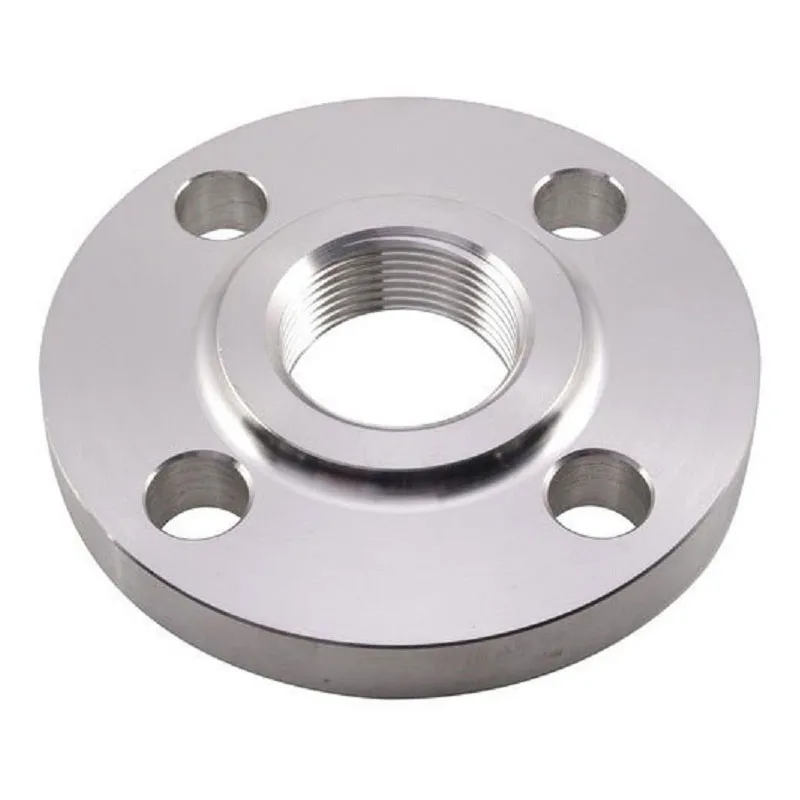 EN 1092-1 Threaded flanges Type 15, PN16
 -
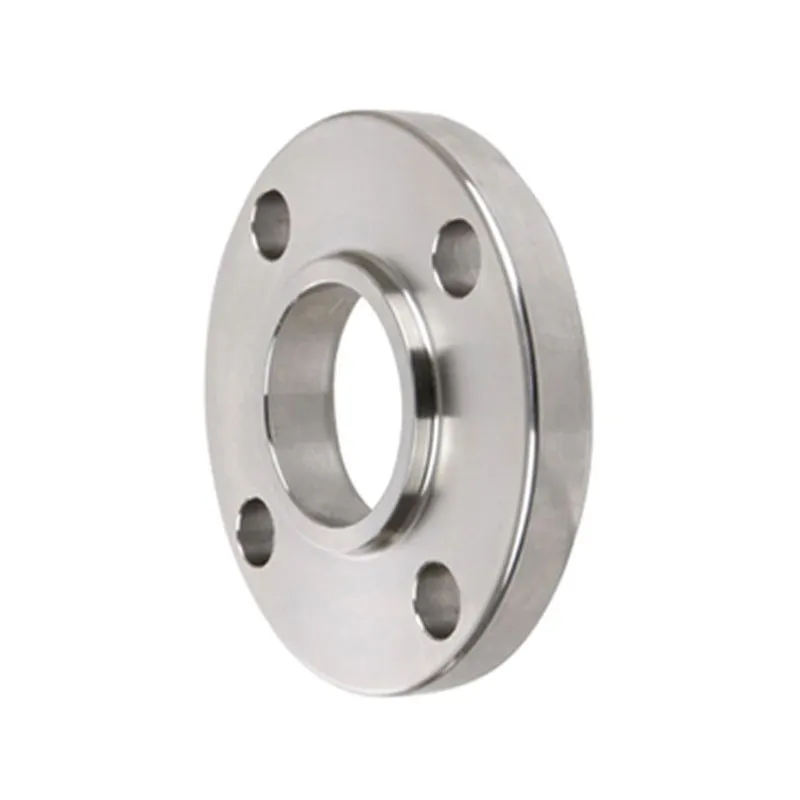 ANSI B16.5 Lap-on flanges Class 300
 -
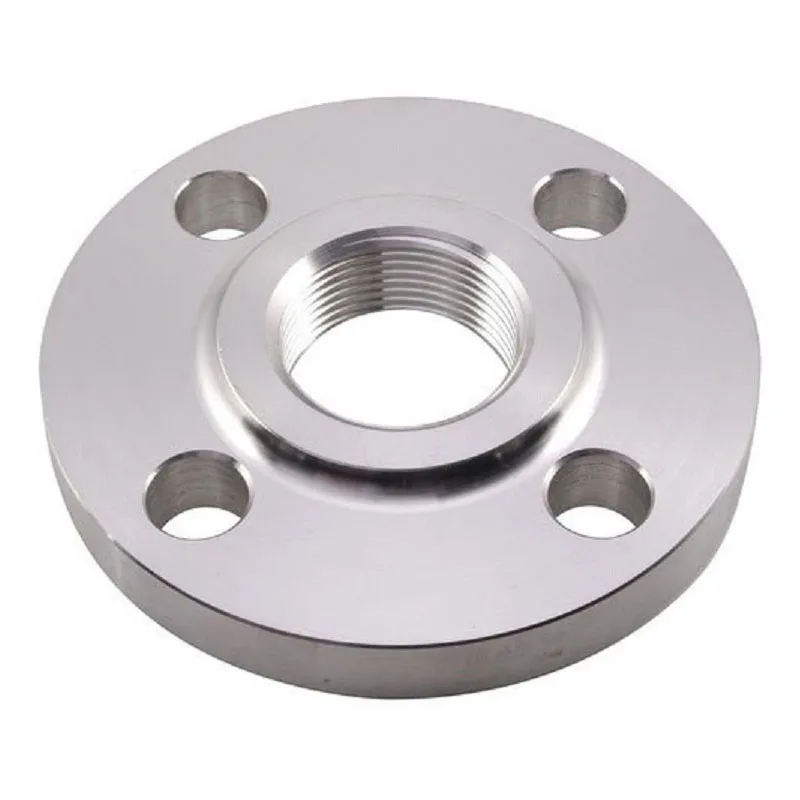 DIN 2566 Threaded flanges PN16