
-
-
Phone
+86-13623462298



counter flange 100
When you hear “matching flange 100”, the first thing that comes to mind is just a pair to DN100, right? But in practice, especially with counter flanges, everything often comes down to details that are briefly described in the specifications. Many people think that the main thing is the diameter and pressure, and the material, type of seal, surface design are already “trifles”. It's these little things? and they burn. I myself have encountered more than once when a seemingly standard mating flange for 100 DN according to GOST did not fall into place due to differences in the design of the connecting surfaces or thickness tolerances. This is not just a part for joining, it is a guarantee of the tightness of the assembly, and the approach to it must be appropriate.
What is hidden behind the designation?
The number 100 is, of course, a conditional pass. But when it comes to choosing a couple, you need to look deeper. For example, what standard is it for? GOST (formerly GOST 12820-80) or ASME B16.5? Because the geometry, the number of holes for the studs, the diameter of the circle of the centers of these holes - they can vary. I once took flanges for repairs at one of our old facilities. On paper everything matched: DN100, Ru16. But in fact the holes did not match by a couple of millimeters. It turned out that the line had Soviet-made flanges with one standard, and we brought modern ones, made according to the current GOST. I had to urgently look for a response that would fit the existing one, and not the abstract pipe.
Or take the material. Steel 20, 09G2S, 12Х18Н10Т - the choice depends on the environment. Carbon steel will also work for water, but for aggressive environments you will need stainless steel. But there is a nuance with hardness and processing.Counter flange 100made of stainless steel, if it is intended for high parameters, must have a certain surface hardness in the contact area with the gasket so that it does not bite? material when tightening. I have seen cases where, because of this, after the first installation, dents remained on the surface, and the seal was no longer ensured during subsequent disassembly and reassembly.
Another point is the type of sealing surface. “Tenon-groove”, “protrusion-groove”, flange with a connecting protrusion. Forcounter flange 100this is critical. It must be an exact mirror image of its paired flange. I once ordered a batch from one supplier, everything seemed to be checked according to the drawings. But during installation it turned out that the depth of the groove on the counter flange is half a millimeter less than the height of the tenon on the main one. The gasket did not fit, I had to adjust it manually. Loss of time, money, nerves. Now I always require control photos or videos of critical sizes, especially for response pairs.
Manufacturing realities and supplier selection
When you need not a piece product, but a batch for a project, the issue of delivery becomes key. It’s not enough to just find it anymorecounter flange DN100. You need to understand how it will be done. Forging or plasma cutting from sheet metal? For pressures above 10 MPa I would always recommend a forging. The metal structure is denser, there are no internal stresses, like welded or cast options. Reliability is higher, especially under dynamic loads.
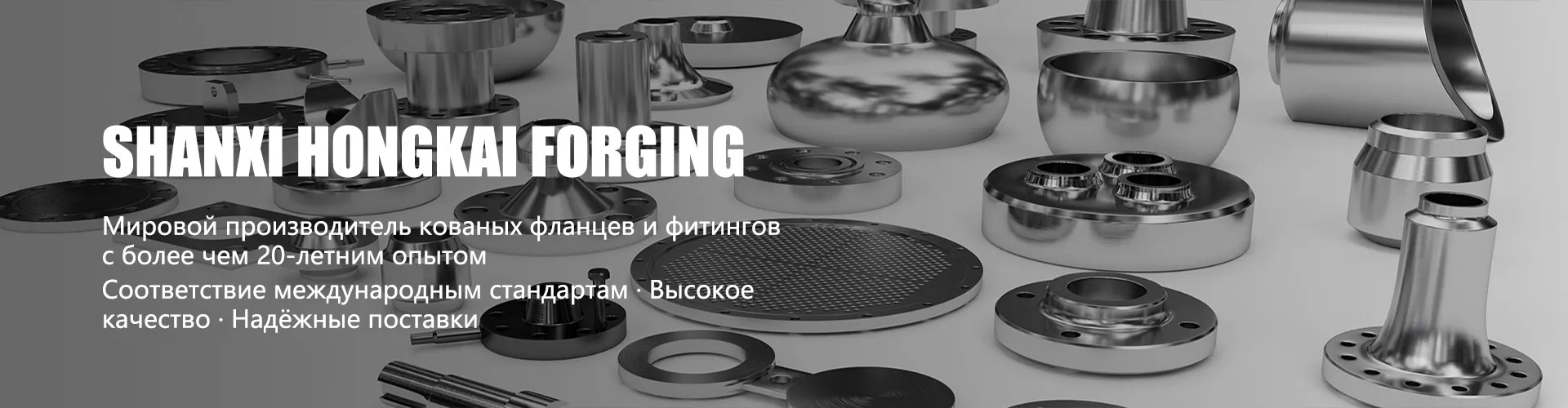
For example, I once contacted the manufacturerShanxi Hongkai Forging Co.,Ltd(their website ishkflange.ru). They position themselves as a manufacturer of forged flanges, which is already serious. In their catalog it is clear that the range of sizes is large - up to DN4000, and this speaks of power. For our case with DN100, this is, of course, not a problem, but when non-standard solutions according to the drawing are needed, such companies are often more flexible. It is important that they work in accordance with GOST, ASME, EN - this means they can make an exact copy to the required standard, which is important for a counter flange.
What appeals to me about the approach of such specialized factories is control at all stages. Forcounter flange 100from forgings this is: ultrasonic control of the workpiece, checking the chemical composition, mechanical properties after heat treatment. And of course, finishing machining on CNC machines. Here we are talking about precision down to a fraction of a millimeter. I remember we once compared flanges from two suppliers. One had holes for the studs with a noticeable scatter, the other had perfect holes. The second ones, naturally, were from forging production with strict geometry control. The installers later thanked us - everything became like a sledgehammer without adjustment.
Typical errors during installation and operation
Let's say you bought a counter flange 100, it's high quality, it fits perfectly. But that's only half the battle. The most common mistake is incorrect tightening. The studs must be tightened crosswise with a torque wrench to a certain torque. I saw how they were extinguishing? nuts with an impact wrench until they stop - this is a sure way to distortion and damage to the sealing surface. This is especially true for flanges made of harder steels, which can be brittle to bending loads.
Another point is the gasket. For a pair of flange-flange mating 100, you need to select it not only by material (paronite, graphite, metal), but also by the correct thickness and width. A gasket that is too thick can be squeezed out under high pressure; a gasket that is too thin does not compensate for micro-irregularities of surfaces. I had experience at a thermal station: they installed new graphite gaskets on old flanges. Everything seemed to be fine, but after several heat cycles it started leaking. It turned out that the old flanges had microscopic scratches on the surface, and the graphite gasket, being soft, did not cover them. I had to grind the surfaces or install gaskets made of spiral-wound metal tape.
And, of course, corrosion. If the main flange is made of stainless steel and the counter flange is made of carbon steel, electrochemical corrosion may occur at the contact point. This is especially true for wet environments or outdoor installations. In such cases, either both flanges must be made of the same material, or it is necessary to provide insulating bushings under the studs in order to break the galvanic couple. This is often forgotten at the design stage, and then the failed flange is replaced locally, which is only a temporary measure.
When non-standard solutions are needed
It happens that the standardcounter flange 100doesn't fit. For example, you need to connect equipment with a non-standard center distance of holes or with a special type of seal. Here you can’t do without individual production. It is important to provide the manufacturer with not just a sketch, but the most detailed drawing indicating all dimensions, tolerances, surface roughness, material and heat treatment.
In work withShanxi Hongkai Forging Co.,Ltd, as with a manufacturer who declares their readiness to make products according to customer drawings, this process looks like this: you send technical specifications, they make a technological map, approve it, then make a test forging or even grind a sample to check the dimensions. It takes a long time, it’s more expensive than a serial one, but sometimes it’s the only way out. We had a project with an imported pump to which we needed to connect our line. The flange on the pump was DIN, but with an unusual arrangement of holes. They made a response for him - there were no problems.
The main thing in such orders is the clarity of the technical specifications. You cannot write “similar to such and such, but with different holes?”. All dimensions are needed, including rounding radii and chamfer angles. Any ambiguity at the design stage will result in defects at the installation stage. And here, an experienced manufacturer who himself asks clarifying questions about the drawing is a big plus.
Instead of a conclusion: a practical view
So, going back tocounter flange 100. This is not just a position on a payroll. This includes calculation, selection of materials, production control, and proper installation. Saving on it means risking the entire line. It is better to invest once in a high-quality forging from a trusted manufacturer than to then have to urgently change flange pairs and eliminate the consequences of leaks.
Now the market offers many options, from cheap cast to premium forged. My experience says that for critical nodes the choice is obvious. And when you see in the manufacturer’s specifications, like the sameShanxi Hongkai Forging Co.,LtdThe fact that they work to a wide range of standards and focus on forging inspires a certain amount of confidence. Because, in essence, they say not just “we sell flanges?”, but “we understand for what conditions they are needed and how to make them reliable?”.
In general, the point is in the details. Andcounter flange 100- a perfect illustration of this. It would seem like a simple detail, but there are so many pitfalls. But if you approach the matter with an understanding of these nuances, then there will be no problems with it. Tested in practice, more than once.
Correspondingproducts
Related Products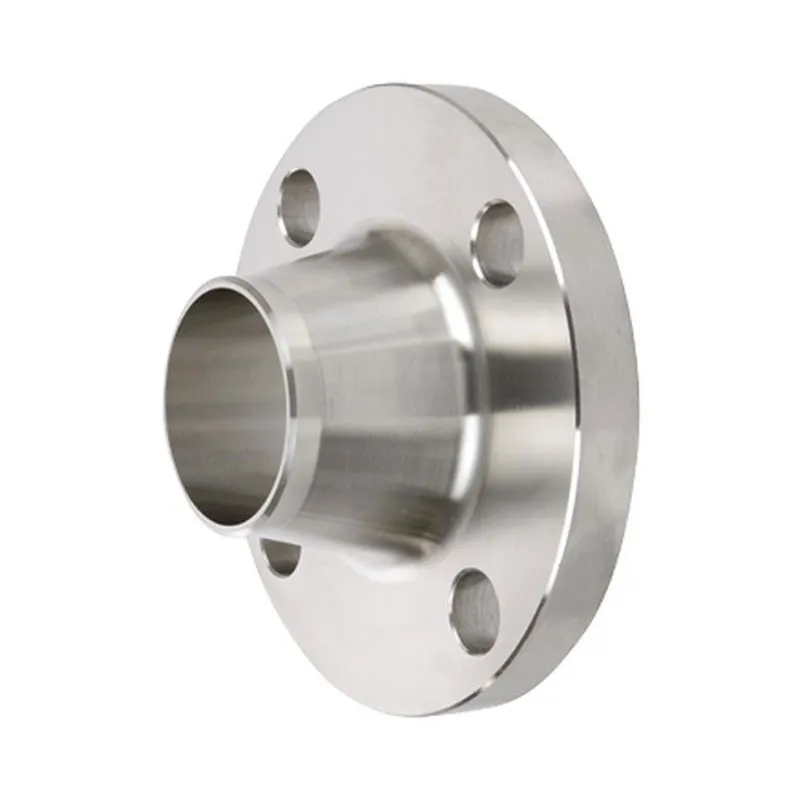
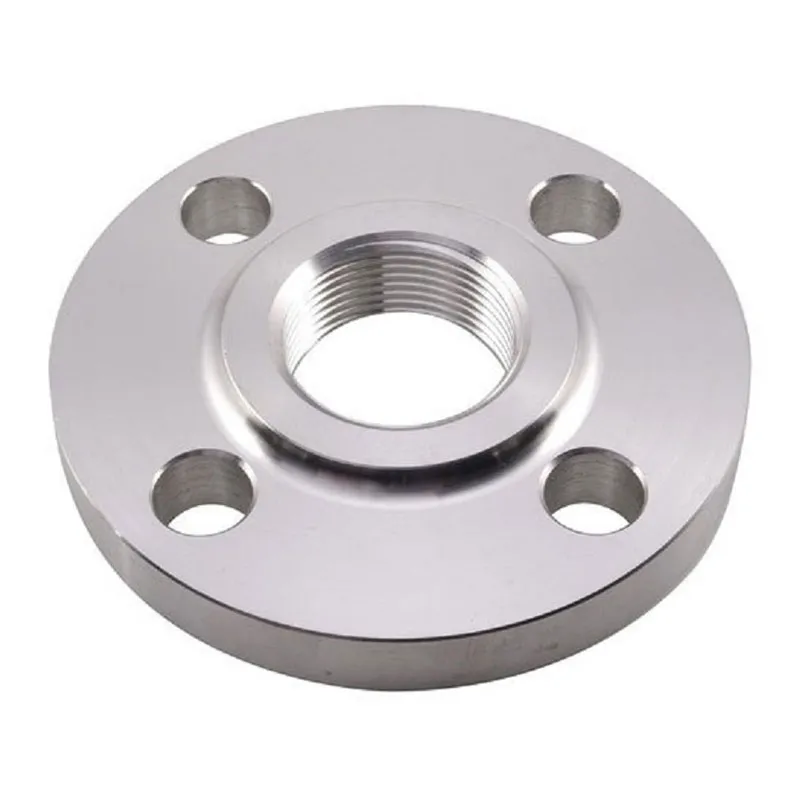
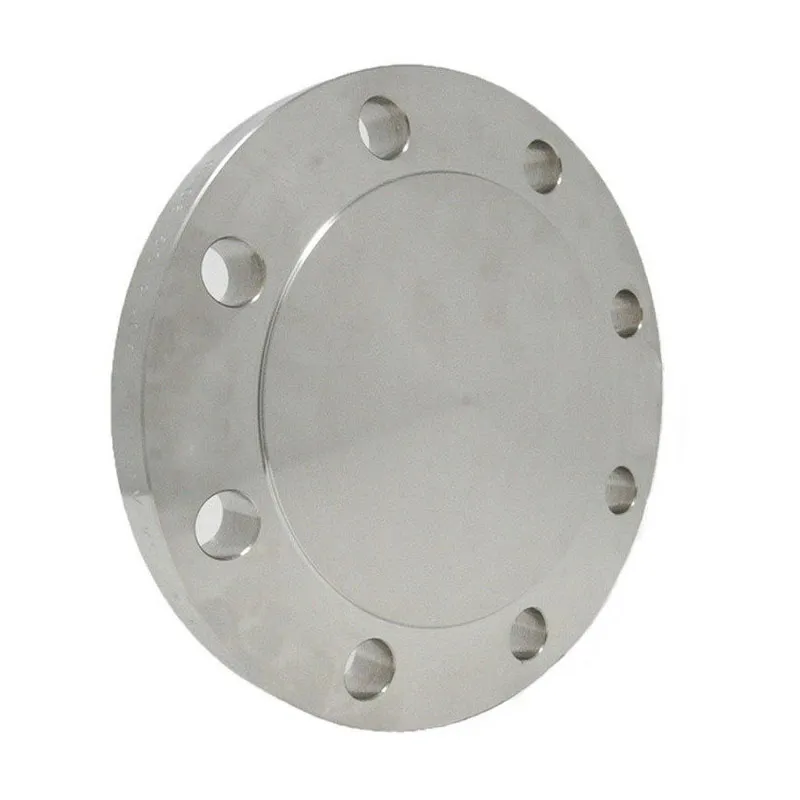
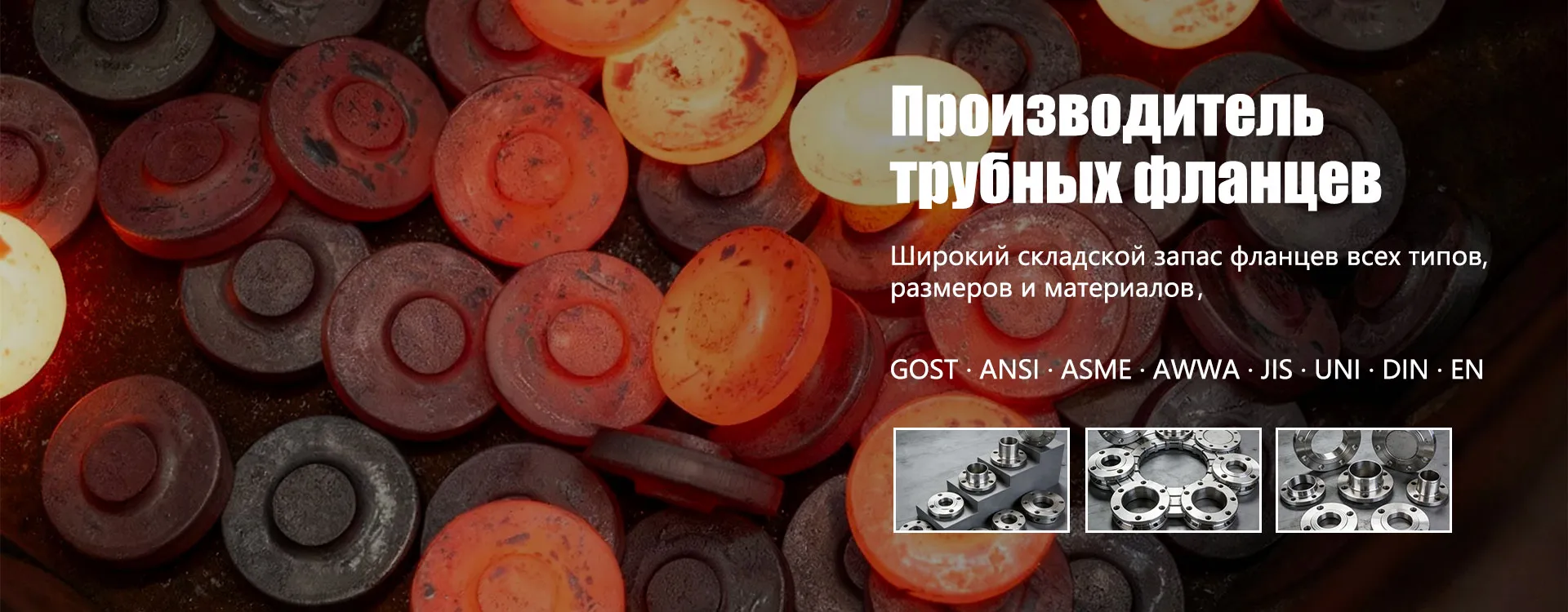
Best Sellingproducts
Best Selling Products-
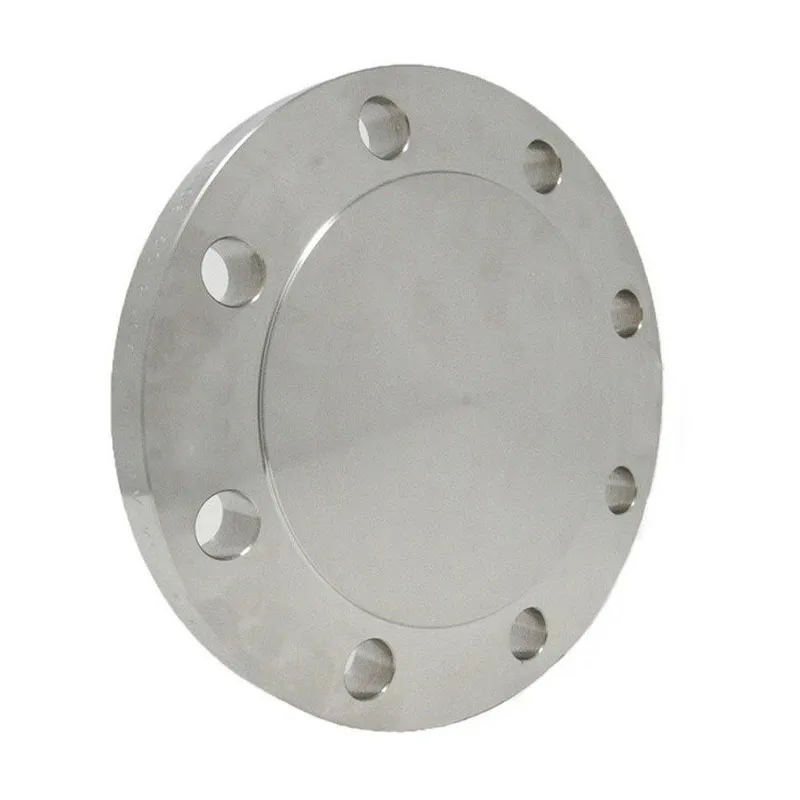 EN 1092-1 Blind flanges Type 05, PN10
 -
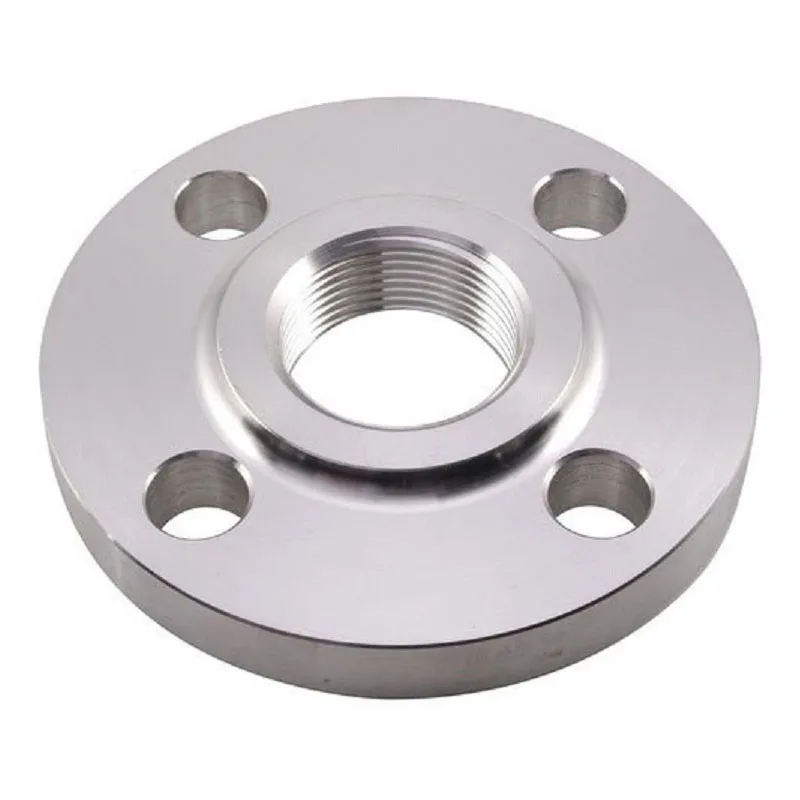 DIN 2566 Threaded flanges PN16
 -
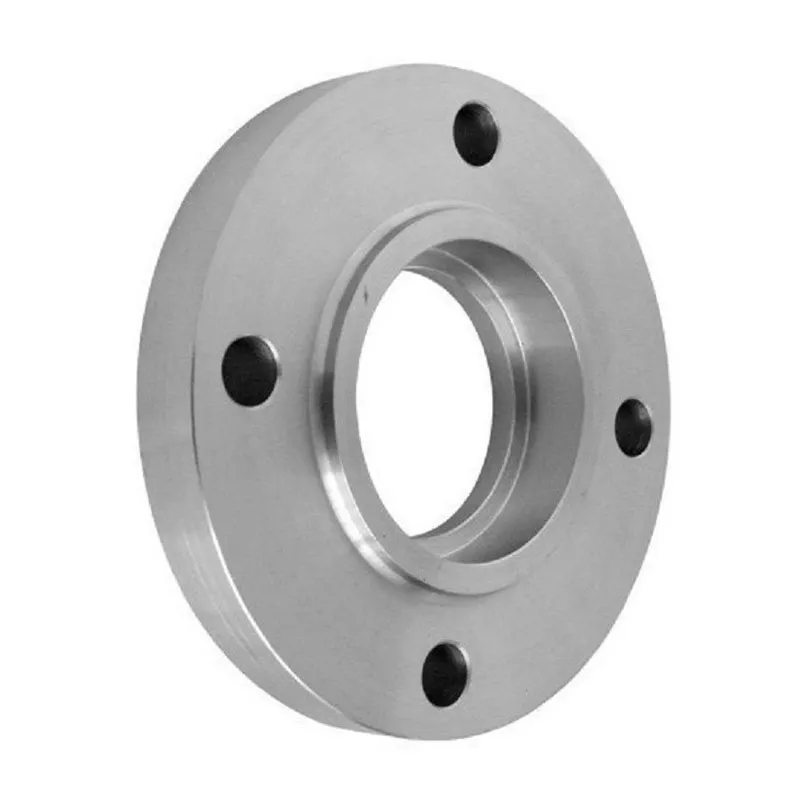 Socket Weld Flanges Class 300
 -
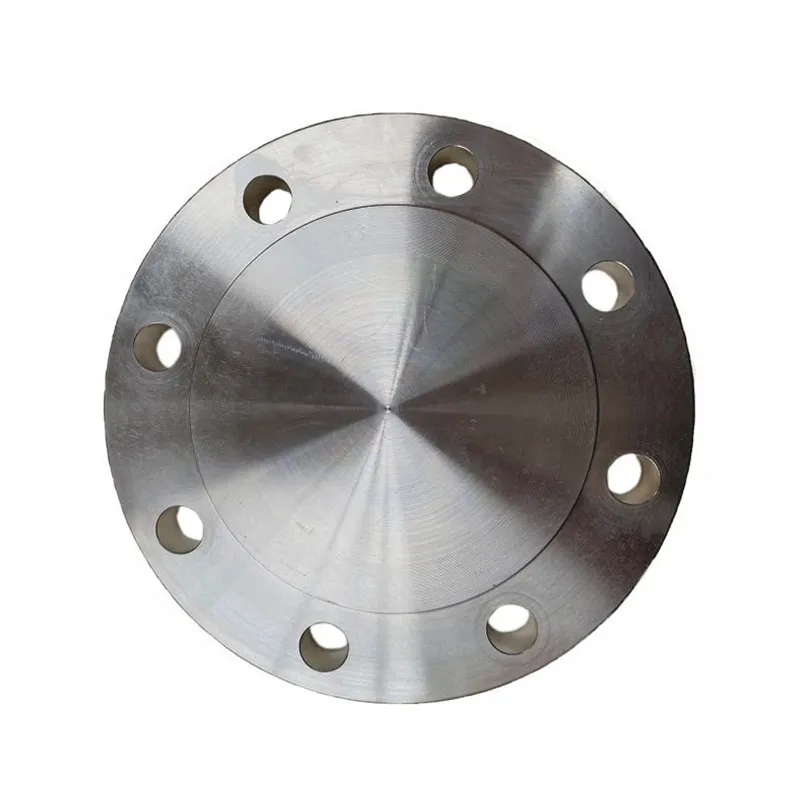 DIN 2527 Blind flanges PN10
 -
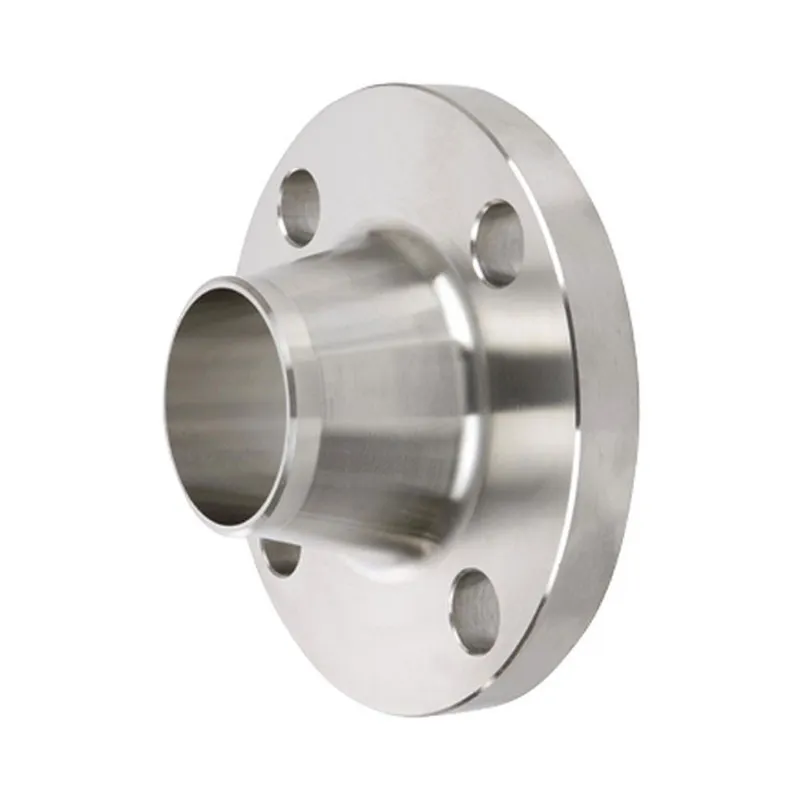 EN 1092-1 Butt weld flanges Type 11, PN25
 -
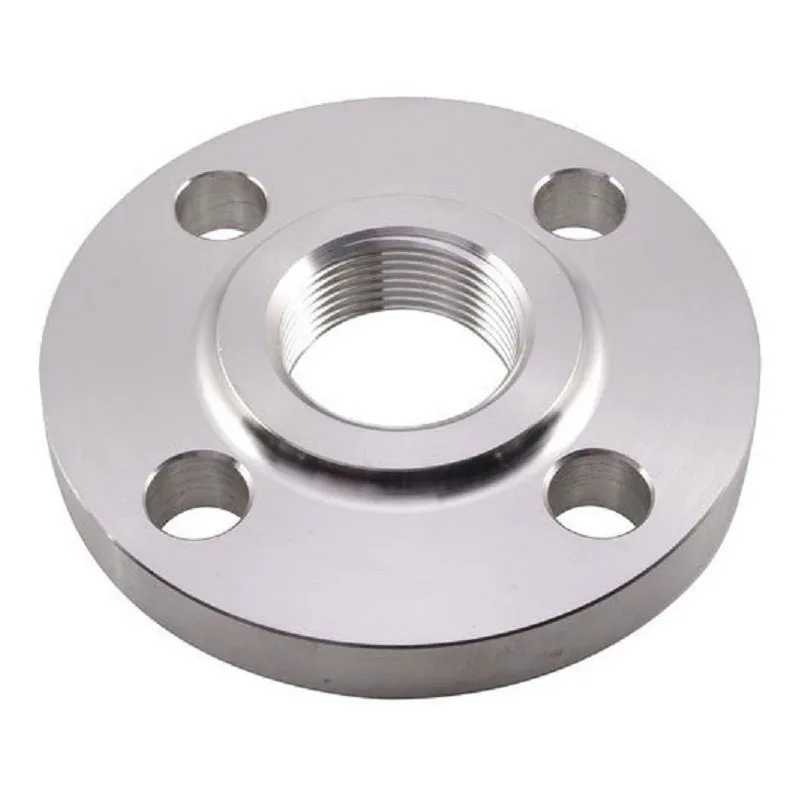 ANSI B16.5 Threaded Flanges Class 600
 -
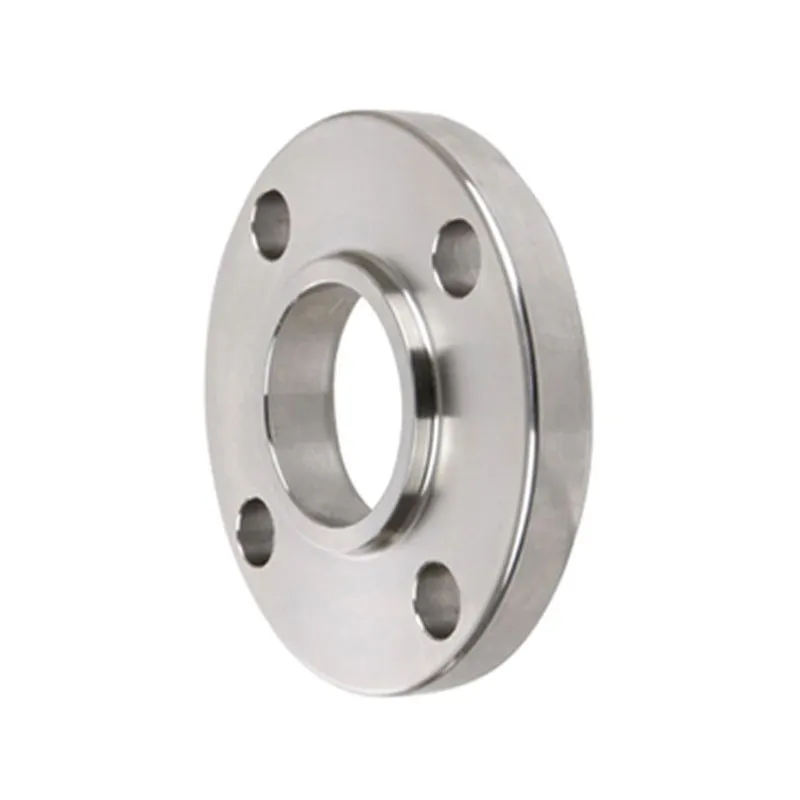 ANSI B16.5 Lap-on flanges Class 300
 -
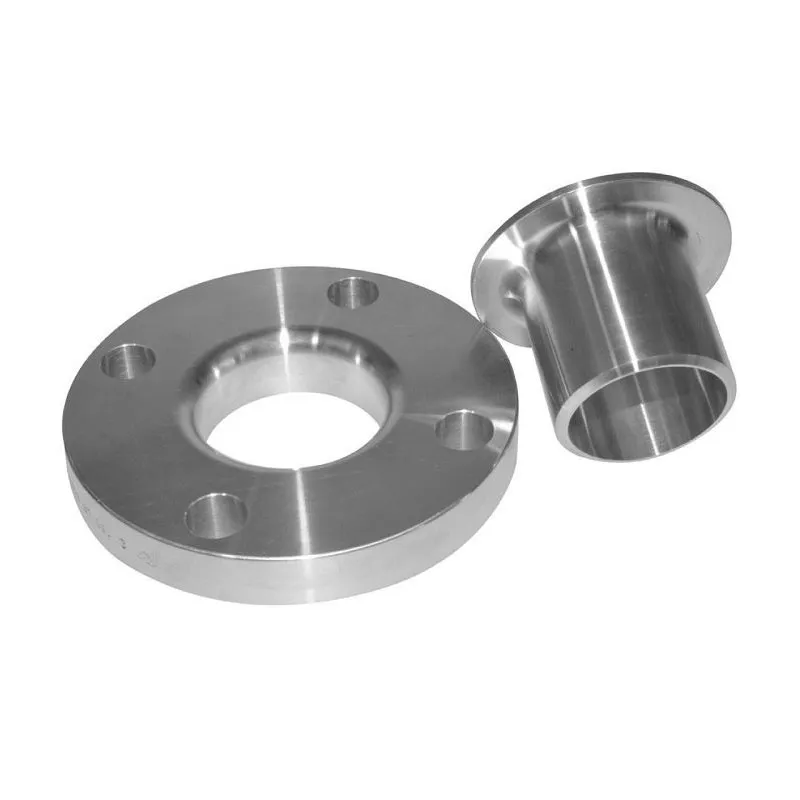 ANSI B16.5 Loose Ring Flanges Class 2500
 -
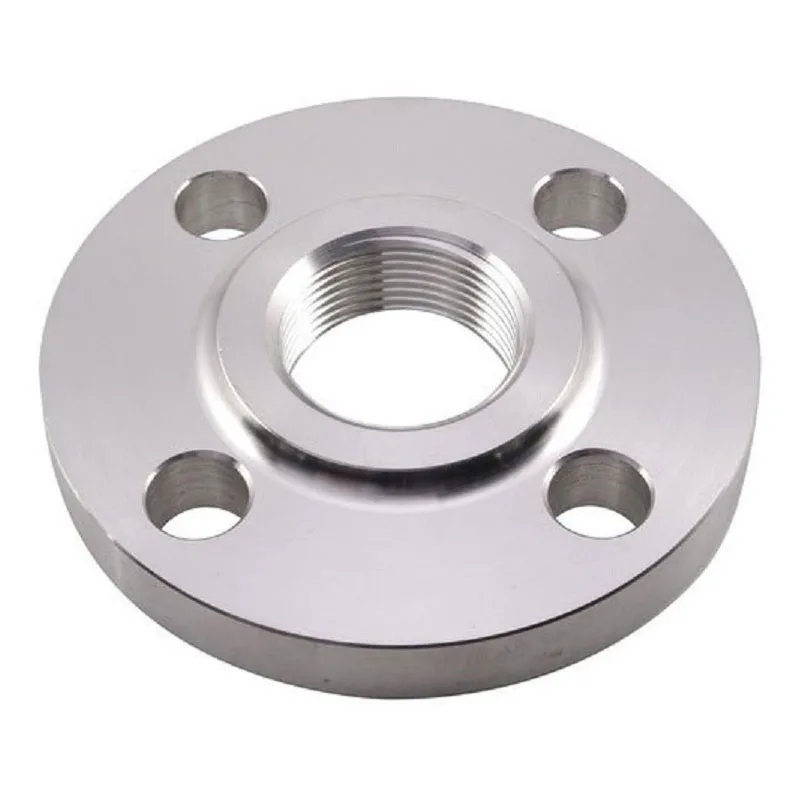 JIS 10K Threaded Flanges
 -
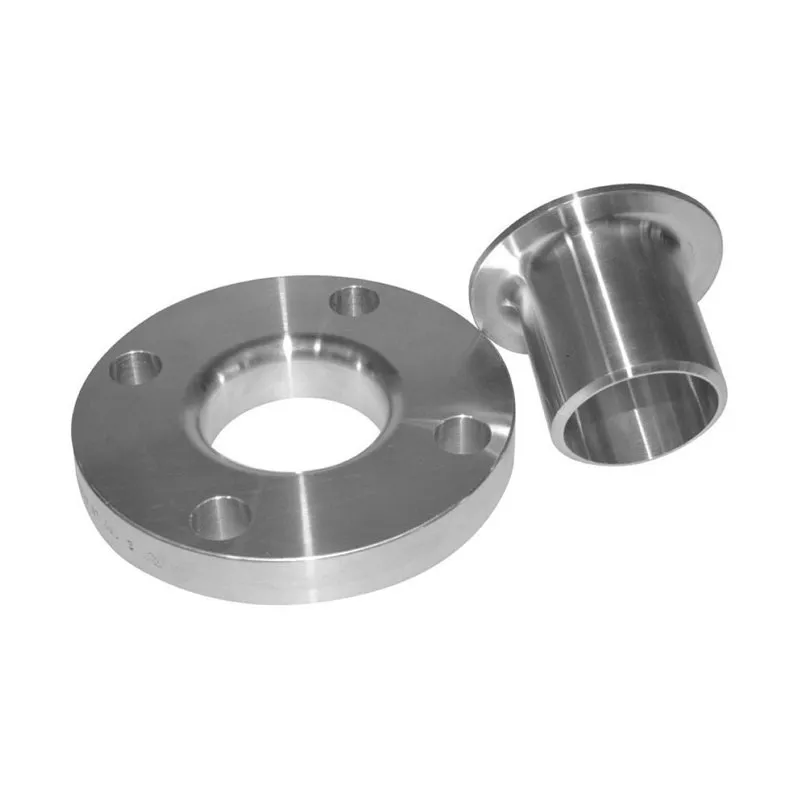 Free ring flanges Class 150
 -
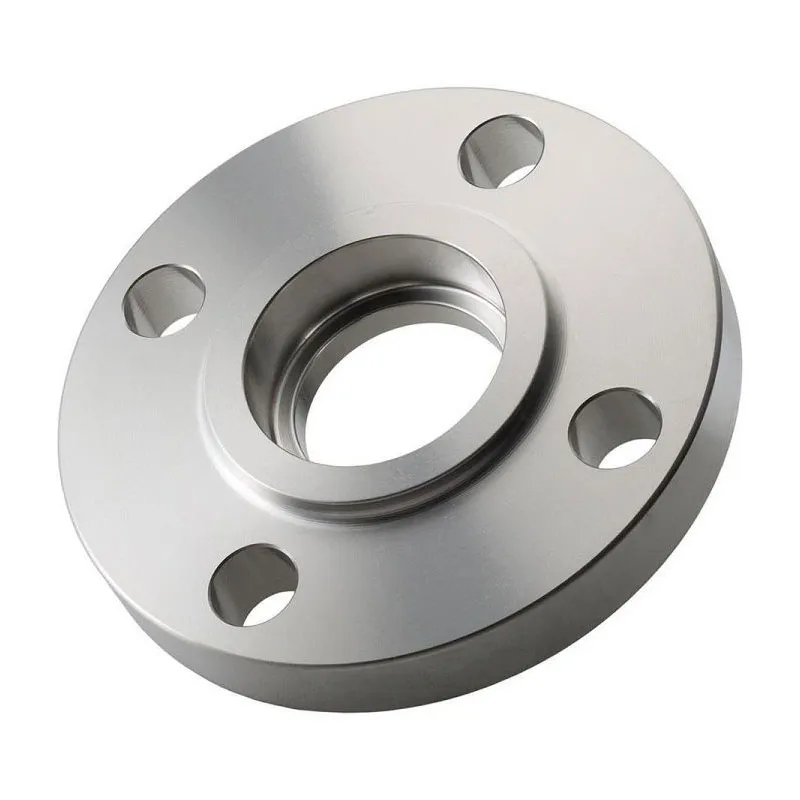 ANSI B16.5 Socket Weld Flanges Class 1500
 -
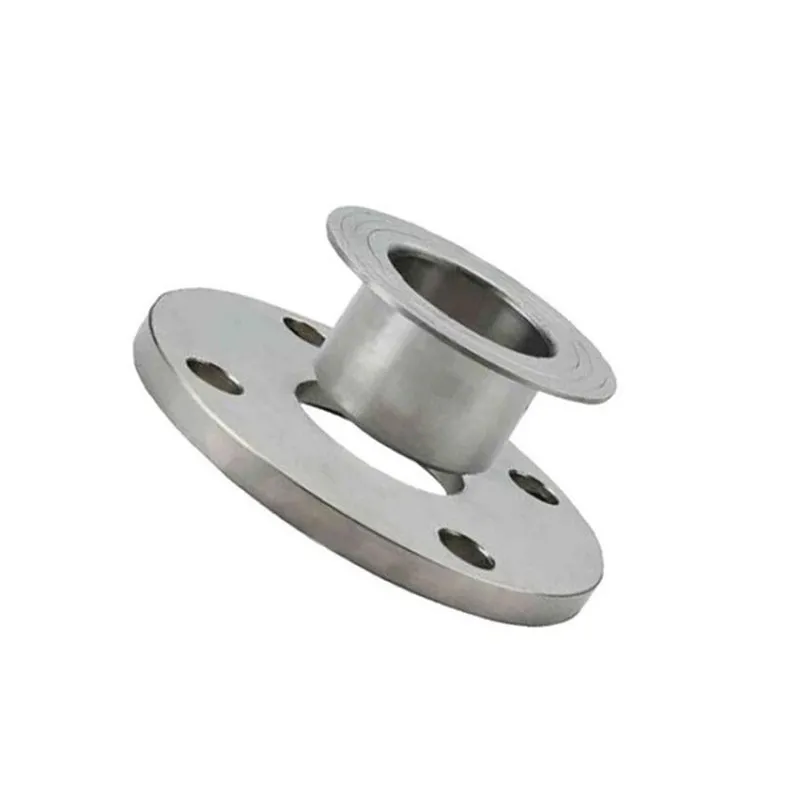 JIS 10K Loose Ring Flanges