
-
-
Phone
+86-13623462298




angle steel flanges
When they talk aboutangle steel flanges, many immediately imagine the standard assortment according to GOST 12821 or ASME B16.5. But in practice, especially in the repair or modernization of old pipelines, everything is not so straightforward. The term 'angular' itself is sometimes misleading - people are looking for some special type, although in essence these are the same butt-welded or flat flanges, but which are installed on turns, bends, and here the nuances begin regarding the mounting voltage and the orientation of the holes for the studs. I have encountered more than once when flanges were delivered to a site according to the drawing, but when mating with existing fittings, it turned out that the counter holes did not coincide by several degrees. I had to either drill it out, which is not always acceptable in terms of pressure, or order new ones. And this is where it is important that the manufacturer understands not just the standard, but the context of application.
Why corner joints are a different story
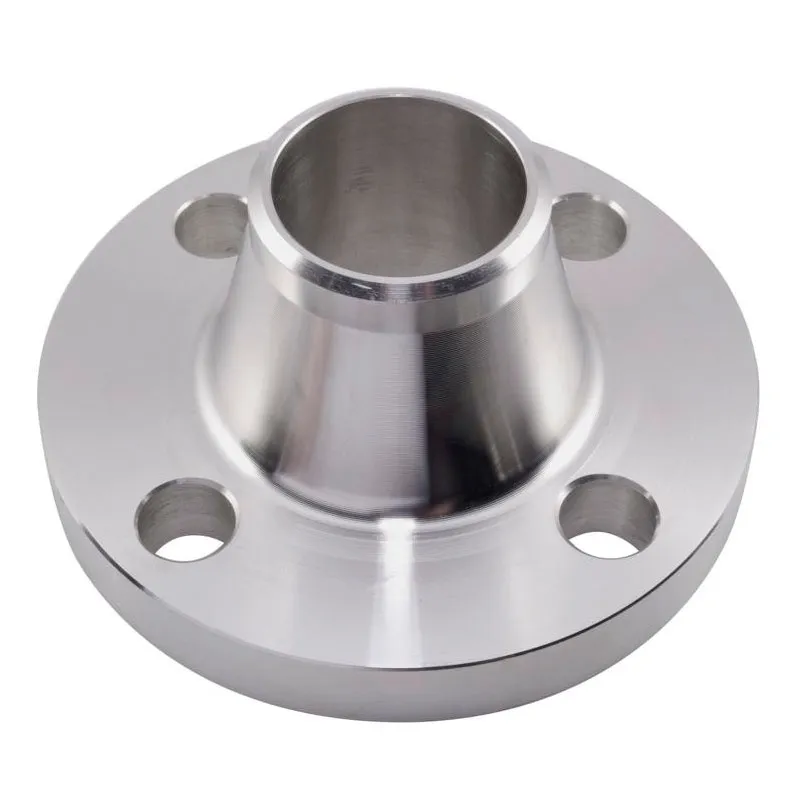
If we take, for example, a section of a steam pipeline with several elbows, then at the corner nodes the load is distributed differently. A simple example: a flange installed after a 90-degree bend experiences not only an axial force, but also a significant bending force. And if for a straight section you can take a flat flange in accordance with GOST 12820, then for an angular section, especially for high parameters, I would always recommend a welded butt (GOST 12821) - it has a conical bushing that better compensates for stress. But this is not a dogma either. Once at a thermal power plant we installed butt flanges made of 09G2S steel on a corner site, and six months later we got a leak around the perimeter. During disassembly, we saw microcracks precisely in the transition zone from the bushing to the disk. As it turned out later, during installation they did not take into account the vibration from the pumps - the statics were normal, but the dynamic load from resonance did its job.
Hence the conclusion: for corner units in systems with pulsation or vibration, you need to either increase the safety margin (take a flange for a higher nominal bore or pressure), or consider options with free flanges on a welded ring - although they are more expensive, they provide a little more flexibility during installation and subsequent maintenance. But there are pitfalls here too: a loose flange requires perfect alignment of the rings, otherwise misalignment during tightening is guaranteed.
Another point that is rarely discussed in catalogs is hole orientation. For standard flanges it is often not indicated, but when replacing an old unit, especially imported equipment, it may turn out that the holes for the studs are offset relative to the vertical axis. If you order new flanges, you must provide a sketch with angular dimensions. We once worked with a Chinese companyShanxi Hongkai Forging Co.,Ltd(their website ishkflange.ru), so they just emphasize that they accept drawings of any complexity. And this is not just advertising: for one of our orders for non-standard corner flanges DN800, they requested not only a diagram with dimensions, but also clarified whether there would be thermal expansion at the connection - then they suggested taking material 12Х18Н10Т instead of the usual 20. This speaks of practice.
Material and processing: what to look for first
Forangle steel flangesthe material is, one might say, half the success. Often customers save money and take St20 or 09G2S for all occasions. But for angles operating in cyclic mode (heating-cooling, variable pressure), it is better to look towards alloy steels such as 13HFA or even stainless steel. Especially if the environment is aggressive. We had experience at a chemical plant: we installed corner flanges made of ordinary carbon steel in an area with weak acid vapors. A year later, corrosion began at the end of the sealing surface. I had to change the entire assembly. After this, we always require certificates from the manufacturer indicating the chemical composition and especially indicating the impact strength - this is critical for corner joints in winter conditions.
Treatment of sealing surfaces is a separate topic. For corner flanges, which are often subject to bending, it is important that the surface under the gasket is perfectly flat, without marks. But there is a dilemma: a surface that is too smooth (say, sanded) can impair the adhesion of the pad. Usually a purity of Ra 3.2–6.3 is sufficient. Interestingly, some European standards, such as EN 1092-1, explicitly specify the type of surface for different pressures. At the sameShanxi Hongkai Forging Co.,Ltdthe nomenclature specifically states compliance with EN, DIN, ASME, which also implies control of this parameter. In practice, I saw how flanges arrived from the factory with an acceptable roughness, but at the end there were small nicks from transportation - they had to be finished manually on site.
Another practical observation: the thickness of the disk at the flange in the corner section should be checked not only for pressure calculations, but also for bending. Sometimes, in order not to make the structure heavier, flanges with reinforced stiffening ribs are used - but this is a non-standard solution. These items are usually made to order. In the samehkflange.rua range of up to DN4000 is indicated and the possibility of production according to drawings is exactly the case when you need not just buy from stock, but make a technical specification indicating all the loads.
Installation and common mistakes
The most common installation mistakeangle steel flanges- This is uneven tightening of the studs. On a straight section it is still possible to somehow level it, but on a corner connection the misalignment leads to the fact that on one side the gasket is under-compressed and on the other it is over-tightened. As a result, the leak does not appear immediately, but after several thermal cycles. I always recommend tightening in a crisscross pattern with a torque wrench, not in one pass, but in three or four stages. But this is not a panacea if the flange itself has residual stresses after manufacturing.
We had a story about the installation of a compressed air pipeline: the flanges seemed to be of good quality, they were tightened according to the instructions, but during the first pressure test it started leaking. They began to look into it - it turned out that the counter flanges on the valve were cast iron, and ours were steel. The coefficient of thermal expansion is different, and when pressing with cold water, the cast iron “did not catch up” with the steel. I had to install an adapter set with a softer gasket. Conclusion: for corner joints it is especially important to take into account the material of not only your flange, but also the counter fittings.
Another nuance is welding. If the flange is butt welded, then in the corner section the weld should be made with full penetration, but without overheating, so as not to “lead” the plane. Often welders, in order to make it faster, weld a thick seam on one side - in this case, the flange can deviate by those same few millimeters, which will then make alignment impossible. Therefore, after welding, it is imperative to check the plane with a pattern or at least a straight ruler.
Non-standard situations and an example with a large order
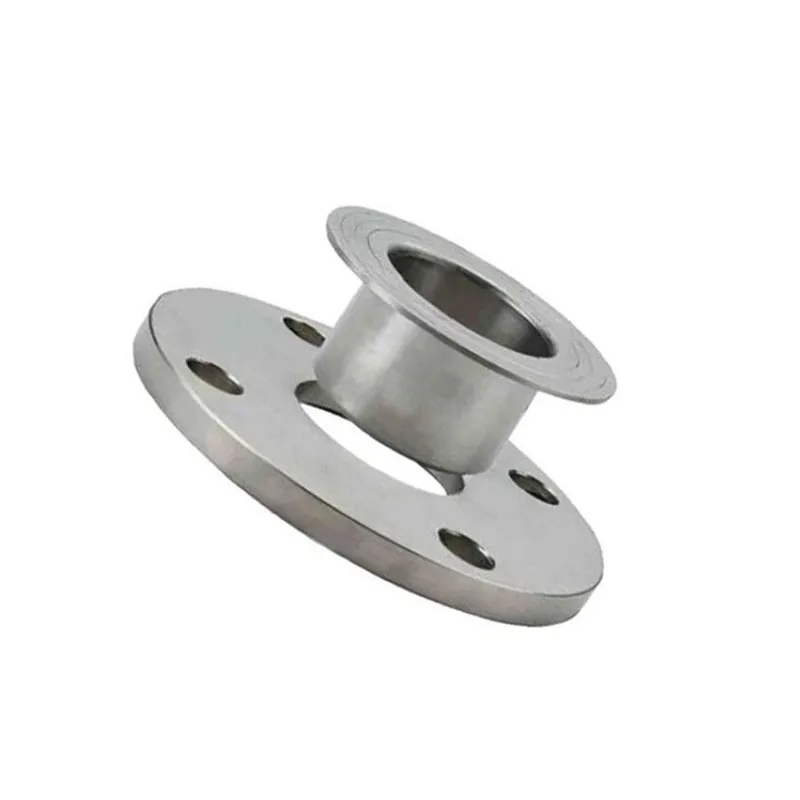
In practice, there are problems that are not in textbooks. For example, it was necessary to putangle steel flangesto an already operating pipeline, without stopping production. The solution was this: we used loose flanges on a welded ring. First, the ring was welded to the pipe under pressure, using a special technology, and then a loose flange was installed. This allowed us to avoid long downtime. But here it is important that the ring and flange fit perfectly - the gap is no more than 0.5 mm. We then ordered such a kit from a manufacturer who specializes in forgings, because cast rings often shrink and require additional machining.
By the way, about forgings. When it comes to non-standard sizes or high pressures (for example, for energy), forged flanges have an advantage over stamped or even cast ones - they have metal fibers that follow the shape, which increases bending strength. In the company descriptionShanxi Hongkai Forging Co.,LtdIt is indicated that they are a manufacturer of forged flanges and forgings, located in one of the centers of the forging industry. This is no coincidence: for corner joints operating under difficult conditions, forging provides more predictable mechanical properties.
Let me give you a specific example. There was an order for flanges for connecting pumping units at a pumping station. There is a complex spatial decoupling of pipes, many angles. The customer was initially offered standard flanges according to ASME B16.5 Class 300. But after analyzing the loads from pump vibration and possible water hammer, together with engineers from the manufacturer (they turned tohkflange.ruaccording to the recommendation) we decided to increase the thickness of the disk by 15% and use 16GS steel instead of St20. Plus, for two particularly important corner points, flanges with additional stiffening ribs were made, although this option was not in the standard catalog. They were manufactured according to the drawings, tested at the manufacturing plant - a variable bending load was applied. As a result, the unit has been operating for three years without any problems.
Instead of a conclusion: what you should remember when ordering
So, to summarize the experience of working withsteel corner flanges, then the key thing is not to just choose a type from a catalog. It is necessary to clearly understand the operating conditions of the unit: static or dynamic loads, whether there is vibration, temperature cycles, aggressiveness of the environment. And be sure to pass this data on to the manufacturer - a good supplier will always ask for additional information if it is not in the drawing.
Standards (GOST, ASME, EN) are the basis, but they do not cover all installation nuances, especially for non-ideal conditions. Therefore, the manufacturer’s ability to make non-standard products according to drawings is a big plus. Like, for example, the mentioned company, which works according to GOST, ASME, EN, DIN and others, and makes flanges from DN15 right up to DN4000 - this indicates production flexibility.
And lastly: you should never neglect control at the entrance. Even with a trusted supplier, you need to selectively check the geometry, especially the alignment of the holes and the perpendicularity of the end surface to the axis. For corner flanges this is critical. It is better to spend time checking than to redo the unit later on site. As they say, the stingy pays twice - and in our region it also comes with production downtime.
Correspondingproducts
Related Products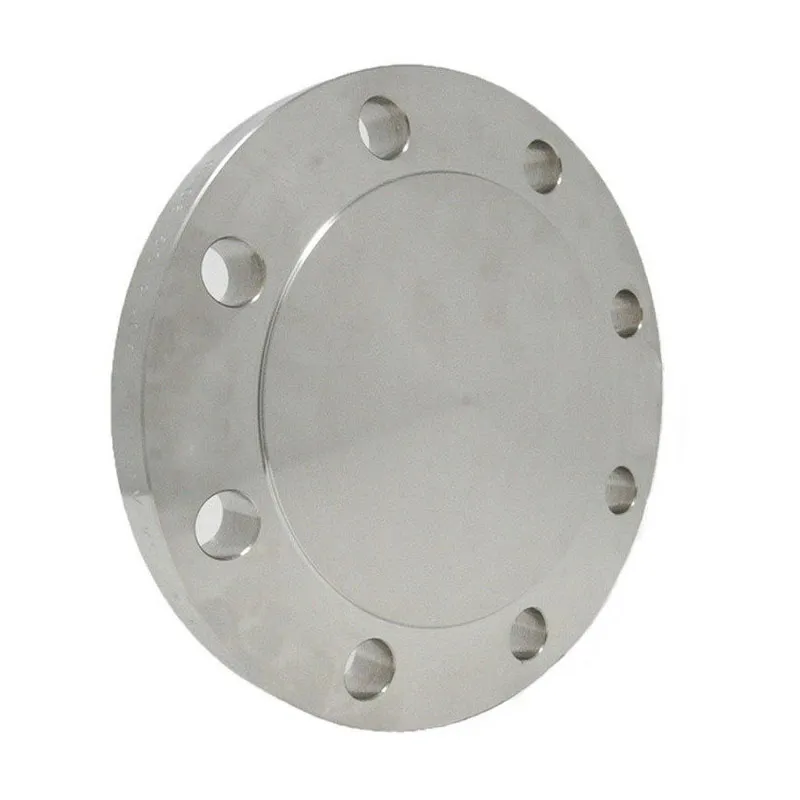
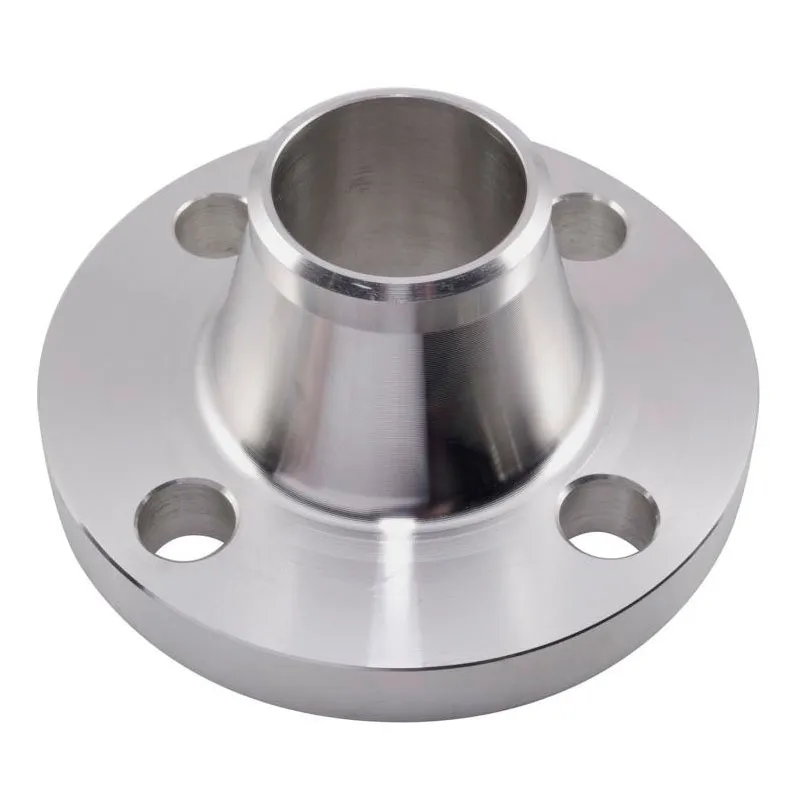
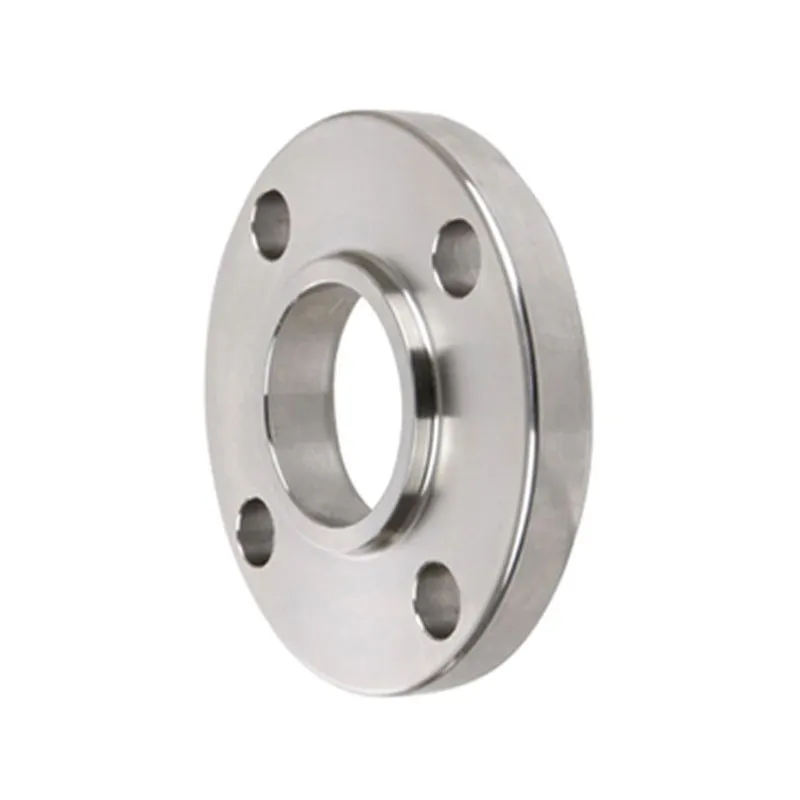
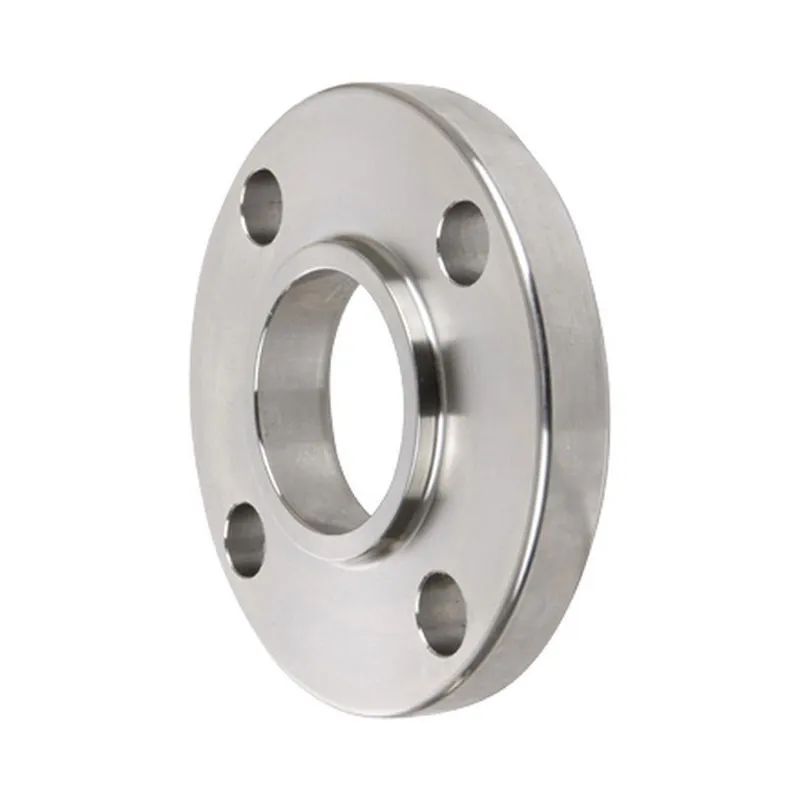
Best Sellingproducts
Best Selling Products-
 Ser.A Butt Weld Flanges Class 400
 -
 Free ring flanges Class 400
 -
 JIS 10K Overlay flanges
 -
 Butt weld flanges Class 900
 -
 Flanges for socket welding
 -
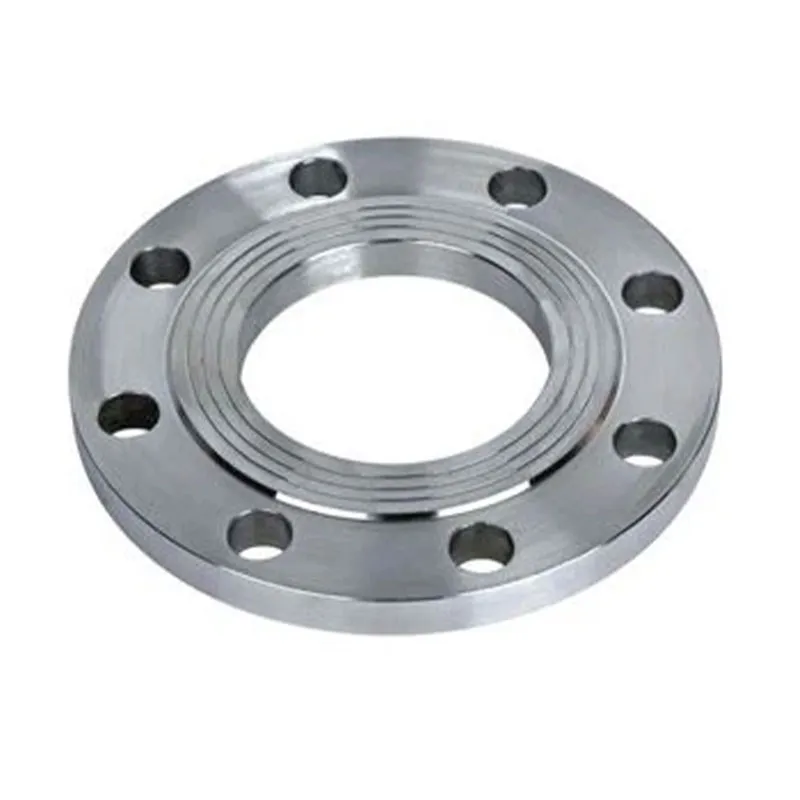 Butt weld flanges Class 150
 -
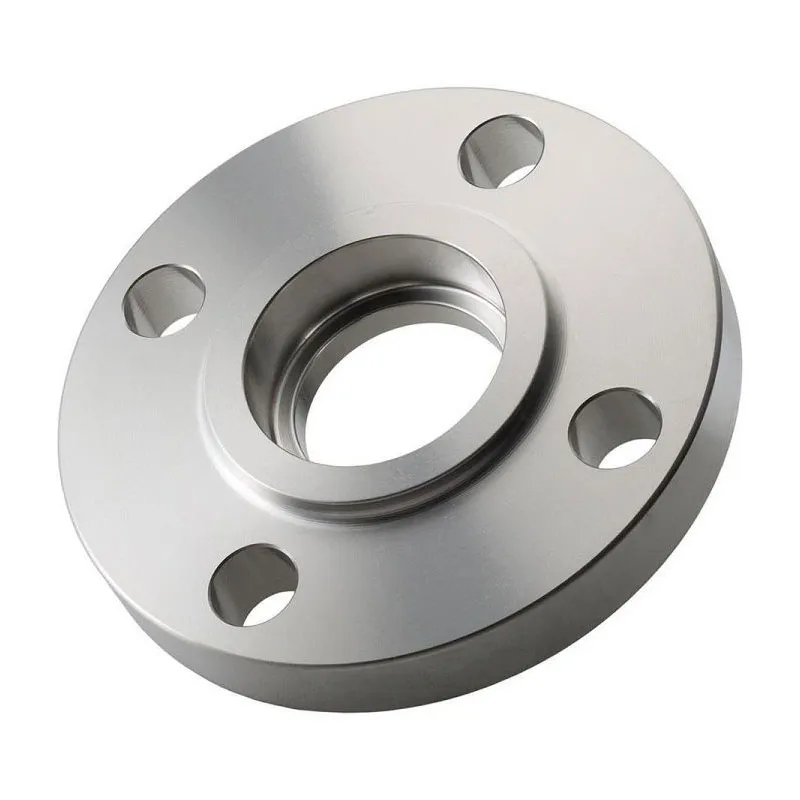 ANSI B16.5 Socket Weld Flanges Class 1500
 -
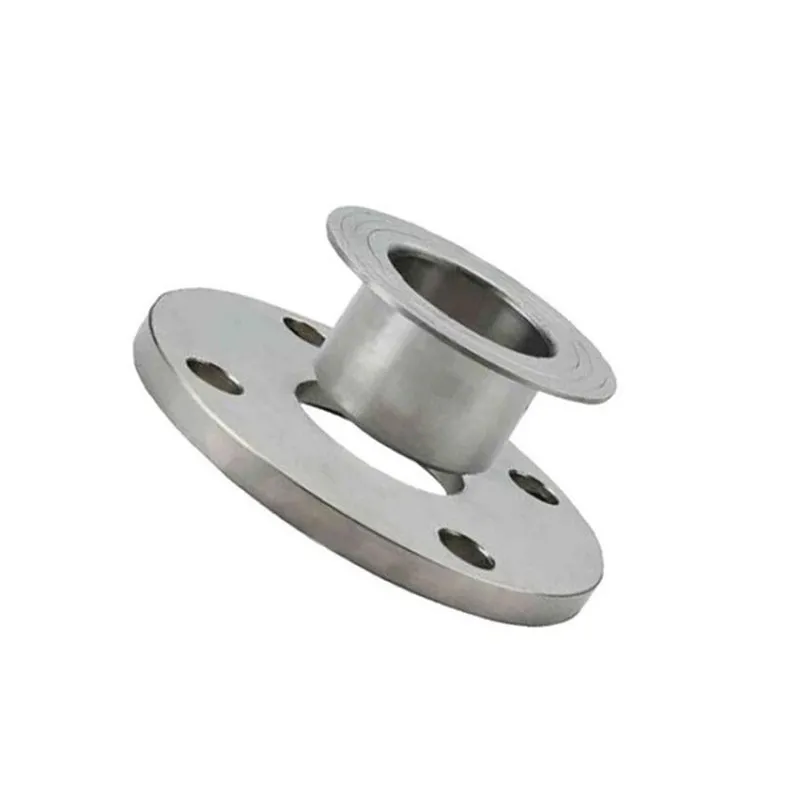 JIS 10K Loose Ring Flanges
 -
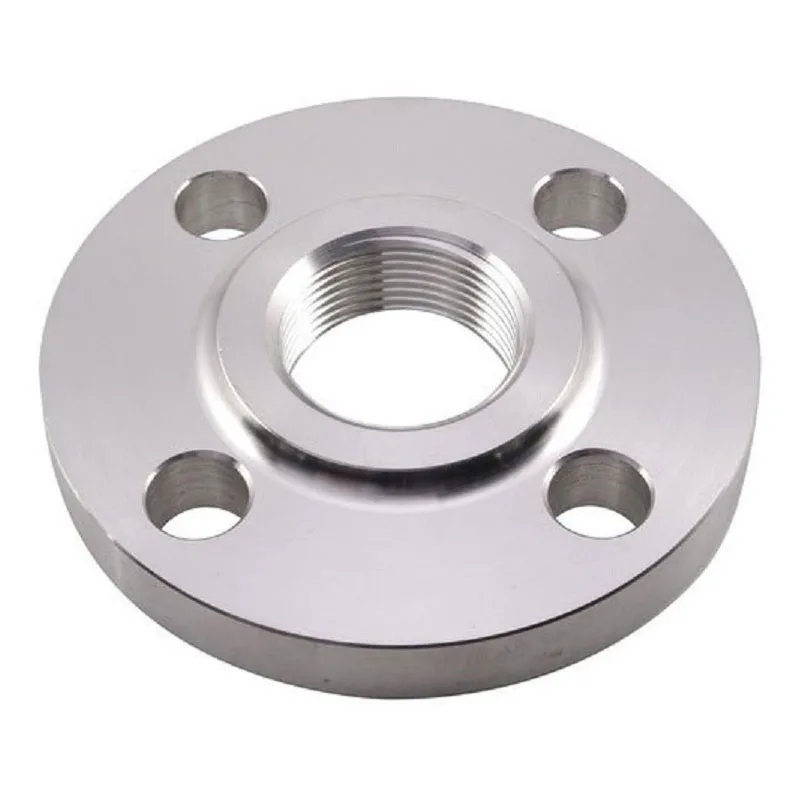 JIS 10K Threaded Flanges
 -
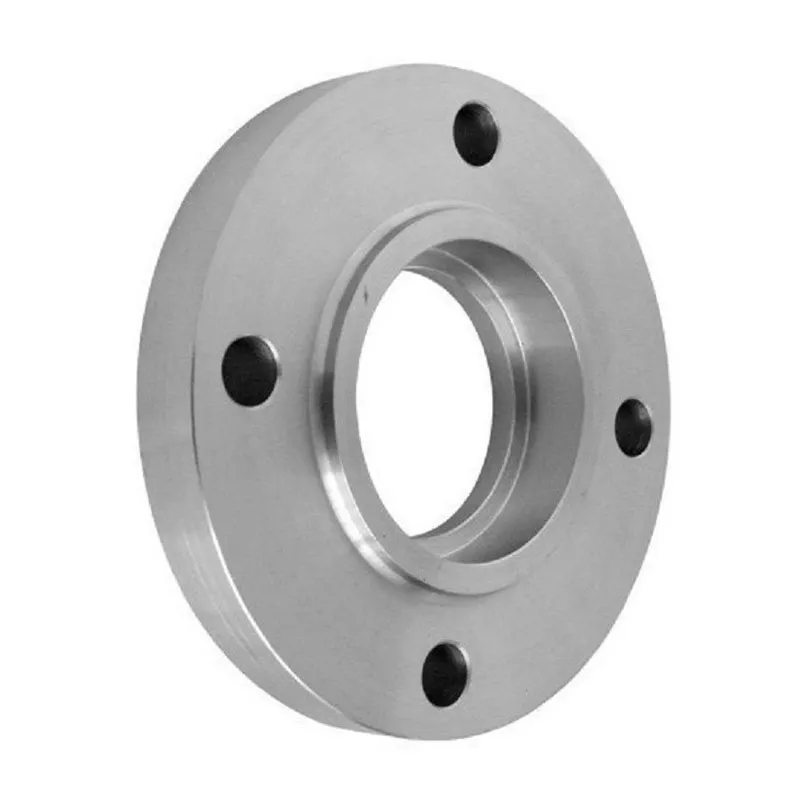 Socket Weld Flanges Class 300
 -
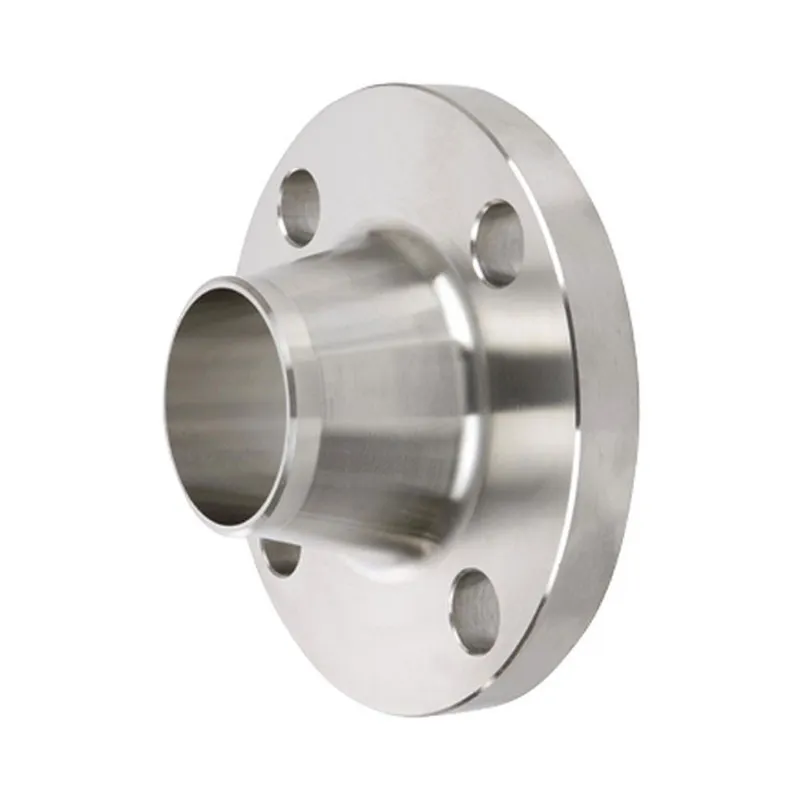 EN 1092-1 Butt weld flanges Type 11, PN25
 -
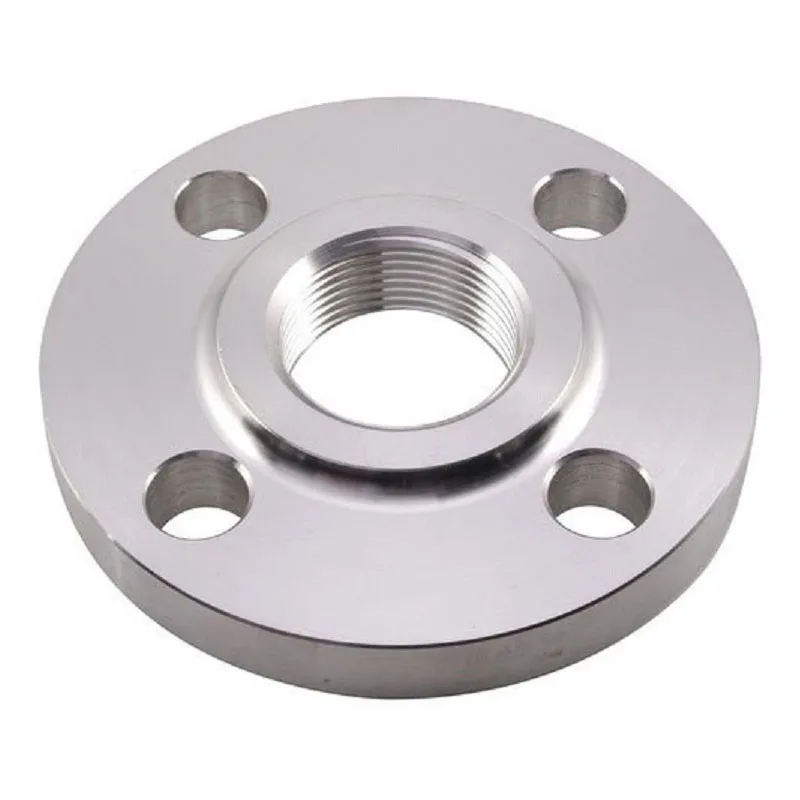 DIN 2566 Threaded flanges PN16