
-
-
Phone
+86-13623462298



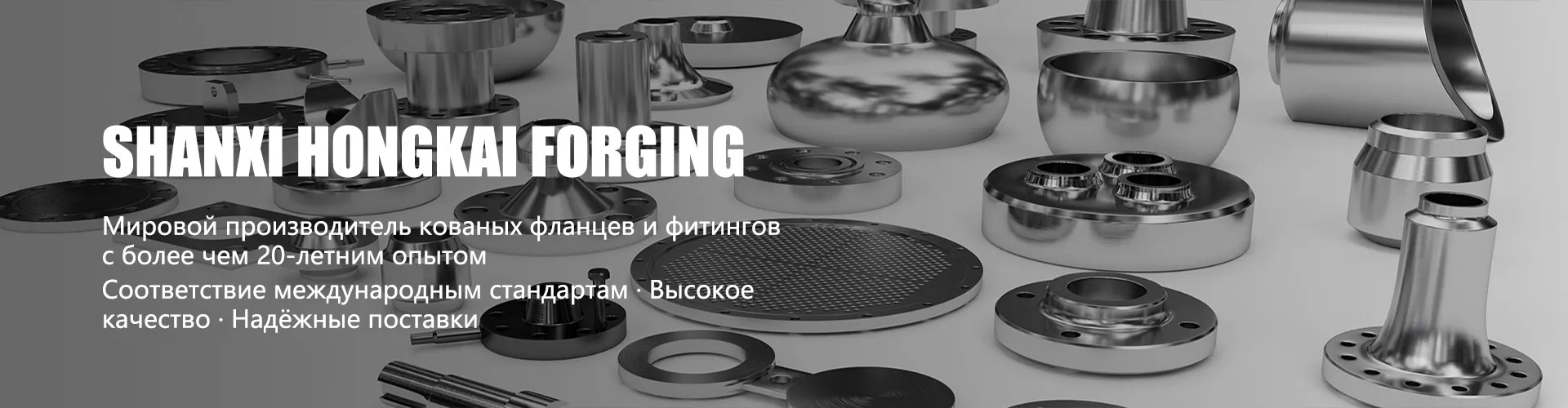
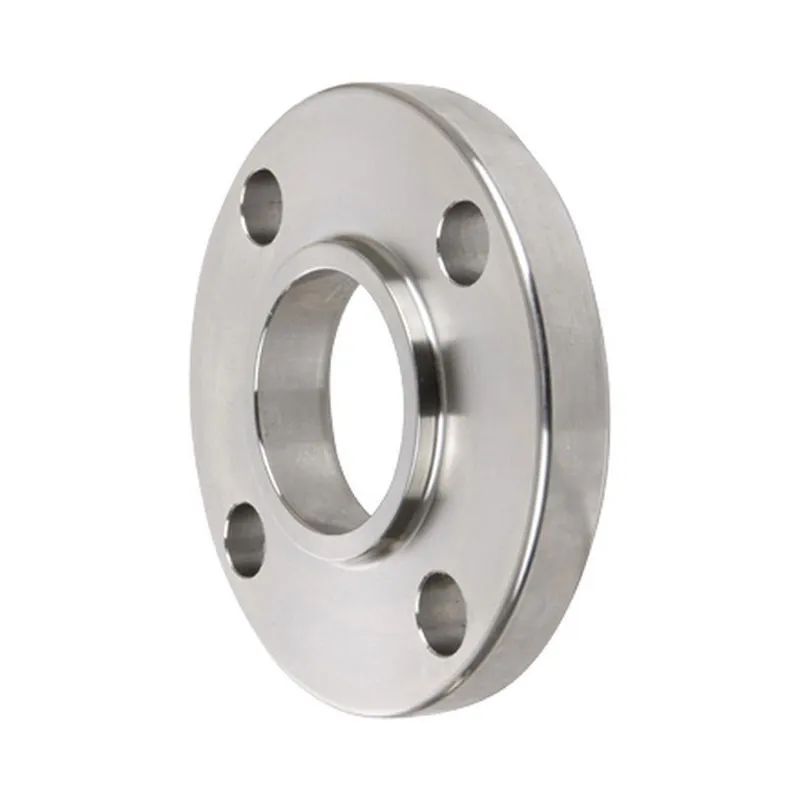
welded steel flange 150
When they say 'welded steel flange 150', many people immediately imagine a standard part, almost a consumable. But in practice it’s a whole story. Especially if we are talking about butt joints, where the radius and height of the hub, the bevel angle for welding, thickness - all these are not just numbers according to GOST 33259 or ASME B16.5. I remember how at one of the facilities near Ufa we had to urgently change the batch to 150 PN16 due to the fact that the chamfer was removed too sharply and the welders could not properly weld the root of the seam. According to the passports, everything was normal, but in fact it was a defect. So then think about what is more important: formal compliance or real suitability for work.
Where is the catch in the 'standard' version?
Let's take the same Du150. It would seem that what is so difficult here? But if you dig deeper, nuances begin to emerge. For example, for a nominal pressure of 16 kgf/cm2 and 25, the thickness and number of holes for the studs will be different. A common mistake is to order by nominal size without specifying the pressure. You get a flange that is either redundant (and expensive), or, worse, does not fit the mounting holes to the mating part. We had a case with an order for a chemical plant: they brought a batch of PN25, but on site it turned out that the fittings were PN16. I had to urgently redo it, wasting time.
Material is a separate issue. Steel 20 or 09G2S are not interchangeable options. For northern supplies, where temperatures drop below -40, 20 carbon steel is a risk. What is needed is low-alloy 09G2S. But not all suppliers clearly indicate this in the documentation; sometimes they simply write “steel”. Then microcracks appear in the cold. We checked it from our own experience when we worked with a customer from Yamal.
That is why at one time we began to closely cooperate with manufacturers who provide not just a certificate, but a full package of documents with details. For example,Shanxi Hongkai Forging Co.,Ltd (https://www.hkflange.ru) - I like their approach. They don’t just stamp parts, but can actually produce flanges and forgings in accordance with GOST, ASME, EN, and in the range from DN15 right up to DN4000. This speaks volumes about production capabilities. It is important that they work according to the customer’s drawings - for non-standard solutions this is often the only way out.
Welding: the moment of truth for the weld flange
All the quality of the flange is checked at the time of welding. If the geometry of the hub or bevel is broken even by a millimeter, you will get a lack of penetration or, conversely, a burn through. Particularly critical for high pressure pipelines. Before mass welding, I always advise making a test joint on one flange from the batch. It happened that outwardly ideal flanges gave an uneven gap when blunted to the pipe.
Another practical point is cleaning the surface in the welding area. It would seem like a small thing. But if scale or traces of oil remain on the chamfer or end of the hub (which sometimes happens after transportation or storage), the quality of the weld drops sharply. You have to clean it manually, which increases labor costs. A good manufacturer always supplies products with a clean surface prepared for welding.
Here again we can note the approach of companies such as the one mentionedShanxi Hongkai Forging Co.,Ltd. As a manufacturer of forged flanges in one of China's major forging centers, they understand that forging gives better guidance to the grain of the metal compared to simply cutting from sheet metal. And this directly affects the strength and, consequently, the reliability of the welded joint. This is fundamental for critical pipelines.
Choosing a supplier: price vs. total cost
Many people buy, looking only at the price per piece. This is a dead end path. A cheap flange may cost more to install and operate. Saving 500 rubles on parts will result in hours of additional fitting by welders, whose hour of work costs completely different money. And if a failure occurs, the costs of repairs and system downtime are generally incomparable.
What do I look for in a supplier? Firstly, the opportunity to provide a full set of documents (certificate, passport, ultrasound or x-ray results if necessary). Secondly, on flexibility. Is he able to quickly make a non-standard product if the project has changed? Thirdly, on logistics. Welded steel flange 150 is a dimensional product, its safe delivery is also an art.
Based on this, full-cycle manufacturers, such asShanxi Hongkai Forging Co.,Ltd, often turn out to be more profitable. They control the process from procurement to packaging and manufacture products in accordance with international and national standards. Their range - from butt weld and flat to loose and blind - covers most needs without searching for multiple suppliers. This saves time and reduces risks.
Non-standard situations and work according to drawings
Standard DN150 is easy. Difficulties begin when you need to switch from one standard to another, or non-standard pressure, or a material with special properties. For example, a heat exchanger required a flange with an unusual stud hole pattern and increased thickness due to vibration loads. The drawing was sent and work began.
In such cases, dialogue with the manufacturer’s technologists becomes key. They can offer an alternative in terms of material or manufacturing method, which will reduce the cost of the product without losing quality. The main thing is that they are ready to conduct this dialogue, and not just take technical specifications into work. Experience shows that Chinese manufacturersHongkai Forging, being in one of the main industrial centers, often have very strong engineering departments capable of such consultations.
I remember a project where flanges with a special coating for sea water were needed. There was no standard solution. As a result, after several iterations of the drawings and technical specifications, we got exactly what we needed. This is the case when the ability to produce non-standard products according to customer drawings turns from an abstract line in the company description into a real competitive advantage.
Instead of a conclusion: thinking out loud
So, back to the beginning.Welded steel flange 150is not just a position in the specification. This is the node on which the integrity of the system depends. His choice is always a compromise between the standard and actual installation conditions, between the purchase price and the cost of ownership.
For me personally, the criterion for a good supplier is when, after receiving the shipment, there is no desire to try and recheck everything with tracing paper in hand. When there is confidence that the geometry, material and processing are normal. And when, in the event of a non-standard problem, you know where to turn for a solution, and not just for a quote from a catalog.
Working with pipeline fittings is always a responsibility. And there are no trifles here. Even in such a seemingly simple detail.
Correspondingproducts
Related Products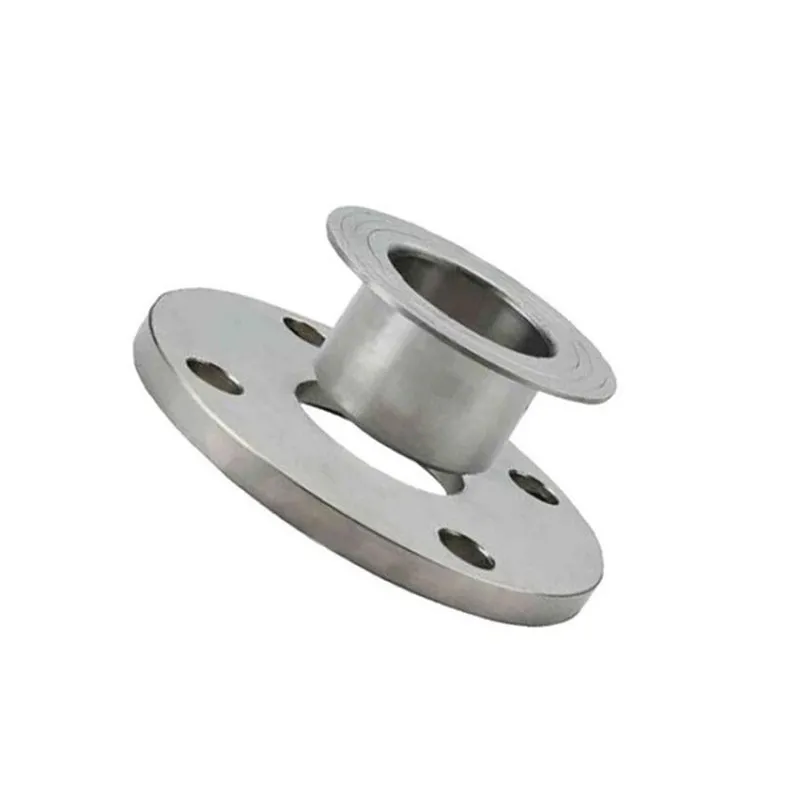
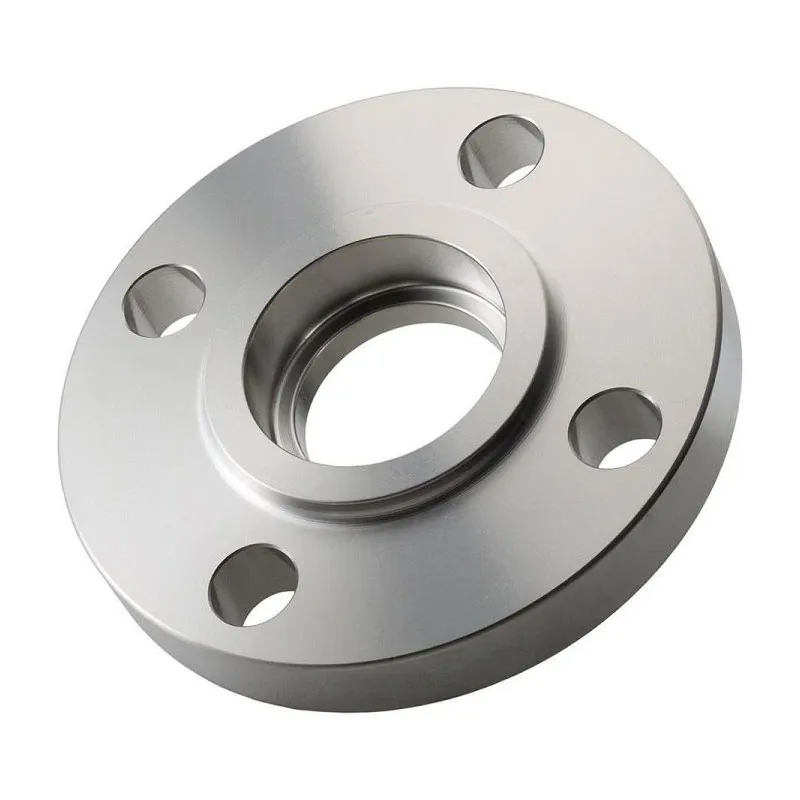
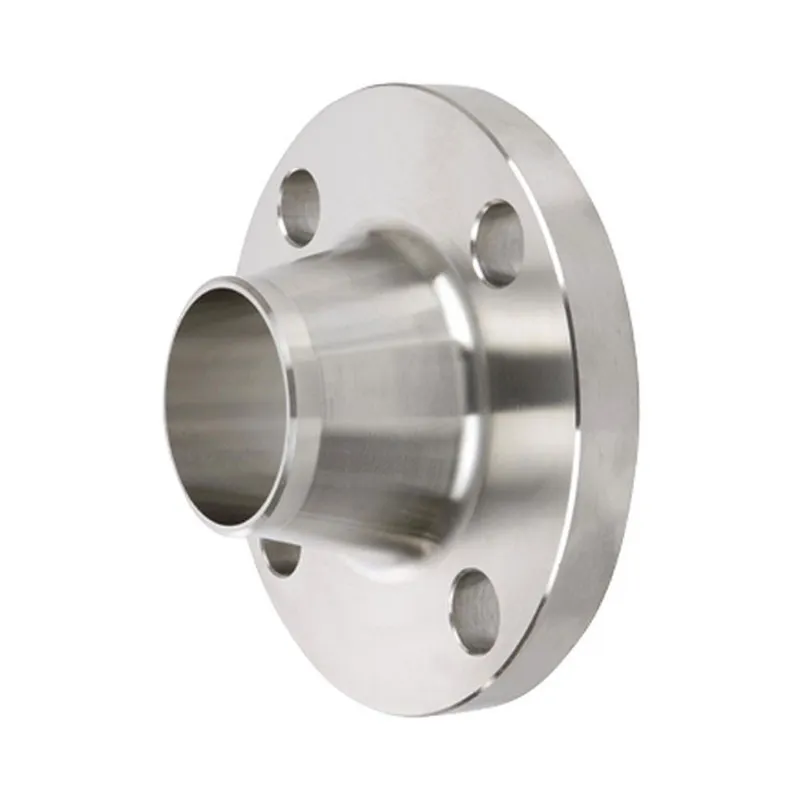
Best Sellingproducts
Best Selling Products-
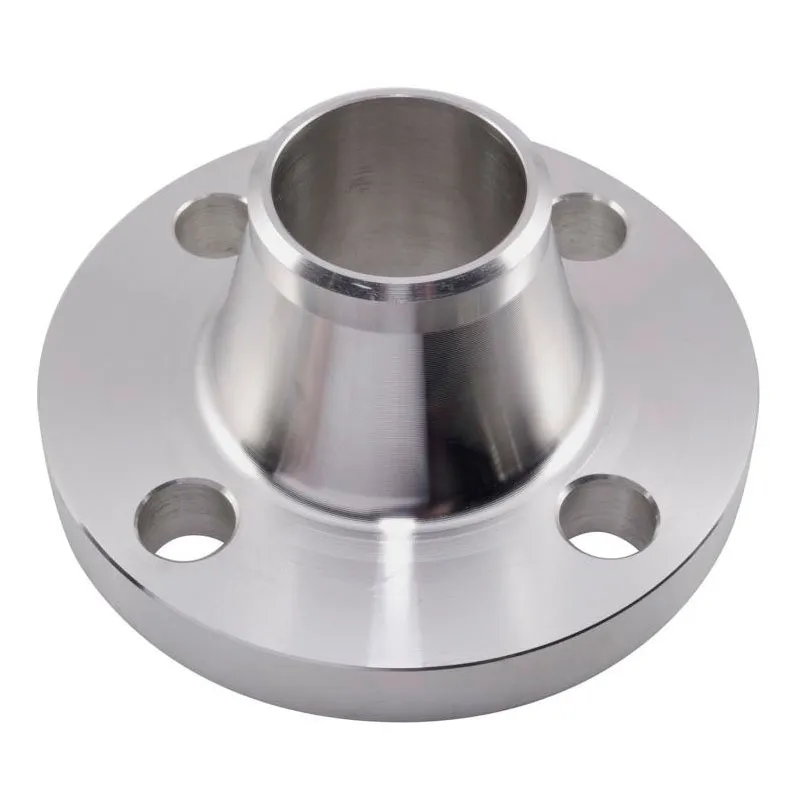 DIN Butt weld flanges PN10
 -
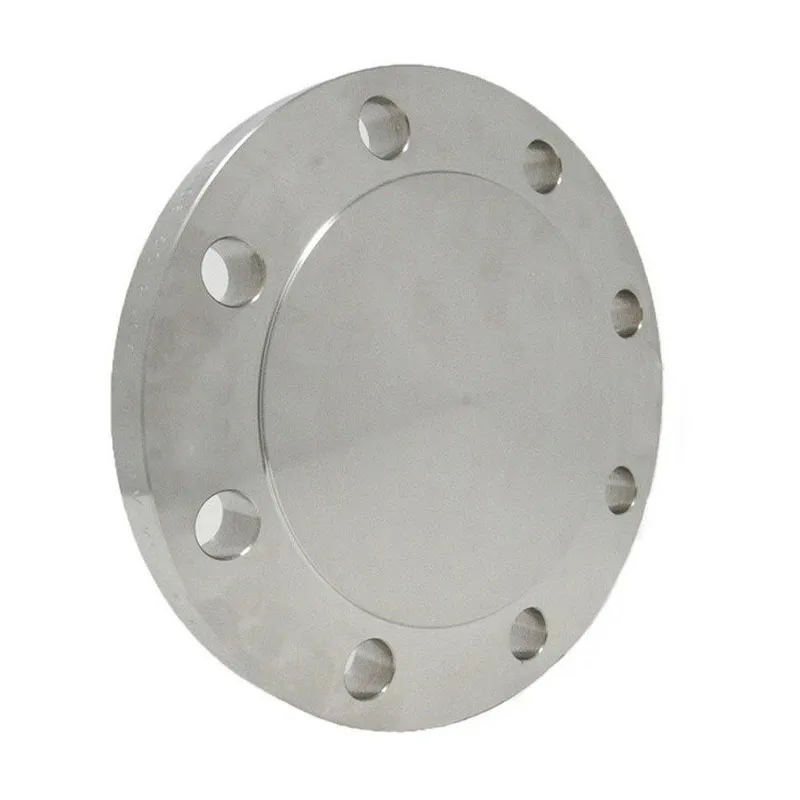 EN 1092-1 Blind flanges Type 05, PN10
 -
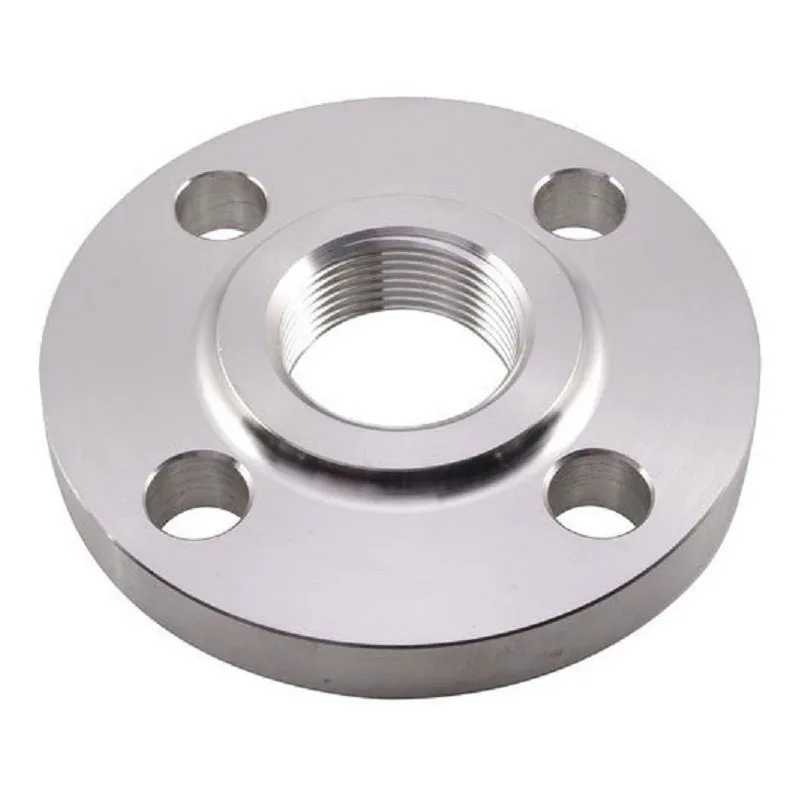 ANSI B16.5 Threaded Flanges Class 600
 -
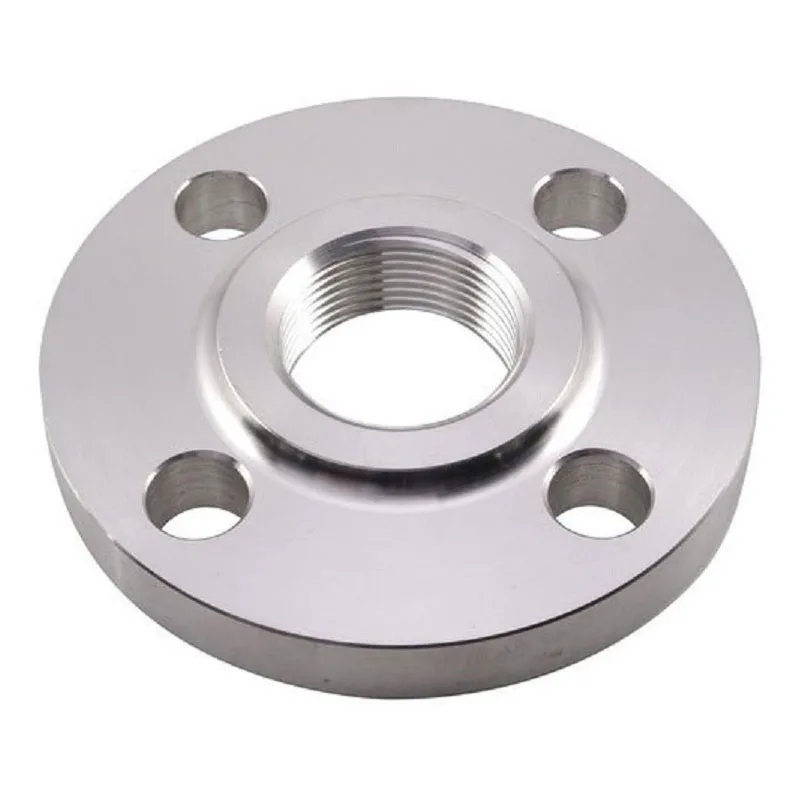 JIS 10K Threaded Flanges
 -
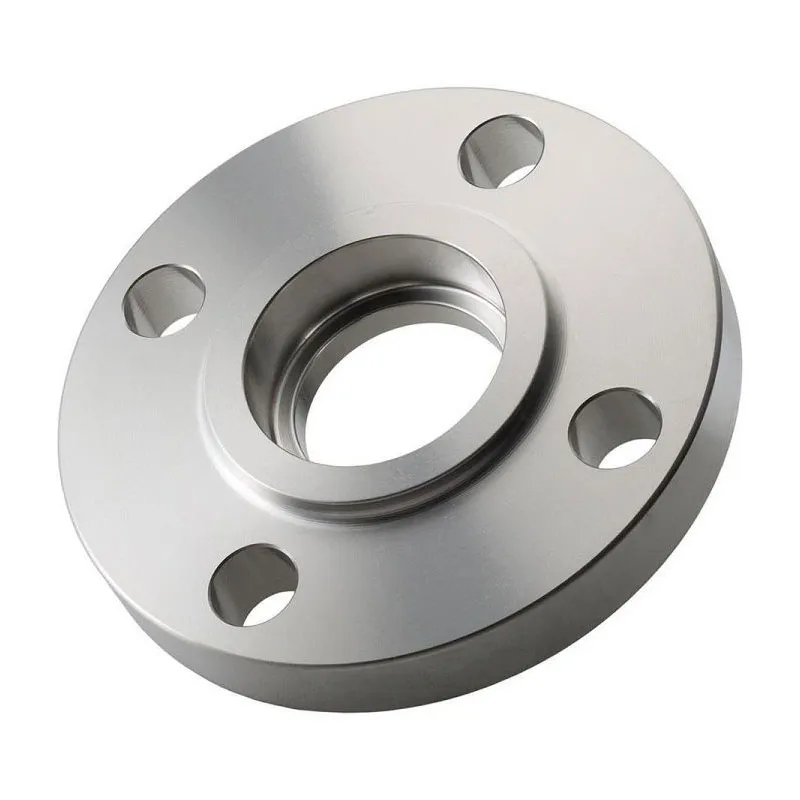 ANSI B16.5 Socket Weld Flanges Class 1500
 -
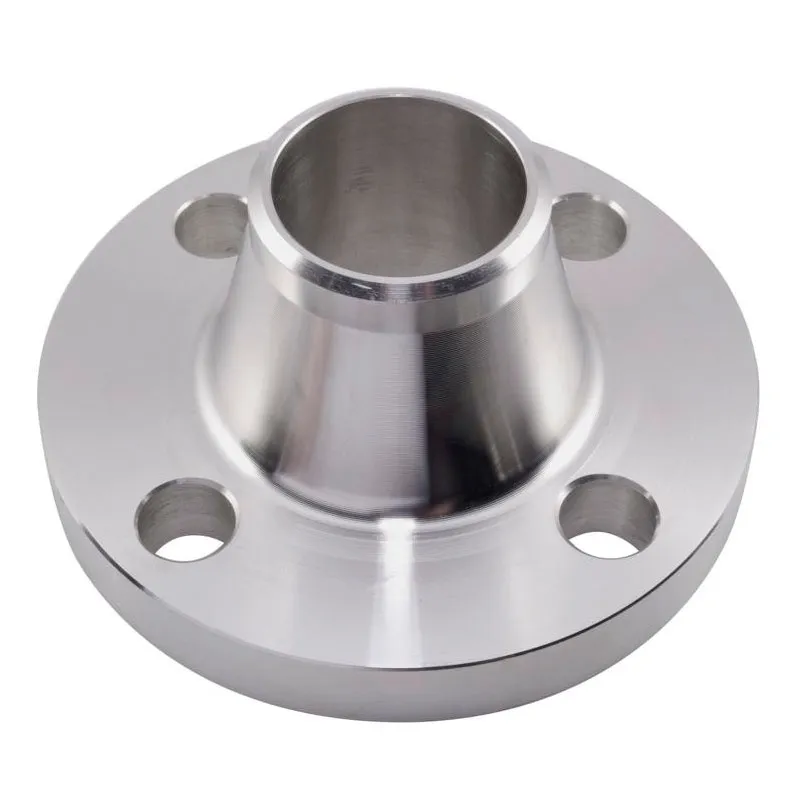 Butt weld flanges Class 900
 -
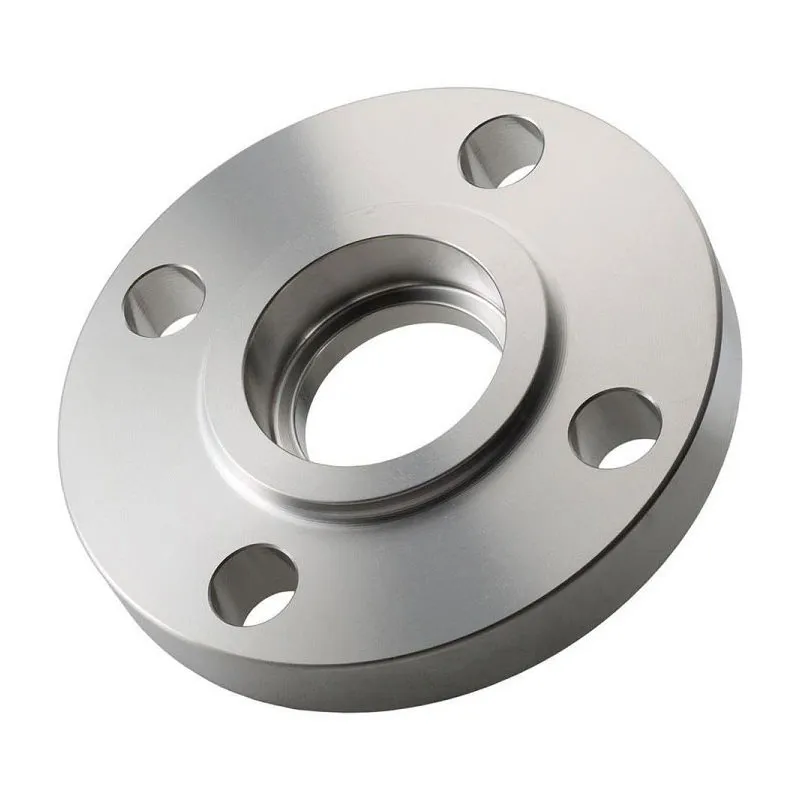 Flanges for socket welding
 -
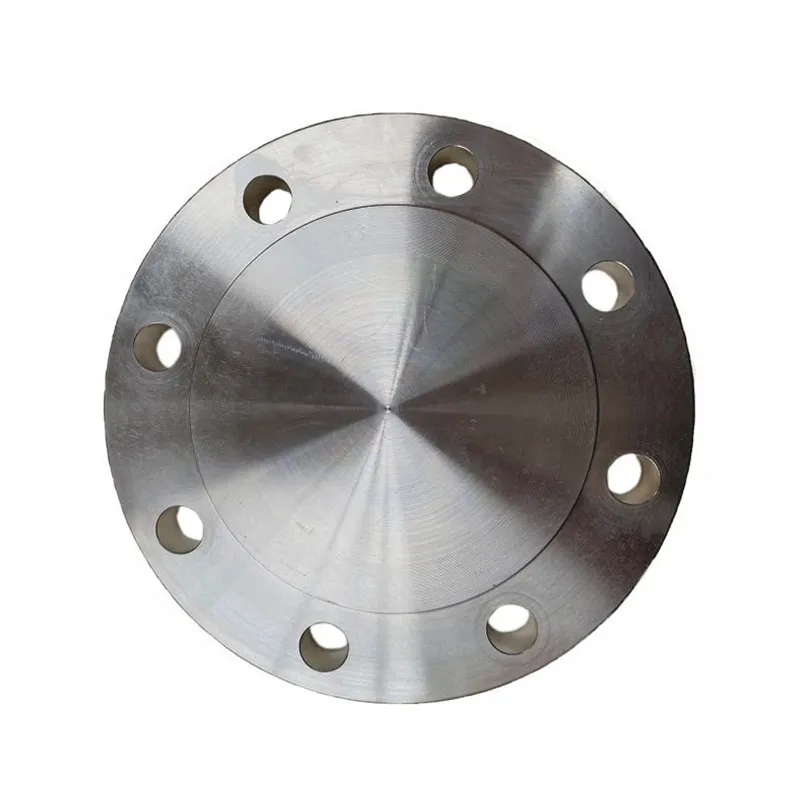 DIN 2527 Blind flanges PN10
 -
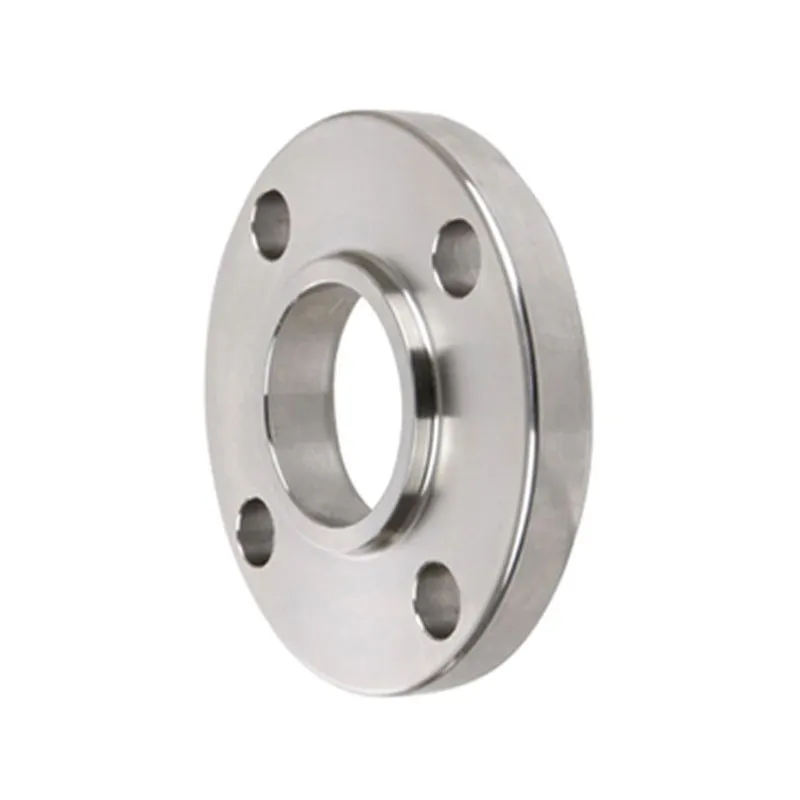 ANSI B16.5 Lap-on flanges Class 300
 -
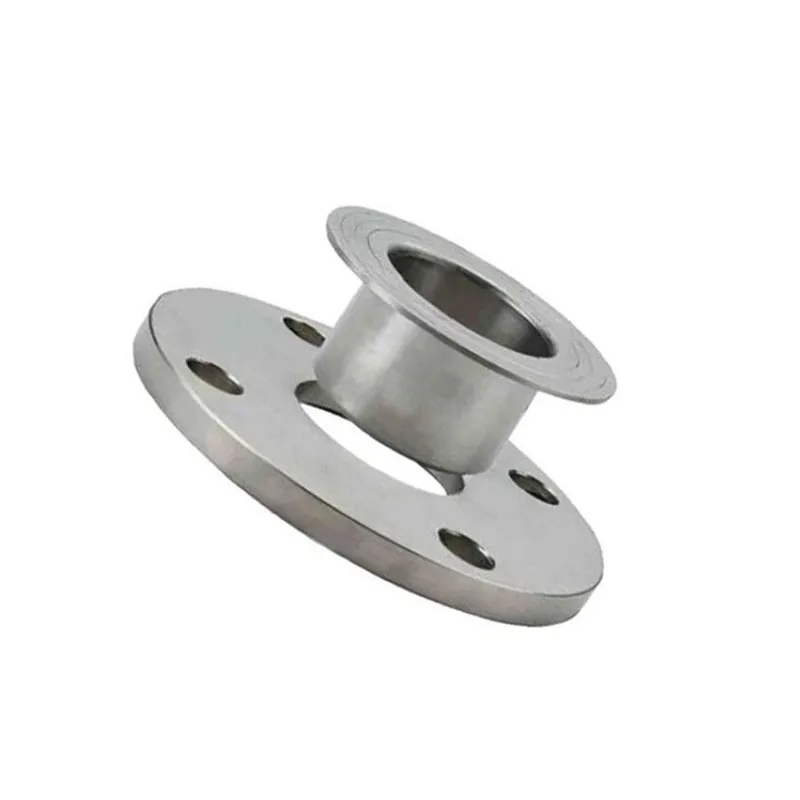 Free ring flanges Class 400
 -
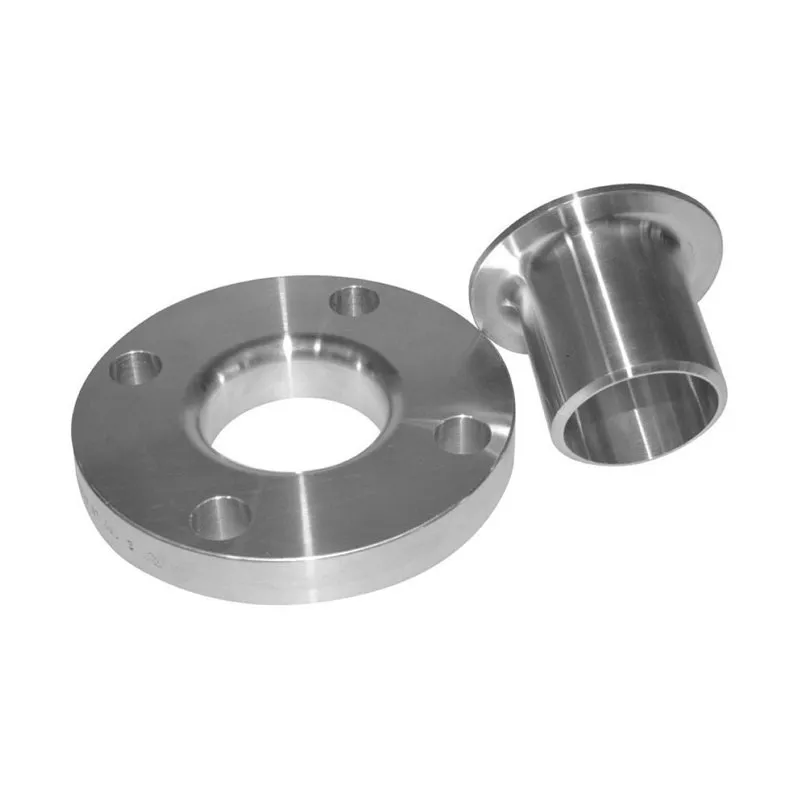 Free ring flanges Class 150
 -
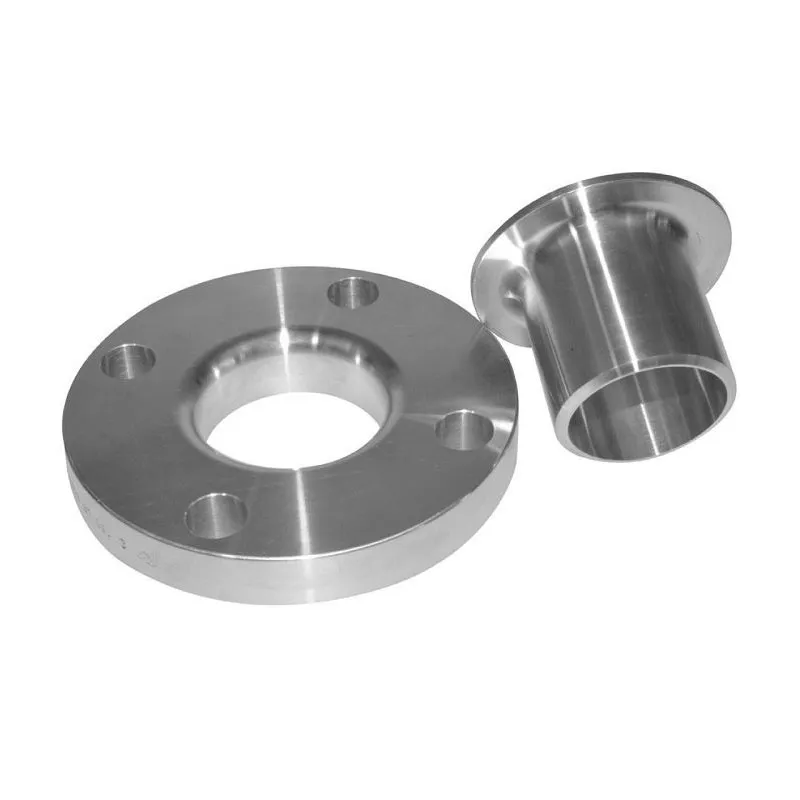 ANSI B16.5 Loose Ring Flanges Class 2500