
-
-
Phone
+86-13623462298




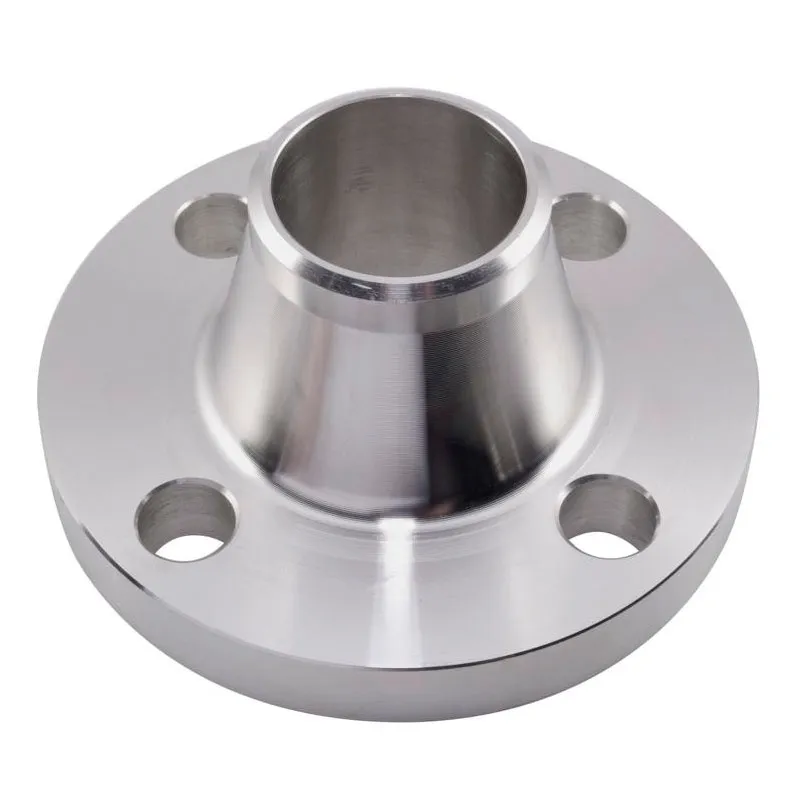
flanges DN 80 16
When you see in an application or on a drawingflanges DN 80 16, it seems that everything is simple - take a standard collar flange according to GOST 33259, and it’s done. But it is precisely in such seemingly ordinary positions that the main pitfalls lie. Many people think that DN 80 is always the same diameter, and a pressure of 16 kgf/cm2 is not critical. In practice, especially when mating with imported fittings or when operating in cyclic modes, nuances arise with the geometry of the sealing surface, the quality of the forging, and even with which standard - ASME B16.5 or EN 1092-1 - you need this very flange. It’s these nuances that are omitted in theory, but in practice you have to figure out, and I want to talk about them.
From specification to actual forging: what is important to remember about DN 80
I'll start with the diameter. DN 80 is, in fact, a conditional passage. But the outer diameter of the flange, the diameter of the bolt circle is already history. If you install a flange on a pipe in accordance with GOST, then there are no problems. But if a pump comes to you with a DIN or ANSI connection, then there may already be a discrepancy of millimeters, which has to be compensated for by adapter plates. And these are unnecessary connections, unnecessary potential leak points. Therefore, now the first thing I do is clarify what exactly we are connecting to - to a domestic device or to an imported heat exchanger.
As for the pressure PN16 (or PN16), the key point here is the material. For a nominal pressure of 16 atmospheres, steel 20, 09G2S, and 12Х18Н10Т can be used. The choice depends on the environment. For water or steam at low temperatures, steel 20 will also work. But if we are talking about some light hydrocarbons, or an environment with possible temperature fluctuations, I would already look towards alloy steels. Because carbon steel under cyclic loads can present a surprise in the form of cracks in the zone of transition of the bushing to the disc. I saw this at a couple of projects where they saved on material.
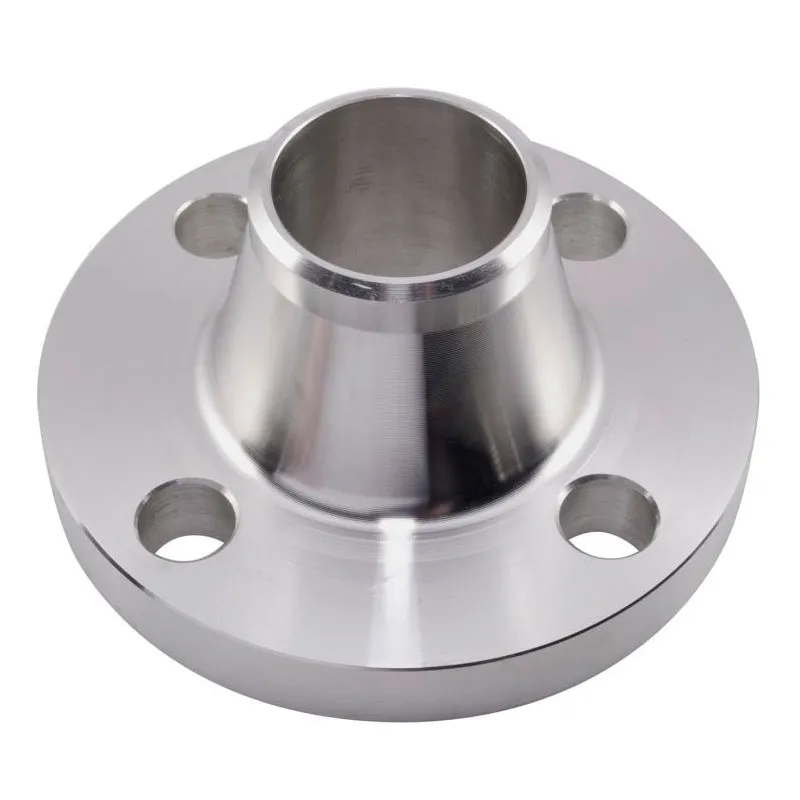
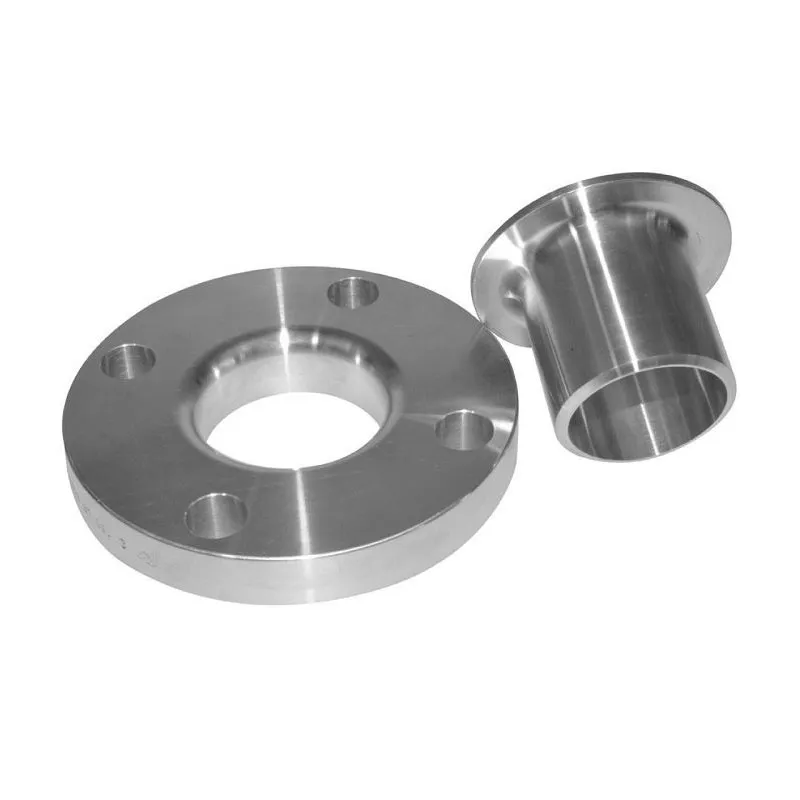
And here it’s time to remember about manufacturers who specialize specifically in forging. I take, for example,Shanxi Hongkai Forging Co.,Ltd(website -hkflange.ru). They are positioned as a manufacturer of forged flanges and forgings from one of the forging centers of China. Why is this important? Because for critical applications, a cast flange or cut from a sheet is not the right option. And forging gives a better fine-grained metal structure, which is critical for resistance to cyclic loads. On their website you can see that they work according to GOST, ASME, DIN - that is, they can make a DN 80 flange specifically for the very imported fittings that I spoke about. And they have a wide range - from collar-type to free on a welded ring, which can be a lifesaver for non-standard repairs.
Geometry and compaction: where mistakes are most often made
The next layer of problems is the design of the sealing surface. For Ru16, the most common version is B (tenon-groove) or E (protrusion-groove). But it happens that the specification simply states “flange DU-80 Ru16”, but in fact the device has a surface for a lens gasket or even a metal gasket with an oval cross-section. And this is where the “fun” begins. working with a file or searching for exactly the same flange, but with the required design. Now I always require that the technical specifications indicate not only the GOST for the flange, but also the specific design according to GOST 33259 or the drawing number.
Another point is the quality of processing of this very surface. Theoretically, for rubber or paronite gaskets the roughness may not be ideal. But if you install a flange connection in an aggressive environment with fluoroplastic gaskets or high steam parameters, then the slightest scratch or hole on the seal surface is a guaranteed leak during the first hydrotest. Now I accept such flanges, even standard ones, with a magnifying glass. Especially in the area near the holes for the studs, where there are often holes due to uneven compression of the metal during forging.
And here we return again to the question of the supplier. If the manufacturer is the sameShanxi Hongkai Forging Co.,Ltd, claims to produce according to international standards, this means both geometry control and surface control. On their website they indicate a range of sizes up to DN 4000, but for our DN 80 it is not the size that is important, but the accuracy. Forging, as opposed to casting, allows for better control of these parameters. But, of course, you need to request certificates and, if the batch is large, selectively check the dimensions - the same bolt pattern, parallelism, roughness.
Material and heat treatment: hidden parameters
Often the specifications simply write “Steel 20?” or ?Steel 09G2S?. But for forged flanges, especially those operating at subzero temperatures or under conditions of possible impact (water hammer in the system), heat treatment—normalization—is important. It relieves internal stresses after forging and improves mechanical properties. Without it, the flange may behave unpredictably. I had a case on a heating main: DU 80 Ru16 flanges made of 09G2S steel, supplied without heat treatment, developed microcracks after two years of operation. The reason is residual stresses plus cyclic temperature expansions.
Therefore, now, when ordering even standard items, I check with the supplier: is the forging with or without heat treatment? If not, then this is immediately alarming. Large manufacturers, as a rule, include this process in the technological chain. If we take information fromhkflange.ru, then they, as a forging manufacturer, most likely have a full cycle, including heat treatment. This is important for ultimate reliability. The flange is not a part on which you should save pennies at the risk of stopping the entire line.
More about the material: for chemical environments, sometimes you need not just 12Х18Н10Т stainless steel, but more resistant grades, for example, with the addition of molybdenum. And here the manufacturer’s ability to work according to the customer’s drawings, as stated inShanxi Hongkai Forging Co.,Ltd, becomes key. You can make DN 80 flanges from the grade of steel you need, rather than trying to adapt what is in stock.
Installation subtleties and common mistakes
Let's say the flange is perfect, the material is chosen correctly. But the connection still flows. A common cause is installation errors. For DN 80 at 16 atm there are usually 8 studs. And the main thing here is uniformity of tightening. You need to tighten it crosswise, not with one force, but in several passes, gradually increasing the torque. Many installers pull sequentially in circles, which leads to misalignment and a loose fit. I use a torque wrench, especially on critical components.
The second mistake is the gasket. For water and steam at 16 atm and up to 200°C, paronite is often used. But if the flanges are new, with a good surface treatment, sometimes you can install rubber of increased hardness - it better seals small irregularities. But here it is important not to overdo it with the thickness: a gasket that is too thick can leak under pressure. For DN 80, usually 2-3 mm is enough.
And third - alignment. Before final tightening, you need to make sure that the pipes or devices are aligned. Otherwise, the flange will bend, and even the highest qualityflanges DN 80 16will not save you from leakage around the bolt circumference. I use a feeler gauge to check the gap between the flanges around the entire perimeter before installing the gasket.
Instead of a conclusion: why is it not just a piece of hardware?
So, back to the beginning.Flanges DN 80 16- this is not just a line on a statement. This is an assembly that requires attention to detail: from the choice of material and manufacturing technology (where forging has an advantage) to control of geometry and installation. Savings at the procurement stage, when you take what is cheaper without understanding the origin and technology, almost always end up with backfires - repairs, downtime, or even an accident.
Therefore, now I always dive deeper into the specification, demand complete documentation from suppliers (whether large, like the aforementioned Chinese forge, or local warehouses), and try to work with those who specialize specifically in production, and not in resale. Because there are no small things in pipeline fittings. And even such a simple, at first glance, flange is a responsibility. And experience lies precisely in knowing what these “little things” are? You need to pay attention first, so that later you won’t be excruciatingly painful for wasted time and resources.
Correspondingproducts
Related Products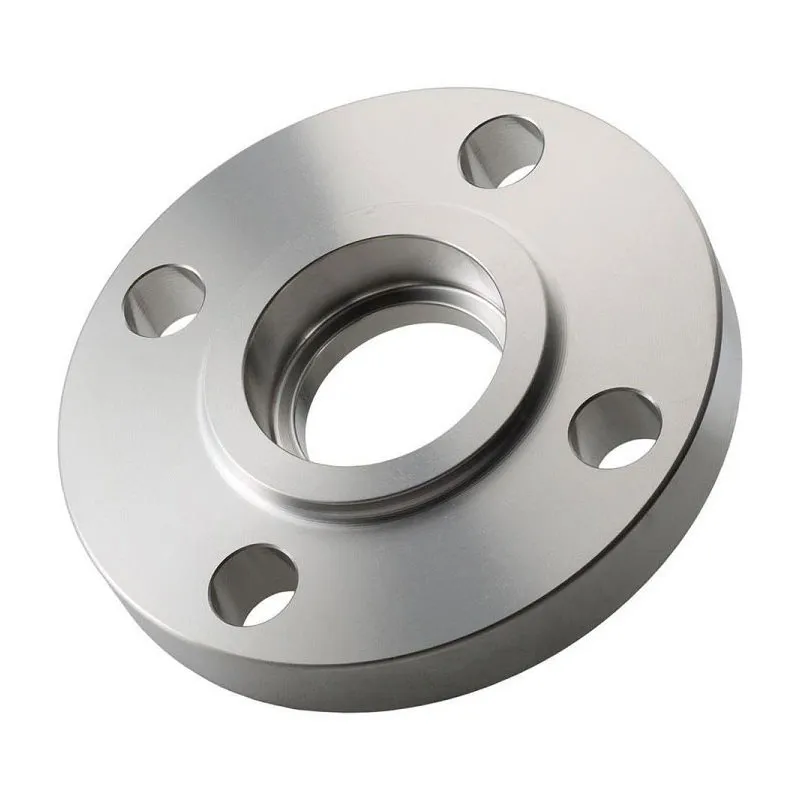
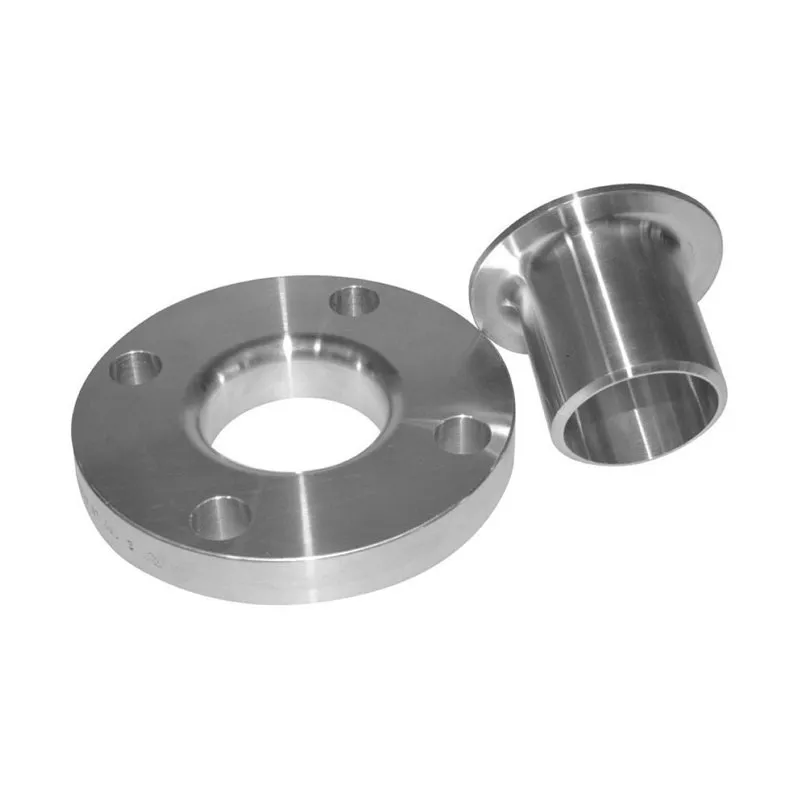
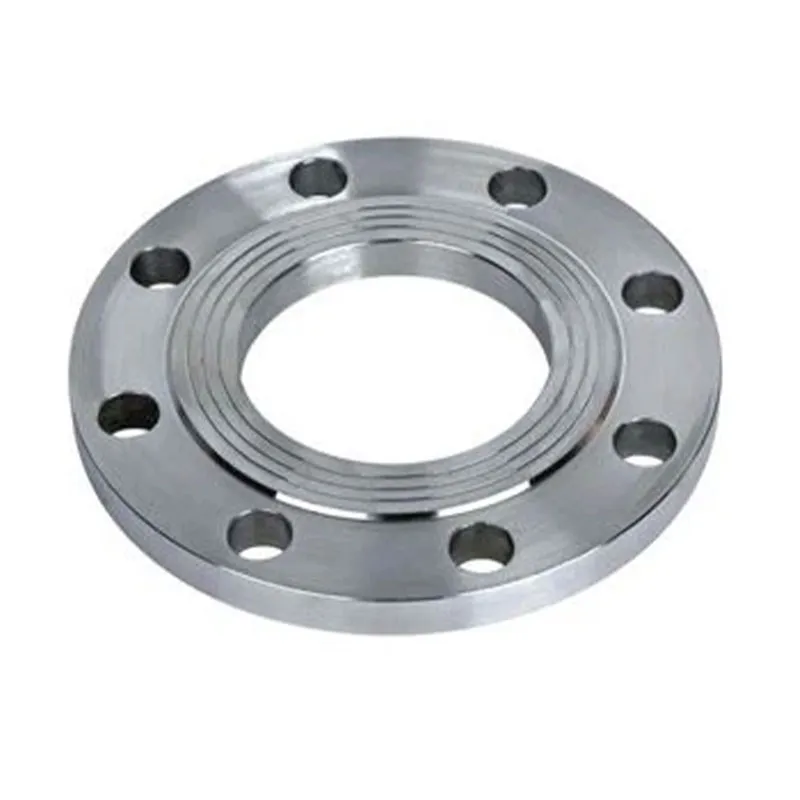
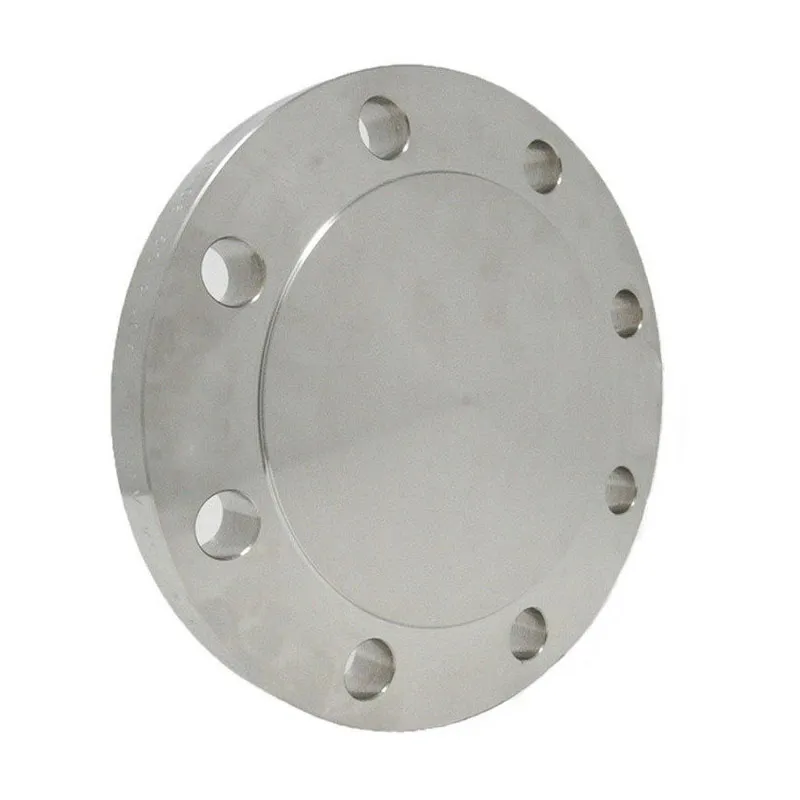

Best Sellingproducts
Best Selling Products-
 ANSI B16.5 Loose Ring Flanges Class 2500
 -
 EN 1092-1 Butt weld flanges Type 11, PN25
 -
 ANSI B16.5 Lap-on flanges Class 300
 -
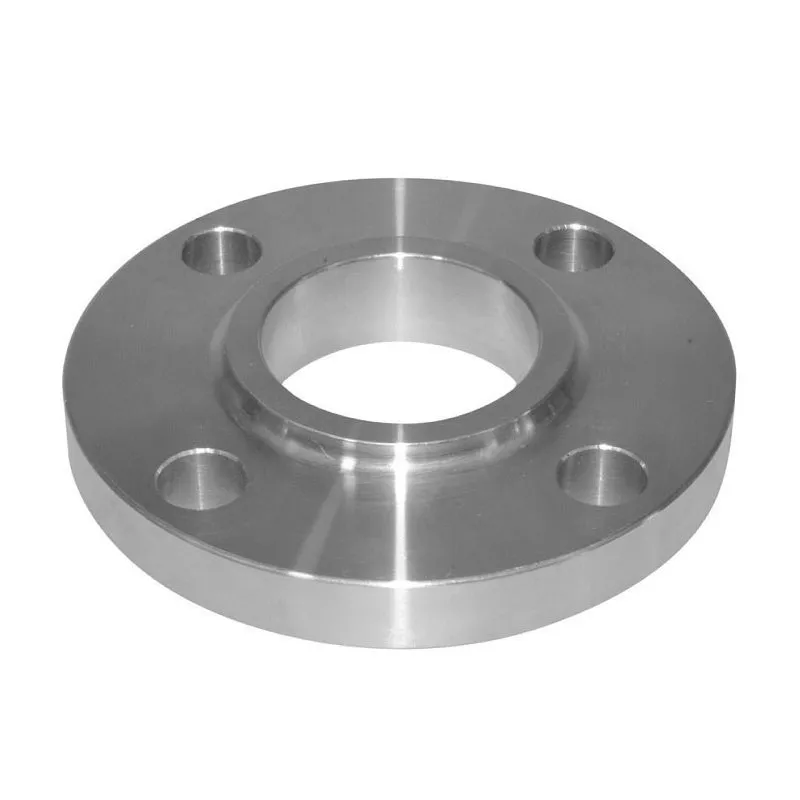 ANSI B16.5 Lap-on flanges Class 1500
 -
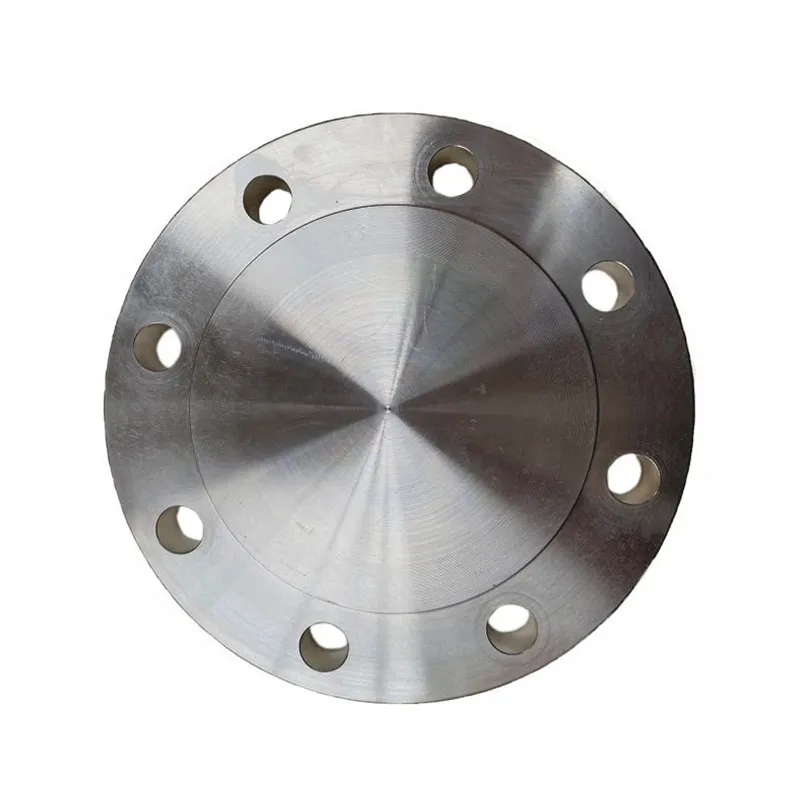 DIN 2527 Blind flanges PN10
 -
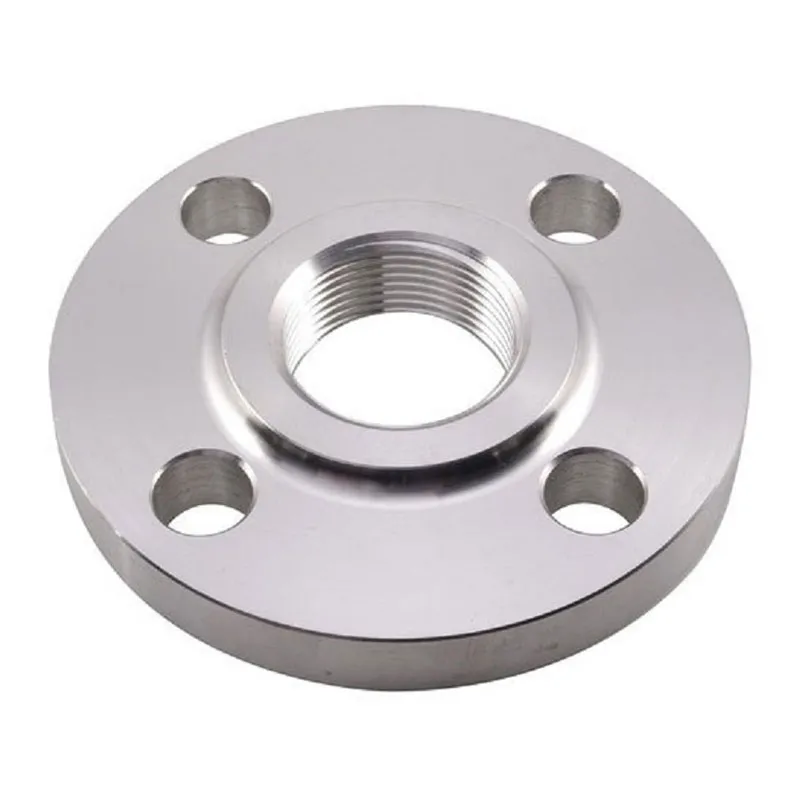 JIS 10K Overlay flanges
 -
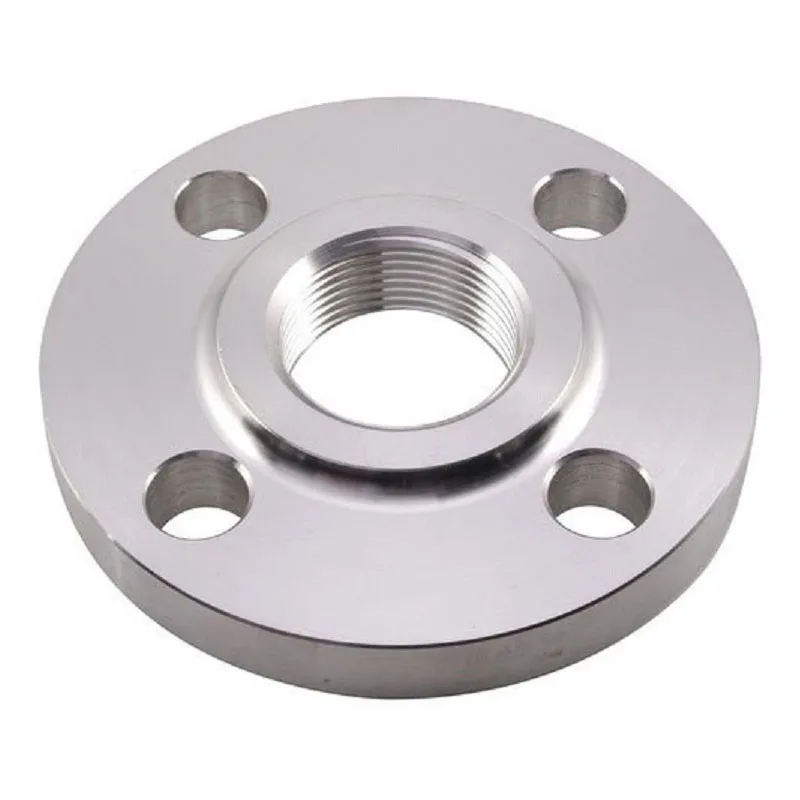 DIN 2566 Threaded flanges PN16
 -
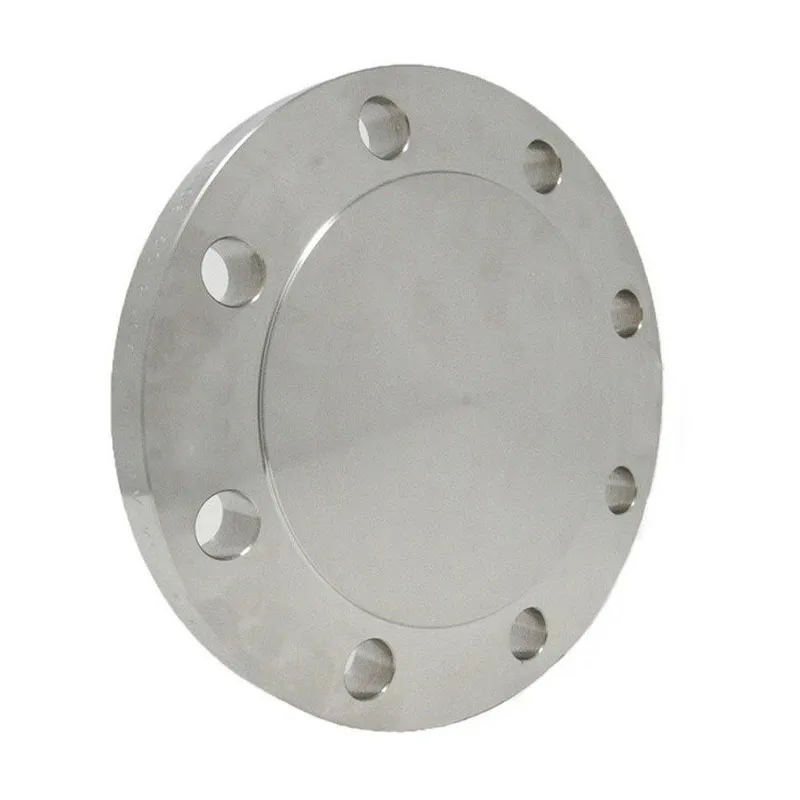 EN 1092-1 Blind flanges Type 05, PN10
 -
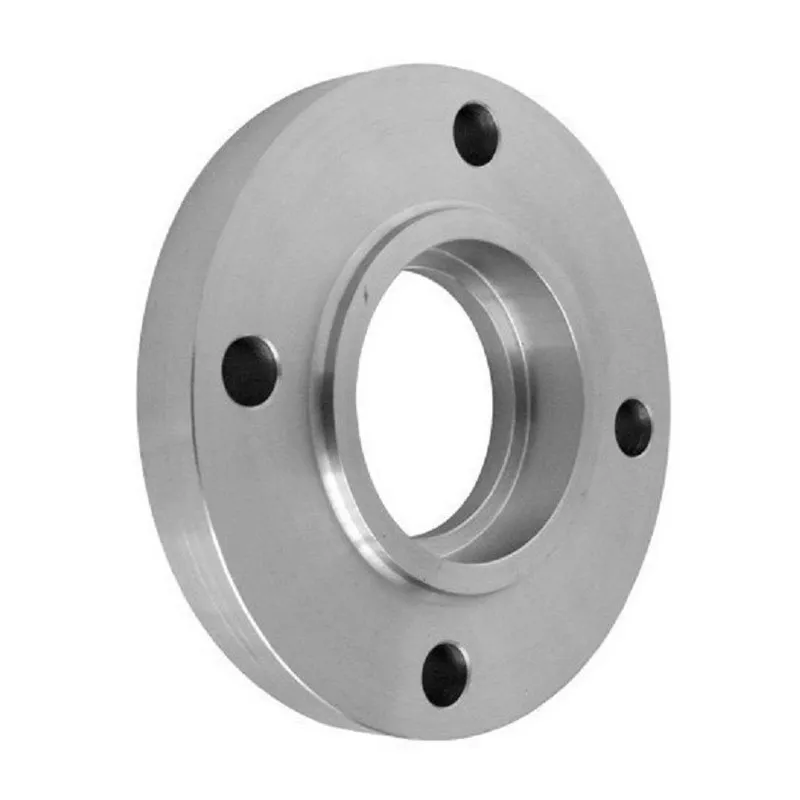 JIS 5K Socket Weld Flanges
 -
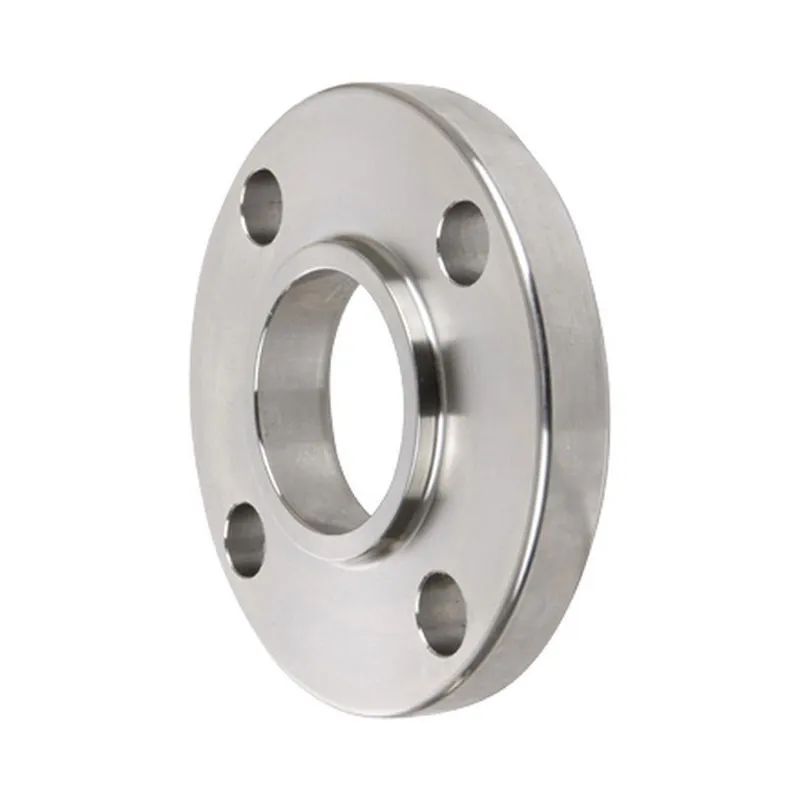 DIN 2501 Overlay flanges PN16
 -
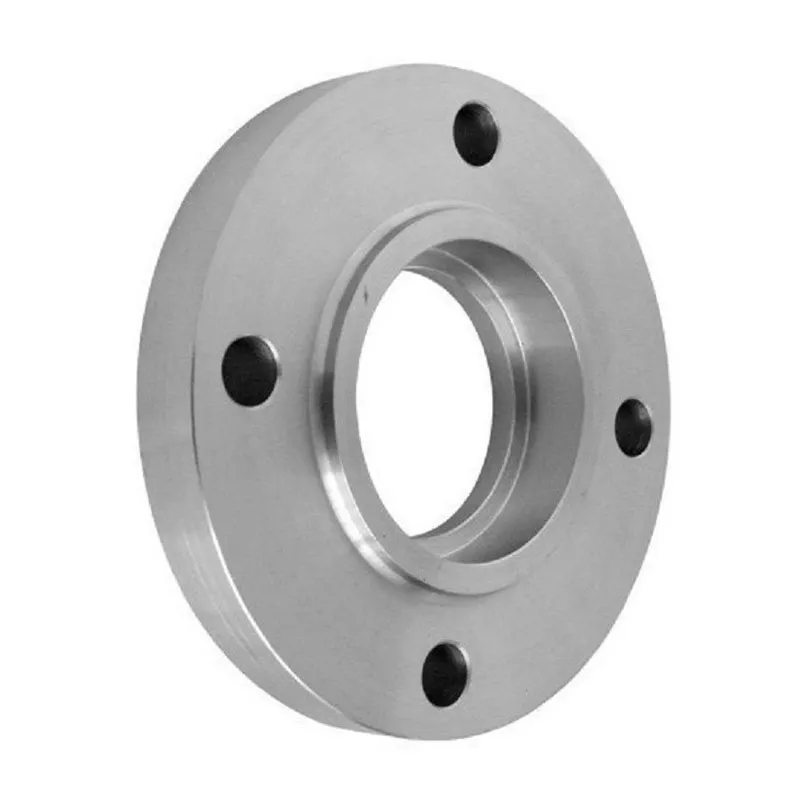 Socket Weld Flanges Class 300
 -
 Butt weld flanges Class 900