
-
-
Phone
+86-13623462298



flange 240
When you hear “240 flange”, many people immediately think of a simple steel ring for a pipe. But in practice it’s a whole story. Often customers, especially those who are just starting to work with pipelines, believe that the main thing is the diameter, and the material, type of execution, standard are already details. So it turns out that they are asking for “flange 240?” as an abstraction, and then problems begin with fit, with pressure, with welding. I went through this myself when I accepted the first batches from Asia ten years ago - it seems like the number is the same, but you hold it in your hands and you feel the difference.
What's behind the number 240?
The number 240 is, of course, a conditional pass, remote control. But if you dig deeper, different executions may be hidden under this:flange 240butt-welded according to GOST 33259, flat according to GOST 12820, or, say, free on a welded ring. And each has its own geometry, its own thickness, its own holes for studs. Once there was a case: we ordered a batch of flat flanges for DN 240 according to old drawings, but when it arrived, the holes did not match by a millimeter and a half. It turned out that the standard is the same, but the edition is different, the year of release. I had to modify it manually, wasting time.
The material is a separate story. For the same DU 240, st3, and 09g2s, and 12x18n10t, and even 15x5m for high temperatures can be used. If for water at a nominal pressure of 16 atm ordinary carbon steel will do, then for steam or an aggressive environment - stainless steel. I saw how at one of the factories they installed st3 flanges on a line with constant contact with a weak alkaline solution - after six months corrosion began along the perimeter of the holes. The unit was completely redone.
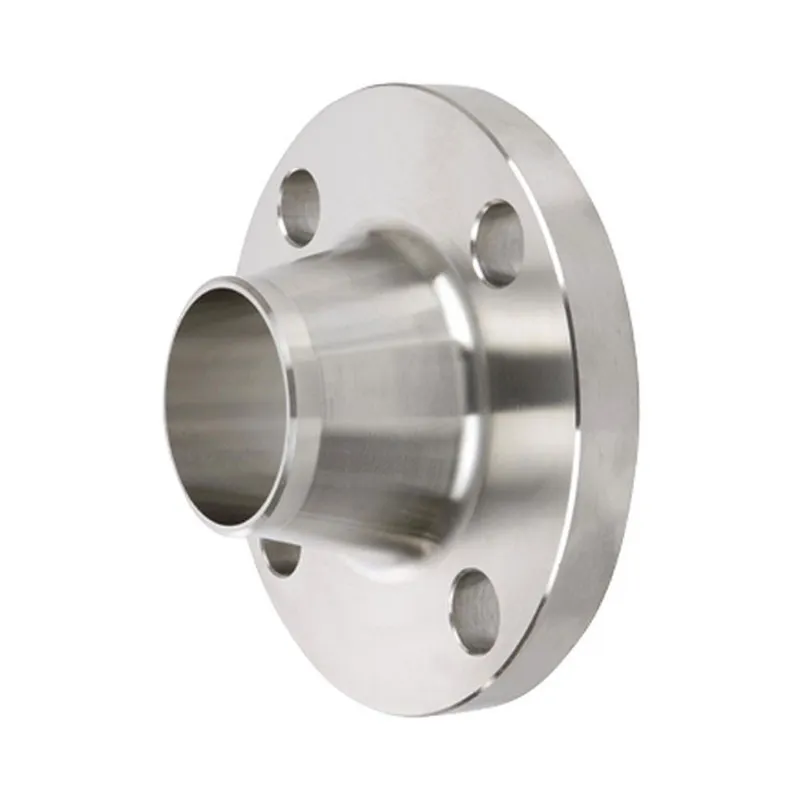
And there is also the issue of pressure.Flange 240- it can be on Ru 10, and on Ru 16, 25, 40, 64. And here the difference is not only in thickness and weight. The design of the collar, the radii of transitions - everything changes. You can’t just take a 16 atm flange and put it on a 40 atm line, hoping that it will “roll”. This not only won't work, it's dangerous. I myself personally participated in the investigation of an incident where there was an inappropriate flange-gasket pair at high pressure. The consequences were serious, fortunately, without loss of life.
Experience working with specific suppliers
There are many players in the market now, but finding one who understands these nuances and does not chase the lowest price at any cost is a challenge. In recent years, I have often paid attention to manufacturers who specialize specifically in forging. Stamped flanges are one thing, but forged ones are another type of reliability, especially for critical components. The metal fibers are preserved and the mechanical properties are higher.
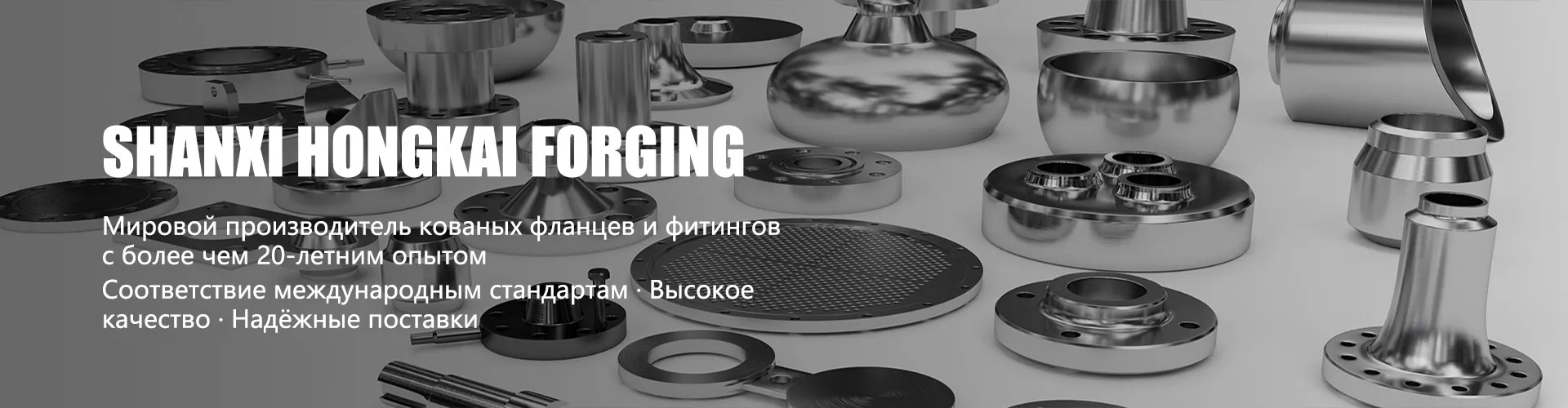
In this context, we had to deal with productsShanxi Hongkai Forging Co.,Ltd. Their websitehttps://www.hkflange.ruQuite informative, it is clear that the company positions itself as a manufacturer of forged flanges and forgings, which already indicates its focus. They declare work in accordance with GOST, ASME, EN and other standards, including non-standard products according to drawings. For the sameflange 240this is critically important - the ability to make it according to a specific, albeit outdated, drawing.
What is important in their approach, judging by the description and experience of their colleagues, is the range of sizes up to DN 4000. This speaks to the capabilities of the equipment. A 240 mm flange is probably a serial average story for them. But when a non-standard is needed, for example, with additional stiffening ribs or an unusual arrangement of holes for a specific device, this is where it becomes clear whether the plant can operate as a design department or simply produces a standard product.
Practical nuances of installation and selection
Let's get back to practice. Let's say you needflange 240for replacement on an existing pipeline. The first thing you do is not look at the catalog, but at the old part. You measure not only the inner diameter, but also the outer diameter of the hub (if there is one), thickness, diameter of the circle of the holes, the size of the holes themselves and their number. Then you look at the condition of the surface - traces from the gasket, type of sealing surface (protrusion-groove, tongue-groove, smooth).
It happened that they sent perfectly new flanges, but with a smooth sealing surface, and in the system they were historically used for a tongue-and-groove gasket. And that’s it, the joint is not sealed properly. You have to either mill a groove on a new flange (which is not always technologically feasible or allowed), or change the gasket for the entire line, which is more expensive and requires stopping.
Another point is coverage. Conventional primer, galvanizing, galvanizing. For outdoor structures or certain environments, this is a key factor. I remember a project where the marine atmosphere required aluminum-zinc coated flanges. We eventually found someone who could do it, but not on the first try. Many suggested simply hot-dip galvanizing, which would have a shorter lifespan under such conditions.
Standards and their pitfalls
Working according to GOST is not a panacea. GOST 33259 (formerly GOST 12821) for butt-welded flanges and GOST 12820 for flat ones is the basis. But there are also specifications, there are industry standards. And often the project simply states ?flange 240according to GOST 12820-80?. And this standard has been updated a long time ago. Modern production, especially serious, like that of the sameShanxi Hongkai Forging Co.,Ltd, focuses on current editions. And here a discrepancy may arise - it seems to be according to GOST, but the dimensions are floating. A good manufacturer will always clarify: “What edition do you need the drawing for?” or offer the latest specification.
International standards - ASME B16.5, EN 1092-1 - are a separate world. If a flange is needed for export equipment or a joint venture, then there is no time for improvisation. Strict compliance is required, often with certifications for materials and test results. The plant's ability to produce and document compliance with such standards is a big plus. This is indicated on their website, which expands the potential scope of their flanges, including the same DN 240, for international projects.
It is interesting that some standards, for example, DIN, may have differences in size from the seemingly similar GOST standards. The difference is a millimeter around the circumference of the holes - and it can no longer be established. Therefore, now, when ordering, especially non-standard or to a foreign standard, I often request a 3D model or at least a detailed drawing for verification before launching into production. This saves a lot of nerves and money on logistics of unsuitable parts.
Thoughts about quality and reliability in the long term
In the end, when do you say?flange 240?, you are talking about an element that will last for decades as part of a system operating under pressure, vibration, and temperature changes. Its quality is not only compliance with the drawing today. This is the preservation of geometry and properties after 10-20 years. Forging, as a basic process for manufacturers like the company mentioned, gives an advantage here over casting or stamping from unknown blanks.
You observe a batch of flanges from a trusted supplier and see: the cleanliness of the sealing surface, the absence of holes and sharp transitions, the clarity of the holes, even markings. These are little things, but they add up to the overall picture of the technological discipline. And when you then mount such a flange, fewer doubts arise when tightening the studs and during hydraulic tests.
So my approach now is: ?240 flange? is the starting point for dialogue. Dialogue about the standard, about the material, about the working environment, about pressure, about the type of connection. And only after receiving the answers, you can look for a manufacturer who will not just sell the closest number in the catalog, but will delve into the essence and offer something that will work. Sometimes it costs more, but based on the service life and the absence of emergency stops, the savings are orders of magnitude higher. And it seems that it is precisely this approach that those who seriously engage in forging are guided by, relying not on volume, but on compliance with complex tasks.
Correspondingproducts
Related Products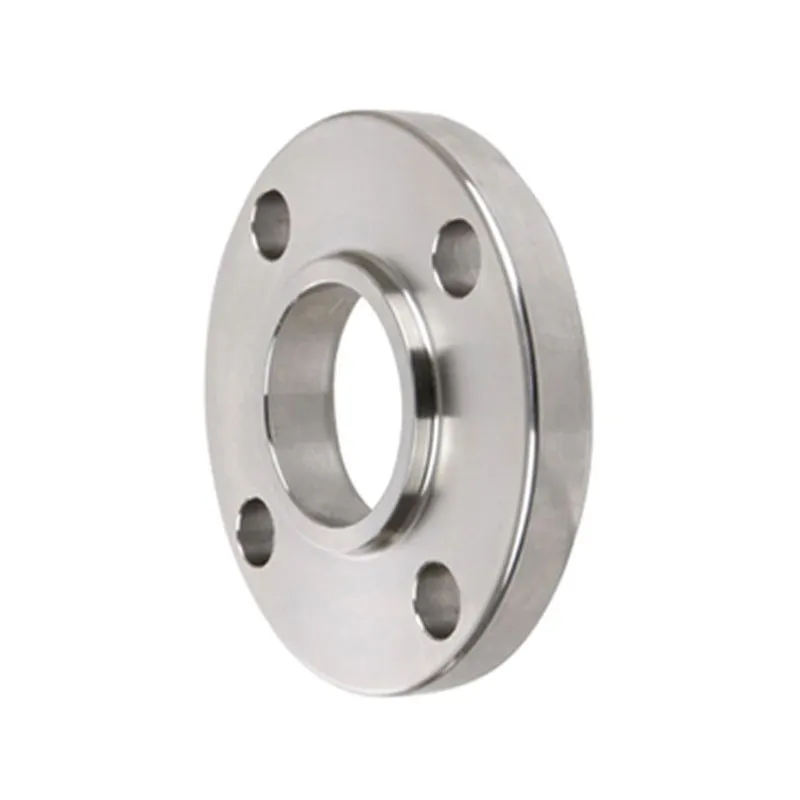
Best Sellingproducts
Best Selling Products-
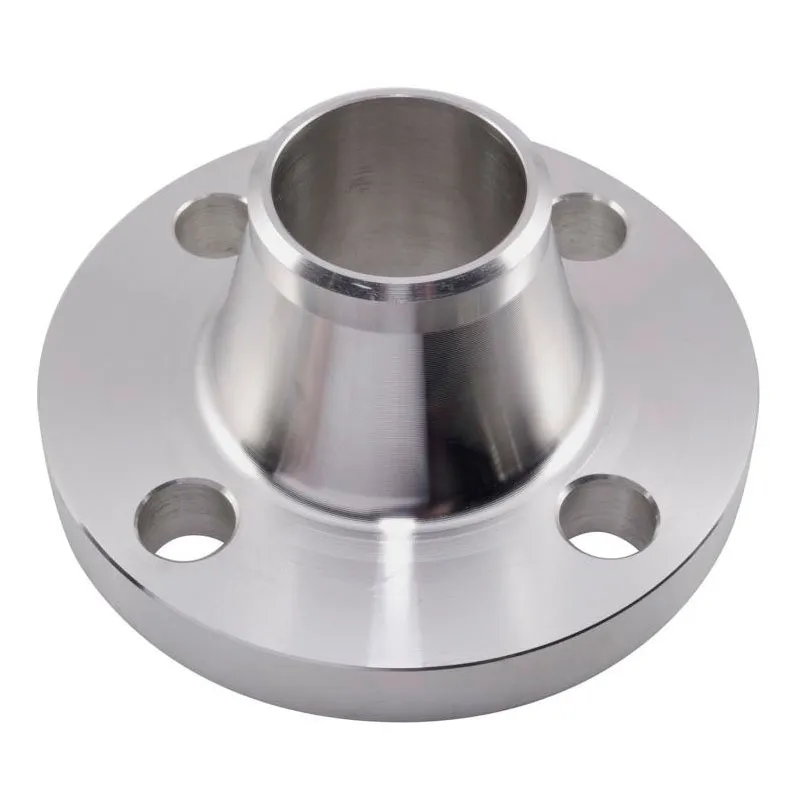 DIN Butt weld flanges PN10
 -
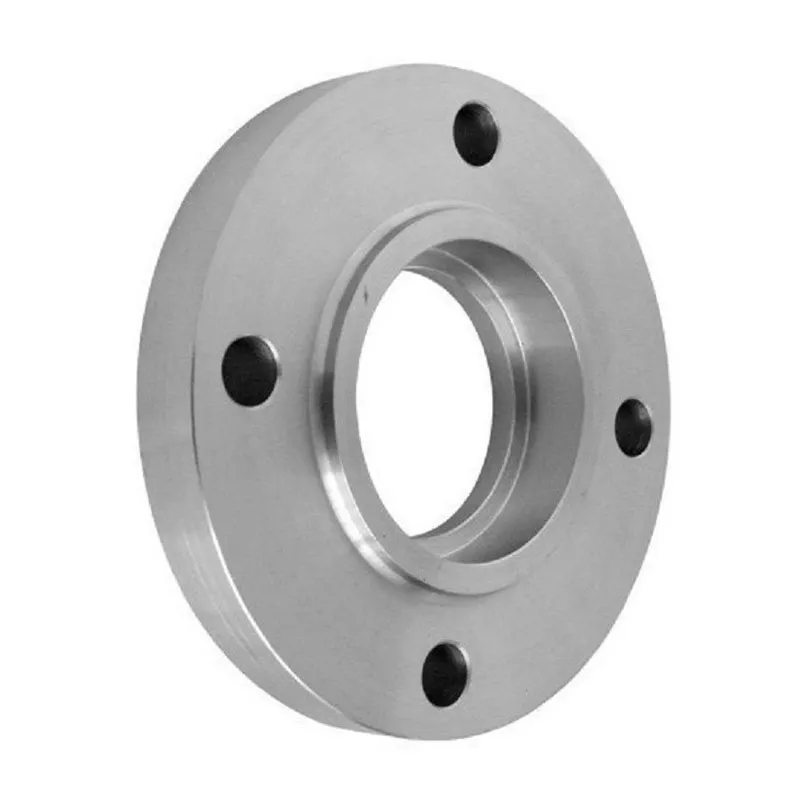 Socket Weld Flanges Class 300
 -
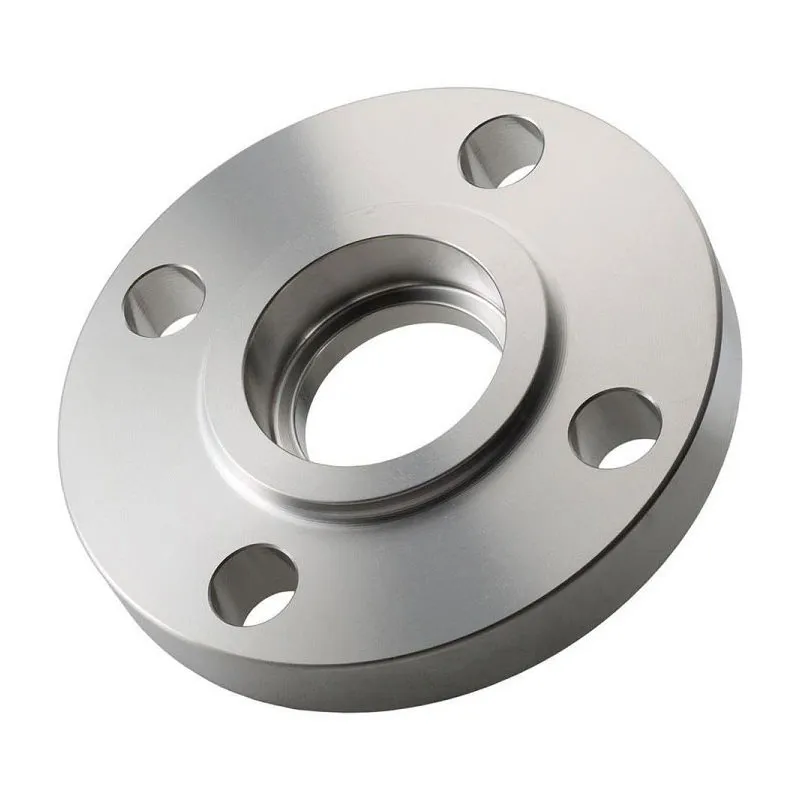 Flanges for socket welding
 -
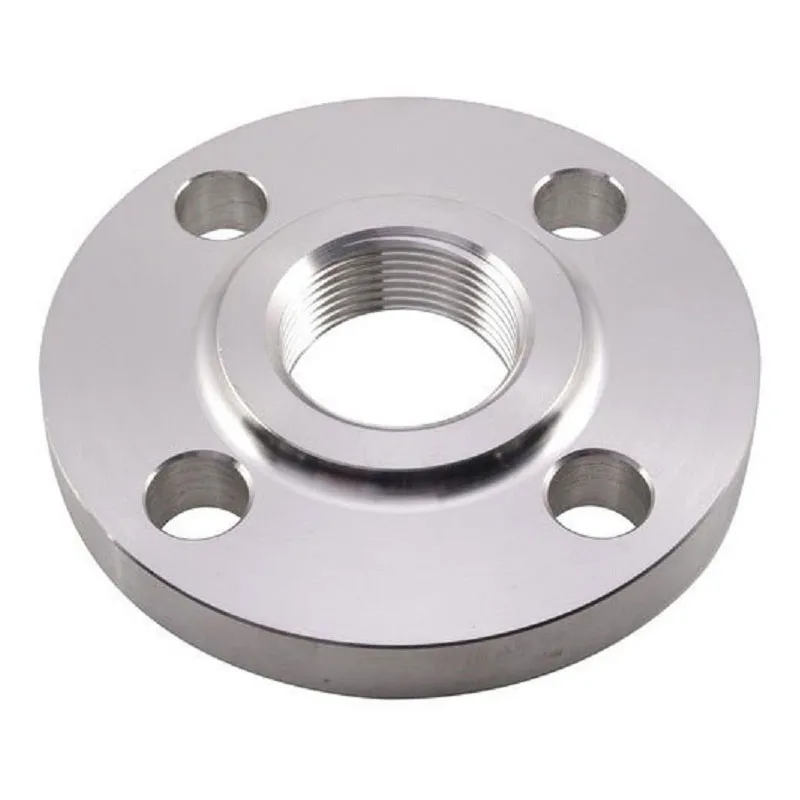 EN 1092-1 Threaded flanges Type 15, PN16
 -
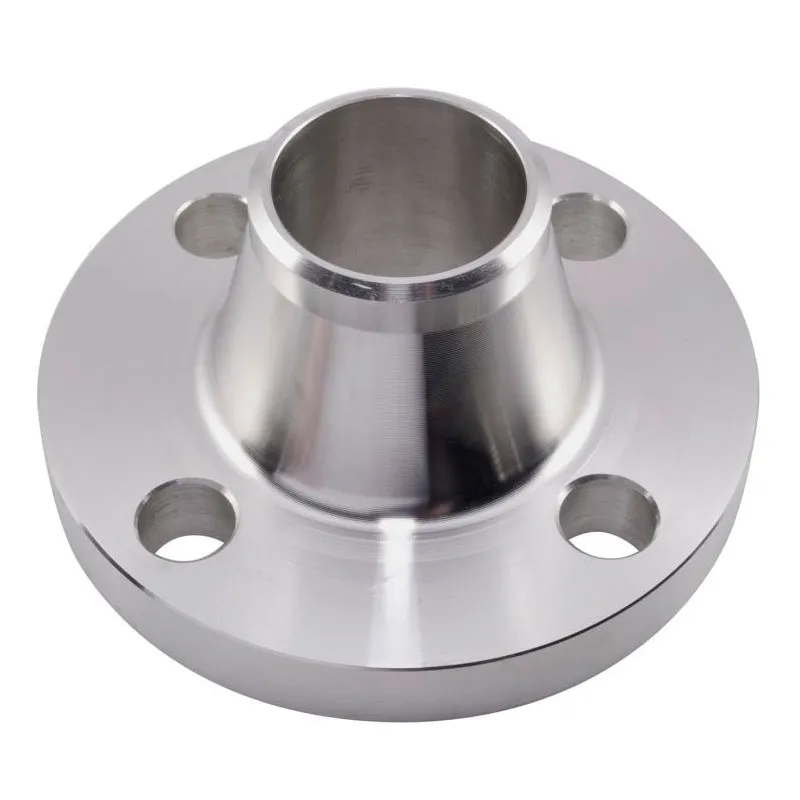 UNI 2281 Butt weld flanges PN10
 -
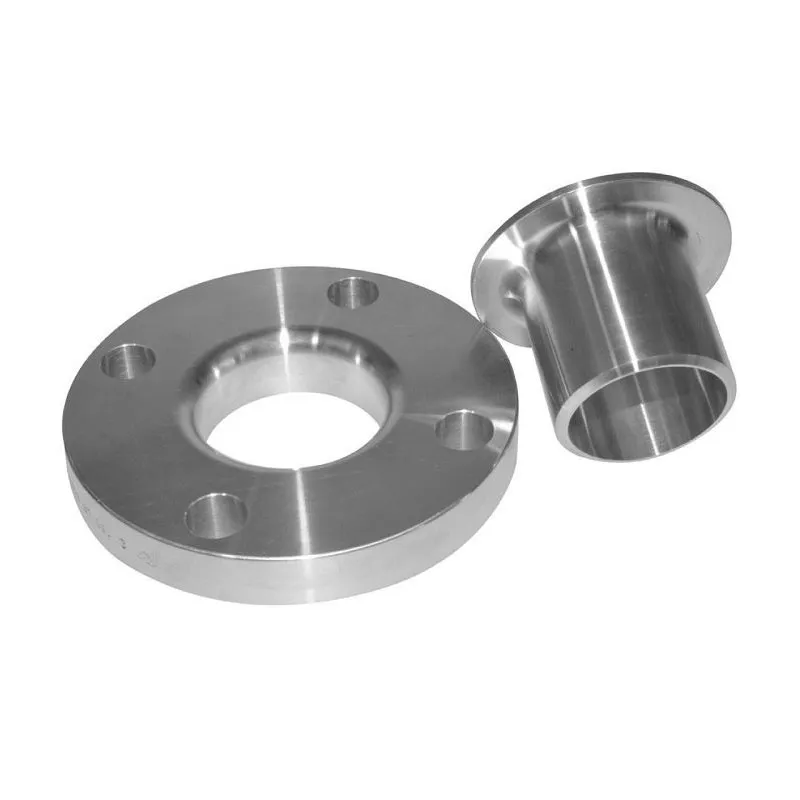 ANSI B16.5 Loose Ring Flanges Class 2500
 -
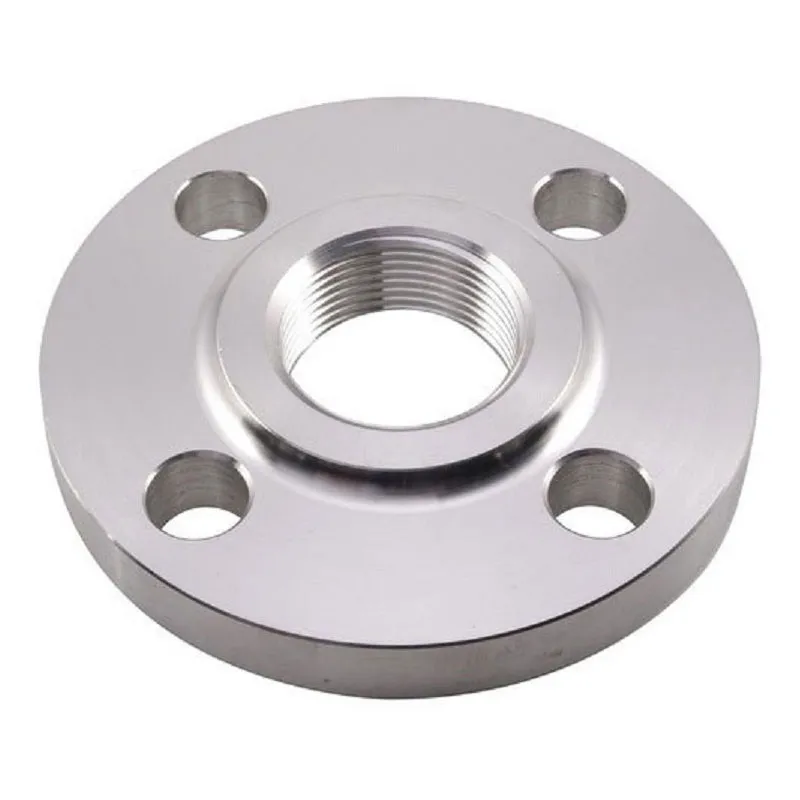 DIN 2565 Threaded flanges PN6
 -
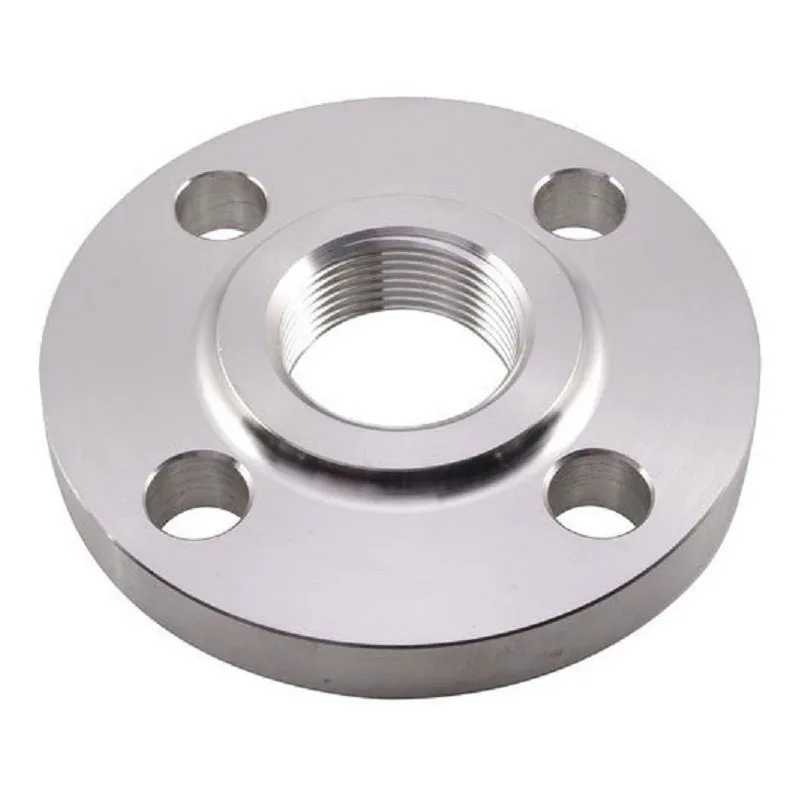 ANSI B16.5 Threaded Flanges Class 600
 -
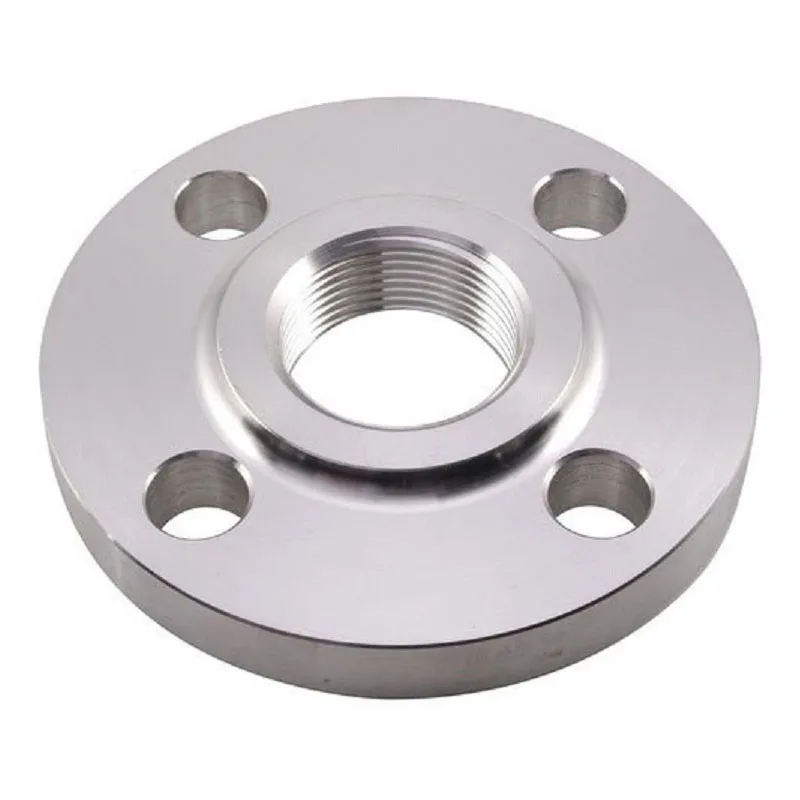 DIN 2566 Threaded flanges PN16
 -
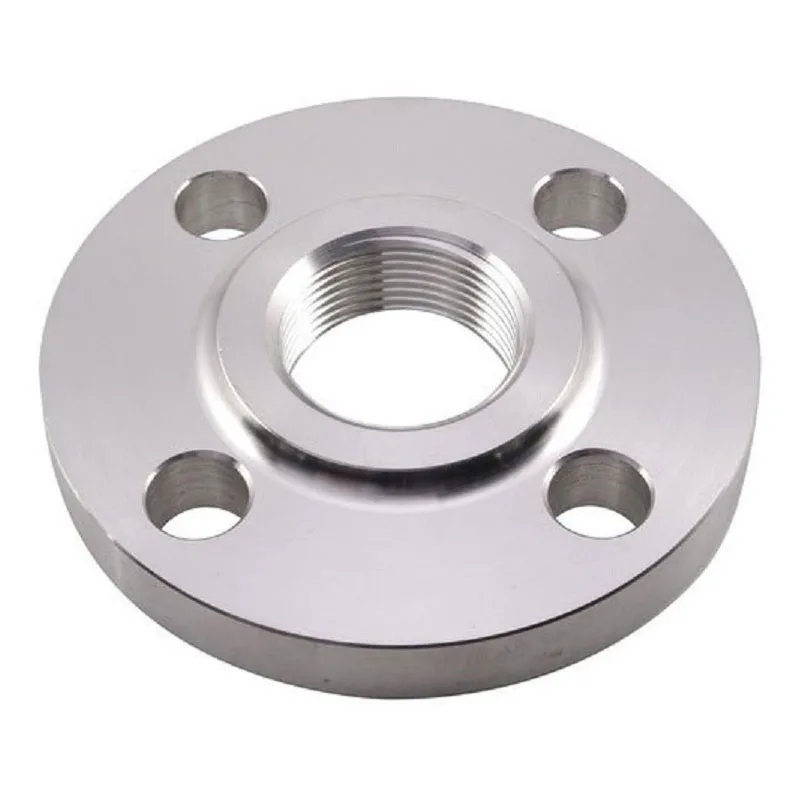 JIS 10K Threaded Flanges
 -
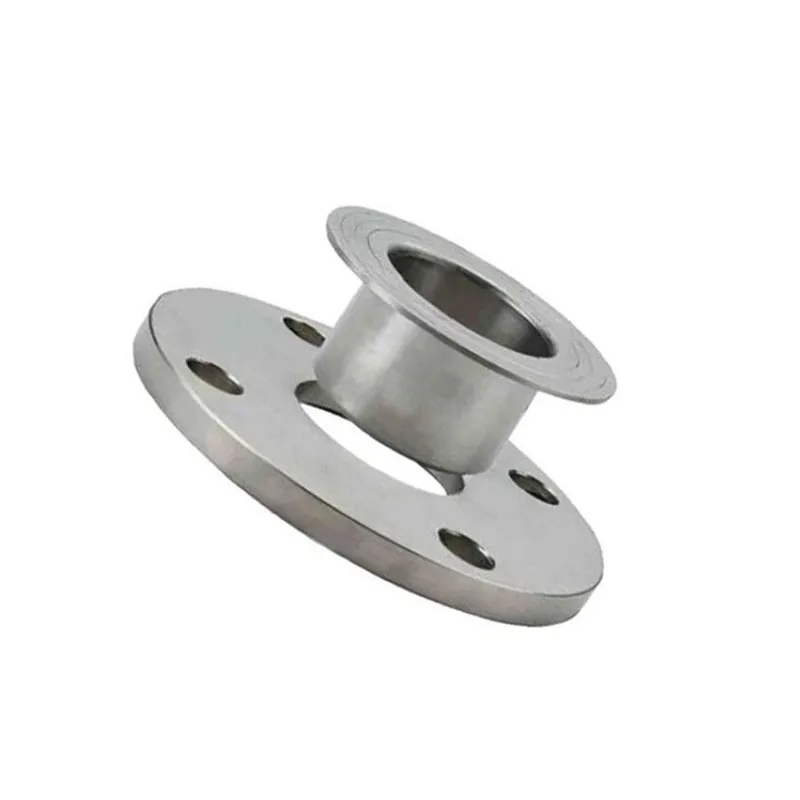 Free ring flanges Class 400
 -
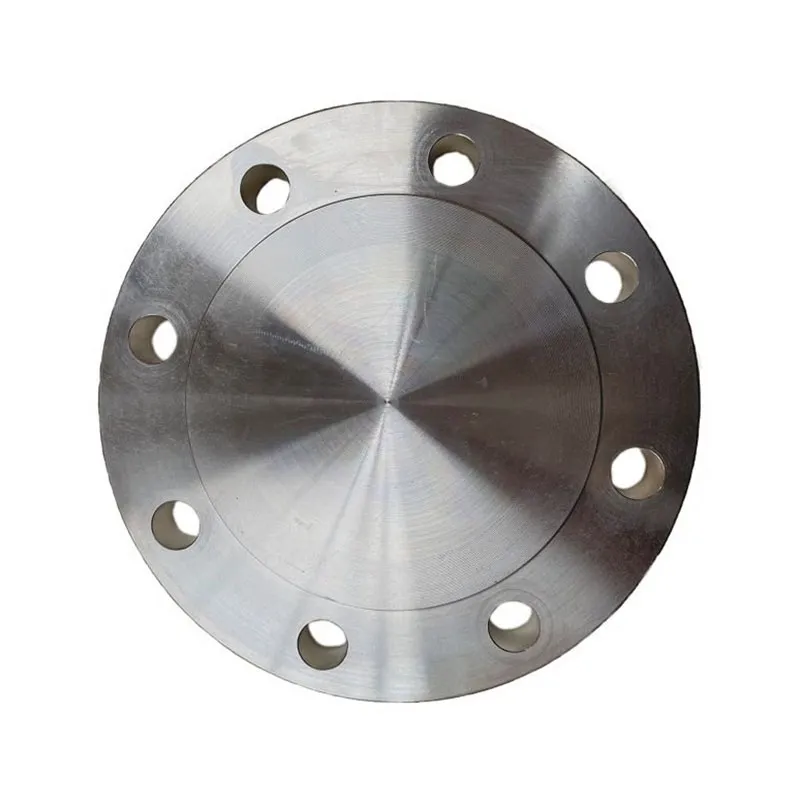
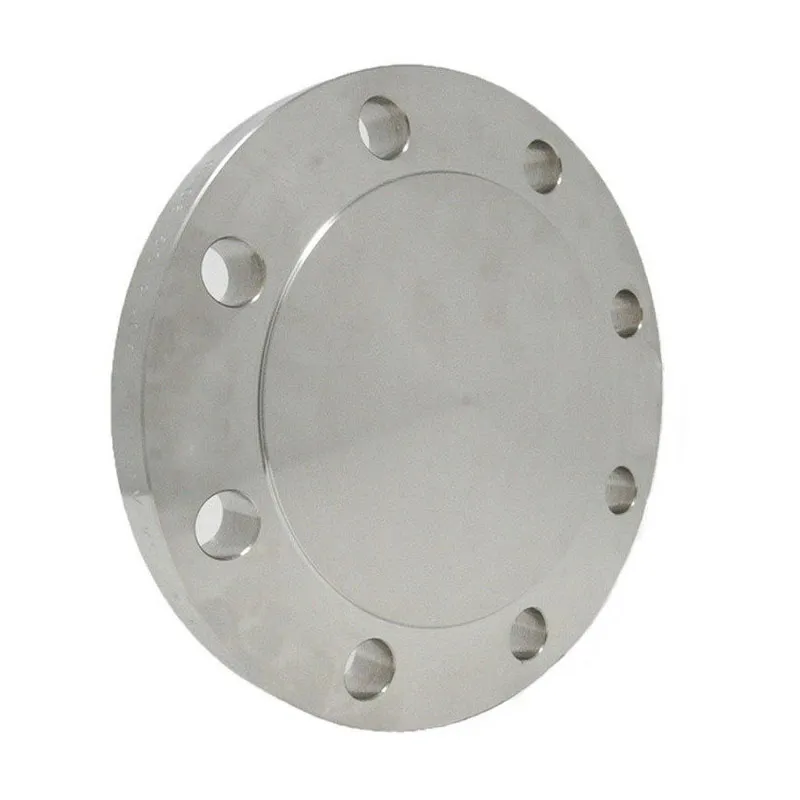 Blind flanges Class 150