
-
-
Phone
+86-13623462298



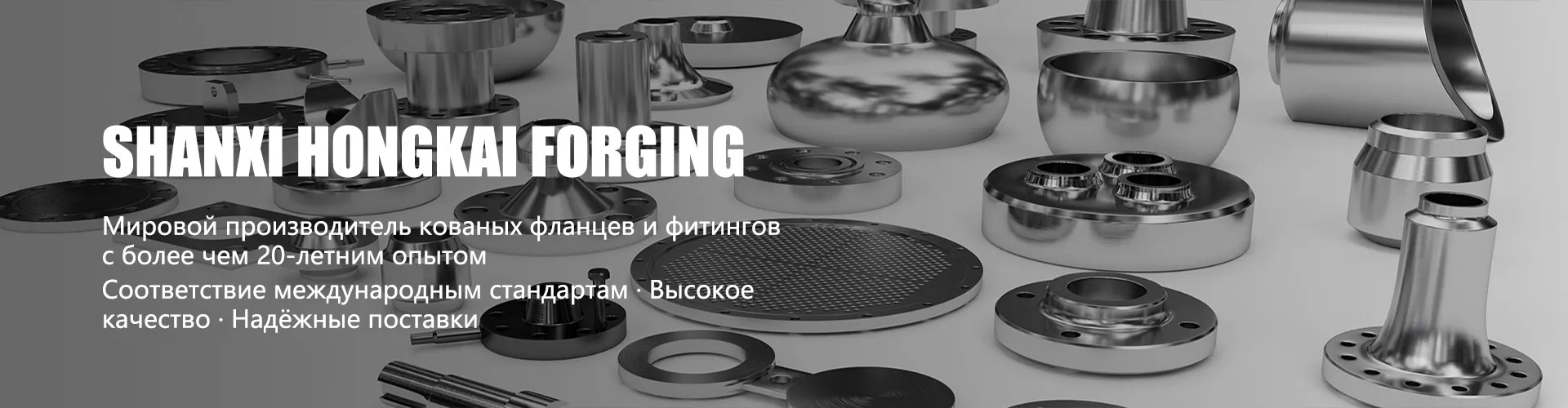
welded steel flange 250
When they say “welded steel flange 250”, many people immediately think of DN 250. And this is the main trap. Because ?250? - this is most often the pressure, PN25, and not the diameter. You should immediately look at the specification: do you need a flange for a nominal diameter of 250 mm under a pressure of, say, 25 atmospheres, or are we talking about a pressure class of 250 pounds according to ASME? In practice, these are two big differences, and confusion here is a direct path to inconsistency on site. It happened in our warehouse that they brought a “250 flange” on a delivery note, but in fact it was a flat flange for DN250 PN6. For a highway where a minimum of PN16 is required, this is a waste. We had to urgently look for a replacement, and deadlines were running out. Therefore, the first question is always: ?250 - what is it? Diameter, pressure or class??
Where the difficulty lies with PN25/RU25
With flanges for a pressure of 25 atmospheres there is a nuance that is not always obvious from GOST drawings (old 12821-80). We are talking about the thickness of the plate and the height of the cone of the joint flange. Forwelded steel flangeat DN200 and above under PN25 there is already a serious difference in weight and dimensions compared to PN16. If we take, for example, DN300, the difference in weight can be one and a half times. And when the designer puts “flange 300-25” in the specification, and the purchaser, trying to save money, looks for a cheaper analogue, they often find it on PN16. It is almost impossible to visually distinguish on a pallet until you start measuring the thickness with a caliper or look at the markings. And sometimes they forget to apply the markings.
One case was at a thermal power plant: they installed flanges, which according to the documents were PN25, and during installation, when they began to tighten the studs, the plate behaved strangely - a microcrack appeared in the transition zone from the sleeve to the plate. We figured it out later. It turned out that the batch was from a small supplier who did not maintain the heat treatment conditions after forging. The metal was more fragile. That's why I now look not only at certificates, but also at the reputation of the manufacturer. For example, if we take fromShanxi Hongkai Forging Co.,Ltd, their passport always clearly indicates the normalization modes for each heat. This is important for responsible nodes.
And also regarding the material: for PN25 steel 20 or 09G2S is often used. But for aggressive environments or low temperatures, 12Х18Н10Т or something similar is already required. And here ?250? The request doesn't say anything at all. It is necessary to decipher: environment, temperature, standard. It happens that a request comes in for “steel welded flange 250 pcs.”, and in the note in small print it says “for ammonia?”. And that’s it, a completely different conversation and a different steel.
Experience with non-standard sizes and conversion
Often ?250? appears in orders as a non-standard size - for example, a nominal bore of 250 mm, but with a plate thickness greater than according to GOST, or with a non-standard arrangement of holes for studs. This happens when modernizing old pipelines where imported equipment is installed. We once made a batch of flanges for replacement at a chemical plant: we neededwelded steel flangeto DN250, but with a hole circle diameter (PCD) according to the ASME B16.5 Class 150 standard. By Russian standards, this is a complete inconsistency.
I had to delve deeply into the customer’s drawings and make custom equipment. The main thing here is not to make a mistake in calculating strength, because mixing standards is a risky business. Designers fromShanxi Hongkai Forging Co.,Ltdthen they helped a lot, they have experience in working with ASME, DIN, and GOST. They immediately asked about the operating conditions and suggested an option made of 16GS steel with a reinforced design cross-section. It is important that they did not just take the drawing and make it, but sent their comments on the weld - they recommended a certain type of edge preparation for butt welding in order to reduce stress in the transition zone.
This experience showed that the key in working with such “hybrid” details is a dialogue between the manufacturer and the on-site engineer. You can’t just send the terms of reference and wait. Every millimeter needs to be discussed, especially the radius of curvature of the sleeve. Otherwise, cracks may occur during welding.
Quality control and labeling issues
Returning to the topic of pressure 25 atm. The quality of a flange is determined not only by chemistry and fur. properties, but also geometry. The tolerance for non-perpendicularity of the end of the bushing to the axis is a critical thing. If it is exceeded, the flange will be welded crookedly, there will be a skew, and the gasket will not provide a tight seal. We once received a batch where several out of fifty pieces had this distortion on the verge of tolerance. We grabbed it in place - it is clear that the gasket ring does not fit evenly. I had to reject it.
That is why lately we have been working more with proven factories, where there is a full cycle from forging to CNC machining. Like the sameShanxi Hongkai Forging Co.,Ltd— they are positioned as a manufacturer of forged flanges, and not just a trading company. This is important because forging produces better metal structure than casting or flame cutting from sheet metal. For flanges PN25 and higher, this is important. On their websitehkflange.ruit can be seen that the range covers both standard products according to GOST, ASME, DIN, and non-standard products according to drawings. For me, as a technologist, having the opportunity to produce a forging according to an individual drawing is a big plus.
Marking is a separate pain. According to GOST, the following must be clearly marked: nominal diameter, pressure, steel grade, trademark. In practice, they often mark the mark so that half of the characters are unreadable. Or they apply paint that wears off during transportation. When receiving goods, I now always check the markings first. There is no marking - I send it for revision. Because later, during installation, the Rostechnadzor inspector will definitely require it.
Economics of the issue: when not to save
Price forwelded steel flange250 (I mean DN250 PN25) can fluctuate greatly. The cheapest option is, as a rule, the products of small workshops that work with metal residues and do not always carry out full control. It seems like I saved 15-20%. But if this flange is on a steam pipeline, then the cost of its failure (production stoppage, repairs, possible fines) is hundreds of times greater than the savings.
Therefore, for critical objects, we formulate applications with strict requirements for certificates: not only a certificate of conformity, but also a certificate for the material from the metallurgical plant, protocols for ultrasonic testing of forgings, protocols for mechanical tests. Not all suppliers can provide this. Those that can are usually serious players in the market, such as the mentioned manufacturer of forged flanges and forgings from China. Their advantage is their own forging and pressing production and work according to international standards.
Another point is the availability of a full size range. If you need a DN250 PN25 flange with a connecting size for DN200 (rare, but it happens in transition units), then not every warehouse will stock it. You have to order production. And here production times and logistics come to the fore. It’s better to pay a little more, but get it right on time, than to disrupt commissioning because of one detail.
Instead of a conclusion: a practical algorithm for ordering
So, if in the task I see “welded steel flange 250?”, my actions are now as follows. First, let me clarify: 250 is Du, PN, PSI or something else? Secondly, I request complete operating conditions: environment, temperature, standard (GOST, ASME). Third, I decide on the material based on point two. Fourth, I check the availability of a standard product from reliable suppliers with a full package of documents. If not, I request production, definitely from those. consultation on the drawing.
Over the years of work, I came to the conclusion that it is safer to work with manufacturers rather than resellers. Because in the event of a quality complaint, there is someone to deal with directly, you can request photo reports on the stages of control, you can even come to the factory acceptance if the batch is large. Sites likehttps://www.hkflange.ruThey are useful precisely because behind them you can see real production - a forge shop, a machine park, a laboratory. This is not just a showcase with pictures.
And one last thing. The most important tool is the experience gained from mistakes. That same flange with a microcrack taught me to always check the heat treatment. And the incident with the PCD mismatch forced us to create a checklist for ordering non-standard products. So what's ?250? - this is not just a number, but a whole set of technical and organizational issues that need to be resolved in order for the pipeline to operate for a long time and safely.
Correspondingproducts
Related Products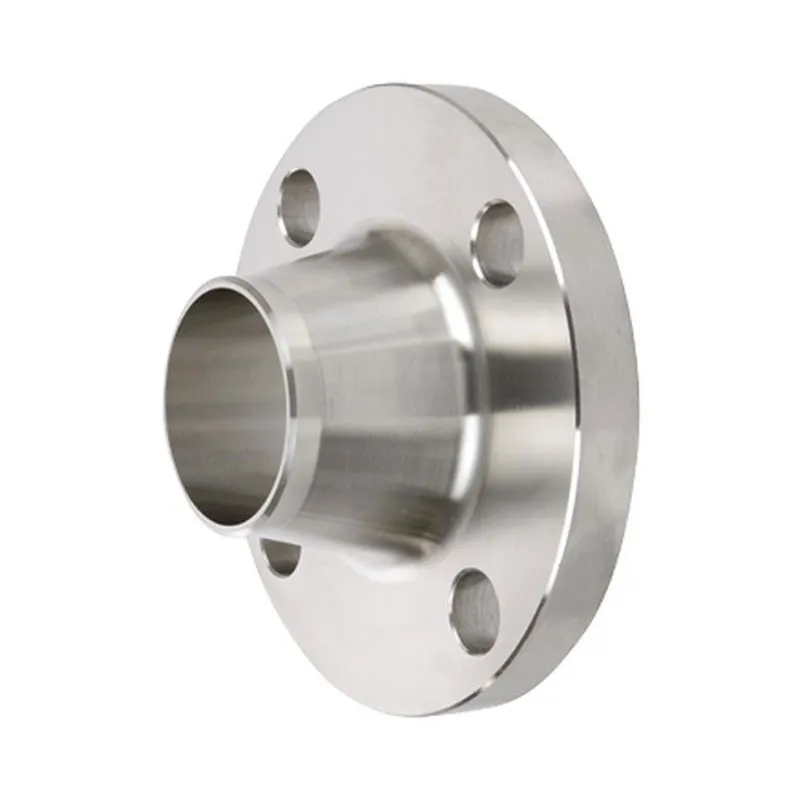
Best Sellingproducts
Best Selling Products-
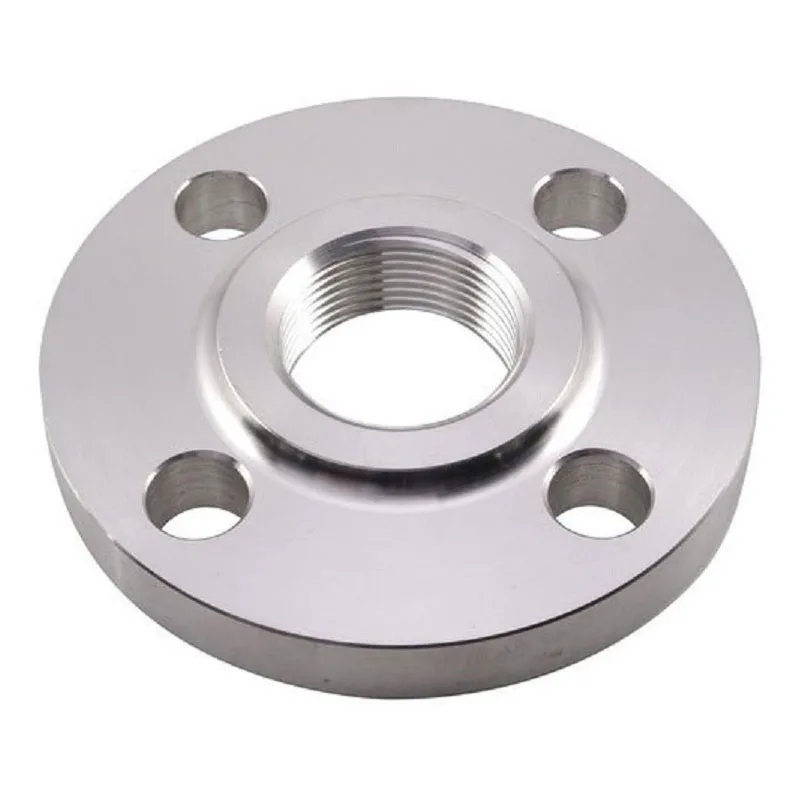 JIS 10K Threaded Flanges
 -
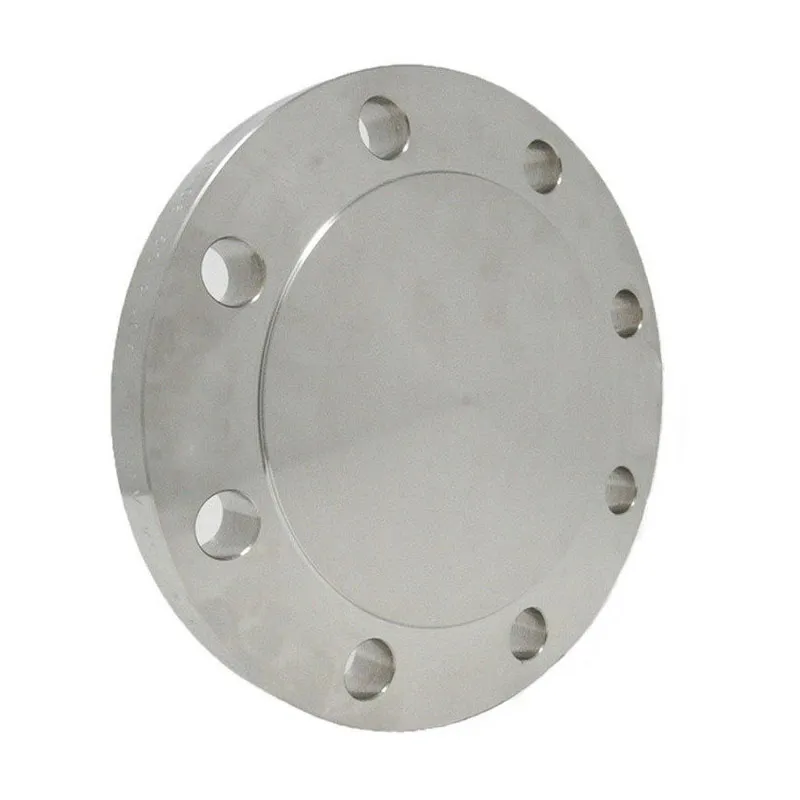
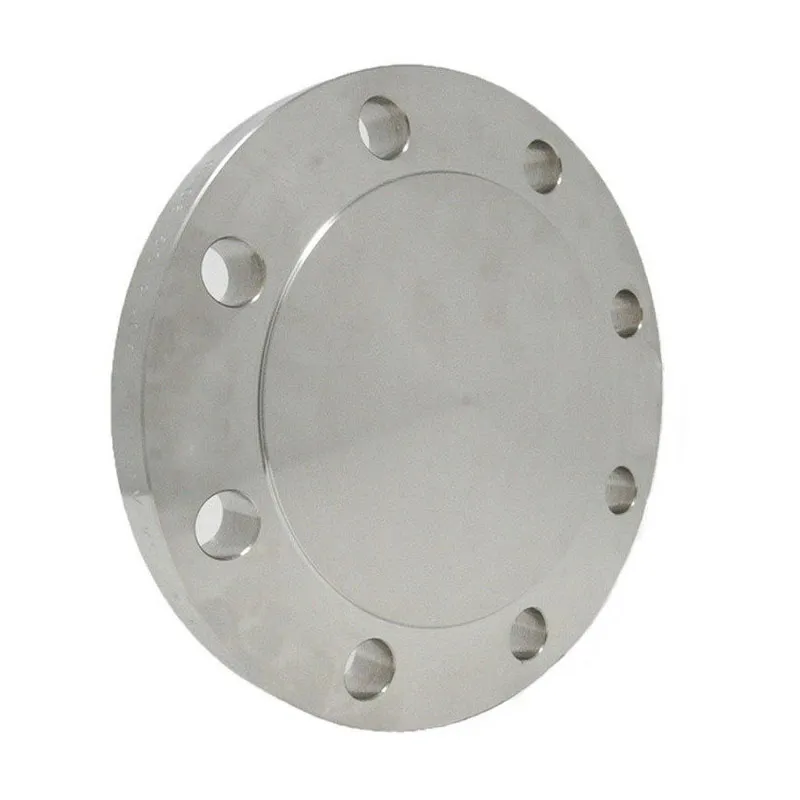 Blind flanges Class 150
 -
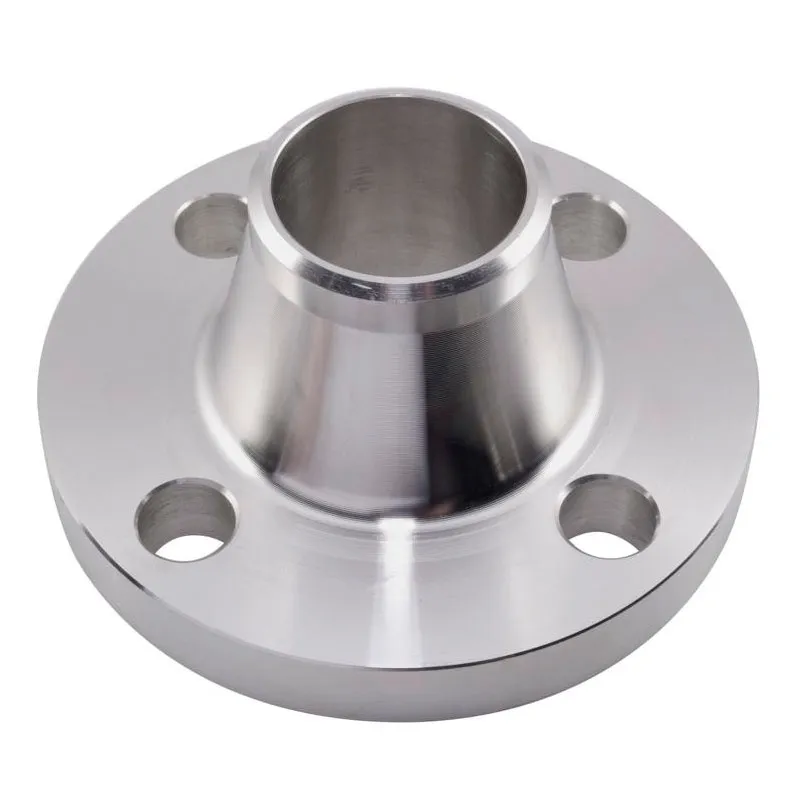 Butt weld flanges Class 900
 -
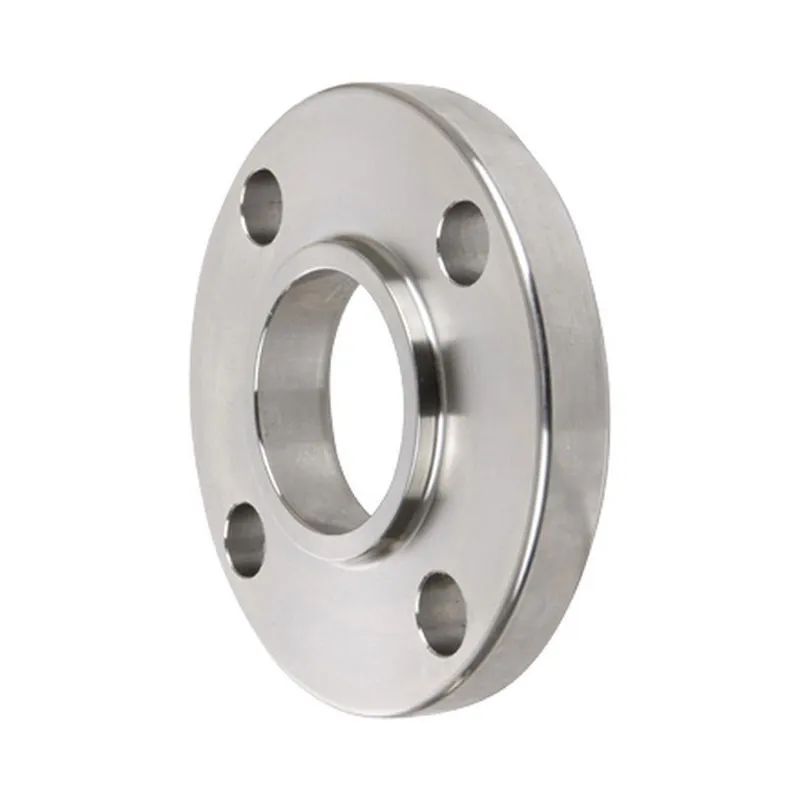
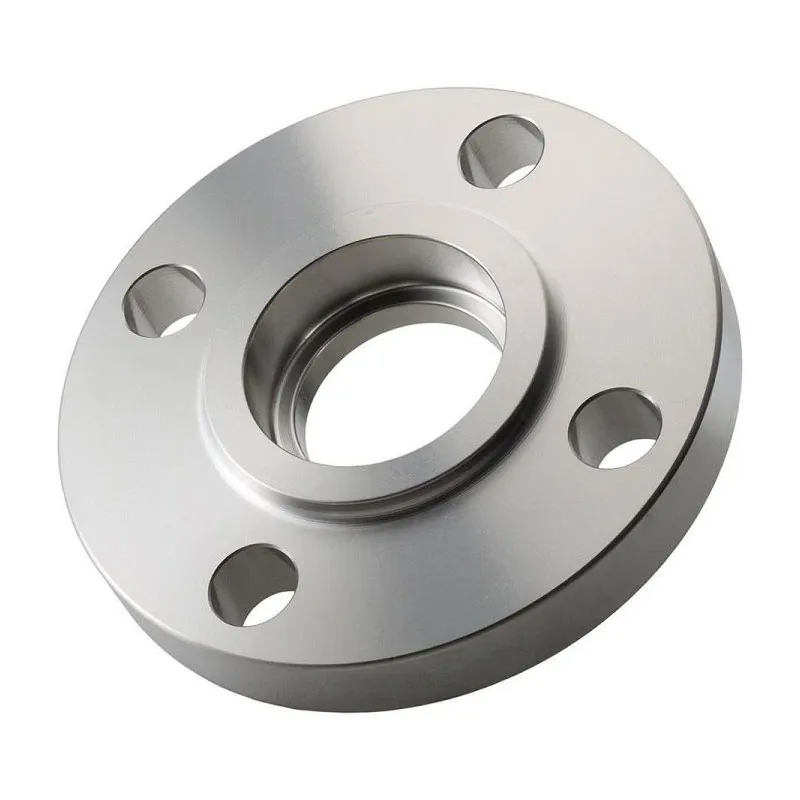 ANSI B16.5 Socket Weld Flanges Class 150
 -
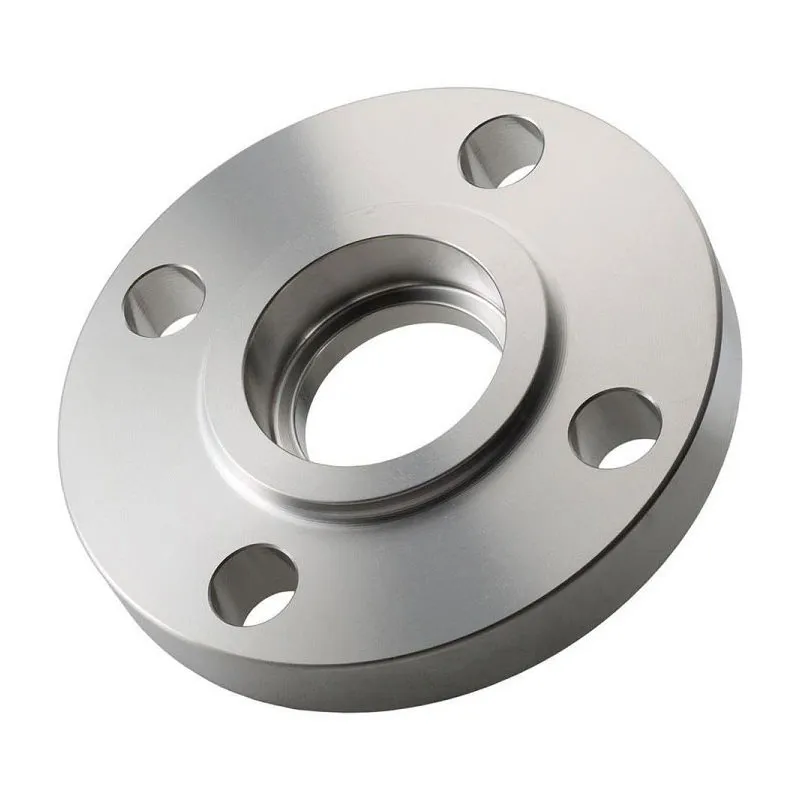 Flanges for socket welding
 -
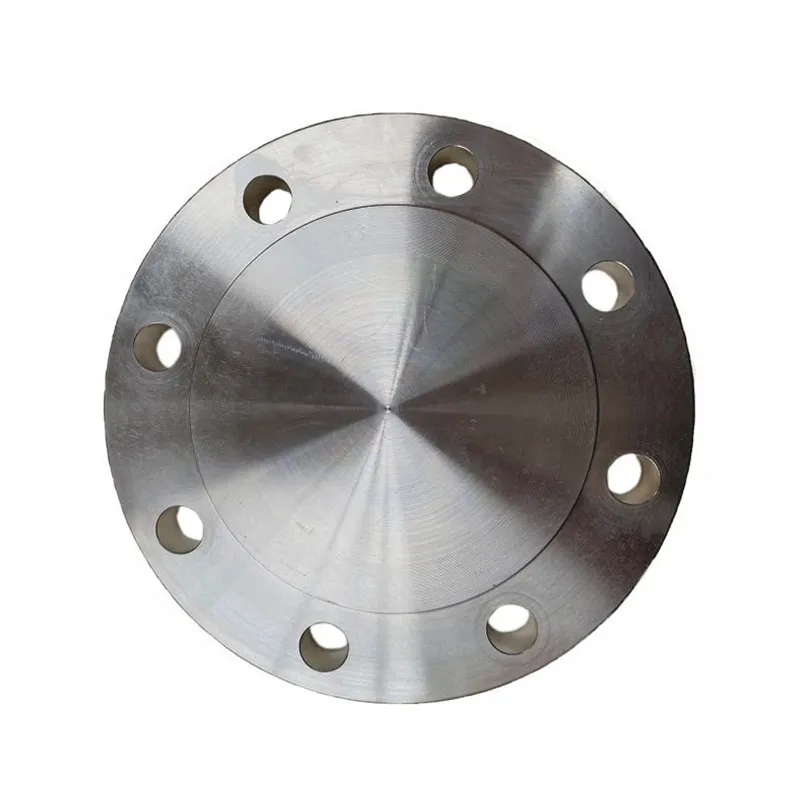 DIN 2527 Blind flanges PN10
 -
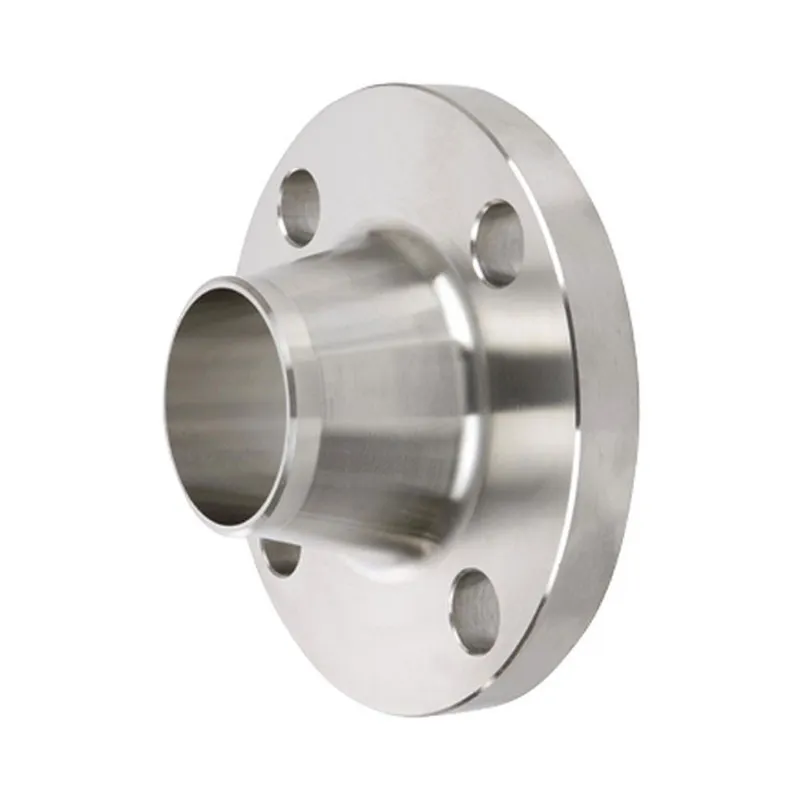 EN 1092-1 Butt weld flanges Type 11, PN25
 -
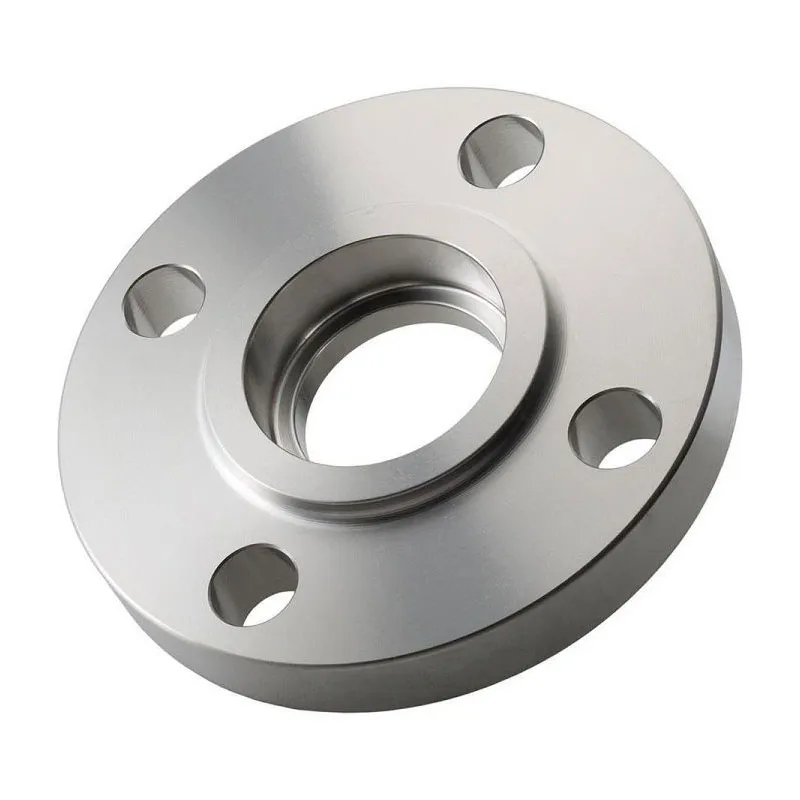 ANSI B16.5 Socket Weld Flanges Class 1500
 -
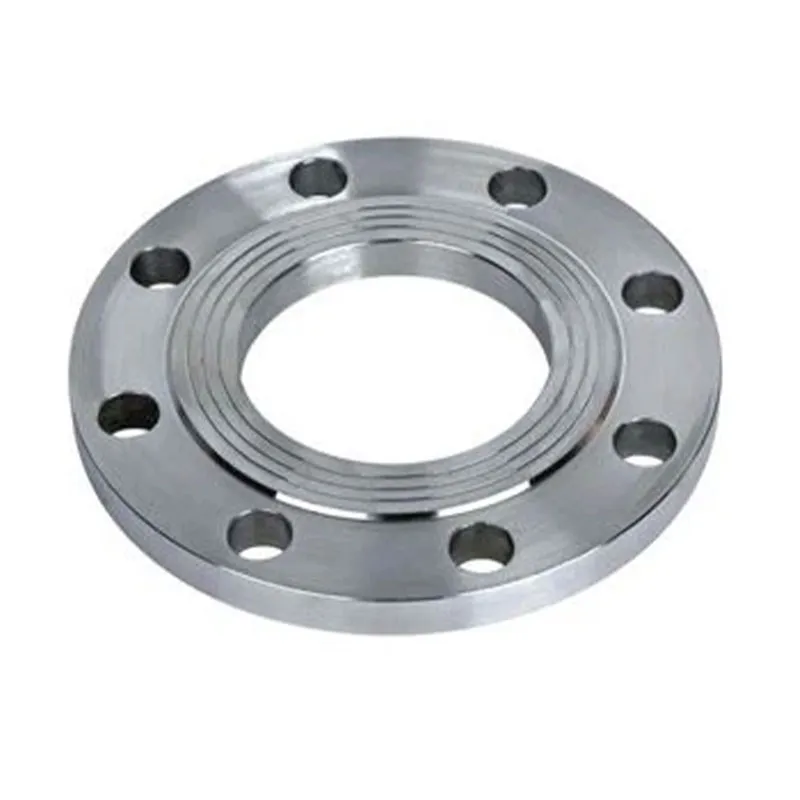 Butt weld flanges Class 150
 -
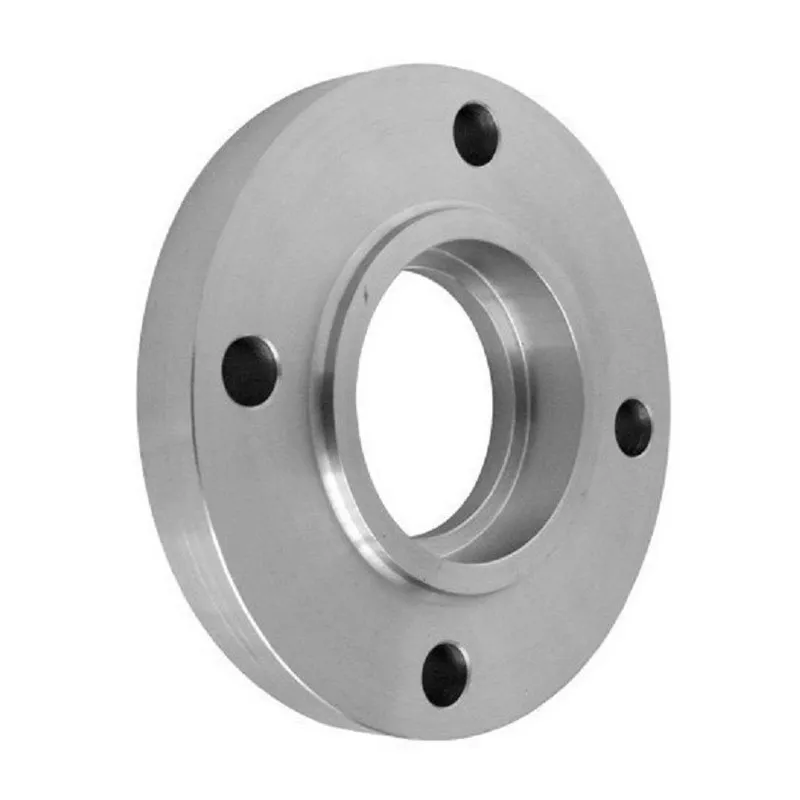 JIS 5K Socket Weld Flanges
 -
 Free ring flanges Class 150
 -
 UNI 2281 Butt weld flanges PN10