
-
-
Phone
+86-13623462298



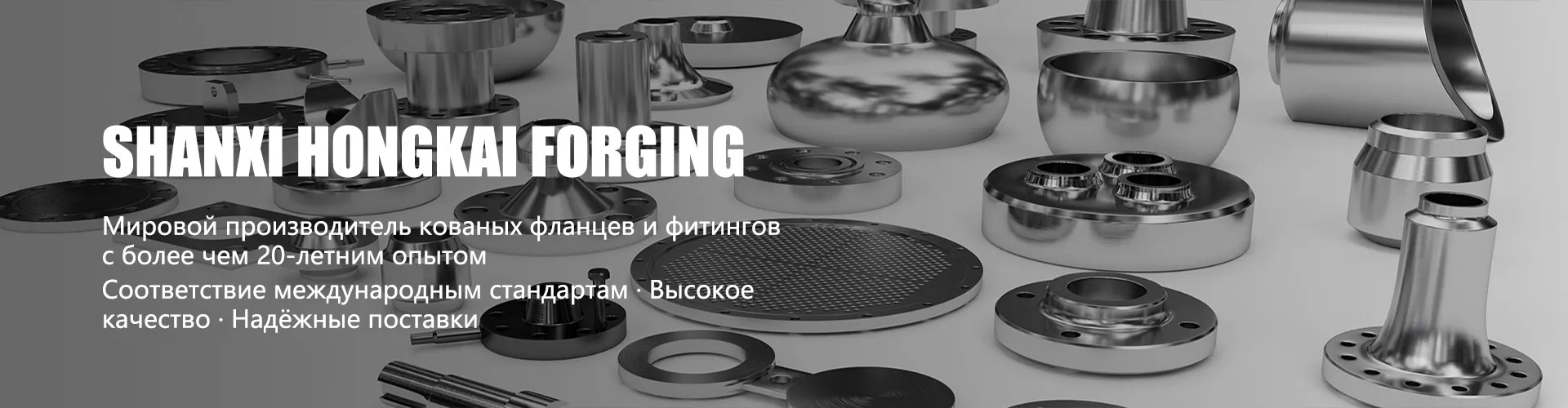
steel flanges DN 65
When they talk aboutsteel flanges DN 65, many immediately imagine some simple, almost consumable part. Well, a ring with holes, what's so complicated about that? In practice, it is precisely on these seemingly ordinary dimensions that you stumble most often. DU 65 is the same “average” that is needed everywhere: in district heating networks, in medium-sized technological lines, and in general industrial pipelines. And precisely because of its prevalence, there is a temptation to buy something cheaper, “as long as it fits the drawing?” This is where the fun begins, or rather, the problems that welders and installers then have to sort out.
Why DU 65 is not just a number in a catalog
I'll start with something trivial but important. The nominal diameter of 65 mm is, in fact, the border. Often this is a transition from lines that can be assembled “at a glance”, to those that already require a more thoughtful approach to the selection of components. The pressure can be different: 10, 16, and 25 kgf/cm2. And if for PN10 you can somehow look towards more budget options, then for PN16, and even more so for critical areas, saving on material or manufacturing accuracy comes out sideways.
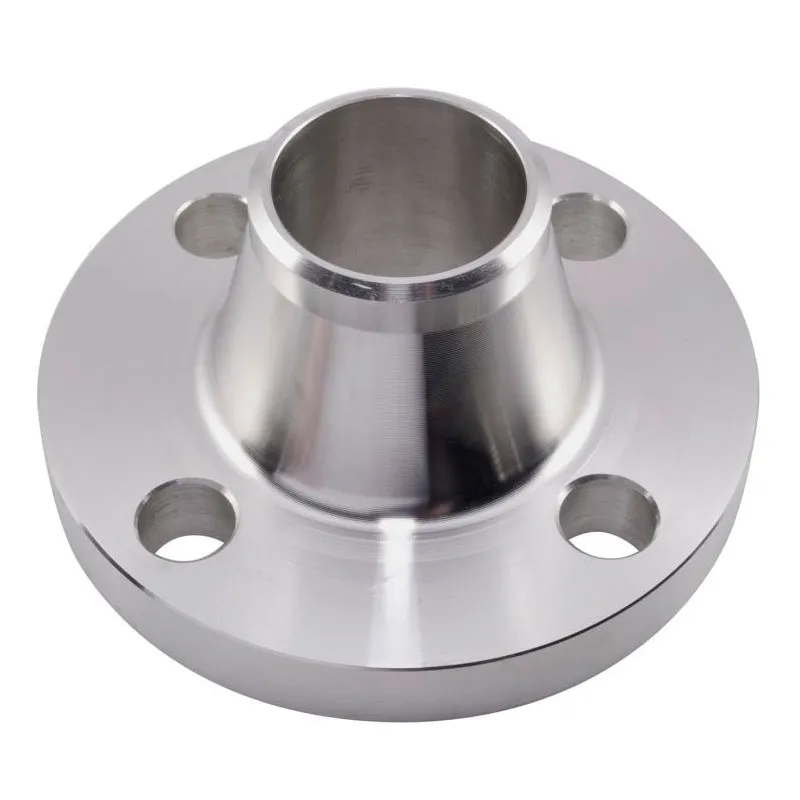
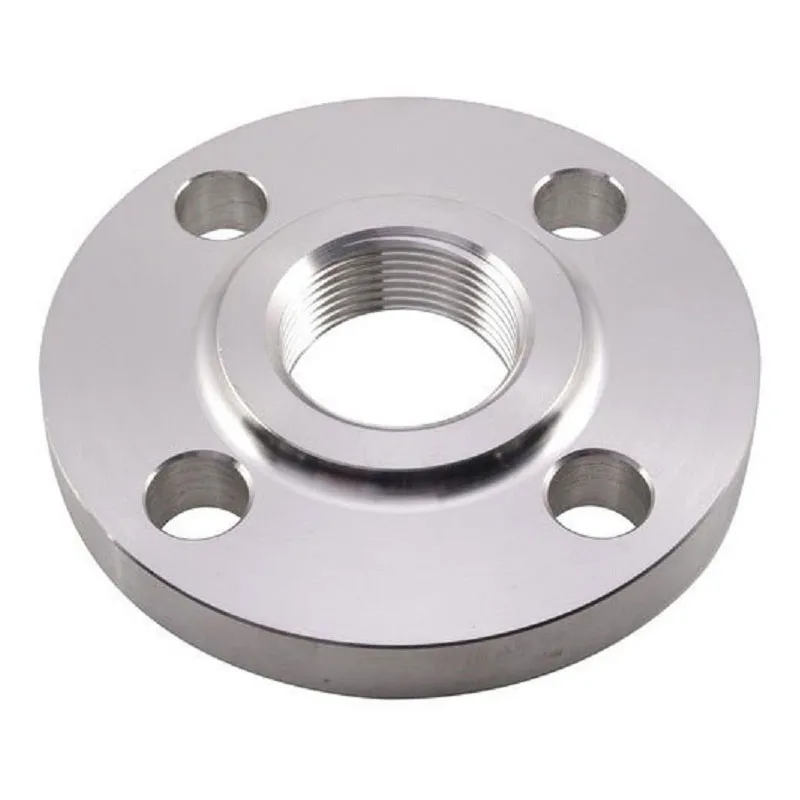
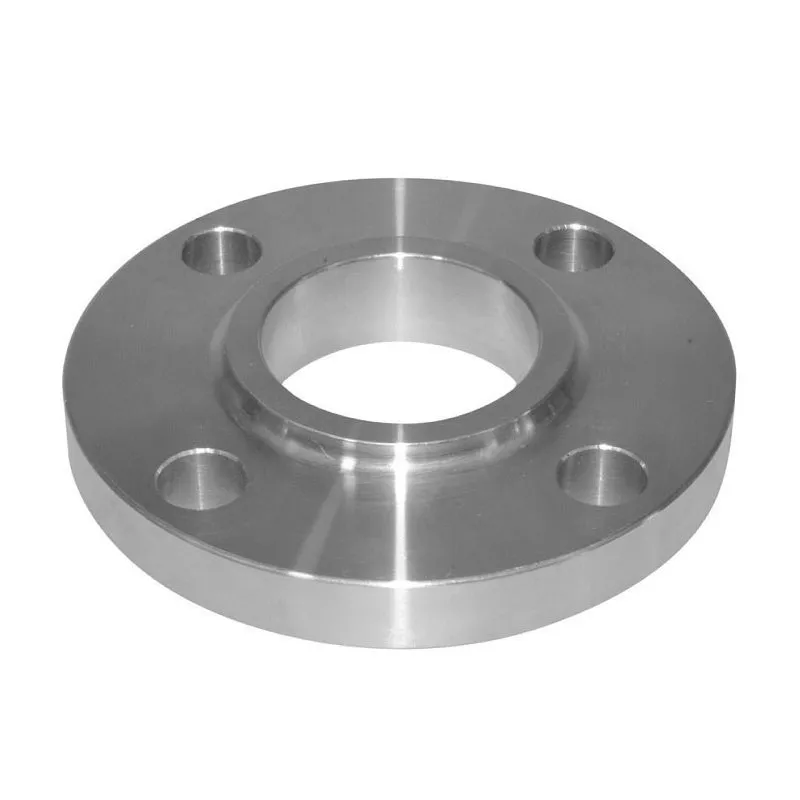
Here it is not just the size that is important, but a complete “passport” flange: type (egsteel butt weld flange65 GOST or flat GOST 12820-80), steel grade, type of sealing surface. Confusion about this is common. They will bring, for example, flanges made of St20 instead of 09G2S for low temperatures, or with a “tongue-and-groove” surface for a gasket, when the project includes “protrusion-valley”. The installation will stop until they figure it out.
Personal experience: they once delivered a batch to a facilityflanges DN 65allegedly under PN16. When accepted visually it is normal. And when hydraulic tests began, a leak developed at one of the joints. It turned out that the thickness of the disk and the diameter of the hub of several pieces from the batch were a millimeter and a half less than stated. This is not a defect that catches the eye, but under pressure the gasket did not close this gap. I had to sort the entire batch. It's partly our fault - we didn't check it randomly with a caliper right away. This is now the rule for important orders.
Material: from ?ferrous metal? to a specific brand
?Steel? - that's too broad. For DU 65, carbon steels (St3sp, 20), low-alloy steels (09G2S), and even stainless steel (12Х18Н10Т) for aggressive environments are used. A common mistake is to use regular St3 for pipelines with temperature changes or vibration. It “holds impact” worse, and cracks in the welding zone are possible.
I have more confidence in manufacturers who initially work with forging rather than cutting from sheet metal. The mechanical properties of a forged workpiece are more uniform. For example, if we take fromShanxi Hongkai Forging Co.,Ltd(their website ishkflange.ru), then their specifications always clearly indicate: forging. This is not for the sake of beauty of words. For the sameflange 65 DNbutt-welded, this means that the transition zone from the hub to the disk (the most loaded place) will be free of internal defects. By the way, in their description they directly indicate work in accordance with GOST, ASME, EN and other standards - this is not just a list for credibility. If a manufacturer is ready to produce according to different standards, it means that he understands that different markets and projects require different tolerances and controls.
Their range, by the way, ranges from DN15 to DN4000, and their DN 65 is a serial item. But it is precisely in serial production that the catch lies with unverified suppliers: they begin to skimp on control, introducing products with deviations into the batch. At a reliable plant, each batch, even of such a running size, must undergo selective control by geometry and ultrasonic testing, or at least a hardness tester.
Standard and reality on the installation site
We all like to say “according to GOST”. But GOST for flanges is one thing, but real pipes that arrive at the site are a little different. The outer diameter of the pipe DN 65 may have a permissible deviation. And if the flange is made at the lower tolerance limit, and the pipe at the upper limit, gaps may arise when adjusting for butt welding. A good welder, of course, can do it, but this is extra work and risk.
Therefore, for me, an important criterion when choosing a supplier was not only the price, but also the willingness to provide reports on incoming metal inspection and output inspection of products. When you see that the company is the sameShanxi Hongkai Forging Co.,Ltd, positions itself as a manufacturer of forged flanges and forgings in one of the industrial centers of China, this indicates specialization. They are not “everything in a row”, they are specifically about flanges and forgings. This means that they will most likely have the correct equipment and technology specifically for this product range, includingsteel flanges DN 65all types: flat, free, and deaf.
From their standard range for DN 65, they most often take butt-welded ones (also called collar ones) - for high pressures, and flat ones - for low pressures. But I had a case when I needed a non-standardflange DN 65with an additional connecting hole for the impulse line. They sent the drawing and they did it. Here is their mention of “non-standard products according to customer drawings?” worked not as an advertising slogan, but as a real option. It is important that they asked about the standard by which to make the main part of the flange in order to maintain interchangeability.
Packaging, labeling and other “little things” that decide
It would seem, what’s wrong? The flanges were delivered in a container. But if they are simply piled up, nicks appear on the sharp edges, which then prevent the seal from fitting tightly. This is especially critical for tongue-and-groove sealing surfaces. or “protrusion-recess?”. A good sign is when each flange or stack of flanges is wrapped in anti-corrosion paper and placed in a wooden box with separators. This indirectly speaks about the attitude towards the product.
Labeling is a different story. Each flange must be stamped (not with paint!) steel grade, nominal pressure, DN size and manufacturer's trademark or stamp. This is not a whim, but a requirement of technical regulations. I have seen batches where the markings were unclear or only on one product out of ten. There is zero trust in such products. Acceptance has to be carried out almost piece by piece.
In this regard, working with a direct manufacturer rather than a reseller is often more advantageous. At the samehkflange.ruThe description shows that they focus on meeting standards. And the standards regulate both labeling and packaging. This is a systems approach.
Final considerations: do not chase cheapness, but consider reliability
So, going back tosteel flanges DN 65. The conclusion is simple: this is not a position on which you should thoughtlessly save. The difference in price between a conditionally high-quality product and a truly high-quality product is pennies compared to the cost of downtime for the installation crew, alterations or, God forbid, an emergency stop of the line.
For myself, I have identified several points that I always look at now: 1) Origin - preference for specialized forging manufacturing plants, like the one mentionedShanxi Hongkai Forging Co.,Ltd. 2) Strict compliance with the declared standard (GOST, ASME - it doesn’t matter, the main thing is that it is specified and observed). 3) Availability of full markings on the product. 4) Possibility to obtain control data. If everything is in order on these points, thenflange 65will be not just a piece of hardware, but a working, reliable element of the assembly.
In general, experience has taught that even for such a simple thing you need to choose not by the most attractive picture in the catalog, but by a combination of factors, where the reputation of the manufacturer and its technological base mean a lot. And DN 65 is an excellent indicator here: if the manufacturer does it well and responsibly, then most likely there will be no problems with larger or more complex sizes.
Correspondingproducts
Related Products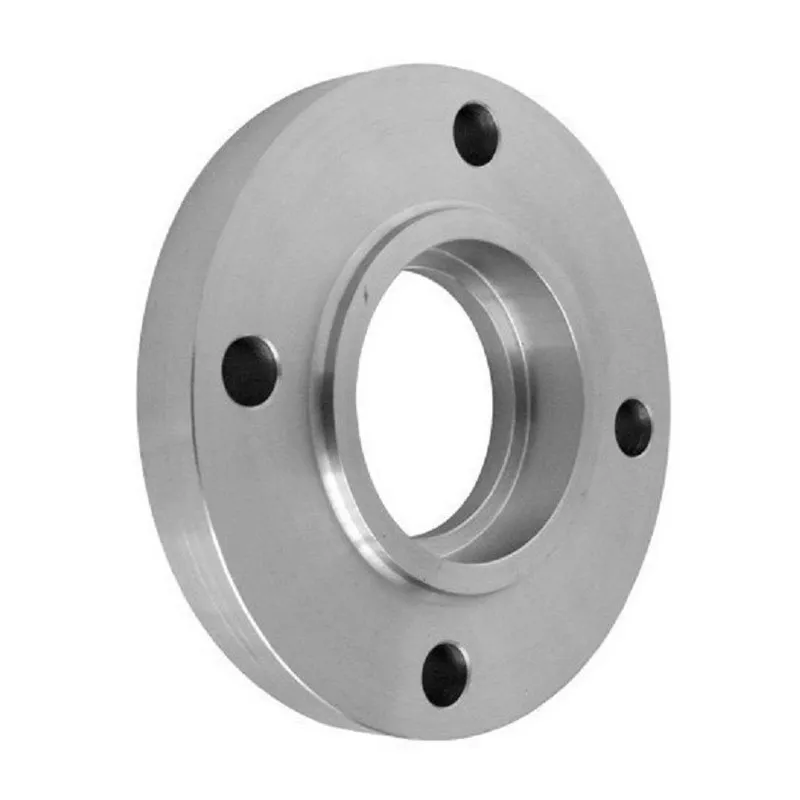
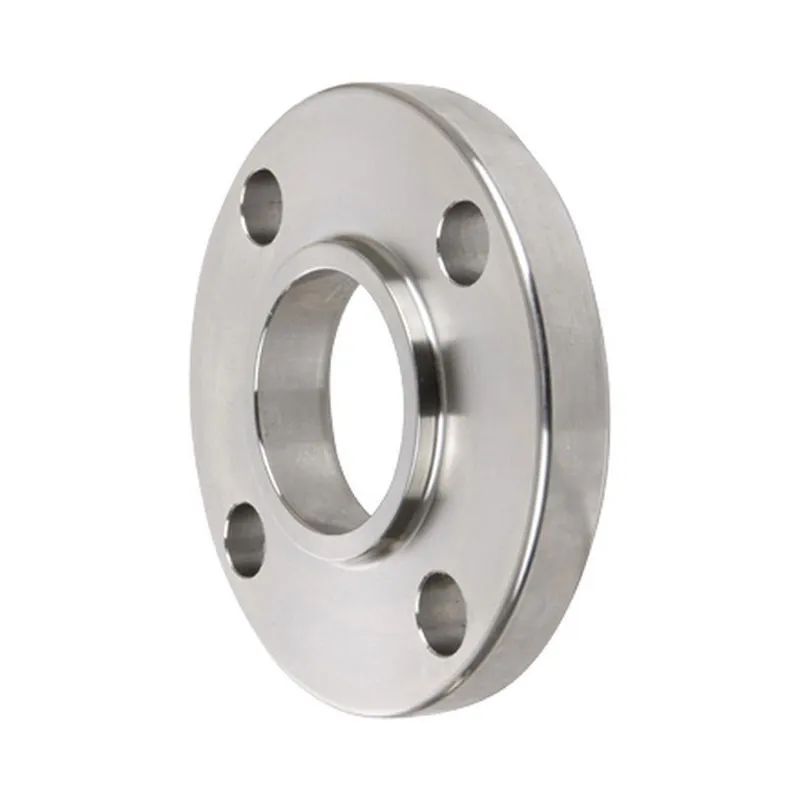
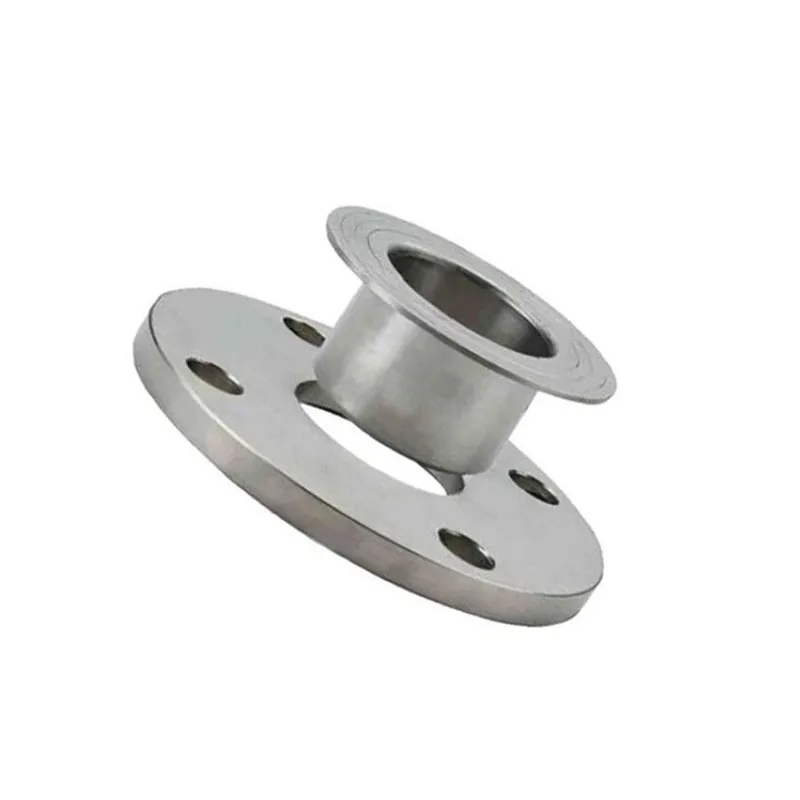
Best Sellingproducts
Best Selling Products-
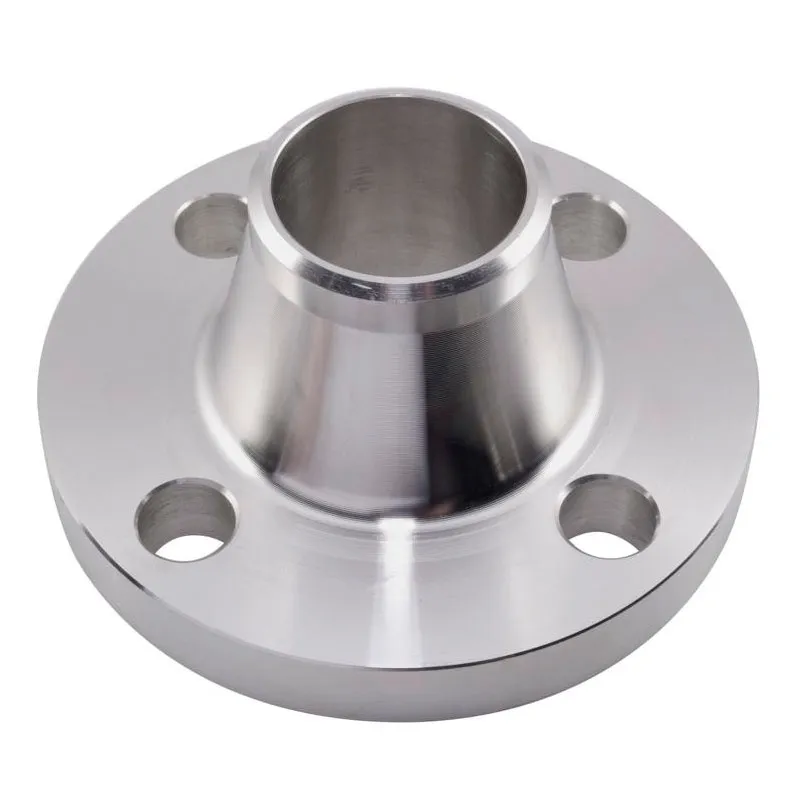 Butt weld flanges Class 900
 -
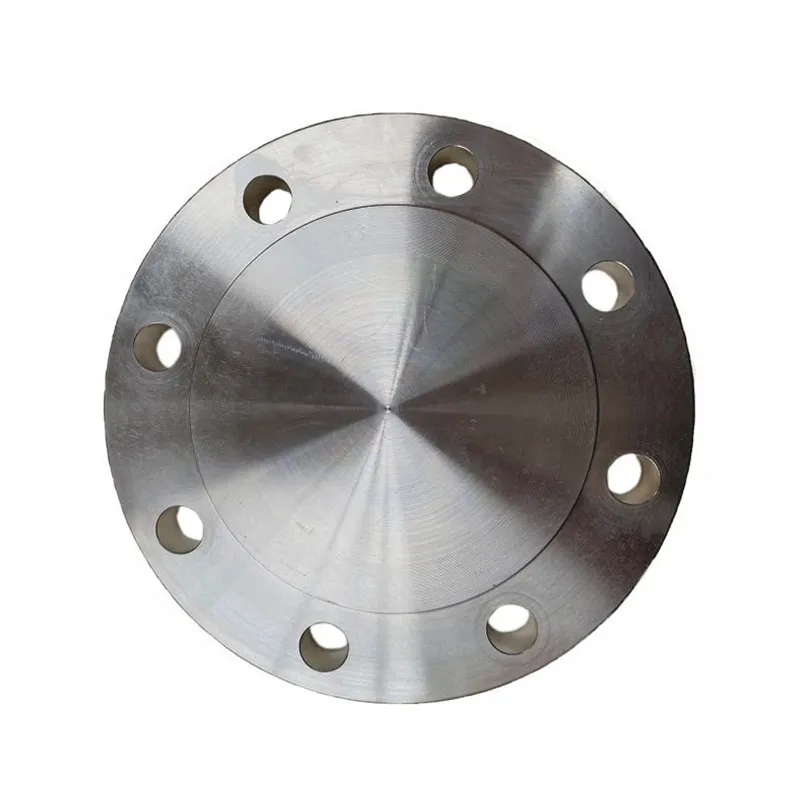 DIN 2527 Blind flanges PN10
 -
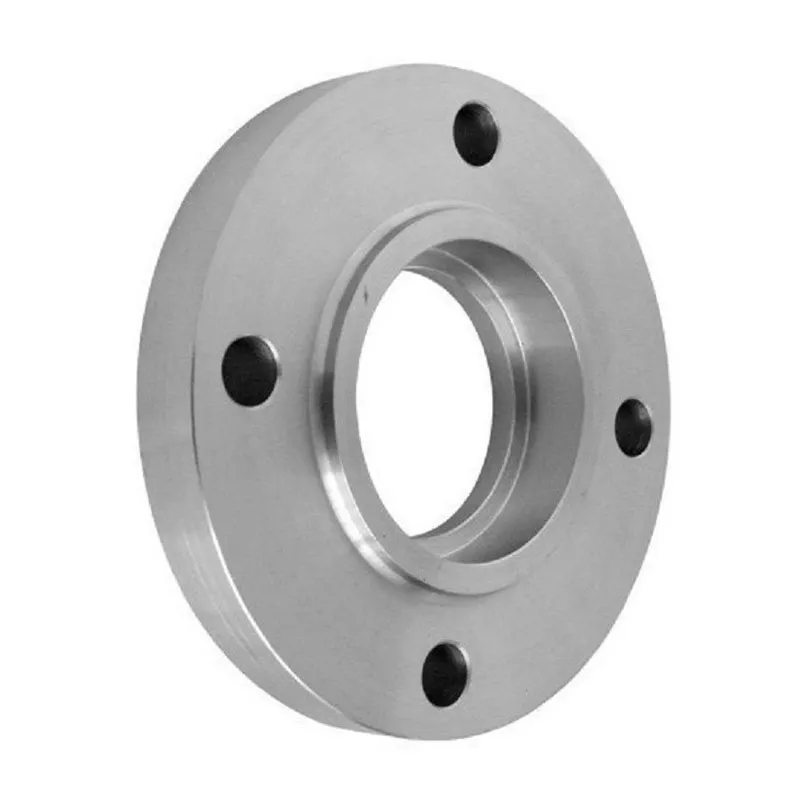 Socket Weld Flanges Class 300
 -
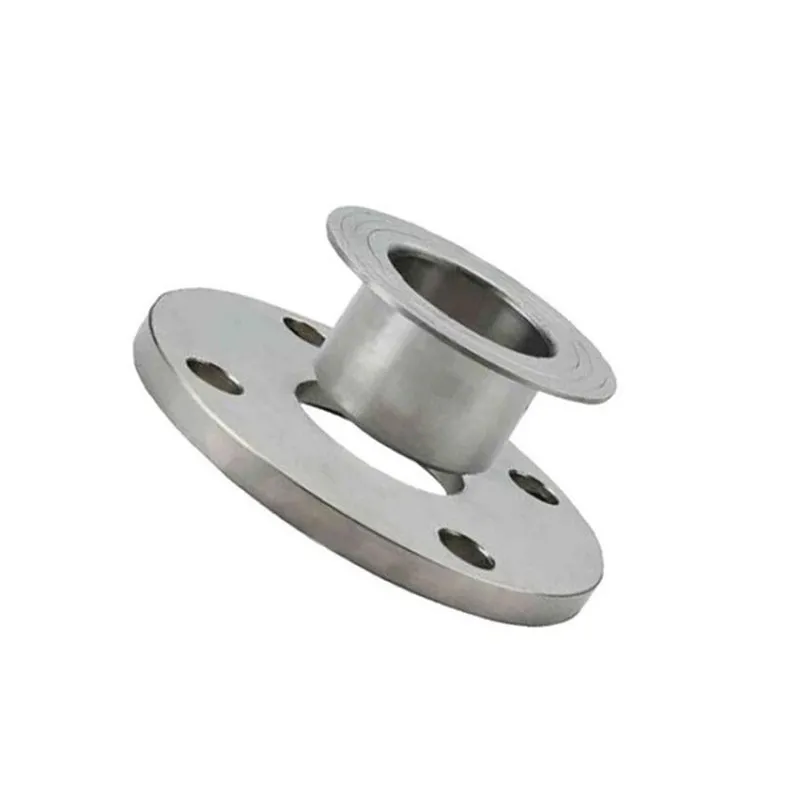 JIS 10K Loose Ring Flanges
 -
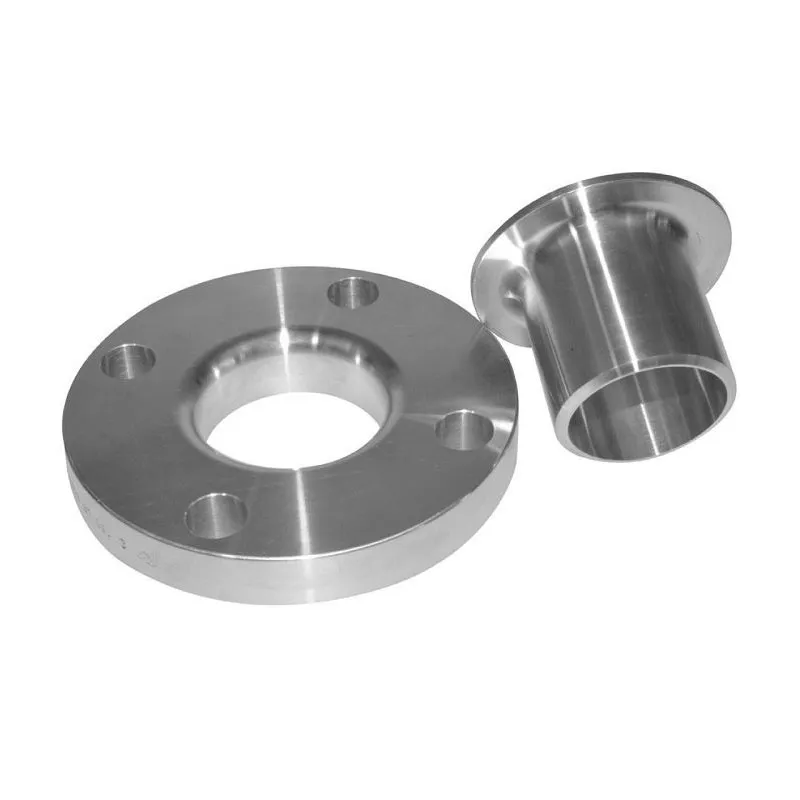 ANSI B16.5 Loose Ring Flanges Class 2500
 -
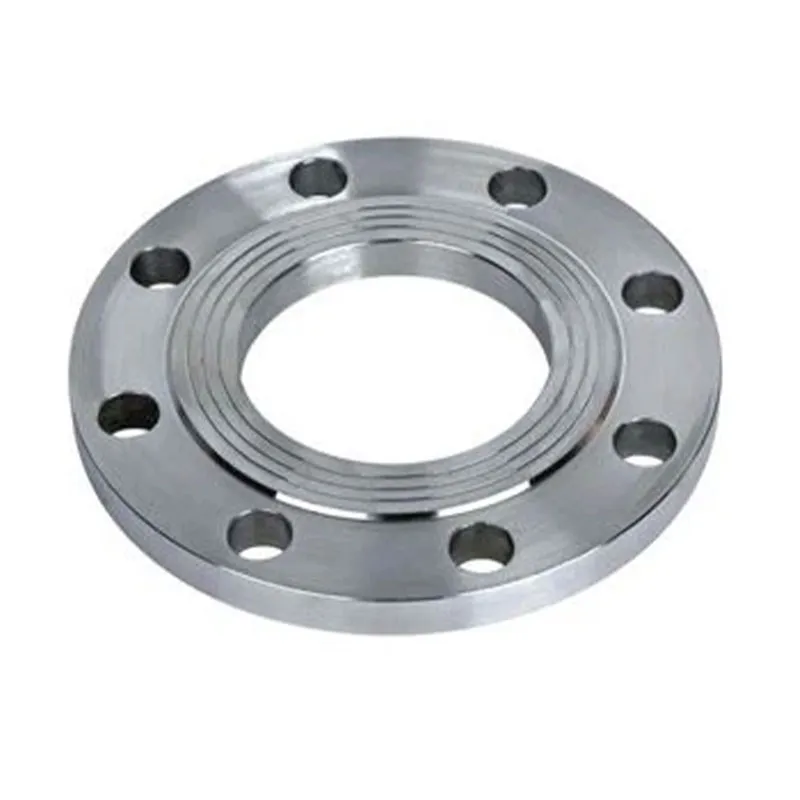 Butt weld flanges Class 150
 -
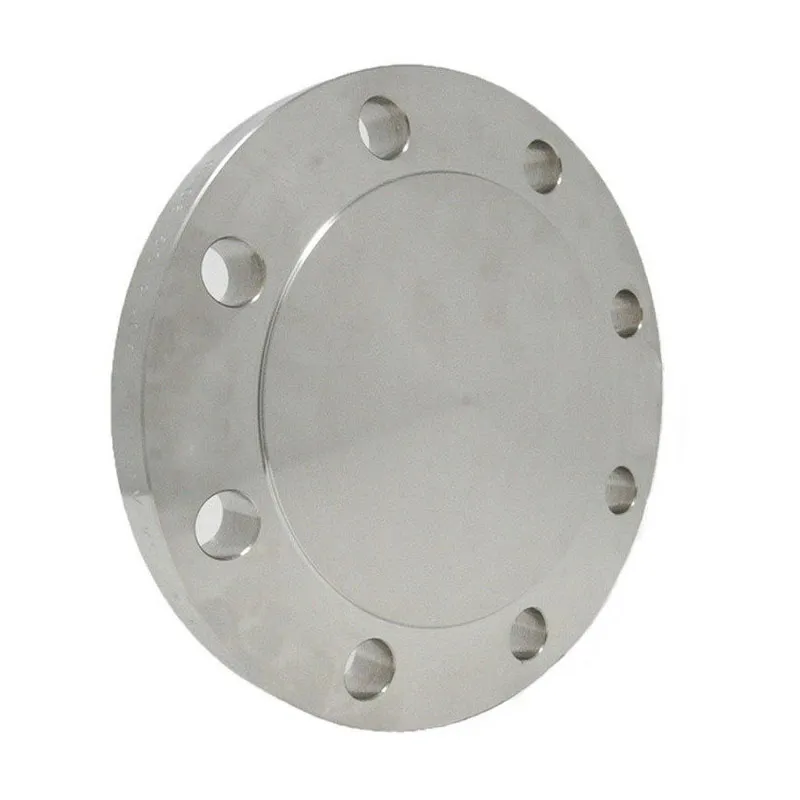 AWWA Blind Flanges Class D (Tables 1, 2, 3)
 -
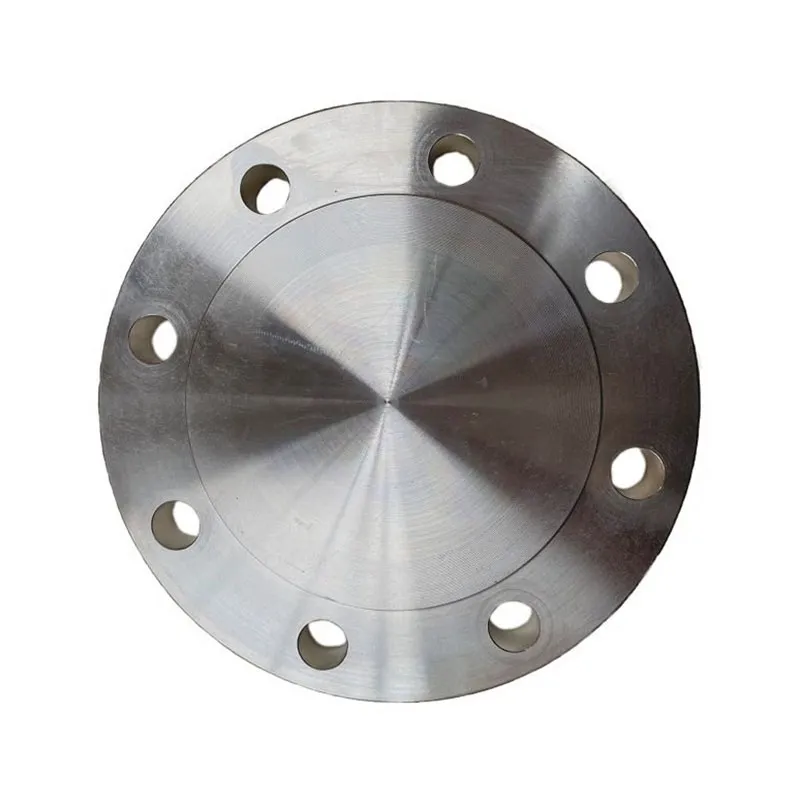 ASME B16.47 Ser.A Blind Flanges Class 400
 -
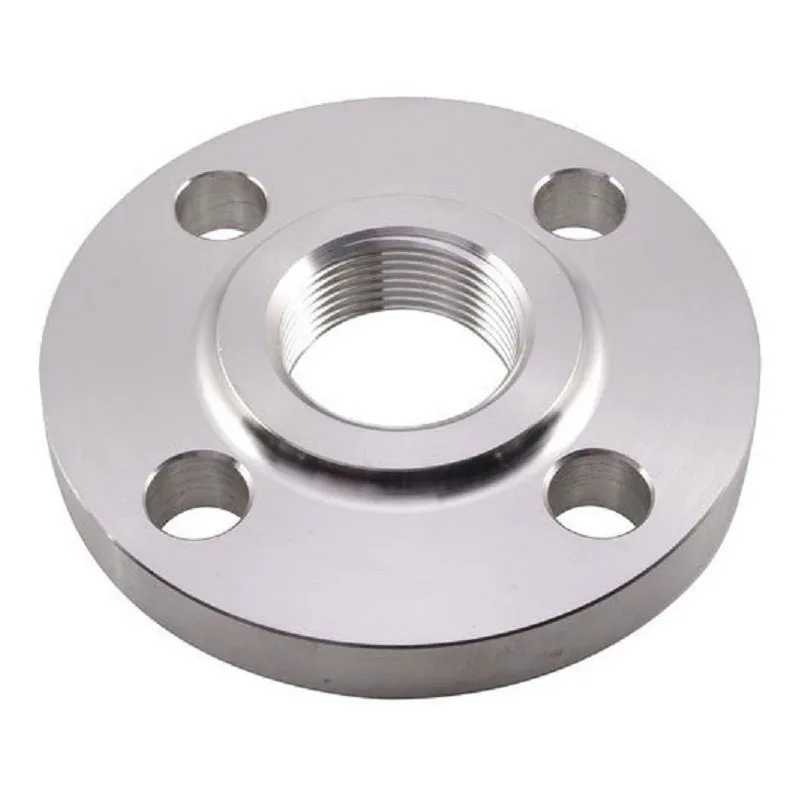 ANSI B16.5 Threaded Flanges Class 600
 -
 UNI 2281 Butt weld flanges PN10
 -
 EN 1092-1 Threaded flanges Type 15, PN16
 -
 ANSI B16.5 Lap-on flanges Class 1500