
-
-
Phone
+86-13623462298



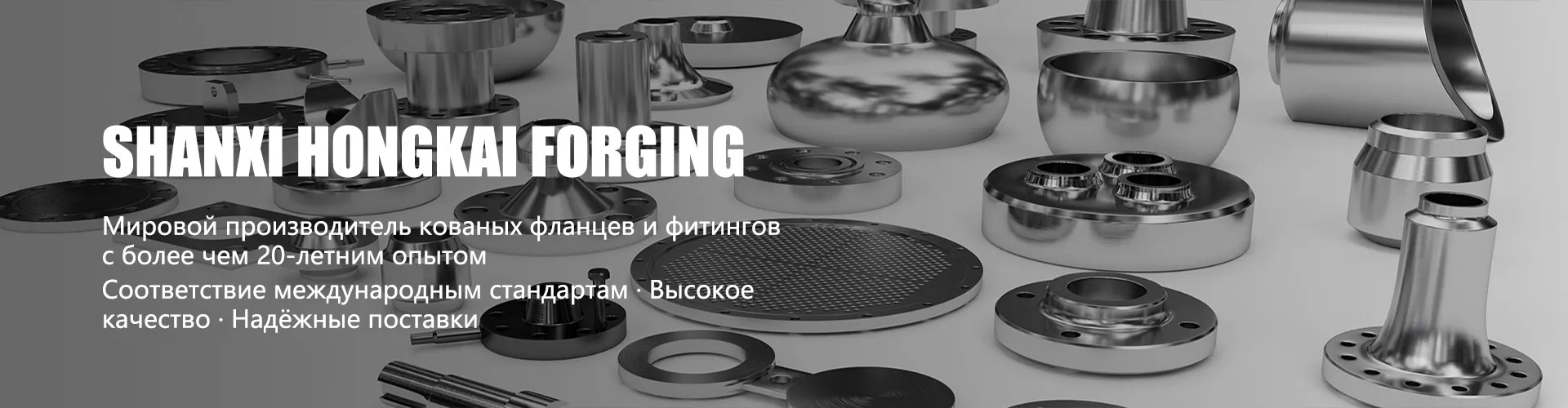
flanges dn300
When they say “dn300 flanges,” many people immediately imagine just a steel disk with holes, a kind of standard piece of hardware. But in practice, especially in critical pipelines, this is one of the most capricious sizes. Why? Because these are no longer small fittings, where everything is stamped in batches, but also not gigantic dimensions for an individual project. DN300 is the boundary where nuances that are not always directly stated in GOST or ASME begin to play a role. Errors in selection or installation come out especially quickly here.
Why DN300 often becomes a headache
Let's take, for example, a standard collar flange with a 300-th diameter according to GOST 33259. It would seem that you can take it and install it. But here is the first nuance: the thickness of the pipe wall. If the project involves increased pressure, the pipe is taken with a thicker wall. And its outer diameter will no longer be 325 mm (conventionally for DN300), but larger. Accordingly, the internal hole of the flange should not be for 325, but for this increased diameter. If this is not taken into account at the ordering stage, there will be a gap during installation or, worse, the pipe simply will not fit. I saw such jambs at the site for replacing a section of the main line - I had to urgently look for a turner to drill out the flanges that had already been delivered. Waste of time and money.
The second point is the material. For DN300, not only st3, but also 09G2S, 12Х18Н10Т, and even duplex steels are already actively used. And here it is not just compliance with the brand that is important, but the manufacturing technology. Stamping is one thing, but forging is another. A forged flange, especially for this size, gives a more uniform metal structure and less internal stress. This is critical for cyclic loads or vibration. We once tried to save money by taking stamped ones for a not very important area. Six months later, a microcrack appeared along the control seam precisely in the transition zone from the collar to the disc. Since then, for everything that works under pressure above 25 atm or with temperature changes, we insist on forged ones. By the way,Shanxi Hongkai Forging Co.,Ltdthe range has an emphasis on forged products, and the size range DN15–DN4000 allows you to cover almost any task, from minor repairs to a large project.
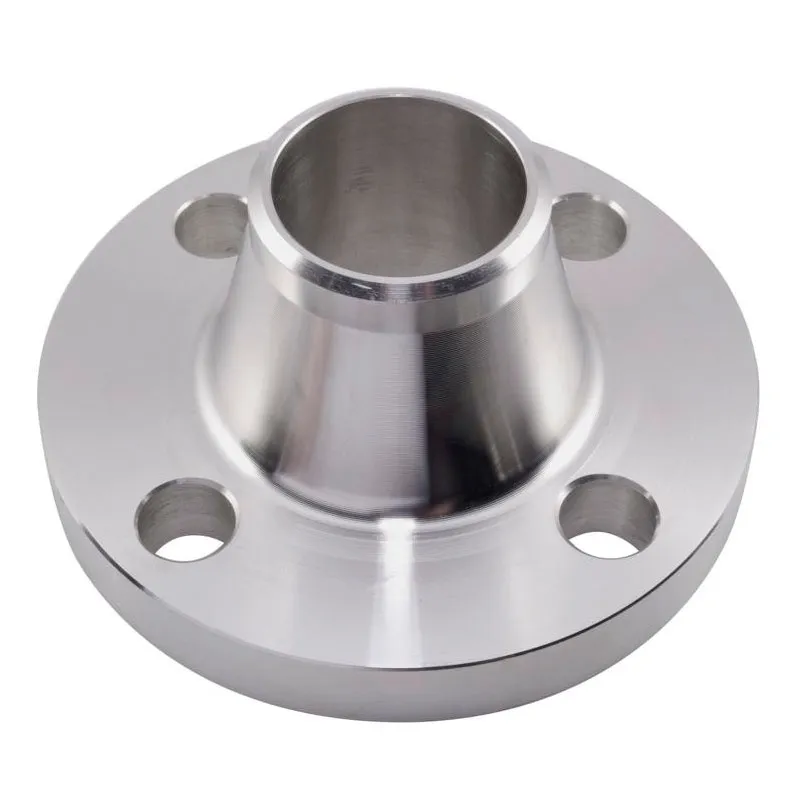
And the third pitfall is geometry. The DN300 butt weld flange has a fairly massive collar. It is important that the surface to be welded is properly processed, without scale and with the desired bevel angle. They also often forget about the alignment of the holes for the studs. It happens that the flanges seem to be of the same standard, but the holes are shifted by a couple of millimeters. When assembling, the pin cannot be inserted; it has to be flared. Therefore, now when ordering, especially from new suppliers, we always ask for a photo report of critical dimensions. Better double check.
Standards and reality: ASME B16.5 vs. GOST What to choose?
There is a lot of controversy here. If the project is international, ASME is often required. But our domestic GOST 33259 (formerly 12821), in my opinion, is even more practical for many conditions in the CIS. Let's take the same sealing surfaces. In ASME for DN300 this is usually tongue and groove (RF) or tongue and groove. Our GOST also has an option with a connecting protrusion (linda). In conditions where the pipeline can “walk?” due to temperature expansions, the Linde connection sometimes turns out to be more forgiving and forgives minor distortions. But this is my subjective observation, based on installation at a thermal power plant.
However, if we talk about supplies, factories that operate for export usually keep equipment in stock for all basic standards. I'm looking at the sitehkflange.ru- they directly indicate that they produce according to GOST, ASME, EN, DIN and others. This is an important sign. This means that there is an understanding that products can go into different systems. For us, as installers, this is convenient: you can order a batch for a specific project without worrying that the ASME B16.5 Class 150 flange will not match our GOST flange in size. Although, I repeat, you still need to check.
Interesting point about pressure. Pressure class 150, 300, 600 in ASME is not a pressure in atmospheres, but a conditional one. And for DN300, for example, the Class 150 flange is rated for approximately 20 bar at temperatures up to 200°C. But if the medium temperature is higher, the permissible pressure drops. In GOST, the system is different, it is linked to the conditional pressure Py. And this is where confusion often arises when replacing one standard with another in a project. It is necessary not only to compare the diameter, but to construct a temperature-pressure curve. One day we almost got caught by installing flanges according to ASME Class 150 instead of those required by the GOST specification for Ru 25, but for steam at 300°C. Well, the engineer noticed the discrepancy in the permissible load tables in time.
From practice: a case with a non-standard flange for a heat exchanger
We had a modernization project at a chemical plant. It was necessary to connect a new heat exchanger to the existing circuit. Pipe - DN300, material 12Х18Н10Т. But on the old flange, which was already welded to the main line, there was a non-standard marking for the studs - not 12 holes, but 16, and along a different circle diameter. The standard flange did not fit. There were two options: cut off the old one and weld a new standard one (long, the line needs to be stopped) or order an adapter flange.
Ordered according to drawing. It is in such situations that the manufacturer’s ability to make non-standard products is important. We sent a sketch with dimensions, indicated the material and requirements for heat treatment (stress relief tempering after welding). At that time we worked with several suppliers, including consideringShanxi Hongkai Forging Co.,Ltd, since their description directly states: “non-standard products according to customer drawings?”. As a result, we made an adapter flange on one side for the old markings, and on the other for the standard new ones. It was important to ensure parallelism and alignment of both sealing surfaces, otherwise leakage would be guaranteed. They were made by forging followed by machining, which is the right way for a stainless steel of this type to maintain its anti-corrosion properties.
The installation went without any problems, the docking took about forty minutes instead of the planned several days of downtime. This case once again confirmed that for sizes DN300 and above, the willingness to adapt to a non-standard situation is often more important than the low price of standard products. And the quality of processing of the end and holes for the studs was at the same level - there were no burrs, everything fit the first time.
What to look for when accepting and installing DN300 flanges
The first is labeling. It must be clear: standard, material, pressure, size (necessarily DN300 or 300), manufacturer's mark. Lack of markings is a red flag. Next is a visual inspection. Are there any visible shells or cracks, especially in the collar area? I check the geometry with a caliper: the outer diameter, the thickness of the disk, the diameter of the hole for the pipe and the diameter of the circle for the studs. For DN300, a spread of more than 1-1.5 mm from the standard is already a reason for questions.
Particular attention is paid to the sealing surface. It should be clean, without marks from a cutter more than a micrometer deep (you can touch it, the nail should not cling). If the flange has a tongue or groove, I check the depth and width of the groove. It happened that they brought flanges where the groove was undercut by a millimeter - the gasket was not recessed, the connection was not sealed. I had to send it for revision.
And the most important stage is assembly. For DN300 you already need a good torque wrench. The studs need to be tightened crosswise, in several passes, with a gradual increase in torque. If you tighten it in a circle or immediately with maximum force, the flange may become distorted. And then a leak under warranty will be the fault of the installation, and not the manufacturer. After the first start-up under pressure, I always do a second tightening on a cold system - this is mandatory.
Instead of a conclusion: thinking out loud about quality and trust
Working with flanges, especially in such a common but no less important size as DN300, I came to a simple conclusion: the reliability of an assembly consists of three things. The quality of the product itself (the manufacturer with his technologies decides here, be it forging, like the one mentionedChinese manufacturer of forged flanges and forgingsfrom Shanxi, or other proven method). A competent designer who will take into account all environmental parameters. And the neatness of the installer. If one link fails, the perfect remaining two may not save the situation.
Now the market is saturated with offers. You can buy a DN300 flange for pennies, but its origin and mechanical properties will be questionable. Or you can find a manufacturer who will provide certificates, make it according to the required standard, and even advise on installation. The difference in price per piece is sometimes severalfold, but the cost of a possible accident or downtime is trivial. I decided for myself that at critical sites, saving on this link is more expensive. It is better to carefully select a supplier who makes flanges not just like iron disks, but as precision engineering products on which the operation of the entire system depends. In the end, DN300 is not the end of the size line, but it is where it is most often tested how seriously everyone is taking the matter.
Correspondingproducts
Related Products
Best Sellingproducts
Best Selling Products-
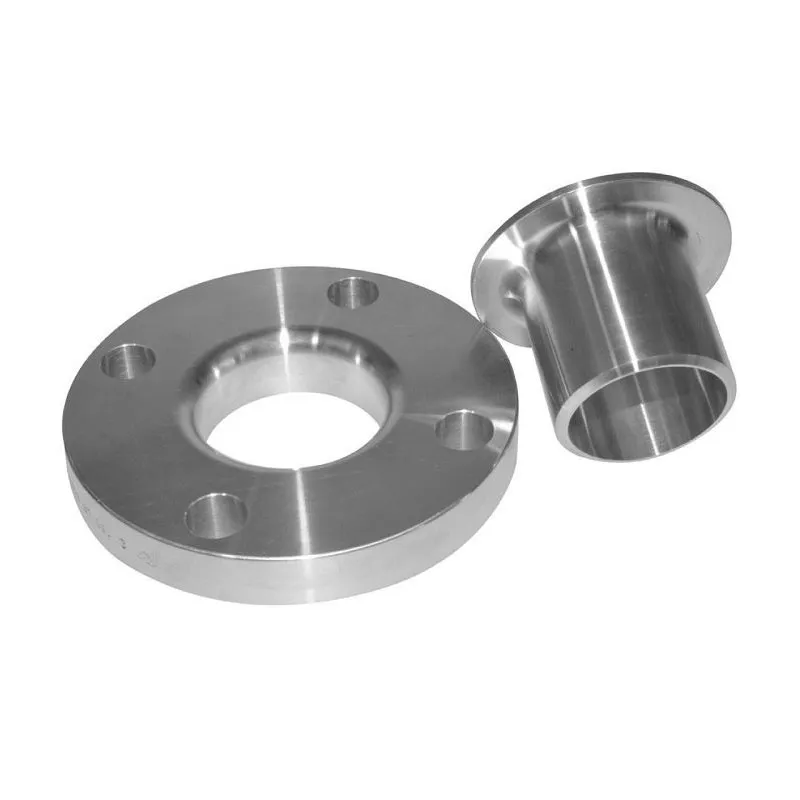 ANSI B16.5 Loose Ring Flanges Class 2500
 -
 Socket Weld Flanges Class 300
 -
 JIS 10K Overlay flanges
 -
 Free ring flanges Class 150
 -
 Butt weld flanges Class 900
 -
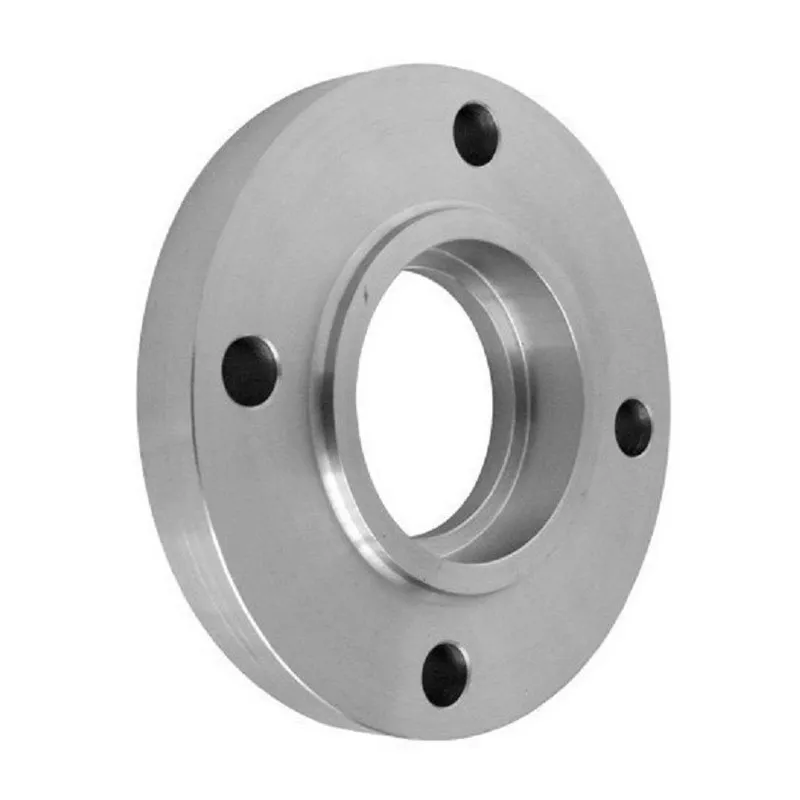 JIS 5K Socket Weld Flanges
 -
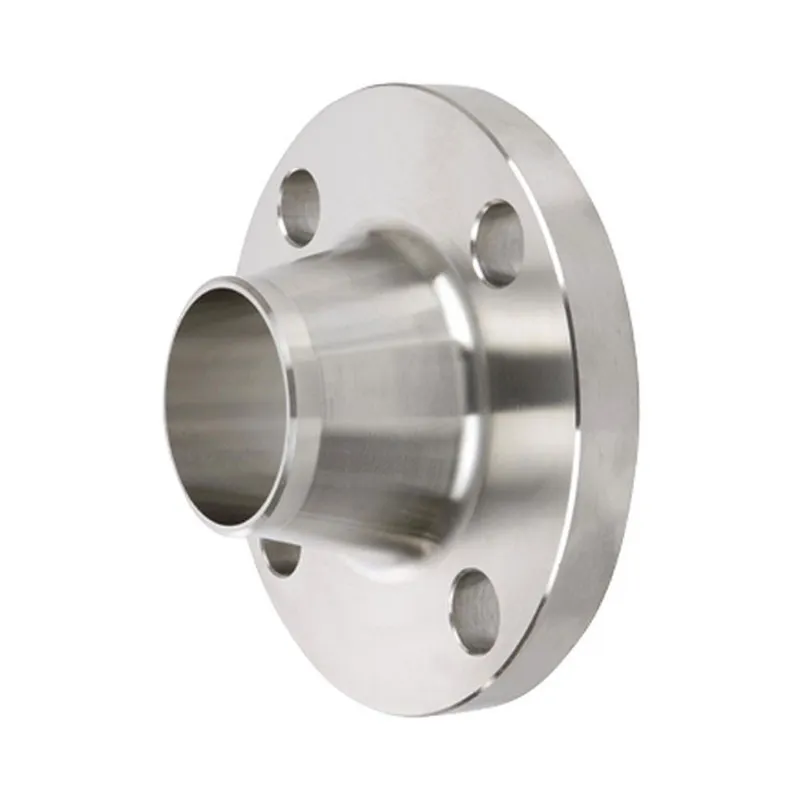 EN 1092-1 Butt weld flanges Type 11, PN25
 -
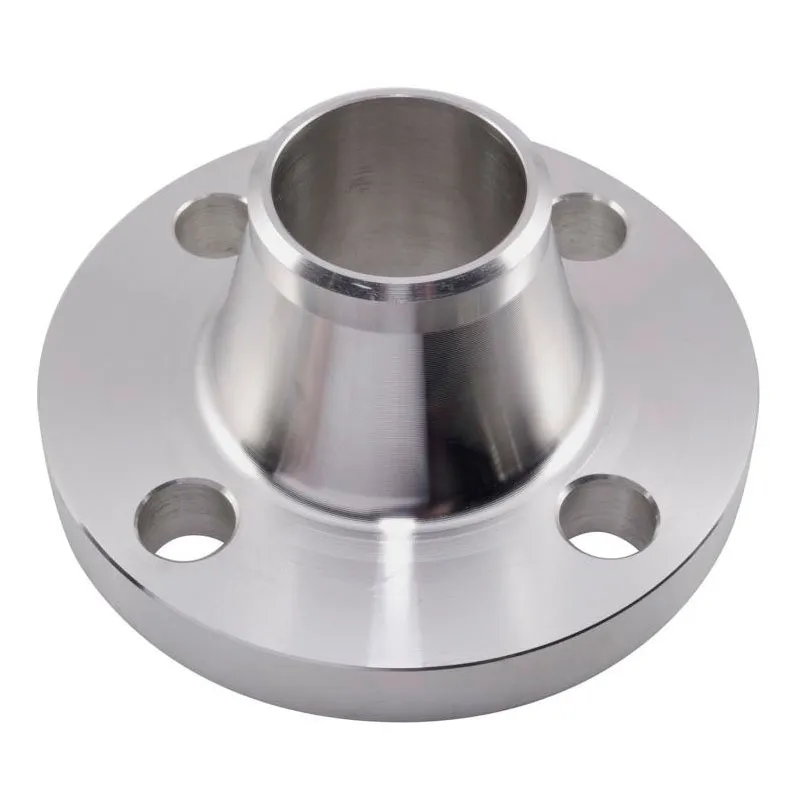 DIN Butt weld flanges PN10
 -
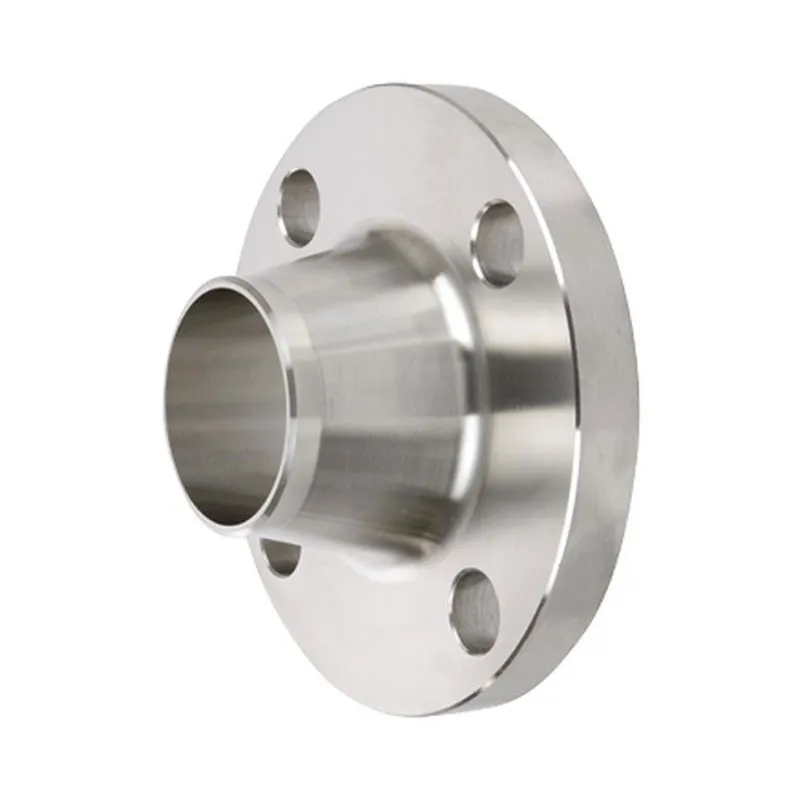 Ser.A Butt Weld Flanges Class 400
 -
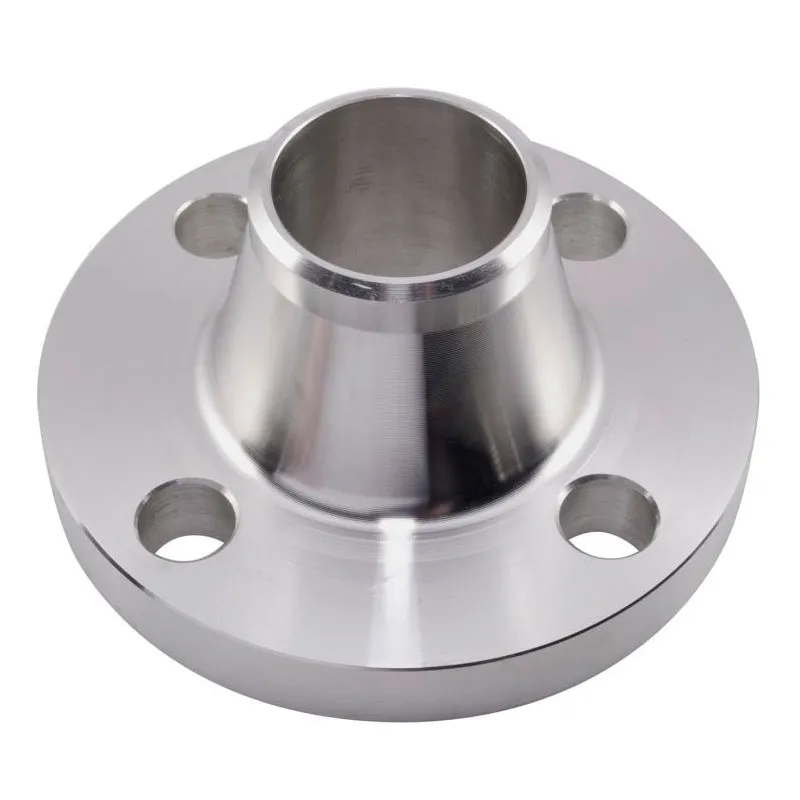 UNI 2281 Butt weld flanges PN10
 -
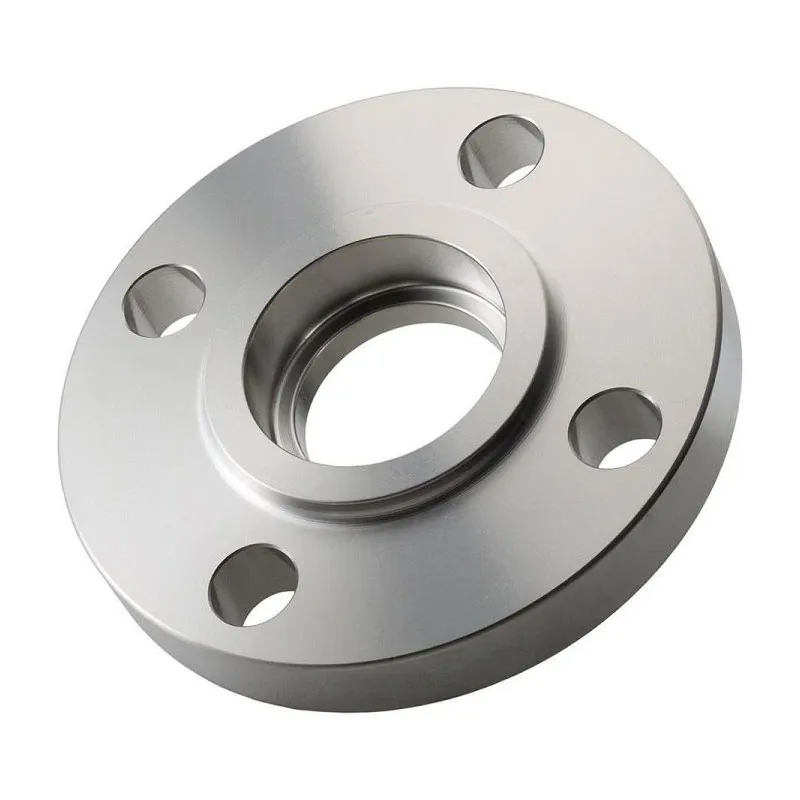 ANSI B16.5 Socket Weld Flanges Class 150
 -
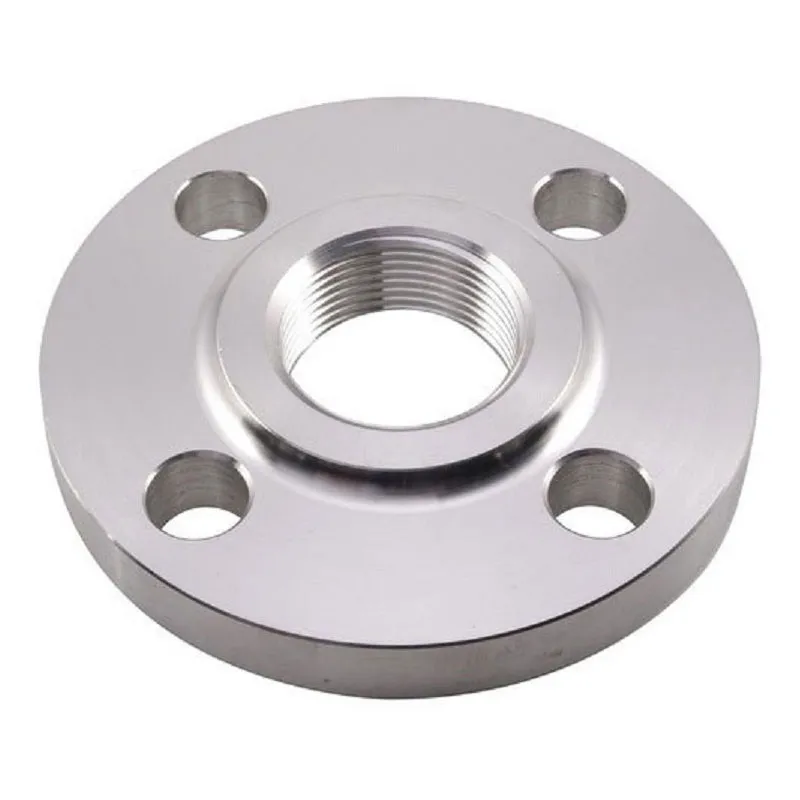 DIN 2565 Threaded flanges PN6